






As we step into a new year, it’s time to leave behind outdated myths and move forward with hope, courage, and fresh perspectives.
Life after cancer can feel like a blank canvas, inviting you to write your next chapter in your own way. Survivorship is deeply personal, and others may not always understand the physical and emotional journey you’re carrying.
This article highlights common myths about survivorship, offering clarity, support, and encouragement for those navigating life beyond cancer.
Myth 1: “Survivorship is only for those who are cancer-free.”
Many people see survivorship as life after treatment – a shift from active care to maintaining health and watching for signs of cancer returning [1].
In reality, it also includes those living with metastatic (Stage IV) breast cancer, even if some do not identify as “survivors” in the strictest sense [2]. For women needing ongoing treatment, survivorship means managing symptoms, embracing the present moment and planning for the future [1] [2].
Every journey is valid. Survivorship isn’t defined solely by the absence of cancer; it’s about living with, through and beyond a diagnosis.
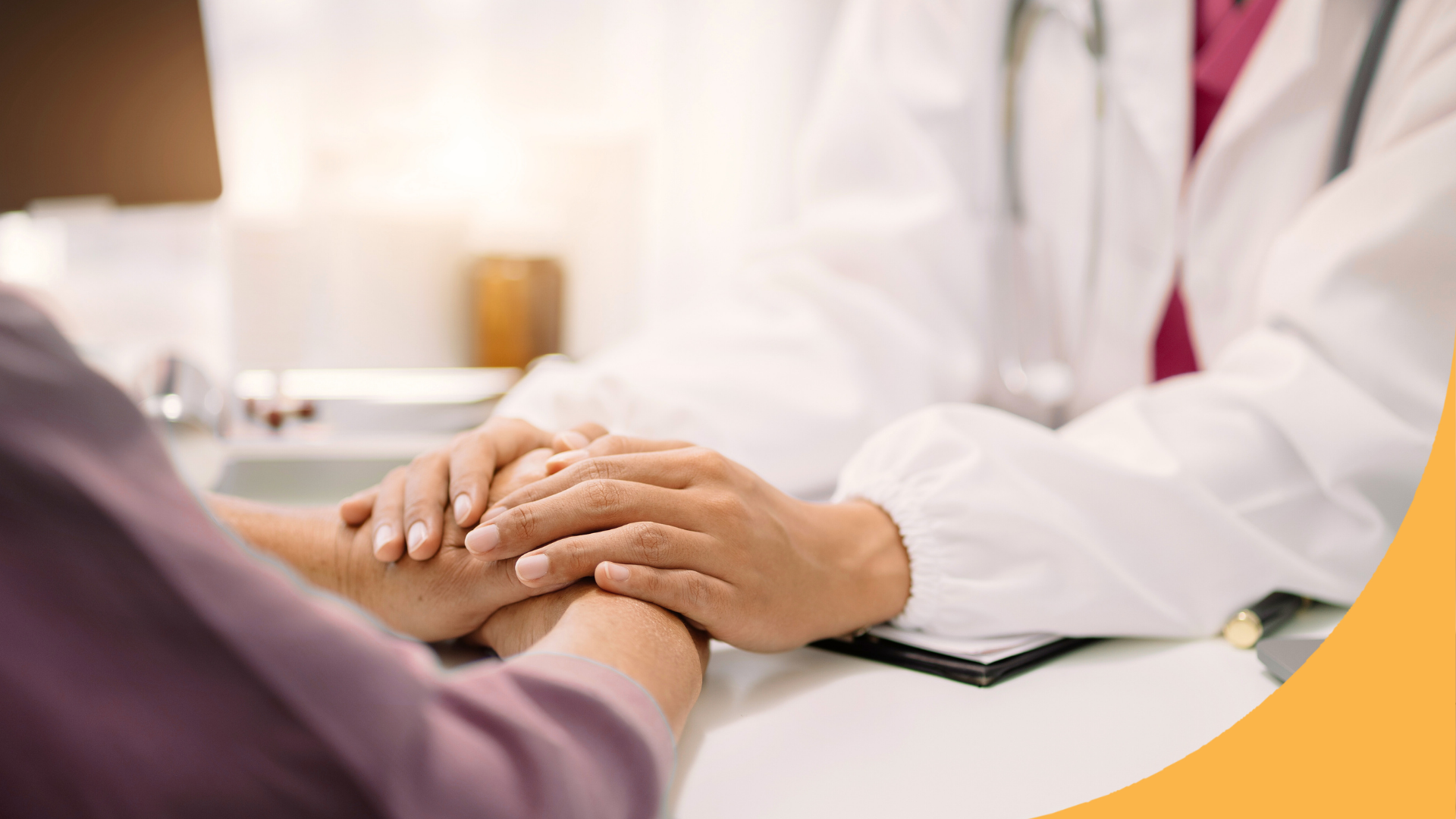
Myth 2: “Once treatment ends, I no longer need to see my doctor.”
Completing cancer treatment can feel like crossing a finish line, a milestone worth celebrating. However, follow-up care remains a vital compass guiding your long-term health.
Regular check-ins help your care team monitor your recovery, manage lingering side effects and address concerns promptly [3]. Your follow-up plan depends on your overall health, the cancer type, and the treatment received [4].
Even if you feel anxious before appointments, showing up is an act of quiet courage [5]. Staying connected with your doctor helps you maintain control and provides reassurance as you move forward.
Myth 3: “Surviving cancer means I should ‘bounce back’ quickly and be the same as before.”
It’s natural to long for life before diagnosis. Loved ones may expect you to “return to normal” and not understand why cancer still casts a shadow, leaving you feeling alone [6] [7].
Beyond bodily changes and lingering side effects, many survivors live with the fear of recurrence, where minor aches can trigger deep worry [6]. You may also grieve the person you once were or the life you imagined [8].
Yet life after cancer, while complex, holds space for new strength and growth. Healing means honouring your feelings and granting yourself grace, and embracing each day as a gradual step toward new beginnings.
Myth 4: “If I have difficult days, it means I’m not coping well.”
There’s no right or wrong way to cope with life after cancer. Everyone’s journey is unique, and comparing yourself to others only adds pressure [4].
Feeling anxious, low or overwhelmed doesn’t mean you are failing. These feelings are simply part of the healing journey.
It’s okay to not feel positive all the time [8]. Allowing yourself to experience difficult emotions, such as sadness or fear, is a healthy way to process what you’ve been through.
Crying isn’t weakness – it’s a gentle release that eases emotional burden and improves mood [9]. If sharing your feelings feels hard, writing them down can be a helpful alternative [4]. Instead of locking away your emotions, be honest with yourself and let them out in ways that feel right for you [5].
On tough days, pause and reflect on how far you’ve come and celebrate the strength and resilience you’ve shown [5].
Myth 5: “I’m unable to lead an active or vibrant life as a survivor.”
For those who’ve finished treatment, reconnecting with yourself and your purpose takes time. The physical changes and emotional weight of the cancer journey can make living meaningfully feel more challenging [10].
Yet a cancer diagnosis can spark reflection and encourage you to reassess what matters most [1] [10].
Whether you’re post-treatment or living with advanced cancer, cherishing small moments, rediscovering old interests or exploring new ones at your own pace can fill everyday life with meaning and joy [4] [6]. There’s no need to rush or do everything all at once [5]. Living fully doesn’t mean living exactly as before – it means discovering what brings warmth to your heart right now.
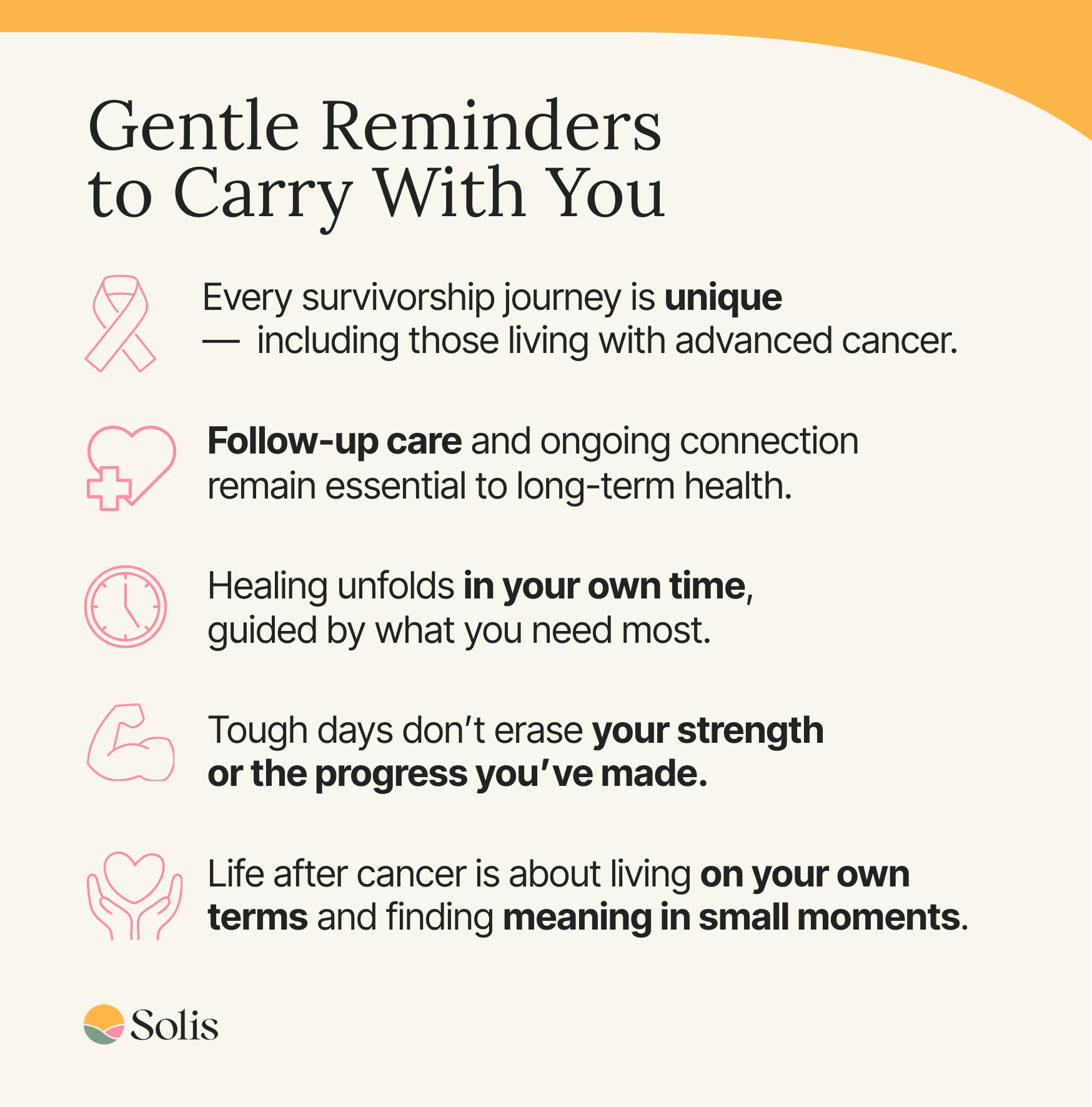
Creating Space for Compassion
At Solis and Luma, we believe survivorship is about creating a safe space for healing – where survivors feel understood, respected and empowered to move forward on their own terms.
As we enter 2026, let’s leave behind limiting myths and make room for compassion, nuance and hope. Survivorship isn’t a journey walked alone. It’s shaped by those around us – the assumptions we make, the words we use, and the spaces we create.
By challenging misconceptions, we become more empathetic listeners, friends and family members. We can help survivors feel seen, believed and supported – free from the pressure to explain or the rush to heal.
The Breast Years of Your Life: Living Well After Cancer is a compassionate companion for those navigating life beyond cancer. From nutrition and exercise to sexual intimacy, each chapter is a gentle guide through the journey. Learn more and grab your copy here: https://www.solis.sg/the-breast-years-of-your-life/
References
[1] Journal of Surgical Oncology, Breast cancer survivorship
[3] American Cancer Society, Follow-up Care After Breast Cancer Treatment
[4] National Cancer Institute, Facing Forward: Life After Cancer Treatment
[5] Mayo Clinic, Cancer Survivors: Managing Your Emotions After Cancer Treatment
[6] European Society for Medical Oncology, The Guide for Patients on Survivorship
[8] Cancer Council, Living Well After Cancer
[10] Journal of Cancer Survivorship, Psychosocial experiences of breast cancer survivors: a meta-review