

The Types of Breast Cancer Surgery: Lumpectomy, Mastectomy and More

Breast cancer is a significant health concern in Singapore, as it is the most commonly diagnosed cancer among women. According to the Singapore Cancer Registry Annual Report 2020, breast cancer accounted for about 30% of all newly diagnosed cancer cases in women between 2016 to 2020. The rise in breast cancer cases emphasises the importance of early detection and effective management strategies to fight the disease. Breast surgery plays a crucial role in breast cancer management as it aims to remove the tumour and prevent its spread to other parts of the body. While combining two or more types of treatments – such as surgery, radiotherapy and chemotherapy – may be more effective than a single therapy alone, breast surgery remains the first treatment step in most early-stage breast cancer. There are different types of surgery for breast cancer. Your doctor will discuss the most suitable option for your treatment based on the size of the tumour and its location, your breast size, and your personal wishes and feelings. What is a Lumpectomy? Lumpectomy is a breast-conserving surgery that is typically recommended for small, localised and early-stage cancer (stage 0, 1 and 2)[1]. This approach allows for breast preservation while effectively treating the cancer. During a lumpectomy, the breast surgeon will remove the breast tumour and a margin of healthy breast tissue surrounding it. In addition, a sentinel lymph node biopsy is often performed, involving the removal of a few lymph nodes from the underarm area. If cancer cells are detected in the sentinel nodes, further lymph nodes may be removed through a procedure called axillary node dissection1. After a lumpectomy, your doctor may recommend radiation therapy to remove any cancer cells that might remain and reduce cancer recurrence in the preserved breast.   What is a simple (or total) mastectomy? During a simple (or total) mastectomy, your surgeon removes the entire breast, including the nipple and areola. In the case of a modified radical mastectomy, lymph nodes in the underarm region are also removed1. Mastectomy is typically recommended when1: the cancer is present in more than one area of the breast, the tumour is relatively large in relation to the size of the breast, the patient is not suitable for radiotherapy due to other medical conditions, or she does not want to undergo radiation therapy after surgery Mastectomy serves as an effective treatment option in cases where breast conservation is not feasible. This surgery technique ensures the comprehensive removal of the cancerous tissue. Breast reconstruction surgery after mastectomy Some women may worry about how their breasts will look after a mastectomy. In most cases, breast reconstruction surgery can be done to resolve this. The surgery rebuilds the breast so it is similar in size and shape to your other breast2. Many women have breast reconstruction done at the same time as a mastectomy. Some wait and have it done as a second surgery later. You can talk to a breast cancer specialist about reconstructive surgery options. Other options after a mastectomy include wearing a breast form (breast prosthesis) or a special mastectomy bra. What is oncoplastic breast surgery? Oncoplastic breast surgery is an emerging discipline that combines plastic surgical techniques with breast-conserving surgery. In oncoplastic surgery, the cancer and a rim of surrounding normal breast tissue are removed, and the remaining breast is then reshaped3. The patient then receives radiation therapy to the remaining part of the breast. Oncoplastic breast surgery has several advantages over mastectomy, as it enables women to preserve their natural breasts. Women can then retain a breast that is warm, soft and sensate. The breast will also fit comfortably into her bra, allowing her to move naturally in her daily life. Oncoplastic surgery also helps to reduce surgical trauma and minimise associated complications. This approach prioritises the preservation of the breast and the patient’s overall well-being and quality of life. However, oncoplastic breast surgery may not be suitable for certain types of breast cancer, such as inflammatory breast cancer or cancers that have extensively spread5. The procedure may not be possible in cases where there are multiple tumours throughout the breast unless the breast is quite huge5. Importance of discussing surgery options with healthcare providers Essentially, the specific surgical procedure recommended for patients depends on factors such as the size and location of the breast cancer and what is most suitable for the patient. Our experienced doctors at Solis will guide women through available options and recommend the most appropriate approach tailored to the patient’s needs. Our team of dedicated breast surgeons collaborates closely with Luma Women’s Imaging Centre and Luma Medical Centre. This collaborative approach involves a multi-disciplinary approach, where our team of breast radiologists and in-house pathologists work together to provide comprehensive breast care. As Singapore’s first private integrated breast care centre, we are committed to combining expertise and advanced technology to provide holistic breast care for our patients. 1 HealthXchange, “Breast Cancer Treatment: An Overview” 2 John Hopkins Medicine, “Mastectomy” 3 HealthXchange, “Breast Surgery: Fresh Hope in Oncoplastic Surgery” 5 BreastCancer.org, “What is Oncoplastic Lumpectomy Surgery?”
Read more

Coming Back Like a Phoenix: One Woman’s Breast Cancer Journey

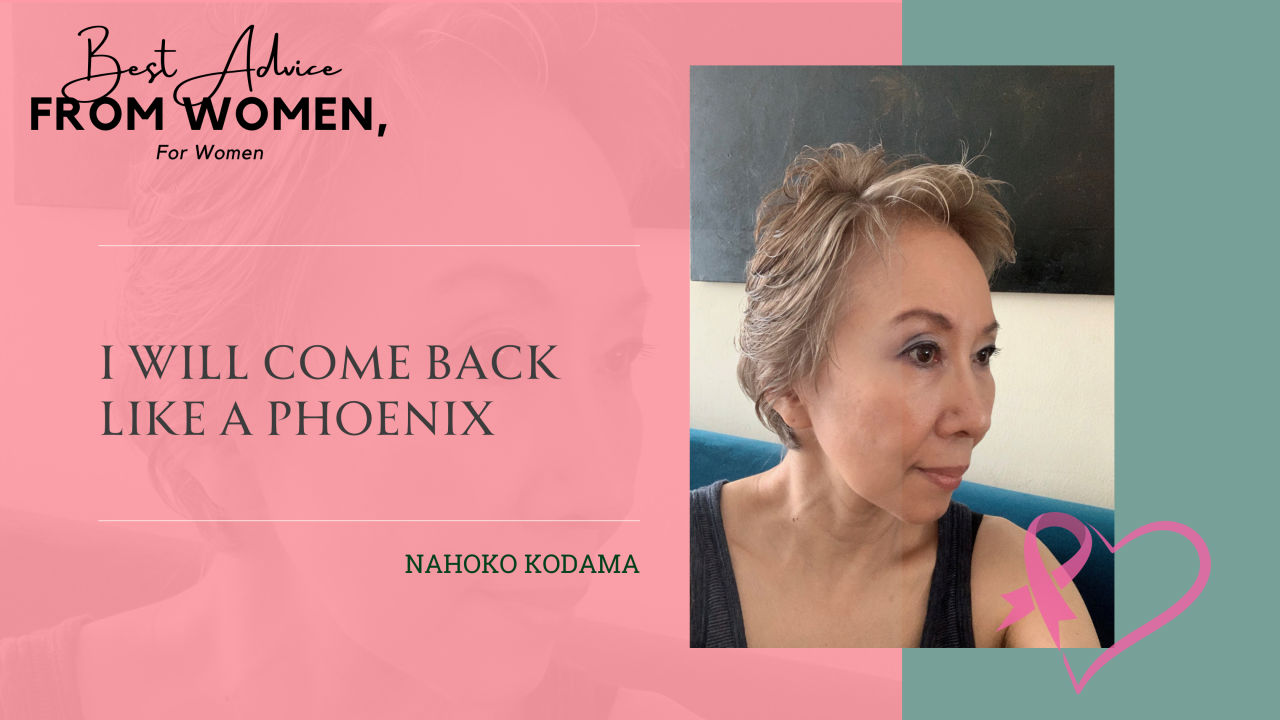
Breast cancer is the most commonly diagnosed cancer in women in Singapore. While there are certain risk factors/symptoms that may cause one to be more aware, no one can tell if, or when, breast cancer (or cancer in general) may occur. When something life impacting like breast cancer is confirmed, most people are left feeling despondent and may take some time to overcome and accept the condition. We speak with Nahoko Kodama on her breast cancer diagnosis and what has helped her greatly in her journey to “come back like a phoenix”. What kind of breast health issue did you face? I was diagnosed with triple positive stage 2 plus breast cancer. How did you discover it? I felt a lump in the right upper chest and I was feeling a little pain for a few months as well. What was your biggest revelation after you were diagnosed? There were no major surprises, as the doctors told me very calmly. It was like I knew it. What is one thing you wish you knew before you started treatment? I [wished I knew] more about the type of cancer I had, its progression, treatment options, duration of treatment and side effects. What has the journey of dealing with or managing this issue been like for you? It was a tough journey, of course, but I accepted the fact that it was important to keep the energy to carry out the chemotherapy until the end of treatment. To achieve this, I decided to continue exercising (yoga) to maintain my fitness and also to continue with ballroom dance lessons, which I had been taking for a long time. After my treatment, I was determined that I would definitely take part in a dance competition, and my dance teacher in Russia supported me with messages every two weeks. I feel that his encouragement, combined with my enthusiasm for dance, was a major factor in my overcoming the chemotherapy. Before this cropped up, what was your attitude toward breast health? There was recognition that breast cancer can be self-checked and that early detection is very important. Did this journey change that attitude? This idea has not changed. I have a check-up with a specialist every six months, as I am currently on medication. And I have become more careful with my food than before. Vegetables are basically organic; I take more protein and I regularly take Chinese herbal supplements to keep my blood healthy. What do you think women in general feel about breast health? In general, I think that almost half of women feel that breast cancer screening is necessary, but they are too busy or something and don’t get regular check-ups. Basically, I think it is also common to think that you don’t get cancer. What are your thoughts when it comes to general awareness/education in this area? Unless you or someone around you has cancer, you will not understand the difficulty and the seriousness of cancer treatment. At times, it may be avoided as a topic you don’t want to see or hear about. It is necessary to make sure that people are aware of the fact that early detection means a shorter treatment period and a smaller burden. What advice would you give women about breast health? First, make it a daily routine to check your breasts for any abnormalities by self-checking every day. Although there is an overlap, regular breast cancer screening should always be carried out. If you are found to have breast cancer, accept the facts unhesitatingly and submit yourself to treatment by trusted doctors. Decide what you want to do first when your treatment is over and your health is restored, so that you can be motivated to complete your treatment. Encourage yourself to say, “I will come back like a phoenix.” The breast is a woman’s most beautiful organ. Tell yourself that you must cherish that treasure for the rest of your life. It is never too late to start taking care of your #breasthealth. Find out how you can reduce your risk of developing breast cancer here.
Read more

Getting to Know Dr Henry Oscar

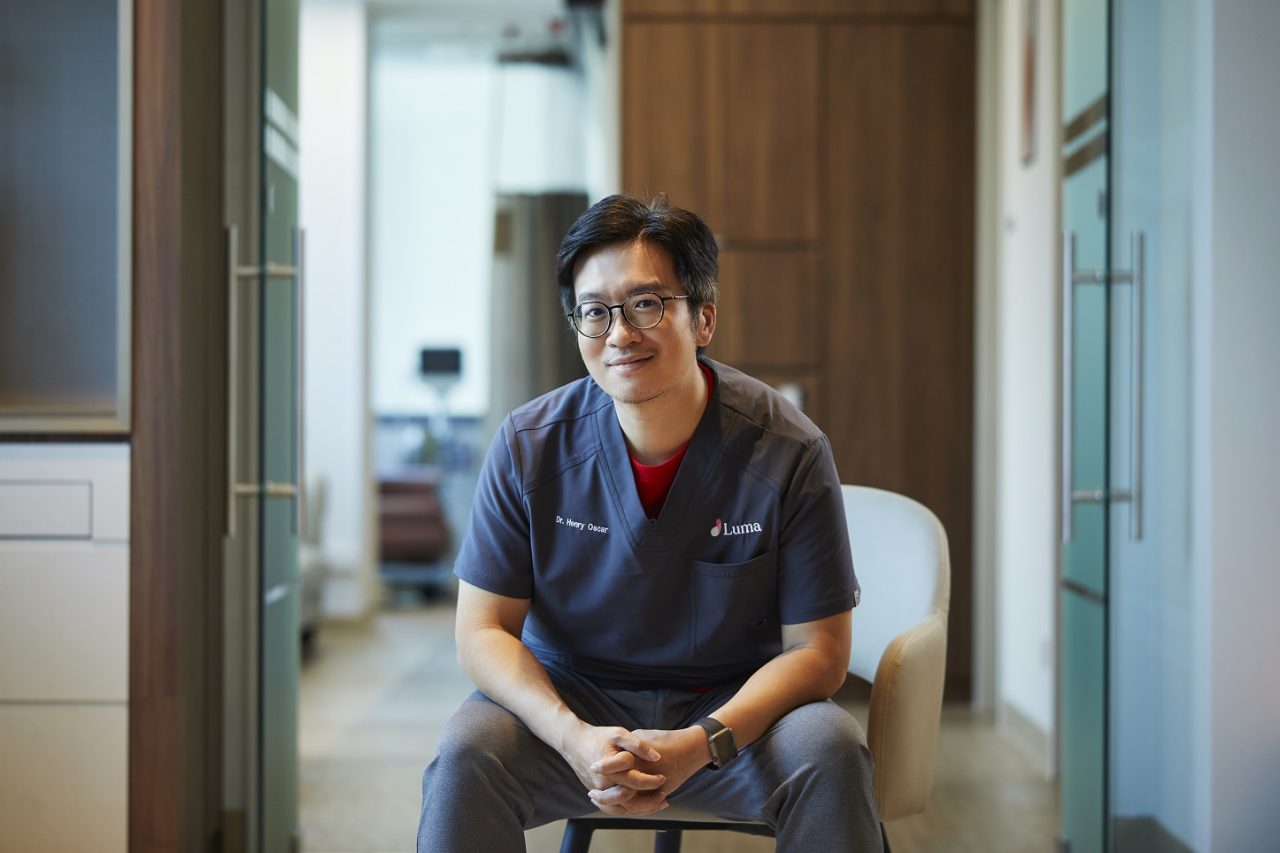
Image reference: Dr Henry Oscar In this edition, we get up-close and personal with Dr Henry Oscar, Consultant Radiologist and Co-founder of Luma Women’s Imaging. Dr Henry specialises in breast imaging and breast cancer intervention. He performs diagnostic procedures, including breast ultrasound, biopsies, and wire/seed localisation. As an experienced interventionist, he interprets all breast imaging studies including mammography and tomosynthesis, breast ultrasound, and breast MRI. He also routinely performs stereotactic and ultrasound-guided breast biopsy. Why did you choose to become a radiologist and why a subspeciality in breast? Radiologists are specialised medical doctors who use imaging techniques, such as X-rays, ultrasounds, CT scans, and MRI scans, to diagnose and treat medical conditions. We play a critical role in helping other healthcare professionals make accurate diagnoses and develop effective treatment plans. I chose to specialise in breast imaging because breast cancer is a prevalent disease that affects many women worldwide. Breast imaging is also a rapidly evolving field with new techniques and technologies constantly being developed, which can provide opportunities for research and innovation. Additionally, breast radiologists work closely with breast surgeons, oncologists, and other healthcare professionals to provide comprehensive care for patients with breast cancer. By specialising in breast imaging, radiologists can develop expertise in interpreting breast imaging studies and identify abnormalities and improve women’s health. What do you think is the most underrated aspect of radiology? One aspect of radiology that is often underrated is the significant impact that radiologists can have on patient outcomes through their work in diagnostic accuracy and guiding patient care. Radiologists have a unique perspective on the patient’s overall condition through the images they receive and can provide vital information to clinicians that can lead to improved patient outcomes. We are also critical members of multidisciplinary care teams, and our input can help guide treatment decisions, monitor treatment response, and provide ongoing surveillance for breast disease recurrence. Radiologists can also play an essential role in improving patient safety by providing guidance on the appropriate use of imaging studies. We play a crucial role in driving progress in healthcare and contributing to increased positive results for patients. Could you share with us any interesting findings that you have come across in the course of your work? One recent study published in the JAMA (Journal of American Medical Association) reported that a deep learning model trained on mammography images was able to accurately identify breast cancer in women with no prior mammogram. The study found that ‘it’ was able to achieve a level of diagnostic accuracy comparable to that of experienced radiologists. In addition, researchers have been investigating the potential use of algorithms to improve the interpretation of breast imaging studies. For example, some studies have explored the use of AI algorithms to assist in the detection of breast lesions and the differentiation of benign from malignant lesions. While technological advancement is good, the key question remains as to whether machines can completely replace years of human experience and expertise. What is ONE myth or message that you would like women to know about breast cancer screening? One myth – that mammograms are always painful and uncomfortable. While mammograms can be uncomfortable for some women, they typically do not cause significant pain. Additionally, advances in mammography technology have led to improvements in patient comfort, with newer machines designed to reduce discomfort and improve image quality especially tomosynthesis where gentle compression is sufficient. How do you stay up-to-date with new developments in breast radiology? Staying up-to-date with new developments in breast radiology is essential. Radiology conferences and seminars provide an excellent opportunity to learn about the latest research and advancements in breast imaging. I also read journals and publications and participate in online learning. People have become more receptive of webinars post covid. What do you do in your free time? I have three little girls, and they keep me busy and occupied. What do you think you will be doing if you did not become a radiologist? I would have become a video game designer as I loved to play video games when I was younger.
Read more