




Endoscopic Mastectomy: Cost and Insurance Coverage in Singapore
Endoscopic mastectomy, also known as minimal access or keyhole mastectomy, is a surgical technique gaining attention for potential benefits including smaller incisions and better cosmetic outcomes compared to traditional mastectomy approaches. However, many patients wonder about the cost of this novel procedure and whether it is covered by insurance in Singapore.What is Endoscopic Mastectomy?Endoscopic mastectomy is a minimally invasive surgical technique that removes breast tissue through small “keyhole” incisions using specialised long thin instruments. The procedure aims to minimise scarring and promote quicker recovery time, while maintaining effective treatment outcomes. Despite these benefits, endoscopic mastectomy remains a relatively new and evolving approach in breast cancer surgery, with availability varying across hospitals and clinics. One of the biggest considerations for patients is whether insurance will cover the cost.Cost of Endoscopic Mastectomy in SingaporeEndoscopic mastectomy is generally more expensive than traditional mastectomy due to the specialised equipment and expertise required. Costs can vary based on the hospital, surgeon, and complexity of the case. Is Endoscopic Mastectomy Covered by Insurance?Insurance coverage for endoscopic mastectomy is not always guaranteed, as it may be deemed as a “non-standard” procedure. In such cases, patients may need to cover the difference out-of-pocket or seek additional financial support.In Singapore, medical costs are typically covered through a combination of government-subsidised systems, employer health benefits, and private insurance. Coverage for endoscopic mastectomy depends on several factors:1. Type of SchemeMedical financing schemes in Singapore generally fall into three main categories:2. Medical Necessity and ApprovalA key factor in insurance approval is whether endoscopic mastectomy is considered "medically necessary" by the insurer. Mastectomy is a common procedure for breast cancer treatment, and while traditional mastectomy is often straightforward in terms of insurance coverage, the endoscopic approach may require additional justification.Insurance companies may request supporting documents from the treating surgeon to confirm that this method is the best option based on:3. Hospital and Surgeon ChoiceAnother factor affecting insurance coverage is the choice of hospital and surgeon. As endoscopic mastectomy is a specialised procedure, not all hospitals and surgeons in Singapore may offer it. Some insurers may have preferred hospital networks or surgeons, and the specific hospital or surgeon performing the surgery may impact the level of coverage.If the procedure is performed at a private hospital or by a surgeon outside of the insurer’s preferred network, patients may face higher out-of-pocket costs or no coverage.How to Navigate Insurance Coverage for Endoscopic MastectomyIf you are considering endoscopic mastectomy, it's crucial to be proactive in understanding your insurance coverage. Here are some steps you can take to navigate the insurance process:Conclusion: Is Endoscopic Mastectomy Worth the Cost?Endoscopic mastectomy offers significant advantages in terms of cosmetic outcomes, reduced scarring, and potentially faster recovery times. However, these benefits come at a higher cost, and insurance coverage is not always guaranteed in Singapore.For patients prioritising aesthetics and a quicker recovery, and who can afford potential out-of-pocket expenses, endoscopic mastectomy may be a worthwhile choice. However, for those whose primary concern is cost or who lack comprehensive insurance coverage, traditional mastectomy remains a more accessible and equally effective option for cancer treatment.Ultimately, the decision depends in your medical needs, financial situation and personal preferences. Consult your healthcare providers and insurers to make an informed choice that best suits your needs.Article reviewed by Dr Esther Chuwa, Senior Consultant and Breast Surgeon at Solis Breast Care & SurgeryReferences:[1] Lee, W. T., Tan, S. K., & Kwek, S. K. (2015). Mastectomy rates and breast cancer treatment trends in Singapore. Singapore Medical Journal, 56(8), 444-448.[2] Ministry of Health, Singapore. (2020). MediShield Life and Integrated Shield Plans. Retrieved from https://www.moh.gov.sg/costs-financing/health-insurance/mediShield-life [3] Central Provident Fund Board, Singapore. https://www.cpf.gov.sg/member/healthcare-financing/using-your-medisave-savings/using-medisave-for-hospitalisation[4] Tan, W. C., & Teo, C. H. (2018). An overview of keyhole surgeries in oncology. Annals of Breast Surgery, 24(2), 87-92.Tan, S., & Lee, W. (2021). Health insurance in Singapore: A guide for expats and citizens. Singapore Press Holdings.
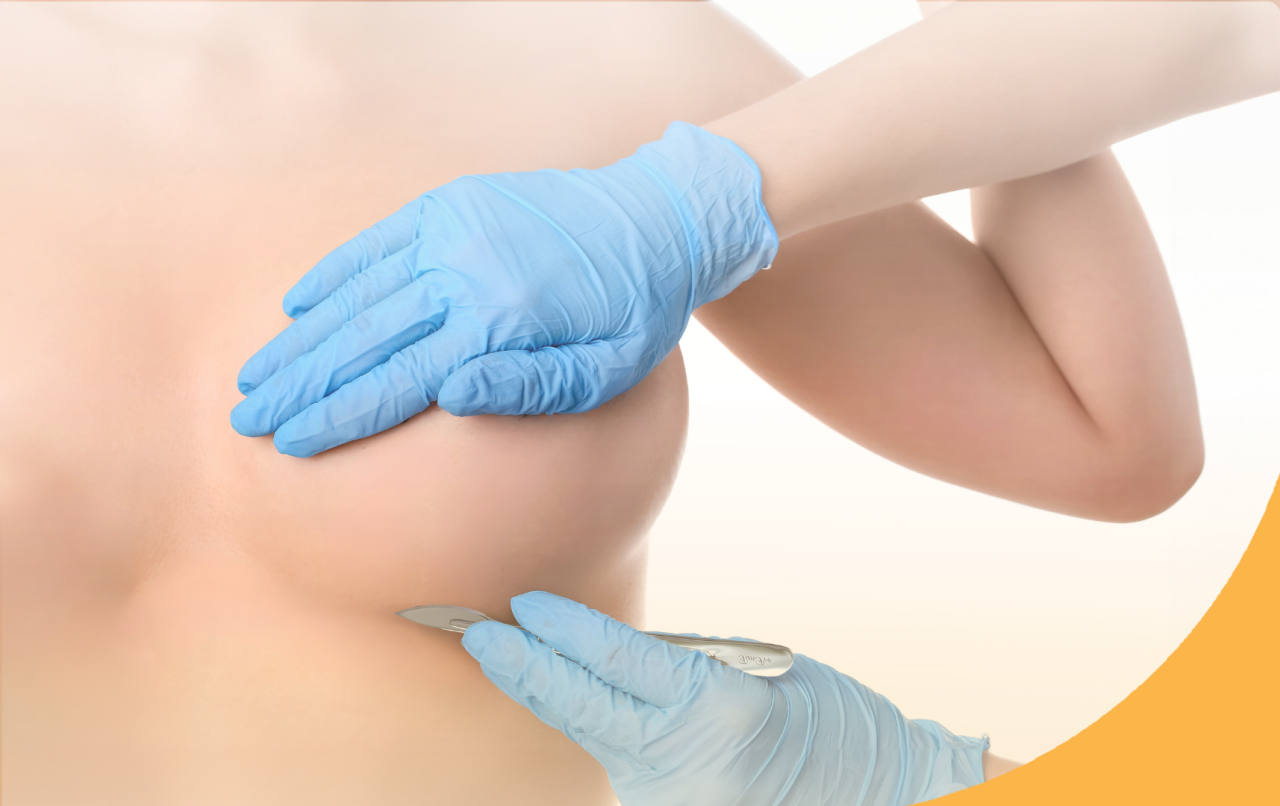
Do Scars really matter in Breast Cancer Treatment?
For many women undergoing breast cancer treatment, one of the most significant concerns is the impact of surgery on their appearance, particularly when it comes to the visibility of scars. While the primary goal of breast cancer surgery is to effectively remove cancerous tissue, aesthetic considerations cannot be overlooked in a patient’s emotional and psychological recovery. So, do scars really matter for breast cancer patients? The answer is complex and deeply personal, as it encompasses both physical healing and emotional well-being.The Emotional and Psychological Impact of ScarsThe idea of scars can evoke strong emotional responses. For some, they symbolise survival and strength after a life-altering experience, while for others, they may bring feelings of loss, fear, or diminished self-worth. ‘Correspondingly, the first group of patients may be ambivalent about their scars or even embrace them; whereas a second group of patients prioritise reconstruction options that minimise visible reminders’, says Dr Wong Manzhi, Senior Consultant Plastic Surgeon at The Aesthetic & Plastic Surgery Clinic. Physical changes, including scars, can lead to feelings of anxiety, depression, and a reduced quality of life. Many women report that scars on their chest can be a constant reminder of their cancer diagnosis, affecting their self-esteem and sexual identity [1].Importantly, emotional recovery is just as crucial as physical recovery. For many patients, the ability to feel “whole” again is tied not only to the success of the surgery but also to the way they perceive their bodies after the procedure. Scars, even when minimal, may alter how women feel about their body image and their sense of femininity.Scar Minimisation: The Role of Surgical TechniqueNot all scars are created equal. Advances in surgical techniques, such as nipple-sparing mastectomies (NSM) and keyhole surgeries, aim to reduce the visibility of scars while maintaining effective cancer treatment. Nipple-sparing mastectomies, for instance, have become increasingly popular, as they preserve the nipple-areolar complex (NAC) during surgery, resulting in a more natural post-operative appearance. For many women, the preservation of the NAC is a powerful tool in preserving their body image and reducing the emotional impact of the surgery.Additionally, keyhole surgeries—also known as minimal access surgeries—are another option that reduces scar size by using smaller incisions and specialised instruments like endoscopes and robotic systems. These procedures are gaining traction in breast cancer treatment, with studies showing that keyhole surgeries leave smaller scars (usually about 4 cm in length compared to 9 cm for traditional mastectomies) and promote faster healing [4].Beyond these techniques, oncoplastic surgery – which combines cancer removal with reconstructive techniques – also plays a key role in minimising scarring while preserving or even enhancing the breast contour. Skilled oncoplastic surgeons strategically place incisions and use tissue rearrangement methods to achieve better cosmetic outcomes with less visible scarring.However, it’s important to note that these options aren’t universally applicable. Some patients may not be candidates for nipple-sparing, keyhole, or oncoplastic surgeries due to the size of their tumours or other medical considerations. In these cases, conventional mastectomy may still be the best option for ensuring complete cancer removal.Aesthetic and Functional Considerations: Why They MatterWhen considering mastectomy options, both aesthetic and functional outcomes play a crucial role in the decision-making process. For many patients, immediate breast reconstruction after mastectomy can help restore a sense of normalcy, offering both psychological and physical benefits.The location and size of surgical scars can play a significant role in the reconstruction process. For instance, a larger incision may provide more flexibility for more complex reconstruction procedures. It is essential to discuss your options with your breast surgeon to determine the best approach for your specific condition.The Global Perspective: Mastectomy Rates and Cultural AttitudesMastectomy rates and cultural attitudes toward breast cancer surgery vary widely around the world. In countries like the United States, mastectomy rates have been rising, especially with the trend of preventive double mastectomies among women with a higher genetic risk, such as those with BRCA mutations. A 2017 study found that mastectomy rates in the U.S. have increased to 31% overall, with some regions seeing rates as high as 49% for double mastectomies [5].In countries like Singapore, mastectomy rates have remained consistently high. A review conducted over a decade found mastectomy rates ranging from 43% to 59%. These numbers may reflect cultural attitudes toward breast cancer, where mastectomy is seen as a necessary and life-saving procedure. Despite the availability of equivalent alternatives like breast-conserving surgery, many women opt for mastectomies due to the perceived greater oncologic safety and the desire for peace of mind [3].Looking Ahead: The Future of Scar MinimisationAs technology continues to advance, it’s likely that breast cancer surgeries may become even less invasive, with smaller incisions and better healing outcomes. Robotic surgery, for example, holds the promise of greater precision, leading to even smaller scars and potentially faster recovery times. Additionally, the use of tissue engineering and regenerative medicine may offer new ways to minimise the appearance of scars and even restore lost tissue [2].Furthermore, psychological support for breast cancer patients is gaining recognition as an integral part of treatment. Many hospitals now provide counselling and support groups specifically focused on body image, helping women navigate the emotional challenges that come with scarring and physical changes. These resources are critical for empowering patients to accept their bodies and find ways to heal emotionally and physically.Conclusion: Scars and the Journey of RecoveryWhile scars may be a visible reminder of a challenging chapter in a patient’s life, they also represent survival and the strength it takes to overcome cancer. However, minimising the impact of scars, both physically and emotionally, is an important consideration in breast cancer treatment. With advances in surgical techniques, increased awareness of emotional support, and a growing focus on personalised care, the future looks promising for breast cancer patients seeking to heal not only their bodies but also their spirits.Ultimately, what matters most is that patients feel empowered to make choices that align with their values, health goals, and sense of self. Scars, though unavoidable in many cases, do not have to define their journey—how they heal and move forward does.Article reviewed by Dr Esther Chuwa, Senior Consultant and Breast Surgeon at Solis Breast Care & SurgeryReferences:[1] Fobair, P., Stewart, S. L., Chang, S., & D’Onofrio, C. N. (2006). Body image and sexual problems in young women with breast cancer. Psycho-Oncology, 15(7), 579-589. https://doi.org/10.1002/pon.1023[2] Haidar, M., Saeed, H., & Elhassan, F. (2020). Tissue engineering and regenerative medicine for breast reconstruction. Journal of Stem Cells, 25(4), 351-360.[3] Lee, W. T., Tan, S. K., & Kwek, S. K. (2015). Mastectomy rates and breast cancer treatment trends in Singapore. Singapore Medical Journal, 56(8), 444-448.[4] Lin, Y., Wang, Y., & Tsai, C. (2020). Keyhole mastectomy: Outcomes and benefits. Breast Cancer Research and Treatment, 182(3), 567-575. https://doi.org/10.1007/s10549-020-05793-z[5] Veronesi, U., Boyle, P., & Goldhirsch, A. (2017). Mastectomy versus breast-conserving surgery in early breast cancer: Meta-analysis of trials. The Lancet, 373(9680), 569-577. https://doi.org/10.1016/S0140-6736(09)60256-7