

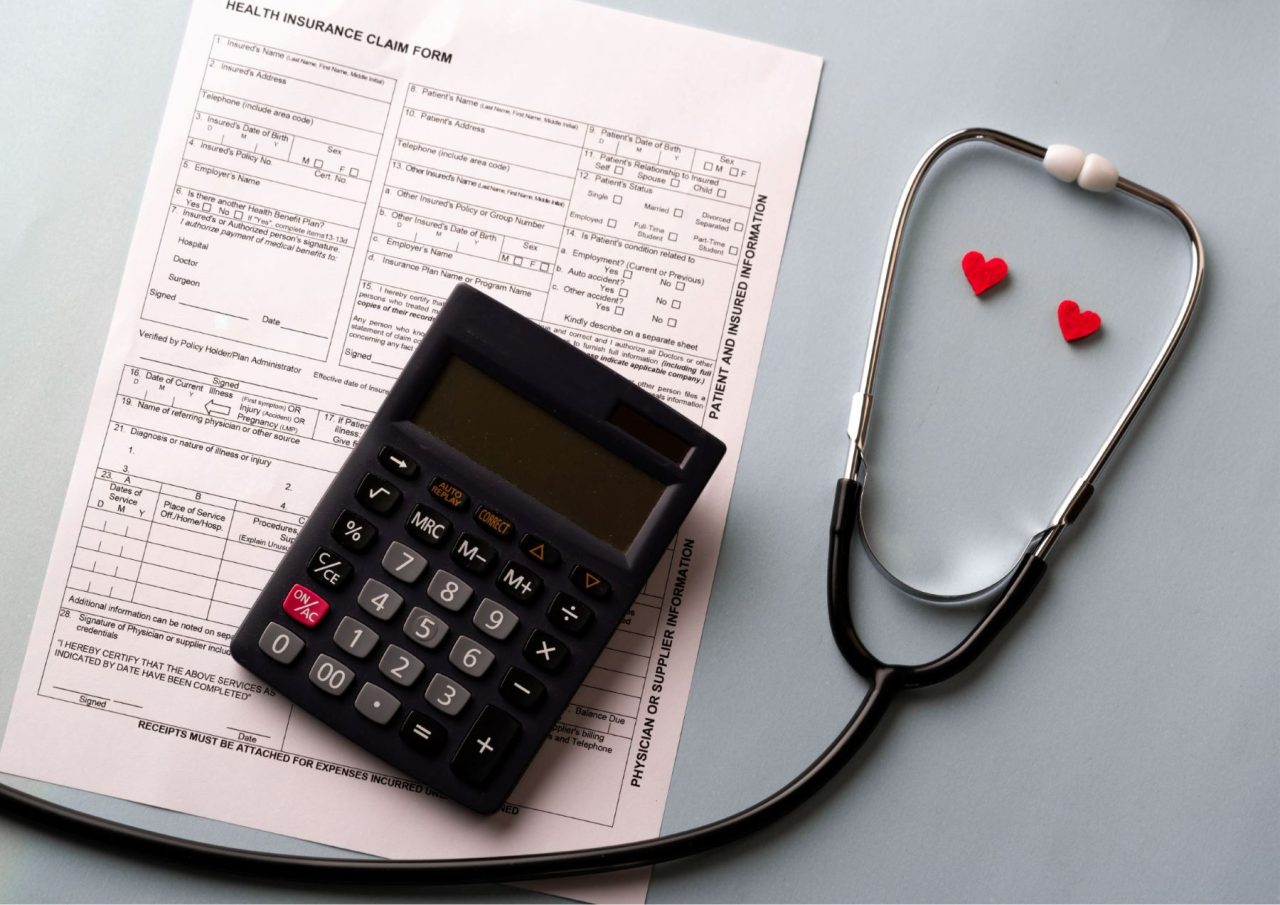
Managing Breast Cancer Treatment Costs

How to Navigate Breast Cancer Treatment Costs with Confidence: Taking Control of Your Financial Journey Early detection of breast cancer plays a vital role in saving lives and minimising the financial burden on patients. When breast cancer is detected early, treatment options are usually less invasive and more effective, leading to better outcomes and lower treatment costs. According to a WHO article, studies in high-income countries have shown that treatment for cancer patients who have been diagnosed early are 2 to 4 times less expensive compared to treating people diagnosed with cancer at more advanced stages [1].When detected early, breast cancer can often be treated with surgery and radiation therapy, which are generally less expensive than extensive treatments required at more advanced stages, such as chemotherapy. In the past, cancer treatment mostly relied on surgery alone, while nowadays, combining two or more treatment options may achieve a greater likelihood of cure than a single therapy. Below are treatment options available [1]: Breast Surgery Radiation Therapy: this uses high-energy X-rays to kill cancer cells and shrink tumours Chemotherapy: This uses drugs to destroy cancer cells Hormone Therapy: This uses anti-oestrogen therapy (such as Tamoxifen) or an aromatase inhibitor (such as Anastrozole) to stop hormone-responsive cancer cells from growing Estimated Cost of Breast Cancer Treatment in Singapore The estimated total bill for breast cancer treatment is from $3,000 onwards for Day Surgery and from $17,000 onwards for Inpatient treatment at private hospitals and clinics. Financing Breast Cancer Treatment & Screening in Singapore Using Medisave For women aged 50 years old and above, they can use their Medisave or the Medisave account of an immediate family member for their mammogram at Medisave-approved centres, including participating centres under HPB’s Screen for Life [2]. The full list of approved centres can be found on the Ministry of Health’s (MOH) website. Individuals can use up to $500 per Medisave account a year under the Medisave500 scheme [2]. Treatment cost is always a pressing concern after a cancer diagnosis. Besides worrying about your health, you may also be concerned about your financial status. It is helpful if the Clinic share about the estimated costs required for the whole treatment process including follow up treatment or consultation so you can look out for financial support (if needed). Health Insurance All three critical illness, early-stage critical illness and cancer insurance plans cover breast cancer, as it is listed among the 37 common critical illnesses acknowledged by insurers. Self-paying The Ministry of Health (MOH) has increased the MediShield Life claim limit for cancer drug services from $1,200 per calendar year to $3,600 per calendar year with effect from 1 April 2023.[3] For needy Singaporeans who cannot afford their subsidised medical bills, even with Medisave and Medishield coverage, they can tap into Medifund, which is a medical safety net set up by the government [4]. Those who have difficulties paying their medical bills can approach social workers at Medifund-approved institutions for assistance. Patients can also tap into the Cancer Care Fund, which is a one-time financial assistance scheme to relieve the financial burden of newly diagnosed cancer patients from low or middle-income families within the first six months of their diagnosis [5]. Since the inception of this fund in 2015, more than $5.64 million in financial aid has been disbursed, helping more than 6,200 patients [5]. Seeking financial advice with Solis Breast Care Seeking financial advice is essential for patients navigating the complexities of breast cancer treatment costs. Solis Breast Care offers customised financial advice tailored to each patient’s specific symptoms and required treatments. Our team of experts understand the financial challenges that patients may face, and we can offer valuable insights and support. By seeking financial advice, patients can better understand their options, explore potential financial assistance programmes and alleviate the burden of navigating the financial aspect of their breast treatment journey. Reach out to us via hello@solis.sg or Whatsapp to +65 91396472. 1. HealthHub, “Breast Cancer” 2.  HeatlhHub, “Breast Screening Subsidies in Singapore” 3.  Ministry of Health, “Higher Medishield Life Claim Limit For Cancer Drug Services” 4. Singapore Cancer Society, “Financing Your Treatment”  5. Singapore Cancer Society, “Apply for Financial Assistance” 

Read more

How Mammogram & Ultrasound Provide Peace of Mind

Providing peace of mind: Breast screening for early cancer detection One in 13 women in Singapore will develop breast cancer in their lifetime [1]. It is very likely that you know someone who is living with or caring for a breast cancer patient. Regular breast screening with mammograms and/or ultrasounds is key to identifying subtle abnormalities on imaging before they manifest into advanced symptoms. Treatment of breast cancer in the early stages are associated with better outcomes with reduced morbidity and mortality rates. Mammograms for Early Detection of Breast Cancer Mammographic screening is the most reliable and cost-effective modality for detecting early breast cancer. It involves taking low dose x-rays of the breast tissues. Screening mammograms are done for women with no symptoms to look for early signs of breast cancer. On the other hand, diagnostic mammograms are performed to assess women with symptoms such as breast lumps, nipple discharge and/or skin changes. Regular mammographic screening has been proven to be instrumental in reducing the risk of mortality associated with breast cancer. Mammographic screening should be performed every year for women aged between 40 and 49, and every two years for women aged 50 and above [1]. What is a 3D Mammogram? 3D mammograms (also known as digital breast tomosynthesis) involves using low-dose x-rays shot through a continuous arc to obtain multiple slices of images through the breast. These are then reconstructed into a scrollable image stack for evaluation. 3D Mammograms are More Comfortable There are multiple advantages of 3D mammograms over standard 2D mammograms, which is why we advocate for its use in screening at Luma Women’s Imaging Centre. Compared to 2D mammograms, 3D mammograms offer greater diagnostic accuracy resulting in increased cancer detection. This is especially significant for women with dense breasts, which are very common in the Asian population. Due to our ability to scroll through a stack of layered images to differentiate between normal breast tissue and true abnormalities, 3D mammogram reduces the need to recall patients for additional imaging. With our Luma 3D mammogram machines, there is overall reduced radiation exposure in contrast to 2D mammogram. Reduced compression force is required to produce 3D mammogram images; therefore, patients experience improved comfort during the imaging process. Ultrasound: Process and its Benefits Breast ultrasound is an imaging technique that uses sound waves to examine the breast’s internal structures. It demonstrates high sensitivity in identifying breast abnormalities such as cysts, solid masses, abscesses and lymph nodes. Breast ultrasound is often used to supplement a mammogram in evaluation of mammographic abnormalities and/or for assessment of breast symptoms [2]. Breast Ultrasound vs Mammogram Breast ultrasounds and mammograms are two different imaging modalities with different functions, and one does not replace the other. Mammogram remains the gold standard in detecting early breast cancers, which commonly present as calcifications. Breast ultrasound has high sensitivity for identifying small lumps and aids in evaluation of mammographic abnormalities, but is unable to as reliably pick up calcifications. Supplemental breast ultrasound may be considered in the following settings: Women with dense breasts, which are common in the Asian population. Dense breast tissues are difficult to penetrate even with x-rays and are difficult to evaluate with mammograms alone. Pregnant women. Ultrasound does not use ionising radiation like in mammograms, thus making it safer for the developing foetus. Women who are younger than age 40 with strong risk factors for breast cancer [3]. requiring an enhanced breast screening regime. Regular Breast Screening Provides for Peace of Mind Mammograms and breast ultrasounds play a vital role in the early detection of breast cancer and provide peace of mind for women who undergo regular screening. By combining these screening methods, women are empowered to take a proactive approach towards their breast health, ensuring that any subtle abnormalities are being appropriately investigated. By raising awareness, promoting breast care education, and prioritising early detection and prevention efforts, we can work towards a future where breast cancers are diagnosed at an early and most treatable stage. This in turn saves lives and improves the overall well-being of women and our community. 1. Singapore Cancer Society, “Breast Cancer”  2  John Hopkins Medicine, “Breast Ultrasound” 3 Breast Cancer Detection : 3D Mammogram Better Than 2D Scan, Study Finds 
Read more