

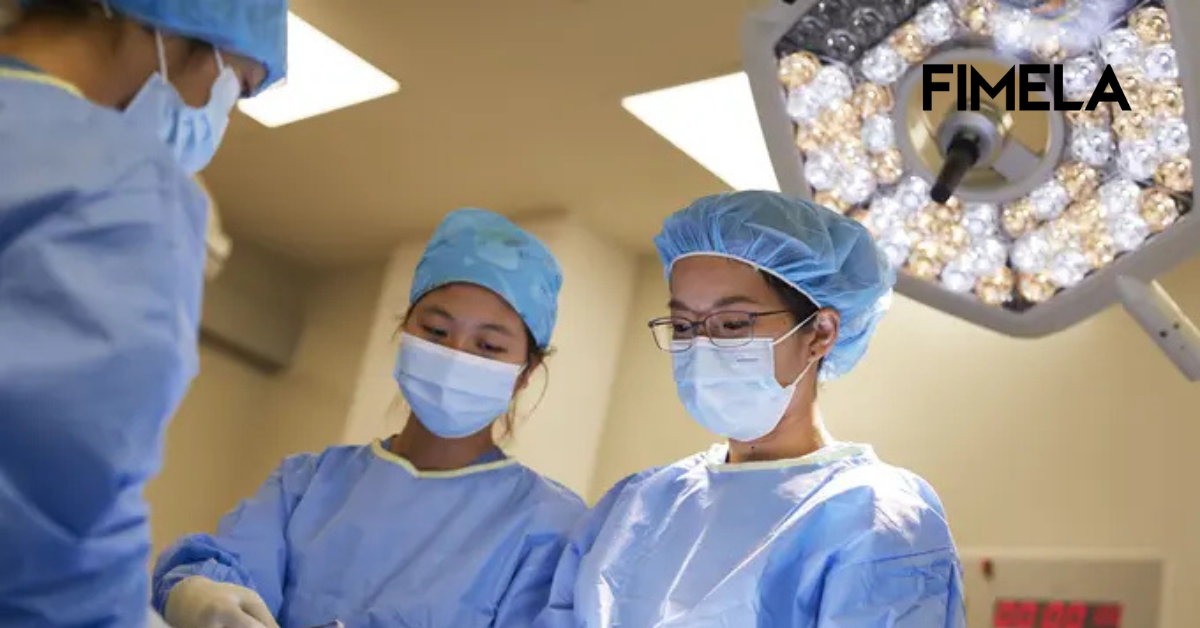

Endoscopic Mastectomy: Cost and Insurance Coverage in Singapore
Endoscopic mastectomy, also known as minimal access or keyhole mastectomy, is a surgical technique gaining attention for potential benefits including smaller incisions and better cosmetic outcomes compared to traditional mastectomy approaches. However, many patients wonder about the cost of this novel procedure and whether it is covered by insurance in Singapore.What is Endoscopic Mastectomy?Endoscopic mastectomy is a minimally invasive surgical technique that removes breast tissue through small “keyhole” incisions using specialised long thin instruments. The procedure aims to minimise scarring and promote quicker recovery time, while maintaining effective treatment outcomes. Despite these benefits, endoscopic mastectomy remains a relatively new and evolving approach in breast cancer surgery, with availability varying across hospitals and clinics. One of the biggest considerations for patients is whether insurance will cover the cost.Cost of Endoscopic Mastectomy in SingaporeEndoscopic mastectomy is generally more expensive than traditional mastectomy due to the specialised equipment and expertise required. Costs can vary based on the hospital, surgeon, and complexity of the case. Is Endoscopic Mastectomy Covered by Insurance?Insurance coverage for endoscopic mastectomy is not always guaranteed, as it may be deemed as a “non-standard” procedure. In such cases, patients may need to cover the difference out-of-pocket or seek additional financial support.In Singapore, medical costs are typically covered through a combination of government-subsidised systems, employer health benefits, and private insurance. Coverage for endoscopic mastectomy depends on several factors:1. Type of SchemeMedical financing schemes in Singapore generally fall into three main categories:2. Medical Necessity and ApprovalA key factor in insurance approval is whether endoscopic mastectomy is considered "medically necessary" by the insurer. Mastectomy is a common procedure for breast cancer treatment, and while traditional mastectomy is often straightforward in terms of insurance coverage, the endoscopic approach may require additional justification.Insurance companies may request supporting documents from the treating surgeon to confirm that this method is the best option based on:3. Hospital and Surgeon ChoiceAnother factor affecting insurance coverage is the choice of hospital and surgeon. As endoscopic mastectomy is a specialised procedure, not all hospitals and surgeons in Singapore may offer it. Some insurers may have preferred hospital networks or surgeons, and the specific hospital or surgeon performing the surgery may impact the level of coverage.If the procedure is performed at a private hospital or by a surgeon outside of the insurer’s preferred network, patients may face higher out-of-pocket costs or no coverage.How to Navigate Insurance Coverage for Endoscopic MastectomyIf you are considering endoscopic mastectomy, it's crucial to be proactive in understanding your insurance coverage. Here are some steps you can take to navigate the insurance process:Conclusion: Is Endoscopic Mastectomy Worth the Cost?Endoscopic mastectomy offers significant advantages in terms of cosmetic outcomes, reduced scarring, and potentially faster recovery times. However, these benefits come at a higher cost, and insurance coverage is not always guaranteed in Singapore.For patients prioritising aesthetics and a quicker recovery, and who can afford potential out-of-pocket expenses, endoscopic mastectomy may be a worthwhile choice. However, for those whose primary concern is cost or who lack comprehensive insurance coverage, traditional mastectomy remains a more accessible and equally effective option for cancer treatment.Ultimately, the decision depends in your medical needs, financial situation and personal preferences. Consult your healthcare providers and insurers to make an informed choice that best suits your needs.Article reviewed by Dr Esther Chuwa, Senior Consultant and Breast Surgeon at Solis Breast Care & SurgeryReferences:[1] Lee, W. T., Tan, S. K., & Kwek, S. K. (2015). Mastectomy rates and breast cancer treatment trends in Singapore. Singapore Medical Journal, 56(8), 444-448.[2] Ministry of Health, Singapore. (2020). MediShield Life and Integrated Shield Plans. Retrieved from https://www.moh.gov.sg/costs-financing/health-insurance/mediShield-life [3] Central Provident Fund Board, Singapore. https://www.cpf.gov.sg/member/healthcare-financing/using-your-medisave-savings/using-medisave-for-hospitalisation[4] Tan, W. C., & Teo, C. H. (2018). An overview of keyhole surgeries in oncology. Annals of Breast Surgery, 24(2), 87-92.Tan, S., & Lee, W. (2021). Health insurance in Singapore: A guide for expats and citizens. Singapore Press Holdings.

From Mother to Daughter: Shaping Breast Cancer Awareness for Generations
Mothers are often the heart of the family—steady hands of quiet strength who guide, support and shape the lives of those they love. One of the most powerful ways mothers can care for their daughters is by passing down healthy habits, including those related to breast health.Why Early Action MattersWhen breast cancer is found early, survival rates can exceed 90%.Breast cancer remains the most common cancer affecting Singaporean women, with cases rising fourfold to around 76 per 100,000 population in 2018-2022 [1] [2]. It’s also the leading cause of cancer-related deaths for women, accounting for 17.1% of female cancer deaths [1]. Being aware of how one’s breasts look and feel and going for regular screenings such as mammograms can make all the difference. Early detection often leads to simpler treatments and better outcomes, including survival rates of over 90% [3][4]. Still, some women are missing these important checks. Participation in breast cancer screening dropped from 37.6% in 2022 to 34.7% in 2023 in Singapore [1].What’s Stopping Women from Being Breast Aware?Self-care often takes a backseat to caregiving.A common reason women may skip screenings is busyness. Between work, caring for their families and managing daily life, it is easy for mothers to put their own needs last [5] [6]. For others, it’s fear. Breasts are deeply tied to identity and femininity [7]. The thought of a diagnosis, or the possibility of losing one’s breasts, can overshadow the importance of regular screenings [6]. And because breast cancer can sometimes develop without noticeable symptoms, this makes early detection difficult [8]. Women who feel healthy might mistakenly believe they do not need a mammogram [5]. Breast Awareness as Self-CareA mother's health is not just for her family—it's for herself too.Mothers rush loved ones to the clinic at the first sign of illness, yet hesitate when it comes to their own health. Taking time for a screening can feel like stepping away from their caregiving role, sometimes leading to feelings of guilt [9]. Some mothers go for screenings to stay healthy for their families and avoid being a burden [10]. But their well-being should be valued not just for others – it deserves to be prioritised for themselves. Breast awareness is an act of self-love; a way for mothers to tune into their bodies, and show themselves the compassion they offer so freely to others. Creating a Legacy of CareHealthy habits today become healthy generations tomorrow.While breast cancer is often seen as a disease in older women, data from three Singaporean healthcare centres show that around 10-13% of diagnosed patients are under 40 [11]. That’s why breast health conversations should begin early - even at a younger age. Talking about breast health can feel awkward or distressing. But creating an open, supportive space within families builds trust and empowers everyone to take proactive steps. The mother-daughter relationship strongly influences how young women view and care for their bodies [12] [13]. When mothers model positive health behaviours and attitudes, they leave an enduring legacy that daughters often carry into adulthood [12] [13] [14]. Signs to Watch ForHelp daughters recognise these potential warning signs [15]:A lump or swelling in the breast, chest or armpit that doesn’t go away
Skin changes such as dimpling, redness or irritation
Change in breast size or shape
Persistent nipple discharge
Nipple changes such as rashes or inversion
Persistent pain in the breast or armpitsYour Health is Their FutureBy normalising breast awareness, mothers pass down a legacy of care and bodily ownership that empowers future generations to own their breast health. Every choice you make ripples through the generations. This Mother’s Day, let’s celebrate women who lead by example – women who prioritise their breast health, spark important conversations, and empower their daughters to own their well-being. Schedule your breast health check today.
You’re not just protecting yourself – you’re shaping generations to come.References:[1] Ministry of Health Singapore, National Population Health Survey 2023[2] Singapore Cancer Registry Annual Report 2022[3] Cancer Research UK, Symptoms of breast cancer[4] Ministry of Health – Health Promotion Board, Breast Cancer: Learn How Early Detection and Lifestyle Changes Could Help Protect Yourself[5] Ministry of Health Singapore, National Population Health Survey 2022[6] Preventive Medicine, Qualitative factors influencing breast and cervical cancer screening in women: A scoping review[7] BMC Women's Health, “Voices of Fear and Safety” Women’s ambivalence towards breast cancer and breast health: a qualitative study from Jordan[8] Cancer Council Australia, Breast Cancer[9] Journal of Health Psychology, Put MY mask on first: Mothers’ reactions to prioritizing health behaviours as a function of self-compassion and fear of self-compassion[10] Asian Pacific Journal of Cancer Prevention, Understanding Barriers and Facilitators of Breast and Cervical Cancer Screening among Singapore Women: A Qualitative Approach[11] The Straits Times, Beating breast cancer: How these women in their 20s, 30s and 40s survived and thrived[12] International Journal of Environmental Research and Public Health, Helping Mothers and Daughters Talk about Environmental Breast Cancer Risk and Risk-Reducing Lifestyle Behaviors[13] The Family Journal, The Mother-Daughter Relationship and Daughter’s Positive Body Image: A Systematic Review[14] Psycho-oncology, Adult daughters’ reports of breast cancer risk reduction and early detection advice received from their mothers: an exploratory study[15] NHS, Symptoms of breast cancer in women