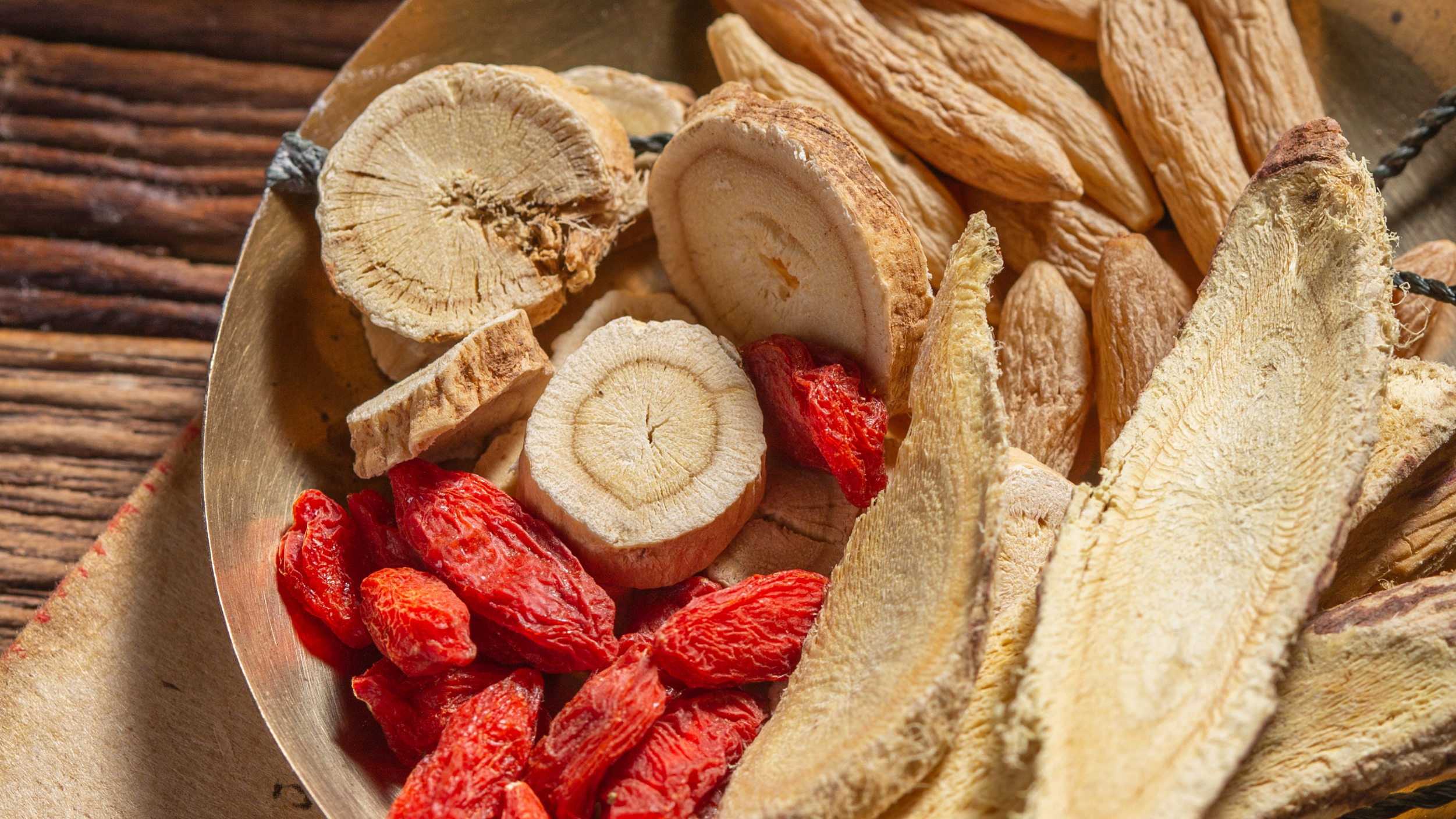


Breast Cancer and Work: Navigating Challenges with Self-Compassion

Hearing a breast cancer diagnosis is like throwing a rock into a pond, sending ripples through every part of your life. Amidst doctor consultations and treatment appointments, it can be hard to focus on other life commitments such as work.  Some choose to continue working during treatment, while others take a break to focus on recovery before returning to work. [1]. Work can provide a sense of purpose and control, especially when a cancer journey can leave one feeling lost and uncertain. For some, work can be fulfilling and tied to self-worth [2]. Continuing to work during treatment can offer a sense of normalcy and financial stability [1]. Returning to work after treatment can help restore quality of life [3]. Whether you continue to work or take a break, self-compassion is crucial as you navigate the challenges ahead.  Embracing Your Emotions Without Judgement A cancer diagnosis can change how you view yourself and your work, bringing up emotions like stress, anger or frustration. Simple tasks may become harder due to treatment-related fatigue, and the way people at work treat you might also change [1] [4]. Bottling up these negative emotions may be tempting, but they are a normal response to your challenges. Acknowledge, accept and allow yourself to feel these emotions fully without judgement [5]. This can create space for healing and help you move forward.  Communicating with Colleagues “Should I tell my co-workers about my cancer?” How open you are with your co-workers is up to you, as it may depend on your comfort levels and relationship with them.  Telling people at work [6]: Gives them a chance to support you Makes it easier to let them know if you need help Provides opportunities for them to suggest ways to help you cope at work Can strengthen your connection with them  Connects you with others who may have similar experiences Ultimately, your well-being is what matters most. It’s okay to take things at your own pace and share only what feels right.  Consider speaking with co-workers in smaller groups to make conversations more manageable [7]. Identify your triggers and topics that make you uncomfortable  [8]. For example, if your treatments have changed what your body looks like. This can help you set healthy boundaries.  You may be worried about people’s reactions. Some may be supportive and others may be unsure of how to navigate conversations with you. If a co-worker makes an awkward or insensitive comment, feeling upset and taking it personally is understandable. Acknowledge the comment and try diverting the topic away from your condition [8].  Adapting and Being Kind to Yourself There are practical steps you can take at work and beyond to make the process more manageable and ensure you treat yourself with kindness.  Firstly, speak with your employer about the possibility of reasonable accommodations, such as flexible hours to work around medical appointments or even workload adjustments [1]. Communicating your needs can help you manage and set realistic expectations at work. Acknowledge your current limitations—whether it’s physically, mentally, or emotionally. You may need to take more frequent breaks and pace yourself if your energy levels and concentration are affected by treatment [1]. Listen to your body instead of pushing through exhaustion and pain.  Don’t hesitate to ask co-workers for help when needed [9]. Asking for help and being open about your struggles does not mean you are weak. It can be a sign of your inner strength and self-awareness.  Some days will be easier than others. There will be moments when you feel like you’re handling things well and others when the stress and weight of everything feels overwhelming. Celebrate your achievements, no matter how small, and take pride in your progress each day.  Seeking Strength in Connection Even with support from family, friends and co-workers, fighting breast cancer can feel lonely. Loved ones may have good intentions but might not fully understand what you’re going through.  Connecting with fellow patients and survivors through in-person or online support groups can help you feel less isolated and provide a much-needed sense of community. Studies show that online cancer communities can help meet information needs, provide emotional support and help boost self-esteem [10].  Remember, there’s no right or wrong way to navigate work during your breast cancer journey. Whatever you decide to do, take it one step at a time and practise self-compassion. You are stronger than you realise, and you don’t have to walk the path alone.  Support from others who understand can make all the difference. Club Solis is a support network for Solis patients to share experiences and form meaningful connections. References [1] Breast Cancer Now, Work and Breast Cancer.  [2] Recovering or working: women’s experiences of working while coping with cancer: a qualitative study  [3] Supporting Return to Work after Breast Cancer: A Mixed Method Study   [4] Macmillan Cancer Support, Work and Cancer  [5] National Cancer Institute, Emotions and Cancer  [6] Macmillan Cancer Support, Talking about cancer at work [7] Breastcancer.org, Workplace and Job Issues [8] American Cancer Society, Telling Others About Your Cancer [9] Work-related barriers, facilitators, and strategies of breast cancer survivors working during curative treatment  [10] Navigating cancer using online communities: a grounded theory of survivor and family experiences 
Read more

Dancing Through Adversity: How One Survivor Reclaimed Life After Breast Cancer

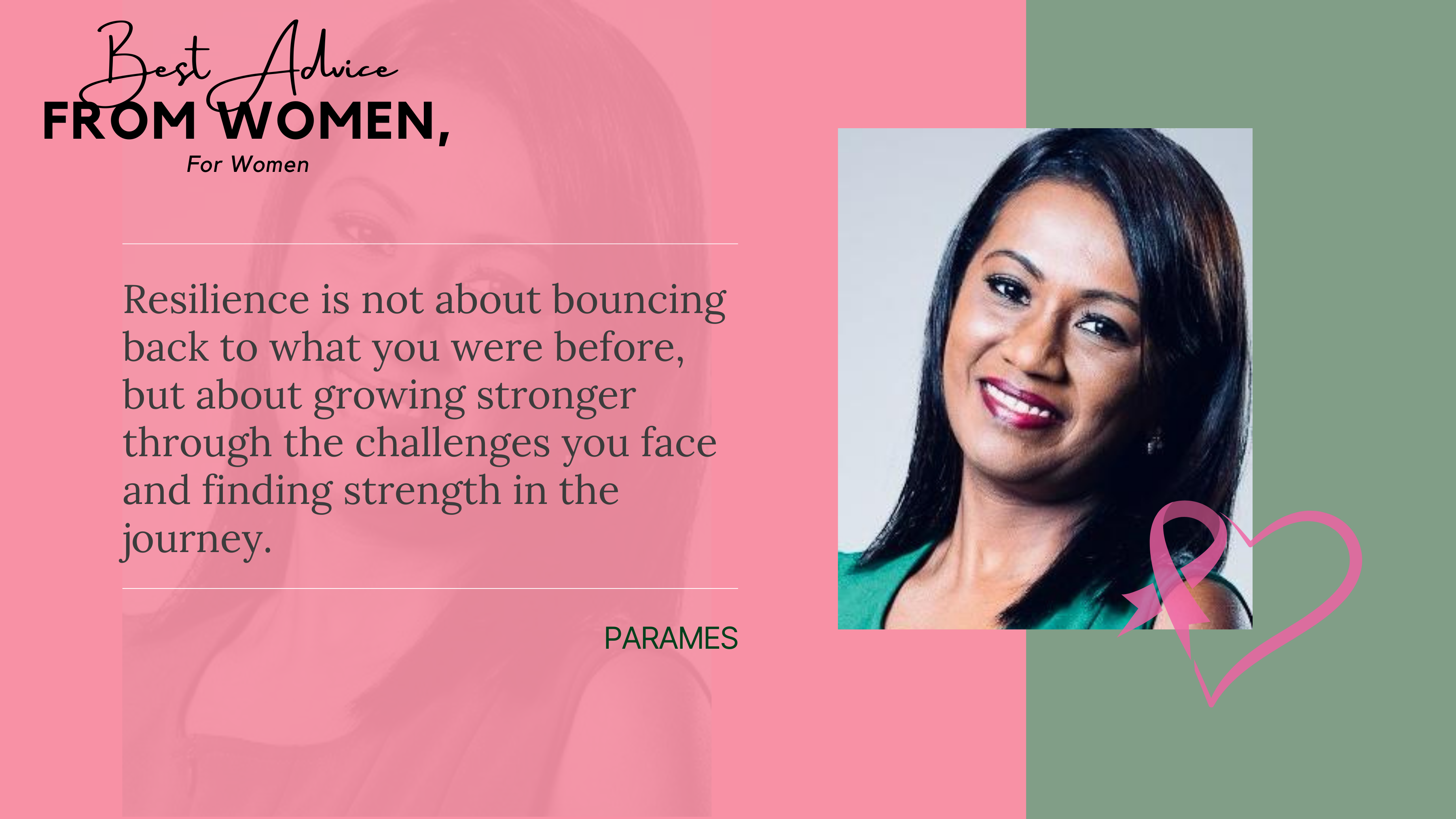
As a teacher, Parames is more than just an educator – she is a pillar of strength and a role model to the many students she inspires. But her resilience was truly put to the test when she was diagnosed with breast cancer. From being the one others leaned on, she suddenly had to rely on her own support system. Today, she shares her journey of strength, vulnerability, and recovery.  Can you share a bit more about your journey with breast cancer? How did you first discover it? I went for my second mammogram in 2016, during which I was diagnosed with Stage 2 ER+ breast cancer. Just two weeks later, I began my first round of chemotherapy – four cycles to start, followed by a mastectomy, and then another four cycles of chemo to complete my treatment.  How has having breast cancer changed your outlook on life? It was truly life-changing. The experience forced me to reassess my priorities and appreciate the little things more deeply. It brought a renewed focus on health, relationships, self-care and the things that truly matter.   What is the one mantra, quote, or philosophy that you live by? “The oak fought the wind and was broken, the willow bent when it must and survived.” – Robert Jordan.  This quote speaks to the importance of adaptability and inner strength. My will to survive was deeply rooted in love—for life, for my family, and for the strength to rise above the challenges I faced. Who are some of the role models and why?  My greatest role model is my late mother. She passed away in 2021 after a 13-year battle with corticobasal ganglionic degeneration (CBDG), a rare form of Parkinsonism. Despite many difficult years, she fought with immense courage and grace. Her resilience taught me invaluable life lessons, which I leaned on during my own cancer journey. Tell us something about yourself that most people might not know I am very passionate about dancing. It’s a powerful form of expression that connects me deeply to my emotions and allows me to communicate in ways words cannot. I began learning Bharatanatyam at the age of six, thanks to my mother. Although I took a ten-year break after having my first child, I resumed lessons just before my diagnosis. After recovery, dance became a vital part of my healing – both physically and emotionally. It helped me gently rebuild strength, improve flexibility and balance, and most importantly, regain confidence in my body. It made me feel more in control, more grounded, and capable. What are some of the biggest lessons you’ve learnt on this journey? Resilience became my anchor. Cancer pushed me to discover a depth of strength I didn’t know I had. It also taught me the value of the present moment – to cherish time with loved ones, to embrace joy, and to find meaning in the little things.  What advice would you give to other women going through the same journey?  Lean on your support system: You don’t have to face this alone. Let people in. Take it one day at a time: Focus on the present, and celebrate small victories—whether it’s feeling better after a treatment or just getting through a difficult day. Find your comfort: Whether it’s music, nature, or hobbies – do what lifts you. These moments of joy are important. Stay informed: Knowledge empowers, but it’s okay to take things in slowly. Ask questions. Trust your instincts. What message would you give to young women about breast cancer screening?  Your health is your responsibility. Regular screenings and early detection can save lives. Be proactive. Get informed. You are your best advocate – be bold, be informed, and never hesitate to take charge of your well-being. What are your hopes for the future of breast cancer research? There is so much hope on the horizon. Advances in personalised medicine are promising more targeted, effective treatments with fewer side effects. I believe we are moving toward a future where a breast cancer diagnosis won’t be as frightening – and maybe one day, won’t be frightening at all.  You participated in the “Catwalk for Courage” event earlier this year. Can you share your thoughts about it? Participating in Catwalk for Courage was powerful. It was more than just an event – it was a statement of solidarity, empowerment and hope. We walked for awareness, for research, and to honour every person affected by breast cancer. It reminded me that our collective strength can make a real difference. Every step taken was a step toward visibility, support and healing.  What were some of the biggest challenges you’ve had to overcome?  I faced extreme fatigue, total hair loss, sensitive skin, and discoloured nails. “Chemo brain” – with its memory lapses and focus issues – was especially tough since I was always an effective multitasker. I coped by:  Keeping a routine – Using my phone’s calendar and notes app to stay organised.  Staying Healthy – Eating well, staying hydrated, and working out three times a week to boost brain function.  Emotionally, it was overwhelming. With no family history of cancer, I was in shock. I worried how it would affect my loved ones. I was anxious about my treatment, the side effects, and the future. But I drew strength from my mother’s example, and my husband was my unwavering rock – his quiet support and optimism gave me clarity and helped carry me through.  What do you consider your biggest achievement so far?  Surviving breast cancer and reclaiming my life is my greatest achievement and a monumental victory. It gave me a new sense of purpose – to advocate for awareness, support others, and be a voice fo early detection. Every day, I live with passion, and the drive to make a difference.  How did your breast cancer journey affect your family?  It brought us closer than ever. My children, who were just 6 and 9 at the time, initially struggled with fear and uncertainty. So, I involved them in the journey – they witnessed my treatments, my strength, and my healing. It gave them resilience and empathy. My husband, always by my side, provided emotional strength and practical help. We got through it as a team, one day at a time. How did breast cancer change your professional life? It made me re-evaluate everything. Health and well-being became my top priorities, prompting me to transition to part-time work so that I could focus more on life outside the classroom. The experience gave me a new lens on what truly matters and taught me to approach both my career and life with greater clarity, purpose, and balance. It also strengthened my ability to navigate challenges with confidence. Whether you are going through a similar journey, or supporting someone who is – know that you’re not alone. At Solis, Club Solis, a support group specially for breast cancer patients and survivors, offers a safe space for sharing and support. If you are unsure about any abnormal breast symptoms, don’t be afraid to seek help. Our surgeons are here to support you, every step of the way. 
Read more