

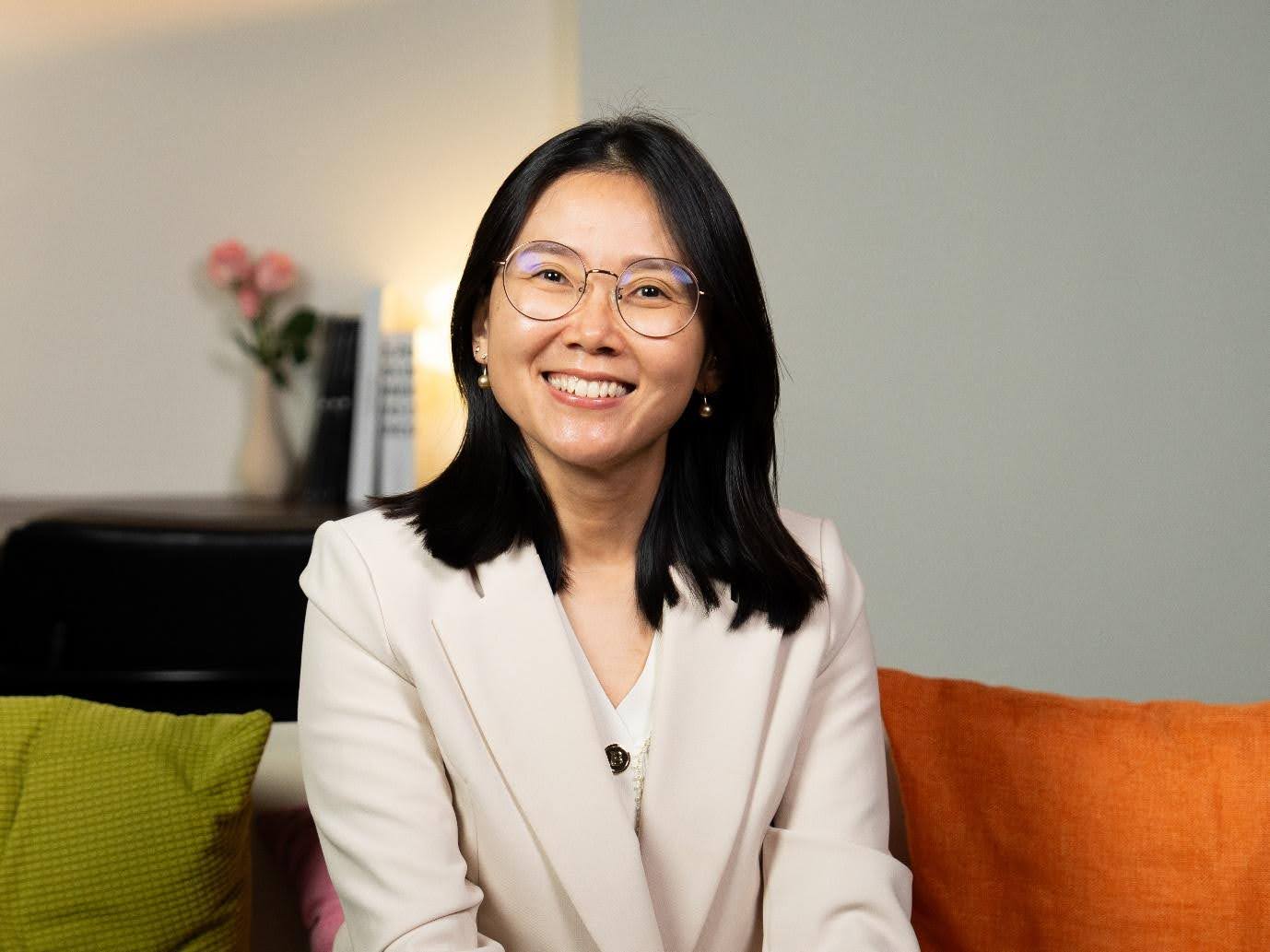
Getting To Know Dr Lim Sue Zann

Getting To Know… Dr Lim Sue Zann Behind every surgeon is a story – a path carved out of passion, resilience and a deep desire to heal. We sit down with Dr Lim Sue Zann, Senior Consultant & Breast Surgeon at Solis, to uncover what drives her in her profession, the patient experiences that continue to inspire her, and how she unwinds when she’s not in the operating theatre. Her words offer a glimpse into the heart and humanity behind the scalpel. Dr Lim Sue Zann joins the Solis team from the SingHealth Duke-NUS Breast Centre, National Cancer Centre Singapore. She has a special interest in oncoplastic and reconstructive breast surgery, with focus on keyhole mastectomy. With deep experience across the full spectrum of breast surgery, including breast-conserving, reconstructive, and minimally invasive techniques – Dr Lim is committed to restoring both health and confidence to the women she treats. 1. Why did you choose to become a breast surgeon? Being a surgical oncologist is incredibly fulfilling – it’s a privilege to remove a tumour and help cure someone of cancer. Breast surgery, in particular, is unique because it blends oncological expertise with aesthetic precision. I find joy in not only treating the disease but also restoring, and sometimes even enhancing, my patients’ appearance. Helping women regain their confidence after such a life-altering diagnosis is what keeps me going every day.  2. Share with us a patient’s story that left a deep impression on you. I’ve had many young breast cancer patients who showed incredible strength raising their young children while battling through breast cancer, which left me with nothing but admiration. But one story stands out. A foreign patient in her 50s came to me with advanced right breast cancer that had grown through the skin. She had been in denial and sought medical attention only because her daughter, only in her 20s and just started work in Singapore – insisted. Despite the financial constraint, the daughter was very decisive and determined to provide her mum with the best treatment. She was her mother’s guiding light, providing support every step of the way. Today, the patient is well and cancer-free, and I often remind her how fortunate she is to have such a brave and lovely daughter. 3. What is ONE myth or message that you would like women to know about breast cancer? There are many myths about breast cancer, but one particularly harmful myth is that biopsy on a breast lump will cause the cancer to “explode” or spread more rapidly to the other parts of the body. This is absolutely untrue. I would like to emphasise that a biopsy is a vital diagnostic tool - it allows us to understand the nature of the lump and begin appropriate treatment. Delaying care out of fear can lead to worse outcomes, so it’s important to dispel such myths and encourage timely medical attention. 4. How do you spend your free time? Most of my free time is spent with my children – often reminding them to focus on their studies! As I approach middle age, I’ve come to value learning new skills to keep my mind active, so I’ve started picking up Korean. I also play tennis with my dad weekly – it’s our way of staying active and spending quality time together. 5. What do you think you’d be doing if you weren’t a breast surgeon? I’d probably be a jewellery or fashion designer. As a child, I used to make pretend jewellery out of beads and stick them onto my ears with scotch tape. I also loved playing with my mother’s clothes – though she wasn’t always pleased – and “altered” them using safety pins so that they fit me. Creativity has always been a part of me, and I think I would’ve loved designing beautiful things. Article contributed and reviewed by Dr Lim Sue Zann, Senior Consultant and Breast Surgeon at Solis Breast Care & Surgery

Read more

From Overwhelmed to Empowered: Making Sense of Your Breast Cancer Diagnosis

Hearing the words “You have breast cancer” can stop you in your tracks. Suddenly, your world is flooded with uncertainty and fear – and a thousand questions.  What does this mean? What happens next? Why Understanding Matters A breast cancer diagnosis can bring on feelings of doubt, disbelief, hopelessness, anger, fear, worry and grief [1]. On top of this emotional weight, you are faced with a maze of unfamiliar terms: stage, hormone receptor status, HER2, subtype and more.  It can feel overwhelming, but understanding your diagnosis is an important first step.  Each detail of your diagnosis helps your doctor create a treatment plan tailored just for you. The more you understand, the more grounded, involved and in control you may feel [2]. Research shows that patients who understand their illness are able to care for themselves better and are more engaged in their own healthcare and treatment [3]. What Does “Stage” Really Mean? After diagnosis, there may be further tests to find out the stage of the cancer—the size of the cancer and whether it has spread. Generally, the lower the number, the less it has spread. A higher number like Stage IV means the cancer has spread beyond the breast to other organs [4].  You might also hear the word ‘grade’. While stage describes how far the cancer has spread, grade describes how fast it may grow, based on how the cancer cells look under a microscope [6]. Understanding the Different Types of Breast Cancer When people hear the word “cancer”, chemotherapy often comes to mind. But not all breast cancers are treated the same way.  There are different subtypes of breast cancer, determined by the presence or absence of certain receptors, such as oestrogen receptor (ER), progesterone receptor (PR) and human epidermal growth factor receptor 2 (HER2) [7]. This can affect how the cancer behaves and how it needs to be treated [7].  The three most common subtypes are: Hormone Receptor Positive Breast Cancer This is the most common subtype, with about 70% of breast cancers testing positive for progesterone or oestrogen, or both [8]. Endocrine therapy (specifically anti-hormonal therapy) is usually offered as part of treatment [9]. HER2 Positive Breast Cancer This subtype makes up around 15% to 25% of breast cancers [10]. These cancers have too much HER2 protein, which helps them grow [11]. Targeted therapies that specifically aim to block HER2 protein are used to stop the growth of these cancer cells [11]. Triple Negative Breast Cancer (TNBC) Triple negative breast cancer accounts for around 10% to 15% of breast cancers [12]. This subtype does not have PR or ER receptors and also does not produce much HER2 protein [12]. It tends to be more aggressive, growing and spreading faster [11]. While it can be harder to treat, recent advancements, especially in immunotherapy, are offering new hope  [13,14]. You’re Not Alone: Taking an Active Role in Your Care Understanding these terms can be helpful—but it’s just as important that the information is explained in a way that feels manageable and supportive.  Everyone absorbs information differently. What helps one patient feel in control might feel overwhelming to another. Studies show that both information overload and a lack of clarity can negatively affect treatment decisions and increase anxiety and distress [3].  It’s okay to have to ask for clarification or ask repeat questions. You deserve to feel heard and supported. Not sure what to ask? Here are some questions you could use as a starting point [16]: What type of breast cancer do I have? How big is the cancer? Has it spread to other organs? What is the stage or grade of my cancer? What does this mean? Will I need more tests before deciding on treatment? Will I need to see other doctors or health professionals? What are the hormone receptor status and HER2 status of my cancer? How will my cancer type affect my treatment options, long-term outlook and survival? Should I consider genetic testing?  Can I have a copy of my pathology report?  If I’m worried about costs and insurance coverage, who can help me? You might not remember or understand everything your doctor says right away—and that’s okay.  Each small piece of knowledge adds to your strength and clarity. Just by showing up to appointments and asking questions, you’re already taking brave steps forward and building the confidence to face what comes next. You may not have chosen this chapter, but you can shape the story. And you are never alone on the journey.  Click here to access essential, informative guides to support your breast cancer journey. Article contributed and reviewed by Dr Chan Ching Wan, Senior Consultant and Breast Surgeon at Solis Breast Care & Surgery  References: [1] Psychosocial impact at diagnosis and coping strategies among women with breast cancer-A qualitative study [2] American Cancer Society, After Diagnosis: A Guide for People with Cancer and Their Loved Ones [3] How to know what to know: Information challenges for women in the diagnostic phase of breast cancer [4] American Cancer Society, Breast Cancer Stages  [5] Solis Breast Care & Surgery Centre, Luma Women's Imaging Centre, My Breast Health Guide [6] National Cancer Institute, Tumour Grade [7] Solis Breast Care & Surgery Centre, Luma Women's Imaging Centre, Strength in Strides [8] Advances in Therapy for Hormone Receptor (HR)-Positive, Human Epidermal Growth Factor Receptor 2 (HER2)-Negative Advanced Breast Cancer Patients Who Have Experienced Progression After Treatment with CDK4/6 Inhibitors [9] American Cancer Society, Hormone Therapy for Breast Cancer  [10] Subtypes of Breast Cancer [11] National Breast Cancer Foundation, HER2 positive breast cancer [12] American Cancer Society, Triple-negative breast cancer [13] Hope and Hype around Immunotherapy in Triple-Negative Breast Cancer [14] Advances in immunotherapy for triple-negative breast cancer [15] Irish Cancer Society, Getting the most from your doctor's appointments [16] American Cancer Society, Questions to Ask Your Doctor About Breast Cancer

Read more

Jessie J’s Breast Cancer Diagnosis: A Wake-Up Call for Early Detection

When singer-songwriter Jessie J recently revealed her early-stage breast cancer diagnosis, the news sent ripples of shock and support across the globe. At just 37, the pop star’s vulnerability and strength in going public with her diagnosis have struck a chord with many—especially women who may not yet prioritise their breast health. At Solis Breast Care & Surgery Centre (Solis) & Luma Women’s Imaging Centre (Luma), we stand with Jessie J and every woman navigating breast cancer. Her story is a powerful reminder that breast cancer doesn’t wait for the “right age”—and paying attention to changes in your body, no matter how small, is essential. Breast Cancer in Singapore: A Growing Concern In Singapore, breast cancer is the most common cancer among women, accounting for approximately 29.7% of all female cancer cases. About 1 in 13 women will be diagnosed with breast cancer in their lifetime [1]. While breast cancer is more common in women aged 50 and above, it can and does affect younger women—often when they least expect it. These facts make it clear: awareness and timely diagnosis are key. What Is Early Breast Cancer? Early breast cancer refers to cancer that is confined to the breast and possibly nearby lymph nodes, but has not spread to distant organs. It includes Stage 0 (Ductal Carcinoma In Situ or DCIS) and Stages I and II of breast cancer [2].   Often, early breast cancer does not cause pain or obvious symptoms, which is why many women are caught off guard. The good news? When detected early, breast cancer is highly treatable, with 5-year survival rates exceeding 90% [3].  Treatment may include surgery, radiation, and sometimes hormonal therapy or chemotherapy—depending on the cancer’s type and biology. But early diagnosis opens the door to more treatment options and better outcomes. Your Partners in Diagnosis and Care At Solis & Luma, we specialise in the diagnosis and management of breast conditions, offering trusted expertise when something feels off or when further investigation is needed. If you’ve been referred for additional imaging, found a lump, or received unclear results elsewhere, we’re here to help with clarity, compassion, and confidence. Our services include: Breast ultrasounds and 3D tomosynthesis for detailed, accurate imaging Multidisciplinary care with surgeons, sub-specialised breast radiologists and acclaimed pathologist all under one roof Biopsies and further investigations when clinically indicated, all within the same day Day Surgery Operating Theatre with Frozen Section Laboratory for rapid results for cleared cancer margins of breast samples taken during surgery. This enables timely and well-informed management decisions.  If You’ve Been Diagnosed, You’re Not Alone A breast cancer diagnosis can feel overwhelming—but you don’t have to face it alone. At Solis & Luma, we provide comprehensive care from diagnosis through to treatment planning. Our multi-disciplinary team—including breast radiologists, breast surgeons, pathologist and patient care coordinators—works closely with you to explain the findings, explore your options, and guide your next steps with compassion and clarity. We collaborate with trusted oncology partners to ensure you’re connected to the right care, quickly and seamlessly. You Deserve Certainty—and Support Jessie J’s story is a powerful call to action: don’t ignore what your body is telling you. If you notice a change, feel a lump, or have concerns about your breast health, reach out. We’re here to support you with specialist care and timely answers. 📍 Convenient central location, discreet and welcoming environment 🧑‍⚕️ Female-led team with decades of specialised experience 📞 Appointments available without long waits Let Jessie J’s story be the reason you take action—not just for yourself, but for the people who love you. Solis & Luma – Where clarity meets care. References [1] Singapore Cancer Registry Annual Report [2] American Cancer Society [3] Singapore Cancer Society
Read more