

When Care Sounds Like Criticism: Understanding Body Talk in Asian Families
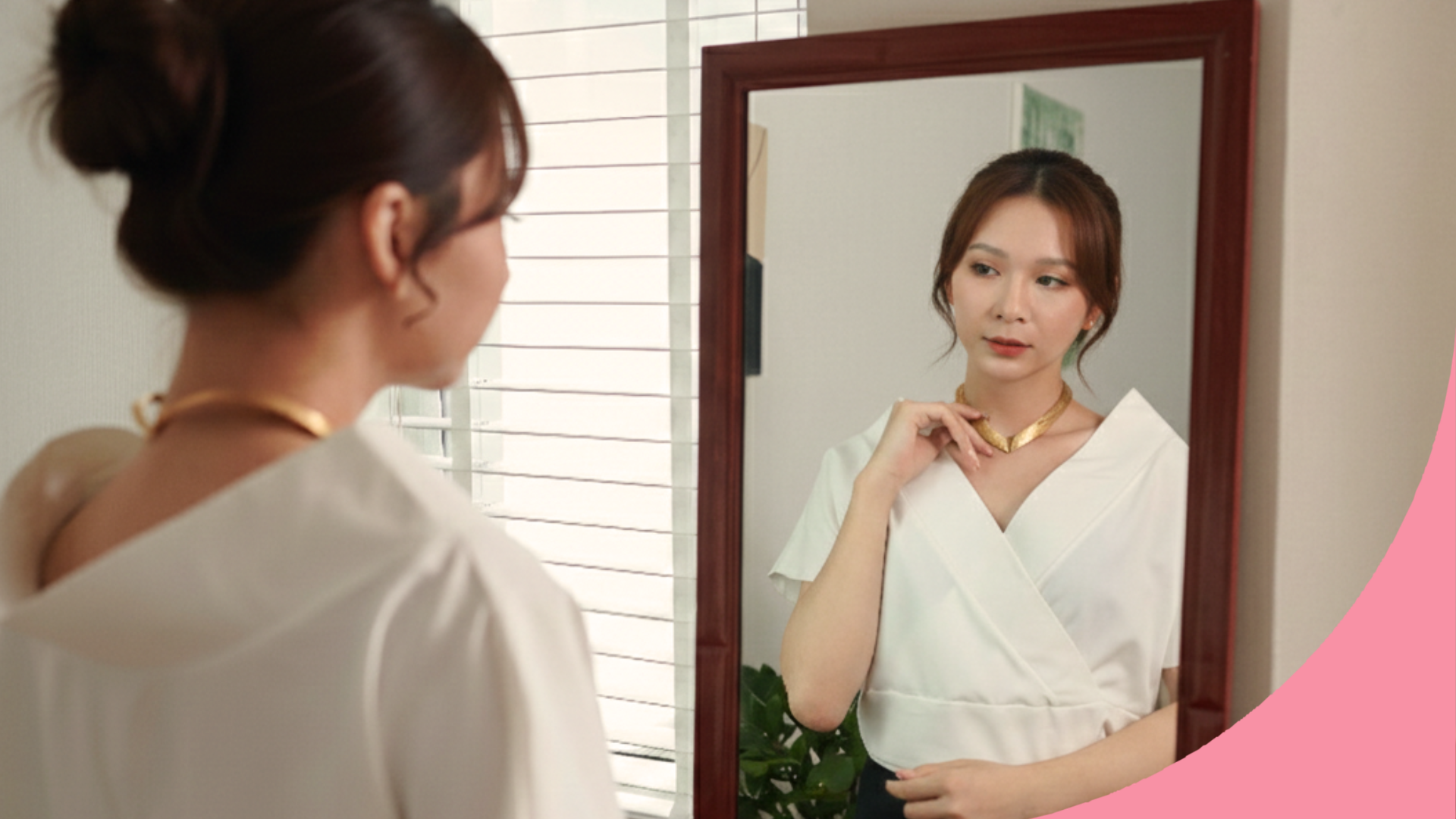
“Look at her, why is she dressed like that?”“You look fat.” “That colour doesn’t suit you.”Sometimes, the people who hurt you most are the ones you love. Why Are Bodies All We Talk About In Asian families, love is rarely spoken outright. It shows up through reminders to eat, questions about your future or even a plate of sliced fruit after dinner. Asking about your weight and commenting on how you look becomes a way to express concern [1]. Many women grow up learning that this is how ‘care’ sounds [2]. Blunt words are softened with teasing, and contradictory messages — being told to eat more, then criticised for gaining weight — are absorbed almost automatically [2] [3]. Outside the home, the noise grows louder. Media and social platforms amplify narrow beauty ideals, signalling what women “should” look like [4]. In Singapore, adults at risk of body-related anxiety spend over three hours a day online, where they continue to be exposed to harmful messaging [5]. These pressures affect women of all ages. Over 60% of women over 50 think about their weight daily [6]. About one in four Singaporeans — typically young women — report worries about their body shape [5]. When external pressures echo what you hear at home, it becomes harder to separate care from criticism. When Weight Talk Hits Harder at HomeRespect for elders and family harmony run deep in Asian cultures [7] [8]. Questioning parents or older relatives can feel disrespectful, especially when their approval still carries weight well into adulthood [3]. Many older relatives grew up hearing the same comments and internalised them as normal, often without realising the harm [9]. Children swallow emotions and avoid these conversations to keep the peace [7]. While this may prevent immediate conflict, it quietly widens emotional distance between you and your family, as well as you and your body.You may notice how you shrink when a relative comments on your legs, the way you smile and nod while tensing inside. That discomfort isn’t just embarrassment; it’s a habit your body has learned over years of critiques. Of course, not every family operates this way. Some create spaces where feelings and boundaries are respected. But for many women, navigating body talk remains a delicate balancing act. Reclaiming Your Body Without Burning BridgesOwning your body doesn’t have to start with confrontation. It begins with a simple truth: your body belongs to you, and only you decide its value.Setting boundaries can mean gently redirecting conversations or calmly saying that certain comments are hurtful without arguing [7].In cultures where relationships matter deeply and conflict ripples, reclaiming your body often takes quieter forms:These small steps add up, helping rebuild your trust with your body over time. Learning a New Language of CareFamily dynamics are complex. Unlearning years of conditioning takes patience, and not every conversation will go the way you hope. Some relatives may be reluctant to change.But reclaiming your body starts with you — how you speak to yourself, the clothes you wear and recognising that most remarks are ingrained habits, not truths about you. This understanding weakens their hold and restores your confidence.Care doesn’t have to sound like criticism, and love doesn’t have to sting. You’re allowed to take up space, fully and unapologetically. Caring for Your Body Beyond AppearanceWhen conversations about your body focus only on how it looks, it’s easy to forget what your body does for you. Your breasts, like the rest of your body, are not defined by appearance — they are part of your health.Reclaiming your body also means caring for it proactively - through regular screenings, noticing changes, and seeking medical support when needed. Health is not about diminishing yourself. It’s about knowing yourself. References[1] International Journal of Cross-Disciplinary Subjects in Education, Reconsidering Intercultural Communication Competence Development in Different Social Patterns - Starting from the Study of Greetings [2] Asian American Journal of Psychology, “I’m not White, I have to be pretty and skinny”: A qualitative exploration of body image and eating disorders among Asian American women[3] Public Library of Science (PLOS) Mental Health, Parental teasing and body dissatisfaction in White and South Asian females: An exploratory cross-sectional analysis using moderated mediation[4] Frontiers in Psychiatry, Gender-based analysis of body dissatisfaction among youths in Singapore: findings from the National Youth Mental Health Study[5] The Straits Times, Adults here at risk of body image anxiety more likely to spend 3 hours or more daily on TikTok, Instagram: Study [6] Advances in Eating Disorders, Body Image in Adult Women: Moving Beyond the Younger Years[7] Applied Family Therapy Journal, Cultural Silence and Emotional Suppression in Asian-American Families: A Phenomenological Exploration [8] Journal of Cross-Cultural Psychology, Autonomy in Family Decision Making for Chinese Adolescents: Disentangling the Dual Meaning of Autonomy[9] Journal of Obesity & Metabolic Syndrome, Weightism in Asia: A Narrative Review and Implications for Practice[10] Frontiers in Psychology, Culture and body image: subcultural variations in coping strategies and their associations with psychological distress among European Canadians and East Asian Canadians