
How a Sub-specialised Breast Pathologist Helps Patients in their Fight Against Breast Cancer

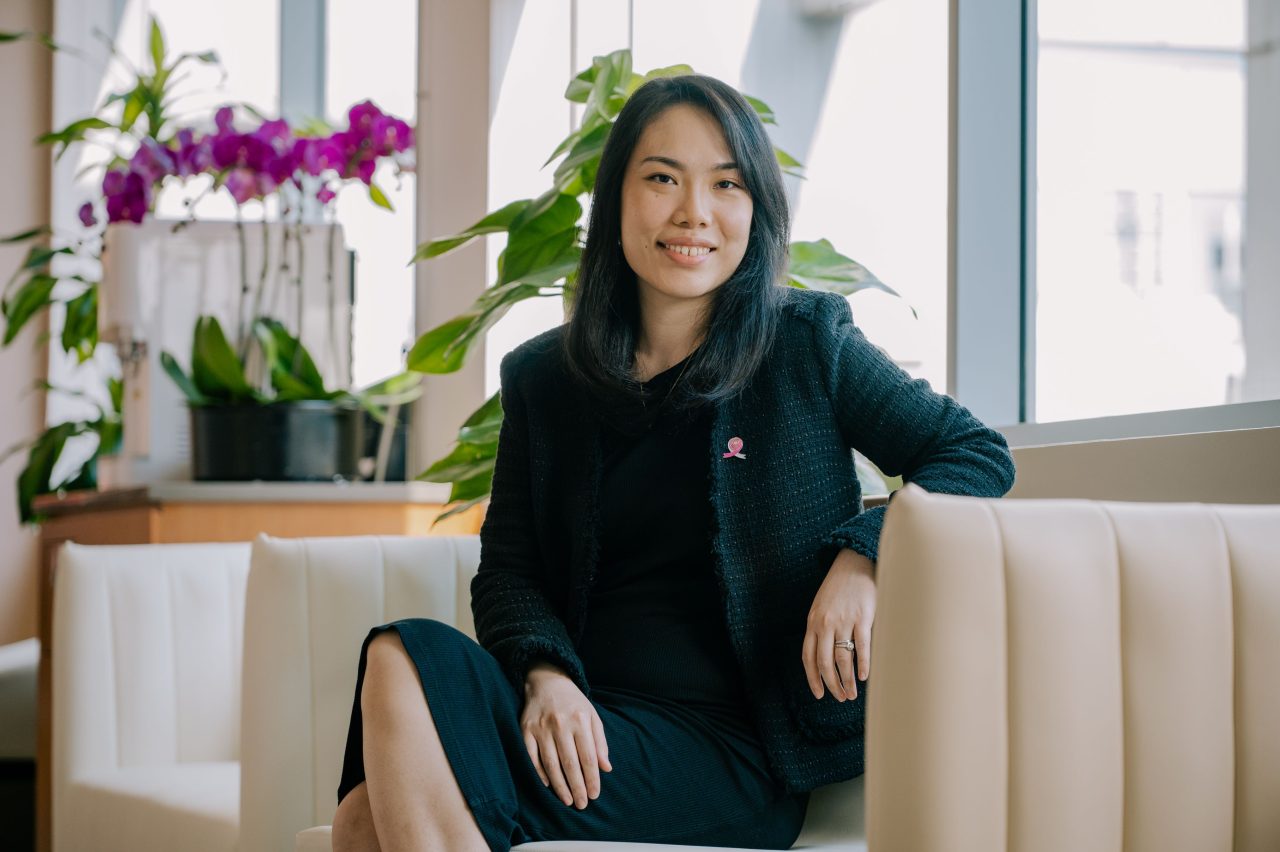
The role that pathologists play in diagnosing breast cancer is a crucial and emotional one. They are the ones who use their expertise to analyse tissue samples that have been excised from patients and determine if they have breast cancer. Professor Tan Puay Hoon shares with us on what her sub-specialisation in breast pathology brings to the table of breast cancer diagnoses and the advantages of being a female pathologist. Ever since she was a student, Professor Tan Puay Hoon has always enjoyed the investigative aspect of making a diagnosis based on the histological appearances of tissue sections evaluated down the microscope. After excelling in pathology during the fourth year of her medical school examination and receiving a medal for the subject, she went on to become a pathologist after her graduate studies. The role that pathologists play in diagnosing breast cancer is a crucial and emotional one. They are the ones who use their expertise to analyse tissue samples that have been excised from patients and determine if they have breast cancer. As a pathologist, Prof Tan ensures that the surgical specimen excised or resected from the patient by the breast surgeon is carefully inspected at the laboratory. Sampling of the relevant specimen parts are also processed into microscopy slides, which are then evaluated using the microscope. “We also render comprehensive reports of cancers that will allow the clinicians to be able to decide on treatment. The pathologist confirms that a breast tumour is malignant (cancer), the types and grades of the cancer, determine its prognosis and whether it will respond to certain treatments,” explains Prof Tan. “Without a pathological diagnosis, patients will not be able to receive appropriate treatment, and surgeons will not know which type of operation to offer the patient for the best outcome. Oncologists also depend on pathology input to decide what type of adjuvant therapy is suitable,” she adds. Pathologists like Prof Tan also advise clinicians on the likely behaviour of cancers (prognostication) and predict if the cancers will respond to specific treatments. “As a woman, I feel privileged to be able to work in a field that impacts women significantly. I empathise deeply with women who are diagnosed with breast cancer, as this disease and its treatment affects their image and so much of the psychosocial aspects of their lives, as mothers, wives, daughters. I want to be able to provide diagnoses that add value to their treatment journey,” says Prof Tan. Early breast cancer diagnosis leads to a higher chance of cure and hence, Prof Tan also advocates breast cancer awareness among all women, young and old.  “Women in the appropriate age group should attend regular breast screening, and all females should seek early medical attention for breast symptoms,” says Prof Tan. As a pathologist, Prof Tan also provides second opinions on cases that are sent for her review. She recounts a recent case in which a relatively young woman was diagnosed with breast cancer on needle aspiration (a small amount of breast tissue or fluid is removed from a suspicious area with a thin, hollow needle to check for cancer cells) and the patient was scheduled for cancer surgery. “The original needle aspiration slides were sent to me to review, and I thought the appearances were benign and possibly a fibroadenoma (a benign tumour),” Prof Tan explains. A core biopsy was conducted to clarify the discordance between the original diagnosis and Prof Tan’s review, which later confirmed that it was a fibroadenoma. “I was so happy for the patient,” says Prof Tan. Given that she holds the hope and well-being of countless women in her hands with each slide she examines, how does she perceive her role as a pathologist? “I would like to think of a pathologist as a ‘cell whisperer’ of sorts – the cells in the tissue are giving clues to their nature, and it is up to us as pathologists to put all this information together. Sometimes the cells are really ugly which often reflects an aggressive cancer. Other times, there are beautiful patterns that remind me of things I see in life,” she says. Since pathology is a very academic discipline, Professor Tan said pathologists need to be at the forefront of all diagnostic development. “Being involved in clinical research is integral to being a pathologist who is current with the developments in the field and also as someone who can offer depth to disease diagnosis,” she adds. Prof Tan also emphasised the important role that pathologists play as educators for the next generation  as well as in conveying pathology information to clinical colleagues. So, what makes Prof Tan feel fulfilled in her job as a pathologist? “I feel fulfilled when I’m able to make an accurate comprehensive diagnosis which allows the clinicians to treat the patients,” she says. Prof Tan also enjoys working with her clinical colleagues who are experts in their fields and collaborating with her pathologist friends and colleagues in the international arena.  She feels gratified to be part of the WHO Editorial Board that classifies breast tumours and is also actively involved in international research that can refine and improve the classification of breast tumours for better treatment.
Read more

Getting to Know Dr Henry Oscar

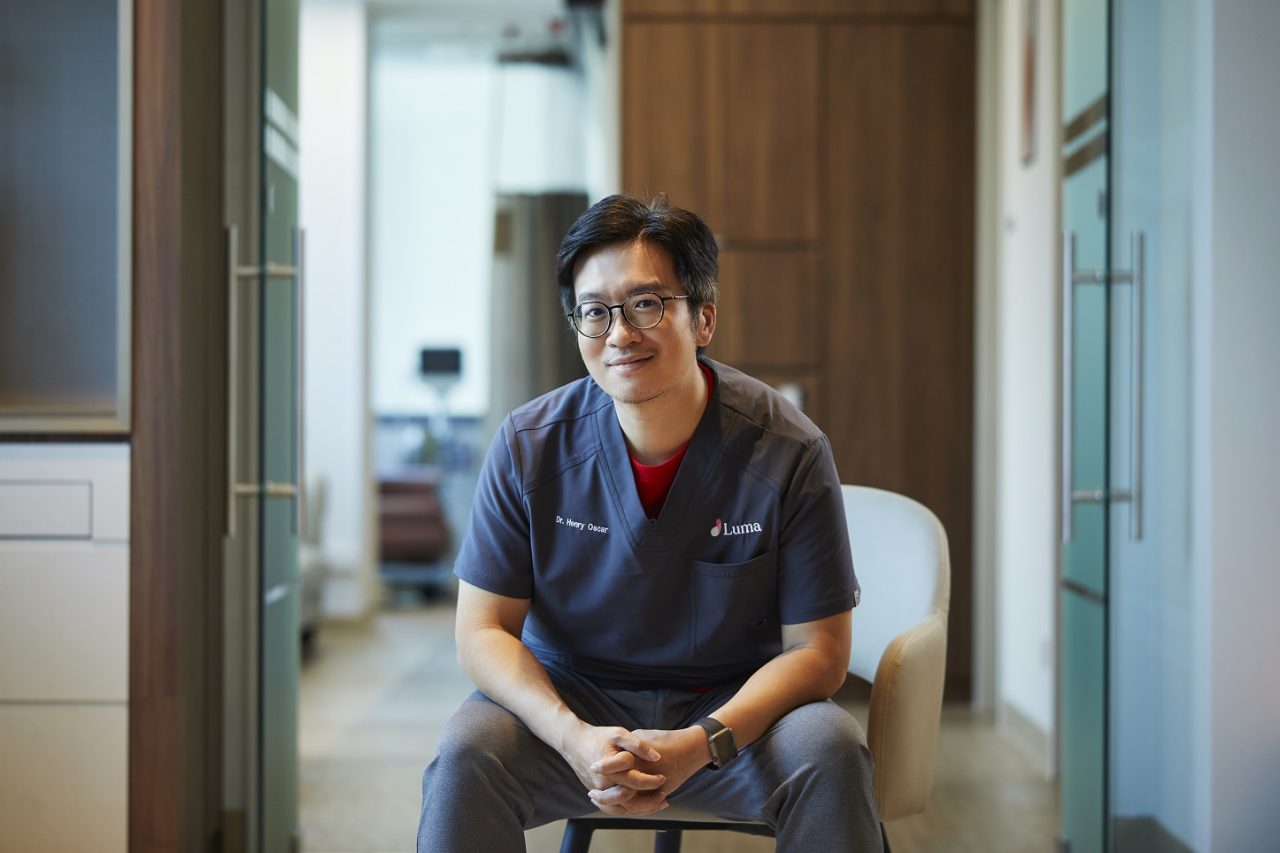
Image reference: Dr Henry Oscar In this edition, we get up-close and personal with Dr Henry Oscar, Consultant Radiologist and Co-founder of Luma Women’s Imaging. Dr Henry specialises in breast imaging and breast cancer intervention. He performs diagnostic procedures, including breast ultrasound, biopsies, and wire/seed localisation. As an experienced interventionist, he interprets all breast imaging studies including mammography and tomosynthesis, breast ultrasound, and breast MRI. He also routinely performs stereotactic and ultrasound-guided breast biopsy. Why did you choose to become a radiologist and why a subspeciality in breast? Radiologists are specialised medical doctors who use imaging techniques, such as X-rays, ultrasounds, CT scans, and MRI scans, to diagnose and treat medical conditions. We play a critical role in helping other healthcare professionals make accurate diagnoses and develop effective treatment plans. I chose to specialise in breast imaging because breast cancer is a prevalent disease that affects many women worldwide. Breast imaging is also a rapidly evolving field with new techniques and technologies constantly being developed, which can provide opportunities for research and innovation. Additionally, breast radiologists work closely with breast surgeons, oncologists, and other healthcare professionals to provide comprehensive care for patients with breast cancer. By specialising in breast imaging, radiologists can develop expertise in interpreting breast imaging studies and identify abnormalities and improve women’s health. What do you think is the most underrated aspect of radiology? One aspect of radiology that is often underrated is the significant impact that radiologists can have on patient outcomes through their work in diagnostic accuracy and guiding patient care. Radiologists have a unique perspective on the patient’s overall condition through the images they receive and can provide vital information to clinicians that can lead to improved patient outcomes. We are also critical members of multidisciplinary care teams, and our input can help guide treatment decisions, monitor treatment response, and provide ongoing surveillance for breast disease recurrence. Radiologists can also play an essential role in improving patient safety by providing guidance on the appropriate use of imaging studies. We play a crucial role in driving progress in healthcare and contributing to increased positive results for patients. Could you share with us any interesting findings that you have come across in the course of your work? One recent study published in the JAMA (Journal of American Medical Association) reported that a deep learning model trained on mammography images was able to accurately identify breast cancer in women with no prior mammogram. The study found that ‘it’ was able to achieve a level of diagnostic accuracy comparable to that of experienced radiologists. In addition, researchers have been investigating the potential use of algorithms to improve the interpretation of breast imaging studies. For example, some studies have explored the use of AI algorithms to assist in the detection of breast lesions and the differentiation of benign from malignant lesions. While technological advancement is good, the key question remains as to whether machines can completely replace years of human experience and expertise. What is ONE myth or message that you would like women to know about breast cancer screening? One myth – that mammograms are always painful and uncomfortable. While mammograms can be uncomfortable for some women, they typically do not cause significant pain. Additionally, advances in mammography technology have led to improvements in patient comfort, with newer machines designed to reduce discomfort and improve image quality especially tomosynthesis where gentle compression is sufficient. How do you stay up-to-date with new developments in breast radiology? Staying up-to-date with new developments in breast radiology is essential. Radiology conferences and seminars provide an excellent opportunity to learn about the latest research and advancements in breast imaging. I also read journals and publications and participate in online learning. People have become more receptive of webinars post covid. What do you do in your free time? I have three little girls, and they keep me busy and occupied. What do you think you will be doing if you did not become a radiologist? I would have become a video game designer as I loved to play video games when I was younger.
Read more

Getting To Know Dr Sonia Lee

Image reference: Dr Sonia Lee Get up-close and personal with Dr Sonia Lee, our Consultant Radiologist at Luma Women’s Imaging Centre, as she shares with us her work philosophy as well as personal anecdotes. Previously involved in multidisciplinary care of breast cancer patients, Dr Sonia Lee is well-versed in interpreting all breast imaging studies and experienced in performing ultrasound-guided, stereotactic-guided and MRI-guided breast biopsies and localisations, earning praise for her attentiveness and professionalism. Prior to joining Luma, Dr Lee was a Consultant Radiologist and Clinical Assistant Professor at Changi General Hospital. She is an accredited BreastScreen Singapore (BSS) radiologist and is thoroughly involved in multidisciplinary care of breast cancer patients. What does a radiologist actually do? Radiologists are responsible for interpreting all imaging modalities including x-rays, mammograms, fluoroscopy, ultrasound, CT and MRI studies which are performed for screening and diagnostic purposes. In addition, we are trained to use imaging guidance to accurately perform procedures with diagnostic (i.e., biopsies) and therapeutic (e.g., cancer treatment) aims in mind. After completing specialist training, we can then choose to focus our work in one or two subspecialty fields. Why did you choose to become a radiologist and why a subspecialty in breast? I love the detective work of being a radiologist – piecing together the patient’s clinical presentation and various imaging findings to come to a final diagnosis gives me a sense of achievement. I eventually chose to subspecialise in breast imaging as it offers the opportunity to do both diagnostic and interventional radiology. This allows me to contribute significantly to the patient’s diagnostic and therapeutic journey, which is extremely fulfilling. Could you share with us any interesting findings that you have come across in the course of your work? In my training years, one of the most interesting parts of our work was searching for foreign objects within the body which were either intentionally ingested or inserted on imaging. This includes pens, staples, blades, toothbrushes and all types and sizes of bottles. What is ONE myth or message that you would like women to know about breast cancer screening? Mammograms do not have to be painful! This is one of the biggest barriers to breast screening worldwide. The use of 3D mammographic screening not only reduces the compression force required for accurate breast imaging thereby reducing patient discomfort, it has also been proven to improve overall cancer detection rates. It is my hope that this new technology will bring about greater uptake for breast cancer screening. What do you do in your free time? Outside of work, I spend most of my free time with my husband and 3-year-old daughter. Weekends are usually spent quite simply – visiting the library, running errands and enjoying meals with friends and family. What do you think you will be doing if you did not become a radiologist? I would very likely have become a family physician. Having spent a lot of my teenage years and early adulthood working part-time in a GP clinic as a clinic assistant, I really liked how the work involved building long-term relationships with the patients and their families in the neighbourhood.
Read more