
Management of Mastitis

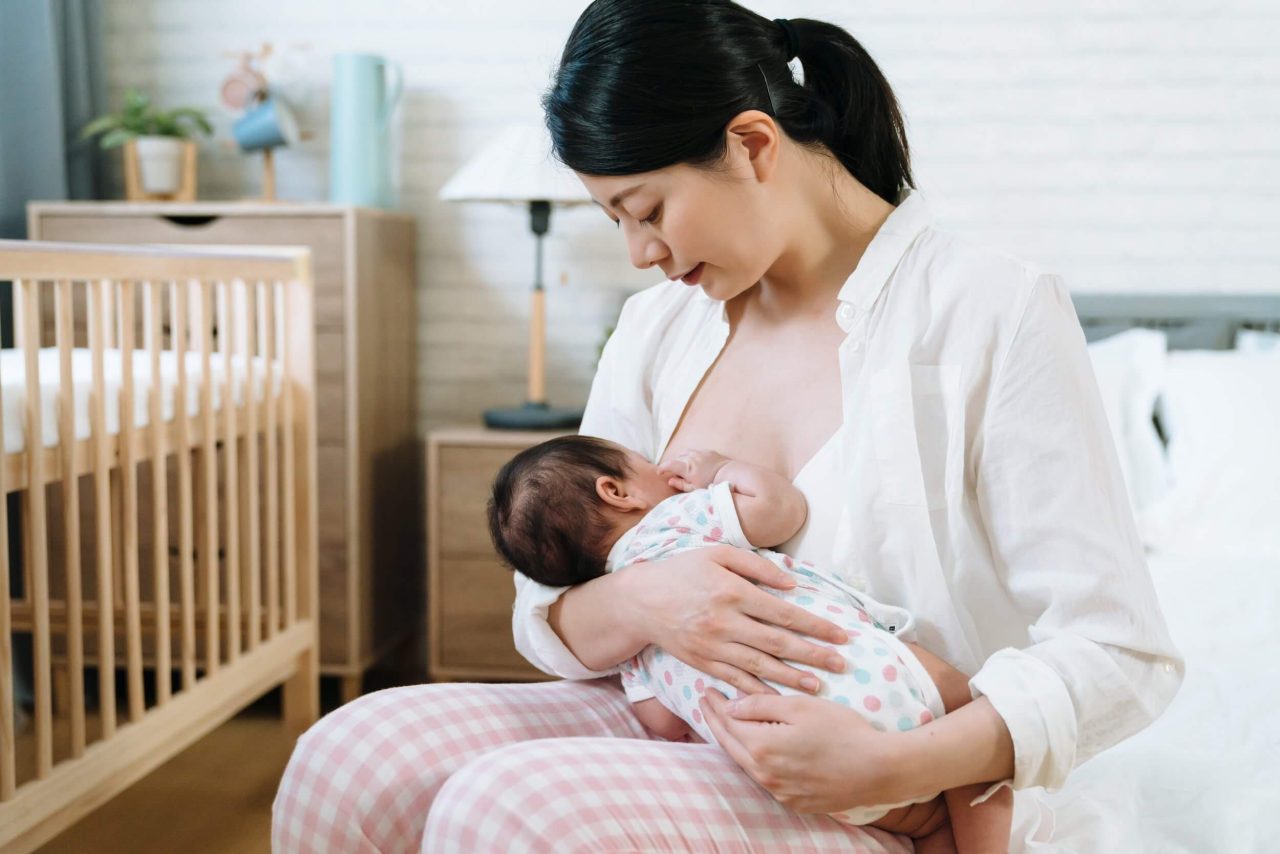
Mastitis is an inflammation of the breast tissue that causes swelling and pain in the breasts due to bacteria entering through the crack on the skin surface around it. Occasionally, breast cancer may also appear to resemble mastitis and it is advisable to see a doctor if the symptoms do not resolve with appropriate treatment. Dr Lee Wai Peng, our Senior Consultant and Breast Surgeon sheds light on the causes and treatment of mastitis. What is Mastitis? Mastitis refers to the inflammation of the breast tissue, most often caused by an infection. What causes mastitis? Lactating women are at risk of developing mastitis. Milk that is retained in the breast is the main cause for mastitis in lactating women. Bacteria from the skin surface of the breast or from the baby mouth may enter the milk duct through a crack in the skin of the nipple or through an opening in the milk duct, giving rise to infection. Who are at risk of developing mastitis? Women who are breastfeeding are at risk of developing mastitis. Engorgement and incomplete breast emptying can contribute to the problem and make the symptoms worse. It can happen anytime during lactation, but it is more common in the first three months of lactation. Up to 10% of breastfeeding women may be affected. Less commonly, women who have poorly controlled diabetes mellitus or are immunocompromised may be at risk of developing mastitis. In some women, the underlying cause may be unknown. This condition is called idiopathic granulomatous mastitis (IGM). In severe cases of IGM, steroid therapy may be advised if an infection has been excluded. What are the symptoms of mastitis? The inflammation causes pain, swelling, warmth, and redness. You may even develop fever and/or chills. Occasionally, breast cancer may appear to resemble mastitis. Please do see a doctor if your symptoms do not resolve with appropriate treatment. Can mastitis resolve on its own? Mastitis may sometimes resolve on its own especially if it is mild. However, a short course of antibiotic treatment is warranted in most instances. Breast abscess, which is a serious complication of mastitis, may develop. Apart from antibiotics, a surgical drainage procedure may be necessary to treat this condition. When do I need to consult a doctor? It is advisable to consult a doctor if you have any of the symptoms and to start treatment early. Treatment comprises pain killers (some of which might be anti-inflammatory) and a short course of antibiotics. If you are lactating, please be reassured that you can continue to breastfeed. Mastitis does not increase your risk of developing breast cancer but inflammatory breast cancer may occasionally resemble mastitis. Please do see your doctor if your symptoms do not resolve with appropriate treatment. Apart from taking medications, are there any home remedies or/ lifestyle modification that one can consider? If you are lactating, please do ensure that you empty your breast at regular intervals. Your breast milk supply may drop during this period of infection but it should increase again once you recover. Applying warm moist compress over your breast regularly or ice pack after breastfeeding may help to improve your symptoms. You may feel tired due to the infection and may have to rest more during this time. A supportive bra (such as a sports bra) may also help to alleviate the discomfort that you are feeling. Article contributed and reviewed by Dr Lee Wai Peng, Senior Consultant and Breast Surgeon at Solis Breast Care & Surgery Centre.

Read more

Getting to Know Dr Lee Wai Peng

Get up close with our breast specialists and hear more from them on their philosophy for patient care and interesting personal anecdotes. “As a woman playing multiple roles in my life (whether a daughter, a sister, a wife or a mother), I feel that I can better understand and relate, and give them (patients) sound and professional advice.” Dr Lee Wai Peng is a Senior Consultant and Breast Surgeon and she specialises in treating benign and malignant breast conditions. Prior to joining Solis, she was a Senior Consultant and an Adjunct Assistant Professor at Changi General Hospital (CGH), a position she grew into following the completion of her advanced specialty training in general surgery in 2014. She strives to provide holistic and individualised care with a personal touch for ladies with breast conditions and is a strong advocate for encompassing cosmesis with surgical therapy. Q. Why did you choose to become a breast surgeon? My interest in surgery first started when I was in my teens and I had been watching dramas (imagine ER and other local or Hong Kong TVB dramas) of surgeons operating and patients getting better immediately after. This fascination continued during my medical student and internship days where I could see how surgery healed patients, and the immense gratitude that the patients have for their doctors. Being a woman, I feel that I could relate so much better with other women who were facing breast health issues, and hence, I decided to choose breast surgery. Patients’ symptoms and the reason to seek help and even their choice of treatment are greatly influenced by the people around them – it also depends on the stage of life they are at and problems that they might be facing at that time. As a woman playing multiple roles in my life (whether a daughter, a sister, a wife or a mother), I feel that I can better understand and relate, and give them sound and professional advice. Q. Share with us a patient’s story that left a deep impression on you I had a patient who came to me with a breast lump found in one of her breasts which eventually turned out to be breast cancer after further evaluation. During our consultation, she was extremely depressed and was facing many issues at home. She had to support her children, her husband had passed away from a heart attack, and she was estranged from her own family (i.e. her mother and siblings) during such difficult times. She almost didn’t want to have any treatment for her cancer. With encouragement from myself and my team of nurses, she came forward to seek treatment. We even managed to get her family to rally and support her during her treatment period and helped her to take care of her children. Their relationship improved eventually and they have been eternally grateful to us. They called it “blessing in disguise”. Q. What is ONE myth or message that you would like women to know about breast cancer? Breast cancer can happen to anyone and any woman. Every woman has a chance of developing breast cancer. You don’t have to be a smoker, drinker or leading an unhealthy lifestyle to get breast cancer. No family history does not mean that there is no chance of getting breast cancer. Q. What do you do during your free time? I used to love to do outdoor sports such as running and cycling. I also took up yoga. Travel has always been something I look forward to, especially for that mental break from work. However, with covid (pandemic turning to endemic), I have learnt to treasure my loved ones and now I look forward to spending my time with them. I recently found the interest to do more research work on breast cancer and have been spending quite a bit of time on it. Q. What do you think you will be doing if you didn’t become a breast surgeon? If I hadn’t been a breast surgeon, I think I would want to be an educator and work with pre-schoolers. After having two kids of my own, I have seen how innocent their minds can be and how much the world can amaze and “wow” them. Article contributed and reviewed by Dr Lee Wai Peng, Senior Consultant and Breast Surgeon at Solis Breast Care & Surgery
Read more