

From Burden to Confidence: Combining Breast Cancer Surgery with a Breast Reduction or Breast Lift
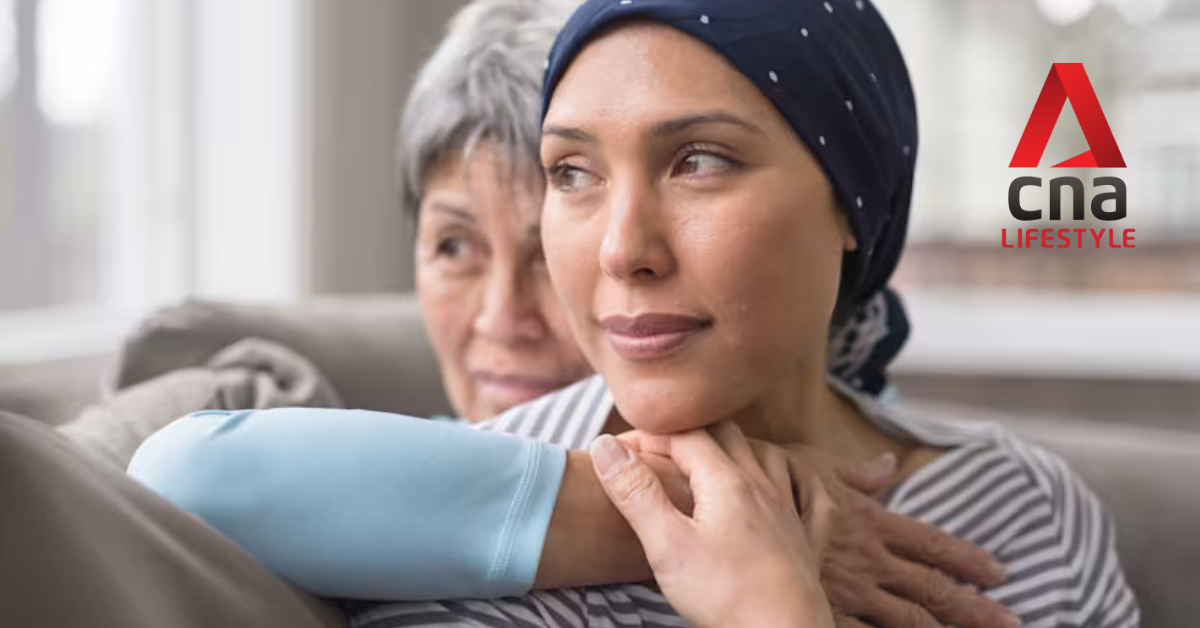
For women with excessively large or heavy breasts (macromastia), symptoms like back, neck and shoulder pain can be a daily reality. It’s not just uncomfortable—it can cause skin irritation, strain posture, and lead to self-consciousness or even embarrassment [1].If they’re diagnosed with breast cancer and need surgery, some women choose to have a breast reduction or lift at the same time. This can help reduce discomfort and improve how their breasts look and feel.While a breast cancer diagnosis can be overwhelming, surgery can also be a chance not just to treat the disease, but to improve their overall comfort, confidence, and quality of life.What Affects Your Surgical Options?Each woman’s relationship with her body – and her journey through cancer – is deeply personal. That’s why there’s no one-size-fits-all approach – only what feels right for you.Studies show that fears of cancer returning and concerns about body image and sexuality can also play a big role in these decisions [4] [5]. Many women worry about losing their breasts or how their body may change, which can bring feelings of grief, shame, embarrassment and low self-esteem [6].The decisions you make should support both your medical needs and emotional well-being. Ultimately, the goal of breast cancer surgery is to remove the tumour while maintaining a satisfying post-operative appearance.Combining Cancer Surgery with Macromastia ReliefFortunately, for women living with large or sagging (ptotic) breasts, procedures like breast reduction (reduction mammoplasty) or breast lift (mastopexy) can be safely combined with cancer surgery [1] [7] – offering both medical treatment and meaningful relief. Do note that this is subject to eligibility and surgeon recommendation.Reduction mammoplasty removes excess breast tissue, fat and skin, creating a breast appearance that’s more balanced with the rest of the body [1]. Mastopexy lifts, reshapes and tightens the breasts for a more youthful appearance [8].While these may seem like cosmetic procedures on the surface, they can carry deeper meaning. For many women, addressing both breast cancer and macromastia in a single session can bring lasting physical relief and emotional healing, with positive outcomes well into recovery [1] [9].Breast reduction can improve physical function, alleviate pain, reduce skin complications and enhance their body image and mental health [1]. The breast lift can help restore confidence, offer a renewed sense of control and help women feel whole again [7].For women navigating breast cancer alongside macromastia, combining surgery can be a powerful way to reclaim comfort, health and self-confidence – all in one procedure.“But no matter what treatment path you take, always remember:You are brave. You are bold. You are beautiful.And you are making the choices that are right for you.”Care That Sees the Whole YouAt Solis, care doesn’t end in the operating theatre. The experienced and dedicated breast surgeons understand that healing is both physical and emotional, supporting each woman through her unique journey.Specialising in advanced surgical techniques such as oncoplastic surgery – a method that combines cancer removal with plastic surgery techniques to reshape the breast – they collaborate closely with Luma Women’s Medical Centre, where an in-house pathologist examines surgical specimens in real time to ensure complete cancer removal and reduce the need for a second surgery.This integrated approach allows for compassionate and reassuring breast care that respects your body, your choices and your well-being every step of the way.If you’re exploring your options, we’re here to help. Contact us to schedule a consultation or speak with our team about how we can support your journey.Article contributed and reviewed by Dr Lim Sue Zann, Senior Consultant & Breast Surgeon at Solis Breast Care & Surgery Centre.References:[1] National Library of Medicine, Breast Reduction[2] Decision-Making in the Surgical Treatment of Breast Cancer: Factors Influencing Women’s Choices for Mastectomy and Breast Conserving Surgery[3] Cancer Research UK, Types of Breast Cancer Surgery[4] The Emotional Status, Attitudes in Decision-Making Process, and Their Impact on Surgical Choices in Korean Breast Cancer Patients[5] Factors influencing surgical treatment decisions for breast cancer: a qualitative exploration of surgeon and patient perspectives[6] Decision-making process for breast-conserving therapy from the perspective of women with breast cancer: A grounded theory study[7] Mayo Clinic, Breast Lift[8] Aesthetic breast surgery: putting in context—a narrative review[9] Oncoplastic reduction mammoplasty for breast cancer in women with macromastia: long term aesthetic, functional and satisfaction outcomes
Getting To Know Dr Lim Sue Zann
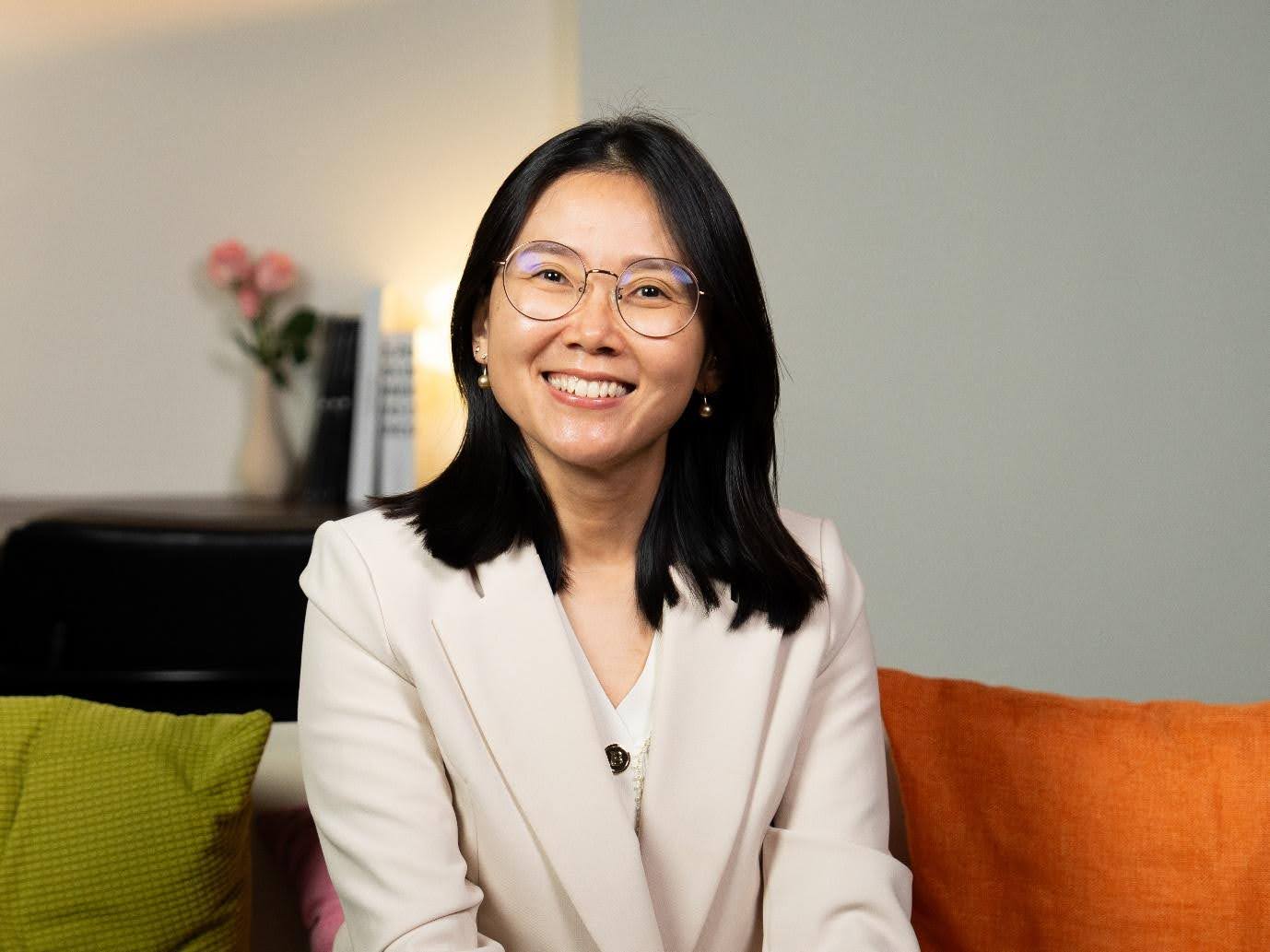
Getting To Know… Dr Lim Sue ZannBehind every surgeon is a story – a path carved out of passion, resilience and a deep desire to heal. We sit down with Dr Lim Sue Zann, Senior Consultant & Breast Surgeon at Solis, to uncover what drives her in her profession, the patient experiences that continue to inspire her, and how she unwinds when she’s not in the operating theatre. Her words offer a glimpse into the heart and humanity behind the scalpel.Dr Lim Sue Zann joins the Solis team from the SingHealth Duke-NUS Breast Centre, National Cancer Centre Singapore. She has a special interest in oncoplastic and reconstructive breast surgery, with focus on keyhole mastectomy. With deep experience across the full spectrum of breast surgery, including breast-conserving, reconstructive, and minimally invasive techniques – Dr Lim is committed to restoring both health and confidence to the women she treats.1. Why did you choose to become a breast surgeon?Being a surgical oncologist is incredibly fulfilling – it’s a privilege to remove a tumour and help cure someone of cancer. Breast surgery, in particular, is unique because it blends oncological expertise with aesthetic precision. I find joy in not only treating the disease but also restoring, and sometimes even enhancing, my patients’ appearance. Helping women regain their confidence after such a life-altering diagnosis is what keeps me going every day. 2. Share with us a patient’s story that left a deep impression on you.I’ve had many young breast cancer patients who showed incredible strength raising their young children while battling through breast cancer, which left me with nothing but admiration. But one story stands out. A foreign patient in her 50s came to me with advanced right breast cancer that had grown through the skin. She had been in denial and sought medical attention only because her daughter, only in her 20s and just started work in Singapore – insisted. Despite the financial constraint, the daughter was very decisive and determined to provide her mum with the best treatment. She was her mother’s guiding light, providing support every step of the way. Today, the patient is well and cancer-free, and I often remind her how fortunate she is to have such a brave and lovely daughter.3. What is ONE myth or message that you would like women to know about breast cancer?There are many myths about breast cancer, but one particularly harmful myth is that biopsy on a breast lump will cause the cancer to “explode” or spread more rapidly to the other parts of the body. This is absolutely untrue. I would like to emphasise that a biopsy is a vital diagnostic tool - it allows us to understand the nature of the lump and begin appropriate treatment. Delaying care out of fear can lead to worse outcomes, so it’s important to dispel such myths and encourage timely medical attention.4. How do you spend your free time?Most of my free time is spent with my children – often reminding them to focus on their studies! As I approach middle age, I’ve come to value learning new skills to keep my mind active, so I’ve started picking up Korean. I also play tennis with my dad weekly – it’s our way of staying active and spending quality time together.5. What do you think you’d be doing if you weren’t a breast surgeon?I’d probably be a jewellery or fashion designer. As a child, I used to make pretend jewellery out of beads and stick them onto my ears with scotch tape. I also loved playing with my mother’s clothes – though she wasn’t always pleased – and “altered” them using safety pins so that they fit me. Creativity has always been a part of me, and I think I would’ve loved designing beautiful things.Article contributed and reviewed by Dr Lim Sue Zann, Senior Consultant and Breast Surgeon at Solis Breast Care & Surgery