


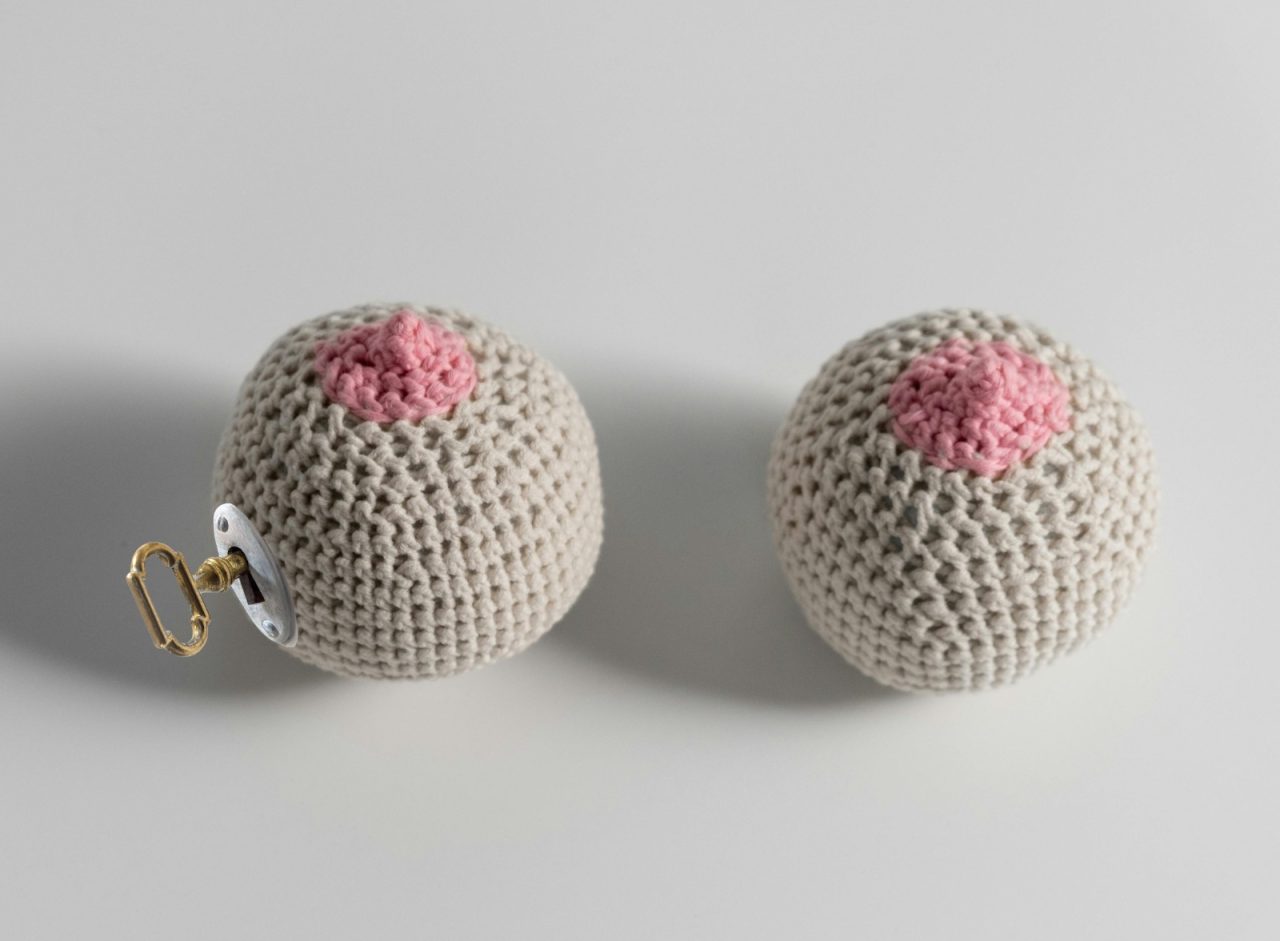
Keyhole Mastectomy : the Key to the Future?

A recent study compared two types of mastectomies: the conventional nipple-sparing mastectomy (NSM) and keyhole methods (using endoscopic or robotic approaches) [1] Conducted across five tertiary hospitals in Taiwan, the study involved 73 conventional NSM cases and 160 keyhole NSM of which 84 cases used endoscopic approach and 76 cases with robotic assistance. Here’s what it revealed about the pros and cons of these methods.What Are Keyhole Surgeries?Keyhole surgeries, also known as minimal access surgeries, involve making small incisions and using specialised long thin instruments e.g. a wand-like camera to assist with the procedures. These methods are common in abdominal and pelvic keyhole surgeries, where they have revolutionised care by reducing post-operative pain, recovery times and complications[2]. In breast surgery, however, keyhole approaches are still evolving and has not replaced the conventional NSM as the standard of care.Study Findings: How Do These Approaches Compare? The study revealed several key points[1]:Surgery Time and Recovery: All approaches had similar operating times and recovery periods. In skilled hands, keyhole methods could be faster. Wound Healing: Smaller scars (4 cm vs. 9 cm) and better healing were observed in keyhole surgeries, with fewer cases of delayed healing. Complications: All approaches had low complication rates, and overall safety was similar. Patient Satisfaction: Patients in all groups reported high satisfaction with their results, including psychosocial and physical well-being, for instance skin sensation, arm function and minimal or no chronic pain. Costs: Robotic surgeries were more expensive than conventional and endoscopic methods.To date, conventional mastectomy remains the standard of care due to the following reasons:Easier Accessibility and Surgeon Expertise: Conventional mastectomy is widely accessible because it does not require specialised equipment like robotic and endoscopic systems, making it suitable for hospitals with limited resources. Most surgeons are already familiar and experienced in the conventional approach: ensuring reliable and consistent results. Comprehensive Cancer Removal for Complex Cases: The conventional approach offers direct access, visualisation and tactile appreciation of the surgical site, enhancing the surgeon’s ability to ensure complete cancer removal. This makes it particularly effective for complex cases, such as advanced or multifocal cancers, where extensive tissue removal is necessary to ensure oncologic safety. Simplified Reconstruction Options: The larger incision in conventional NSM allows easier access for various immediate breast reconstruction options, providing more surgical flexibility in terms of reconstructive options Proven Long-Term Outcomes: With a long-established track record, conventional mastectomy has demonstrated consistent effectiveness and safety in breast cancer treatment. Cost-Effectiveness and Lower Maintenance Costs: Conventional NSM costs less than robotic or endoscopic surgeries, as it avoids the additional and often high costs of advanced equipment. Hospitals also benefit from reduced maintenance expenses, further enhancing its cost-effectiveness. Versatility Across Patient Profiles: Conventional NSM is highly adaptable, making it suitable for a wide range of patients, including larger advanced cancers involving skin, the patient’s physical habitus or unique anatomical considerations. Unlike minimal access approaches, it has fewer technical constraints, ensuring broader eligibility. Mastectomy Rates Around the World and in SingaporeGlobally, mastectomy rates vary widely due to differences in healthcare practices, cultural attitudes, access to reconstructive surgery and alternative treatments like breast-conserving surgery (BCS) and radiotherapy.For average-risk women in USA, overall mastectomy rates are 31% with a rising trend of double mastectomies of up to 49% in certain states[3][4]. Such a trend was not observed in Europe, as reported by an Italian study where mastectomy rates have remained stable at 34% with no increase in women opting for double mastectomies[5]. In Singapore – mastectomy rates have remained consistently high over the past two decades. A review over a 10-year period in a single institution from 2001 to 2010 reported mastectomy rates remained high throughout the period, varying between 43% and 59%[6]. Separately another review from another local institution reported 70% of patients treated during the same period underwent mastectomy with a low rate (1.25%) of double mastectomies[7].Who Needs a Mastectomy?Mastectomy is often necessary for women with large tumours or widespread cancer within the breast. However, advances in cancer screening and treatment have reduced the need for mastectomy in many cases. In Singapore, most breast cancers diagnosed today are small (under 2 cm)[8], making breast-conserving surgery (removing the tumour while preserving the breast) a welcoming option for most patients.For larger cancers, modern therapies like pre-surgery treatments (neoadjuvant therapy) can shrink tumours, allowing many women to avoid mastectomy altogether[9][10]. On the other hand, genetic testing has led to greater awareness and a trend of more healthy but at-risk women considering double mastectomies as a preventive strategy to lower their cancer risk[11].Special considerations for Scar Concealment in Conventional MastectomiesIncreasingly, surgeons have focused on concealing scars wherever possible during conventional mastectomies. Dr. Esther Chuwa from Solis Breast Care & Surgery emphasises, “Surgical scars are a necessity with any surgery: most patient are able to accept that. But by placing incisions in well-hidden areas like the skin folds beneath the breast, we can minimise its visibility while ensuring that oncologic safety is maintained. This approach contributes immensely to patients feeling more confident and hopeful during their recovery as visually, they are not constantly reminded of their diagnosis”This approach ensures that oncologic principles, including adequate tumour removal, are not compromised while simultaneously addressing the patient’s aesthetic and emotional concerns.  Considering these factors plays a significant role in enhancing the emotional well-being and overall recovery of breast cancer patients.Looking AheadWhile keyhole surgeries offer smaller scars and potentially better wound healing, conventional mastectomy remains a trusted and effective choice for breast cancer surgery. As technology advances, keyhole approaches may gain momentum in replacing the conventional approach as the standard of care, but for now, the conventional approach continues to deliver excellent outcomes for most patients.The future of breast surgery is bright, with ongoing research exploring new tools and techniques to improve care. Whether through minimal access or conventional methods, the goal remains the same: safe, effective, and personalised treatment for every patient.Article contributed and reviewed by Dr Esther Chuwa, Senior Consultant and Breast Surgeon at Solis Breast Care & SurgeryReferences:[1] Lai HW et al. Robotic Versus Conventional or Endoscopic-assisted Nipple-sparing Mastectomy and Immediate Prosthesis Breast Reconstruction in the Management of Breast Cancer: A Prospectively Designed Multicenter Trial Comparing Clinical Outcomes, Medical Cost, and Patient-reported Outcomes (RCENSM-P). Ann Surg. 2024 Jan 1;279(1):138-146.[2] Velanovich V. Laparoscopic vs open surgery: A preliminary comparison of quality-of-life outcomes. Surg Endosc. 2000;14:16–21.[3] Kummerow KL, Du LP, Penson DF, Shyr Y, Hooks MA Nationwide trends in mastectomy for early stage breast cancer. JAMA Surg. 2015;150(1):9-16.[4]  Steiner, C.A., Weiss, A.J., Barrett, M.L., Fingar, K.R. and Davis, P.H. (2016) Trends in Bilateral and Unilateral Mastectomies in Hospital Inpatient and Ambulatory Settings, 2005-2013. HCUP Statistical Brief #201. Agency for Healthcare Research and Quality. [5] Fancellu A et al. Mastectomy patterns, but not rates, are changing in the treatment of early breast cancer. Experience of a single European institution on 2315 consecutive patients. Breast. 2018 Jun;39:1-7. [6] Chan PM et al. Mastectomy rates remain high in Singapore and are not associated with poorer survival after adjusting for age. SpringerPlus 2015 Nov 10;4:685. [7] Sim YR et al. Contralateral prophylactic mastectomy in an Asian population: a single institution review. Breast. 2014;23(1):56–62. [8] Singapore Cancer Registry Annual Report 2022[9] Golshan M et al. Impact of neoadjuvant therapy on eligibility for and frequency of breast conservation in stage II-III HER2-positive breast cancer: surgical results of CALGB 40601 (Alliance). Breast Cancer Res Treat 2016;160:297-304[10] Golshan M et al. Impact of neoadjuvant chemotherapy in stage II-III triple negative breast cancer on eligibility for breast-conserving surgery and breast conservation rates: surgical results from CALGB 40603 (Alliance). Ann Surg 2015;262:434-9[11] Wong, Stephanie M. MD et al. Growing Use of Contralateral Prophylactic Mastectomy Despite no Improvement in Long-term Survival for Invasive Breast Cancer. Annals of Surgery 265(3):p 581-589, March 2017

Read more

Breast Changes in Young Women: What Do They Mean and When to Seek Medical Advice

Breast cancer is often seen as a disease that only affects older women. However, recent statistics from three healthcare centres in Singapore show that approximately 10-13% of diagnosed breast cancer patients are under 40[1].Not all changes are breast cancer.Breast self-examinations are a simple yet powerful way for younger women to be breast aware. Whether it’s a lump, breast pain or nipple discharge, what should you do if you notice something that doesn’t look or feel right?Firstly, do not panic. Many breast changes do not necessarily mean cancer, and can instead be due to natural bodily changes or medication[2]. . Periods can cause breasts to feel swollen or tender due to hormone changes[3]. . This is normal and is usually not a cause for concern.Other examples of breast changes include:Breast LumpsA breast lump can often feel like a solid feeling in or near your breast or under your arm. While they can sometimes be a sign of breast cancer, studies show that about 60-80% of all breast lumps are non-cancerous[4].Breast PainBreast pain by itself is typically not a symptom of cancer. It can be caused by periods, pregnancy, menopause-related hormone changes, conditions like mastitis or medications like birth control pills[5].Nipple DischargeThis refers to fluid from the nipple that is not breast milk. While nipple changes and discharge can be a sign of breast cancer, it can result from birth control pills, medicine and infections[2].Benefits of Seeking Medical Advice EarlierSometimes, younger women may hesitate to speak to their doctor, assuming cancer to be unlikely at their age[6].Other reasons people delay investigating symptoms include worrying about foolishly wasting the doctor’s time or fearing what might be found[7][8].  So they opt for the wait-and-see approach, hoping symptoms eventually go away[9].While your symptoms might not be cancer, listening to your body and seeking clarity from your doctor are important for these reasons:1. More Options with Early DetectionIf your symptoms turn out to be cancer, addressing them early can help reduce the likelihood of needing more intensive treatment in the future. Early detection can be helpful for improving treatment outcomes and survival rates. When caught early (Stages 0 and 1)—before it has spread to other parts of the body, treatment can result in survival rates of over 90%[10].2. Clarity and Peace of MindYour worries are unlikely to go away if you don’t seek help [11]. . Getting advice from an experienced healthcare professional helps take away the guesswork, allowing you to move forward with confidence rather than anxiety over what might be happening.3. Self-CareYour body is your partner for life, so treat it with kindness! Being proactive about unusual breast changes is a sign of good health management.Talking about your breasts may feel uncomfortable or embarrassing[11]. . But remember, your doctor is here to help you. They will do their best to put you at ease during the process.What Happens During Your AppointmentWhen you meet with a breast surgeon, they will want to know more about your symptoms to better understand your health. If you’re feeling anxious about forgetting anything, it helps to jot down notes before your appointment, such as[11]. :When your symptoms started, how often they occur and any patterns you’ve noticed Anything that makes your symptoms better or worse Any family history of cancer Any other concerns or questions you may haveThis will help take some of the pressure off remembering everything. You can also bring a loved one to accompany you and help you ask questions or take notes.You may need to undergo screening such as an ultrasound[11]. . In Singapore, mammograms are generally not recommended for women below 40 years old[10]. . As everyone’s breasts and bodies are different, your doctor will determine what you need based on your personal circumstances and preferences.Your doctor will walk you through your screening results, answer any questions and advise you on next steps. Feeling scared is completely normal, and the experienced surgeons at Solis Breast Care & Surgery Centre are here to reassure you and give you the gift of clarity. You deserve a space where your concerns are heard and taken seriously.Breast health should be a priority, no matter the age. If you pick up any changes in how your breasts look or feel, schedule an appointment with your doctor today. Early evaluation can make all the difference in your peace of mind and overall health and well-being.References[1] The Straits Times, Beating breast cancer: How these women in their 20s, 30s and 40s survived and thrived[2] National Cancer Institute, Understanding Breast Changes and Conditions: A Health Guide[3] Cancer Council Victoria, Normal Breast Changes [4] National Breast Cancer Foundation, Breast Lump[5] NHS, Breast Pain [6] Diagnostic delays in breast cancer among young women: An emphasis on healthcare providers[7] Worrying about wasting GP time as a barrier to help-seeking, a community-based, qualitative study[8] Cancer symptom awareness and barriers to symptomatic presentation in England—are we clear on cancer?[9] Awareness of symptoms, anticipated barriers and delays to help-seeking among women at higher risk of breast cancer: A UK multicentre study[10] Ministry of Health Singapore Health Promotion Board, HealthHub, Breast Cancer[11] Cancer Research UK, Seeing Your GP when you have symptoms of breast cancer
Read more

Embrace Your Body & Know Your Normal: The Key to Breast Self-Awareness

Breast awareness begins with understanding and embracing your body. When you feel good about your body, it becomes easier to care for it and give it the attention it deserves.Why Breast Awareness MattersAccording to the American Cancer Society, when breast cancer is caught early before it has spread, the 5-year relative survival rate is 99%[1]. One way to help with early detection is familiarising yourself with how your breasts look and feel.Your breasts change as you navigate different stages of life[2][3]. It is important to stay connected with your body and know what is normal for you. More than anyone, you know your body best.Breast awareness is self-care[4]. Self-care is not just about treating yourself to a good meal or a massage—it can also mean taking charge of your breast health. Regularly checking your breasts can help you confidently pick up unusual changes[5]—much like how you would notice a lump in the pillow that you sleep on every night.The Effects of Negative Body ImageBreast awareness is built on a caring, respectful and appreciative attitude towards your breasts and body[6]. Multiple studies have shown that dissatisfaction towards one’s breast size or body can make it harder to be breast aware[7][8]. When you feel disconnected from your body, it may be harder to look at or touch your breasts with care.It’s easy to neglect your body’s needs if you are preoccupied with its “flaws” or feel uncomfortable in your own skin. Shifting towards a more positive or neutral relationship with your body can lead to better care and increased awareness.How to Appreciate Your BodyYour body carries you through life. Everyone has the right to feel comfortable and confident in their own skin regardless of shape, size or appearance. Here are some ways to build a better relationship with your body.1. Catch Negative Self-TalkPay attention to the language you use when speaking or thinking about your body[9]. Small, seemingly harmless comments like “I feel fat today” or “This dress does not look good on me” can reinforce insecurities and make you feel worse[9].Try to catch these moments and shift to kinder, more accepting language. Surround yourself with loved ones who can uplift and support you.2. Focus on What Your Body DoesInstead of focusing on how your body looks, try thinking about it in functional terms[9][10]. Appreciate what it does for you—whether it’s carrying you through the day, helping you hug loved ones, or allowing you to experience what life has to offer.Practise gratitude by writing down one thing your body has done for you each day, and reflect on how it makes you feel[10].3. If You Can’t Be Body Positive, Be Body Neutral It can be difficult to like what you see in the mirror if you’ve struggled with body image. If body positivity feels out of reach, aim for body neutrality. This means accepting and caring for your body, regardless of how it looks[10].Adopting body neutrality can be a stepping stone towards body acceptance and help you move away from negative, judgmental and potentially dangerous thoughts towards your body[10]. 4. Being Patient with Yourself Becoming comfortable in your own skin is a process, so embrace being a work-in-progress and not perfection. If you feel overwhelmed or find it especially difficult, you can try seeking help from trusted friends and family, a therapist or other health professionals[10].5. Educate Yourself A part of body positivity is respecting your body by attending to its needs and engaging in healthy behaviours[11]. Empowering yourself with knowledge about your breast health—such as how to perform self-examinations and understanding what signs to look out for—can help you help you own your health and well-being.Steps for Breast Self-Awareness Everyone’s breasts are different, and self-awareness can help you identify changes. Examine your breasts a few days after your period, when your breasts are least likely to be swollen and tender[3].1. Stand in front of the mirror with your arms on your hips, look for changes such as[2][5]:A lump or swelling in the breast, chest or armpit Changes in breast size or shape that are not normal for you Nipple changes such as pain, redness or discharge Skin changes such as redness, thickening or dimpling Sore or ulcers on your chest2. Using the first few pads of your fingers, press down and move in a circular motion across each breast or side of your chest.3. Feel around and over each nipple, paying attention to any signs of fluid coming out from them.You can also perform a self-check while in the shower or lying down[2]—find what feels most comfortable for you and make it part of your routine.While breast changes like lumps do not necessarily mean cancer, you should speak with your doctor if you notice anything unusual[2]. Self-examinations are not a replacement for regular screenings, however they are still a proactive way of staying in tune with your body.Remember, your body deserves to be appreciated and cared for. Cultivating a positive or neutral relationship with it and practising breast awareness can help you take control of your health. This season, take time to connect with your body and gift yourself the knowledge of self-awareness.References[1] American Cancer Society, Survival Rates for Breast Cancer[2] NHS, How to Check Your Breasts and Chest[3] Solis Breast Care & Surgery Centre, From Lumps to Breast Pain, What Should Women in Their 20s Do to Keep Their Breasts Healthy? [4] Solis Breast Care & Surgery Centre, Why You Should Prioritise Your Breast Health[5] Ministry of Health Singapore, Health Promotion Board, Breast Cancer[6] Measuring positive breast experience: Development and psychometric evaluation of the Breast Appreciation Scale (BrAS) [7] The Breast Size Satisfaction Survey (BSSS): Breast size dissatisfaction and its antecedents and outcomes in women from 40 nations [8] Body (dis)satisfaction and health screening behaviors: A systematic review of observational studies [9] Mental Health Foundation, How can we protect, promote, and maintain body image?[10] Butterfly, Body Neutrality: What is it and why is it important?[11] Towards a Comprehensive Understanding of Body Image: Integrating Positive Body Image, Embodiment and Self-Compassion
Read more