

Protecting Yourself Against Breast Cancer
Breast cancer is one of the most common cancers among Singaporean women. More than 25 percent of all cancers diagnosed in women are breast cancers. According to the Singapore Cancer Registry Annual Report 2018, more than 2,000 women are diagnosed with breast cancer, and it accounts for an estimated 400 deaths each year. The chances of a Singaporean woman developing breast cancer in her lifetime is around 5 percent. Read on as we tell you what are the risk factors, signs and symptoms, early detection methods, the benefits of 3D mammograms and ways to prevent breast cancer. Let’s begin!
Risk FactorsNon-modifiable risk factorsAge – Risk of breast cancer increases with age. Majority of women diagnosed with breast cancer are above 40 years of age although there are instances where younger women do get breast cancer
Gender – Breast cancer also occurs in men, but they have a lower risk than women due to the female hormones’ oestrogen and progesterone. Men who do get diagnosed with breast cancer, most of the time only find out when it is at an advanced stage
Hereditary – The two genes that have been identified with breast cancer are BRCA1 and BRCA2. If you have inherited either of these abnormal genes, you are likely to develop breast cancer
Early menarche and late menopause – Early menstruation before the age of 12 and late menopause, after the age of 55, increases risk of breast cancer due to the prolonged hormonal exposure
Having first child after the age of 35
History of previous breast cancer
History of previous ovarian cancer Modifiable risk factorsOverweight and obesity – This is caused by high calorie and fat intake, coupled with a sedentary lifestyle. It ultimately results in higher levels of oestrogen in the body
Excessive alcohol consumption
Smoking
Hormonal supplements – Oestrogen and progesterone supplements can increase risk of developing breast cancer. Post-menopausal women who use Hormone Replacement Therapy (HRT) increases their risk of breast cancer by 30%
Signs and SymptomsBreast cancer is typically painless. When the cancer is first developing, you may not notice any symptoms. If you see any of these signs and symptoms, even if your recent mammogram showed normal findings, seek advice from a breast specialist immediately to get better clarity.The signs and symptoms include:● A lump or thickened skin in the breast● A change in size or shape of the breast● Changes to the skin over the breast such as red, dimpled or puckered skin● Persistent rash around the nipple● Blood discharges from the nipple● Abnormal discharges from the nipple● Retracted or inverted nipple (pulled inwards)The Singapore Cancer Society states that around 8 out of 10 lumps in the breast are benign or non-cancerous. The severity of the breast lumps can be categorised based on a woman’s age.Women 20 to 29 years of age – The breast lump is most of the time a fibroadenoma, non-cancerous in nature
Women 30 to 39 years of age – The breast lump is mostly fibroadenoma or fibrocystic disease, non-cancerous. The outer area of the breast feels hard and is painful to touch
Women aged 40 and above – Breast lumps in older women are mostly either breast cyst or breast cancer. The breast cyst is a fluid-filled lump which can be drained to remove the accumulated fluid
Early DetectionSelf-examinationIf you are a woman aged 20 and older, it is recommended for you to perform a self-examination of your breasts for any signs of breast cancer once a monthRaise your arms and as you lower them, press them firmly against your hips
Inspect your skin, nipples and breasts for any abnormal changes
Lie down and feel your breast and armpits for any lumps. Use the pads of your 3 middle fingers and move them in circular motions
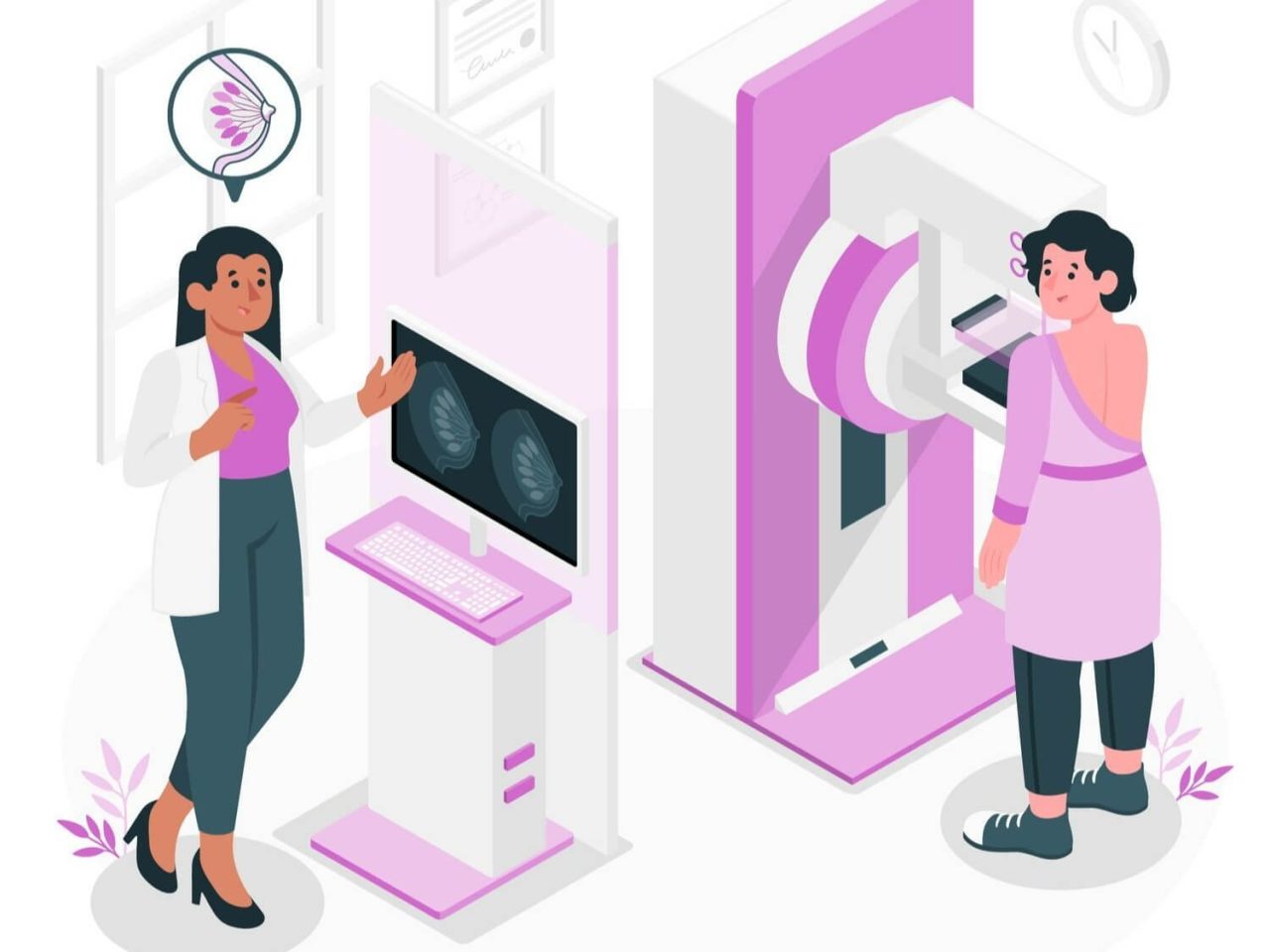
Gently squeeze your nipples for any bleeding or abnormal dischargesYou can do this when you are lying on the bed, in the shower or in front of a mirror.● 3D MammogramA mammogram is an X-ray of the breast to detect breast cancer early.If you are 40 years old and above, it is recommended for you to get a mammogram screening. It is the most reliable tool that is currently available to detect cancerous lumps before they can even be felt by hand.If you are aged 40-49, an annual screening is recommended. If you are aged 50 and above, it is recommended for you to get screened once in every two years. It is not advised for women below the age of 40.● Mammogram Ultrasound or Breast UltrasoundA breast ultrasound is more accurate in women aged 45 and younger. This imaging method of diagnosing breast cancer uses high frequency sound waves to generate an image of the tissues and internal structures of the breasts to find cancerous lumps.Consult your doctor on the benefits and limitations of going for a mammogram at this age.Note: Age recommendations are only guidelines and may differ for those with a family history of breast cancer or those who have other risk factors. Supplementary ultrasound may be ordered to increase accuracy of screening.Benefits of 3D Mammogram
Accurate detection – 3D mammogram provides an estimated 300 images to create a 3D inner structure of the breast tissues. This helps to detect tumors easily. Even in dense or thick breast tissue, 3D mammography provides many angles to detect any lumps. In the conventional 2D mammogram, the thick breast tissue can cause shadows and hide the tumors from view
Faster diagnosis of smaller cancers
Lesser tests and anxiety – Since 3D mammogram is efficient in diagnosing breast cancer, this means that patients undergo lesser tests and experience less anxiety
Safe and effective – Although getting a 3D mammogram exposes you a small amount of radiation, it has been determined that it imposes no additional risk. Researchers studying this radiation issue have found that the benefits of 3D mammograms outweigh far more than the risk associated with it.
Prevention
If you have a family history of breast cancer, it is recommended for you to start screening for breast cancer 10 years before the age, for example, your mother was when she was diagnosed with it
Stay physically active and exercise regularly to suppress the secretion of oestrogen and reduce risk of breast cancer. This is also effective for young girls below 11 years to delay the onset of menstruation and exposure to oestrogen hormone
Breastfeeding for more than a year helps to lower oestrogen levels in the body and reduce risk of breast cancer
Eat a healthy diet
Maintain a healthy weight
Avoid alcohol
Reference:https://www.singaporecancersociety.org.sg/learn-about-cancer/types-of-cancer/breast-cancer.html#overviewhttps://www.singaporecancersociety.org.sg/get-screened/breast-cancer/mammogram.html#are-mammograms-painfulhttps://www.singhealth.com.sg/patient-care/conditions-treatments/breast-cancerhttps://www.singhealth.com.sg/patient-care/conditions-treatments/breast-screening-self-exam-mammogramhttps://www.healthhub.sg/a-z/diseases-and-conditions/20/breastcancerhttps://www.ncis.com.sg/Cancer-Information/About-Cancer/Pages/Breast-Cancer.aspxArticle contributed and reviewed by Solis Breast Care and Surgery Centre and Luma Women’s Imaging Centre.