
Good Nutrition for Living with and Beyond Breast Cancer

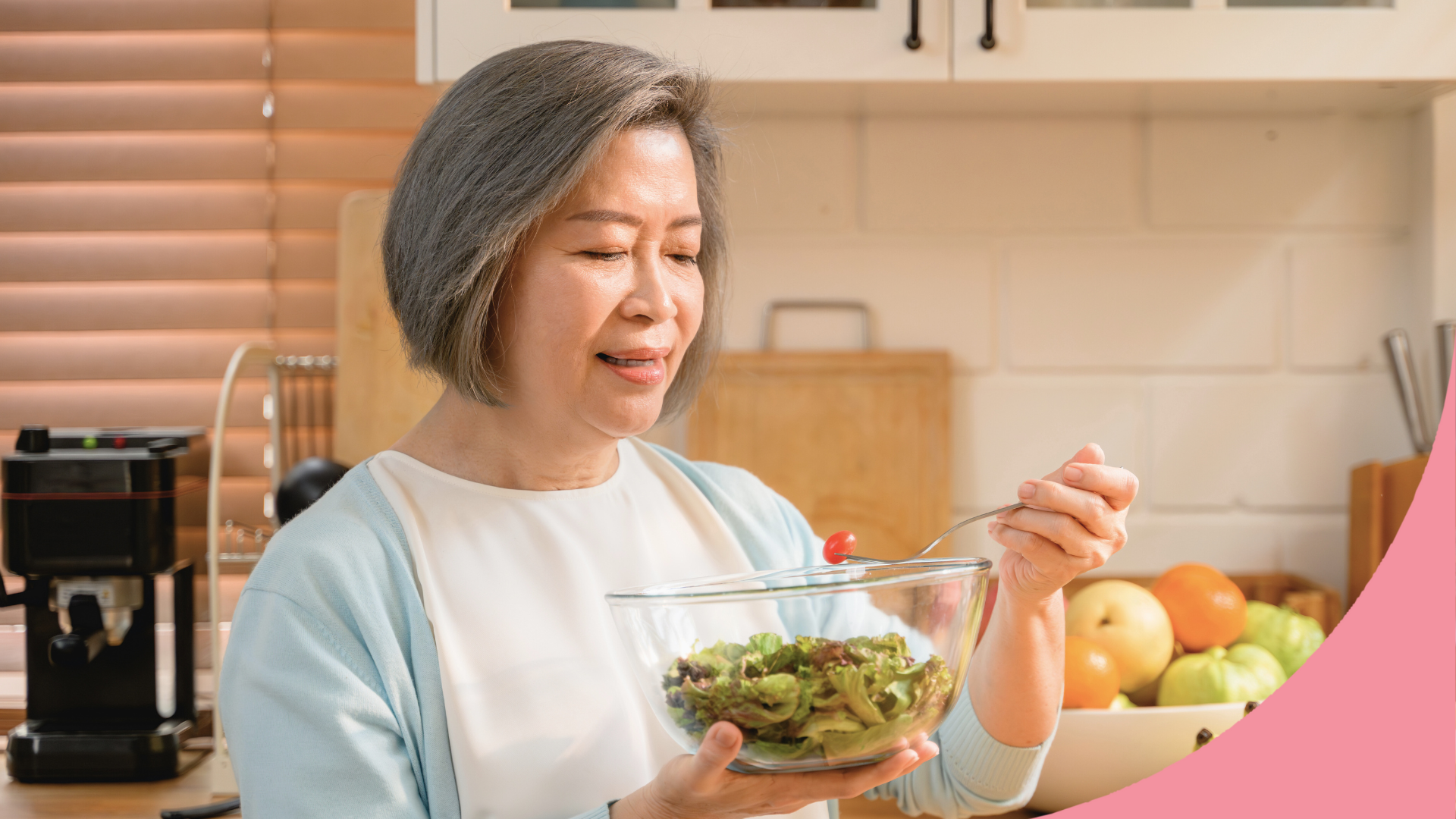
Breast cancer treatments have become more and more successful, with a huge number of women studied beyond breast cancer, discovering what lifestyle factors may reduce the risk of recurrence.  The current recommendations supported by research are: Maintain a normal body weight, but if you are overweight, losing just 5%-10% of your weight is beneficial. Do not drink alcohol. Alcohol is one of the greatest risk factors for breast cancer and there is no safe limit as far as breast cancer is concerned. If you do choose to drink alcohol, limit your intake to no more than 7 units a week. Of note, 1 unit is not the same as 1 drink.  175ml wine 13% ABV is 2.3 units  125ml champagne 12% AVB is 1.5 units  330ml beer 5% ABV is 1.7 units  25ml spirit 40% ABV is 1 unit Limit saturated fat by avoiding or rarely eating fast food and highly processed convenience foods.  Do eat foods that contain healthy unsaturated fat, and this includes nuts, seeds, nut butter, olives, avocado, oily fish such as salmon, sardines and mackerel and use extra virgin olive oil.  Limit red meat (beef, lamb, pork) to no more than 500g per week, which in practice is about 3  times a week, and avoid or rarely eat processed meat such as bacon, ham and salami. These  foods do not directly increase breast cancer risk but do tend to be high in saturated fat and are linked with increased colon cancer risk. Eat a high fibre diet. Foods high in fibre include beans and lentils, nuts and seeds, fruit and vegetables, wholemeal bread and flour, brown, red and wild rice, barley, spelt, quinoa, freekeh, kamut and other wholegrains. If you are not used to a high fibre diet, you may notice some bloating and more wind than usual, this is nothing to worry about and is a normal process that shows that your gut microbes are active and keeping your gut healthy, but if it’s uncomfortable, gradually increase your fibre intake over a period of a few weeks. Beans and lentils are especially high in fibre, so try to eat meals containing them at least 4 times a week.Eat dairy and high calcium foods. Dairy foods are often a cause of controversy, and many people mistakenly believe they are linked with increased breast cancer risk, however, research  shows the opposite to be true and that women who include dairy and high calcium foods in their diet have a reduced breast cancer risk. If you dislike dairy foods or are intolerant to them, ensure  your diet is rich in high calcium non-dairy foods. Include soy in your diet. As with dairy, this group of foods can be controversial, but research does show that women who eat soy have a reduced breast cancer risk and reduced risk of recurrence compared to women who do not eat soy. This is the same for both hormone receptor negative and positive breast cancer. You may have heard that soy contains a group of  compounds called phyto-oestrogens, and this is where much of the fear arises, however, phyto oestrogens are not the same as the oestrogen that your body makes, they have a different chemical structure and attach to different receptors in the body.  You may choose not to eat soy, maybe because you dislike it, are intolerant or don’t feel comfortable eating it, and that is fine, it is still possible to eat a healthy diet that reduces breast cancer risk by following some of the other guidelines included in this article. Be physically active. Whilst this is not in the realm of healthy eating, being physically active has clearly been shown to reduce breast cancer risk. Aim to be moderately active for a minimum of 150 minutes a week, so approximately 30 minutes a day, or vigorously active for at least 75 minutes a week. Moderate and vigorous will be different for everyone, so be your own guide as far as effort goes.  The final and very important piece of advice is do not fear food. Eating should be enjoyable and free from stress. A healthy diet can look different from one person to the next. Your friend, relative or fellow breast cancer friend may feel great eating one way and eating certain foods, but that doesn’t mean you have to do the same. Make adaptations to your diet gradually and enjoy the process, this is much more likely to lead to sustainable change. *Article contributed by Jackie Green, Dietitian & Nutritionist at The Family Dietitian  Jackie is also a contributing author of The Breast Years of Your Life: Living Well After Cancer. To  learn more about this empowering book for breast cancer survivors, or to get your copy, visit https://www.solis.sg/the-breast-years-of-your-life/Recipeshttps://www.wcrf-uk.org/healthy-eating/recipes/ References and further readingWCRF: Continuous Update Project 2018: Survivors of breast and other cancers Messina M et al Neither soy foods nor isoflavones warrant classification as endocrine disruptors:  a technical review of the observational and clinical data. Crit Rev Food Sci Nutr. 2022;62(21):5824-5885. doi: 10.1080/10408398.2021.1895054. Epub 2021 Mar 27. PMID:  33775173. Arafat HM et al The association between breast cancer and consumption of dairy products: a  systematic review. Ann Med. 2023 Dec;55(1):2198256. doi: 10.1080/07853890.2023.2198256. PMID: 37078247; PMCID: PMC10120447 Bodai B et al Breast Cancer: Lifestyle, the Human Gut Microbiota/Microbiome, and Survivorship. Perm J. 2020; 24:19.129. doi: 10.7812/TPP/19.129. PMID: 32589577; PMCID: PMC7319098. 
Read more

Not an End, But a New Beginning: Empowering Yourself as a Breast Cancer Survivor

For many women, the last day of breast cancer treatment is one filled with relief and hope. Yet it can also feel unexpectedly unsettling. Survivorship isn’t the end of a story, but the beginning of a new chapter—balancing ongoing medical care with healthy habits, emotional honesty, and resilience [1].Survivorship is not about going back to who you were before. It’s about reclaiming the control that cancer disrupted and moving forward into the person you are becoming [2]. Taking Steps Towards Health and Healing “I want to take charge of my health.”After treatment, your healthcare team may recommend follow-up visits to monitor for recurrence or secondary cancers [2] [3]. These appointments can stir up anxiety, but they are also  opportunities to ask questions, share symptoms, and feel more in control. [1] [4] [5]. Tip: Write down three questions before each follow-up visit. This can help you focus on what matters most and ease uncertainty.Beyond check-ups, daily habits play a powerful role in recovery. Physical activity has been shown to  lower anxiety and depression, boost well-being and help reduce the recurrence risk [5] [6] [7]. Nourishing your body with a fibre-rich foods,  fruits, vegetables and whole grains supports long-term health [5].Empowerment isn’t about forcing positivity. It’s about acknowledging when you’re struggling, giving yourself compassion, and still choosing steps that nurture your healing [8].Adjusting to Your New Normal “Life feels different now, and that’s okay.”Many survivors long to “get back to normal,” but life after cancer rarely looks the same [9]. Physical changes like surgical scars, early menopause or fatigue may leave you feeling disconnected from your body [9]. Emotionally, the fear of recurrence or grief for pre-cancer self can weigh heavily [1] [9]. These shifts can ripple into relationships too. Loved ones may expect you to bounce back quickly, which can feel isolating [1] [2]. The first step in navigating these changes is permission—permission to acknowledge these challenges honestly. Healing isn’t linear; it’s more like the tide, flowing in and out. With time, small steps toward your own “new normal” can help you feel more grounded [10].Redefining Yourself and Finding Confidence “I’m not who I was before.”For many, survivorship becomes a chance to rewrite their story. Cancer may reshape body image, sexuality, routines and even career paths, but it also sparks new perspectives [11] [12]. This period is often described as  rediscovery—finding strength you didn’t know you had, deepening  relationships, and noticing meaning in everyday moments [1] [2] [4]. Not everyone feels comfortable with the label “survivor”, and that’s okay[1] [2]. Identity after cancer isn’t about erasing what happened. It’s about weaving those experiences into your new narrative—one that reflects both the scars you carry and the confidence you are building. Finding Strength Through Community and Support “I can’t do this alone, and I don’t have to.”Healing is strongest when shared. Social support, whether from family, friends, survivor groups or your care team, can ease stress, strengthen emotional adjustment and improve well-being [2] [6] [13]. Many women find comfort in survivor groups where others truly understand their journey. These conversations can bring hope, practical coping strategies, and a sense of belonging [2]. At the same time, leaning on close relationships can help rebuild trust and connection, even if cancer has shaken old support systems [13].Empowerment doesn’t mean facing everything alone. It also means knowing  when to lean on others. Survivorship is both individual and collective, and walking this path together can make each step feel lighter.Moving Forward with IntentionEvery small step—whether speaking up about side effects, starting a new health habit, or reaching out for support—is part of reclaiming your strength.While it’s natural to grieve the life you had before, remember this: you are more than the scars cancer has left behind. At Solis and Luma, we believe the end of treatment is not the end of the cancer journey. Survivors deserve continued care, compassion, and tools to live fully and earnestly after cancer. The Breast Years of Your Life: Living Well After Cancer offers practical guidance and heartfelt support - from rebuilding trust with your body to embracing new beginnings -so you can continue to live meaningfully beyond cancer. References[1] Cancer Council, Living Well After Cancer [2] European Society for Medical Oncology, The Guide for Patients on Survivorship [3] Cleveland Clinic, Cancer Survivorship [4] Mayo Clinic, Cancer survivors: Managing your emotions after cancer treatment [5] Solis Breast Care & Surgery Centre, The Breast Years of Your Life: Living Well After Cancer [6] BMC Women's Health, "Resilience and renewal: the personal impact of physical activity in breast cancer survivors" [7] American Cancer Society, Physical Activity and the Person with Cancer [8] American Cancer Society, Life After Cancer [9] Journal of Cancer Survivorship, "Psychosocial experiences of breast cancer survivors: a meta-review" [10] Asia-Pacific Journal of Oncology Nursing, "Perceived New Normal and Inner Strength on Quality of Life in Breast Cancer Patients Receiving Adjuvant Endocrine Therapy" [11] National Cancer Institute, Life After Cancer Treatment [12] Latin American Journal of Palliative Care, "The (re)construction of female identity among women cancer survivors" [13] Asia Pacific Journal of Cancer Prevention, "Importance of Social Support in Cancer Patients" 
Read more

Early Menopause After Breast Cancer: Navigating Sudden Changes with Care

For many women, menopause is a natural life stage that usually happens in their 40s or 50s [1]. But for women with breast cancer, menopause can come much earlier, sometimes suddenly, and bring a unique set of challengesWhen Menopause Comes EarlyMenopause occurs when your periods stop permanently [1]. Some breast cancer treatments, such as chemotherapy or hormone therapy, can trigger it sooner than expected [2]. Early menopause is more than a hormonal change, it’s a deeply personal transition that can reshape how you feel about your body, your relationships and your future [3] [4]. While some women may feel relief at no longer having periods, others may grieve the body they had before cancer. Common menopausal symptoms include [5]:Unlike natural menopause, which often happens gradually, early menopause can come abruptly and feel more intense [6] [7]. The suddenness can come as a shock, and the emotional and physical changes overwhelming. Living with Emotional and Physical ShiftsMenopausal symptoms affect more than just your body—they ripple into your daily life. They can affect intimacy, self-image, work performance and overall well-being, sometimes leading to depression or anxiety [8] [9]. For instance, vaginal dryness or reduced sex drive may make intimacy uncomfortable, straining relationships and self-perception [4] [10]. Hot flushes and difficulty concentrating can affect work, creating frustration or embarrassment [11]. For younger women, early menopause adds another emotional layer [10]. Fertility concerns and disruptions to sexual life during peak reproductive years can intensify feelings of loss. [7] [11]. Experiencing menopause when most peers have not yet entered this stage can feel isolating and impact self-identity [11]. Finding Ways to Cope and ReconnectManaging menopausal changes is an important part of follow-up care for breast cancer survivors [12]. Treatment decisions and coping strategies depend on symptom severity and potential side effects [13]. Certain lifestyle changes can help make things more manageable. Discuss your options with your doctor to find what’s most suitable for you. Practical tips for managing hot flushes and vaginal dryness [13] [14]:Seeking support, from your doctor, a therapist or fellow breast cancer survivors, can help you process the changes and remind you that you are not alone. Reconnecting with Your BodyMenopause management isn’t only about easing symptoms. It’s about rebuilding a connection with your body. Research shows that body image concerns often persist after cancer, and survivors may feel disconnected or perceive their bodies as changed or damaged [15]. Surgical scars, early menopause and other physical changes can make self-acceptance difficult. Yet acknowledging  these feelings, practicing patience, and slowly cultivating a kinder relationship with your body are vital steps in recovery. Your body has endured treatment, adapted, and continues to carry you through life. It deserves care, respect and compassion.With the right support, you can adjust, rediscover balance and move forward with strength.  Survivorship isn’t only about overcoming cancer, it’s about embracing a new chapter with confidence and resilience.Learn MoreEarly menopause after breast cancer can feel overwhelming, but you don’t have to navigate it alone.The Breast Years of Your Life: Living Well After Breast Cancer offers practical guidance and heartfelt support to help you manage symptoms, reconnect with your body, and embrace this new chapter with confidence.Explore this compassionate guide and take steps toward living well after breast cancer.References[1] Mayo Clinic, Menopause [2] Cancer Research UK, Menopausal symptoms and cancer treatment[3] Current Opinion in Supportive and Palliative Care, Sexual identity after breast cancer sexuality, body image, and relationship repercussions[4] Women & Therapy, Chemically-Induced Menopause and the Sexual Functioning of Breast Cancer Survivors[5]  Cleveland Clinic, Premature and Early Menopause [6] Annals of Oncology, Menopausal symptoms in women undergoing chemotherapy-induced and natural menopause: a prospective controlled study[7] The Cancer Journal, Concerns About Sexuality After Breast Cancer[8] Journal of Transcultural Nursing, Effects of Menopausal Symptoms and Depression on the Quality of Life of Premenopausal Women With Breast Cancer in Korea[9] Cancer Research, Statistics and Treatment, Body image disturbances among breast cancer survivors A narrative review of prevalence and correlates[10] Journal of Thoracic Disease, Premature menopause in young breast cancer: effects on quality of life and treatment interventions[11] European Journal of Cancer Care, Younger and older women's concerns about menopause after breast cancer[12] The American Journal of Medicine, "Breast cancer, menopause, and long-term survivorship: critical issues for the 21st century"[13] Breast Cancer Now, Menopausal Symptoms and Breast Cancer[14] Cleveland Clinic, Vaginal Dryness [15] The Breast, Body image in breast cancer survivors: Age-moderated effects of treatment-induced menopause and fertility concerns
Read more