



DCIS: Early-Stage Breast Cancer (Stage 0), Diagnosis & Treatment
What is DCIS? DCIS (Ductal Carcinoma In Situ) is an early, non-invasive breast lesion in which abnormal cells are found within the breast milk ducts but have not spread into the surrounding breast tissue. It is often referred to as Stage 0 breast cancer because the abnormal cells remain confined within the ducts and […]
 A Practical Guide for Primary Care & Co-Managing Clinicians">
Principles of Treatment for Advanced Breast Cancer
A Practical Guide for Primary Care & Co-Managing Clinicians
Advanced breast cancer is not treated with a single approach; it is managed through personalised therapy tailored to each patient who receives long-term systemic therapy that changes over time. General practitioners play a key role in ongoing care, early detection of complications, and patient support. Advanced breast cancer includes: Locally advanced breast cancer, stage III […]
 An Educational Guide for Primary Care & Co-Managing Clinicians">
Principles of Treatment for Early Breast Cancer
An Educational Guide for Primary Care & Co-Managing Clinicians
1. Overview of Treatment Principles Management of breast cancer requires a multidisciplinary approach, incorporating breast and plastic surgeons, medical oncologists, radiation oncologists, radiologists and pathologists, including genetic counsellors, physiotherapists, psychological counsellors and advanced practice breast nurses if available. Invasive breast cancers can be staged as: Early breast cancer (stage I and II): confined to the […]

Should You Get a Second Opinion for Breast Cancer? Making Treatment Decisions with Confidence
Should You Get a Second Opinion for Breast Cancer? Making Treatment Decisions with Confidence
A breast cancer diagnosis can bring with it a whirlwind of emotions, appointments and information. In what can feel like the blink of an eye, you may find yourself discussing surgery, medications or treatment plans that could have ripple effects on your health,daily life and future plans
Many women expect that once a diagnosis is confirmed, there will be one clear path forward. Instead, they are sometimes presented with choices, and with those choices comes an unexpected question: “How do I know I’m making the right decision?”
If you’ve ever felt overwhelmed or worried about choosing the “wrong” treatment, know that you are not alone. Women facing breast cancer treatment decisions commonly experience uncertainty, anxiety and ongoing worry as they try to balance medical information with what feels right for them and their families [1][2][3].
Many women arrive at this stage after a period of uncertainty, additional investigations or follow-up appointments. If that’s where you are now, our article on what to do when rest results aren’t clear explains what often happens before treatment decisions are discussed.
Should You Get a Second Opinion for Breast Cancer?
One of the most common questions women ask after a breast cancer diagnosis is whether they should seek a second opinion.
There is no universal rule that every patient needs one. However, many women choose to seek a second opinion when they want additional reassurance, when several treatment options are available, or when they are unsure they fully understand their diagnosis or treatment recommendations.
Importantly, seeking a second opinion does not mean you distrust your doctor. Rather, it is a recognised part of breast cancer care that can help patients better understand their situation and feel more confident about the decisions ahead [4][5].
In many cases, the second opinion confirms the original diagnosis or treatment plan. While this may not change the treatment itself, it often changes how patients feel about moving forward. Knowing that two specialists have independently arrived at similar conclusions can provide valuable reassurance during a time of uncertainty [4][6].
Occasionally, a second opinion may also identify additional treatment options or alternative approaches that are equally supported by current evidence [5][6][7].
Ultimately, the goal is not necessarily to find a different answer. It is to ensure you fully understand your diagnosis and feel confident about your next step.
When Breast Cancer Treatment Decisions Feel Overwhelming
Treatment decisions are rarely just about treating the cancer. They are also about understanding how different options may affect the life you hope to return to afterwards.
You may find yourself thinking about your recovery, your independence, your family responsibilities, your work, or how treatment could affect your body and quality of life [2]. Surgery, chemotherapy, radiotherapy and other treatments each come with their own benefits, considerations and potential side effects, and these may matter differently from one person to another [3].
At the same time, you are often trying to process unfamiliar medical terms and a large amount of information within a short consultation. It’s therefore perfectly normal to leave an appointment only to think of new questions once you’re home. This isn’t a sign that you weren’t listening. Rather, it reflects how emotional stress can affect the way we absorb and process information.
Evidence indicates that patients who are not given adequate time to process information and participate in treatment decisions are more likely to experience uncertainty and feel less involved in their care [1][8][9].
Why Breast Cancer Treatment Plans May Not Be the Same for Everyone
Many people assume there is only one “correct” treatment for breast cancer. In reality, there may be more than one appropriate option depending on factors such as the type and stage of breast cancer, tumour biology, your overall health, and your personal priorities [10].
For example, some women may be suitable candidates for either breast-conserving surgery or a mastectomy. Both may be medically appropriate, but each comes with different considerations that extend beyond cancer treatment alone, including recovery, body image, future treatment needs and personal preferences [3].
This is where shared decision-making becomes important. Rather than choosing a treatment based solely on clinical evidence, doctors also work with patients to understand what matters most to them. For some women, preserving the breast may feel important. For others, reducing the likelihood of another surgery may bring greater peace of mind.
The goal is not simply to identify a medically appropriate treatment, but one that also aligns with your individual circumstances, priorities and values.
Can You Get a Second Opinion for Breast Cancer in Singapore?
Patients in Singapore are free to seek a second opinion if they would like further clarification about their diagnosis or treatment options.
This typically involves another breast specialist reviewing existing medical records, imaging studies, pathology reports and treatment recommendations before providing an independent assessment.
Many patients seek a second opinion not because they wish to change doctors, but because they want greater clarity about their options before making important treatment decisions.
Whether the second opinion confirms the original recommendation or presents additional considerations, the process can help patients feel more informed and reassured about the path they ultimately choose.
Questions Many Women Wish They Had Asked Sooner
As the initial shock settles and you’ve had time to reflect, new concerns often come to mind. This highlights the importance of having enough time to process information before moving forward [9][11].
If you’re preparing for another appointment or considering a second opinion, you may find it helpful to ask questions such as: [6]
Can you explain my diagnosis in simpler terms?
Why is this treatment being recommended for me?
Are there other treatment options that may also be suitable?
What are the benefits, risks and possible side effects of each option?
How might treatment affect my daily life, work or family responsibilities?
Is there enough time for me to consider my options or seek a second opinion?
Are there any additional tests that would help guide this decision?
No question is too small. Understanding the reasons behind a recommendation can often bring greater clarity and reassurance than simply hearing the recommendation itself.
What Does Decision Confidence Mean
Decision confidence does not mean feeling completely certain or never experiencing fear. Few people feel that way after a breast cancer diagnosis.
Instead, confidence comes from knowing that you have been given the opportunity to understand your options, ask the questions that matter to you and make a decision that reflects both sound medical advice and your own priorities.
Research has found that patients who are involved in decisions to the extent they wish to be are often more satisfied with their care and less likely to experience regret about their treatment choices later on [3][8].
Why Seeking More Information Is Not the Same as Delaying Care
Many patients worry that taking more time to ask questions or seek a second opinion will slow down their treatment.
While every situation is unique, there is often an appropriate window to better understand your diagnosis before moving forward with treatment. Taking the time to understand your options should never be mistaken for avoiding treatment. Rather, it is about ensuring that when you move forward, you do so with confidence instead of uncertainty.
Breast cancer treatment decisions rarely feel easy. However, confidence does not come from having all the answers immediately. It comes from having the opportunity to understand your options, ask questions, seek clarification when needed and make decisions that align with both medical evidence and your personal priorities.
Whether you are considering a second opinion or simply looking for more clarity about your treatment options, our breast specialists at Solis Breast Care & Surgery Centre in Singapore are here to support you with the information, time and guidance needed to help you move forward with confidence.
References
[1] Rivers, A. S., & Sanford, K. (2021). A special kind of stress: Assessing feelings of decisional distress for breast cancer treatment decisions. Patient Education and Counseling. https://doi.org/10.1016/j.pec.2021.04.020
[2] Reyna, V. F., Nelson, W. L., Han, P. K., & Pignone, M. P. (2015). Decision Making and Cancer. The American Psychologist, 70(2), 105–118. https://doi.org/10.1037/a0036834
[3] Cheng, Q., Jiang, Q., Chen, X., Hu, X., Xia, M., & Jiao, Y. (2025). Early decision regret and its relationship with decision participation among breast cancer patients undergoing surgery. The Breast, 84, 104585. https://doi.org/10.1016/j.breast.2025.104585
[4] Beer, M., Allison, H., Fisher, C., & Fan, B. (2022). Second Opinions in Breast Cancer Surgery: What Have We Learned? Cureus. https://doi.org/10.7759/cureus.30180
[5] National Cancer Institute – NCI Dictionary of Cancer Terms. (2025). Second Opinion. https://www.cancer.gov/publications/dictionaries/cancer-terms/def/second-opinion
[6] Cleveland Clinic. (2025, April 2). What To Know About Getting a Breast Cancer Second Opinion. https://health.clevelandclinic.org/breast-cancer-second-opinion
[7] Varman, P. M., Conner, A., Bennett, W. C., Taft, D., Chichura, A. M., Wu, V., Escobar, P., Woo, K. P., Cech, A., Rosenberg, C., & Zahraa Al-Hilli. (2025). Impact of Second Opinions on Time to Treatment of Breast Cancer. Annals of Surgical Oncology, 32(11), 8286–8294. https://doi.org/10.1245/s10434-025-17934-1
[8] Stacey, D., Paquet, L., & Samant, R. (2010). Exploring Cancer Treatment Decision-Making by Patients: A Descriptive Study. Current Oncology, 17(4). https://doi.org/10.3747/co.v17i4.527
[9] Herrmann, A., Sanson-Fisher, R., & Hall, A. (2019). Not having adequate time to make a treatment decision can impact on cancer patients’ care experience: Results of a cross-sectional study. Patient Education and Counseling, 102(11), 1957–1960. https://doi.org/10.1016/j.pec.2019.06.011
[10] Mayo Clinic. (2025, January 10). Breast Cancer – Diagnosis and Treatment. https://www.mayoclinic.org/diseases-conditions/breast-cancer/diagnosis-treatment/drc-20352475
[11] Huijgens, F. L., Hillen, M. A., Huisinga, M. J., Vis, A. N., Tillier, C. N., Oldenburg, H. S. A., Diepenhorst, G. M. P., & Henselmans, I. (2025). Cancer Patients’ Experiences of Burden when Involved in Treatment Decision Making. Medical Decision Making, 45(5), 533-544. https://doi.org/10.1177/0272989×251334979

Triple-Negative Breast Cancer (TNBC): Symptoms, BRCA Risk, Diagnosis and Latest Treatment Advances
Triple-Negative Breast Cancer (TNBC): Symptoms, BRCA Risk, Diagnosis and
Latest Treatment Advances
Understanding Triple-Negative Breast Cancer (TNBC)
Triple-negative breast cancer (TNBC) is biologically and clinically different from other forms of breast
cancer because it lacks three key biomarkers on the surface of the cancer cells: oestrogen
receptors, progesterone receptors, and the HER2 protein, explains Dr Tan, breast surgeon.
These biomarkers are important because they allow doctors to classify breast cancer into three
broad categories: hormone receptor-positive cancers, HER2-positive cancers, and triple-negative
cancers.
Each category behaves differently and requires different treatment approaches. Hormone receptor-
positive cancers, for example, may respond to hormone-blocking therapies, while HER2-positive
cancers can be treated with HER2-targeted drugs. TNBC, however, doesn’t carry these treatment
targets, making its management clinically different from many other breast cancer subtypes.
Because of this, testing for these biomarkers forms a critical part of breast cancer diagnosis,
helping doctors determine the most appropriate treatment strategy for each patient.
Why TNBC Can Be More Agressive
TNBC is often described as more aggressive because, among the three major categories of breast
cancer, it tends to grow more quickly and spread earlier when left untreated.
At the same time, TNBC is also considered relatively chemosensitive, meaning many tumours
respond fairly well to chemotherapy. This creates a complex clinical picture where some patients
may experience a strong initial response to treatment, while others later develop more challenging
disease patterns.
Although many TNBC tumours can be treated successfully, some unfortunately have a tendency to
recur aggressively in other parts of the body, creating greater treatment challenges than other
breast cancer subtypes.
This can occur even when the tumour initially responds well to treatment. While chemotherapy may
eliminate most cancer cells, it may not eradicate every single one. Some surviving cancer cells can
gradually develop new mutations that make them more resistant to treatment over time.
Eventually, these resistant cells may begin multiplying again and manifest as recurrent disease. This
phenomenon isn’t unique to TNBC and can occur across many cancer types. However, TNBC
relapses tend to occur earlier, often within the first few years after treatment, compared with
hormone receptor-positive breast cancers, where recurrence can sometimes happen many years
or even decades later.
Signs and Symptoms to Watch For
One of the most common early signs of TNBC is a self-detected lump in the breast or underarm,
says Dr Tan. The underarm lump may represent an enlarged lymph node. Unlike what many people
assume, cancerous breast lumps are often painless, and in TNBC, the lump may increase in size
relatively quickly. The absence of pain can sometimes create a false sense of reassurance, causing
some women to delay seeking medical attention.
TNBC can also be more difficult to detect on routine screening mammograms because it often
doesn’t produce the abnormal calcifications commonly seen in other breast cancer subtypes. This
means TNBC may occasionally be missed during its earlier stages, particularly in women with dense
breast tissue. As a result, a recent normal mammogram shouldn’t discourage women from seeking
medical evaluation if they notice a new breast lump or unusual change.
When symptoms persist despite a normal mammogram or initial reassurance, further evaluation may
still be necessary. A physical examination, along with additional tests such as an ultrasound or breast
MRI may be recommended, particularly for younger women with dense breast tissue. If the clinical
or imaging findings raise concern for possible malignancy, a breast biopsy may then be required to
confirm the diagnosis.
Another less common but important presentation is inflammatory breast cancer, which can cause
sudden breast swelling, redness, warmth, or mild tenderness that may initially be mistaken for
an infection or inflammation. While empirical antibiotics may sometimes be prescribed first,
persistent symptoms that don’t improve should be evaluated further by a breast specialist.
Dr Tan adds that TNBC also tends to occur more frequently in younger women, including those
below the age of 40, which is younger than the typical age at which routine breast cancer screening
begins. This makes breast awareness especially important, even among younger women who may
not consider themselves at risk.
The Role of BRCA and Genetic Testing
TNBC is sometimes associated with inherited genetic mutations, particularly BRCA1 and BRCA2,
which are among the most common genetic mutations linked to hereditary breast and ovarian
cancers. TNBC is especially associated with BRCA1 mutations, particularly when breast cancer
develops at a younger age, such as before the age of 50.
The presence of a BRCA mutation can influence both surgical decisions and systemic treatment
strategies. It may also have important implications for the long-term cancer risk of other family
members, making genetic counselling and testing an important consideration in selected patients.
Genetic testing is often recommended for women diagnosed with breast cancer under the age of 50,
including those with TNBC. It may also be considered in women who develop cancer in both breasts,
have a personal history of more than one cancer, or have a strong family history of breast,
ovarian, or certain other cancers.
A positive BRCA result means that even after successful treatment of the initial breast cancer, there
remains an increased risk of developing a new primary cancer in the future due to the underlying
inherited genetic predisposition. It can also influence several aspects of long-term management,
including:
• The use of certain targeted cancer drugs designed for BRCA-associated breast cancers
• Surgical planning, where some patients may consider bilateral mastectomy rather than breast-
conserving surgery
• Long-term surveillance of other high-risk organs, particularly the ovaries
• Discussions around preventive surgery, including removal of the ovaries and fallopian tubes in
selected patients
The implications can also extend to family members, as relatives may potentially carry the same
BRCA mutation. When a patient is found to have a BRCA mutation, family members may also be
advised to undergo genetic testing. Those who are subsequently found to carry the mutation may
include:
• Earlier and more intensive cancer surveillance, including breast screening from a younger
age using mammograms, ultrasound, and/or breast MRI
• Ovarian cancer screening using blood tests and ultrasound
• Consideration of preventive surgeries such as risk-reducing double mastectomy or removal
of the ovaries and fallopian tubes in appropriate clinical settings
Advances in TNBC Treatment
One of the major advances in TNBC treatment has been a shift towards using neoadjuvant
chemotherapy, where chemotherapy is given before surgery rather than after, notes Dr Tan. This
approach allows doctors to assess how well the tumour responds to treatment, which can then help
guide and tailor subsequent treatment decisions after surgery.
Using chemotherapy upfront may also help shrink the tumour, improving the chances of breast-
conserving surgery rather than requiring more extensive surgery. In patients whose TNBC has
spread to the underarm lymph nodes, neoadjuvant chemotherapy can sometimes downstage the
cancer sufficiently so that fewer lymph nodes need to be removed during surgery.
This represents an important change from previous practice, where routine removal of all underarm
lymph nodes was more common and carried a higher long-term risk of complications such as
lymphoedema, a chronic swelling condition that can affect the arm.
Another important advancement is immunotherapy, which works by targeting immune-related
proteins that cancer cells use to evade the body’s immune system. Dr Tan adds that immunotherapy,
when combined with neoadjuvant chemotherapy, has been shown to significantly improve survival
outcomes in selected patients with TNBC.
Patients with higher-risk TNBC are more likely to be considered for immunotherapy. Factors
such as tumour size, lymph node involvement, and other markers suggesting a higher risk of
recurrence are often taken into account when determining suitability for these newer treatments.
With the addition of immunotherapy, studies have shown improved response rates and better overall
survival outcomes in selected patients with TNBC. Several newer drug classes have also shown
promising results in clinical trials and are expected to become part of mainstream TNBC treatment
over time.
Despite the aggressive nature of TNBC, there has been a significant leap in medical treatment over
the past decade, leading to improving clinical outcomes for many patients.
Expert Contributor
Dr Tan Yah Yuen
Senior Consultant & Breast Surgeon
Solis Breast Care & Surgery Centre, Singapore
http://www.solis.sg/
http://www.instagram.com/solisbreastcare
Article reviewed by Dr Tan Yah Yuen
Originally published on Expert-led Health, Fitness & Nutrition Insights. Republished with permission.
How Cancer Language Shapes Patient Experience and Emotional Well-being
“Keep fighting.”
“You’re so strong.”
“She lost her battle with breast cancer.”
These are phrases many women hear the moment cancer enters their lives.
They are usually said with care – words meant to comfort, encourage and give hope. Yet over time, these words do more than describe cancer. They shape how cancer is understood, how people are expected to respond and even how patients see themselves within the experience.
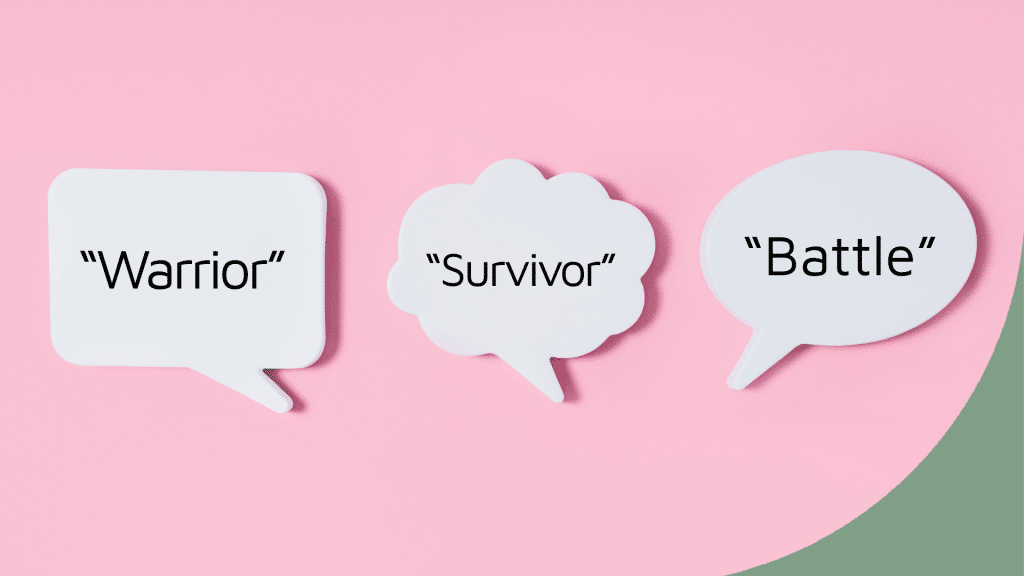
The language used to describe cancer – words like “fight”, “battle”, “survivor” and “journey” – can influence how patients experience illness, recovery and identity. While these phrases are often intended to empower, research suggests they may also create emotional pressure, especially for women living with breast cancer or metastatic disease.
How ”Battle” Language Shapes the Cancer Experience
War and violence metaphors are among the most commonly used ways of describing cancer [1]. Patients are often said to “fight”, “battle” or “defeat” the disease, while cancer is framed as an enemy that must be overcome.
At first glance, this language offers clarity. It gives structure to something deeply uncertain. In some cases, it has been shown to help patients feel a sense of agency and control during treatment [1]. For some patients, it offers a way to make sense of an experience that feels otherwise overwhelming.
However, research shows that this framing also carries unintended weight. When cancer is framed as a fight, it may unintentionally suggest that recovery is linked not only to medicine, but also to mindset, positivity or personal strength [2] [3].
This can leave some women feeling pressured to stay hopeful all the time, even during moments of fear, grief or exhaustion [3]. Over time, this may make it more difficult to express more complex or fluctuating emotions.
One study involving women with metastatic breast cancer found that some participants disliked phrases such as “lost the battle”, because it implied that people who had passed had somehow not fought hard enough [2] [3]. In reality, cancer progression is shaped by complex biological factors, not personal failure.
The Emotional Complexity of Cancer Survivorship
The language used to frame the cancer experience is often rooted in positive intent. Yet it can sometimes oversimplify the realities of what each person goes through.
The word “survivor” is widely used in cancer care and advocacy, often as a symbol of strength and endurance. Public narratives around cancer survivorship frequently position it as a conclusion – a final stage where one crosses the finish line, where the story is expected to end. For some women, this is meaningful and affirming, like reaching light at the end of a long tunnel.
Others may feel differently.
Some women embrace the “survivor” label immediately after treatment but feel less connected to it over time [4]. Others may not relate to it at all, because it continually reminds them of what they have been through.
For many women, life after breast cancer is not a clear “after”, but an ongoing process of adjusting – to a changed body, lingering side effects, uncertainty and to a new sense of normal [5].
For those living with metastatic breast cancer, the language of “survivorship” can feel even more distant [2]. Rather than a finish line, cancer remains part of ongoing life. In this context, words that imply closure or completion may not fully reflect lived reality and can make empowering words like “survivor” feel alien.
Why Cancer Patients Experience Language Differently
Beyond “fighter” or “survivor”, gentler language such as “journey” may also not be universally experienced in the same way.
Journey metaphors are used to soften the intensity of cancer language. They suggest movement, progress and continuity rather than a battle to be won. In some cases, this can help patients make sense of a long and uncertain process by encouraging them to take things one step at a time [6].
However, research shows that the idea of a “journey” can sometimes feel too linear, or even overly positive, especially when a patient’s experience involves ongoing treatment, setbacks or disruption to daily life [7].
Others may feel they did not choose the journey they are on, making the metaphor feel distant from reality.
What feels empowering to one person may feel exhausting, alienating or inaccurate to another, and that difference matters.
Patient-Centred Communication in Cancer Care
Cancer language becomes most meaningful when it allows room for individual interpretation, rather than assigning a fixed identity or expectation.
What many women consistently express is not a rejection of hope or strength, but a need for language that does not add pressure to an already complex experience.
For some, what matters more is simply being understood without needing to perform strength, optimism or resilience all the time.
Because for many people, living with cancer is not about fitting neatly into a narrative of victory or endurance. It is about gently navigating an experience that is deeply personal, often unpredictable and still unfolding in different ways over time.
And sometimes, the most compassionate language is the kind that leaves space for that complexity to exist.
Finding Support in Your Own Way
Sometimes, reassurance begins with a conversation.
Whether you are navigating a new diagnosis, seeking a second opinion or trying to make sense of your breast cancer experience, having the right support can make a difference.
At Solis Breast Care & Surgery Centre, our breast specialists provide compassionate and personalised breast care in Singapore – at your own pace, and on your own terms.
References
[1] Liu, Y., Semino, E., Rietjens, J. & Payne, S. (2024). Cancer experience in metaphors: patients, carers, professionals, students – a scoping review. BMJ supportive & palliative care, 14(e3), e2366–e2376. https://doi.org/10.1136/spcare-2024-004927
[2] Hulse, S. B., Balogun, Z., Rosenzweig, M. Q., Marsland, A. L., & Palmer, V. M. (2024). I’m still me, I’m still a person: war metaphor use and meaning making in women with metastatic breast cancer. Supportive care in cancer : official journal of the Multinational Association of Supportive Care in Cancer, 32(2), 108. https://doi.org/10.1007/s00520-024-08309-5
[3] Prado, G. F., & Gonçalves, T. A. (2025). Why we should rethink military metaphors in cancer. Jornal brasileiro de pneumologia : publicacao oficial da Sociedade Brasileira de Pneumologia e Tisilogia, 51(2), e20250109. https://doi.org/10.36416/1806-3756/e20250109
[4] Tsiakiri, A., Tzanas, K., Chrisostomidou, D., Plakias, S., Christidi, F., Frantzidis, C., Aggelousis, N., Lavdaniti, M., & Bista, E. (2026). Person-First or Disease-First? Language Choices in Cancer Communication. Nursing Reports, 16(4), 143. https://doi.org/10.3390/nursrep16040143
[5] Guité-Verret, A., & Vachon, M. (2024). The Traces of Cancer: A Metaphorical Understanding of the Experiences of Women Living Beyond Breast Cancer. Qualitative Health Research. https://doi.org/10.1177/10497323241242054
[6] Semino, E., Demjén, Z., Demmen, J., Koller, V., Payne, S., Hardie, A., & Rayson, P. (2015). The online use of Violence and Journey metaphors by patients with cancer, as compared with health professionals: a mixed methods study. BMJ Supportive & Palliative Care, 7(1), 60–66. https://doi.org/10.1136/bmjspcare-2014-000785
[7] Appleton, L., & Flynn, M. (2014). Searching for the new normal: Exploring the role of language and metaphors in becoming a cancer survivor. European Journal of Oncology Nursing, 18(4), 378–384. https://doi.org/10.1016/j.ejon.2014.03.012

Can Healthy Women Get Breast Cancer? Understanding Risk Beyond Lifestyle
It’s a question many women quietly carry. If you exercise regularly, eat well and feel generally healthy, breast cancer can seem distant – unlikely and almost unrelated to the life you’re living. When a diagnosis happens in someone who appears fit and active, it can feel confusing. Some women may find themselves wondering what they […]
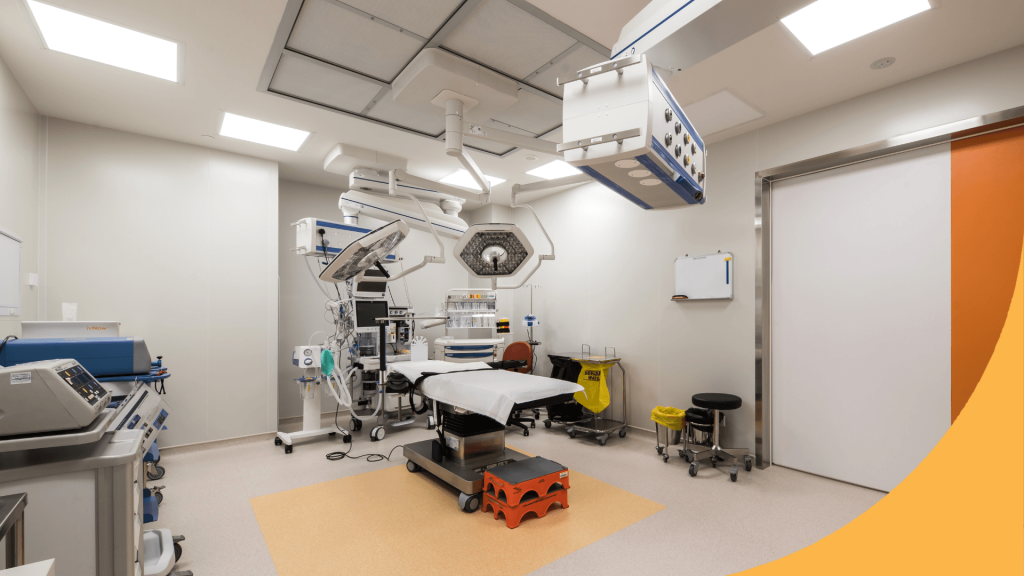
Private Day Surgery in Singapore – What Patients Should Know About ISP Rider Changes from April 2026
Planning a day surgery procedure in a private centre? From 1 April 2026, Integrated Shield Plan
(ISP) riders in Singapore will have updated coverage that may affect out-of-pocket costs. This
guide helps patients understand private day surgery costs in Singapore, ISP rider changes, and
how to plan for a smoother and more manageable surgical experience.
At our day surgery centre, we help patients navigate these changes while providing efficient,
safe, and cost-efficient care.
Who Is Affected by ISP Rider Changes in Singapore?
The April 2026 ISP rider updates apply if you:
• Purchased an Integrated Shield Plan rider between 27 November 2025 and 31 March
2026 – your rider will transition to the new terms at your next renewal.
• Purchase an ISP rider on or after 1 April 2026 – the new rider terms apply automatically.
• Riders purchased on or before 26 November 2025 remain under existing coverage,
including those that cover deductibles fully. Your insurer will notify you if any future changes
apply.
Key Coverage Updates for Private Day Surgery Patients
Feature (per policy year) Before April 2026 From April 2026
Deductible Usually covered by rider
up to 90-100%
Typically $2,000–$3,500
Co-payment 5-10%, capped at
$3,000
5-10%, capped at $6,000
Out-of-pocket costs Lower out-of-pocket
costs (can usually be
fully covered by
MediSave)
Higher out-of-pocket costs
(can be partially covered by
MediSave)
Tip: Understanding your deductible, co-payment, and available coverage options helps keep
costs more manageable and transparent.
Why Choose a Private Day Surgery Centre in Singapore?
Our private day surgery centre focuses on efficiency and patient comfort. Key benefits include:
• Multi-Disciplinary Care under One Roof: Our integrated centre combines surgical
procedures with radiology and pathology expertise. Procedures requiring imaging modalities
(e.g. ultrasound, mammogram & MRI), wire-localisation, specimen X-rays, and frozen
section analysis are performed efficiently within the same setting.
• Shorter Time Under Anaesthesia: Efficient radiology & pathology coordination can reduce
overall operation time and time spent under general anaesthesia, supporting better patient
outcomes.
• Shorter Admission Time: Our streamlined workflow – from registration to discharge –
minimises delays. Patients are typically discharged on the same day, allowing recovery at
home while reducing infection risks.
• Dedicated Care Teams: Our nurses and radiographers are specially trained in breast
speciality care, supporting better patient education and comfort. Patients experience
continuity of care from diagnosis biopsy to therapeutic surgery.
• Clear Financial Counselling: Financial counselling is provided before admission, and pre-
authorisations is strongly encouraged for greater peace of mind. Our Business Office team
can assist with questions related to your Integrated Shield Plan and rider coverage.
Integrated day surgery models make private care efficient, cost-effective, and patient-
focused, complementing the updated insurance landscape.
How Patients Can Navigate Day Surgery Costs
At our centre, we understand that insurance and out-of-pocket costs can feel complex. Our
dedicated Business Office team supports patients in navigating coverage and claims, helping
make day surgery costs more manageable and transparent.
• Corporate Insurance (if applicable): May include hospitalisation benefits. Patients should
provide their corporate insurance details so that our team can assist with pre-authorisation.
• Integrated Shield Plans (ISP): Provide broad coverage for private hospital care. A common
misconception is that overnight stay is required – day surgery procedures can also be
claimable. With panel doctors, policies may allow claims for pre- and post-hospitalisation
expenses (typically up to 13 months, depending on insurer terms).
• ISP Rider Plans: Designed to supplement ISPs. Previously, riders often covered deductibles
(typically $2,000-$3,500 per policy year). With changes from April 2026, the new rider plans
will not cover deductibles but can cap co-payment costs to $6,000 per policy year.
• CPF MediSave: Can be used to partially cover the remaining out-of-pocket costs.
Withdrawal limits apply and vary depending on the type of procedure performed.
Planning Tips for Patients with Upcoming Admission
• Confirm your current ISP and rider coverage.
• Check what costs are covered and any applicable limits.
• Combine corporate and personal coverage where available.
• Seek pre-authorisation before your procedure to avoid unexpected costs.
If you have been recommended for surgery and have questions about your coverage or
expected costs, contact our team for guidance and support.
Disclaimer: This article is for general informational purposes only. It does not constitute
financial or insurance advice. Coverage and benefits vary by policy. Always consult your insurer
or a licensed financial advisor for advice specific to your situation.

Finding Love After Breast Cancer: A Gentle Guide for Single Survivors
Breast cancer can strike unexpectedly, often without warning. For Tracy*, a 53-year-old mother of four and passionate hobbyist potter, a routine MRI changed everything. What began as curiosity about advanced screening became a journey of discovery, courage, and empowerment – showing that knowledge, vigilance, and support can make all the difference in living well after cancer.
Please share your name, age, and a little about yourself.
My name is Tracy, I’m 53 years old, a mother of four boys, and a hobbyist potter.
Can you tell us about your journey with breast cancer — how you first discovered it and what went through your mind at diagnosis?
I had no physical symptoms and no family history of breast cancer. Living abroad, I had been told during regular mammogram screenings that my dense breast tissue was common and “nothing to worry about,” though I was advised to continue six-monthly mammograms.
These frequent screenings were inconvenient, so when I read that MRI was considered the “gold standard” for dense breasts, I decided to try it while visiting Singapore. I expected a clear MRI that would allow me to reduce the frequency of mammograms.
My doctor at Solis was curious why I wanted an MRI, as my mammogram and ultrasound showed nothing concerning, but she agreed to order it. To my surprise, the MRI revealed a suspicious non-mass enhancement in my right breast, visible only on MRI. A biopsy followed, initially showing atypical ductal hyperplasia (ADH), which surgery later upgraded to Ductal Carcinoma In Situ (DCIS).
Within two weeks, I went from reassurance to shock. I questioned why this had happened to me despite having no risk factors or symptoms. I berated myself for assuming the MRI would be clear and panicked over how much time I might have left with my children and husband. Why me?
What was your biggest concern or worry at that time, and how did you go about finding information or support?
My foremost concern was to remove all the traces of cancer from my body. I followed my doctor’s advice and underwent radiotherapy and endocrine therapy. I read every report, learned every medical term, asked informed questions, and explored ways to reduce the risk of recurrence. Knowledge became my way of regaining control.
What helped you find strength during your treatment and recovery?
I was mostly alone in Singapore with one of my sons who was serving National Service, while my husband and other sons remained abroad. But my extended family and friends came out in full force for me. They jostled to accompany me to doctor visits and radiotherapy sessions, waited for me before and after surgery, surrounded me with prayers, nourished me with food, and gave me space to cry and ruminate — always making sure I knew I was not alone.
What does “survivorship” mean to you, and how do you define “living well” after cancer?
Survivorship means living intentionally. It has been just over a year since my diagnosis, and I take comfort in knowing the cancer was localised and treated accordingly.This experience has taught me to live more purposefully – to see each encounter and interaction as a meaningful step toward the next chapter of my life. Each year of living cancer-free is a blessing and an accomplishment.I’ve also become more conscious of my lifestyle. I now eat less red meat and focus on more vegetables, fruits, legumes, and soy. Taking ownership of my health feels empowering.
How has this experience changed your outlook on life, family, or work?
I’ve learned to let go of control and trust that life is molded through challenges, much like clay on my pottery wheel. Every experience shapes us. I now focus on what truly matters: meaningful relationships, gratitude and moments of joy.
What advice would you give to other women going through a similar journey – or to young women about breast health and screening?
Many Asian women have dense breast tissue, which can make cancer hard to detect. Family history and lack of symptoms do not guarantee safety. Be proactive, ask questions, and ensure your screening is thorough. Trust the expertise of your surgeons, radiologists interpreting your scans, and pathologists – and trust your instincts.
What mantra or lesson do you carry with you today?
Know and trust your gut instinct. If something seems off or keeps bothering you, ask questions until you find peace of mind.
From diagnosis through treatment and into survivorship, Tracy’s story reminds us that life after cancer is not just about recovery – it’s about reclaiming control, finding purpose, and living fully. With determination, knowledge, and the support of loved ones, survivors can face uncertainty with confidence and grace.
Her journey is a testament to resilience and the power of trusting oneself – inspiring others to prioritise their health, seek understanding, and define their own path to living well.
*Name has been changed to protect the individual’s privacy.
When Care Sounds Like Criticism: Understanding Body Talk in Asian Families
“Look at her, why is she dressed like that?”
“You look fat.”
“That colour doesn’t suit you.”
Sometimes, the people who hurt you most are the ones you love.
Why Are Bodies All We Talk About
In Asian families, love is rarely spoken outright. It shows up through reminders to eat, questions about your future or even a plate of sliced fruit after dinner.
Asking about your weight and commenting on how you look becomes a way to express concern [1]. Many women grow up learning that this is how ‘care’ sounds [2]. Blunt words are softened with teasing, and contradictory messages — being told to eat more, then criticised for gaining weight — are absorbed almost automatically [2] [3].
Outside the home, the noise grows louder. Media and social platforms amplify narrow beauty ideals, signalling what women “should” look like [4]. In Singapore, adults at risk of body-related anxiety spend over three hours a day online, where they continue to be exposed to harmful messaging [5].
These pressures affect women of all ages. Over 60% of women over 50 think about their weight daily [6]. About one in four Singaporeans — typically young women — report worries about their body shape [5].
When external pressures echo what you hear at home, it becomes harder to separate care from criticism.
When Weight Talk Hits Harder at Home
Respect for elders and family harmony run deep in Asian cultures [7] [8]. Questioning parents or older relatives can feel disrespectful, especially when their approval still carries weight well into adulthood [3]. Many older relatives grew up hearing the same comments and internalised them as normal, often without realising the harm [9].
Children swallow emotions and avoid these conversations to keep the peace [7]. While this may prevent immediate conflict, it quietly widens emotional distance between you and your family, as well as you and your body.
You may notice how you shrink when a relative comments on your legs, the way you smile and nod while tensing inside. That discomfort isn’t just embarrassment; it’s a habit your body has learned over years of critiques.
Of course, not every family operates this way. Some create spaces where feelings and boundaries are respected. But for many women, navigating body talk remains a delicate balancing act.
Reclaiming Your Body Without Burning Bridges
Owning your body doesn’t have to start with confrontation. It begins with a simple truth: your body belongs to you, and only you decide its value.
Setting boundaries can mean gently redirecting conversations or calmly saying that certain comments are hurtful without arguing [7].
In cultures where relationships matter deeply and conflict ripples, reclaiming your body often takes quieter forms:
These small steps add up, helping rebuild your trust with your body over time.
Learning a New Language of Care
Family dynamics are complex. Unlearning years of conditioning takes patience, and not every conversation will go the way you hope. Some relatives may be reluctant to change.
But reclaiming your body starts with you — how you speak to yourself, the clothes you wear and recognising that most remarks are ingrained habits, not truths about you. This understanding weakens their hold and restores your confidence.
Care doesn’t have to sound like criticism, and love doesn’t have to sting. You’re allowed to take up space, fully and unapologetically.
Caring for Your Body Beyond Appearance
When conversations about your body focus only on how it looks, it’s easy to forget what your body does for you. Your breasts, like the rest of your body, are not defined by appearance — they are part of your health.
Reclaiming your body also means caring for it proactively – through regular screenings, noticing changes, and seeking medical support when needed. Health is not about diminishing yourself. It’s about knowing yourself.
References
[1] International Journal of Cross-Disciplinary Subjects in Education, Reconsidering Intercultural Communication Competence Development in Different Social Patterns – Starting from the Study of Greetings
[2] Asian American Journal of Psychology, “I’m not White, I have to be pretty and skinny”: A qualitative exploration of body image and eating disorders among Asian American women
[3] Public Library of Science (PLOS) Mental Health, Parental teasing and body dissatisfaction in White and South Asian females: An exploratory cross-sectional analysis using moderated mediation
[4] Frontiers in Psychiatry, Gender-based analysis of body dissatisfaction among youths in Singapore: findings from the National Youth Mental Health Study
[5] The Straits Times, Adults here at risk of body image anxiety more likely to spend 3 hours or more daily on TikTok, Instagram: Study
[6] Advances in Eating Disorders, Body Image in Adult Women: Moving Beyond the Younger Years
[7] Applied Family Therapy Journal, Cultural Silence and Emotional Suppression in Asian-American Families: A Phenomenological Exploration
[8] Journal of Cross-Cultural Psychology, Autonomy in Family Decision Making for Chinese Adolescents: Disentangling the Dual Meaning of Autonomy
[9] Journal of Obesity & Metabolic Syndrome, Weightism in Asia: A Narrative Review and Implications for Practice
[10] Frontiers in Psychology, Culture and body image: subcultural variations in coping strategies and their associations with psychological distress among European Canadians and East Asian Canadians

Heart Health and Breast Cancer: Why It Matters
Breast cancer is the most commonly diagnosed cancer in women, while cardiovascular disease remains the leading cause of death among women in Singapore. Together, they account for a large proportion of morbidity and mortality. The important thing to note is that they are connected in many ways, especially for breast cancer patients and survivors.
The strong link between heart health and cancer has led to the growth of cardio-oncology – a multidisciplinary approach dedicated to protecting the heart throughout the cancer journey and improving long-term survival for cancer survivors at higher risk of heart disease.¹
Why Breast Cancer Survivors Are at Higher Heart Risk
Treatment-related cardiac effects of cancer therapy play a major role. Some common breast cancer treatments can affect heart health:
Anthracycline chemotherapy (e.g. doxorubicin) is linked to heart damage.² Risk increases with higher cumulative doses and in patients with pre-existing cardiovascular risk factors.
Trastuzumab (Herceptin) can affect cardiac function, especially when combined with other agents that affect the heart.² Unlike anthracyclines, trastuzumab-related heart dysfunction is often reversible when detected early.
Radiotherapy, especially to the left side of the chest, can unintentionally affect the heart.² Modern techniques have reduced but not eliminated this risk.
These effects may not appear immediately; slow, cumulative damage can develop years after treatment.²
Heart-Healthy Strategies
A. Stay Active
Physical activity is one of the most powerful ways to reduce cardiovascular risk after breast cancer³:
Survivors who are physically active have a significantly lower risk of cardiovascular death and all-cause mortality.³
Even adding ~2,500 extra steps per day or moderate exercise can reduce risk.³
Guideline recommendation:
According to the Health Promotion Board (HPB) and World Health Organisation, aim for at least 150-300 minutes of moderate-intensity aerobic physical activity per week, or 75 minutes of vigorous activity, plus strength training on 2 days/week.³
B. Eat a Heart-Healthy Diet
Nutrition plays a key role in cardiovascular health:
Diets similar to DASH (Dietary Approaches to Stop Hypertension) or Mediterranean patterns are associated with lower risk of heart disease in breast cancer survivors.⁴
Focus on fruits, vegetables, whole grains, lean proteins, and healthy fats, while minimising processed foods, added sugars, and excessive salt.⁴ This supports healthy blood pressure and overall heart function.
C. Monitor Key Risk Factors
Regular monitoring of cardiovascular risk factors is essential:
Blood pressure
Blood cholesterol
Blood sugar
Weight
Physical inactivity
Smoking status
These factors contribute to cancer-related heart risk and can often be improved through lifestyle changes or medication.²
D. Work with Your Healthcare Team
Collaborating with oncology and cardiology teams improves outcomes¹,²:
Tailored cardiovascular risk assessments before, during, and after treatment – including heart imaging (such as echocardiograms) and functional evaluations when appropriate – help detect issues early.²
Shared-care models that involve oncologists, cardiologists, primary care, and rehabilitation professionals achieve the best long-term results.¹
E. Consider Structured Rehabilitation
Some programmes, called Cardio-Oncology Rehabilitation (CORE), integrate cardiovascular and cancer survivorship care¹,³:
Exercise training
Nutritional counselling
Psychological support
Education on risk factors
Smoking cessation support
These programmes are similar to traditional cardiac rehabilitation programmes but adapted for cancer survivors, and can reduce long-term heart risk and support overall health.
Summary
Breast cancer survivors face elevated long-term risk for cardiovascular disease due to treatment effects and shared risk factors.1,2 The good news is that this risk can be managed and reduced through:
Regular physical activity³
Heart-healthy eating⁴
Routine monitoring of cardiovascular risk factors²
Close collaboration with healthcare providers¹
Many cancer centres and breast surgeons in Singapore now work closely with cardiologists to monitor heart health during and after treatment. With proactive care, breast cancer survivors can improve long-term heart health and overall quality of life.
Article reviewed by Dr Benji Lim, Interventional Cardiologist at Novena Heart Centre.
References
Mehta LS, Watson KE, Barac A, Beckie TM, Bittner V, Cruz-Flores S, et al. Cardiovascular disease and breast cancer: where these entities intersect: a scientific statement from the American Heart Association. Circulation. 2018;137(8):e30-e66. doi:10.1161/CIR.0000000000000556. Epub 2018 Feb 1. PMID: 29437116. https://pubmed.ncbi.nlm.nih.gov/29437116/
Bostany G, Chen Y, Francisco L, et al. Cardiac dysfunction among breast cancer survivors: role of cardiotoxic therapy and cardiovascular risk factors. J Clin Oncol. 2025;43(1):32-45. PMID: 38833638. https://pubmed.ncbi.nlm.nih.gov/38833638/
Wilson OWA, Wojcik KM, Cohen CM, Kamil D, Butera G, Matthews CE , Dieli-Conwright CM , Jayasekera J, et al. Exercise and cardiovascular health among breast cancer survivors: a scoping review. Cardio-Oncology. 2025;11:24. PMID: 40012001. https://pubmed.ncbi.nlm.nih.gov/40012001/
Vo JB, Ramin C, Veiga LHS, Brandt C, Curtis RE, Bodelon C, Barac A, Roger VL, Feigelson HS, Buist DSM, Bowles EJA, Gierach GL, González ABE, et al. Dietary patterns and cardiovascular risk in breast cancer survivors. J Natl Cancer Inst. 2024;[Epub ahead of print]. PMID: 38718210. https://pubmed.ncbi.nlm.nih.gov/38718210/

Out with the Old: Let Go of These 5 Breast Cancer Survivorship Myths in 2026
Out with the Old: Let Go of These 5 Breast Cancer Survivorship Myths in 2026
As we step into a new year, it’s time to leave behind outdated myths and move forward with hope, courage, and fresh perspectives.
Life after cancer can feel like a blank canvas, inviting you to write your next chapter in your own way. Survivorship is deeply personal, and others may not always understand the physical and emotional journey you’re carrying.
This article highlights common myths about survivorship, offering clarity, support, and encouragement for those navigating life beyond cancer.
Myth 1: “Survivorship is only for those who are cancer-free.”
Many people see survivorship as life after treatment – a shift from active care to maintaining health and watching for signs of cancer returning [1].
In reality, it also includes those living with metastatic (Stage IV) breast cancer, even if some do not identify as “survivors” in the strictest sense [2]. For women needing ongoing treatment, survivorship means managing symptoms, embracing the present moment and planning for the future [1] [2].
Every journey is valid. Survivorship isn’t defined solely by the absence of cancer; it’s about living with, through and beyond a diagnosis.
Myth 2: “Once treatment ends, I no longer need to see my doctor.”
Completing cancer treatment can feel like crossing a finish line, a milestone worth celebrating. However, follow-up care remains a vital compass guiding your long-term health.
Regular check-ins help your care team monitor your recovery, manage lingering side effects and address concerns promptly [3]. Your follow-up plan depends on your overall health, the cancer type, and the treatment received [4].
Even if you feel anxious before appointments, showing up is an act of quiet courage [5]. Staying connected with your doctor helps you maintain control and provides reassurance as you move forward.
Myth 3: “Surviving cancer means I should ‘bounce back’ quickly and be the same as before.”
It’s natural to long for life before diagnosis. Loved ones may expect you to “return to normal” and not understand why cancer still casts a shadow, leaving you feeling alone [6] [7].
Beyond bodily changes and lingering side effects, many survivors live with the fear of recurrence, where minor aches can trigger deep worry [6]. You may also grieve the person you once were or the life you imagined [8].
Yet life after cancer, while complex, holds space for new strength and growth. Healing means honouring your feelings and granting yourself grace, and embracing each day as a gradual step toward new beginnings.
Myth 4: “If I have difficult days, it means I’m not coping well.”
There’s no right or wrong way to cope with life after cancer. Everyone’s journey is unique, and comparing yourself to others only adds pressure [4].
Feeling anxious, low or overwhelmed doesn’t mean you are failing. These feelings are simply part of the healing journey.
It’s okay to not feel positive all the time [8]. Allowing yourself to experience difficult emotions, such as sadness or fear, is a healthy way to process what you’ve been through.
Crying isn’t weakness – it’s a gentle release that eases emotional burden and improves mood [9]. If sharing your feelings feels hard, writing them down can be a helpful alternative [4]. Instead of locking away your emotions, be honest with yourself and let them out in ways that feel right for you [5].
On tough days, pause and reflect on how far you’ve come and celebrate the strength and resilience you’ve shown [5].
Myth 5: “I’m unable to lead an active or vibrant life as a survivor.”
For those who’ve finished treatment, reconnecting with yourself and your purpose takes time. The physical changes and emotional weight of the cancer journey can make living meaningfully feel more challenging [10].
Yet a cancer diagnosis can spark reflection and encourage you to reassess what matters most [1] [10].
Whether you’re post-treatment or living with advanced cancer, cherishing small moments, rediscovering old interests or exploring new ones at your own pace can fill everyday life with meaning and joy [4] [6]. There’s no need to rush or do everything all at once [5]. Living fully doesn’t mean living exactly as before – it means discovering what brings warmth to your heart right now.
Creating Space for Compassion
At Solis and Luma, we believe survivorship is about creating a safe space for healing – where survivors feel understood, respected and empowered to move forward on their own terms.
As we enter 2026, let’s leave behind limiting myths and make room for compassion, nuance and hope. Survivorship isn’t a journey walked alone. It’s shaped by those around us – the assumptions we make, the words we use, and the spaces we create.
By challenging misconceptions, we become more empathetic listeners, friends and family members. We can help survivors feel seen, believed and supported – free from the pressure to explain or the rush to heal.
The Breast Years of Your Life: Living Well After Cancer is a compassionate companion for those navigating life beyond cancer. From nutrition and exercise to sexual intimacy, each chapter is a gentle guide through the journey. Learn more and grab your copy here: https://www.solis.sg/the-breast-years-of-your-life/
References
[1] Journal of Surgical Oncology, Breast cancer survivorship
[2] ASCO Educational Book, Survivorship Care for People Affected by Advanced or Metastatic Cancer: Building on the Recent Multinational Association of Supportive Care in Cancer-ASCO Standards and Practice Recommendations
[3] American Cancer Society, Follow-up Care After Breast Cancer Treatment
[4] National Cancer Institute, Facing Forward: Life After Cancer Treatment
[5] Mayo Clinic, Cancer Survivors: Managing Your Emotions After Cancer Treatment
[6] European Society for Medical Oncology, The Guide for Patients on Survivorship
[7] Annals of Palliative Medicine, Is cancer back?—psychological issues faced by survivors of breast cancer
[8] Cancer Council, Living Well After Cancer
[9] International Journal of Environmental Research and Public Health, Crying Therapy Intervention for Breast Cancer Survivors: Development and Effects
[10] Journal of Cancer Survivorship, Psychosocial experiences of breast cancer survivors: a meta-review

The Gentle Power of Gratitude: How Saying Thanks Can Brighten the Journey Ahead
As the year draws to a close, it’s natural to pause, look back on what you’ve overcome, and look ahead to what’s to come.
Between juggling family commitments, catching up with friends, and trying to carve out quiet spaces for yourself, your days may have felt full and fast. Amidst the busyness and the emotional ups and downs, it’s easy to overlook the small stitches that quietly hold your story together and carry you forward.
This festive season, let’s explore how cultivating gratitude can be a gentle gift to yourself.
Why Giving Space for Gratitude Matters
For those navigating the rocky waves of the breast cancer journey, feeling thankful can sometimes feel out of reach. Whether you’re managing lingering treatment side effects or adjusting to your new normal beyond cancer, you’re coping with challenges that extend beyond everyday stressors.
In moments when uncertainty looms, carving out space for self-reflection can feel especially difficult.
Yet research shows that practising gratitude can support emotional well-being and quality of life—improving mood and reducing symptoms of depression and anxiety [1] [2] [3]. Gratitude doesn’t erase hardship, but it can become a quiet strength woven through your healing process.
Finding Light in Small Moments
Gratitude isn’t about pretending things are easy or forcing positivity. Instead it’s a grounding tool–a meaningful companion you can lean on during overwhelming days.
It’s the gentle act of refocusing your perspective and noticing the small things that made the year feel a little softer: warm conversations, friendships that held you up, milestones like completing a follow-up appointment, or even the comfort of a favourite meal [4].
Gratitude doesn’t need to be saved for special occasions or big breakthroughs [4]. You can weave it into daily life, little by little, reminding yourself that even in difficult seasons, life still holds pockets of goodness.
Simple Ways to Practise Gratitude
Expressing and internalising gratitude may feel unfamiliar at first. But like any habit, it gets easier with gentle repetition.
Setting aside even a minute or two each day can help you build the practice slowly–like knitting a sweater, one careful stitch at a time.
Here are four ways to invite gratitude into your everyday moments:
Start a Gratitude Journal
Write down a few things you’re thankful for, no matter how small. Some days, even the simple act of waking up and getting dressed for the day is worth acknowledging.
Whether on paper or digitally, this practice encourages mindful reflection and can help lower stress and depressive symptoms over time [3].
What you write becomes a comforting reference–something you can return to on tougher days when you need a reminder of how far you’ve come [4].
Express Thanks Out Loud
Taking a moment to thank someone–your care team, a family member, a friend, or even the friendly hawker stall aunty–can brighten your day and theirs.
Intentionally showing appreciation helps strengthen meaningful connections and fosters a sense of emotional support [4] [5].
Write a Letter or Thank-You Note
If expressing gratitude verbally seems daunting, writing it down can be a gentle alternative [1]. Think of someone who has supported you in your journey, and write why you’re grateful for them.
This can be a message to someone dear–or even a letter to yourself, reflecting on your own strength, resilience, and growth.
Take a Gratitude Walk
Step outside and notice simple joys: the warmth of sunshine, flowers in bloom, or children laughing in the playground.
Changing your surroundings can offer a calming pause and help you engage in grateful contemplation, making room for fresh perspectives when cancer feels ever-present and everyday stressors feel heavy [5] [6].
These gentle practices aren’t about doing more–they’re about noticing more and appreciating the things that often go unseen.
Everyone’s relationship with gratitude is deeply personal. For some it can be a helpful tool; for others, it may feel difficult or uneven at times. There’s no “right” way to be grateful. What matters most is finding what supports you on your unique path.
A Closing Note
At Solis and Luma, we believe survivorship isn’t a destination but a journey woven from many moments. Some are bright, some are challenging–but each one is a part of your story. It’s in these moments, stitched together by courage, hope and gratitude, that healing takes shape.
As we turn the page to a new year, may you find comfort in the small things that carried you through 2025, and strength in the ones still to come.
In your patchwork tapestry of healing, it’s these gentle threads of gratitude that strengthen every stitch, every patch, every seam.
References
[1] International Journal of Women’s Health, A Grateful Disposition Promotes the Well-Being of Women with Breast Cancer Through Adaptive Coping
[2] Frontiers in Psychology, Using a Gratitude Intervention to Improve the Lives of Women With Breast Cancer: A Daily Diary Study
[3] Current Oncology, Effects of Gratitude Journaling on Patients with Breast Cancer: A Randomized Controlled Trial
[4] Cleveland Clinic, 7 Ways To Boost Your Health by Practicing Gratitude
[5] Journal of Happiness Studies, The Role of Gratitude in Breast Cancer: Its Relationships with Post-traumatic Growth, Psychological Well-Being and Distress
[6] International journal of environmental research and public health, Wondering Awe Is the Mediator of the Link Between Experience of Nature and Psychological Wellbeing—Relevance for Public Health

Living Well with Metastatic Breast Cancer: A Practical Guide to Facing Each Day with Strength
Most survivorship articles focus on finishing treatment and learning to ease into the new norm. But for women living with metastatic (stage IV) breast cancer, the journey looks different. Treatment continues, emotions shift, and “normal” evolves into a new routine with its own challenges.
This article is written specifically for those living with ongoing Stage IV disease, where cancer remains a part of daily life – not as a setback, but as a reality that requires strength, adaptability, and purpose.
Understanding Advanced Breast Cancer
“What does it mean to be Stage IV?”
Advanced breast cancer, also known as metastatic breast cancer or Stage IV breast cancer, is cancer that has spread beyond the breast to other parts of the body like bones, lung, liver, brain, or other organs [1] [2]. Sometimes it may be found at first diagnosis, or it can develop as a recurrence [2].
While it is not curable, advancements in treatments have made it possible to relieve symptoms, slow cancer progression and improve quality of life.
Receiving this diagnosis can feel like the ground has shifted beneath you. You may experience disbelief, anger, fear, sadness or helplessness. Even small physical sensations can suddenly carry more weight, leading to heightened vigilance and worry [3].
These feelings are normal. Give yourself compassion and time to process everything before looking ahead.
When Survivorship Takes a Different Shape
“What does ongoing treatment mean for my life ahead?”
For early-stage breast cancer, survivorship often means transitioning from active treatment to surveillance and the gradual rebuilding of daily life . There can be pressure, both spoken and unspoken, to “bounce back”, return to routine, and leave cancer behind.
However, metastatic breast cancer brings a different kind of survivorship:
Treatment is ongoing, not completed
You may navigate cycles of stability and progression
Discussions may include symptom management, palliative or supportive care and long-term planning [4][5]
Living meaningfully “right now” becomes just as important as preparing for the future
You may not always consider yourself a “survivor” in the traditional sense, but you are – in the way you adapt, carry on, and remain present every day.
Finding Your Voice and Embracing Support
“How can I learn to let others in?”
Honest communication with your care team can help you understand what lies ahead and manage common side effects such as fatigue, neuropathy, pain, hair loss, insomnia and vaginal dryness [2].Viewing this condition as a chronic but not life-limiting illness may may also help [6]. Asking about sensitive topics, including end-of-life concerns, can help reduce uncertainty and help you make confident, informed decisions.
Without this clarity, you may feel anxious and turn to less reliable sources on social media or experience a flood of well-meaning but overwhelming advice from loved ones, which can worsen distress [2].
Support from loved ones can make a world of a difference. Family and friends may not always understand your experience or know how to help. This can make you feel drained and you may feel tempted to withdraw. But, isolation can magnify your symptoms and emotions.
It’s common to hesitate asking for help, worrying about being a burden or feeling pressured to stay positive. However, needing support doesn’t mean showing weakness, and asking for help is a form of strength.
Loved ones can support you by:
Driving you to appointments and sitting in with you
Helping to research questions about the disease and management to clarify with your healthcare providers
Assisting with daily household tasks or errands
Helping with child care, pet care or care of elderly dependents
Offering quiet companionship and a listening ear or positive encouragement
Support groups and peer communities can be especially meaningful [7]. Many women find comfort in speaking with others who truly understand the journey of uncertainty, emotional complexity and resilience required to live with metastatic disease.
Quality-of-life concerns including physical and emotional distress, body image struggles, disruption of daily routine, and an awareness of life’s brevity can cause distress and open communication with loved ones can improve psychological adjustment [3][8]. You may need to take the lead in expressing your needs, but remember that advocating for yourself doesn’t mean you’re responsible for others’ emotions.
Living for Yourself in the Face of Metastatic Cancer
“Each day holds moments to cherish, even with cancer as part of my story.”
Cancer can disrupt routines and create instability. Rebuilding pockets of predictability in your life can help you feel grounded and in control.
Here are some strategies that many women find helpful :
Keep Yourself Engaged
Continuing work, hobbies or daily routine – when you are able – can bring stability and reduce the focus on cancer.
Set Attainable Goals
Small goals, such as short walks or trying a new recipe, and long-term goals, like completing a course or project, can bring purpose and help you celebrate wins as they come.
Engage in Hobbies and Practise Mindfulness
Diving into new passions such as art, journaling, music, yoga, or meditation, or rekindling joy in existing ones can help reduce stress, ease anxiety and strengthen emotional resilience.
Honour Your Energy
Some days will be better than others. Adjust your expectations and routines based on how you feel. What matters is not productivity – it’s honouring your needs.
Consider Long-Term Planning as Empowerment
For many, long-term planning can bring comfort and peace of mind. This may include:
Setting practical arrangements
Discussing future goals with loved ones
Clarifying preferences around medical care
Identifying meaningful “life projects”, such as photo albums, letters or personal legacy work
Long-term planning is not about giving up – it is a way to create stability and ensure that your voice remains central in all decisions.
A lifelong illness can sharpen your appreciation for meaningful moments: shared laughter, a nice meal, or time with loved ones. These moments matter. They are not small–they are anchors.
Hope isn’t Gone, it Persists
“I’ll take things one step at a time.”
Hope for women with metastatic breast cancer often shifts away from cure and toward living fully and meaningfully, despite the uncertainty.
It can be difficult when others see only “the cancer patient” instead of the whole person. Staying connected with your identity – your interests, values, quirks, dreams – can help you reclaim the space cancer often tries to occupy.
You remain a whole and beautiful person.
You deserve care, dignity and joy – not because of your diagnosis, but because of who you are.
You Are Not Alone
At Solis and Luma, we recognise that every woman’s journey is uniquely hers. Survivorship is defined by the quiet strength it takes to live each day with intention, no matter your stage.
*Article reviewed by Dr Tan Sing Huang, Senior Medical Oncologist at OncoCare Cancer Centre.
Dr Tan Sing Huang is also a contributing author of The Breast Years of Your Life: Living Well After Cancer, a compassionate guide on healing emotionally, navigating advanced breast cancer, and living with purpose.
Learn more or get your copy at: https://www.solis.sg/the-breast-years-of-your-life/
References
[1] Cleveland Clinic, Metastatic Breast Cancer
[2] Solis Breast Care & Surgery Centre, The Breast Years of Your Life: Living Well After Cancer
[3] The Breast Journal, Living with Metastatic Breast Cancer: A Qualitative Analysis of Physical, Psychological, and Social Sequelae
[4] Journal of Surgical Oncology, Breast cancer survivorship
[5] ASCO Educational Book, Survivorship Care for People Affected by Advanced or Metastatic Cancer: Building on the Recent Multinational Association of Supportive Care in Cancer-ASCO Standards and Practice Recommendations
[6] PLOS One, Exploring the experiences of women living with metastatic breast cancer [MBC]: A systematic review of qualitative evidence
[7] European Society for Medical Oncology, The Guide for Patients on Survivorship
[8] National Library of Medicine, Metastatic breast cancer: Learn More – Living with metastatic breast cancer
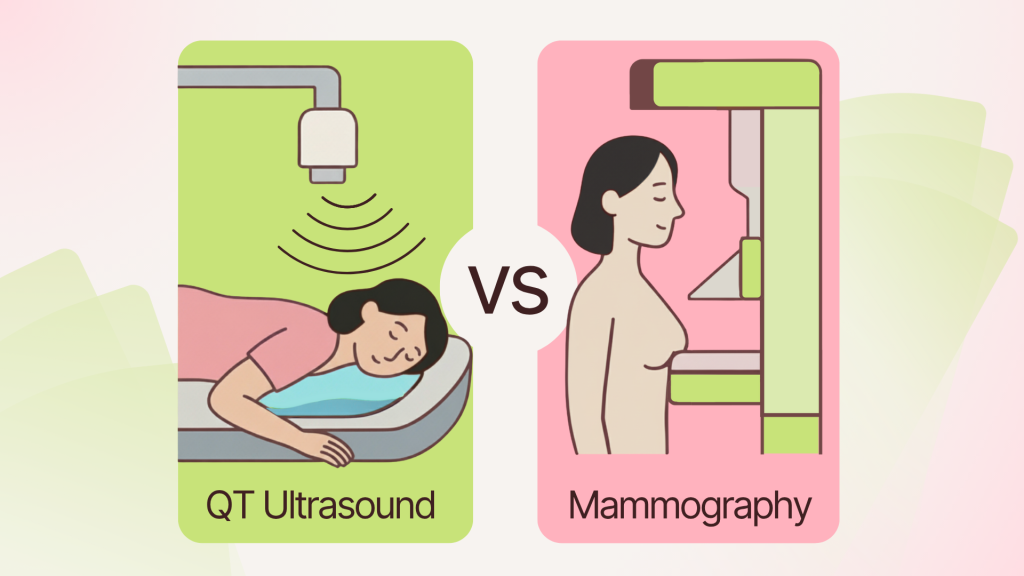
Demystifying the QT Scan: Comfort Can’t Replace Confidence
The Quantitative Transmission (QT) Ultrasound scan is often promoted as the next frontier in breast imaging – automated, radiation-free, and compression-free. For patients, the appeal is clear: no discomfort, no X-rays, and a sleek sense of innovation.
But for clinicians, comfort isn’t the benchmark – performance is. And here, QT scanning still has much to prove. While it may one day complement established tools, current evidence does not support replacing mammography or standard ultrasound in breast cancer screening.
What is the QT Scan?
Unlike conventional ultrasound, QT Ultrasound transmits sound waves through the breast to measure how tissue absorbs and refracts them, creating detailed 3D maps of internal structure [1]. The procedure takes about 10–20 minutes, involves no radiation or compression, and is fully automated [2].
It’s a patient-friendly innovation – but comfort alone doesn’t equal clinical validation.
How Does it Compare to Standard Screening Tools?
Mammography remains the only imaging method proven to reduce breast cancer deaths in large population studies [3] [4]. Conventional ultrasound is an established adjunct, particularly in women with dense breasts [5].
QT scanning offers theoretical advantages — no radiation, greater comfort, and possible benefits in dense tissue [2] [6] [7]. However, these claims remain preliminary. No current evidence shows improved cancer detection, mortality reduction, or cost effectiveness compared with established tools.
Why We Remain Cautious
Unproven clinical outcomes: No studies yet show QT scanning improves survival or early detection [8].
False positives: High-resolution data can increase over-diagnosis and unnecessary biopsies [9].
Limited validation: Most studies are small or early-phase [1] [2].
No guideline endorsement: Major societies, including the NCCN and American Cancer Society, have not added QT scanning to screening recommendations [4] [5].
Access barriers: Availability, reimbursement, and standardization remain challenges [2].
Comfort Can’t Replace Confidence
Improving comfort and reducing radiation are worthy goals, but accuracy must come first. A test that feels better but misses cancers – or triggers false alarms – risks harming the very patients it aims to help.
Until QT scanning demonstrates outcomes equal to or better than mammography and ultrasound, it should remain an adjunct tool, used selectively and backed by ongoing clinical trials [10].
For now, mammography remains the gold standard, supported by decades of evidence and proven mortality reduction. Innovation is vital – but in medicine, innovation must be validated.
References
[1] Medical Physics, Quantitative Transmission Ultrasound Tomography: Imaging and Performance Characteristics
[2] Academic Radiology, Comparing Transmission Ultrasound to Mammography on Recall and Detection Rates for Breast Cancer Lesions
[3] New England Journal of Medicine, Effect of Screening and Adjuvant Therapy on Mortality from Breast Cancer
[4] JAMA (Journal of the American Medical Association), Breast Cancer Screening for Women at Average Risk: 2015 Guideline Update from the American Cancer Society
[5] JNCCN (Journal of the National Comprehensive Cancer Network), NCCN Guidelines Insights: Breast Cancer Screening and Diagnosis, Version 1.2023
[6] Patient-Related Outcome Measures, Ultra-Low Frequency Transmitted Ultrasound Breast Imaging vs. Digital Breast Tomosynthesis: A Patient-Reported Outcome Study
[7] Academic Radiology, Noninferiority of Quantitative Transmission (QT) Ultrasound to Digital Breast Tomosynthesis
[8] Radiologic Clinics of North America, Emerging Technologies in Breast Cancer Screening
[9] American College of Radiology (ACR), Practice Parameter for the Performance of Screening and Diagnostic Breast Ultrasound
[10] ClinicalTrials.gov, Quantitative Transmission Imaging Evaluation With MRI as Supplemental Screening to Mammography (QTI-E)

From Communication to Connection: Rebuilding Intimacy and Sexual Wellness After Breast Cancer
For many women, intimacy after breast cancer can feel like unfamiliar ground. Your body has changed, emotions have shifted, and the idea of pleasure may feel distant.
Yet intimacy isn’t lost, it’s transformed.
Rebuilding closeness begins with understanding these changes, communicating openly, and learning to define pleasure on your own terms—in new, meaningful ways.
Listening to Your Body’s New Language
Breast cancer surgery may alter the look and feel of your breasts [1]. Treatments like chemotherapy and hormone therapy can cause vaginal dryness, fatigue or reduced desire [1] [2]. These physical shifts can affect how you relate to your body, and how confident you feel about resuming intimacy.
It’s common to wonder:
“Will my partner still find me attractive?”
“Will sex feel the same?” [3] [4]
Partners may also hesitate, afraid of causing pain or not knowing what’s “okay” [4] [5] [6]. Over time, silence and assumptions can create distance—even when love remains strong [7] [8].
Acknowledging these changes—in your body, your sense of self and your relationships—is a vital step in healing.
Your body has carried you through cancer. Listening to it, with kindness instead of judgement, is an act of self-compassion.
Boundaries as Bridges, Not Barriers
Rebuilding intimacy begins with open communication. After treatment, your needs and comfort levels may have changed, and sharing them honestly helps strengthen trust and deepen connection [9].
Boundaries aren’t walls. They’re bridges that help you and your partner meet each other where you are.
Research shows that couples who communicate openly about fears, desires and limitations experience greater satisfaction and less distress [10].
You can also speak with your doctor about symptoms like pain, dryness or loss of sensation [1]. Your care team can suggest ways to manage these and make intimacy more comfortable for you.
It’s normal to feel shy about discussing sexuality. But remember: talking about sex is a natural, healthy part of reclaiming yourself [11]. The first conversation may feel awkward—but it opens the door to healing closeness.
Redefining What Closeness Means
When you think of sexuality, you may first think of intercourse.
But pleasure can be found in small acts of connection—holding hands, gentle touch, laughter or emotional intimacy [1] [7] [9].
Exploring touch gradually and broadening your idea of connection beyond penetrative sex can reduce anxiety and help you rediscover comfort in your body in new ways [7] [9]. Studies show that couples who approach intimacy with openness, flexibility and acceptance rebuild stronger connections [12].
If pain or numbness occurs, try different positions that take the pressure off your chest, or take breaks [7] [13].
Remember: pleasure is about comfort and connection, not performance.
Moving Forward and Finding Your Rhythm Again
Desire may not feel as spontaneous, but closeness is always within reach. Whether through gentle touch, warm conversation or shared laughter, intimacy begins when you feel safe, seen and loved.
Be patient with yourself. Some days, you will crave closeness; others, rest will be what you need most. Both are forms of healing.
At Solis and Luma, we believe that living well after breast cancer means nurturing joy, confidence, and intimacy—in a way that works for you. Every journey is unique. Don’t be discouraged if something that works for others doesn’t feel right for you [14].
Let this new chapter be where you redefine intimacy—not as something lost, but as something newly yours.
Article reviewed by Ms Dian Handayani, Sexologist and Certified Sex Coach at Nambani.
Dian is also a contributing author of The Breast Years of Your Life: Living Well After Cancer. From emotional resilience and fertility to nutrition and exercise, the book offers compassionate, practical guidance for survivors rediscovering wellness and confidence after treatment. To learn more or grab a copy, visit https://www.solis.sg/the-breast-years-of-your-life/
References:
[1] Solis Breast Care & Surgery Centre, The Breast Years of Your Life: Living Well After Cancer
[2] American Cancer Society, Body Image and Sexuality After Breast Cancer
[3] Breastcancer.org, Sexual Health During and After Breast Cancer
[4] Current Opinion in Supportive and Palliative Care, Sexual identity after breast cancer: sexuality, body image, and relationship repercussions
[5] MD Anderson Cancer Center, Sexuality and Cancer: A Guide for Patients and Their Partners
[6] Women’s Health, Care for breast cancer survivors in Asian countries: A review of sexual dysfunction
[7] Breast Cancer Now, Your Body, Intimacy and Sex
[8] Psychooncology, Everyday Protective Buffering Predicts Intimacy and Fear of Cancer Recurrence in Couples Coping with Early-Stage Breast Cancer
[9] BMC Cancer, Constructions of sex and intimacy after cancer: Q methodology study of people with cancer, their partners, and health professionals
[10] European Journal of Oncology Nursing, Factors contributing to sexual dissatisfaction in women with breast cancer: The specific role of conjugal relationship quality
[11] American Cancer Society, How Cancer Can Affect Sex and Intimacy
[12] Frontiers in Psychology, Coping With Changes to Sex and Intimacy After a Diagnosis of Metastatic Breast Cancer: Results From a Qualitative Investigation With Patients and Partners
[13] The Oncologist, From diagnosis to survivorship addressing the sexuality of women during cancer
[14] Psycho-Oncology, Wearing my heart on my chest: dating, new relationships, and the reconfiguration of self-esteem after breast cancer

From Screening to Strength: Courage in the Face of the Unexpected
Breast cancer can strike unexpectedly, often without warning. For Tracy*, a 53-year-old mother of four and passionate hobbyist potter, a routine MRI changed everything. What began as curiosity about advanced screening became a journey of discovery, courage, and empowerment – showing that knowledge, vigilance, and support can make all the difference in living well after cancer.
Please share your name, age, and a little about yourself.
My name is Tracy, I’m 53 years old, a mother of four boys, and a hobbyist potter.
Can you tell us about your journey with breast cancer — how you first discovered it and what went through your mind at diagnosis?
I had no physical symptoms and no family history of breast cancer. Living abroad, I had been told during regular mammogram screenings that my dense breast tissue was common and “nothing to worry about,” though I was advised to continue six-monthly mammograms.
These frequent screenings were inconvenient, so when I read that MRI was considered the “gold standard” for dense breasts, I decided to try it while visiting Singapore. I expected a clear MRI that would allow me to reduce the frequency of mammograms.
My doctor at Solis was curious why I wanted an MRI, as my mammogram and ultrasound showed nothing concerning, but she agreed to order it. To my surprise, the MRI revealed a suspicious non-mass enhancement in my right breast, visible only on MRI. A biopsy followed, initially showing atypical ductal hyperplasia (ADH), which surgery later upgraded to Ductal Carcinoma In Situ (DCIS).
Within two weeks, I went from reassurance to shock. I questioned why this had happened to me despite having no risk factors or symptoms. I berated myself for assuming the MRI would be clear and panicked over how much time I might have left with my children and husband. Why me?
What was your biggest concern or worry at that time, and how did you go about finding information or support?
My foremost concern was to remove all the traces of cancer from my body. I followed my doctor’s advice and underwent radiotherapy and endocrine therapy. I read every report, learned every medical term, asked informed questions, and explored ways to reduce the risk of recurrence. Knowledge became my way of regaining control.
What helped you find strength during your treatment and recovery?
I was mostly alone in Singapore with one of my sons who was serving National Service, while my husband and other sons remained abroad. But my extended family and friends came out in full force for me. They jostled to accompany me to doctor visits and radiotherapy sessions, waited for me before and after surgery, surrounded me with prayers, nourished me with food, and gave me space to cry and ruminate — always making sure I knew I was not alone.
What does “survivorship” mean to you, and how do you define “living well” after cancer?
Survivorship means living intentionally. It has been just over a year since my diagnosis, and I take comfort in knowing the cancer was localised and treated accordingly.This experience has taught me to live more purposefully – to see each encounter and interaction as a meaningful step toward the next chapter of my life. Each year of living cancer-free is a blessing and an accomplishment.I’ve also become more conscious of my lifestyle. I now eat less red meat and focus on more vegetables, fruits, legumes, and soy. Taking ownership of my health feels empowering.
How has this experience changed your outlook on life, family, or work?
I’ve learned to let go of control and trust that life is molded through challenges, much like clay on my pottery wheel. Every experience shapes us. I now focus on what truly matters: meaningful relationships, gratitude and moments of joy.
What advice would you give to other women going through a similar journey – or to young women about breast health and screening?
Many Asian women have dense breast tissue, which can make cancer hard to detect. Family history and lack of symptoms do not guarantee safety. Be proactive, ask questions, and ensure your screening is thorough. Trust the expertise of your surgeons, radiologists interpreting your scans, and pathologists – and trust your instincts.
What mantra or lesson do you carry with you today?
Know and trust your gut instinct. If something seems off or keeps bothering you, ask questions until you find peace of mind.
From diagnosis through treatment and into survivorship, Tracy’s story reminds us that life after cancer is not just about recovery – it’s about reclaiming control, finding purpose, and living fully. With determination, knowledge, and the support of loved ones, survivors can face uncertainty with confidence and grace.
Her journey is a testament to resilience and the power of trusting oneself – inspiring others to prioritise their health, seek understanding, and define their own path to living well.
*Name has been changed to protect the individual’s privacy.
Good Nutrition for Living with and Beyond Breast Cancer
Breast cancer treatments have become more and more successful, with a huge number of women studied beyond breast cancer, discovering what lifestyle factors may reduce the risk of recurrence.
The current recommendations supported by research are:
Maintain a normal body weight, but if you are overweight, losing just 5%-10% of your weight is beneficial.
Do not drink alcohol. Alcohol is one of the greatest risk factors for breast cancer and there is no safe limit as far as breast cancer is concerned. If you do choose to drink alcohol, limit your intake to no more than 7 units a week. Of note, 1 unit is not the same as 1 drink.
175ml wine 13% ABV is 2.3 units
125ml champagne 12% AVB is 1.5 units
330ml beer 5% ABV is 1.7 units
25ml spirit 40% ABV is 1 unit
Limit saturated fat by avoiding or rarely eating fast food and highly processed convenience foods.
Do eat foods that contain healthy unsaturated fat, and this includes nuts, seeds, nut butter, olives, avocado, oily fish such as salmon, sardines and mackerel and use extra virgin olive oil.
Limit red meat (beef, lamb, pork) to no more than 500g per week, which in practice is about 3 times a week, and avoid or rarely eat processed meat such as bacon, ham and salami. These foods do not directly increase breast cancer risk but do tend to be high in saturated fat and are linked with increased colon cancer risk.
Eat a high fibre diet. Foods high in fibre include beans and lentils, nuts and seeds, fruit and vegetables, wholemeal bread and flour, brown, red and wild rice, barley, spelt, quinoa, freekeh, kamut and other wholegrains. If you are not used to a high fibre diet, you may notice some bloating and more wind than usual, this is nothing to worry about and is a normal process that shows that your gut microbes are active and keeping your gut healthy, but if it’s uncomfortable, gradually increase your fibre intake over a period of a few weeks. Beans and lentils are especially high in fibre, so try to eat meals containing them at least 4 times a week.
Eat dairy and high calcium foods. Dairy foods are often a cause of controversy, and many people mistakenly believe they are linked with increased breast cancer risk, however, research shows the opposite to be true and that women who include dairy and high calcium foods in their diet have a reduced breast cancer risk. If you dislike dairy foods or are intolerant to them, ensure your diet is rich in high calcium non-dairy foods.
Include soy in your diet. As with dairy, this group of foods can be controversial, but research does show that women who eat soy have a reduced breast cancer risk and reduced risk of recurrence compared to women who do not eat soy. This is the same for both hormone receptor negative and positive breast cancer. You may have heard that soy contains a group of compounds called phyto-oestrogens, and this is where much of the fear arises, however, phyto oestrogens are not the same as the oestrogen that your body makes, they have a different chemical structure and attach to different receptors in the body.
You may choose not to eat soy, maybe because you dislike it, are intolerant or don’t feel comfortable eating it, and that is fine, it is still possible to eat a healthy diet that reduces breast cancer risk by following some of the other guidelines included in this article.
Be physically active. Whilst this is not in the realm of healthy eating, being physically active has clearly been shown to reduce breast cancer risk. Aim to be moderately active for a minimum of 150 minutes a week, so approximately 30 minutes a day, or vigorously active for at least 75 minutes a week. Moderate and vigorous will be different for everyone, so be your own guide as far as effort goes.
The final and very important piece of advice is do not fear food. Eating should be enjoyable and free from stress. A healthy diet can look different from one person to the next. Your friend, relative or fellow breast cancer friend may feel great eating one way and eating certain foods, but that doesn’t mean you have to do the same. Make adaptations to your diet gradually and enjoy the process, this is much more likely to lead to sustainable change.
*Article contributed by Jackie Green, Dietitian & Nutritionist at The Family Dietitian
Jackie is also a contributing author of The Breast Years of Your Life: Living Well After Cancer. To learn more about this empowering book for breast cancer survivors, or to get your copy, visit https://www.solis.sg/the-breast-years-of-your-life/
Recipes
https://www.wcrf-uk.org/healthy-eating/recipes/
References and further reading
WCRF: Continuous Update Project 2018: Survivors of breast and other cancers
Messina M et al Neither soy foods nor isoflavones warrant classification as endocrine disruptors: a technical review of the observational and clinical data. Crit Rev Food Sci Nutr. 2022;62(21):5824-5885. doi: 10.1080/10408398.2021.1895054. Epub 2021 Mar 27. PMID: 33775173.
Arafat HM et al The association between breast cancer and consumption of dairy products: a systematic review. Ann Med. 2023 Dec;55(1):2198256. doi: 10.1080/07853890.2023.2198256. PMID: 37078247; PMCID: PMC10120447
Bodai B et al Breast Cancer: Lifestyle, the Human Gut Microbiota/Microbiome, and Survivorship. Perm J. 2020; 24:19.129. doi: 10.7812/TPP/19.129. PMID: 32589577; PMCID: PMC7319098.

Not an End, But a New Beginning: Empowering Yourself as a Breast Cancer Survivor
For many women, the last day of breast cancer treatment is one filled with relief and hope. Yet it can also feel unexpectedly unsettling. Survivorship isn’t the end of a story, but the beginning of a new chapter—balancing ongoing medical care with healthy habits, emotional honesty, and resilience [1].
Survivorship is not about going back to who you were before. It’s about reclaiming the control that cancer disrupted and moving forward into the person you are becoming [2].
Taking Steps Towards Health and Healing
“I want to take charge of my health.”
After treatment, your healthcare team may recommend follow-up visits to monitor for recurrence or secondary cancers [2] [3]. These appointments can stir up anxiety, but they are also opportunities to ask questions, share symptoms, and feel more in control. [1] [4] [5]. Tip: Write down three questions before each follow-up visit. This can help you focus on what matters most and ease uncertainty.
Beyond check-ups, daily habits play a powerful role in recovery. Physical activity has been shown to lower anxiety and depression, boost well-being and help reduce the recurrence risk [5] [6] [7]. Nourishing your body with a fibre-rich foods, fruits, vegetables and whole grains supports long-term health [5].
Empowerment isn’t about forcing positivity. It’s about acknowledging when you’re struggling, giving yourself compassion, and still choosing steps that nurture your healing [8].
Adjusting to Your New Normal
“Life feels different now, and that’s okay.”
Many survivors long to “get back to normal,” but life after cancer rarely looks the same [9]. Physical changes like surgical scars, early menopause or fatigue may leave you feeling disconnected from your body [9]. Emotionally, the fear of recurrence or grief for pre-cancer self can weigh heavily [1] [9].
These shifts can ripple into relationships too. Loved ones may expect you to bounce back quickly, which can feel isolating [1] [2].
The first step in navigating these changes is permission—permission to acknowledge these challenges honestly. Healing isn’t linear; it’s more like the tide, flowing in and out. With time, small steps toward your own “new normal” can help you feel more grounded [10].
Redefining Yourself and Finding Confidence
“I’m not who I was before.”
For many, survivorship becomes a chance to rewrite their story. Cancer may reshape body image, sexuality, routines and even career paths, but it also sparks new perspectives [11] [12].
This period is often described as rediscovery—finding strength you didn’t know you had, deepening relationships, and noticing meaning in everyday moments [1] [2] [4].
Not everyone feels comfortable with the label “survivor”, and that’s okay[1] [2]. Identity after cancer isn’t about erasing what happened. It’s about weaving those experiences into your new narrative—one that reflects both the scars you carry and the confidence you are building.
Finding Strength Through Community and Support
“I can’t do this alone, and I don’t have to.”
Healing is strongest when shared. Social support, whether from family, friends, survivor groups or your care team, can ease stress, strengthen emotional adjustment and improve well-being [2] [6] [13].
Many women find comfort in survivor groups where others truly understand their journey. These conversations can bring hope, practical coping strategies, and a sense of belonging [2]. At the same time, leaning on close relationships can help rebuild trust and connection, even if cancer has shaken old support systems [13].
Empowerment doesn’t mean facing everything alone. It also means knowing when to lean on others. Survivorship is both individual and collective, and walking this path together can make each step feel lighter.
Moving Forward with Intention
Every small step—whether speaking up about side effects, starting a new health habit, or reaching out for support—is part of reclaiming your strength.
While it’s natural to grieve the life you had before, remember this: you are more than the scars cancer has left behind.
At Solis and Luma, we believe the end of treatment is not the end of the cancer journey. Survivors deserve continued care, compassion, and tools to live fully and earnestly after cancer. The Breast Years of Your Life: Living Well After Cancer offers practical guidance and heartfelt support – from rebuilding trust with your body to embracing new beginnings -so you can continue to live meaningfully beyond cancer.
References
[1] Cancer Council, Living Well After Cancer
[2] European Society for Medical Oncology, The Guide for Patients on Survivorship
[3] Cleveland Clinic, Cancer Survivorship
[4] Mayo Clinic, Cancer survivors: Managing your emotions after cancer treatment
[5] Solis Breast Care & Surgery Centre, The Breast Years of Your Life: Living Well After Cancer
[6] BMC Women’s Health, “Resilience and renewal: the personal impact of physical activity in breast cancer survivors”
[7] American Cancer Society, Physical Activity and the Person with Cancer
[8] American Cancer Society, Life After Cancer
[9] Journal of Cancer Survivorship, “Psychosocial experiences of breast cancer survivors: a meta-review”
[10] Asia-Pacific Journal of Oncology Nursing, “Perceived New Normal and Inner Strength on Quality of Life in Breast Cancer Patients Receiving Adjuvant Endocrine Therapy”
[11] National Cancer Institute, Life After Cancer Treatment
[12] Latin American Journal of Palliative Care, “The (re)construction of female identity among women cancer survivors”
[13] Asia Pacific Journal of Cancer Prevention, “Importance of Social Support in Cancer Patients”
Finding Strength Within and Rising Above: Empower Yourself in the Breast Cancer Journey
At 74, Sara embodies resilience, independence, and joy. A proud mother and grandmother, she has built a full and meaningful life surrounded by family and friends. But in 2017, her world shifted when she discovered a lump in her breast. What followed was a journey of courage and healing — one that taught her the power of self-motivation, strength, and hope.
Please tell us a little bit about yourself
My full name is Muthusamy Saraswathi, my Indian name — but I go by Sara. I turned 74 this June.
I’m a very independent person who lives alone. I became a single mother at 39, after filing for divorce, and raised my two children — a son who is now 52 and a daughter who is 46. Both are married with their own families. My daughter lives in the US, while my son lives here in Singapore. I have four wonderful grandchildren — two boys and two girls.
I’m happily single, living in a condo by myself, surrounded by many friends. I enjoy going out for breakfast, traveling, and spending time with people who bring me joy.
Can you tell us about your journey with breast cancer — how you first discovered it, and what went through your mind?
It was in 2017. I had delayed my routine check-up, telling myself I’d go “later.” Then, three days after Deepavali, I woke up at 3am and felt some something under my right breast. When I touched it, I found a lump.
I panicked. At 3am, I drove to my son’s house and sat in their basement bathroom for an hour, not knowing what to do, before driving back home, still in shock. The next day, I told two close friends — one of them a nurse — and they encouraged me to get checked immediately.
My daughter-in-law also helped by contacting her brother, who worked in healthcare. Things moved very quickly: I went for a mammogram that very evening, and it was confirmed to be cancer. Through her brother, I was referred to my breast surgeon.
My doctor performed a lumpectomy. From the start, she was more than a doctor to me. Whenever I was feeling down, she would sit with me, hold my hand, and take the time to talk. I felt blessed to be in such caring hands. For the past eight years, I’ve continued to see both my breast surgeon and oncologist, and I am deeply grateful for their care and compassion.
What was your biggest concern or worry at that time, and how did you go about finding information or support?
My biggest worry was: what will happen to me?
At first, I didn’t even tell my children — I didn’t want to burden them.
But I was also fortunate to have strong support from my family, for instance my daughter-in-law and her family, who helped me get immediate access to doctors. That gave me great comfort — knowing I wasn’t alone and that I had trusted professionals guiding me through.
What helped you find strength during your treatment and recovery?
A few things gave me strength.
First of all, I learned to motivate myself. I didn’t want to depend on others for everything. I would go out, meet my friends, treat myself to a nice meal, or simply enjoy Singapore — a beautiful country where we are blessed with excellent healthcare.
Faith also played a role. Turning to my faith gave me peace, and writing in a journal helped me process my feelings. These became my secret mantras for strength.
And of course, my family supported me — especially my twin granddaughters, who always lifted my spirits. My daughter-in-law’s mother also cooked nourishing soups for me, which I deeply appreciated.
What does “survivorship” mean to you, and how do you define “living well” after cancer?
To me, survivorship means self-motivation. You must be your own source of strength. Don’t stay at home and wallow in self-pity. Go out, meet friends, move your body, eat well, and find joy in small things.
Living well after cancer means being at peace with yourself. If you’re religious, turn to your faith. If you’re struggling, write your thoughts in a journal — it helps to unburden yourself. And if you need help, don’t be afraid to ask, but don’t cling to others. Learn to support yourself emotionally first.
What is one piece of advice you would give to other women going through a similar journey?
One piece of advice I would give is to learn how to motivate yourself and not rely on others for everything. It’s natural to feel down at times, but try not to fall into self-pity. Instead, remind yourself that you are stronger than you think.
Always treat yourself kindly and do something that brings you joy — step out, take a walk, or enjoy a meal. These small acts of self-care remind you that you are capable, and they give you the courage to keep moving forward.
What is a mantra, philosophy, or lesson you carry with you today?
“Help yourself first, unburden your heart, and remind yourself: I can do this. Motivate yourself with kindness, know that not all is lost, and keep moving forward — always remembering, I can do this for myself.”
Sara’s story reminds us that while cancer can be life-changing, it does not define who you are. Her journey reflects the strength of choosing self-motivation over self-pity, faith over fear, and joy over despair. Today, she lives fully — travelling, sharing meals with friends, and cherishing her family — while holding on to her mantra.
If you notice any lumps, bumps, or other abnormal changes in your breasts, don’t let fear deter you — consult a breast surgeon. Early detection saves lives, and survivors like Sara show that life after cancer can still be vibrant and fulfilling.

Early Menopause After Breast Cancer: Navigating Sudden Changes with Care
For many women, menopause is a natural life stage that usually happens in their 40s or 50s [1]. But for women with breast cancer, menopause can come much earlier, sometimes suddenly, and bring a unique set of challenges
When Menopause Comes Early
Menopause occurs when your periods stop permanently [1]. Some breast cancer treatments, such as chemotherapy or hormone therapy, can trigger it sooner than expected [2].
Early menopause is more than a hormonal change, it’s a deeply personal transition that can reshape how you feel about your body, your relationships and your future [3] [4]. While some women may feel relief at no longer having periods, others may grieve the body they had before cancer.
Common menopausal symptoms include [5]:
Unlike natural menopause, which often happens gradually, early menopause can come abruptly and feel more intense [6] [7]. The suddenness can come as a shock, and the emotional and physical changes overwhelming.
Living with Emotional and Physical Shifts
Menopausal symptoms affect more than just your body—they ripple into your daily life. They can affect intimacy, self-image, work performance and overall well-being, sometimes leading to depression or anxiety [8] [9].
For instance, vaginal dryness or reduced sex drive may make intimacy uncomfortable, straining relationships and self-perception [4] [10]. Hot flushes and difficulty concentrating can affect work, creating frustration or embarrassment [11].
For younger women, early menopause adds another emotional layer [10]. Fertility concerns and disruptions to sexual life during peak reproductive years can intensify feelings of loss. [7] [11].
Experiencing menopause when most peers have not yet entered this stage can feel isolating and impact self-identity [11].
Finding Ways to Cope and Reconnect
Managing menopausal changes is an important part of follow-up care for breast cancer survivors [12]. Treatment decisions and coping strategies depend on symptom severity and potential side effects [13]. Certain lifestyle changes can help make things more manageable. Discuss your options with your doctor to find what’s most suitable for you.
Practical tips for managing hot flushes and vaginal dryness [13] [14]:
Seeking support, from your doctor, a therapist or fellow breast cancer survivors, can help you process the changes and remind you that you are not alone.
Reconnecting with Your Body
Menopause management isn’t only about easing symptoms. It’s about rebuilding a connection with your body. Research shows that body image concerns often persist after cancer, and survivors may feel disconnected or perceive their bodies as changed or damaged [15].
Surgical scars, early menopause and other physical changes can make self-acceptance difficult. Yet acknowledging these feelings, practicing patience, and slowly cultivating a kinder relationship with your body are vital steps in recovery.
Your body has endured treatment, adapted, and continues to carry you through life. It deserves care, respect and compassion.
With the right support, you can adjust, rediscover balance and move forward with strength. Survivorship isn’t only about overcoming cancer, it’s about embracing a new chapter with confidence and resilience.
Learn More
Early menopause after breast cancer can feel overwhelming, but you don’t have to navigate it alone.
The Breast Years of Your Life: Living Well After Breast Cancer offers practical guidance and heartfelt support to help you manage symptoms, reconnect with your body, and embrace this new chapter with confidence.
Explore this compassionate guide and take steps toward living well after breast cancer.
References
[1] Mayo Clinic, Menopause
[2] Cancer Research UK, Menopausal symptoms and cancer treatment
[3] Current Opinion in Supportive and Palliative Care, Sexual identity after breast cancer sexuality, body image, and relationship repercussions
[4] Women & Therapy, Chemically-Induced Menopause and the Sexual Functioning of Breast Cancer Survivors
[5] Cleveland Clinic, Premature and Early Menopause
[6] Annals of Oncology, Menopausal symptoms in women undergoing chemotherapy-induced and natural menopause: a prospective controlled study
[7] The Cancer Journal, Concerns About Sexuality After Breast Cancer
[8] Journal of Transcultural Nursing, Effects of Menopausal Symptoms and Depression on the Quality of Life of Premenopausal Women With Breast Cancer in Korea
[9] Cancer Research, Statistics and Treatment, Body image disturbances among breast cancer survivors A narrative review of prevalence and correlates
[10] Journal of Thoracic Disease, Premature menopause in young breast cancer: effects on quality of life and treatment interventions
[11] European Journal of Cancer Care, Younger and older women’s concerns about menopause after breast cancer
[12] The American Journal of Medicine, “Breast cancer, menopause, and long-term survivorship: critical issues for the 21st century”
[13] Breast Cancer Now, Menopausal Symptoms and Breast Cancer
[14] Cleveland Clinic, Vaginal Dryness
[15] The Breast, Body image in breast cancer survivors: Age-moderated effects of treatment-induced menopause and fertility concerns

Will My Breast Cancer Come Back? Coping with the Fear of Recurrence
Reaching the end of breast cancer treatment can feel like crossing a finishing line—a sense of relief along with a tender reminder of your strength. Yet even in that moment, it’s natural to wonder: Will my cancer come back?
Living with Uncertainty
“I finished treatment, so why does it still feel like my journey isn’t over?”
As you transition into life after treatment, you may wish to regain your sense of normalcy you had before cancer life [1]. Your friends and family may expect things to “go back to normal” [2], not realising that recovery is more than physical scars—it’s a longer, emotional journey.
Navigating your new identity as a survivor often brings a mix of emotions: fear, sadness, even anger [3]. At the core of these feelings is often the fear of recurrence, the worry that cancer may return or progress [1].
This ongoing uncertainty can lead to anxiety and depression [4], impacting your quality of life and making it harder to stay in the present or plan for the future [1] [5] [6].
A fear of recurrence can be triggered by [3] [7]:
Why Cancer Recurrence happens
“If treatment was successful, why does cancer still return?”
It’s common to worry that cancer recurrence means that your treatment has failed or that you did something wrong— but that isn’t true [8].
During surgery, all the cancer that can be seen or felt has been removed. However, a small number of cancer cells may still remain and go undetected, even after chemotherapy or radiotherapy [8] [9]. Over time, these cells may grow into tumours [9].
The risk of cancer recurrence is usually highest in the first few years after treatment and tends to decrease over time [10][11]. However, recurrence can still occur many years later, which is why ongoing body awareness and regular follow-up care remain important [12].
There are three main types of recurrence [12]:
Your risk is influenced by factors such as the cancer size, type, grade and specific biological characteristics of the cancer, and whether your lymph nodes were affected [13]. Your medical team can help you understand what your specific situation means.
How to Cope with the Fear
“Can I still live my life when the fear is always there?”
It’s completely normal to worry about cancer coming back.
Although this fear can help you to stay more alert to changes in your body after treatment, for some, the uncertainty can feel paralysing and become an ever-present emotional burden. A new ache or pain can trigger anxiety, and it can be challenging to distinguish between normal and possible signs of recurrence [1].
Shifting your focus to what you can control — such as keeping up with follow-up medical appointments and adopting healthy lifestyle habits. Below are some strategies to manage your fear [14]:
Stay Informed
Discuss your risk of recurrence with your treatment team and ask how you can manage it, including what symptoms to be aware of.
Manage Lingering Side Effects
If post-treatment side effects are impacting your daily life, talk to your doctor about ways to manage them. The side effects can sometimes make it more difficult to heal emotionally and move forward.
Manage Stress and Anxiety Healthily
If you’re feeling overwhelmed, consider going for a walk, yoga, meditation or taking slow, deep breaths to help calm yourself.
Talk to a Professional
If fear becomes too much to handle, seeking help from a counsellor or psychologist can make a meaningful difference. Talking to a professional helps you put your fears and worries into words, making them clearer and easier to understand. This process creates distance from your anxieties, reducing their power over you and helping you find practical ways to cope.
Find a Community
Join a support group to connect with fellow patients and survivors who understand your journey in ways even loved ones may not.
Express Yourself
Engaging in creative activities like drawing, painting or writing can help you process and release difficult emotions. Acknowledging your fear is an important and valid part of healing. These creative outlets provide a safe way to express feelings, which can reduce anxiety by helping you understand and manage your emotions more effectively.
Everyone copes in their own way. Whether it is leaning on friends, seeking help from professionals, connecting with fellow survivors or expressing yourself through creativity, what matters most is finding what brings you comfort and peace. With kindness and patience for yourself, your unique journey can lead to healing and growth.
As a survivor, you may feel the need to be strong or keep your struggles to yourself. Remember, healing takes time, and it’s completely natural to experience moments of vulnerability as you find your way to a new normal.
The road ahead may not always be easy, but remember you are not alone. Many women like you, have walked this path with quiet strength and open hearts. Their stories can guide you through the tough moments, reminding you that strength, resilience, and hope are possible — even when the road feels uncertain.
Article reviewed by Ms Frances Yeo, Clinical Director & Principal Psychologist at Frances Yeo Psychology Practice.
References
[1] Psychosocial experiences of breast cancer survivors: a meta-review
[2] Breast Cancer Now, Moving Forward: For people living with and beyond a diagnosis of breast cancer
[3] Irish Cancer Society, Fear of cancer coming back (recurrence)
[4] Fear of cancer recurrence among cancer survivors in Singapore
[5] Fear of Cancer Recurrence or Progression: What Is It and What Can We Do About It?
[6] Cancer Council Australia, Living Well After Cancer
[7] Assessing and managing patient fear of cancer recurrence
[8] National Cancer Institute, Recurrent Cancer: When Cancer Comes Back
[9] Cancer Research UK, Why some cancers come back
[10] Hazard of Recurrence among Women after Primary Breast Cancer Treatment — A 10-Year Follow-up Using Data from SEER-Medicare
[11] Johns Hopkins Medicine, Breast Cancer Recurrence
[12] Cleveland Clinic, Breast Cancer Recurrence
[13] Mayo Clinic, Recurrent Breast Cancer
[14] Cancer Council NSW, Managing the fear of recurrence
From Burden to Confidence: Combining Breast Cancer Surgery with a Breast Reduction or Breast Lift
For women with excessively large or heavy breasts (macromastia), symptoms like back, neck and shoulder pain can be a daily reality. It’s not just uncomfortable—it can cause skin irritation, strain posture, and lead to self-consciousness or even embarrassment [1].
If they’re diagnosed with breast cancer and need surgery, some women choose to have a breast reduction or lift at the same time. This can help reduce discomfort and improve how their breasts look and feel.
While a breast cancer diagnosis can be overwhelming, surgery can also be a chance not just to treat the disease, but to improve their overall comfort, confidence, and quality of life.
What Affects Your Surgical Options?
Each woman’s relationship with her body – and her journey through cancer – is deeply personal. That’s why there’s no one-size-fits-all approach – only what feels right for you.
Studies show that fears of cancer returning and concerns about body image and sexuality can also play a big role in these decisions [4] [5]. Many women worry about losing their breasts or how their body may change, which can bring feelings of grief, shame, embarrassment and low self-esteem [6].
The decisions you make should support both your medical needs and emotional well-being. Ultimately, the goal of breast cancer surgery is to remove the tumour while maintaining a satisfying post-operative appearance.
Combining Cancer Surgery with Macromastia Relief
Fortunately, for women living with large or sagging (ptotic) breasts, procedures like breast reduction (reduction mammoplasty) or breast lift (mastopexy) can be safely combined with cancer surgery [1] [7] – offering both medical treatment and meaningful relief. Do note that this is subject to eligibility and surgeon recommendation.
Reduction mammoplasty removes excess breast tissue, fat and skin, creating a breast appearance that’s more balanced with the rest of the body [1]. Mastopexy lifts, reshapes and tightens the breasts for a more youthful appearance [8].
While these may seem like cosmetic procedures on the surface, they can carry deeper meaning. For many women, addressing both breast cancer and macromastia in a single session can bring lasting physical relief and emotional healing, with positive outcomes well into recovery [1] [9].
Breast reduction can improve physical function, alleviate pain, reduce skin complications and enhance their body image and mental health [1]. The breast lift can help restore confidence, offer a renewed sense of control and help women feel whole again [7].
For women navigating breast cancer alongside macromastia, combining surgery can be a powerful way to reclaim comfort, health and self-confidence – all in one procedure.
“But no matter what treatment path you take, always remember:
You are brave. You are bold. You are beautiful.
And you are making the choices that are right for you.”
Care That Sees the Whole You
At Solis, care doesn’t end in the operating theatre. The experienced and dedicated breast surgeons understand that healing is both physical and emotional, supporting each woman through her unique journey.
Specialising in advanced surgical techniques such as oncoplastic surgery – a method that combines cancer removal with plastic surgery techniques to reshape the breast – they collaborate closely with Luma Women’s Medical Centre, where an in-house pathologist examines surgical specimens in real time to ensure complete cancer removal and reduce the need for a second surgery.
This integrated approach allows for compassionate and reassuring breast care that respects your body, your choices and your well-being every step of the way.
If you’re exploring your options, we’re here to help. Contact us to schedule a consultation or speak with our team about how we can support your journey.
Article contributed and reviewed by Dr Lim Sue Zann, Senior Consultant & Breast Surgeon at Solis Breast Care & Surgery Centre.
References:
[1] National Library of Medicine, Breast Reduction
[2] Decision-Making in the Surgical Treatment of Breast Cancer: Factors Influencing Women’s Choices for Mastectomy and Breast Conserving Surgery
[3] Cancer Research UK, Types of Breast Cancer Surgery
[4] The Emotional Status, Attitudes in Decision-Making Process, and Their Impact on Surgical Choices in Korean Breast Cancer Patients
[5] Factors influencing surgical treatment decisions for breast cancer: a qualitative exploration of surgeon and patient perspectives
[6] Decision-making process for breast-conserving therapy from the perspective of women with breast cancer: A grounded theory study
[7] Mayo Clinic, Breast Lift
[8] Aesthetic breast surgery: putting in context—a narrative review
[9] Oncoplastic reduction mammoplasty for breast cancer in women with macromastia: long term aesthetic, functional and satisfaction outcomes
Getting To Know Dr Lim Sue Zann
Getting To Know… Dr Lim Sue Zann
Behind every surgeon is a story – a path carved out of passion, resilience and a deep desire to heal. We sit down with Dr Lim Sue Zann, Senior Consultant & Breast Surgeon at Solis, to uncover what drives her in her profession, the patient experiences that continue to inspire her, and how she unwinds when she’s not in the operating theatre. Her words offer a glimpse into the heart and humanity behind the scalpel.
Dr Lim Sue Zann joins the Solis team from the SingHealth Duke-NUS Breast Centre, National Cancer Centre Singapore. She has a special interest in oncoplastic and reconstructive breast surgery, with focus on keyhole mastectomy. With deep experience across the full spectrum of breast surgery, including breast-conserving, reconstructive, and minimally invasive techniques – Dr Lim is committed to restoring both health and confidence to the women she treats.
1. Why did you choose to become a breast surgeon?
Being a surgical oncologist is incredibly fulfilling – it’s a privilege to remove a tumour and help cure someone of cancer. Breast surgery, in particular, is unique because it blends oncological expertise with aesthetic precision. I find joy in not only treating the disease but also restoring, and sometimes even enhancing, my patients’ appearance. Helping women regain their confidence after such a life-altering diagnosis is what keeps me going every day.
2. Share with us a patient’s story that left a deep impression on you.
I’ve had many young breast cancer patients who showed incredible strength raising their young children while battling through breast cancer, which left me with nothing but admiration. But one story stands out. A foreign patient in her 50s came to me with advanced right breast cancer that had grown through the skin. She had been in denial and sought medical attention only because her daughter, only in her 20s and just started work in Singapore – insisted. Despite the financial constraint, the daughter was very decisive and determined to provide her mum with the best treatment. She was her mother’s guiding light, providing support every step of the way. Today, the patient is well and cancer-free, and I often remind her how fortunate she is to have such a brave and lovely daughter.
3. What is ONE myth or message that you would like women to know about breast cancer?
There are many myths about breast cancer, but one particularly harmful myth is that biopsy on a breast lump will cause the cancer to “explode” or spread more rapidly to the other parts of the body. This is absolutely untrue. I would like to emphasise that a biopsy is a vital diagnostic tool – it allows us to understand the nature of the lump and begin appropriate treatment. Delaying care out of fear can lead to worse outcomes, so it’s important to dispel such myths and encourage timely medical attention.
4. How do you spend your free time?
Most of my free time is spent with my children – often reminding them to focus on their studies! As I approach middle age, I’ve come to value learning new skills to keep my mind active, so I’ve started picking up Korean. I also play tennis with my dad weekly – it’s our way of staying active and spending quality time together.
5. What do you think you’d be doing if you weren’t a breast surgeon?
I’d probably be a jewellery or fashion designer. As a child, I used to make pretend jewellery out of beads and stick them onto my ears with scotch tape. I also loved playing with my mother’s clothes – though she wasn’t always pleased – and “altered” them using safety pins so that they fit me. Creativity has always been a part of me, and I think I would’ve loved designing beautiful things.
Article contributed and reviewed by Dr Lim Sue Zann, Senior Consultant and Breast Surgeon at Solis Breast Care & Surgery

From Overwhelmed to Empowered: Making Sense of Your Breast Cancer Diagnosis
Hearing the words “You have breast cancer” can stop you in your tracks. Suddenly, your world is flooded with uncertainty and fear – and a thousand questions.
What does this mean? What happens next?
Why Understanding Matters
A breast cancer diagnosis can bring on feelings of doubt, disbelief, hopelessness, anger, fear, worry and grief [1]. On top of this emotional weight, you are faced with a maze of unfamiliar terms: stage, hormone receptor status, HER2, subtype and more.
It can feel overwhelming, but understanding your diagnosis is an important first step.
Each detail of your diagnosis helps your doctor create a treatment plan tailored just for you. The more you understand, the more grounded, involved and in control you may feel [2].
Research shows that patients who understand their illness are able to care for themselves better and are more engaged in their own healthcare and treatment [3].
What Does “Stage” Really Mean?
After diagnosis, there may be further tests to find out the stage of the cancer—the size of the cancer and whether it has spread. Generally, the lower the number, the less it has spread. A higher number like Stage IV means the cancer has spread beyond the breast to other organs [4].
You might also hear the word ‘grade’. While stage describes how far the cancer has spread, grade describes how fast it may grow, based on how the cancer cells look under a microscope [6].
Understanding the Different Types of Breast Cancer
When people hear the word “cancer”, chemotherapy often comes to mind. But not all breast cancers are treated the same way.
There are different subtypes of breast cancer, determined by the presence or absence of certain receptors, such as oestrogen receptor (ER), progesterone receptor (PR) and human epidermal growth factor receptor 2 (HER2) [7]. This can affect how the cancer behaves and how it needs to be treated [7].
The three most common subtypes are:
Hormone Receptor Positive Breast Cancer
This is the most common subtype, with about 70% of breast cancers testing positive for progesterone or oestrogen, or both [8]. Endocrine therapy (specifically anti-hormonal therapy) is usually offered as part of treatment [9].
HER2 Positive Breast Cancer
This subtype makes up around 15% to 25% of breast cancers [10]. These cancers have too much HER2 protein, which helps them grow [11]. Targeted therapies that specifically aim to block HER2 protein are used to stop the growth of these cancer cells [11].
Triple Negative Breast Cancer (TNBC)
Triple negative breast cancer accounts for around 10% to 15% of breast cancers [12]. This subtype does not have PR or ER receptors and also does not produce much HER2 protein [12]. It tends to be more aggressive, growing and spreading faster [11].
While it can be harder to treat, recent advancements, especially in immunotherapy, are offering new hope [13,14].
You’re Not Alone: Taking an Active Role in Your Care
Understanding these terms can be helpful—but it’s just as important that the information is explained in a way that feels manageable and supportive.
Everyone absorbs information differently. What helps one patient feel in control might feel overwhelming to another. Studies show that both information overload and a lack of clarity can negatively affect treatment decisions and increase anxiety and distress [3].
It’s okay to have to ask for clarification or ask repeat questions. You deserve to feel heard and supported.
Not sure what to ask? Here are some questions you could use as a starting point [16]:
What type of breast cancer do I have?
How big is the cancer? Has it spread to other organs?
What is the stage or grade of my cancer? What does this mean?
Will I need more tests before deciding on treatment?
Will I need to see other doctors or health professionals?
What are the hormone receptor status and HER2 status of my cancer?
How will my cancer type affect my treatment options, long-term outlook and survival?
Should I consider genetic testing?
Can I have a copy of my pathology report?
If I’m worried about costs and insurance coverage, who can help me?
You might not remember or understand everything your doctor says right away—and that’s okay.
Each small piece of knowledge adds to your strength and clarity. Just by showing up to appointments and asking questions, you’re already taking brave steps forward and building the confidence to face what comes next.
You may not have chosen this chapter, but you can shape the story. And you are never alone on the journey.
Click here to access essential, informative guides to support your breast cancer journey.
Article contributed and reviewed by Dr Chan Ching Wan, Senior Consultant and Breast Surgeon at Solis Breast Care & Surgery
References:
[1] Psychosocial impact at diagnosis and coping strategies among women with breast cancer-A qualitative study
[2] American Cancer Society, After Diagnosis: A Guide for People with Cancer and Their Loved Ones
[3] How to know what to know: Information challenges for women in the diagnostic phase of breast cancer
[4] American Cancer Society, Breast Cancer Stages
[5] Solis Breast Care & Surgery Centre, Luma Women’s Imaging Centre, My Breast Health Guide
[6] National Cancer Institute, Tumour Grade
[7] Solis Breast Care & Surgery Centre, Luma Women’s Imaging Centre, Strength in Strides
[8] Advances in Therapy for Hormone Receptor (HR)-Positive, Human Epidermal Growth Factor Receptor 2 (HER2)-Negative Advanced Breast Cancer Patients Who Have Experienced Progression After Treatment with CDK4/6 Inhibitors
[9] American Cancer Society, Hormone Therapy for Breast Cancer
[10] Subtypes of Breast Cancer
[11] National Breast Cancer Foundation, HER2 positive breast cancer
[12] American Cancer Society, Triple-negative breast cancer
[13] Hope and Hype around Immunotherapy in Triple-Negative Breast Cancer
[14] Advances in immunotherapy for triple-negative breast cancer
[15] Irish Cancer Society, Getting the most from your doctor’s appointments
[16] American Cancer Society, Questions to Ask Your Doctor About Breast Cancer

Jessie J’s Breast Cancer Diagnosis: A Wake-Up Call for Early Detection
When singer-songwriter Jessie J recently revealed her early-stage breast cancer diagnosis, the news sent ripples of shock and support across the globe. At just 37, the pop star’s vulnerability and strength in going public with her diagnosis have struck a chord with many—especially women who may not yet prioritise their breast health.
At Solis Breast Care & Surgery Centre (Solis) & Luma Women’s Imaging Centre (Luma), we stand with Jessie J and every woman navigating breast cancer. Her story is a powerful reminder that breast cancer doesn’t wait for the “right age”—and paying attention to changes in your body, no matter how small, is essential.
Breast Cancer in Singapore: A Growing Concern
In Singapore, breast cancer is the most common cancer among women, accounting for approximately 29.7% of all female cancer cases. About 1 in 13 women will be diagnosed with breast cancer in their lifetime [1]. While breast cancer is more common in women aged 50 and above, it can and does affect younger women—often when they least expect it. These facts make it clear: awareness and timely diagnosis are key.
What Is Early Breast Cancer?
Early breast cancer refers to cancer that is confined to the breast and possibly nearby lymph nodes, but has not spread to distant organs. It includes Stage 0 (Ductal Carcinoma In Situ or DCIS) and Stages I and II of breast cancer [2].
Often, early breast cancer does not cause pain or obvious symptoms, which is why many women are caught off guard. The good news? When detected early, breast cancer is highly treatable, with 5-year survival rates exceeding 90% [3].
Treatment may include surgery, radiation, and sometimes hormonal therapy or chemotherapy—depending on the cancer’s type and biology. But early diagnosis opens the door to more treatment options and better outcomes.
Your Partners in Diagnosis and Care
At Solis & Luma, we specialise in the diagnosis and management of breast conditions, offering trusted expertise when something feels off or when further investigation is needed. If you’ve been referred for additional imaging, found a lump, or received unclear results elsewhere, we’re here to help with clarity, compassion, and confidence.
Our services include:
Breast ultrasounds and 3D tomosynthesis for detailed, accurate imaging
Multidisciplinary care with surgeons, sub-specialised breast radiologists and acclaimed pathologist all under one roof
Biopsies and further investigations when clinically indicated, all within the same day
Day Surgery Operating Theatre with Frozen Section Laboratory for rapid results for cleared cancer margins of breast samples taken during surgery. This enables timely and well-informed management decisions.
If You’ve Been Diagnosed, You’re Not Alone
A breast cancer diagnosis can feel overwhelming—but you don’t have to face it alone. At Solis & Luma, we provide comprehensive care from diagnosis through to treatment planning. Our multi-disciplinary team—including breast radiologists, breast surgeons, pathologist and patient care coordinators—works closely with you to explain the findings, explore your options, and guide your next steps with compassion and clarity. We collaborate with trusted oncology partners to ensure you’re connected to the right care, quickly and seamlessly.
You Deserve Certainty—and Support
Jessie J’s story is a powerful call to action: don’t ignore what your body is telling you. If you notice a change, feel a lump, or have concerns about your breast health, reach out. We’re here to support you with specialist care and timely answers.
📍 Convenient central location, discreet and welcoming environment
🧑⚕️ Female-led team with decades of specialised experience
📞 Appointments available without long waits
Let Jessie J’s story be the reason you take action—not just for yourself, but for the people who love you.
Solis & Luma – Where clarity meets care.
References
[1] Singapore Cancer Registry Annual Report
[2] American Cancer Society
[3] Singapore Cancer Society

Breast Cancer and Work: Navigating Challenges with Self-Compassion
Hearing a breast cancer diagnosis is like throwing a rock into a pond, sending ripples through every part of your life. Amidst doctor consultations and treatment appointments, it can be hard to focus on other life commitments such as work.
Some choose to continue working during treatment, while others take a break to focus on recovery before returning to work. [1].
Work can provide a sense of purpose and control, especially when a cancer journey can leave one feeling lost and uncertain. For some, work can be fulfilling and tied to self-worth [2]. Continuing to work during treatment can offer a sense of normalcy and financial stability [1]. Returning to work after treatment can help restore quality of life [3].
Whether you continue to work or take a break, self-compassion is crucial as you navigate the challenges ahead.
Embracing Your Emotions Without Judgement
A cancer diagnosis can change how you view yourself and your work, bringing up emotions like stress, anger or frustration. Simple tasks may become harder due to treatment-related fatigue, and the way people at work treat you might also change [1] [4].
Bottling up these negative emotions may be tempting, but they are a normal response to your challenges. Acknowledge, accept and allow yourself to feel these emotions fully without judgement [5]. This can create space for healing and help you move forward.
Communicating with Colleagues
“Should I tell my co-workers about my cancer?” How open you are with your co-workers is up to you, as it may depend on your comfort levels and relationship with them.
Telling people at work [6]:
Gives them a chance to support you
Makes it easier to let them know if you need help
Provides opportunities for them to suggest ways to help you cope at work
Can strengthen your connection with them
Connects you with others who may have similar experiences
Ultimately, your well-being is what matters most. It’s okay to take things at your own pace and share only what feels right.
Consider speaking with co-workers in smaller groups to make conversations more manageable [7]. Identify your triggers and topics that make you uncomfortable [8]. For example, if your treatments have changed what your body looks like. This can help you set healthy boundaries.
You may be worried about people’s reactions. Some may be supportive and others may be unsure of how to navigate conversations with you. If a co-worker makes an awkward or insensitive comment, feeling upset and taking it personally is understandable. Acknowledge the comment and try diverting the topic away from your condition [8].
Adapting and Being Kind to Yourself
There are practical steps you can take at work and beyond to make the process more manageable and ensure you treat yourself with kindness.
Firstly, speak with your employer about the possibility of reasonable accommodations, such as flexible hours to work around medical appointments or even workload adjustments [1]. Communicating your needs can help you manage and set realistic expectations at work.
Acknowledge your current limitations—whether it’s physically, mentally, or emotionally. You may need to take more frequent breaks and pace yourself if your energy levels and concentration are affected by treatment [1]. Listen to your body instead of pushing through exhaustion and pain.
Don’t hesitate to ask co-workers for help when needed [9]. Asking for help and being open about your struggles does not mean you are weak. It can be a sign of your inner strength and self-awareness.
Some days will be easier than others. There will be moments when you feel like you’re handling things well and others when the stress and weight of everything feels overwhelming. Celebrate your achievements, no matter how small, and take pride in your progress each day.
Seeking Strength in Connection
Even with support from family, friends and co-workers, fighting breast cancer can feel lonely. Loved ones may have good intentions but might not fully understand what you’re going through.
Connecting with fellow patients and survivors through in-person or online support groups can help you feel less isolated and provide a much-needed sense of community. Studies show that online cancer communities can help meet information needs, provide emotional support and help boost self-esteem [10].
Remember, there’s no right or wrong way to navigate work during your breast cancer journey. Whatever you decide to do, take it one step at a time and practise self-compassion. You are stronger than you realise, and you don’t have to walk the path alone.
Support from others who understand can make all the difference. Club Solis is a support network for Solis patients to share experiences and form meaningful connections.
References
[1] Breast Cancer Now, Work and Breast Cancer.
[2] Recovering or working: women’s experiences of working while coping with cancer: a qualitative study
[3] Supporting Return to Work after Breast Cancer: A Mixed Method Study
[4] Macmillan Cancer Support, Work and Cancer
[5] National Cancer Institute, Emotions and Cancer
[6] Macmillan Cancer Support, Talking about cancer at work
[7] Breastcancer.org, Workplace and Job Issues
[8] American Cancer Society, Telling Others About Your Cancer
[9] Work-related barriers, facilitators, and strategies of breast cancer survivors working during curative treatment
[10] Navigating cancer using online communities: a grounded theory of survivor and family experiences
Dancing Through Adversity: How One Survivor Reclaimed Life After Breast Cancer
As a teacher, Parames is more than just an educator – she is a pillar of strength and a role model to the many students she inspires. But her resilience was truly put to the test when she was diagnosed with breast cancer. From being the one others leaned on, she suddenly had to rely on her own support system. Today, she shares her journey of strength, vulnerability, and recovery.
Can you share a bit more about your journey with breast cancer? How did you first discover it?
I went for my second mammogram in 2016, during which I was diagnosed with Stage 2 ER+ breast cancer. Just two weeks later, I began my first round of chemotherapy – four cycles to start, followed by a mastectomy, and then another four cycles of chemo to complete my treatment.
How has having breast cancer changed your outlook on life?
It was truly life-changing. The experience forced me to reassess my priorities and appreciate the little things more deeply. It brought a renewed focus on health, relationships, self-care and the things that truly matter.
What is the one mantra, quote, or philosophy that you live by?
“The oak fought the wind and was broken, the willow bent when it must and survived.” – Robert Jordan.
This quote speaks to the importance of adaptability and inner strength. My will to survive was deeply rooted in love—for life, for my family, and for the strength to rise above the challenges I faced.
Who are some of the role models and why?
My greatest role model is my late mother. She passed away in 2021 after a 13-year battle with corticobasal ganglionic degeneration (CBDG), a rare form of Parkinsonism. Despite many difficult years, she fought with immense courage and grace. Her resilience taught me invaluable life lessons, which I leaned on during my own cancer journey.
Tell us something about yourself that most people might not know
I am very passionate about dancing. It’s a powerful form of expression that connects me deeply to my emotions and allows me to communicate in ways words cannot. I began learning Bharatanatyam at the age of six, thanks to my mother. Although I took a ten-year break after having my first child, I resumed lessons just before my diagnosis. After recovery, dance became a vital part of my healing – both physically and emotionally. It helped me gently rebuild strength, improve flexibility and balance, and most importantly, regain confidence in my body. It made me feel more in control, more grounded, and capable.
What are some of the biggest lessons you’ve learnt on this journey?
Resilience became my anchor. Cancer pushed me to discover a depth of strength I didn’t know I had. It also taught me the value of the present moment – to cherish time with loved ones, to embrace joy, and to find meaning in the little things.
What advice would you give to other women going through the same journey?
Lean on your support system: You don’t have to face this alone. Let people in.
Take it one day at a time: Focus on the present, and celebrate small victories—whether it’s feeling better after a treatment or just getting through a difficult day.
Find your comfort: Whether it’s music, nature, or hobbies – do what lifts you. These moments of joy are important.
Stay informed: Knowledge empowers, but it’s okay to take things in slowly. Ask questions. Trust your instincts.
What message would you give to young women about breast cancer screening?
Your health is your responsibility. Regular screenings and early detection can save lives. Be proactive. Get informed. You are your best advocate – be bold, be informed, and never hesitate to take charge of your well-being.
What are your hopes for the future of breast cancer research?
There is so much hope on the horizon. Advances in personalised medicine are promising more targeted, effective treatments with fewer side effects. I believe we are moving toward a future where a breast cancer diagnosis won’t be as frightening – and maybe one day, won’t be frightening at all.
You participated in the “Catwalk for Courage” event earlier this year. Can you share your thoughts about it?
Participating in Catwalk for Courage was powerful. It was more than just an event – it was a statement of solidarity, empowerment and hope. We walked for awareness, for research, and to honour every person affected by breast cancer. It reminded me that our collective strength can make a real difference. Every step taken was a step toward visibility, support and healing.
What were some of the biggest challenges you’ve had to overcome?
I faced extreme fatigue, total hair loss, sensitive skin, and discoloured nails. “Chemo brain” – with its memory lapses and focus issues – was especially tough since I was always an effective multitasker. I coped by:
Keeping a routine – Using my phone’s calendar and notes app to stay organised.
Staying Healthy – Eating well, staying hydrated, and working out three times a week to boost brain function.
Emotionally, it was overwhelming. With no family history of cancer, I was in shock. I worried how it would affect my loved ones. I was anxious about my treatment, the side effects, and the future. But I drew strength from my mother’s example, and my husband was my unwavering rock – his quiet support and optimism gave me clarity and helped carry me through.
What do you consider your biggest achievement so far?
Surviving breast cancer and reclaiming my life is my greatest achievement and a monumental victory. It gave me a new sense of purpose – to advocate for awareness, support others, and be a voice fo early detection. Every day, I live with passion, and the drive to make a difference.
How did your breast cancer journey affect your family?
It brought us closer than ever. My children, who were just 6 and 9 at the time, initially struggled with fear and uncertainty. So, I involved them in the journey – they witnessed my treatments, my strength, and my healing. It gave them resilience and empathy. My husband, always by my side, provided emotional strength and practical help. We got through it as a team, one day at a time.
How did breast cancer change your professional life?
It made me re-evaluate everything. Health and well-being became my top priorities, prompting me to transition to part-time work so that I could focus more on life outside the classroom. The experience gave me a new lens on what truly matters and taught me to approach both my career and life with greater clarity, purpose, and balance. It also strengthened my ability to navigate challenges with confidence.
Whether you are going through a similar journey, or supporting someone who is – know that you’re not alone. At Solis, Club Solis, a support group specially for breast cancer patients and survivors, offers a safe space for sharing and support. If you are unsure about any abnormal breast symptoms, don’t be afraid to seek help. Our surgeons are here to support you, every step of the way.
Endoscopic Mastectomy: Cost and Insurance Coverage in Singapore
Endoscopic mastectomy, also known as minimal access or keyhole mastectomy, is a surgical technique gaining attention for potential benefits including smaller incisions and better cosmetic outcomes compared to traditional mastectomy approaches. However, many patients wonder about the cost of this novel procedure and whether it is covered by insurance in Singapore.
What is Endoscopic Mastectomy?
Endoscopic mastectomy is a minimally invasive surgical technique that removes breast tissue through small “keyhole” incisions using specialised long thin instruments. The procedure aims to minimise scarring and promote quicker recovery time, while maintaining effective treatment outcomes.
Despite these benefits, endoscopic mastectomy remains a relatively new and evolving approach in breast cancer surgery, with availability varying across hospitals and clinics. One of the biggest considerations for patients is whether insurance will cover the cost.
Cost of Endoscopic Mastectomy in Singapore
Endoscopic mastectomy is generally more expensive than traditional mastectomy due to the specialised equipment and expertise required. Costs can vary based on the hospital, surgeon, and complexity of the case.
Is Endoscopic Mastectomy Covered by Insurance?
Insurance coverage for endoscopic mastectomy is not always guaranteed, as it may be deemed as a “non-standard” procedure. In such cases, patients may need to cover the difference out-of-pocket or seek additional financial support.
In Singapore, medical costs are typically covered through a combination of government-subsidised systems, employer health benefits, and private insurance. Coverage for endoscopic mastectomy depends on several factors:
1. Type of Scheme
Medical financing schemes in Singapore generally fall into three main categories:
2. Medical Necessity and Approval
A key factor in insurance approval is whether endoscopic mastectomy is considered “medically necessary” by the insurer. Mastectomy is a common procedure for breast cancer treatment, and while traditional mastectomy is often straightforward in terms of insurance coverage, the endoscopic approach may require additional justification.
Insurance companies may request supporting documents from the treating surgeon to confirm that this method is the best option based on:
3. Hospital and Surgeon Choice
Another factor affecting insurance coverage is the choice of hospital and surgeon. As endoscopic mastectomy is a specialised procedure, not all hospitals and surgeons in Singapore may offer it. Some insurers may have preferred hospital networks or surgeons, and the specific hospital or surgeon performing the surgery may impact the level of coverage.
If the procedure is performed at a private hospital or by a surgeon outside of the insurer’s preferred network, patients may face higher out-of-pocket costs or no coverage.
How to Navigate Insurance Coverage for Endoscopic Mastectomy
If you are considering endoscopic mastectomy, it’s crucial to be proactive in understanding your insurance coverage. Here are some steps you can take to navigate the insurance process:
Conclusion: Is Endoscopic Mastectomy Worth the Cost?
Endoscopic mastectomy offers significant advantages in terms of cosmetic outcomes, reduced scarring, and potentially faster recovery times. However, these benefits come at a higher cost, and insurance coverage is not always guaranteed in Singapore.
For patients prioritising aesthetics and a quicker recovery, and who can afford potential out-of-pocket expenses, endoscopic mastectomy may be a worthwhile choice. However, for those whose primary concern is cost or who lack comprehensive insurance coverage, traditional mastectomy remains a more accessible and equally effective option for cancer treatment.
Ultimately, the decision depends in your medical needs, financial situation and personal preferences. Consult your healthcare providers and insurers to make an informed choice that best suits your needs.
Article reviewed by Dr Esther Chuwa, Senior Consultant and Breast Surgeon at Solis Breast Care & Surgery
References:
[1] Lee, W. T., Tan, S. K., & Kwek, S. K. (2015). Mastectomy rates and breast cancer treatment trends in Singapore. Singapore Medical Journal, 56(8), 444-448.
[2] Ministry of Health, Singapore. (2020). MediShield Life and Integrated Shield Plans. Retrieved from https://www.moh.gov.sg/costs-financing/health-insurance/mediShield-life
[3] Central Provident Fund Board, Singapore. https://www.cpf.gov.sg/member/healthcare-financing/using-your-medisave-savings/using-medisave-for-hospitalisation
[4] Tan, W. C., & Teo, C. H. (2018). An overview of keyhole surgeries in oncology. Annals of Breast Surgery, 24(2), 87-92.
Tan, S., & Lee, W. (2021). Health insurance in Singapore: A guide for expats and citizens. Singapore Press Holdings.

From Mother to Daughter: Shaping Breast Cancer Awareness for Generations
Mothers are often the heart of the family—steady hands of quiet strength who guide, support and shape the lives of those they love. One of the most powerful ways mothers can care for their daughters is by passing down healthy habits, including those related to breast health.
Why Early Action Matters
When breast cancer is found early, survival rates can exceed 90%.
Breast cancer remains the most common cancer affecting Singaporean women, with cases rising fourfold to around 76 per 100,000 population in 2018-2022 [1] [2]. It’s also the leading cause of cancer-related deaths for women, accounting for 17.1% of female cancer deaths [1].
Being aware of how one’s breasts look and feel and going for regular screenings such as mammograms can make all the difference. Early detection often leads to simpler treatments and better outcomes, including survival rates of over 90% [3][4].
Still, some women are missing these important checks. Participation in breast cancer screening dropped from 37.6% in 2022 to 34.7% in 2023 in Singapore [1].
What’s Stopping Women from Being Breast Aware?
Self-care often takes a backseat to caregiving.
A common reason women may skip screenings is busyness. Between work, caring for their families and managing daily life, it is easy for mothers to put their own needs last [5] [6].
For others, it’s fear. Breasts are deeply tied to identity and femininity [7]. The thought of a diagnosis, or the possibility of losing one’s breasts, can overshadow the importance of regular screenings [6].
And because breast cancer can sometimes develop without noticeable symptoms, this makes early detection difficult [8]. Women who feel healthy might mistakenly believe they do not need a mammogram [5].
Breast Awareness as Self-Care
A mother’s health is not just for her family—it’s for herself too.
Mothers rush loved ones to the clinic at the first sign of illness, yet hesitate when it comes to their own health. Taking time for a screening can feel like stepping away from their caregiving role, sometimes leading to feelings of guilt [9].
Some mothers go for screenings to stay healthy for their families and avoid being a burden [10]. But their well-being should be valued not just for others – it deserves to be prioritised for themselves.
Breast awareness is an act of self-love; a way for mothers to tune into their bodies, and show themselves the compassion they offer so freely to others.
Creating a Legacy of Care
Healthy habits today become healthy generations tomorrow.
While breast cancer is often seen as a disease in older women, data from three Singaporean healthcare centres show that around 10-13% of diagnosed patients are under 40 [11]. That’s why breast health conversations should begin early – even at a younger age.
Talking about breast health can feel awkward or distressing. But creating an open, supportive space within families builds trust and empowers everyone to take proactive steps.
The mother-daughter relationship strongly influences how young women view and care for their bodies [12] [13]. When mothers model positive health behaviours and attitudes, they leave an enduring legacy that daughters often carry into adulthood [12] [13] [14].
Signs to Watch For
Help daughters recognise these potential warning signs [15]:
A lump or swelling in the breast, chest or armpit that doesn’t go away
Skin changes such as dimpling, redness or irritation
Change in breast size or shape
Persistent nipple discharge
Nipple changes such as rashes or inversion
Persistent pain in the breast or armpits
Your Health is Their Future
By normalising breast awareness, mothers pass down a legacy of care and bodily ownership that empowers future generations to own their breast health.
Every choice you make ripples through the generations. This Mother’s Day, let’s celebrate women who lead by example – women who prioritise their breast health, spark important conversations, and empower their daughters to own their well-being.
Schedule your breast health check today.
You’re not just protecting yourself – you’re shaping generations to come.
References:
[1] Ministry of Health Singapore, National Population Health Survey 2023
[2] Singapore Cancer Registry Annual Report 2022
[3] Cancer Research UK, Symptoms of breast cancer
[4] Ministry of Health – Health Promotion Board, Breast Cancer: Learn How Early Detection and Lifestyle Changes Could Help Protect Yourself
[5] Ministry of Health Singapore, National Population Health Survey 2022
[6] Preventive Medicine, Qualitative factors influencing breast and cervical cancer screening in women: A scoping review
[7] BMC Women’s Health, “Voices of Fear and Safety” Women’s ambivalence towards breast cancer and breast health: a qualitative study from Jordan
[8] Cancer Council Australia, Breast Cancer
[9] Journal of Health Psychology, Put MY mask on first: Mothers’ reactions to prioritizing health behaviours as a function of self-compassion and fear of self-compassion
[10] Asian Pacific Journal of Cancer Prevention, Understanding Barriers and Facilitators of Breast and Cervical Cancer Screening among Singapore Women: A Qualitative Approach
[11] The Straits Times, Beating breast cancer: How these women in their 20s, 30s and 40s survived and thrived
[12] International Journal of Environmental Research and Public Health, Helping Mothers and Daughters Talk about Environmental Breast Cancer Risk and Risk-Reducing Lifestyle Behaviors
[13] The Family Journal, The Mother-Daughter Relationship and Daughter’s Positive Body Image: A Systematic Review
[14] Psycho-oncology, Adult daughters’ reports of breast cancer risk reduction and early detection advice received from their mothers: an exploratory study
[15] NHS, Symptoms of breast cancer in women

Supporting Your Partner Through Breast Cancer: Navigating Fertility & Sexual Health
A breast cancer diagnosis can shake a young woman’s world. Suddenly there’s an overwhelming flood of information to process, decisions to make, and treatments to face.
For younger women with breast cancer, fertility is often a major concern [1]. Some may worry about how their concerns could upset their partner, while others fear being rejected when forming new relationships [2]. In contrast, older breast cancer patients may be less concerned about fertility if they’ve already had children or decided not to have any before their diagnosis [3].
Emotional Support Makes All the Difference
Watching someone you love go through a cancer diagnosis is tough, and it’s normal to feel uncertain about how to be there for them.
An important way to support them is to be present, listen without judgement, and create a safe space where they can freely express emotions and voice out concerns [4]. Support from loved ones and health providers can help reduce the stress of a cancer diagnosis [5].
Your loved one might feel frustration or anger at their diagnosis, and may sometimes direct these feelings at you. This can hurt, but it’s important to remember that your partner is upset at their condition, not with you [4]. Your presence and patience matter, even when you feel lost.
Navigating Fertility Concerns Together
In addition to emotional support, addressing practical concerns about fertility can help your partner feel supported. If having children is important to both you and your partner, it’s crucial to speak to the doctor before starting treatment.
Here are some common questions you might have as a partner:
Will breast cancer treatment affect my partner’s ability to become pregnant in the future?
Every patient’s cancer is different, so treatment plans are personalised based on individual needs and preferences. While procedures like surgery may not affect fertility, treatments like chemotherapy may affect ovarian function and hence fertility [6].
Can fertility be preserved during treatment?
Fertility preservation may be possible. This process saves or protects your loved one’s embryos, eggs or ovarian tissue so they can be used to have children in the future [7]. Options may include [8]:
Embryo freezing and In vitro fertilisation: Eggs are removed and fertilised with sperm in a lab, creating an embryo that is frozen and stored for later use.
Egg freezing: Eggs are collected and frozen. This method may be used if a woman does not have a male partner and is not keen on using donor sperm.
Ovarian tissue freezing: Ovarian tissue is surgically removed and frozen in a process called cryopreservation. The tissue is reimplanted after treatment. If the tissue begins working normally again, the ovaries may produce eggs, allowing you and your partner to naturally try for a baby.
As a couple, it’s important to remember that while these options offer opportunities to try for children post-treatment, they may not always result in pregnancy.
Should we be on birth control during her treatment?
Women are advised to avoid getting pregnant during breast cancer treatment, as it can complicate treatment and risks abnormalities to the unborn baby. Discuss with your loved one’s doctor about suitable birth control options and explore what’s best for your situation. In principle, since breast cancer is often related to hormonal activity in the body, hormone-based contraception such as birth control pills will not be advisable. Instead, barrier contraception such as a condom or cap is preferred. [9] [10].
After her treatment, how soon can we try for pregnancy?
In general, doctors may advise waiting at least two years after completing treatment to get pregnant, due to worries about cancer recurrence [11] [12]. The wait time can vary depending on the type of cancer and stage, the treatment received and age [13].
Some hormones that increase during pregnancy can potentially cause breast cancer cells to grow, and undergoing cancer treatment during pregnancy can be complex [13].
Are there risks to the baby if my partner becomes pregnant post-treatment?
A history of breast cancer has been linked to complications such as low birth-weight, early birth and the need for a caesarean section. However, research has not found that a woman’s past breast cancer has direct effects on the baby, such as birth defects or long-term health concerns [14] [15]. However, medications such as Tamoxifen (which has to be taken for several years), can cause harm to the developing foetus. Hence, precautions to avoid pregnancy should be taken when receiving Tamoxifen treatment.
Will a future pregnancy put my partner at risk of breast cancer recurrence?
Since breast cancer is a hormone-driven disease, and pregnancy increases hormone levels, it’s understandable to worry about cancer coming back, particularly those with hormone-positive breast cancer [16].
However, studies have not shown that pregnancy increases the risk of cancer returning. In most cases, pregnancies are generally considered safe for the mother [15] [16]. A recent large study suggested interrupting hormone therapy for pregnancy did not worsen the outcome of breast cancer [17]. However, as individual cancer risk varies, this will have to be discussed with the oncologist.
Open conversations and gathering as much information as possible can offer you and your partner clarity and reassurance. With something as life-altering as breast cancer, making informed decisions will help you move forward together with confidence.
Sexual Health and Intimacy: Braving New Challenges
While addressing your partner’s fertility concerns is important, it’s also vital to consider the emotional and physical changes that can affect intimacy and sexual well-being. Sexual health concerns are also common and distressing for women after a breast cancer diagnosis [18].
Physical changes, particularly after surgeries like a mastectomy, can affect how some women feel about their bodies. Treatments that affect hormone levels like chemotherapy and hormone therapy may impact your partner’s sexual interest [19]. Mental strain and fatigue from treatment can also make intimacy challenging.
As their partner, you can help by being sensitive to these changes and communicating openly to avoid misunderstanding. If you’re worried about causing hurt or discomfort, let them know. Ask how your partner feels and respect their boundaries. Intimacy does not always have to be sexual, it can be small gestures like hugging or simply being close to each other [4].
While navigating these changes can be challenging, it can also present new ways to stay connected and grow as a couple.
Navigating breast cancer and its impact on fertility and sexual health can be challenging for any couple. It’s normal to feel overwhelmed by the uncertainty, but speaking with health professionals and leaning on loved ones can make the journey less daunting. Remember, you and your partner are not alone, and with patience and understanding, you can both face it and emerge stronger together.
Article reviewed by Dr Tan Yah Yuen, Senior Consultant and Breast Surgeon at Solis Breast Care & Surgery.
References
[1] Prevalence and impact of fertility concerns in young women with breast cancer.
[2] Talking but not always understanding: couple communication about infertility concerns after cancer
[3] Prospective Study of Fertility Concerns and Preservation Strategies in Young Women With Breast Cancer
[4] Breast Cancer Now, My partner has breast cancer
[5] Breast Cancer: Exploring the Facts and Holistic Needs during and beyond Treatment
[6] National Breast Cancer Foundation Inc., Does Breast Cancer Treatment Affect Fertility?
[7] American Cancer Society, Preserving Your Fertility When You Have Cancer (Women)
[8] Cancer Research UK, Preserving Fertility and Breast Cancer
[9] Cancer Council Australia, Cancer Fertility Preservation
[10] NHS, Contraception and pregnancy during cancer treatment: Information for patients
[11] Breastcancer.org, Fertility and Pregnancy After Breast Cancer
[12] Breast Cancer Now, Planning pregnancy after breast cancer treatment
[13] American Cancer Society, Having a Baby After Cancer: Pregnancy
[14] American Cancer Society, Pregnancy After Breast Cancer
[15] Breastcancer.org, Pregnancy Is Safe After a Breast Cancer Diagnosis, Study Shows
[16] Safety of pregnancy after breast cancer in young women with hormone receptor-positive disease: a systematic review and meta-analysis
[17] Interrupting Endocrine Therapy to Attempt Pregnancy after Breast Cancer
[18] Women’s insights on sexual health after breast cancer (WISH-BREAST)
[19] American Cancer Society, Body Image and Sexuality After Breast Cancer
Do Scars really matter in Breast Cancer Treatment?
For many women undergoing breast cancer treatment, one of the most significant concerns is the impact of surgery on their appearance, particularly when it comes to the visibility of scars. While the primary goal of breast cancer surgery is to effectively remove cancerous tissue, aesthetic considerations cannot be overlooked in a patient’s emotional and psychological recovery. So, do scars really matter for breast cancer patients? The answer is complex and deeply personal, as it encompasses both physical healing and emotional well-being.
The Emotional and Psychological Impact of Scars
The idea of scars can evoke strong emotional responses. For some, they symbolise survival and strength after a life-altering experience, while for others, they may bring feelings of loss, fear, or diminished self-worth. ‘Correspondingly, the first group of patients may be ambivalent about their scars or even embrace them; whereas a second group of patients prioritise reconstruction options that minimise visible reminders’, says Dr Wong Manzhi, Senior Consultant Plastic Surgeon at The Aesthetic & Plastic Surgery Clinic. Physical changes, including scars, can lead to feelings of anxiety, depression, and a reduced quality of life. Many women report that scars on their chest can be a constant reminder of their cancer diagnosis, affecting their self-esteem and sexual identity [1].
Importantly, emotional recovery is just as crucial as physical recovery. For many patients, the ability to feel “whole” again is tied not only to the success of the surgery but also to the way they perceive their bodies after the procedure. Scars, even when minimal, may alter how women feel about their body image and their sense of femininity.
Scar Minimisation: The Role of Surgical Technique
Not all scars are created equal. Advances in surgical techniques, such as nipple-sparing mastectomies (NSM) and keyhole surgeries, aim to reduce the visibility of scars while maintaining effective cancer treatment. Nipple-sparing mastectomies, for instance, have become increasingly popular, as they preserve the nipple-areolar complex (NAC) during surgery, resulting in a more natural post-operative appearance. For many women, the preservation of the NAC is a powerful tool in preserving their body image and reducing the emotional impact of the surgery.
Additionally, keyhole surgeries—also known as minimal access surgeries—are another option that reduces scar size by using smaller incisions and specialised instruments like endoscopes and robotic systems. These procedures are gaining traction in breast cancer treatment, with studies showing that keyhole surgeries leave smaller scars (usually about 4 cm in length compared to 9 cm for traditional mastectomies) and promote faster healing [4].
Beyond these techniques, oncoplastic surgery – which combines cancer removal with reconstructive techniques – also plays a key role in minimising scarring while preserving or even enhancing the breast contour. Skilled oncoplastic surgeons strategically place incisions and use tissue rearrangement methods to achieve better cosmetic outcomes with less visible scarring.
However, it’s important to note that these options aren’t universally applicable. Some patients may not be candidates for nipple-sparing, keyhole, or oncoplastic surgeries due to the size of their tumours or other medical considerations. In these cases, conventional mastectomy may still be the best option for ensuring complete cancer removal.
Aesthetic and Functional Considerations: Why They Matter
When considering mastectomy options, both aesthetic and functional outcomes play a crucial role in the decision-making process. For many patients, immediate breast reconstruction after mastectomy can help restore a sense of normalcy, offering both psychological and physical benefits.
The location and size of surgical scars can play a significant role in the reconstruction process. For instance, a larger incision may provide more flexibility for more complex reconstruction procedures. It is essential to discuss your options with your breast surgeon to determine the best approach for your specific condition.
The Global Perspective: Mastectomy Rates and Cultural Attitudes
Mastectomy rates and cultural attitudes toward breast cancer surgery vary widely around the world. In countries like the United States, mastectomy rates have been rising, especially with the trend of preventive double mastectomies among women with a higher genetic risk, such as those with BRCA mutations. A 2017 study found that mastectomy rates in the U.S. have increased to 31% overall, with some regions seeing rates as high as 49% for double mastectomies [5].
In countries like Singapore, mastectomy rates have remained consistently high. A review conducted over a decade found mastectomy rates ranging from 43% to 59%. These numbers may reflect cultural attitudes toward breast cancer, where mastectomy is seen as a necessary and life-saving procedure. Despite the availability of equivalent alternatives like breast-conserving surgery, many women opt for mastectomies due to the perceived greater oncologic safety and the desire for peace of mind [3].
Looking Ahead: The Future of Scar Minimisation
As technology continues to advance, it’s likely that breast cancer surgeries may become even less invasive, with smaller incisions and better healing outcomes. Robotic surgery, for example, holds the promise of greater precision, leading to even smaller scars and potentially faster recovery times. Additionally, the use of tissue engineering and regenerative medicine may offer new ways to minimise the appearance of scars and even restore lost tissue [2].
Furthermore, psychological support for breast cancer patients is gaining recognition as an integral part of treatment. Many hospitals now provide counselling and support groups specifically focused on body image, helping women navigate the emotional challenges that come with scarring and physical changes. These resources are critical for empowering patients to accept their bodies and find ways to heal emotionally and physically.
Conclusion: Scars and the Journey of Recovery
While scars may be a visible reminder of a challenging chapter in a patient’s life, they also represent survival and the strength it takes to overcome cancer. However, minimising the impact of scars, both physically and emotionally, is an important consideration in breast cancer treatment. With advances in surgical techniques, increased awareness of emotional support, and a growing focus on personalised care, the future looks promising for breast cancer patients seeking to heal not only their bodies but also their spirits.
Ultimately, what matters most is that patients feel empowered to make choices that align with their values, health goals, and sense of self. Scars, though unavoidable in many cases, do not have to define their journey—how they heal and move forward does.
Article reviewed by Dr Esther Chuwa, Senior Consultant and Breast Surgeon at Solis Breast Care & Surgery
References:
[1] Fobair, P., Stewart, S. L., Chang, S., & D’Onofrio, C. N. (2006). Body image and sexual problems in young women with breast cancer. Psycho-Oncology, 15(7), 579-589. https://doi.org/10.1002/pon.1023
[2] Haidar, M., Saeed, H., & Elhassan, F. (2020). Tissue engineering and regenerative medicine for breast reconstruction. Journal of Stem Cells, 25(4), 351-360.
[3] Lee, W. T., Tan, S. K., & Kwek, S. K. (2015). Mastectomy rates and breast cancer treatment trends in Singapore. Singapore Medical Journal, 56(8), 444-448.
[4] Lin, Y., Wang, Y., & Tsai, C. (2020). Keyhole mastectomy: Outcomes and benefits. Breast Cancer Research and Treatment, 182(3), 567-575. https://doi.org/10.1007/s10549-020-05793-z
[5] Veronesi, U., Boyle, P., & Goldhirsch, A. (2017). Mastectomy versus breast-conserving surgery in early breast cancer: Meta-analysis of trials. The Lancet, 373(9680), 569-577. https://doi.org/10.1016/S0140-6736(09)60256-7
Breast Cancer Screening Guidelines: A Guide for General Practitioners in Singapore
Breast cancer is the most common cancer among women in Singapore, with one in 13 women expected to be diagnosed in their lifetime. As general practitioners (GPs) play a vital role in early detection, it is crucial to understand the national screening guidelines and the rationale behind them.
Our consultant radiologist, Dr Eugene Ong, provides an overview of breast cancer screening recommendations, including why screening starts at 40, the role of ultrasound, the differing screening intervals for various age groups, and key imaging concepts such as BI-RADS and indeterminate lesions.
Screening and Diagnosis
Early Detection through regular screening can significantly increase the chances of successful treatment and survival. By detecting breast cancer at an early stage, treatment options are usually less invasive, and the prognosis is generally more favourable.
Note: Age recommendations are only guidelines and may differ for those with a family history of breast cancer or those who have other risk factors. Supplementary ultrasound may be ordered to increase the accuracy of screening.
1. Why Screen at 40 Years Old vs. 50 Years Old?
Early Detection: Screening from age 40 allows earlier detection of breast cancer, which is crucial as breast cancer can develop before 50. Studies have shown that Asian women, including Singaporean women, tend to develop breast cancer at a younger age compared to Western populations.
Higher Incidence in Younger Women: In Singapore, a not-insignificant proportion of breast cancer cases occur in women in their 40s. Screening from 40 helps detect cancers earlier when they are more treatable.
Survival Benefit: Early detection through screening in women aged 40–49 has been associated with improved survival rates and reduced mortality.
Government Guidelines: The Ministry of Health (MOH) and the Singapore Cancer Society recommend mammogram screening starting at 40, with different screening intervals depending on age (see point 3).
2. Why Screen with Ultrasound – Why Isn’t Ultrasound in the MOH Guidelines, Only Mammograms?
Mammograms are the Gold Standard: Mammography is the only breast screening method with proven mortality reduction in large-scale population screening. It effectively detects microcalcifications, which can be an early sign of breast cancer.
Ultrasound as a Supplemental Tool: Ultrasound is useful in women with dense breasts (common in younger women and Asian populations) as mammograms may miss some cancers in dense breast tissue. However, ultrasound alone is not a primary screening tool because it is operator-dependent and can lead to higher false positives.
MOH Guidelines Prioritize Evidence-Based Screening: Since large-scale randomized trials have not proven ultrasound as an effective stand-alone screening tool, it is not included in national guidelines. However, in clinical practice, ultrasound is often recommended as an adjunct to mammography, especially for women with dense breasts.
3. Why Do We Do Increasing Intervals for Mammogram Screening (Annually for 40-49 Years, Every 2 Years for 50+)?
Changes in Breast Tissue Composition: Glandular tissue appears white on mammograms, while fatty tissue appears black. As women age, glandular tissue involutes and is replaced by fatty tissue.
Challenges in Detecting Cancer in Younger Women: Since breast cancers also appear white on mammograms, they can be more easily obscured by dense glandular tissue in younger women. More frequent mammograms (annually from 40-49 years) help improve detection.
Improved Visibility in Older Women: As women age, their breasts contain more fatty tissue, providing better contrast for detecting white cancerous lesions against the black fatty tissue background. Hence, mammograms can be performed less frequently (every two years from 50 onwards).
4. What is an Indeterminate Lesion?
Definition: An indeterminate lesion is a breast abnormality detected on imaging that cannot be definitively classified as benign or malignant. It requires further evaluation, which may include additional imaging (e.g., ultrasound, MRI) or biopsy.
Examples: Small solid masses, complex cysts, or lesions with ambiguous features on mammography or ultrasound.
Follow-up: Some indeterminate lesions will require further evaluation by breast specialists, while others may need biopsy to confirm the diagnosis.
5. What is BI-RADS?
When you undergo a mammogram, ultrasound or MRI, our radiologists categorise the findings to communicate the recommended follow up actions.
Your report will likely include a BI-RADS score, which is a standardised system used to classify findings and guide recommendations. BI-RADS (Breast Imaging- Reporting and Data System) is a standardised system developed by the American College of Radiology (ACR) to categorise breast imaging findings and their level of suspicion for malignancy ranging from 0 to 6.
At times, it may be difficult to classify findings into BI-RADS 0-6, so some centres use descriptive terms instead- such as benign, probably benign, indeterminate, or suspicious. This helps guide the breast surgeon on the next steps. [Ref: American College of Radiology]
3D Mammogram vs 2D Mammogram
Mammograms are X-ray images of the breast used to detect tumours or abnormalities, and are the most common screening tool for breast cancer. During a mammogram, your breasts are compressed between two plates to capture clear images. While this may be uncomfortable, mammograms are quick and generally painless.
This article has been reviewed by Dr Eugene Ong, Consultant Radiologist at Luma Women’s Imaging Centre
Keyhole Mastectomy : the Key to the Future?
A recent study compared two types of mastectomies: the conventional nipple-sparing mastectomy (NSM) and keyhole methods (using endoscopic or robotic approaches) [1] Conducted across five tertiary hospitals in Taiwan, the study involved 73 conventional NSM cases and 160 keyhole NSM of which 84 cases used endoscopic approach and 76 cases with robotic assistance. Here’s what it revealed about the pros and cons of these methods.
What Are Keyhole Surgeries?
Keyhole surgeries, also known as minimal access surgeries, involve making small incisions and using specialised long thin instruments e.g. a wand-like camera to assist with the procedures. These methods are common in abdominal and pelvic keyhole surgeries, where they have revolutionised care by reducing post-operative pain, recovery times and complications[2]. In breast surgery, however, keyhole approaches are still evolving and has not replaced the conventional NSM as the standard of care.
Study Findings: How Do These Approaches Compare?
The study revealed several key points[1]:
Surgery Time and Recovery: All approaches had similar operating times and recovery periods. In skilled hands, keyhole methods could be faster.
Wound Healing: Smaller scars (4 cm vs. 9 cm) and better healing were observed in keyhole surgeries, with fewer cases of delayed healing.
Complications: All approaches had low complication rates, and overall safety was similar.
Patient Satisfaction: Patients in all groups reported high satisfaction with their results, including psychosocial and physical well-being, for instance skin sensation, arm function and minimal or no chronic pain.
Costs: Robotic surgeries were more expensive than conventional and endoscopic methods.
To date, conventional mastectomy remains the standard of care due to the following reasons:
Easier Accessibility and Surgeon Expertise: Conventional mastectomy is widely accessible because it does not require specialised equipment like robotic and endoscopic systems, making it suitable for hospitals with limited resources. Most surgeons are already familiar and experienced in the conventional approach: ensuring reliable and consistent results.
Comprehensive Cancer Removal for Complex Cases: The conventional approach offers direct access, visualisation and tactile appreciation of the surgical site, enhancing the surgeon’s ability to ensure complete cancer removal. This makes it particularly effective for complex cases, such as advanced or multifocal cancers, where extensive tissue removal is necessary to ensure oncologic safety.
Simplified Reconstruction Options: The larger incision in conventional NSM allows easier access for various immediate breast reconstruction options, providing more surgical flexibility in terms of reconstructive options
Proven Long-Term Outcomes: With a long-established track record, conventional mastectomy has demonstrated consistent effectiveness and safety in breast cancer treatment.
Cost-Effectiveness and Lower Maintenance Costs: Conventional NSM costs less than robotic or endoscopic surgeries, as it avoids the additional and often high costs of advanced equipment. Hospitals also benefit from reduced maintenance expenses, further enhancing its cost-effectiveness.
Versatility Across Patient Profiles: Conventional NSM is highly adaptable, making it suitable for a wide range of patients, including larger advanced cancers involving skin, the patient’s physical habitus or unique anatomical considerations. Unlike minimal access approaches, it has fewer technical constraints, ensuring broader eligibility.
Mastectomy Rates Around the World and in Singapore
Globally, mastectomy rates vary widely due to differences in healthcare practices, cultural attitudes, access to reconstructive surgery and alternative treatments like breast-conserving surgery (BCS) and radiotherapy.
For average-risk women in USA, overall mastectomy rates are 31% with a rising trend of double mastectomies of up to 49% in certain states[3][4]. Such a trend was not observed in Europe, as reported by an Italian study where mastectomy rates have remained stable at 34% with no increase in women opting for double mastectomies[5]. In Singapore – mastectomy rates have remained consistently high over the past two decades. A review over a 10-year period in a single institution from 2001 to 2010 reported mastectomy rates remained high throughout the period, varying between 43% and 59%[6]. Separately another review from another local institution reported 70% of patients treated during the same period underwent mastectomy with a low rate (1.25%) of double mastectomies[7].
Who Needs a Mastectomy?
Mastectomy is often necessary for women with large tumours or widespread cancer within the breast. However, advances in cancer screening and treatment have reduced the need for mastectomy in many cases. In Singapore, most breast cancers diagnosed today are small (under 2 cm)[8], making breast-conserving surgery (removing the tumour while preserving the breast) a welcoming option for most patients.
For larger cancers, modern therapies like pre-surgery treatments (neoadjuvant therapy) can shrink tumours, allowing many women to avoid mastectomy altogether[9][10]. On the other hand, genetic testing has led to greater awareness and a trend of more healthy but at-risk women considering double mastectomies as a preventive strategy to lower their cancer risk[11].
Special considerations for Scar Concealment in Conventional Mastectomies
Increasingly, surgeons have focused on concealing scars wherever possible during conventional mastectomies. Dr. Esther Chuwa from Solis Breast Care & Surgery emphasises, “Surgical scars are a necessity with any surgery: most patient are able to accept that. But by placing incisions in well-hidden areas like the skin folds beneath the breast, we can minimise its visibility while ensuring that oncologic safety is maintained. This approach contributes immensely to patients feeling more confident and hopeful during their recovery as visually, they are not constantly reminded of their diagnosis”
This approach ensures that oncologic principles, including adequate tumour removal, are not compromised while simultaneously addressing the patient’s aesthetic and emotional concerns. Considering these factors plays a significant role in enhancing the emotional well-being and overall recovery of breast cancer patients.
Looking Ahead
While keyhole surgeries offer smaller scars and potentially better wound healing, conventional mastectomy remains a trusted and effective choice for breast cancer surgery. As technology advances, keyhole approaches may gain momentum in replacing the conventional approach as the standard of care, but for now, the conventional approach continues to deliver excellent outcomes for most patients.
The future of breast surgery is bright, with ongoing research exploring new tools and techniques to improve care. Whether through minimal access or conventional methods, the goal remains the same: safe, effective, and personalised treatment for every patient.
Article contributed and reviewed by Dr Esther Chuwa, Senior Consultant and Breast Surgeon at Solis Breast Care & Surgery
References:
[1] Lai HW et al. Robotic Versus Conventional or Endoscopic-assisted Nipple-sparing Mastectomy and Immediate Prosthesis Breast Reconstruction in the Management of Breast Cancer: A Prospectively Designed Multicenter Trial Comparing Clinical Outcomes, Medical Cost, and Patient-reported Outcomes (RCENSM-P). Ann Surg. 2024 Jan 1;279(1):138-146.
[2] Velanovich V. Laparoscopic vs open surgery: A preliminary comparison of quality-of-life outcomes. Surg Endosc. 2000;14:16–21.
[3] Kummerow KL, Du LP, Penson DF, Shyr Y, Hooks MA Nationwide trends in mastectomy for early stage breast cancer. JAMA Surg. 2015;150(1):9-16.
[4] Steiner, C.A., Weiss, A.J., Barrett, M.L., Fingar, K.R. and Davis, P.H. (2016) Trends in Bilateral and Unilateral Mastectomies in Hospital Inpatient and Ambulatory Settings, 2005-2013. HCUP Statistical Brief #201. Agency for Healthcare Research and Quality.
[5] Fancellu A et al. Mastectomy patterns, but not rates, are changing in the treatment of early breast cancer. Experience of a single European institution on 2315 consecutive patients. Breast. 2018 Jun;39:1-7.
[6] Chan PM et al. Mastectomy rates remain high in Singapore and are not associated with poorer survival after adjusting for age. SpringerPlus 2015 Nov 10;4:685.
[7] Sim YR et al. Contralateral prophylactic mastectomy in an Asian population: a single institution review. Breast. 2014;23(1):56–62.
[8] Singapore Cancer Registry Annual Report 2022
[9] Golshan M et al. Impact of neoadjuvant therapy on eligibility for and frequency of breast conservation in stage II-III HER2-positive breast cancer: surgical results of CALGB 40601 (Alliance). Breast Cancer Res Treat 2016;160:297-304
[10] Golshan M et al. Impact of neoadjuvant chemotherapy in stage II-III triple negative breast cancer on eligibility for breast-conserving surgery and breast conservation rates: surgical results from CALGB 40603 (Alliance). Ann Surg 2015;262:434-9
[11] Wong, Stephanie M. MD et al. Growing Use of Contralateral Prophylactic Mastectomy Despite no Improvement in Long-term Survival for Invasive Breast Cancer. Annals of Surgery 265(3):p 581-589, March 2017

Breast Changes in Young Women: What Do They Mean and When to Seek Medical Advice
Breast cancer is often seen as a disease that only affects older women. However, recent statistics from three healthcare centres in Singapore show that approximately 10-13% of diagnosed breast cancer patients are under 40[1].
Not all changes are breast cancer.
Breast self-examinations are a simple yet powerful way for younger women to be breast aware. Whether it’s a lump, breast pain or nipple discharge, what should you do if you notice something that doesn’t look or feel right?
Firstly, do not panic. Many breast changes do not necessarily mean cancer, and can instead be due to natural bodily changes or medication[2]. . Periods can cause breasts to feel swollen or tender due to hormone changes[3]. . This is normal and is usually not a cause for concern.
Other examples of breast changes include:
Breast Lumps
A breast lump can often feel like a solid feeling in or near your breast or under your arm. While they can sometimes be a sign of breast cancer, studies show that about 60-80% of all breast lumps are non-cancerous[4].
Breast Pain
Breast pain by itself is typically not a symptom of cancer. It can be caused by periods, pregnancy, menopause-related hormone changes, conditions like mastitis or medications like birth control pills[5].
Nipple Discharge
This refers to fluid from the nipple that is not breast milk. While nipple changes and discharge can be a sign of breast cancer, it can result from birth control pills, medicine and infections[2].
Benefits of Seeking Medical Advice Earlier
Sometimes, younger women may hesitate to speak to their doctor, assuming cancer to be unlikely at their age[6].
Other reasons people delay investigating symptoms include worrying about foolishly wasting the doctor’s time or fearing what might be found[7][8]. So they opt for the wait-and-see approach, hoping symptoms eventually go away[9].
While your symptoms might not be cancer, listening to your body and seeking clarity from your doctor are important for these reasons:
1. More Options with Early Detection
If your symptoms turn out to be cancer, addressing them early can help reduce the likelihood of needing more intensive treatment in the future. Early detection can be helpful for improving treatment outcomes and survival rates. When caught early (Stages 0 and 1)—before it has spread to other parts of the body, treatment can result in survival rates of over 90%[10].
2. Clarity and Peace of Mind
Your worries are unlikely to go away if you don’t seek help [11]. . Getting advice from an experienced healthcare professional helps take away the guesswork, allowing you to move forward with confidence rather than anxiety over what might be happening.
3. Self-Care
Your body is your partner for life, so treat it with kindness! Being proactive about unusual breast changes is a sign of good health management.
Talking about your breasts may feel uncomfortable or embarrassing[11]. . But remember, your doctor is here to help you. They will do their best to put you at ease during the process.
What Happens During Your Appointment
When you meet with a breast surgeon, they will want to know more about your symptoms to better understand your health. If you’re feeling anxious about forgetting anything, it helps to jot down notes before your appointment, such as[11]. :
When your symptoms started, how often they occur and any patterns you’ve noticed
Anything that makes your symptoms better or worse
Any family history of cancer
Any other concerns or questions you may have
This will help take some of the pressure off remembering everything. You can also bring a loved one to accompany you and help you ask questions or take notes.
You may need to undergo screening such as an ultrasound[11]. . In Singapore, mammograms are generally not recommended for women below 40 years old[10]. . As everyone’s breasts and bodies are different, your doctor will determine what you need based on your personal circumstances and preferences.
Your doctor will walk you through your screening results, answer any questions and advise you on next steps. Feeling scared is completely normal, and the experienced surgeons at Solis Breast Care & Surgery Centre are here to reassure you and give you the gift of clarity. You deserve a space where your concerns are heard and taken seriously.
Breast health should be a priority, no matter the age.
If you pick up any changes in how your breasts look or feel, schedule an appointment with your doctor today. Early evaluation can make all the difference in your peace of mind and overall health and well-being.
References
[1] The Straits Times, Beating breast cancer: How these women in their 20s, 30s and 40s survived and thrived
[2] National Cancer Institute, Understanding Breast Changes and Conditions: A Health Guide
[3] Cancer Council Victoria, Normal Breast Changes
[4] National Breast Cancer Foundation, Breast Lump
[5] NHS, Breast Pain
[6] Diagnostic delays in breast cancer among young women: An emphasis on healthcare providers
[7] Worrying about wasting GP time as a barrier to help-seeking, a community-based, qualitative study
[8] Cancer symptom awareness and barriers to symptomatic presentation in England—are we clear on cancer?
[9] Awareness of symptoms, anticipated barriers and delays to help-seeking among women at higher risk of breast cancer: A UK multicentre study
[10] Ministry of Health Singapore Health Promotion Board, HealthHub, Breast Cancer
[11] Cancer Research UK, Seeing Your GP when you have symptoms of breast cancer

Embrace Your Body & Know Your Normal: The Key to Breast Self-Awareness
Breast awareness begins with understanding and embracing your body. When you feel good about your body, it becomes easier to care for it and give it the attention it deserves.
Why Breast Awareness Matters
According to the American Cancer Society, when breast cancer is caught early before it has spread, the 5-year relative survival rate is 99%[1]. One way to help with early detection is familiarising yourself with how your breasts look and feel.
Your breasts change as you navigate different stages of life[2][3]. It is important to stay connected with your body and know what is normal for you. More than anyone, you know your body best.
Breast awareness is self-care[4]. Self-care is not just about treating yourself to a good meal or a massage—it can also mean taking charge of your breast health. Regularly checking your breasts can help you confidently pick up unusual changes[5]—much like how you would notice a lump in the pillow that you sleep on every night.
The Effects of Negative Body Image
Breast awareness is built on a caring, respectful and appreciative attitude towards your breasts and body[6]. Multiple studies have shown that dissatisfaction towards one’s breast size or body can make it harder to be breast aware[7][8]. When you feel disconnected from your body, it may be harder to look at or touch your breasts with care.
It’s easy to neglect your body’s needs if you are preoccupied with its “flaws” or feel uncomfortable in your own skin. Shifting towards a more positive or neutral relationship with your body can lead to better care and increased awareness.
How to Appreciate Your Body
Your body carries you through life. Everyone has the right to feel comfortable and confident in their own skin regardless of shape, size or appearance. Here are some ways to build a better relationship with your body.
1. Catch Negative Self-Talk
Pay attention to the language you use when speaking or thinking about your body[9]. Small, seemingly harmless comments like “I feel fat today” or “This dress does not look good on me” can reinforce insecurities and make you feel worse[9].
Try to catch these moments and shift to kinder, more accepting language. Surround yourself with loved ones who can uplift and support you.
2. Focus on What Your Body Does
Instead of focusing on how your body looks, try thinking about it in functional terms[9][10]. Appreciate what it does for you—whether it’s carrying you through the day, helping you hug loved ones, or allowing you to experience what life has to offer.
Practise gratitude by writing down one thing your body has done for you each day, and reflect on how it makes you feel[10].
3. If You Can’t Be Body Positive, Be Body Neutral
It can be difficult to like what you see in the mirror if you’ve struggled with body image. If body positivity feels out of reach, aim for body neutrality. This means accepting and caring for your body, regardless of how it looks[10].
Adopting body neutrality can be a stepping stone towards body acceptance and help you move away from negative, judgmental and potentially dangerous thoughts towards your body[10].
4. Being Patient with Yourself
Becoming comfortable in your own skin is a process, so embrace being a work-in-progress and not perfection. If you feel overwhelmed or find it especially difficult, you can try seeking help from trusted friends and family, a therapist or other health professionals[10].
5. Educate Yourself
A part of body positivity is respecting your body by attending to its needs and engaging in healthy behaviours[11]. Empowering yourself with knowledge about your breast health—such as how to perform self-examinations and understanding what signs to look out for—can help you help you own your health and well-being.
Steps for Breast Self-Awareness
Everyone’s breasts are different, and self-awareness can help you identify changes. Examine your breasts a few days after your period, when your breasts are least likely to be swollen and tender[3].
1. Stand in front of the mirror with your arms on your hips, look for changes such as[2][5]:
A lump or swelling in the breast, chest or armpit
Changes in breast size or shape that are not normal for you
Nipple changes such as pain, redness or discharge
Skin changes such as redness, thickening or dimpling
Sore or ulcers on your chest
2. Using the first few pads of your fingers, press down and move in a circular motion across each breast or side of your chest.
3. Feel around and over each nipple, paying attention to any signs of fluid coming out from them.
You can also perform a self-check while in the shower or lying down[2]—find what feels most comfortable for you and make it part of your routine.
While breast changes like lumps do not necessarily mean cancer, you should speak with your doctor if you notice anything unusual[2]. Self-examinations are not a replacement for regular screenings, however they are still a proactive way of staying in tune with your body.
Remember, your body deserves to be appreciated and cared for. Cultivating a positive or neutral relationship with it and practising breast awareness can help you take control of your health. This season, take time to connect with your body and gift yourself the knowledge of self-awareness.
References
[1] American Cancer Society, Survival Rates for Breast Cancer
[2] NHS, How to Check Your Breasts and Chest
[3] Solis Breast Care & Surgery Centre, From Lumps to Breast Pain, What Should Women in Their 20s Do to Keep Their Breasts Healthy?
[4] Solis Breast Care & Surgery Centre, Why You Should Prioritise Your Breast Health
[5] Ministry of Health Singapore, Health Promotion Board, Breast Cancer
[6] Measuring positive breast experience: Development and psychometric evaluation of the Breast Appreciation Scale (BrAS)
[7] The Breast Size Satisfaction Survey (BSSS): Breast size dissatisfaction and its antecedents and outcomes in women from 40 nations
[8] Body (dis)satisfaction and health screening behaviors: A systematic review of observational studies
[9] Mental Health Foundation, How can we protect, promote, and maintain body image?
[10] Butterfly, Body Neutrality: What is it and why is it important?
[11] Towards a Comprehensive Understanding of Body Image: Integrating Positive Body Image, Embodiment and Self-Compassion
Reassurance in Breast Care: Your Path to Clarity and Confidence
Breast screenings can be anxiety-inducing, and facing breast cancer is life-changing. At Solis and Luma, we prioritise open communication and compassionate care to ensure you feel supported every step of the way.
Called Back After Mammogram: Finding Clarity
Catching breast cancer early can make it easier to treat and improve survival, which is why regular screenings are crucial[1]. While screenings can be stressful enough, receiving a recall—callback for additional tests—can add to that anxiety. You may worry about what a recall might mean. Remember, a recall does not necessarily mean you have breast cancer[2].
1. Specialised Experts
If you are recalled, you will likely have a diagnostic mammogram to examine a suspicious area, and some patients may also have a breast ultrasound[2]. The breast sub-specialised sonographers and radiologists at Luma are skilled at spotting subtle signs of cancer. Using advanced technology such as 3D mammograms, they provide greater clarity and accuracy.
2. Mammogram with Greater Precision
A 3D mammogram (or digital breast tomosynthesis) takes multiple X-ray images of your breasts from different angles, creating a detailed 3D image[3]. Research shows this method increases detection of invasive cancers by almost 54% and reduces callbacks for repeat tests by about 37%[4].
3. Clear Explanations
Feeling a mix of emotions—such as disbelief, anxiety, or fear—after a recall is normal[2]. Studies show that the attitude of clinic staff, quality of information provided and the physical environment can affect one’s satisfaction[5].
Solis’ all-female surgical team is here to reassure you and answer your questions, providing an affirming space where your concerns are heard. Clear explanations of test results can help bring you peace amid uncertainty[5].
Newly-Diagnosed: Now What?
While not every abnormal mammogram result indicates breast cancer, receiving such test results and facing a diagnosis can be overwhelming. You may be full of uncertainty on what to expect next. Patients appreciate clear information throughout their journey, from their disease and treatment options to psychosocial and supportive care[6].
1. Shorter Wait Times
Waiting to start treatment can be stressful. It is common to worry that delays may affect outcomes or that your cancer may spread before treatment begins[7]. That is why Solis partners with Luma to offer seamless care under one roof. This allows you to access all your breast care needs from warm staff and an expert team—all while keeping wait times minimal.
2. Financial Advice
Worries about treatment costs and their impact on family can be a heavy burden for many patients. Understanding your financial options and finding support can help ease some of the stress[6]. Solis offers personalised financial advice tailored to your specific symptoms, treatments and circumstances.
3. Personalised Care Plans
A multidisciplinary approach helps address the complex needs of each patient, ensuring appropriate and effective care[8]. In weekly multidisciplinary tumour board sessions, Solis’ doctors and Luma’s radiologists and pathologist discuss treatment recommendations with partner oncology experts. Each patient receives tailored practice recommendations without the stress of navigating multiple opinions alone.
4. Female Surgical Team
Before surgery, you may worry about changes to your body. Solis’ experienced female surgeons specialise in advanced breast-conserving techniques, such as oncoplastic breast surgery. Combining cancer surgery and plastic surgery techniques, it allows for tumour removal while preserving the breast, thereby improving a patient’s quality of life[9]. It can be done in a single surgery, reducing the need for more operations[10].
5. Same-Day Surgery
At Luma’s Day Surgery Operating Theatre (DSOT), many patients—especially those with early-stage cancers—can often have surgery and return home on the same day. An on-site pathologist can assess surgical specimens for the margins of clearance (healthy tissue surgically removed with the cancer) in real-time during procedures[11]. This ensures complete cancer removal and minimises the chance of needing a second surgery.
Life Beyond Treatment
1. Post-Treatment Care
Battling breast cancer and going through treatment can affect your self-esteem and identity[12]. Partnering with organisations such as Can-Care Asia, Solis offers personalised care that goes beyond just treatment. To help you feel more comfortable and confident, Can-Care offers high-quality post-care products, including breast prostheses, mastectomy bras, wigs, hair care items and more.
2. Strength in Community
Support from counsellors and connecting with other survivors can empower you, relieve anxiety and enhance quality of life[6]. Club Solis is a supportive network for Solis patients to connect and uplift each other. Through engagement events and inspiring stories from fellow pink warriors, you can find reassurance and the courage to take ownership of your journey.
Whether you’re going for screening or require treatment, remember: you are not alone. The expert multidisciplinary team at Solis and Luma is here to make sure you feel informed, supported and cared for at every stage of your breast health journey.
References
[1] Cancer Research UK, Survival for Breast Cancer
[2] American Cancer Society, Getting Called Back After a Mammogram
[3] Breastcancer.org, Mammography Technique and Types
[4] Implementation of Breast Tomosynthesis in a Routine Screening Practice: An Observational Study
[5] Improving screening recall services for women with false-positive mammograms: a comparison of qualitative evidence with UK guidelines
[6] What information do cancer patients want and how well are their needs being met?
[7] Cancer patients’ concerns regarding access to cancer care: perceived impact of waiting times along the diagnosis and treatment journey
[8] The Impact of Tumor Boards on Breast Cancer Care: Evidence from a Systematic Literature Review and Meta-Analysis
[9] Oncoplastic breast surgery
[10] American Cancer Society, Breast Reconstruction After Breast-conserving Surgery
[11] Breastcancer.org, Breast Cancer Surgical Margins
[12] Irish Cancer Society, Body image and self-esteem after breast cancer
Dr Chan Ching Wan: A Leading Expert In Oncoplastic Breast Surgery & Surgical Innovation
The field of surgery is traditionally dominated by men; however more and more women are entering the arena as they bring additional insights and perspectives for their patients, especially in the field of breast cancer. Dr. Chan Ching Wan, Senior Consultant & Breast Surgeon at Solis Breast Care & Surgery Centre, has a deep understanding of breast cancer formation, inhibition, and treatment. With a distinguished career that includes leadership roles in Singapore’s National University Health System and the National Cancer Institute Singapore, Dr. Chan combines her expertise in cancer research and surgical innovation with a commitment to medical education and patient care. Her extensive training and academic contributions have solidified her reputation as a leading figure in breast cancer treatment and research.
In an exclusive interaction with Women Entrepreneur Review, Dr. Chan Ching Wan enlightened us about her professional journey and her leadership traits.
Can you share your educational journey and what motivated you to pursue a career in healthcare, specifically as an oncoplastic surgeon?
My educational path was deeply influenced by my father, a surgeon, who first inspired me to pursue medicine. He took me to the operating theater at a young age, hoping it might deter me, but instead, it solidified my passion for surgery. Initially, I focused on general surgery, but my interest in breast cancer started during my PhD training, leading me towards oncoplastic surgery. At that time, breast surgery was primarily limited to lumpectomies and mastectomies, with little emphasis on aesthetic outcomes. It wasn’t until I met a pioneering breast surgeon in the UK that I was introduced to oncoplastic surgery. Under his mentorship at the Nottingham Breast Institute, I learned how to integrate cancer treatment with cosmetic reconstruction. This approach transformed my perspective, making each surgery a unique challenge to preserve both the patient’s health and the natural appearance of the breast. Today, oncoplastic surgery continues to evolve, offering innovative techniques for more personalized and effective treatments.
What have been some of the most crucial moments in your professional journey so far?
A pivotal moment in my career was discovering my passion for caring for breast cancer patients. While it may seem unusual to find joy in treating cancer, my fulfillment from surgery and patient care affirmed my commitment to this field. It’s the small, meaningful experiences along the way that solidified my decision to dedicate my career to oncoplastic surgery.
A pivotal moment in my career was discovering my passion for caring for breast cancer patients
Can you introduce us to Solis Breast Care and explain the concept behind it and its key areas of expertise?
Solis Breast Care & Surgery Centre, in partnership with Luma Women’s Imaging Centre, brings together a multidisciplinary team of breast surgeons, breast sub-specialised radiologists and pathologist – essential for accurate diagnosis and effective treatment. Our imaging facility, staffed by breast sub-specialised radiographers and sonographers offer ultrasound, mammograms, and MRI scans. With the convenience of an in-house Day Surgery Operating Theatre, we streamline the process of breast cancer screening, diagnosis, and treatment, ensuring timely and compassionate care for all our patients
Share the key areas of expertise you’ve developed as an oncoplastic surgeon. What are your main focus areas when working with patients?
As an oncoplastic surgeon, my expertise lies in performing oncologic surgeries that remove cancer completely while using plastic surgery techniques to reshape or reconstruct the breast, preserving its natural appearance as much as possible. My primary focus with patients is ensuring they fully understand their condition and the necessary steps in their treatment. While the internet provides vast information, it can be overwhelming and misleading. My role is to clarify what is relevant to their case, guiding them through each step of the process. Patient understanding is crucial because it directly impacts their compliance with treatment, which is essential for successful outcomes. I even encourage second opinions if it helps the patient better understand and feel confident in their care.
Highlight the most significant professional milestones in your career. What has been your success mantra over the years?
I’m relatively new to the private healthcare sector, having transitioned into my current role just over two years ago. Before this, I spent many years at the University Hospital, where, apart from clinical work, I was involved with teaching medical students, postgraduate training, and conducting research. I continue to contribute to academia by participating in undergraduate assessments and postgraduate exams, ensuring high standards in surgical education. I was also active on Singapore’s national breast screening steering committee, helping to maintain and update screening protocols. My success mantra has always been to know what you want, enjoy what you do, and pursue it with dedication.
Dr. Chan Ching Wan, Senior Consultant & Breast Surgeon, Solis Breast Care & Surgery Centre
Dr. Chan Ching Wan is a distinguished Senior Consultant and Assistant Professor specializing in breast oncology. Since 2009, she has served as an Assistant Professor at the Yong Loo Lin School of Medicine, NUS. Before joining Solis, Dr. Chan led breast services at Singapore’s National University Health System and spearheaded the Breast Oncology Tumour Programme at the National Cancer Institute Singapore. She holds a medical degree from the University of Edinburgh and completed advanced surgical training at Singapore General Hospital. A Fellow of the Royal College of Surgeons, she also earned a PhD in Neuroendocrinology from the University of Bristol.
Article originally published in Women Entrepreneurs Review.
Staying Aware, Staying Strong: Why Early Breast Cancer Detection Matters for Women
Awareness of your body is vital, as it empowers you to notice any changes or abnormalities early on. We spoke with Joanna Dong, singer and actress, about her breast cancer journey. Her vigilance in observing changes and taking quick action to address her concerns led to a less invasive treatment path.
What kind of breast health issue did you face?
I was diagnosed with stage 1 hormone sensitive breast cancer.
How did you discover it?
I went to see my breast specialist because I noticed some discharge from my right breast. MRI revealed blood pooling in breast ducts on both breasts, and my surgeon suspected DCIS (stage 0 breast cancer) at first, but the biopsy revealed that whilst I did not have cancer in my ducts, there was an incidental finding of a 7mm cancer tumour in the excised tissue adjacent to my right breast ducts.
What was your biggest revelation after you were diagnosed?
I realised that medical science has come a long way in breast cancer surgery, reconstruction, and treatments in the last two decades. I have a few friends who’ve lost their mothers to breast cancer when they were little, but today the survival rate is so much higher, especially when you discover it early like I did.
What is one thing you wish you knew before you started treatment?
The internet is a double-edged sword. It helped me learn more about my condition, but sometimes too much information without proper context and expertise can also be overwhelming. There were definitely moments when I had read something online and went on an unnecessary anxiety spiral, before meeting with my doctors who calmly and patiently addressed my concerns.
What has the journey of dealing with or managing this issue been like for you?
I was very fortunate that my surgery was minimally invasive, and that I did not have to undergo chemotherapy (only 8 sessions of radiation therapy). It was very manageable, and I honestly experienced relatively little physical discomfort throughout the whole process. Most of the challenge was in dealing with the psychological and emotional stress, and that’s where I am proud of the efforts I had made over the years in strengthening my mental health, and building strong relationships with my husband, family, and friends who have been amazing in supporting me.
Before this happened, what was your attitude toward breast health?
I do believe the public health campaigns have paid off, and I was already pretty well-informed about the importance of mammograms and self-checks. I am really grateful, because thanks to this awareness, I was observant of changes to my breasts, and caught the cancer early.
Did this journey change that attitude?
If anything, I think my personal experience with breast cancer has prompted me to be more vocal about breast health issues, in the hopes that more women will benefit from early detection like I did.
What do you think women in general feel about breast health?
It really depends on which generation of women you are speaking with. I think younger generations are much more comfortable discussing breast health, but for older generations, breasts are still somewhat taboo to talk about, and that’s totally understandable because the cultural norms were different for them. As an entertainer, I have a lot of older fans, so I felt compelled to speak more openly, in the hopes of de-stigmatising the topic for them.
What are your thoughts when it comes to general awareness/education in this area?
I think in general we understand much more about breast health now than before, but there are still many misconceptions regarding the specific treatments and procedures. For example, I didn’t realise that not every patient with cancer needs to go through chemotherapy, or that breast reconstruction techniques are so varied now. However, I am not sure it is necessary for the general public to know too many details either, because the treatments are constantly evolving and improving as well, and by the time the public learns about it, the information might already be irrelevant. What is essential and urgent for everyone to know, is that early detection saves lives.
What advice would you give women about breast health?
It is not our breasts but our resilience that truly define us as strong and beautiful women. Let’s take charge of our own health!
Staying breast aware and keeping up with regular screenings can provide peace of mind.
Remember, not all abnormalities indicate cancer. Let Solis & Luma provide the reassurance you need. Schedule your mammogram today.

With Patient Needs at Heart: The Value of Integrated Breast Care
No one wants to hear the words “You have cancer”. Beyond tests and treatments, what actually matters to patients navigating the cancer journey?
1) Support from Doctors, Family and Friends
Cancer is not a journey to be walked alone. Studies show that support from family, friends, neighbours and health providers reduces the stress from breast cancer diagnosis and treatments[1].
When faced with a diagnosis, it is normal for patients to be overwhelmed. Uncertainty, well-meaning advice from loved ones and too much information from different sources makes the reality daunting[2].
In the face of confusion, detailed explanations and outline of next steps by doctors provide clarity which can help patients feel more in control[2].
Emotional support from loved ones could mean listening, being sensitive to how the patient feels, learning about their cancer and recognising that everyone’s journey is different[3].
Practical help can make a world of difference, to allow patients to focus on treatments and get the rest they need. Here are some ways to help[3]:
Preparing meals that can be easily frozen and reheated
Driving patients to and from medical appointments
Picking up medicine or groceries
Helping with cleaning, laundry, or pet care
Peer support from fellow cancer patients can offer a sense of catharsis[4]. By joining support groups, patients can share their difficulties and express their feelings freely amongst those going through similar experiences[4]. Club Solis is a supportive community for Solis patients to connect, share real stories and heal together.
2) Being Respected and Treated Like a Human
Cancer can change how patients see themselves, and physical changes from treatments can impact their self-image[5].
Ultimately, patients want doctors (and those around them) to treat them as individuals—to be valued and understood beyond just their diagnosis[6].
This can include being given assurances, having their feelings and opinions respected, and having their unique needs recognised. Reminding patients that they are more than just their illness helps preserve their sense of dignity[6][7].
The cancer journey encompasses more than just receiving treatment; it impacts all aspects of a patient’s life. A personalised approach that considers patient preferences can make them feel seen and heard, instead of just another number[6][7]. Solis actively partners with dietitians, psychologists, physiotherapists and organisations such as Can-Care Asia to offer bespoke care and post-care that acknowledges every stage of the patient journey. Patients can approach any of Solis’ clinics for more information.
3) Timely Care with Shorter Waits
Waiting for test results or treatments is often physically, mentally and emotionally draining. The longer the wait, the more one’s thoughts can spiral[8].
Research shows that patients worry about waiting times throughout their cancer journey, from pre-diagnosis to treatment[9]. This shows how crucial wait times are for their overall care experience.
Cancer patients want to know how long it will take to get test results, when they can expect them and what those results mean[10]. Having this information reduces anxiety by allowing patients to have a clearer idea of what to expect next.
The Light of Integrated Care
Dealing with cancer is in itself tough. Long wait times, fragmented care and unmet needs can make the journey even harder. Integrated healthcare brings different services together, so patients receive smoother and more coordinated care[11].
Solis Breast Care & Surgery Centre offers an integrated hub for breast care needs, offering surgery, imaging and testing under one roof. In partnership with Luma Women’s Imaging Centre, women can take next steps seamlessly without travelling far, as diagnostic testing is located near to consultation rooms.
This setup makes it easier for women to have screenings and see a doctor on the same day, easing the anxiety that comes with waiting.
The Day Surgery Operating Theatre (DSOT) allows patients to come in for scans and surgeries and go home within a day. If required, an on-site pathologist can assess surgical specimens in real time during procedures. This means patients can receive streamlined care without needing a second surgery.
With an all-female surgical team, Solis offers holistic breast care that prioritises patient worries and emotional well-being. With breast cancer treatment, it is natural to worry about your body, and concerns about fertility or sexuality can complicate treatment decisions. Thanks to advancements in surgical techniques, oncoplastic surgery enables women to preserve the majority of their breast tissue while maintaining its natural shape and size.
Your breast health is essential. Under the personalised and holistic care at Solis, you can be rest assured that your voice will be heard and that you are in the good hands of a multidisciplinary team. If you have concerns about your screening results, schedule an appointment for a second opinion and to discuss the next steps.
References
[1] Breast Cancer: Exploring the Facts and Holistic Needs during and beyond Treatment
[2] The Impact of Patient-Centred Care on Cancer Patients’ QOC, Self-Efficacy, and Trust Towards Doctors: Analysis of a National Survey
[3] Canadian Cancer Society, 5 ways to support a friend with cancer
[4] The Effectiveness of Psychoeducational Support Groups for Women With Breast Cancer and Their Caregivers: A Mixed Methods Study
[5] National Cancer Institute, How Cancer Affects Your Self-Image and Sexuality
[6] The Supportive Care Needs of Cancer Patients: A Systematic Review
[7] Experiences of interaction between people with cancer and their healthcare professionals: A systematic review and meta-synthesis of qualitative studies
[8] Cancer Society New Zealand, Coping with waiting
[9] Cancer patients’ concerns regarding access to cancer care: perceived impact of waiting times along the diagnosis and treatment journey
[10] What information do cancer patients want and how well are their needs being met?
[11] Understanding Integrated Care
From Preparedness to Reality: A Survivor’s Perspective on Breast Cancer
There are two types of people: (a) those who meticulously plan every detail of their lives,
and (b) those who plan only what is necessary and handle the rest as it comes.
As someone who understands the importance of breast health, Carmen Loh conscientiously practices breast self-examination (BSE) and maintains her yearly scans. The nature of her job also meant she was financially prepared for any future eventualities.
However, nothing could prepare her for the moment she received her breast cancer diagnosis. In this issue of Best Advice from women, for women, Carmen shares with us the importance of planning for contingencies, especially when you are healthy and symptom-free.
What kind of breast health issue did you face?
I was diagnosed with Stage 3 Inflammatory Breast Cancer in October 2022.
How did you discover it?
I started noticing some rashes on my left breast in September 2022, which I initially thought would disappear with some rash cream. However, the rash persisted and within the next 2-3 weeks, my left breast began to harden, reminding me of the time when I last breastfed my two daughters. Feeling uneasiness about these symptoms, I decided to schedule an appointment with a breast surgeon to clarify my doubts.
What was your biggest revelation after you were diagnosed?
The biggest revelation was realising that, despite yearly checks, having no family history of cancer, breastfeeding my two daughters and maintaining a healthy lifestyle with BMI 18, I actually knew nothing about breast cancer. Breast cancer was the last thing I ever thought would happen to me.
What is one thing you wish you knew before you started treatment?
I wished that I had been exposed to more real-life stories and journeys of cancer survivors, similar to mine, as it would have equipped me with more mental preparedness. Nevertheless, I’m grateful for the unwavering support from my doctors and team, who demonstrated remarkable patience, expertise and kindness throughout my journey.
What has the journey of dealing with or managing this issue been like for you?
Prior to receiving the results on 14 October 2022, I thought I was mentally prepared. However, when my doctor announced the results straight to my face, I was totally taken aback and overwhelmed with mixed emotions. The first thought that crossed my mind was “am I going to die soon, or how much more time do I have?” as my two girls were then 3 and 5 years old. I was absolutely clueless on what was coming next due to the fear of uncertainties that lay ahead of me. The journey has been a roller coaster due to the side effects of chemotherapy. However, I am managing well mentally and emotionally with the support from my loved ones, family and friends.
Before this happened, what was your attitude toward breast health?
I understood the importance of not taking breast health or overall health for granted.
Did this journey change that attitude?
No, it did not. This journey has reaffirmed what is still important e.g. to have regular breast checks, and also to have both medical and critical illness insurances so you can be well covered for medical bills in times of need. My financial burden was eased because I had such plans.
What do you think women in general feel about breast health?
I think there are a lot of myths and perceptions about breast health that women in general have. They do not really know enough to have themselves well-equipped with the knowledge of pre- and post-cancer situations e.g. family history risks, eating too much red meat, alcohol & smoking etc.
What are your thoughts when it comes to general awareness/education in this area?
I think we can do a lot more to educate and to help support more women so that they are more empowered if cancer happens to them, or to someone close to them. A lot more should be done in helping women emotionally and financially before cancer strikes, as there is very little that can be done after.
What advice would you give women about breast health?
All women should go for yearly checks, especially mammogram (choose 3D as less painful vs 2D) and constantly monitor themselves. Do not delay treatment if you have any symptoms and be mentally prepared, in case cancer happens, whether at an early or late stage. Always ensure you and your loved ones are well-covered financially by planning with a trusted financial consultant while you are still healthy and without any pre-existing conditions.
Coincidentally, I am both an insurance agent and a breast cancer survivor. When diagnosed, reality can hit so badly that you wished you could live differently if given a second chance in life. People often say YOLO, You Only Live Once, but the truth is YODO, You Only Die Once, and you live every day! This applies to cancer as well; since it is a critical illness, you can only claim from insurance once upon diagnosis. As I am no longer eligible to buy such plans, I am on a mission to share my journey and help others while they still have the chance.
Life is full of surprises and while there are many things beyond our control, we can still take the effort to equip ourselves with the knowledge and understanding of our own body and its changes. Consult a breast surgeon if you are unsure about any breast lumps, bumps or pain, or feel anything abnormal.
Early Breast Cancer Detection: What Keeps Women from Getting Mammograms?
Nobody wants to deal with breast cancer, but detecting it early can make a big difference. Regular mammograms can help spot potential problems before they become serious. Yet, many women skip this very important screening. Why?
1) Overwhelming Fear and Stigma
It is common to think a cancer diagnosis means a death sentence. Fears surrounding a diagnosis or treatment, combined with the stigma attached to cancer, often overshadow the importance of regular mammograms[1][2] .
Many also worry about potential treatment costs, social exclusion and the internalised shame associated with having breast cancer[1][3].There is also the misconception that recovery is impossible[3].
It is important to remember that these feelings and fears are natural, and that everyone’s experience with cancer is different.
2) Perceived Health and Breast Cancer Misconceptions
In the 2022 National Population Health Survey, the leading reason women in Singapore aged 50 to 69 delayed getting mammograms was their belief that being healthy meant there was no need for screening[4]. The challenge however, is that some women diagnosed with breast cancer may not have any symptoms[5].
The misconception that breast cancer only affects older women can cause younger women to neglect their breast health[6].While breast cancer risk does increase with age, it can still occur in younger women. It’s important for women of all ages to be aware of what’s normal for their breasts and to monitor for any changes. 27-year-old Tay Lautner, wife of actor Taylor Lautner, discovered a hard breast lump while showering[7].She took action by seeing a doctor and getting screened for cancer. No matter your age, keeping up with breast health is essential, as breast cancer can affect anyone.
3) Balancing Health and Daily Demands
Another common reason women skip screenings is because they are too busy[1].With work, family and everyday responsibilities, it can be tough to find the time. Even caring for children takes priority over scheduling mammograms.
With these many reasons, some women delay getting their breast lumps checked even after feeling them in their breast. While some breast lumps are not cancerous and may even go away on their own, others worsen over time[8].You never know for sure until you see a doctor.
Benefits of Being Breast Aware
Breast cancer is the most common cancer among Singaporean women, with cases rising more than threefold to 74 cases per 100,000 population[9].Understanding what is normal for your breasts can help you notice changes earlier, allowing you to address issues before they get worse.
Scheduling screenings such as mammograms is key because catching the cancer early—when it is still small and has not spread—can improve treatment outcomes[5].
Early screenings can also improve your chances of survival. Studies show that annual mammogram screenings can reduce breast cancer mortality by approximately 41%[10].
While self-examinations can help you spot changes in your breast or nipples, mammograms should not be overlooked. Mammography can help detect cancer before any symptoms show up, when the cancer is too small to even see or feel[5][11].
How to Make the Most of Your Appointment
Naturally, going to the doctor can be overwhelming and anxiety-inducing, especially if you are there for cancer screening.
Here are some simple steps to help make the experience less daunting and ensure you get the support you need[12].
If you have symptoms, jot them down before your appointment. Note when they started, when they happen and how often they occur.
Let your doctor know if you are worried about cancer or if you have a family history of it.
Do not hesitate to ask your doctor for clarification on anything you find confusing.
Having a friend or family member with you can provide much-needed comfort. They can help you take notes or ask questions too.
Empower Yourself and Embrace Breast Health
Breaking down breast cancer myths and encouraging open conversations can help women feel less hesitant about getting a mammogram. Highlighting the potential for better outcomes with early treatment can shift perceptions and boost breast health awareness.
The Ministry of Health Singapore reports that breast screening rates are around 50% for women with higher education and 28% for women with primary education[13].
Regular breast self-examinations and screenings are crucial for staying on top of breast cancer. It is not just about being aware—it is about taking proactive steps to monitor your breast health effectively.
Show your breast friends you care—book a mammogram appointment and encourage others to do the same. Remember, early detection saves lives.
References
[1] A review of barriers and facilitators to mammography in Asian women
[2] Barriers to early presentation of self-discovered breast cancer in Singapore and Malaysia: a qualitative multicentre study
[3] Determination of the Association between Perceived Stigma and Delay in Help-Seeking Behavior of Women with Breast Cancer
[4] Ministry of Health Singapore, National Population Health Survey 2022
[5] Cancer Research UK, Symptoms of Breast Cancer
[6] National Breast Cancer Foundation Inc., Myth: Breast cancer only affects middle-aged or older women
[7] E News, Taylor Lautner’s Wife Tay Lautner Shares Breast Cancer Scare
[8] National Breast Cancer Foundation Inc., Myth: Finding a lump in your breast means you have breast cancer
[9] Health Promotion Board, Singapore Cancer Registry Annual Report 2021
[10] Outcomes of Breast Cancer Screening Strategies Based on Cancer Intervention Surveillance Modeling Network Estimates
[11] American Cancer Society, Breast Cancer Signs and Symptoms
[12] Cancer Research UK, Seeing your GP when you have symptoms of breast cancer
[13] Ministry of Health Singapore, Screening Rate for Breast Cancer
Diet and Breast Cancer: Navigating your relationship with food during cancer treatment
If you have breast cancer, what should you eat? Is there any food to avoid? Is there something you could do when food becomes unappetising? Patients may experience a changing relationship with food. Here are four tips that may help.
1. Manage Eating Problems
While cancer treatments sometimes make it challenging to eat or drink, you need additional calories and protein for wound healing and recovery after treatments like breast surgery [1].To manage eating difficulties such as appetite loss, nausea, and changes in their sense of taste or smell that make tasty food unpleasant [2] [3], try the following [2] :
Eating smaller amounts more often instead of large meals
Eating foods that are easy on the stomach e.g. bananas and rice
Keeping easy-to-carry snacks for when you feel like eating, e.g. granola bars
Changing the form of foods e.g. turn sliced fruit into smoothies
Sipping only small amounts of liquids during meals, as eating and drinking simultaneously may make you feel bloated
Choose foods that appeal to you and do not force yourself to eat food that makes you feel ill
Eating well can help you regain strength and improve how you feel after completing treatment. Here’s how you can do that [2] [4]. :
Freeze portions of soups, curry, stews and other dishes for times when you do not have the time or energy to cook
Prepare simple, easy-to-make meals that you enjoy. Ideally cook more than you need so that you cook once and eat twice
Eat a wide variety of fruits and vegetables that provide vitamins, minerals and fibre
2. Consult your doctor before making drastic dietary changes
Advice from well-meaning friends and family on what to eat can be overwhelming. While it may be tempting to follow them, it is important to consult your doctor first.
You may be considering fasting or wish to avoid eating certain foods that you have been told may worsen the cancer. These fears are rarely true and limiting your food intake has the potential to slow down recovery from cancer treatment and leave you feeling tired and weak [5]
If you wish to take vitamin or mineral supplements, check with your doctor or dietitian before doing so, as they may affect how your body copes with treatment [5] [6].
Unproven advice to follow special diets to cure or control your disease, such as cutting out a food group or taking high-dose supplements need to be considered with caution [5]. Following unproven diets may do more harm than good.
3. Be Kind to Yourself
You may sometimes feel overwhelmed by friends and family around you who want you to eat more or bring you homecooked favourite meals [7]. Help them to help you by asking them to cook meals you have the appetite to eat.
It is times like this when practising self-compassion is essential. You may have both good and bad days when it comes to what you can stomach [2]. Do not feel pressured to eat food from others, as forcing yourself to eat may make you feel worse.
Share how you feel with your loved ones. You may worry about upsetting them but having them listen to you may help alleviate the anxiety and distress you have about eating [7] .
4. Make Eating Enjoyable Again
For many, eating is a social activity and should be enjoyable [7].Having eating problems and anxiety surrounding what foods you can eat can sour your relationship with food.
Try making mealtimes as pleasant and relaxing for you as possible. Cook and eat together with loved ones, try new recipes, play music or even brighten up your dining table with flowers [2] [8].
Eating your favourite foods when you feel well will allow you to enjoy eating and avoid associating these foods with feeling sick [2]. .
It can be hard to think positively about eating whilst battling cancer, but food should be seen as necessary fuel to nourish and energise the body instead of being a source of stress and worry.
The breast cancer journey is difficult, and worrying about what to eat and how to eat makes things even more burdensome. Give yourself grace during this period and consult your doctor about dietary concerns. If you require further support, Club Solis is a support network for Solis patients to meet, connect and heal together.
References
[1] American Cancer Society, Managing Eating Problems Caused by Cancer Treatments
[2] National Cancer Institute, Eating Hints: Before, During and After Cancer Treatment
[3] Relationship between food perceptions and health-related quality of life in a prospective study with breast cancer patients undergoing chemotherapy
[4] American Cancer Society, Can I Do Anything to Prevent Cancer Recurrence?
[5] Cancer Council NSW, Common Questions About Nutrition and Cancer
[6] Macmillan Cancer Support, Healthy eating and cancer
[7] Cancer Research UK, Your feelings about diet problems
[8] Cancer Society New Zealand, Eating well with cancer
Breastfeeding, Breast Cancer, and Being Breast Aware
Most mothers would agree that breastfeeding is one of the most gratifying yet challenging and sacrificial parts of being a mum. On top of battling latch issues, juggling the delicate balance between oversupply and undersupply, and being chained to a breast pump several times a day, mothers often grapple with breastfeeding complications such as sore/damaged nipples, engorgement, clogged ducts and mastitis. Such complications present as nipple changes and/or discharge and breast lumps; which are identical to symptoms of breast cancer. How can you tell the difference? Let’s tackle the myths associated with breastfeeding and breast cancer.
Does developing a lump during breastfeeding mean breast cancer?
Developing breast lumps during lactation is very common and is often non-cancerous. Lumps typically develop due to clogged ducts or mastitis. Clogged ducts occur from blocked milk ducts, which if not cleared, can lead to mastitis (breast inflammation). Mastitis can also be caused by infection. Occasionally, mastitis can be complicated by breast abscess formation (pus collection).
Benign lumps such as cysts (fluid sacs) and solid nodules which are not related to breastfeeding can also form during this time. Rarely, a breast lump which is discovered during breastfeeding is due to breast cancer.
Can breastfeeding women develop breast cancer?
Breast cancer remains the leading cause of cancer among women in Singapore and one in every 13 women will develop breast cancer in their lifetime. One in 6 women diagnosed with breast cancer are below 40 years of age. Cancer may occur in a lady who is breastfeeding though the incidence is low. While breastfeeding has been suggested to lower a woman’s risk of developing breast cancer, performing self-examination regularly after latching or pumping may allow you to recognise any early changes in your breasts.
Can breastfeeding reduce cancer risk?
Yes, it does! Studies have indicated that for every 12 months of breastfeeding, the relative risk of developing cancer is lowered by 4.3%. This is in addition to the 7.0% reduction in risk observed for every birth [1]. The proposed rationale is the hormonal changes that occur during pregnancy and breastfeeding. With breastfeeding delaying the return of our menstrual cycle, our bodies are less exposed to oestrogen. Oestrogen is an important hormone that is produced by our ovaries that assist in puberty, menstrual cycle, reproduction and bone strength. They are present in our male counterparts in smaller amounts. Prolonged excessive exposure has been linked to a possible higher risk of breast cancer development [2].
Mammograms are safe for breastfeeding mothers.
Can breastfeeding mothers undergo mammograms?
Yes, they can! Breast density increases during lactation due to the presence of milk within the breasts, which can obscure findings in mammograms. Lactating mothers are thus encouraged to empty their breasts via direct nursing or pumping prior to their mammograms to improve image clarity and diagnostic accuracy.
Breastfeeding mothers of screening age (40 and above) are advised to continue mammographic screening at regular intervals. Lactating mothers experiencing symptoms which need further investigation may undergo mammograms and/or ultrasound studies based on your doctor’s evaluation. Consult with your doctor to determine the most appropriate option for you [3].
Conclusion
It is normal for your breasts to change in shape and size after pregnancy and childbirth, whether you breastfeed or not. It is crucial for you to understand and pay attention to your body, as a cancer diagnosis and treatment can affect your life as a mother. If you have any concerns or notice anything unusual, please don’t hesitate to schedule an appointment with us for the sake of yourself and your little one.
*Article contributed and reviewed by Dr Lee Wai Peng, Senior Consultant and Breast Surgeon at Solis Breast Care & Surgery Centre, and Dr Sonia Lee, Consultant Radiologist at Luma Women’s Imaging Centre.
References:
[1] Collaborative Group on Hormonal Factors in Breast Cancer. Breast cancer and breastfeeding: collaborative reanalysis of individual data from 47 epidemiological studies in 30 countries, including 50302 women with breast cancer and 96973 women without the disease. Lancet. 2002 Jul 20;360(9328):187-95. doi: 10.1016/S0140-6736(02)09454-0. PMID: 12133652.
[2] Chen Y, Jiang P, Geng Y. The role of breastfeeding in breast cancer prevention: a literature review. Front Oncol. 2023 Sep 7;13:1257804. doi: 10.3389/fonc.2023.1257804. PMID: 37746260; PMCID: PMC10512942.
[3] Expert Panel on Breast Imaging:; diFlorio-Alexander RM, Slanetz PJ, Moy L, et al. ACR Appropriateness Criteria® Breast Imaging of Pregnant and Lactating Women. J Am Coll Radiol. 2018 Nov;15(11S):S263-S275.
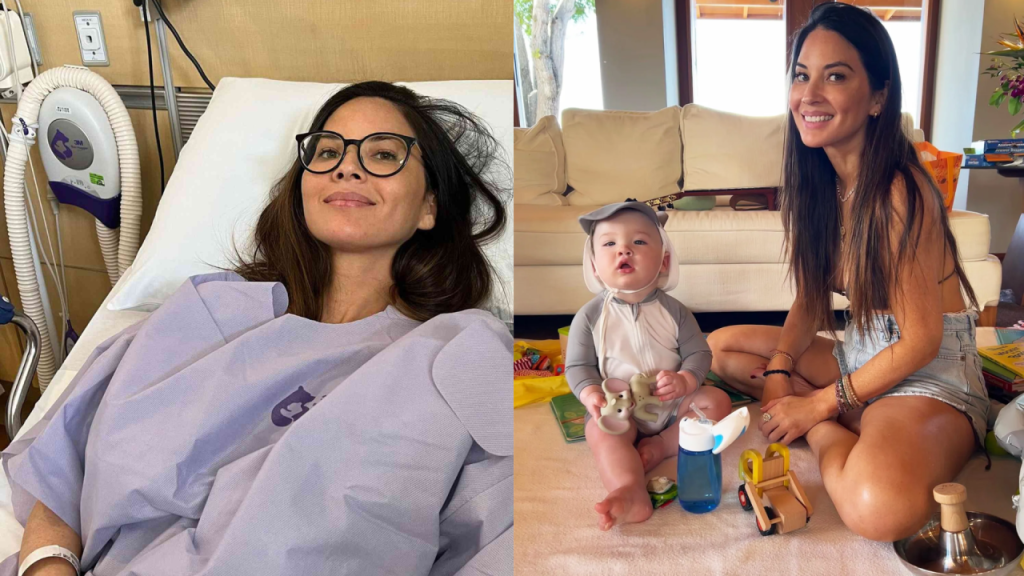
A Mammogram for Mothers: The Gift of Breast Cancer Screening
Even princesses can get cancer. Last month, the world was shaken by Princess of Wales Kate Middleton’s cancer diagnosis. And just before that, actress Olivia Munn’s candid revelation of her battle with breast cancer made headlines. Their stories are a reminder that cancer does not need permission to disrupt lives.
Both young mothers in their early 40s, their high-profile diagnoses have sparked conversations about early detection, as well as the effects a cancer diagnosis can have on motherhood.
Know Your Breasts
While cancer survival rates have improved over the years, cancer remains the highest cause of death in Singapore, accounting for 28.2% of all deaths from 2017-2021 [1]. Breast cancer constitutes 24.6% of all diagnoses, making it the most common cancer among women in Singapore, contributing to 1 in 6 cancer deaths among females in the country [1].
Breast cancer treatments are more effective and less invasive when the cancer is found early. One key to early detection is monthly breast self-examinations. If you are aged 20 years or older, it is important to be familiar with the way your breasts normally look and feel, to stay abreast of any worrying changes.
Regular breast screenings are another key to detecting breast cancer at an early stage, when it is most treatable. According to the National Population Health Survey 2022, despite 9 in 10 women in Singapore aged 50 to 69 being aware of mammograms, only 37.6% of this demographic had undergone one in the last two years. The primary reason cited for this low mammography uptake is the perception that screening is unnecessary when you are healthy [2].
Munn’s cancer would have been detected later had it not been for proactive health measures, which included an annual mammogram. If there had been any further delay, her treatment options would be limited [3]. Some breast cancer symptoms may not be noticeable to the naked eye, therefore regular screenings are essential regardless of symptoms. Waiting until symptoms develop to have a mammogram may result in the cancer being detected at an advanced stage.
Source: Ministry of Health Singapore [4]
How Early Detection Makes a Difference
It is important to act early than react late.
Breast self-examinations complement, but do not replace screenings like mammograms. Mammograms are instrumental in helping to detect lumps before they can be felt by touch and become worse.
Another reason women in Singapore cited for not doing their mammograms is the fear of the outcome [2]. Information about your body through screening tests is key. While anxiety surrounding testing results is understandable, the benefit of early detection for improving one’s chances of survival cannot be stressed enough. Annual mammograms can reduce mortality by approximately 40% [5].
The BB (Boob Bead) keychain and infographic below illustrate the differences between the size of lumps detected through breast self-examination vs regular screening. Each bead on the keychain represents different lump sizes based on the detection method. With regular mammograms and ultrasound, it is possible to detect lumps that are 2-3 mm in size, a vivid reminder of why regular screenings matter.
The boob bead keychains at Solis (left) are made by survivors and volunteers, as part of efforts to educate and encourage women to be breast aware.
Being a Mother and Cancer Patient
Being a cancer patient is mentally draining, as one copes with the shock of the diagnosis and is wrapped up in a whirlwind of testing, treatments and decisions to make. For mothers with young children, this mental load is exacerbated, as they also need to worry about how their children will emotionally cope.
“You realise cancer doesn’t care who you are; it doesn’t care if you have a baby. It comes at you and you have no choice but to face it head-on,” says Munn [6]. The young mother of one notes that one of the hardest things when recovering post-mastectomy was not being able to carry her son (who was only one-year old then) despite his pleas [7].
Studies have highlighted the emotional burden experienced by mothers with cancer. Not only do they need to grapple with the physical, mental and emotional toll of the disease, but they may also struggle with guilt from a perceived failure to meet parenting expectations [8]. Amidst additional stress from other aspects of their lives such as relationships and employment, these mothers demonstrate remarkable resilience in balancing dual roles as parents and patients.
Let us make this Mother’s Day count by honouring the mothers whose strength and love light up the world. Give your mother the gift of clarity by reaching out to us to schedule a mammogram, and help spare her from the anguish of a late diagnosis.
1 Health Promotion Board, “Singapore Cancer Registry Annual Report 2021”
2 Ministry of Health Singapore, National Population Health Survey 2022
3 People, “Olivia Munn, 43, Reveals She Was Diagnosed with Breast Cancer and Had Double Mastectomy”
4 Ministry of Health Singapore, Health Screening Guidelines
5 “Benefits and Risks of Mammography Screening in Women Ages 40 to 49 Years”
6 People, “Olivia Munn’s ‘Terrifying’ Breast Cancer Diagnosis After Baby Joy: 4 Surgeries in 10 Months, and Medically Induced Menopause (Exclusive)”
7 People, “Olivia Munn Says Not Being Able to Pick Up Son After Mastectomy Was ‘One of the Hardest Things’ (Exclusive)”
8 “Mothers with Cancer: An Intersectional Mixed-Methods Study Investigating Role Demands and Perceived Coping Abilities”
How Self Love can Change Your Life – Say No to Breast Cancer
It is important to conscientiously practice breast self-examinations so that we are aware of any changes/abnormalities and seek medical attention early. Early medical intervention increases one’s chance of recovery.
In this edition of Best Advice from Women, for Women, we speak with breast cancer survivor Jill Koh, who helps us quell some of the misconceptions that many women have about breast cancer.
Questions
What kind of breast health issue did you face?
I was diagnosed with invasive lobular carcinoma (stage 3 as it had spread to the lymph nodes in my right arm) in January 2021.
How did you discover it?
I was in Bangkok on personal business and as I was lying sideways in bed, I found a lump in my right breast as I did my own routine check-up. I went to a local hospital the next day. The doctor did an ultrasound and mammogram for me and told me it was highly likely breast cancer but as my flight home was in three days, she said to continue with the treatment in Singapore. After I served my two-week quarantine, I went to see a breast specialist where we did a biopsy and the cancer was confirmed.
What was your biggest revelation after you were diagnosed?
Two years prior in 2019, I had a lump removed in the same breast after the initial sample biopsy showed presence of cells that could turn cancerous. However, the lump and its surrounding tissues were benign and no traces of the earlier cells were found in the final biopsy. My doctor and I agreed to check regularly to be safe but I think that had already prepared me mentally that I could be at risk. So when I was really diagnosed with cancer in 2021 , I was quite prepared to accept it and move on immediately to treatment. Not much emotional upheaval involved.
What is one thing you wish you knew before you started treatment?
Breast cancer is not just “one type of breast cancer” but there are many variations and most of them can be controlled as long as we receive treatment soonest. I was undergoing treatment at the same time as a friend and while my cancer was hormone receptive, hers wasn’t and our treatment was thus different. Our experiences with chemotherapy and radiation were somewhat the same in general (baldness and occasional fatigue), yet it was also vastly different as it depended on the type of chemotherapy treatment administered, our own physical limits, resilience and outlook as well as family/friends’ support.
Hence, we can’t just believe what we watch on TV that hair drops once you start chemo (takes about a fortnight actually) and you would get sickly and weak – this is true for some but not all! It really depends a lot on various factors starting with what type of breast cancer we have, what stage we are at and treatment options. My skin was absolutely glowing during treatment as I drank so much fluid to flush the chemotherapy medication out after each treatment!
What has the journey of dealing with or managing this issue been like for you?
I am generally an optimist and fairly active person. Not sporty, just a fidgety type of active. I can’t really sit still, and I am always on a project or another. So I tried not to worry too much about the entire process from start to end and I definitely did not try to google and self-diagnose every side effect etc. It is good to be informed but it is unnecessary to be a cyberchondria.
I placed full trust in my doctors to provide me with the best medical options and care. My family and friends who knew of my condition were also supportive and nobody treated me “differently”. My husband would insist I get out there almost daily for short walks, fresh air and we would continue to gallivant after dropping my daughter off school in search of good food. I continued with housework and cooking (although I had to delegate the taste test to the kids as the treatment affected my sense of taste somewhat) and we worked to maintain as normal a routine as possible.
I felt blessed that I found my lump (which was supposedly fairly buried under the areola) by chance and managed to get treatment quickly, that I had good doctors and I responded quite positively throughout the treatment with mild side effects. So I cannot be upset about or blame anything really. Just be positive and look towards the end of treatment.
Before this cropped up, what was your attitude toward breast health?
My step grandmother had a mastectomy and I remembered as a kid how she had a sponge pad for her bra. My aunt had stage zero breast cancer and my mom has had a few scares. I had a lump removed in 2019 too. So I have been exposed to the topic of breast cancer for a long time. And I used to head up the Pinktober project in my child’s school (when we were based overseas) to fundraise and provide the school’s contract staff with regular medical, breast and PAP smear check-ups. We would also have nurses come into the school annually to educate all local staff on the importance of breast check ups. So breast health has always been important to me even before my diagnosis.
Did this journey change that attitude?
I think it further reinforced the message that women have to take responsibility for their breasts and health. In fact, 5 months before my diagnosis I had a full check-up as part of my insurance package (for ladies). It was a manual check by the doctor and she did not notice any anomaly then. When I was diagnosed and I shared the news with my family and friends, it triggered a wave of check-ups among them as many were indeed procrastinating and until it happened to someone close, I guess it felt like “oh, it won’t happen to me” to many. And that push factor was a positive as since then 2 more friends had been diagnosed early during their check-ups.
What do you think women in general feel about breast health?
I can’t comment on the general attitude in Singapore, but among family and friends, I know they are educated and aware of breast health. However, many have prioritised themselves last, putting the needs of their children, families and work ahead, and procrastinating on the check-ups or not scheduling them at all.
Based on my experience with the lower income local staff in my child’s previous school overseas, their concerns were different. They would rather be ignorant so that they can continue to work, have an income to support the family and not worry/think about medical costs for treatment as many did not have proper insurance coverage.
What are your thoughts when it comes to general awareness/education in this area?
Perhaps because I am a breast cancer survivor, I am more aware of all the advertisements, events and activities that are organised by Breast Cancer Foundation, and various medical bodies and support groups to promote breast health. They pop up on my Facebook feeds, in support group Whatsapp chats and the intensity ups in October during Breast Cancer Awareness Month.
However, for others who have not had the opportunity or time to think about it, they may not consciously sight or notice these efforts to educate. And what they learn through watching dramatic soap operas about breast cancer might just give them the wrong impression – that everyone MUST have chemotherapy, radiation, then go bald, sit and look withered in a wheelchair, or that breast cancer makes one less of a “woman” if she had to undergo mastectomy. It could be refreshing for a TV soap series to for once portray a positive case!
What advice would you give women about breast health?
I don’t drink, smoke and I keep an active lifestyle. I try to eat healthy and breast-fed both kids for 18 months each from birth. Even when I was diagnosed, I had no obvious textbook symptoms like orange peel skin, pus, pain, fatigue, loss of appetite etc. Cancer does not choose its victims because “it is their lifestyle that caused it”. It happens, so always dedicate some time to care for yourself, do your annual check-up head to toe. Don’t hesitate to seek treatment. Also, if you can afford it, invest in a good insurance package. Since diagnosis my treatment has probably cost $200,000 plus minus and most of it has been covered by my insurers thankfully, so that really helps as it is one less thing to worry about – finances.
Practice good breast health habits, and stay positive!
If you have any questions on breast health but were too afraid to ask your doctor, let our Solis doctors help you.

Benign lumps – how common are they and should I worry?
Not all lumps that are discovered during routine breast self-examination or screenings are cancerous. Often, many lumps are not.
Dr Lim Siew Kuan, Senior Breast Consultant & Surgeon at Solis answers some questions on benign breast lumps, including the types, diagnoses and treatments.
Q.What are breast lumps, and how common are they?
Breast lumps refer to an area of swelling or firmness in the breast that feels different from the rest of the breast. They are the second most common breast symptom that patients present to GP clinics with breast pain being the first. Most lumps are benign (80%) and benign breast conditions affect around 8% of women.
Q.What are some common types of benign breast lumps among Singapore women?
Fibrocystic change: this is the most common type of benign breast lump. Many women feel that their breasts are generally lumpy and rubbery. This is due to a benign condition consisting of fibrous and cystic changes in the breasts.
Breast cysts: Breast cysts are fluid-filled sacs and are not harmful. They tend to change in size, position and numbers according to a woman’s monthly hormonal cycles. However, attention should be paid whenever there is a solid component observed within the cysts. Histological correlation may be required as these solid-cystic lesions have a 10% risk of cancer.
Fibroadenomas: A fibroadenoma is a mobile and smooth lump with a rubbery feel. It is termed a ‘breast mouse’ as it slips away easily from the fingers during palpation. Fibroadenoma breast lumps are formed by fibrous and glandular tissue and do not give any cancer risk.
Q.Why do some women get benign breast lumps?
As the breasts go through monthly hormonal cycles, the tissues change in response. Some women may be prone to ‘overgrowth’ of benign tissue, giving rise to the above-mentioned conditions.
Q.Which groups of women tend to be more prone to getting such benign breast lumps? Why?
In premenopausal women, their breasts go through cyclical hormonal changes. Breast lumps also tend to be familial and you may be more prone if your sister or mother has (had) the same condition.
Q.How are breast lumps diagnosed?
The diagnosis of breast lumps are done during clinical examination and imaging (ultrasound, with mammogram if > 40 years of age). If both clinical examination and imaging show any indeterminate features, a biopsy will be required for histological correlation.
Q.What are the treatment options for breast lumps? Can they be treated non-surgically or is surgery always needed?
Most benign breast lumps do not require any treatment. Treatment is required when the breast lumps cause pain or if the nature of the lump is uncertain (e.g. lump increasing in size or if it has concerning features on imaging).
Q.Can breast lumps recur after treatment? When might they recur?
Yes, as long as the cyclical hormonal changes are still happening, benign breast lumps can recur, either in same or different sites.
Q.Some questions on breast self-examination:
Is it advisable to do breast self-examinations, and why? Yes, conducting self-examination encourages awareness of one’s own breasts, so that any new findings can be flagged up earlier by the woman.
How frequently should this be done? Once a month
When is it a good time to do a self-examination? Breast self-examination should be conducted on day 7-10 of your menstrual cycle, when the breasts are least lumpy and sensitive
What to look out for during the self-examination? Keep a look out for new lumps/firm areas, breast asymmetry, skin changes, nipple discharge
Article contributed and reviewed by Dr Lim Siew Kuan, Senior Consultant and Breast Surgeon at Solis Breast Care & Surgery
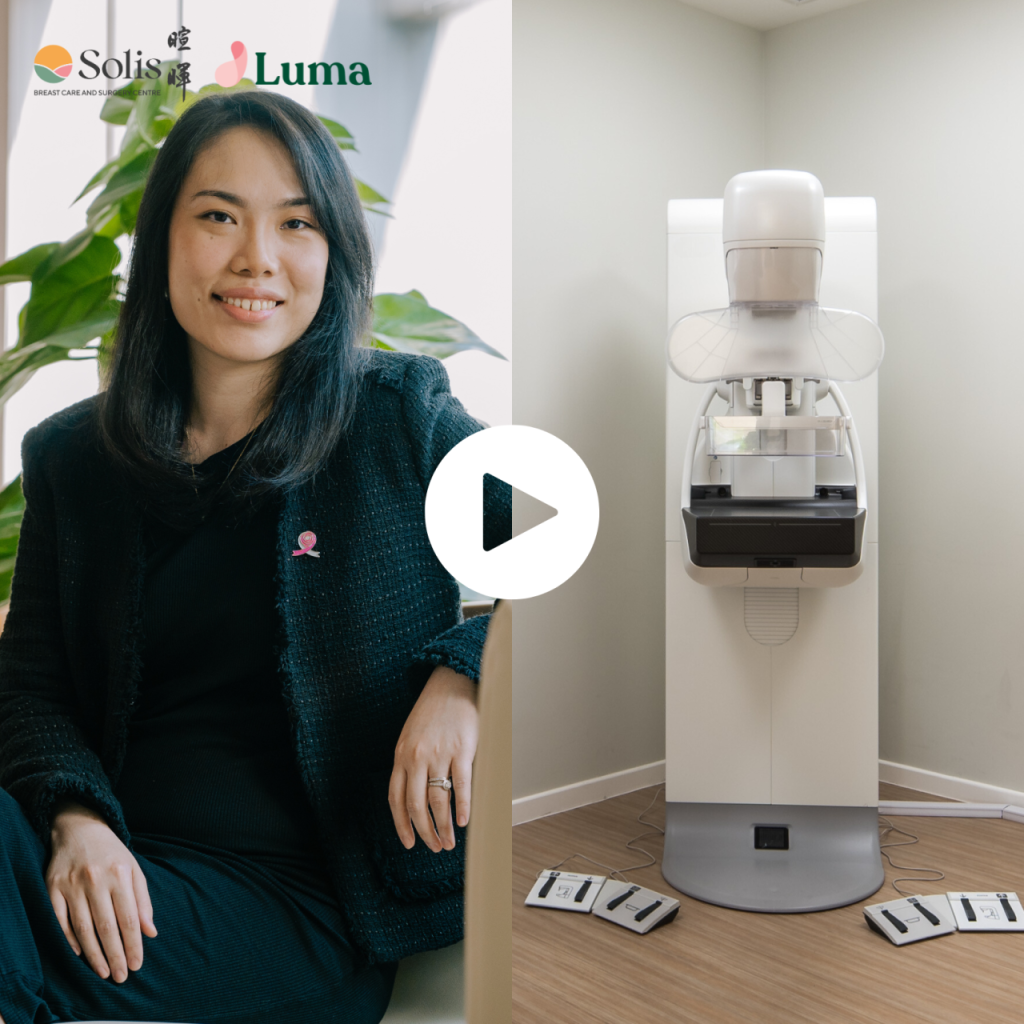
All You Need to Know about Breast Cancer Screening: Breast Mammogram and Ultrasound
Mammograms are the globally recommended standard in breast cancer screening for women aged 40 and above. However, many women avoid talking about, or going for regular breast screening because of several concerns:
I’ve heard from family/friends that mammograms are painful and uncomfortable
There is no radiation exposure for mammograms, which is dangerous and can cause cancer
My previous mammograms have resulted in false positive results, so I do not want to deal with the hassle and anxiety
I feel healthy so I do not need any screening – I already do my own breast self-examination regularly
In this educational video, Dr Sonia Lee, Consultant Radiologist from Luma Women’s Imaging Centre addresses these concerns, and more. By walking you through the process of what to expect during a mammogram, Dr Lee will address your concerns, alleviate fear and provide reassurance and information on breast screening and assessment. Please be mindful that while some breast conditions may be asymptomatic, most abnormal breast conditions are not cancerous.
The team at Solis Breast Care & Surgery Centre and Luma Women’s Imaging Centre believe in the importance of breast health education. By equipping you with the knowledge, we want to encourage women to make breast screening a priority.
Share this video with your loved ones too – sharing is caring! The content is intended for general information only and does not replace the need for personal advice from a qualified health professional.
Video reviewed by Dr Sonia Lee, Consultant Radiologist from Luma Women’s Imaging Centre
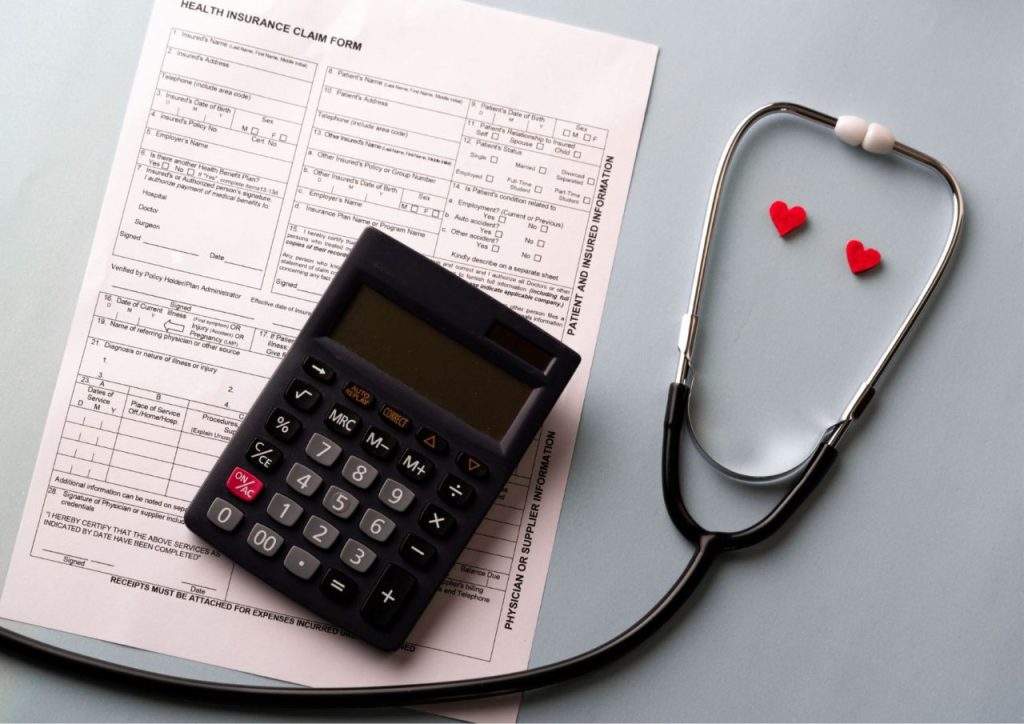
Managing Breast Cancer Treatment Costs
How to Navigate Breast Cancer Treatment Costs with Confidence: Taking Control of Your Financial Journey
Early detection of breast cancer plays a vital role in saving lives and minimising the financial burden on patients. When breast cancer is detected early, treatment options are usually less invasive and more effective, leading to better outcomes and lower treatment costs.
According to a WHO article, studies in high-income countries have shown that treatment for cancer patients who have been diagnosed early are 2 to 4 times less expensive compared to treating people diagnosed with cancer at more advanced stages [1].When detected early, breast cancer can often be treated with surgery and radiation therapy, which are generally less expensive than extensive treatments required at more advanced stages, such as chemotherapy.
In the past, cancer treatment mostly relied on surgery alone, while nowadays, combining two or more treatment options may achieve a greater likelihood of cure than a single therapy. Below are treatment options available [1]:
Breast Surgery
Radiation Therapy: this uses high-energy X-rays to kill cancer cells and shrink tumours
Chemotherapy: This uses drugs to destroy cancer cells
Hormone Therapy: This uses anti-oestrogen therapy (such as Tamoxifen) or an aromatase inhibitor (such as Anastrozole) to stop hormone-responsive cancer cells from growing
Estimated Cost of Breast Cancer Treatment in Singapore
The estimated total bill for breast cancer treatment is from $3,000 onwards for Day Surgery and from $17,000 onwards for Inpatient treatment at private hospitals and clinics.
Financing Breast Cancer Treatment & Screening in Singapore
Using Medisave
For women aged 50 years old and above, they can use their Medisave or the Medisave account of an immediate family member for their mammogram at Medisave-approved centres, including participating centres under HPB’s Screen for Life [2]. The full list of approved centres can be found on the Ministry of Health’s (MOH) website. Individuals can use up to $500 per Medisave account a year under the Medisave500 scheme [2].
Treatment cost is always a pressing concern after a cancer diagnosis. Besides worrying about your health, you may also be concerned about your financial status.
It is helpful if the Clinic share about the estimated costs required for the whole treatment process including follow up treatment or consultation so you can look out for financial support (if needed).
Health Insurance
All three critical illness, early-stage critical illness and cancer insurance plans cover breast cancer, as it is listed among the 37 common critical illnesses acknowledged by insurers.
Self-paying
The Ministry of Health (MOH) has increased the MediShield Life claim limit for cancer drug services from $1,200 per calendar year to $3,600 per calendar year with effect from 1 April 2023.[3]
For needy Singaporeans who cannot afford their subsidised medical bills, even with Medisave and Medishield coverage, they can tap into Medifund, which is a medical safety net set up by the government [4]. Those who have difficulties paying their medical bills can approach social workers at Medifund-approved institutions for assistance.
Patients can also tap into the Cancer Care Fund, which is a one-time financial assistance scheme to relieve the financial burden of newly diagnosed cancer patients from low or middle-income families within the first six months of their diagnosis [5].
Since the inception of this fund in 2015, more than $5.64 million in financial aid has been disbursed, helping more than 6,200 patients [5].
Seeking financial advice with Solis Breast Care
Seeking financial advice is essential for patients navigating the complexities of breast cancer treatment costs. Solis Breast Care offers customised financial advice tailored to each patient’s specific symptoms and required treatments. Our team of experts understand the financial challenges that patients may face, and we can offer valuable insights and support.
By seeking financial advice, patients can better understand their options, explore potential financial assistance programmes and alleviate the burden of navigating the financial aspect of their breast treatment journey. Reach out to us via hello@solis.sg or Whatsapp to +65 91396472.
1. HealthHub, “Breast Cancer”
2. HeatlhHub, “Breast Screening Subsidies in Singapore”
3. Ministry of Health, “Higher Medishield Life Claim Limit For Cancer Drug Services”
4. Singapore Cancer Society, “Financing Your Treatment”
5. Singapore Cancer Society, “Apply for Financial Assistance”

How Mammogram & Ultrasound Provide Peace of Mind
Providing peace of mind: Breast screening for early cancer detection
One in 13 women in Singapore will develop breast cancer in their lifetime [1]. It is very likely that you know someone who is living with or caring for a breast cancer patient. Regular breast screening with mammograms and/or ultrasounds is key to identifying subtle abnormalities on imaging before they manifest into advanced symptoms. Treatment of breast cancer in the early stages are associated with better outcomes with reduced morbidity and mortality rates.
Mammograms for Early Detection of Breast Cancer
Mammographic screening is the most reliable and cost-effective modality for detecting early breast cancer. It involves taking low dose x-rays of the breast tissues. Screening mammograms are done for women with no symptoms to look for early signs of breast cancer. On the other hand, diagnostic mammograms are performed to assess women with symptoms such as breast lumps, nipple discharge and/or skin changes.
Regular mammographic screening has been proven to be instrumental in reducing the risk of mortality associated with breast cancer. Mammographic screening should be performed every year for women aged between 40 and 49, and every two years for women aged 50 and above [1].
What is a 3D Mammogram?
3D mammograms (also known as digital breast tomosynthesis) involves using low-dose x-rays shot through a continuous arc to obtain multiple slices of images through the breast. These are then reconstructed into a scrollable image stack for evaluation.
3D Mammograms are More Comfortable
There are multiple advantages of 3D mammograms over standard 2D mammograms, which is why we advocate for its use in screening at Luma Women’s Imaging Centre.
Compared to 2D mammograms, 3D mammograms offer greater diagnostic accuracy resulting in increased cancer detection. This is especially significant for women with dense breasts, which are very common in the Asian population.
Due to our ability to scroll through a stack of layered images to differentiate between normal breast tissue and true abnormalities, 3D mammogram reduces the need to recall patients for additional imaging.
With our Luma 3D mammogram machines, there is overall reduced radiation exposure in contrast to 2D mammogram.
Reduced compression force is required to produce 3D mammogram images; therefore, patients experience improved comfort during the imaging process.
Ultrasound: Process and its Benefits
Breast ultrasound is an imaging technique that uses sound waves to examine the breast’s internal structures. It demonstrates high sensitivity in identifying breast abnormalities such as cysts, solid masses, abscesses and lymph nodes. Breast ultrasound is often used to supplement a mammogram in evaluation of mammographic abnormalities and/or for assessment of breast symptoms [2].
Breast Ultrasound vs Mammogram
Breast ultrasounds and mammograms are two different imaging modalities with different functions, and one does not replace the other.
Mammogram remains the gold standard in detecting early breast cancers, which commonly present as calcifications. Breast ultrasound has high sensitivity for identifying small lumps and aids in evaluation of mammographic abnormalities, but is unable to as reliably pick up calcifications.
Supplemental breast ultrasound may be considered in the following settings:
Women with dense breasts, which are common in the Asian population. Dense breast tissues are difficult to penetrate even with x-rays and are difficult to evaluate with mammograms alone.
Pregnant women. Ultrasound does not use ionising radiation like in mammograms, thus making it safer for the developing foetus.
Women who are younger than age 40 with strong risk factors for breast cancer [3]. requiring an enhanced breast screening regime.
Regular Breast Screening Provides for Peace of Mind
Mammograms and breast ultrasounds play a vital role in the early detection of breast cancer and provide peace of mind for women who undergo regular screening. By combining these screening methods, women are empowered to take a proactive approach towards their breast health, ensuring that any subtle abnormalities are being appropriately investigated.
By raising awareness, promoting breast care education, and prioritising early detection and prevention efforts, we can work towards a future where breast cancers are diagnosed at an early and most treatable stage. This in turn saves lives and improves the overall well-being of women and our community.
1. Singapore Cancer Society, “Breast Cancer”
2 John Hopkins Medicine, “Breast Ultrasound”
3 Breast Cancer Detection : 3D Mammogram Better Than 2D Scan, Study Finds

How a Sub-specialised Breast Pathologist Helps Patients in their Fight Against Breast Cancer
The role that pathologists play in diagnosing breast cancer is a crucial and emotional one. They are the ones who use their expertise to analyse tissue samples that have been excised from patients and determine if they have breast cancer.
Professor Tan Puay Hoon shares with us on what her sub-specialisation in breast pathology brings to the table of breast cancer diagnoses and the advantages of being a female pathologist.
Ever since she was a student, Professor Tan Puay Hoon has always enjoyed the investigative aspect of making a diagnosis based on the histological appearances of tissue sections evaluated down the microscope. After excelling in pathology during the fourth year of her medical school examination and receiving a medal for the subject, she went on to become a pathologist after her graduate studies.
The role that pathologists play in diagnosing breast cancer is a crucial and emotional one. They are the ones who use their expertise to analyse tissue samples that have been excised from patients and determine if they have breast cancer. As a pathologist, Prof Tan ensures that the surgical specimen excised or resected from the patient by the breast surgeon is carefully inspected at the laboratory. Sampling of the relevant specimen parts are also processed into microscopy slides, which are then evaluated using the microscope.
“We also render comprehensive reports of cancers that will allow the clinicians to be able to decide on treatment. The pathologist confirms that a breast tumour is malignant (cancer), the types and grades of the cancer, determine its prognosis and whether it will respond to certain treatments,” explains Prof Tan. “Without a pathological diagnosis, patients will not be able to receive appropriate treatment, and surgeons will not know which type of operation to offer the patient for the best outcome. Oncologists also depend on pathology input to decide what type of adjuvant therapy is suitable,” she adds.
Pathologists like Prof Tan also advise clinicians on the likely behaviour of cancers (prognostication) and predict if the cancers will respond to specific treatments. “As a woman, I feel privileged to be able to work in a field that impacts women significantly. I empathise deeply with women who are diagnosed with breast cancer, as this disease and its treatment affects their image and so much of the psychosocial aspects of their lives, as mothers, wives, daughters. I want to be able to provide diagnoses that add value to their treatment journey,” says Prof Tan.
Early breast cancer diagnosis leads to a higher chance of cure and hence, Prof Tan also advocates breast cancer awareness among all women, young and old. “Women in the appropriate age group should attend regular breast screening, and all females should seek early medical attention for breast symptoms,” says Prof Tan.
As a pathologist, Prof Tan also provides second opinions on cases that are sent for her review. She recounts a recent case in which a relatively young woman was diagnosed with breast cancer on needle aspiration (a small amount of breast tissue or fluid is removed from a suspicious area with a thin, hollow needle to check for cancer cells) and the patient was scheduled for cancer surgery. “The original needle aspiration slides were sent to me to review, and I thought the appearances were benign and possibly a fibroadenoma (a benign tumour),” Prof Tan explains. A core biopsy was conducted to clarify the discordance between the original diagnosis and Prof Tan’s review, which later confirmed that it was a fibroadenoma. “I was so happy for the patient,” says Prof Tan.
Given that she holds the hope and well-being of countless women in her hands with each slide she examines, how does she perceive her role as a pathologist? “I would like to think of a pathologist as a ‘cell whisperer’ of sorts – the cells in the tissue are giving clues to their nature, and it is up to us as pathologists to put all this information together. Sometimes the cells are really ugly which often reflects an aggressive cancer. Other times, there are beautiful patterns that remind me of things I see in life,” she says.
Since pathology is a very academic discipline, Professor Tan said pathologists need to be at the forefront of all diagnostic development. “Being involved in clinical research is integral to being a pathologist who is current with the developments in the field and also as someone who can offer depth to disease diagnosis,” she adds. Prof Tan also emphasised the important role that pathologists play as educators for the next generation as well as in conveying pathology information to clinical colleagues.
So, what makes Prof Tan feel fulfilled in her job as a pathologist? “I feel fulfilled when I’m able to make an accurate comprehensive diagnosis which allows the clinicians to treat the patients,” she says. Prof Tan also enjoys working with her clinical colleagues who are experts in their fields and collaborating with her pathologist friends and colleagues in the international arena. She feels gratified to be part of the WHO Editorial Board that classifies breast tumours and is also actively involved in international research that can refine and improve the classification of breast tumours for better treatment.
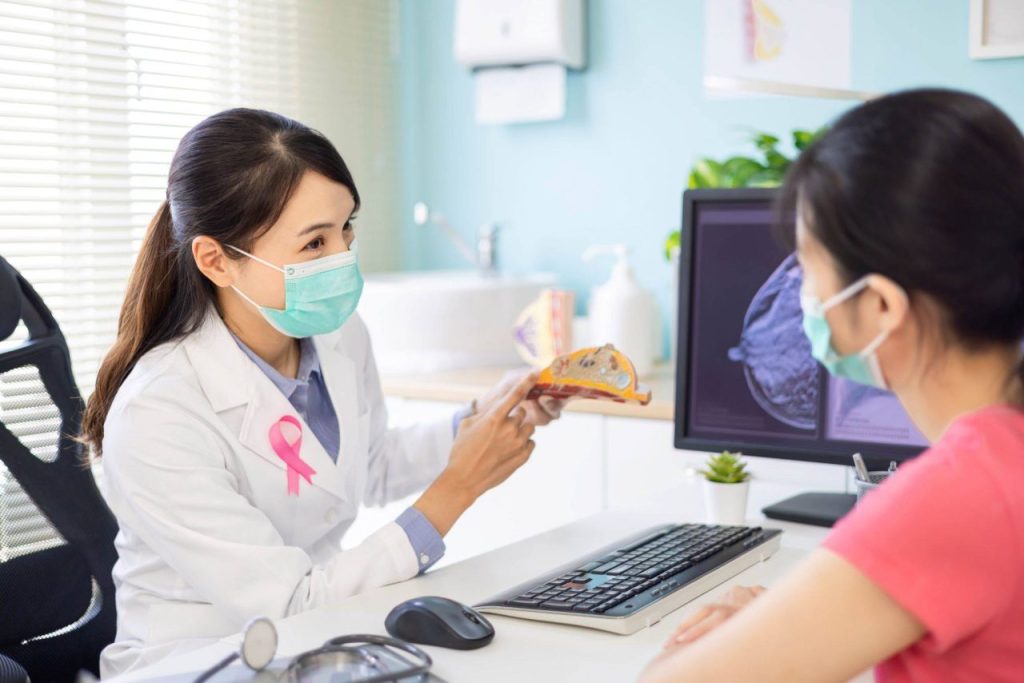
The Types of Breast Cancer Surgery: Lumpectomy, Mastectomy and More
Breast cancer is a significant health concern in Singapore, as it is the most commonly diagnosed cancer among women. According to the Singapore Cancer Registry Annual Report 2020, breast cancer accounted for about 30% of all newly diagnosed cancer cases in women between 2016 to 2020.
The rise in breast cancer cases emphasises the importance of early detection and effective management strategies to fight the disease. Breast surgery plays a crucial role in breast cancer management as it aims to remove the tumour and prevent its spread to other parts of the body. While combining two or more types of treatments – such as surgery, radiotherapy and chemotherapy – may be more effective than a single therapy alone, breast surgery remains the first treatment step in most early-stage breast cancer.
There are different types of surgery for breast cancer. Your doctor will discuss the most suitable option for your treatment based on the size of the tumour and its location, your breast size, and your personal wishes and feelings.
What is a Lumpectomy?
Lumpectomy is a breast-conserving surgery that is typically recommended for small, localised and early-stage cancer (stage 0, 1 and 2)[1]. This approach allows for breast preservation while effectively treating the cancer.
During a lumpectomy, the breast surgeon will remove the breast tumour and a margin of healthy breast tissue surrounding it. In addition, a sentinel lymph node biopsy is often performed, involving the removal of a few lymph nodes from the underarm area. If cancer cells are detected in the sentinel nodes, further lymph nodes may be removed through a procedure called axillary node dissection1.
After a lumpectomy, your doctor may recommend radiation therapy to remove any cancer cells that might remain and reduce cancer recurrence in the preserved breast.
What is a simple (or total) mastectomy?
During a simple (or total) mastectomy, your surgeon removes the entire breast, including the nipple and areola. In the case of a modified radical mastectomy, lymph nodes in the underarm region are also removed1.
Mastectomy is typically recommended when1:
the cancer is present in more than one area of the breast,
the tumour is relatively large in relation to the size of the breast,
the patient is not suitable for radiotherapy due to other medical conditions, or she does not want to undergo radiation therapy after surgery
Mastectomy serves as an effective treatment option in cases where breast conservation is not feasible. This surgery technique ensures the comprehensive removal of the cancerous tissue.
Breast reconstruction surgery after mastectomy
Some women may worry about how their breasts will look after a mastectomy. In most cases, breast reconstruction surgery can be done to resolve this. The surgery rebuilds the breast so it is similar in size and shape to your other breast2. Many women have breast reconstruction done at the same time as a mastectomy. Some wait and have it done as a second surgery later.
You can talk to a breast cancer specialist about reconstructive surgery options. Other options after a mastectomy include wearing a breast form (breast prosthesis) or a special mastectomy bra.
What is oncoplastic breast surgery?
Oncoplastic breast surgery is an emerging discipline that combines plastic surgical techniques with breast-conserving surgery. In oncoplastic surgery, the cancer and a rim of surrounding normal breast tissue are removed, and the remaining breast is then reshaped3. The patient then receives radiation therapy to the remaining part of the breast.
Oncoplastic breast surgery has several advantages over mastectomy, as it enables women to preserve their natural breasts. Women can then retain a breast that is warm, soft and sensate. The breast will also fit comfortably into her bra, allowing her to move naturally in her daily life. Oncoplastic surgery also helps to reduce surgical trauma and minimise associated complications. This approach prioritises the preservation of the breast and the patient’s overall well-being and quality of life.
However, oncoplastic breast surgery may not be suitable for certain types of breast cancer, such as inflammatory breast cancer or cancers that have extensively spread5. The procedure may not be possible in cases where there are multiple tumours throughout the breast unless the breast is quite huge5.
Importance of discussing surgery options with healthcare providers
Essentially, the specific surgical procedure recommended for patients depends on factors such as the size and location of the breast cancer and what is most suitable for the patient. Our experienced doctors at Solis will guide women through available options and recommend the most appropriate approach tailored to the patient’s needs.
Our team of dedicated breast surgeons collaborates closely with Luma Women’s Imaging Centre and Luma Medical Centre. This collaborative approach involves a multi-disciplinary approach, where our team of breast radiologists and in-house pathologists work together to provide comprehensive breast care. As Singapore’s first private integrated breast care centre, we are committed to combining expertise and advanced technology to provide holistic breast care for our patients.
1 HealthXchange, “Breast Cancer Treatment: An Overview”
2 John Hopkins Medicine, “Mastectomy”
3 HealthXchange, “Breast Surgery: Fresh Hope in Oncoplastic Surgery”
5 BreastCancer.org, “What is Oncoplastic Lumpectomy Surgery?”

Coming Back Like a Phoenix: One Woman’s Breast Cancer Journey
Breast cancer is the most commonly diagnosed cancer in women in Singapore. While there are certain risk factors/symptoms that may cause one to be more aware, no one can tell if, or when, breast cancer (or cancer in general) may occur.
When something life impacting like breast cancer is confirmed, most people are left feeling despondent and may take some time to overcome and accept the condition.
We speak with Nahoko Kodama on her breast cancer diagnosis and what has helped her greatly in her journey to “come back like a phoenix”.
What kind of breast health issue did you face?
I was diagnosed with triple positive stage 2 plus breast cancer.
How did you discover it?
I felt a lump in the right upper chest and I was feeling a little pain for a few months as well.
What was your biggest revelation after you were diagnosed?
There were no major surprises, as the doctors told me very calmly. It was like I knew it.
What is one thing you wish you knew before you started treatment?
I [wished I knew] more about the type of cancer I had, its progression, treatment options, duration of treatment and side effects.
What has the journey of dealing with or managing this issue been like for you?
It was a tough journey, of course, but I accepted the fact that it was important to keep the energy to carry out the chemotherapy until the end of treatment. To achieve this, I decided to continue exercising (yoga) to maintain my fitness and also to continue with ballroom dance lessons, which I had been taking for a long time. After my treatment, I was determined that I would definitely take part in a dance competition, and my dance teacher in Russia supported me with messages every two weeks. I feel that his encouragement, combined with my enthusiasm for dance, was a major factor in my overcoming the chemotherapy.
Before this cropped up, what was your attitude toward breast health?
There was recognition that breast cancer can be self-checked and that early detection is very important.
Did this journey change that attitude?
This idea has not changed. I have a check-up with a specialist every six months, as I am currently on medication. And I have become more careful with my food than before. Vegetables are basically organic; I take more protein and I regularly take Chinese herbal supplements to keep my blood healthy.
What do you think women in general feel about breast health?
In general, I think that almost half of women feel that breast cancer screening is necessary, but they are too busy or something and don’t get regular check-ups. Basically, I think it is also common to think that you don’t get cancer.
What are your thoughts when it comes to general awareness/education in this area?
Unless you or someone around you has cancer, you will not understand the difficulty and the seriousness of cancer treatment. At times, it may be avoided as a topic you don’t want to see or hear about. It is necessary to make sure that people are aware of the fact that early detection means a shorter treatment period and a smaller burden.
What advice would you give women about breast health?
First, make it a daily routine to check your breasts for any abnormalities by self-checking every day. Although there is an overlap, regular breast cancer screening should always be carried out. If you are found to have breast cancer, accept the facts unhesitatingly and submit yourself to treatment by trusted doctors. Decide what you want to do first when your treatment is over and your health is restored, so that you can be motivated to complete your treatment. Encourage yourself to say, “I will come back like a phoenix.” The breast is a woman’s most beautiful organ. Tell yourself that you must cherish that treasure for the rest of your life.
It is never too late to start taking care of your #breasthealth.
Find out how you can reduce your risk of developing breast cancer here.
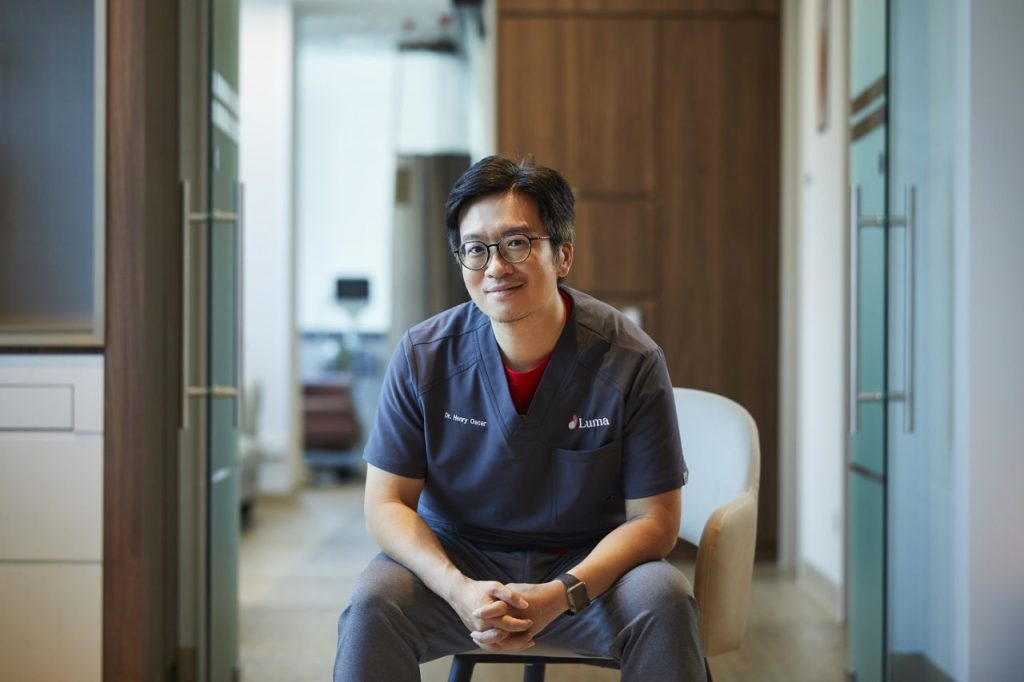
Getting to Know Dr Henry Oscar
Image reference: Dr Henry Oscar
In this edition, we get up-close and personal with Dr Henry Oscar, Consultant Radiologist and Co-founder of Luma Women’s Imaging.
Dr Henry specialises in breast imaging and breast cancer intervention. He performs diagnostic procedures, including breast ultrasound, biopsies, and wire/seed localisation.
As an experienced interventionist, he interprets all breast imaging studies including mammography and tomosynthesis, breast ultrasound, and breast MRI. He also routinely performs stereotactic and ultrasound-guided breast biopsy.
Why did you choose to become a radiologist and why a subspeciality in breast?
Radiologists are specialised medical doctors who use imaging techniques, such as X-rays, ultrasounds, CT scans, and MRI scans, to diagnose and treat medical conditions. We play a critical role in helping other healthcare professionals make accurate diagnoses and develop effective treatment plans. I chose to specialise in breast imaging because breast cancer is a prevalent disease that affects many women worldwide.
Breast imaging is also a rapidly evolving field with new techniques and technologies constantly being developed, which can provide opportunities for research and innovation. Additionally, breast radiologists work closely with breast surgeons, oncologists, and other healthcare professionals to provide comprehensive care for patients with breast cancer.
By specialising in breast imaging, radiologists can develop expertise in interpreting breast imaging studies and identify abnormalities and improve women’s health.
What do you think is the most underrated aspect of radiology?
One aspect of radiology that is often underrated is the significant impact that radiologists can have on patient outcomes through their work in diagnostic accuracy and guiding patient care. Radiologists have a unique perspective on the patient’s overall condition through the images they receive and can provide vital information to clinicians that can lead to improved patient outcomes. We are also critical members of multidisciplinary care teams, and our input can help guide treatment decisions, monitor treatment response, and provide ongoing surveillance for breast disease recurrence.
Radiologists can also play an essential role in improving patient safety by providing guidance on the appropriate use of imaging studies. We play a crucial role in driving progress in healthcare and contributing to increased positive results for patients.
Could you share with us any interesting findings that you have come across in the course of your work?
One recent study published in the JAMA (Journal of American Medical Association) reported that a deep learning model trained on mammography images was able to accurately identify breast cancer in women with no prior mammogram. The study found that ‘it’ was able to achieve a level of diagnostic accuracy comparable to that of experienced radiologists.
In addition, researchers have been investigating the potential use of algorithms to improve the interpretation of breast imaging studies. For example, some studies have explored the use of AI algorithms to assist in the detection of breast lesions and the differentiation of benign from malignant lesions.
While technological advancement is good, the key question remains as to whether machines can completely replace years of human experience and expertise.
What is ONE myth or message that you would like women to know about breast cancer screening?
One myth – that mammograms are always painful and uncomfortable. While mammograms can be uncomfortable for some women, they typically do not cause significant pain. Additionally, advances in mammography technology have led to improvements in patient comfort, with newer machines designed to reduce discomfort and improve image quality especially tomosynthesis where gentle compression is sufficient.
How do you stay up-to-date with new developments in breast radiology?
Staying up-to-date with new developments in breast radiology is essential. Radiology conferences and seminars provide an excellent opportunity to learn about the latest research and advancements in breast imaging.
I also read journals and publications and participate in online learning. People have become more receptive of webinars post covid.
What do you do in your free time?
I have three little girls, and they keep me busy and occupied.
What do you think you will be doing if you did not become a radiologist?
I would have become a video game designer as I loved to play video games when I was younger.

4 Easy Ways to Support A Loved One with Breast Cancer
Being diagnosed with breast cancer can be a life-changing experience for many women as the diagnosis can have a significant impact on the patient’s physical, emotional and mental well-being. While medical treatment is essential for recovery, receiving strong support from family, friends and through a cancer support network can play an equally important role in the healing process.
In a large study “Postdiagnosis social networks and breast cancer mortality in the After Breast Cancer Pooling Project” published in the journal Cancer, women diagnosed with breast cancer who had the most social ties, such as spouses, community relationships, friendships, and family members, were less likely to have a breast cancer recurrence and less likely to die from breast cancer than women who were socially isolated.
In this article, we will explore some ways on how family members and close friends can provide support to their loved ones who are battling breast cancer.
Listen & Offer Emotional Support
Discovering that she has breast cancer can be a shocking experience for a woman and that can elicit a range of emotions such as anger, fear, sadness and depression[4]. These feelings can fluctuate and may change throughout the day. One of the best ways to support someone with breast cancer is to simply be present with them and allow them to express their emotions. Try not to be afraid when they shed tears as this may be a helpful way for the patient to express her feelings[1]. Holding hands or giving a hug can also be a meaningful gesture of support.
It is also common for women diagnosed with breast cancer to feel angry about their diagnosis, and they may direct their frustrations towards their loved ones[1]. It’s essential to remember that this is often due to the distress of the cancer diagnosis and is not a personal attack.
At times, women diagnosed with breast cancer might not want to be reminded about their cancer constantly. Having a normal conversation about everyday things and sharing a joke can sometimes be very welcoming. Do not take it personally if they do not want to talk about their cancer and respect their need for privacy or to have some quiet time.
Provide Practical Help
Apart from providing emotional support, it can be useful to offer some practical support too. Check in and ask if there is anything specific that they need help with.
Here are some suggestions[2] on how to offer practical help to someone with breast cancer:
Prepare meals that can be stored in the freezer for them to eat later
Ferry them to and/or from the hospital for blood tests, scans and medical appointments
Assist with cleaning or laundry tasks
Take their pets for a walk or to the vet, if needed
Offer to do grocery shopping on their behalf
Volunteer to take their children to and/or from school
Bring lunch over and stay for a chat
Check in with them before visiting in case they are not feeling well
Research Treatment Options for Breast Cancer
Once a diagnosis of breast cancer has been confirmed through imaging tests and a biopsy, the breast cancer specialist will work with the patient to develop a treatment plan. The treatment options recommended will depend on the specific diagnosis, but may include a combination of the following:
Surgery
Surgery is often the first step in the treatment of breast cancer and this may involve either a lumpectomy (removal of the tumour and some surrounding tissue) or a mastectomy (removal of all breast tissue). The type of surgery will depend on the extent and location of the breast cancer. Breast reconstruction options can also be discussed with a plastic surgeon.
Radiation therapy
Radiation therapy uses high energy X-rays to destroy cancer cells and shrink tumours. Surgery is usually conducted first and radiation therapy may be recommended afterwards to eradicate any remaining cancer cells and lower the risk of recurrence.
Chemotherapy
This involves the use of drugs to kill cancer cells at the original cancer site and any other parts of the body where the cancer may have spread. Depending on the diagnosis, chemotherapy may be given after surgery to lower the risk of cancer recurrence, or before surgery to shrink the tumour. It can also be used to treat metastatic breast cancer that has spread to other parts of the body.
Hormonal therapy
This is recommended for hormone receptor-positive breast cancer as estrogen can make these types of cancers grow. Hormonal therapy medicines lower the risk of estrogen in the body and block its action on breast cancer cells, thus reducing the risk of recurrence after surgery.
Learn More About Post Mastectomy/Surgery Care
Changes In Breast Appearance
Whether a mastectomy or lumpectomy is performed, both types of breast surgery will result in noticeable changes to the appearance of the breast and chest area. With a mastectomy, all breast tissue will be removed, and if reconstructive surgery is not performed, the chest will appear flat, often with a horizontal scar where the breast used to be.
The Can-Care Post-Op Kit which consists of a Post-Op Bra and Post-Op Moulded Breast Form are specially designed for immediate use after surgery to provide a temporary shape replacement without compromising the healing of the wound. A small squeeze ball for hand exercises to reduce stiffness in the patient’s arm and shoulder is also included in the Can-Care Post-Op Kit.
While breast surgery may not impact how some women feel about their bodies, others may struggle to accept the changes. Apart from reconstructive surgery to restore the natural appearance of their breasts, breast prosthesis, which provides an artificial breast form that can be placed in a bra cup is another option. Can-Care offers a variety of breast prostheses in different shapes and sizes as an alternative to reconstructive surgery.
Lifestyle changes
After breast surgery, a woman may have difficulty lying comfortably in bed due to restricted movement. Many women find sleeping on multiple pillows placed on their upper back helpful. Keeping the torso elevated also helps to relieve pressure on the surgery area, and helps to reduce swelling and pain.
The breast cancer specialist may also advise the patient to do some light arm exercises after breast surgery to maintain the mobility in the arm and lower the risk of lymphoedema (swelling of the arm due to fluid retention). Can-Care has specially-engineered compression arm sleeves which exert a consistent pressure on the blood vessels and lymph network. These sleeves will make it easier for the patient to remove the extra lymph fluid which causes the swelling. After surgery, avoid strenuous activity, heavy lifting and vigorous exercise which may aggravate the arm and impair the healing process.
The road to recovery for breast cancer patients can be a long and challenging journey. But with the love and support of family and friends, patients can embark on the healing journey with more ease.
Getting professional support and advice from a breast cancer specialist or professional support network is also important. Can-Care offers a comprehensive range of breast care products, professional counselling services and support programs to strengthen the recovery journey for breast cancer patients after surgery. Reach out to Can-Care, to help support a woman’s non-medical needs during her post-treatment journey.
[1] Can-Care,”What To Expect After Surgery”
[2] Breastcancer.org, “Women With More Social Connections Have Better Survival”
[3] Cancer Research UK, “How To Support Someone With Cancer”
[4] Breastcancer.org, “Caring For Someone”
Other References:
[1] Breast Cancer Now, “How To Support Someone With Breast Cancer”
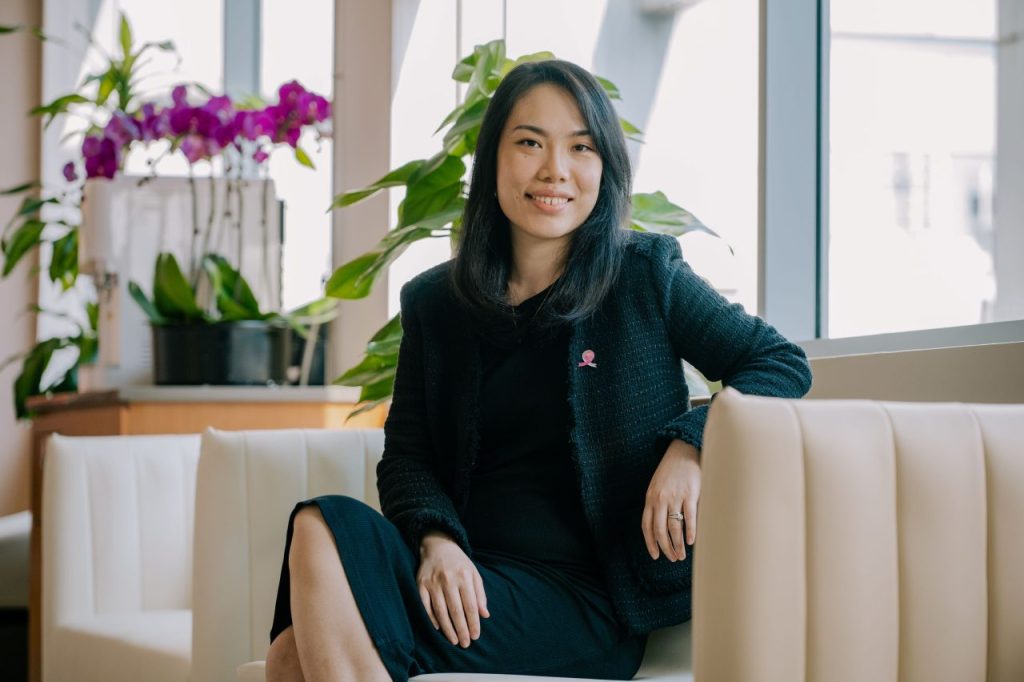
Getting To Know Dr Sonia Lee
Image reference: Dr Sonia Lee
Get up-close and personal with Dr Sonia Lee, our Consultant Radiologist at Luma Women’s Imaging Centre, as she shares with us her work philosophy as well as personal anecdotes.
Previously involved in multidisciplinary care of breast cancer patients, Dr Sonia Lee is well-versed in interpreting all breast imaging studies and experienced in performing ultrasound-guided, stereotactic-guided and MRI-guided breast biopsies and localisations, earning praise for her attentiveness and professionalism.
Prior to joining Luma, Dr Lee was a Consultant Radiologist and Clinical Assistant Professor at Changi General Hospital. She is an accredited BreastScreen Singapore (BSS) radiologist and is thoroughly involved in multidisciplinary care of breast cancer patients.
What does a radiologist actually do?
Radiologists are responsible for interpreting all imaging modalities including x-rays, mammograms, fluoroscopy, ultrasound, CT and MRI studies which are performed for screening and diagnostic purposes. In addition, we are trained to use imaging guidance to accurately perform procedures with diagnostic (i.e., biopsies) and therapeutic (e.g., cancer treatment) aims in mind. After completing specialist training, we can then choose to focus our work in one or two subspecialty fields.
Why did you choose to become a radiologist and why a subspecialty in breast?
I love the detective work of being a radiologist – piecing together the patient’s clinical presentation and various imaging findings to come to a final diagnosis gives me a sense of achievement. I eventually chose to subspecialise in breast imaging as it offers the opportunity to do both diagnostic and interventional radiology. This allows me to contribute significantly to the patient’s diagnostic and therapeutic journey, which is extremely fulfilling.
Could you share with us any interesting findings that you have come across in the course of your work?
In my training years, one of the most interesting parts of our work was searching for foreign objects within the body which were either intentionally ingested or inserted on imaging. This includes pens, staples, blades, toothbrushes and all types and sizes of bottles.
What is ONE myth or message that you would like women to know about breast cancer screening?
Mammograms do not have to be painful! This is one of the biggest barriers to breast screening worldwide. The use of 3D mammographic screening not only reduces the compression force required for accurate breast imaging thereby reducing patient discomfort, it has also been proven to improve overall cancer detection rates. It is my hope that this new technology will bring about greater uptake for breast cancer screening.
What do you do in your free time?
Outside of work, I spend most of my free time with my husband and 3-year-old daughter. Weekends are usually spent quite simply – visiting the library, running errands and enjoying meals with friends and family.
What do you think you will be doing if you did not become a radiologist?
I would very likely have become a family physician. Having spent a lot of my teenage years and early adulthood working part-time in a GP clinic as a clinic assistant, I really liked how the work involved building long-term relationships with the patients and their families in the neighbourhood.
Dear Mum, It’s Ok To Get A Mammogram
Stigma Around Breast Screening and Breast Cancer Treatment for older women
Breast cancer is one of the most prevalent cancers among women in Singapore, and early detection through screening and treatment are essential to improve outcomes. However, despite the importance of breast cancer screening and treatment, there remains a significant stigma surrounding these topics particularly among older women. This stigma can result in older women avoiding screenings and seeking treatment early, which can negatively impact their health outcomes.
In this article, we will explore the stigma surrounding breast cancer screening for older women and suggest ways to overcome it.
Factors Contributing to Stigma
While breast cancer is the number one cancer among women in Singapore, only two in five women have kept up with their regular screening mammogram, according to the National Population Health Survey 2020.
Some factors for the low screening rate and stigma on breast cancer screening among older women include:
Perceived costs versus the benefits of breast cancer screening
Perceived high breast cancer screening costs versus the benefits of breast cancer screening among women in Singapore was identified as the most common obstacle to breast cancer screening in Singapore.
Fear of breast cancer screening
Another common factor is the fear of the screening procedure itself, such as the potential of pain during a mammogram, or exposure to radiation from mammograms, as well as the fear of potential outcomes arising from the breast cancer screening[1]. These outcomes include the fear of being diagnosed with breast cancer and the resulting financial burden of the treatment, the fear of a diminished quality of life, the fear of treatment side effects and of having to take medication for life.
Personal priorities
Women may not place priority on breast cancer screening as there are many other commitments that are deemed as more important. Common reasons include having “no time” due to personal or professional responsibilities and the “inconvenience”[1] in having to personally attend the screening that may or may not be nearby.
Modesty, embarrassment and distrust of breast cancer screening
Modesty and embarrassment related to cultural beliefs[1] were frequently cited as reasons for women not undergoing breast cancer screening, as seen in several studies. The presence of male staff during the procedure, as well as previous negative screening experiences (either personal or witnessed in others) were identified as significant barriers to breast cancer screening.
Perceived susceptibility to breast cancer
“I’m healthy” was commonly cited as a reason for avoiding breast cancer screening among women who have not undergone a mammogram before. Malay women were found to indicate this more often as a reason to avoid screening[1] compared with their Chinese and Indian counterparts.
Another common reason cited for avoiding breast cancer screening was the perception of not being at risk. Women often cited a lack of family history, feeling healthy, and having undergone a prior mammogram with normal results as reasons for exemption from regular screening. Some women also believed that actively seeking cancer screening would increase their risk of getting breast cancer1 and that getting regular screening meant that something was wrong with them.
Perceived severity of breast cancer
False beliefs, where women believe their health outcomes were beyond their control, were also identified as a significant barrier to breast screening uptake. Women aged 60 years and above were more likely to cite these false beliefs compared to younger women. [1]
Benefits of regular breast cancer screening
Mammography lowers a woman’s risk of dying from breast cancer. It’s recommended for women aged 50 to 69 years old to have mammograms on a regular basis[2]. A meta-analysis that combined the results from six randomised controlled trials[2] found that:
Women aged 50-59 who got mammograms on a regular basis had a 14 percent lower risk of dying from breast cancer than women who didn’t get mammograms.
Women aged 60-69 who got mammograms on a regular basis had a 33 percent lower risk of dying from breast cancer than women who didn’t get mammograms.
For women aged 50 and above, they are encouraged to go for a mammogram screening once every two yearsunless the doctor advises otherwise.
For women aged 40 to 49, a yearly mammogram is recommended. Do consult a doctor on the benefits and limitations of doing a mammogram at this age.
How to address breast cancer screening stigma
Understand the importance of going for a mammogram
It’s important to know that going for regular breast cancer screening is the right thing to do. In Singapore, Breast cancer is the most common cancer among women, accounting for all female cancers between 2015 and 2019. However, the good news is that early detection significantly increases the chances of surviving breast cancer. Mammograms are one of the most reliable screening tools for breast cancer, as they can detect suspicious areas before they can be felt by hand. Mammograms are also particularly effective for women aged between 50 and 70 years old.
Manage the anxiety about going for a mammogram
Be prepared for the breast cancer screening by managing anxiety and obtaining all the necessary information, including what to expect and what to wear etc. The imaging centre will be able to provide a preparation list for you.
Talking to someone who has undergone breast screening previously, or consulting with a doctor[5], or breast cancer specialist, can also help to alleviate any fears or uncertainties that an older woman may have on breast cancer screening. It’s natural to feel some discomfort during the screening procedure as breast compression is required to obtain a clear image. However, the level of pain can vary among individuals. Women can share their pain concerns with the radiographer conducting the screening, who will then make adjustments for better comfort
Go with a friend for the mammogram
Having someone to accompany a woman for her mammogram can help lighten the mood and keep her relaxed. Women can encourage their girlfriends, especially those who have never undergone breast cancer screening before, to get screened together with them. Women can use this opportunity to meet up and help promote good health for everyone.
Stay calm after going for a mammogram
Waiting for the screening results can be agonising for some women but instead of dwelling on the outcome, try to keep calm and keep themselves busy with activities they enjoy.
It’s also helpful to keep in mind the following facts:
No screening test is entirely accurate, and women may be asked to undergo further tests, such as a repeat mammogram or ultrasound scan. In most cases, these additional tests will show that everything is clear.
Only one in 10 breast lumps are cancerous5 so there’s no need to worry too much.
There are various effective breast cancer treatment options available today, and survival rates have significantly improved.
By taking the time to get regular screening, women can catch any potential issues early, which can increase their chances of successful treatment and recovery. Breast cancer screening is a quick and mostly painless process and it could save lives. Women should not let fear keep them from taking care of their health.
This Mother’s Day, women can give the gift of health to their mother by encouraging her to get a mammogram. Show love and appreciation by scheduling a mammogram for mum and joining her for the appointment. Together, let’s make women’s health and well-being a priority.
References
Academy of Medicine Singapore, “Barriers to breast cancer screening in Singapore: A literature review”, https://annals.edu.sg/barriers-to-breast-cancer-screening-in-singapore-a-literature-review/
Susan G.Komen, “Breast Cancer Screening for Women at Average Risk, https://www.komen.org/breast-cancer/screening/when-to-screen/average-risk-women/
Singapore Cancer Society, “Mammogram”, https://www.singaporecancersociety.org.sg/get-screened/breast-cancer/mammogram.html
Health Promotion Board, “Singapore Cancer Registry Annual Report 2019”, https://www.nrdo.gov.sg/docs/librariesprovider3/default-document-library/scr-2019_annual-report_final.pdf
Healthub, “5 Ways to Psych Yourself for a Mammogram”, https://www.healthhub.sg/live-healthy/1839/5-ways-to-psych-yourself-for-a-mammogram
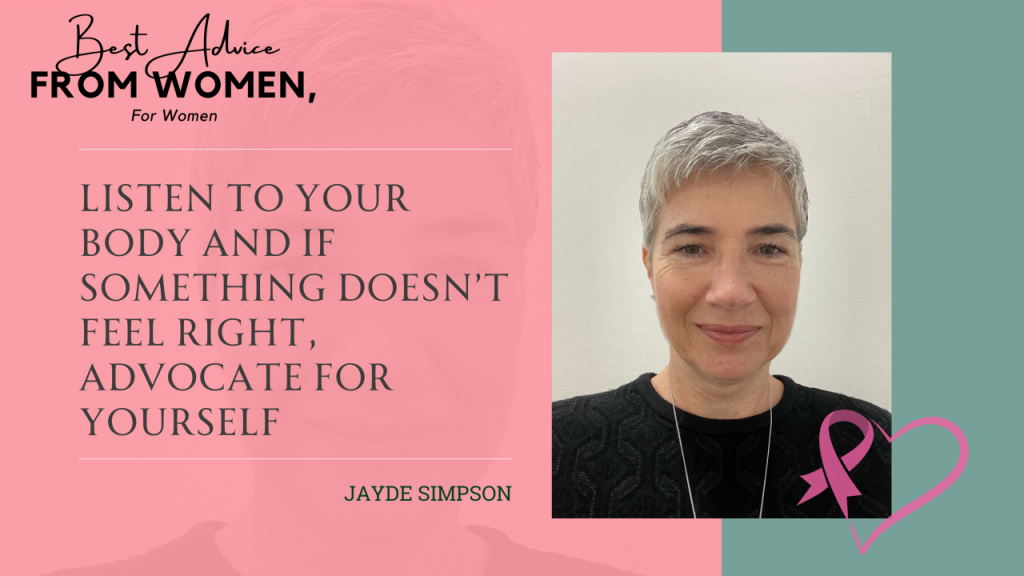
An Early Diagnosis of Cancer Leads to a Higher Chance of Treatment Success
In our new series, Best Advice from Women, for Women, Ms Jayde Simpson, an expatriate from the United Kingdom shares with us on finding out about her breast cancer diagnosis, coupled with the discovery of a high-risk gene.
What kind of breast health issue did you face?
I was diagnosed with Stage 2 Breast Cancer, which was ER+ PR- and HER2.
How did you discover it?
I felt a lump whilst on vacation that didn’t go away. Upon my return I scheduled an appointment with a breast specialist who performed an ultrasound. Within the week I had a mammogram, MRI and a PET scan which confirmed the suspicion. However, it wasn’t until a biopsy was conducted that it was confirmed as breast cancer.
What was your biggest revelation after you were diagnosed?
I did a gene test and discovered that I have a gene that makes my risk of breast cancer higher than the general population, although only a small number of cancers are hereditary. Lifestyle and other factors influence an individual’s risk profile.
What is one thing you wish you knew before you started treatment?
Understanding the type of breast cancer (ER/PR/HER2 positive or negative) can lead to different recommendations on the type of treatment you should get. I was upset when I had to get chemotherapy, believing what I had seen in the movies about the side effects from it. However, I sailed through this. A friend had recommended doing something nice around chemo and for me what stood out during my treatment was celebrating the end of each chemo with a lunch with a friend. My chemo duration had plenty of nice lunches and different friends supporting me throughout.
What has the journey of dealing with or managing this issue been like for you?
The absolute worst part was receiving the diagnosis as I did not truly believe this would happen to me and that all the tests would show this was a false alarm. The biopsy I received confirmed this was not the case. After that I did everything that I could to take a holistic integrative approach.
I had a great breast surgeon and oncologist who partnered to give me the best medical treatment and tailored my treatment specific to me, e.g. my oncologist added a chemo that is shown to have more effect for people with the gene that I had, while my breast surgeon helped to add regular ultrasounds so we could measure the impact the chemo was having on reducing the tumour. This helped alleviate any anxiety on whether the treatment was working or not. I focused on ensuring that I did everything at home that I could to help – diet, exercise and I worked with a naturopath to identify supplements that would help me through the treatment.
After the chemo I had a double mastectomy with immediate reconstruction and whilst this was a challenging decision, I did everything I could to minimise any future risk. I believe all of these things helped me to achieve a ‘pathological complete response’.
The cancer diagnosis gave me the discipline I needed to prioritise me and ensure that I focused on a diet and exercise regime to best support my treatment. Despite the numerous rounds of chemo, I never once felt ill and felt stronger and fitter throughout. I had the odd tired day and some other limited symptoms. However, the treatment was nowhere near as bad as I expected.
Before this cropped up, what was your attitude toward breast health?
Sadly, I had a close friend who passed away from Breast Cancer and so I was very much aware of the need to do regular self-exams. The earlier you identify an issue, the more likely you have the chance of successfully dealing with it. I was aware of how my breasts would change during my regular cycle and so managed to self-identify the lump early enough to have a very successful outcome.
Did this journey change that attitude?
It only strengthened it. I am more in tune and aware of my body and if anything doesn’t feel right. I take care to watch stress levels and not overreact and am focused on ensuring that I have balance in my life with adequate sleep, exercise, supplements and focusing on what I eat (80% of the time).
What do you think women in general feel about breast health?
Whilst I was aware of the importance, I think I still thought of myself as being invincible and that something would not happen to me. I think women in general put other family members first and neglect to prioritise themselves. These two things together can mean that they neglect breast health. I also think sometimes people can feel embarrassed about seeking help or not wanting to expose themselves, or think “it’s probably nothing, I don’t want to bother anyone”.
What are your thoughts when it comes to general awareness/education in this area?
I hear of friends who tell me they don’t really know how to do a self-exam, or they skipped the last mammogram because they had to do something else and forgot to reschedule. I think they are missing the 2 most important factors here: 1. prevention is always better than cure (focusing on healthy lifestyle can reduce your risk) 2. the earlier you catch these things, the better your outcome. Whilst it’s rare, the tumour I had was not present on a mammogram but could be seen on the ultrasound, MRI and PET scan. My advice would be to listen to your body and if something doesn’t feel right, advocate for yourself and seek a referral to a breast specialist who can help allay any fears or help ensure you get treatment early.
What advice would you give women about breast health?
The risk is too high so early identification will give you more chance of success. Previously I did not prioritise myself, making excuses that I needed to attend to work, husband, children and that I had limited time. I now consider that prioritising my health means I will be around longer to enjoy time with my family. Ensuring I take steps to monitor my health and raising any concerns to my doctor means I’m around longer to enjoy my family. The earlier you detect something the more chance of success you have. Everyone I met throughout my journey was empathetic, caring, listened to me and addressed any concerns; the only downside is not acting early.

How to Regain Confidence Post-Mastectomy: 4 Tips for Breast Cancer Patients
For many women, breasts symbolise femininity and attractiveness, and a mastectomy, which is the surgical removal of one or both breasts, can significantly impact a woman’s self-confidence and body image.
The scars left by the breast surgery and the physical changes that result from a mastectomy can make it difficult for women to feel comfortable in their new skin. Common struggles for women after losing a breast include feeling less “feminine” or worrying that they will be less attractive to their partner. Coping with a mastectomy’s emotional and physical aftermath can be a difficult journey. Women need access to support and resources to help them navigate this challenging experience.
Impact of Mastectomy on Self-Image
The patient’s perception of her new body image is amongst the psychosocial effects that emerge due to mastectomy. In the Body Image of Women with Breast Cancer After Mastectomy: A Qualitative Research, published in J Breast Health, [1] many women spoke about the negative impact of an altered appearance on their body image. After a mastectomy, many women described what they saw as a “wretched, horrible, scary, ugly, crooked, collapsed body shape.” But the most commonly used description of their appearance was that they looked incomplete because they did not have their breast(s).
Finding Emotional Support Post-Surgery
Beyond physical changes, an experience with breast cancer can also affect a woman’s mental well-being. While loved ones want to be there for her, it is sometimes hard to have tough conversations with those she is closest to. Finding a like-minded community is essential so the patient can talk openly about her experiences, ask for help, and know that she isn’t alone.
Club Solis provides breast cancer patients with a support network in their journey against breast cancer. Through Club’s Solis befriender programme and hearing stories from patients who have undergone breast cancer, women can find reassurance and courage to take charge of their breast health. Club Solis also provides rehabilitation and nutrition advice for women who have breast cancer.
How to boost self-esteem after mastectomy
Rather than dwelling on self-blame or despair, use the opportunity to explore and redefine one’s identity after overcoming breast cancer. The experience may have uncovered hidden areas of resilience [2] previously unknown to the patient. A woman who has undergone mastectomy may have also developed a newfound appreciation for different new hobbies or gained a fresh perspective on her personal values and beliefs. In addition, revisiting priorities and aspirations can help a woman recovering from a mastectomy to set new realistic goals, and her support network or breast cancer physician can assist her in identifying achievable objectives.
By pinpointing the societal messages and beauty norms that she has internalised from the media and other external sources, the patient can actively choose new standards that align with her values and priorities. It is also crucial for a woman who has undergone mastectomy to give herself the space and time to prioritise self-care over the persistent pressure to perform acts of kindness for others constantly. In doing so, the patient can shift her focus towards cultivating personal fulfilment and contentment
How to address physical changes after mastectomy/ Shopping for clothes after mastectomy
If the patient foregoes reconstructive surgery after mastectomy, she’ll find that many of her old clothes no longer fit her new body. Instead of despairing, use this opportunity to shop for new clothes and try out different clothing styles. Wearing the proper clothing during her recovery may also help prevent the irritation of areas that may still be tender. The patient doesn’t have to sacrifice style for comfort, either. There are many suitable outfits that the woman can wear that are chic yet casual and, most importantly, comfortable. In addition, post-cancer care partners like Can-Care offers a wide range of personalised care products for breast cancer patients, including mastectomy bra, mastectomy camisole and mastectomy swimwear.
When shopping for post-mastectomy shirts, go for a gentle fabric on the skin to prevent chafing and irritation. Cotton is a good choice because it’s lightweight, soft, and allows air to flow freely. Also, consider a roomy button-up or flowy dress and skirt for a stylish look.
How to move forward after mastectomy
Engage in physical activity
After undergoing a mastectomy or breast reconstruction surgery, it’s important to prioritise rest and physical activity. Gentle stretching, arm circles, seated side bends, and shoulder rolls are some exercises that the patient can perform in the week after surgery. During the initial recovery period, walking is a great activity to include in the patient’s routine until her breast cancer specialist gives her the okay to engage in more intense cardiovascular exercise. By starting with low-impact movement like walking, the patient can gradually build up her strength and endurance while minimising the risk of injury.
When exercising in the weeks after her mastectomy or breast reconstruction surgery, it’s normal for the patient to experience some tightness in her chest and armpit, but this should decrease as she does her exercises over time, according to the American Cancer Society.
Focus on good nutritious food
To combat fatigue and nausea, incorporating delicious and energising food into the patient’s diet can significantly enhance her overall well-being. Breast cancer-fighting food, such as phytonutrients, is found in plant-based foods, including fruits, vegetables, beans and grains. These include dark yellow/orange/green vegetables and fruits, cruciferous vegetables, garlic, soybeans, green tea and broccoli.[4]
By adopting a positive mindset, focusing on self-care and seeking support, a breast cancer patient can regain her confidence and move forward with a sense of purpose and resilience. It’s important to remember that everyone’s journey is unique, and there is no “right” way to cope with the challenges of breast cancer. Through exploring new hobbies, redefining one’s identity and cultivating a support network, a breast cancer patient can emerge from the experience with newfound strength and appreciation for life’s precious moments.
[1] J Breast Health, Body Image of Women with Breast Cancer After Mastectomy: A Qualitative Research
[2] Sunnybrook Health Sciences Centre, Body image and breast cancer: a resource for women
[3] Healthline, Exercise After Mastectomy and Breast Reconstruction: What You Need To Know
[4] Cleveland Clinic, The Best Foods To Eat When You Have Breast Cancer
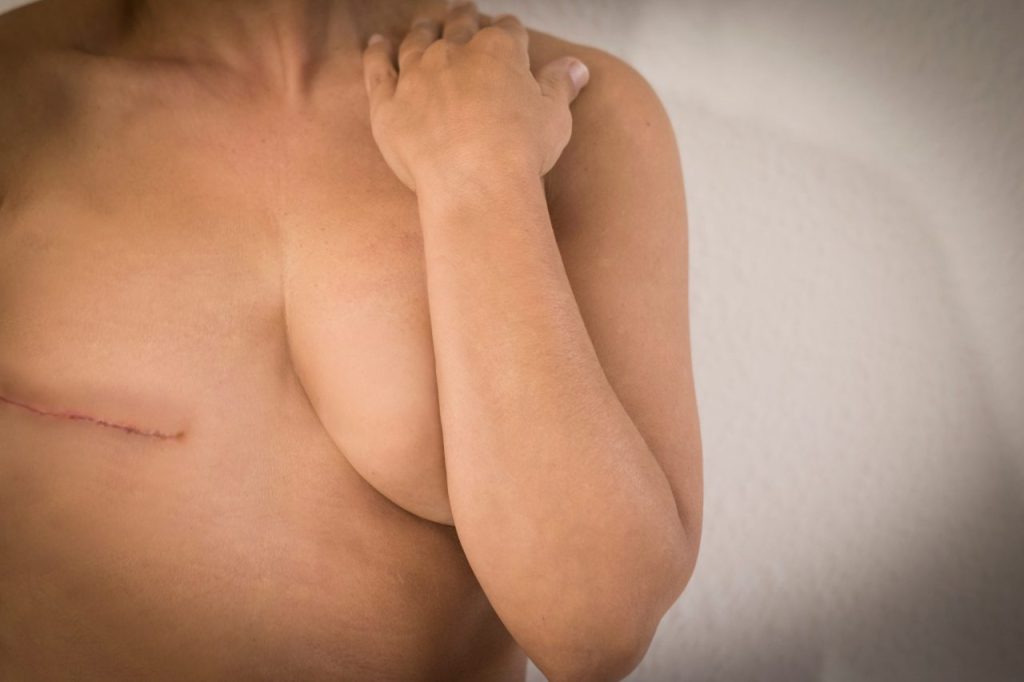
What is Preventive Mastectomy and Who Should Consider It?
Does a family history of breast cancer put you at a higher risk of getting the disease?
We speak with Dr Tan Yah Yuen, Senior Consultant and Breast Surgeon about preventive mastectomy for individuals with elevated risk of breast cancer.
What is preventive mastectomy and can I remove a single breast?
Preventive mastectomy (or risk-reducing mastectomy) is surgery that is done to remove one or both breasts to reduce the risk of developing breast cancer. All of the breast tissue is removed, maintaining the skin overlying the breast, and may include maintaining the nipple and areola. This is followed by an immediate breast reconstruction.
By definition, a mastectomy means the removal of the entire breast. A partial removal of the breast will not be suitable if the aim is to reduce the long-term risk of cancer, which can occur in any part of the breast.
For risk-reducing mastectomy, the nipple and original skin of the breast can be conserved, together with immediate reconstruction. This will restore the appearance of the breasts to as near normal as possible.
Who should consider risk-reducing mastectomy?
Women who are at significantly elevated risk of breast cancer may consider preventive or risk-reducing mastectomy.
These include:
Women with BRCA 1 or 2 genetic mutations where the life time risk of breast cancer can be as high as 70- 85%.
Women with biopsy-proven breast abnormalities that place them at a significantly higher life time risk of breast cancer e.g. lobular carcinoma in situ, atypical ductal hyperplasia, atypical lobular hyperplasia etc. The risk of breast cancer in this group varies from 20-50%, generally not as high as BRCA gene mutations.
For women with a strong family history of breast cancer but without BRCA gene mutations, it is debatable whether they should consider risk-reducing mastectomy. It is best for these women to have a discussion with their breast specialist about their individual risk and circumstances.
Are there many women who consider risk-reducing mastectomy? How old are they?
A majority of the patients who consider risk-reducing mastectomy are fairly young, with ages ranging from mid 30s-50s.
Is risk-reducing mastectomy considered a last-resort measure?
Rather than a looking at risk reducing mastectomy as a last resort, risk-reducing mastectomy should be seen as a pro-active, self-empowered decision on the woman’s part to reduce her life time risk of breast cancer. This frees her from the constant psychological burden of elevated breast cancer risk, and the desire to be in control of their own fate outweighs their fear or anxiety of the surgery.
How does risk-reducing mastectomy help women with elevated risks of breast cancer?
A risk-reducing mastectomy will reduce a woman’s risk of breast cancer by at least 90%. Hence, if a woman with a BRCA1 gene mutation who has a 70% lifetime risk of breast cancer undergoes bilateral risk-reducing mastectomy, her risk of breast cancer will be reduced to 7%. This is a very significant reduction.
The reduction in risk cannot be 100% because there is usually a very small amount of residual breast tissue in the nipple, under the skin or peripheral chest wall that cannot be completely removed. Hence the term “risk-reducing” is preferred over “preventive”.
It is important to note that for women who choose double mastectomy when a breast cancer has already been diagnosed, the surgery does not eliminate or reduce the risk of distant organ relapse of the original breast cancer.
Aside from risk-reducing mastectomy, what other options are there for women with high-risk factors/family history?
A non-surgical option to reduce one’s risk is chemoprevention, which is the use of oral medication to prevent cancer. The risk of breast cancer is estimated to be halved with chemoprevention. However, the medication is associated with side effects and as such, is not a popular option among women.
A woman may also opt for high-risk surveillance. This allows for early detection but technically does not reduce one’s risk. High-risk surveillance includes a yearly MRI of the breasts, in addition to mammogram and ultrasound.
Leading a healthy lifestyle may modify one’s risk – this includes a healthy diet comprising plenty of fresh fruits and vegetables, reducing consumption of processed and red meats and reducing alcohol intake. Regular exercise and avoiding weight gain can also modify a woman’s risk of breast cancer.
When can reconstructive surgery take place? Can it be done during the mastectomy itself? Are there different types of reconstruction surgeries available?
Reconstruction of the breasts is preferably done at the same time as the mastectomy. This will achieve the most favourable aesthetic outcome.
Reconstruction for double mastectomy is ideally performed with silicone implants, which will result in a symmetrical appearance of the reconstructed breasts.
Alternatively, women may opt for reconstruction using their own body tissue (autologous) such as tummy fat, or back muscle. For women with small-volume breasts, sometimes fat transfer using liposuction alone may even be sufficient for reconstruction.
How has reconstructive surgery helped your patients in their daily lives?
Reconstruction is definitely very helpful for women to move on after a single or double mastectomy. It restores her body image and allows her to dress and carry out her daily activities including sports without worrying about appearance.
Because of improved reconstruction techniques in recent years, this has made risk-reducing mastectomy more acceptable.
Do you have any advice to give to women who are scared or too busy to take charge of their breast health?
Women should not be scared to, or say they are too busy to take charge of their breast health. After all, health is most important thing in our lives.
Breast cancer is a very curable disease and the key is early detection and treatment. Hence, breast cancer screening is very important and I advise women to be pro-active in taking charge of their breast health. Screening will really make all the difference.
Article contributed and reviewed by Dr Tan Yah Yuen, Senior Consultant and Breast Surgeon at Solis Breast Care & Surgery

Why Early Detection for Breast Cancer is Important & Ways to Prevent It
Breast cancer is the most common cancer among women in Singapore with over 2,000 women diagnosed each year. According to the Singapore Cancer Registry Annual Report 2018, the incidences of breast cancer are highest in women aged between 40 and 69 years old.
What are some of the symptoms and risk factors, and how can we prevent breast cancer?
The most common type of breast cancer originates from the cells lining the milk ducts and glands[1]. When abnormal cells are detected in the milk ducts and have not spread to other parts of the breast or the rest of the body, this is termed as Ductal Carcinoma In-Situ (DCIS). Patients with DCIS have a greater chance of recovering. Breast cancer may also begin in the glandular tissue called lobules or in other cells or tissue within the breast.
The importance of early detection and regular breast cancer screening
Going for regular breast cancer screening is important because it catches breast changes early before symptoms (such as a lump that can be felt) develop. Breast cancer is most treatable when it is detected and diagnosed at an early stage. Identifying the disease during its initial growth can mean that the required treatments are simpler and more effective. The earlier the breast cancer is detected, the smaller the tumour may be and the less likely it would have spread to other parts of your body or the lymph nodes.
Breast cancer symptoms
Symptoms may vary for different people and some of these symptoms may be related to other conditions that are not due to cancer. It is best to speak to your doctor or breast cancer specialist if you have any of these symptoms.
Some symptoms of breast cancer may include:
Lump in the breast or underarm area
Thickening or swelling of part of the breast
Irritation or dimpling of the skin on the breast
A rash or flaky skin in the nipple area or the breast
Pain or discomfort around the nipple or in the surrounding area; or the nipple being pulled inward
Nipple discharge other than breast milk, including blood
Change in the size or the shape of the breast
Pain or discomfort in the breast
How is breast cancer diagnosed?
Your healthcare professional or breast cancer specialist may conduct one or more of the following test(s) or procedure(s) to diagnose breast cancer:
Physical examination. Your doctor or breast cancer specialist will examine both of your breasts and lymph nodes in your armpit to detect any lumps or other abnormalities.
Breast mammogram. Mammograms, which is an X-ray of the breast are commonly used to screen for breast cancer. Your breast cancer specialist may recommend a diagnostic mammogram to evaluate any abnormality that is detected on a screening mammogram.
Breast ultrasound. Breast ultrasound, which is more commonly used in younger women can be used to determine whether a new breast lump is a solid mass or a fluid-filled cyst.
Breast magnetic resonance imaging (MRI). A breast MRI is a contrast-enhanced machine that uses strong magnets to create cross-sectional images of the breast.
Confirmation of breast cancer
Removing a sample of breast cells for testing (biopsy). A biopsy, where a sample of breast cells is removed for testing, is the definitive way to make a diagnosis of breast cancer. During a biopsy[2], your breast cancer specialist will use a specialised needle device to extract a core tissue from the suspicious area. Biopsy samples will be sent to a laboratory for analysis to determine whether the cells are cancerous. The pathologist will also analyse the biopsy sample to determine the type of cells involved in the breast cancer, the aggressiveness of the cancer, and whether the cancer cells have hormone receptors or other receptors that may influence your treatment options.
Risk factors for Breast Cancer
Leading a sedentary lifestyle or being overweight after menopause can increase your risk of getting breast cancer. Some hormone replacement therapy[3] especially those that include both estrogen and progesterone taken during menopause may also increase the risk for breast cancer if taken for more than five years. Drinking excessive alcohol and having your pregnancy after age 30 may also increase a woman’s risk of breast cancer3.
The risk for breast cancer also increases with age. Most breast cancers are diagnosed after age 40[4]. A woman’s risk for breast cancer is also higher if a first-degree relative or multiple family members on the parents’ side[5] have had breast or ovarian cancer.
How to prevent breast cancer
Apart from regular breast screening, research shows that lifestyle changes can decrease the risk of breast cancer, even among women who are at high risk. Here are some lifestyle strategies that you can use to reduce your risk[6]:
Cut down on your consumption of alcohol as this can reduce your risk of developing breast cancer. The general recommendation is to limit yourself to no more than one drink a day.
Maintain a healthy body weight. Cut down on your daily calorie intake and try to incorporate some daily physical activity such as taking a walk, alighting one stop before your destination, doing housework or climbing the stairs.
Breast-feeding may also play a role in breast cancer prevention. The protective effect is enhanced if you breast feed for a longer period.
Limit postmenopausal hormone therapy. Talk to your doctor about the risks and benefits of hormone therapy as you might be able to manage your symptoms with nonhormonal therapies and medications.
Eating a healthy diet might decrease your risk of some types of cancer including breast cancer. Try to consume more plant-based foods, such as fruits and vegetables, whole grains, legumes, and nuts. Cut down on red meat and choose healthy fats, such as olive oil and eat more oily fish such as tuna, salmon and mackerel.
References:
[1]Singapore Cancer Society, Breast Cancer
[2]American Cancer Society, Breast Cancer Early Detection and Diagnosis
[3]Centre for Disease Control & Prevention, What Are the Risk Factors for Breast Cancer?
[4]Singapore Cancer Registry Annual Report 2020
[5]Centre for Disease Control & Prevention, What Can I Do to Reduce My Risk of Breast Cancer?
[6]Mayo Clinic, Breast cancer prevention: How to reduce your risk

4 Things You Need to Know About Oncoplastic Breast Surgery
Cancer in Singapore has been on the rise, with breast cancer being the most common cancer among women here. It accounted for 29.7% of total female cancer cases from 2016-2020, according to the Singapore Cancer Registry Annual Report 2020.
Most patients with breast cancer will require surgery to remove the cancer cells. The good news is that mastectomy is not the only surgical option.
Breast-conserving surgery such as oncoplastic breast surgery[1] enables patients to preserve their breasts, maintaining their quality of life, with proper removal of the cancer tissue for treatment. Oncoplastic breast surgery is also increasingly being used for large tumours[2]. Many clinical studies have shown that the overall and disease-free survival rates of oncoplastic breast surgery are equivalent to those of mastectomy[3].
How does oncoplastic surgery achieve the above goals? The first step is the removal of the breast cancer from the breast. Following this plastic surgery techniques are performed to either reshape the remaining breast tissue into a smaller but normal breast, or tissue from areas around the breast (below the breast or from the side of the breast) is used to fill the space created by the cancer removal. A trained oncoplastic breast surgeon can do all of that. Occasionally, for more complex cases, a plastic surgeon may be part of the surgical team.
Oncoplastic surgery with radiation equals mastectomy survival rates
According to a Swedish study of 48,986 Swedish women diagnosed with early-stage breast cancer and who had breast cancer surgery from 2008 to 2017, the five-year breast cancer-specific survival rates by surgery group were 98.2% for those who had a lumpectomy with radiation. The research was published online on May 2021 by the journal JAMA Surgery[4].
Improves patients’ quality of life and pleasure
Oncoplastic surgery, also offers several positives when compared to a mastectomy. As the surgical procedure combines cancer resection with plastic surgery techniques to reshape the breast for a final aesthetic outcome, it allows the woman to retain her breast. The retained breast can fit into the patient’s bra, enabling her to move and feel the reconstructed breast as part of her body.
Oncoplastic surgery, used to address both medical and aesthetic concerns has also been shown to significantly improve the long-term wellbeing of women. As it is a less radical form of surgery, surgical trauma and morbidity to breast cancer patients are minimised.
The results of a survey research published in the International Open Access Journal of the American Society of Plastic Surgeons[5] revealed that 89% of participants rated oncoplastic surgery as better than mastectomy. At the same time, the research also reported high outcome scores for breast appearance, physical and emotional wellbeing even after the procedure had been done for 15 years.
Oncoplastic surgery preserves the breast by correcting the lumpectomy defect
In oncoplastic surgery, the oncoplastic breast surgeon pays attention to the shape and appearance of the breast. Patients’ breasts will usually retain sensation as most of their natural breast tissue is preserved after the surgery.
As the breast specialist can also remove more tissue in oncoplastic surgery than with lumpectomy alone, this is more likely to result in cleaner margins[6]. In addition, for larger-breasted women who undergo a breast reduction as part of oncoplastic surgery, having less breast tissue may lower the risk of cancer recurrence and make future breast screenings easier[7].
Similar to a regular lumpectomy, the breast specialist performing oncoplastic surgery will send the removed tumour for pathology testing. The pathologist will make sure that the breast specialist achieves clean margins. Having a clean margins test[8] means that no cancer is present at the edges of the rim of healthy tissue, which was removed along with the tumour, by the surgeon.
Single surgery, single recovery period
With oncoplastic surgery, everything can be done in a single operation/procedure. This includes the removal of the breast cancer, with immediate partial reconstruction using the patient’s remaining breast tissue, or neighbouring tissue. Patients generally take about four to six weeks to recover and strenuous activities should be avoided during this period.
Are you interested to learn more about oncoplastic breast surgery? Our breast specialists at Solis Breast Care and Surgery Centre will guide you every step of the way. Schedule an appointment with us right away by clicking here.
[1] PubMed.gov, Oncoplastic breast surgery: comprehensive review
[2] PubMed.gov, Oncological advantages of oncoplastic breast-conserving surgery in treatment of early breast cancer
[3] National Library of Medicine, Recurrence and survival after standard versus oncoplastic breast-conserving surgery for breast cancer
[4]Breast Cancer.org, Lumpectomy Plus Radiation Offers Better Survival Rates Than Mastectomy for Early-Stage Breast Cancer
[5] National Library of Medicine, Patient-Reported Outcomes Are Better after Oncoplastic Breast Conservation than after Mastectomy and Autologous Reconstruction
[6] Breast Cancer.org, Reconstruction After Lumpectomy
[7] Breast Cancer.org, Reconstruction After Lumpectomy
[8] Breast Cancer.org, Reconstruction After Lumpectomy
Other References:
1) SingHealth Duke-NUS Breast Centre, SingHealth, Oncoplastic breast surgery
2) PubMed.gov, Oncoplastic breast surgery: comprehensive review
The Role of a Pathologist in Breast Cancer Diagnosis
Early detection and diagnosis of breast cancer can provide patients with more treatment options and a better chance of survival. Pathology and radiology are essential to making a diagnosis of cancer. As such, close clinical-radiologic-pathologic workflow is crucial for the delivery of timely interventions for patients which can result in better clinical outcomes.
When a biopsy is performed on your breast, a sample is taken and studied under a microscope by a pathologist. The pathologist is a medical doctor who makes the diagnosis of the disease by examining the sample.
A pathology report generated will state the findings and diagnosis for each sample taken. This information will be sent to the doctor who will use the information to manage your care and come up with a treatment plan. The role of a pathologist is central to ensuring the correct treatment and prognosis for each patient. Pathology reporting, including for breast cancer and breast diseases, has become increasingly subspecialised, often requiring subspecialty experience for diagnosis. Consistent reporting by a pathologist with subspecialist breast pathology experience helps to support the breast surgical and radiological expertise provided to patients and any abnormalities would be picked up promptly.
We are delighted to welcome Professor Tan Puay Hoon to our team of breast care specialists. As a key opinion leader in breast and urologic pathology, Prof Tan is a pathologist with subspecialist breast pathology experience.
Being a passionate researcher, Prof Tan has published widely with over 500 peer-reviewed scientific papers. She is a Standing Editorial Board Member for the 5th series of the WHO Classification of Tumours, IARC, Lyon, and is also an expert member for the Breast (2019) and Genitourinary (2022) volumes in this latest series. Prof Tan initiated a well-received annual breast pathology course drawing participants from the region and internationally since 2010. She is dedicated to diagnostic, research and educational excellence in breast and urological pathology, and is a strong advocate for building support for academic pursuits in these disciplines that can be translated to improving patient care.
Solis Breast Care and Surgery Centre (Solis), together with Luma, provides dedicated breast care to patients, where a dynamic team of female breast surgeons, breast radiologists and an in-house pathologist, adopt a multidisciplinary approach. The expertise of the team is able to provide integrated, coherent interpretations that would enable better-informed management decisions in a timely manner. Early detection of breast cancer often means that the patient will have more treatment options that are much less aggressive, and maintain positive treatment outcomes.
Ultimately, early detection is always best, and an in-house pathologist at Solis-Luma, contributes diagnostic subspecialty expertise to breast diseases management. Here to bring breast care to another level, Solis-Luma is dedicated to improve breast cancer clinical outcomes, expedite diagnosis and treatment planning, and ensuring that patients receive the utmost care they deserve.
To read more about Prof Tan’s research interests and involvement, click here.
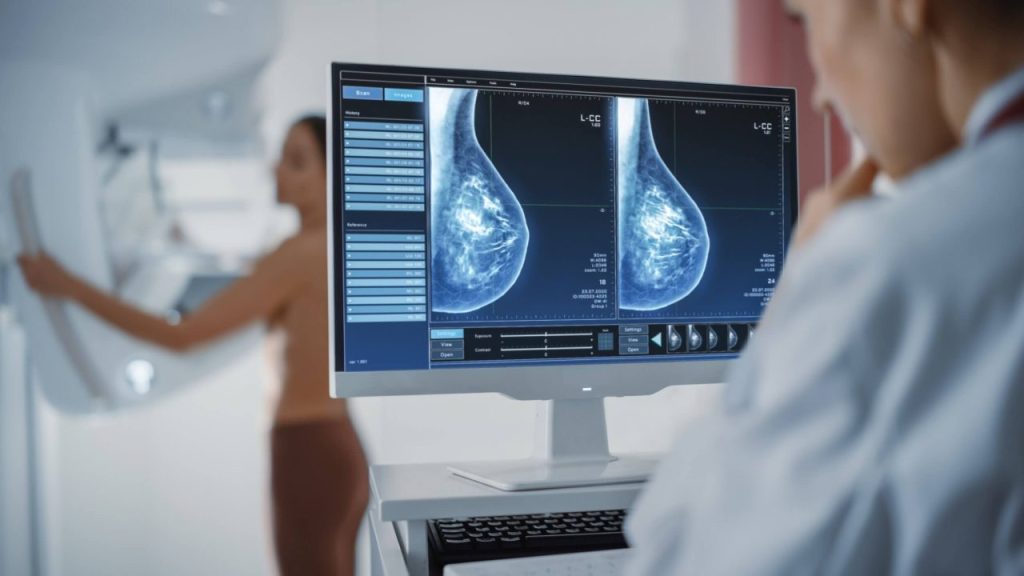
What Does My Abnormal Mammogram Result Mean?
Most women would find getting a mammogram uneventful with an estimated 10% of women needing further follow-up tests. Every eight out of 10 women reached out for follow-up tests found no presence of breast cancer. 1 In majority of the cases, the follow-up tests find normal healthy breast tissue or benign non-cancerous breast conditions.
According to Breast Screen Singapore (BSS), for every 1,000 Singaporean women who are screened for breast cancer, about 100 women are reached out for further assessment. Amongst this group of women, about 30 would be required to do a breast biopsy and about five to eight women would find that they have breast cancer.
Thus, if you receive an abnormal mammogram result, it is important for you to see a doctor who can recommend the next course of action required. The doctor may order additional imaging scans to better identify the abnormal findings. These scans can include one or more of the following:
Diagnostic Mammogram
This second mammogram will be more detailed and may take longer than the initial mammogram. If any of the X-ray images of your breast from the first mammogram are not clear enough, the technician will take more X- rays of specific areas of your breasts, especially the areas that are of particular concern. X-rays of specific breast areas will be taken with higher magnification or cone compression views for more detailed images to determine the presence of any breast cancer. A 3D mammogram may be done coupled with an ultrasound. Learn more about the benefits of a 3D mammogram.
Breast Ultrasound
The ultrasound of the breast works by picking up on the echoes produced by the high-frequency sound waves to generate an image of the tissues and the internal structures of the breasts on the computer. A breast ultrasound is a useful test for women with denser breasts.
During the breast ultrasound, the technician will apply a gel on your breasts and then place a small device called a transducer on it to create images of your breast tissues. This is a painless test and it does not expose you to radiation.
Magnetic Resonance Imaging (MRI)
A breast MRI takes detailed images of the tissues and the internal structures of the breast. It is recommended for women who have a high risk of breast cancer, for instance, with a family history of breast cancer or presence of a hereditary breast cancer genome.
After evaluating the results of these tests, your doctor will be able to advise you. Here are the three possible scenarios:
1. The abnormal finding was nothing to worry about. Your doctor may recommend you to return to your regular screening routine.
2. There is nothing to worry about. However, your doctor may advise you to repeat in four to six months’ time for a closer follow-up to monitor any potential changes in the breast tissues over that period of time.
3. Breast cancer is not ruled out. The breast specialist may recommend a breast biopsy.
Breast Biopsy
A breast biopsy is a procedure where a small sample of tissue from your breast is removed and examined for breast cancer cells. This can be done via fine-needle aspiration biopsy, core needle biopsy, stereotactic biopsy or surgical biopsy. After the procedure, the sample tissue will be sent to the pathologist for examination.
If the result returns negative or benign, no breast cancer is detected. Your breast specialist will advise you on when to have your next mammogram and whether you need any follow-up assessments.
If the result returns positive and breast cancer is detected, your breast specialist will discuss treatment options with you.
Received an abnormal mammogram result and not sure what is the right action to take next? Our breast specialists at Solis Breast Care and Surgery Centre will guide you every step of the way. Book an appointment with us now here.
Solis Breast Care and Surgery Centre is a one-stop assessment centre that focuses on breast care and health. Our services include screening, diagnosis, procedures, surgery and post-care. In collaboration with Luma Women’s Imaging Centre, we offer bespoke breast care and women’s imaging.
Solis Breast Care and Surgery Centre partners Luma Women’s Imaging Centre and offers 3D Mammograms as part of its breast screening services.
Article contributed and reviewed by Solis Breast Care and Surgery Centre and Luma Women’s Imaging Centre.

5 New Year’s Resolutions Every Woman Should Make
As the new year draws closer, let’s take some time to pen down some resolutions as we brace for a better year where we have control and power over our well-being. A woman wears multiple hats, and sometimes, amidst our busy schedules, self-care may be overlooked. Here are 5 resolutions we can make to take better care of ourselves.
1. Eat Healthily
Try to incorporate 5 portions of fruits and vegetables into your daily diet. Cut down on processed and fast foods, as some could be potential carcinogens of cancer. Always maintain a balanced diet and try not to overeat at parties. It is okay to have cheat days and to indulge once in a while. You deserve it.
2. Do Regular Exercise
Keep yourself physically active. The Health Promotion Board (HPB) recommends at least 30 minutes of physical activity per day or 150 minutes of physical activity every week. By lowering oestrogen and insulin levels, you are 25 per cent less likely to develop breast cancer. Not only that, regular physical activity also reduces the risk of premature death, the incidence of coronary heart disease, type 2 diabetes, depression, stroke, high blood pressure, and colon cancer by 20 to 50 per cent.
3. Spread Positivity
Every one of us will need an outlet to vent once in a while when things do not go as planned, or when someone says something that rubs us the wrong way. In the new year, let’s make a conscious effort to spread positivity through our actions and words. Positivity shines and is highly infectious! Before you are about to say something negative to someone, think about the person’s positive attributes and try to focus on them.
4. Do your Health Checks
It’s easy to fall into a routine where you go through your days doing the same things, but it’s important to check in with yourself and make sure everything is fine. It can be difficult to ensure that we are properly caring for our bodies, so why not schedule an appointment with a specialist? When you evaluate your own body, you can see what physical changes are taking place and how things are progressing.
If you discover something concerning, you should probably see a doctor for further examination. The earlier something amiss is detected, the better the outcome.
Getting a breast screening with a 3D Mammogram and Ultrasound provides you with greater clarity about your breast health.
If the result of your screening from a mammogram or an ultrasound scan detects abnormalities, your doctor may recommend you to do follow-up assessments such as a breast biopsy.
To learn more about what happens during a breast ultrasound and how to prepare for it, read here.
5. Taking Action Is the Key to Staying Healthy
If you find a lump in your breast, you may wonder if it is cancerous. If you want to be certain, see a doctor who may recommend a breast biopsy. Biopsies are tests that involve the removal of small samples of tissue to be tested for cancer. These samples are studied under a microscope by a pathologist.
There are several types of biopsy procedures that the breast surgeon would recommend based on a few considerations such as
the size and location of the suspicious area;
the number of suspicious areas, and
how suspicious it looks on the scan image.
Common methods for breast biopsy include a Fine Needle Aspiration (FNA), a Core Needle Biopsy (CNB) or a Vacuum Assisted Biopsy (VAB). These may be performed under image guidance such as mammograms or ultrasounds.
Article contributed and reviewed by Solis Breast Care and Surgery Centre and Luma Women’s Imaging Centre.

Hold On – Do I Really Need A Biopsy?
Mammograms are used to detect signs of breast cancer, which is the top cancer affecting women in Singapore. Here, most mammograms are conducted in 2D, where two X-ray pictures are taken of each breast from two different angles. Sometimes, these images show breast abnormalities, but they may not be clear enough to distinguish between breast cancer and benign tumours.
In cases like these, to confirm or dismiss the suspicion of breast cancer, doctors may recommend additional scans or conduct a biopsy, which is a procedure to extract a sample of breast tissue for testing.
There are several types of biopsy procedures which the breast surgeon would recommend based on a few considerations such as the size and location of the suspicious area; the number of suspicious areas, and how suspicious it looks on the scan image.
A core needle biopsy uses a larger gauge needle to collect samples about the size of a rice grain, while a vacuum assisted biopsy may be used to remove the abnormal area for assessment. Sometimes, a lymph node biopsy may be required if irregularities are found under the arms. For bigger breast masses, an open surgical biopsy may be required.
Most breast biopsies turn out to be benign, not cancerous.
Biopsy may not be required
A new technology called 3D mammography helps doctors capture multiple x-rays from different angles which are reconstructed by computer into digital images to create a 3D reconstruction of the breast. This provides clearer views of abnormalities within dense breast tissues. Greater clarity from a 3D mammogram reduces the number of false positives thereby decreasing the number of unnecessary biopsies.
Be in control of your health
It is important to see a doctor for further assessment if you received an abnormal mammogram report. It may not necessarily mean it is cancer. Gain clarity from a doctor on the next steps required to protect yourself against breast cancer.
Solis Breast Care & Surgery Centre works with Luma Women’s Imaging to provide holistic and integrated breast care services. To increase the accuracy of the breast scan, ultrasound scans as well as a new diagnostic tool called MastoCheck can be used to help identify early-stage breast cancer. With MastoCheck, a small amount of blood is extracted to test for protein biomarkers that typically signal the presence of the disease.
Solis Breast Care and Surgery Centre partners Luma Women’s Imaging Centre and offers 3D Mammograms as part of its breast screening services.
Article contributed and reviewed by Solis Breast Care and Surgery Centre and Luma Women’s Imaging Centre.
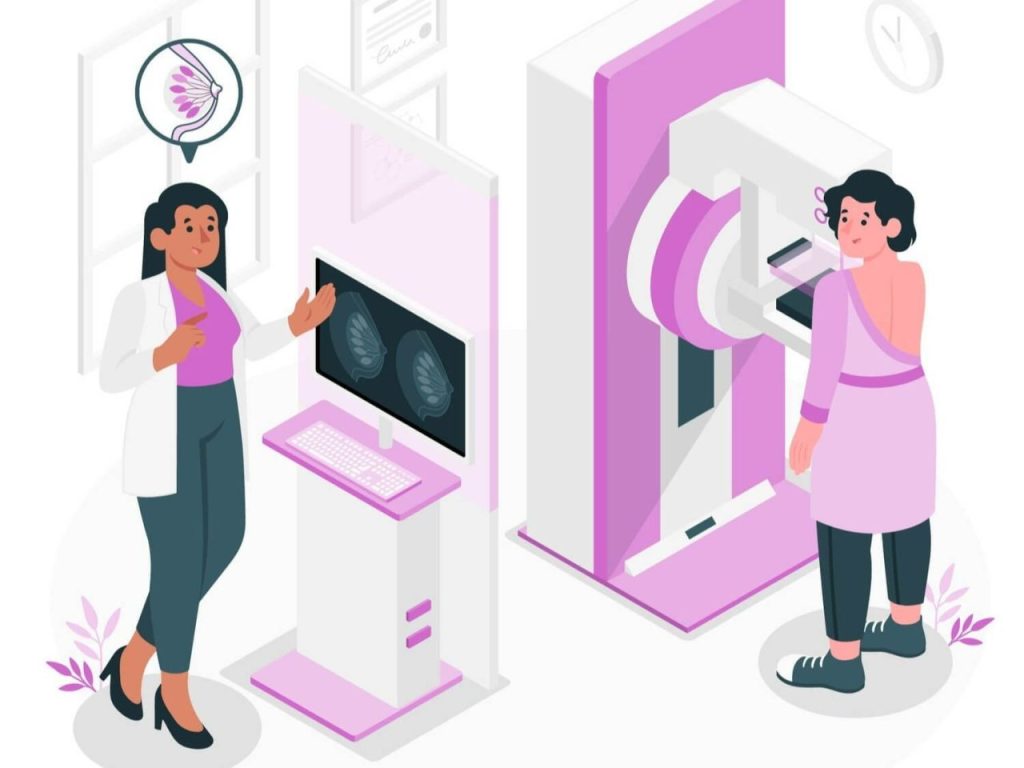
Protecting Yourself Against Breast Cancer
Breast cancer is one of the most common cancers among Singaporean women. More than 25 percent of all cancers diagnosed in women are breast cancers. According to the Singapore Cancer Registry Annual Report 2018, more than 2,000 women are diagnosed with breast cancer, and it accounts for an estimated 400 deaths each year. The chances of a Singaporean woman developing breast cancer in her lifetime is around 5 percent. Read on as we tell you what are the risk factors, signs and symptoms, early detection methods, the benefits of 3D mammograms and ways to prevent breast cancer. Let’s begin!
Risk Factors
Non-modifiable risk factors
Age – Risk of breast cancer increases with age. Majority of women diagnosed with breast cancer are above 40 years of age although there are instances where younger women do get breast cancer
Gender – Breast cancer also occurs in men, but they have a lower risk than women due to the female hormones’ oestrogen and progesterone. Men who do get diagnosed with breast cancer, most of the time only find out when it is at an advanced stage
Hereditary – The two genes that have been identified with breast cancer are BRCA1 and BRCA2. If you have inherited either of these abnormal genes, you are likely to develop breast cancer
Early menarche and late menopause – Early menstruation before the age of 12 and late menopause, after the age of 55, increases risk of breast cancer due to the prolonged hormonal exposure
Having first child after the age of 35
History of previous breast cancer
History of previous ovarian cancer
Modifiable risk factors
Overweight and obesity – This is caused by high calorie and fat intake, coupled with a sedentary lifestyle. It ultimately results in higher levels of oestrogen in the body
Excessive alcohol consumption
Smoking
Hormonal supplements – Oestrogen and progesterone supplements can increase risk of developing breast cancer. Post-menopausal women who use Hormone Replacement Therapy (HRT) increases their risk of breast cancer by 30%
Signs and Symptoms
Breast cancer is typically painless. When the cancer is first developing, you may not notice any symptoms. If you see any of these signs and symptoms, even if your recent mammogram showed normal findings, seek advice from a breast specialist immediately to get better clarity.
The signs and symptoms include:
● A lump or thickened skin in the breast
● A change in size or shape of the breast
● Changes to the skin over the breast such as red, dimpled or puckered skin
● Persistent rash around the nipple
● Blood discharges from the nipple
● Abnormal discharges from the nipple
● Retracted or inverted nipple (pulled inwards)
The Singapore Cancer Society states that around 8 out of 10 lumps in the breast are benign or non-cancerous. The severity of the breast lumps can be categorised based on a woman’s age.
Women 20 to 29 years of age – The breast lump is most of the time a fibroadenoma, non-cancerous in nature
Women 30 to 39 years of age – The breast lump is mostly fibroadenoma or fibrocystic disease, non-cancerous. The outer area of the breast feels hard and is painful to touch
Women aged 40 and above – Breast lumps in older women are mostly either breast cyst or breast cancer. The breast cyst is a fluid-filled lump which can be drained to remove the accumulated fluid
Early Detection
Self-examination
If you are a woman aged 20 and older, it is recommended for you to perform a self-examination of your breasts for any signs of breast cancer once a month
Raise your arms and as you lower them, press them firmly against your hips
Inspect your skin, nipples and breasts for any abnormal changes
Lie down and feel your breast and armpits for any lumps. Use the pads of your 3 middle fingers and move them in circular motions
Gently squeeze your nipples for any bleeding or abnormal discharges
You can do this when you are lying on the bed, in the shower or in front of a mirror.
● 3D Mammogram
A mammogram is an X-ray of the breast to detect breast cancer early.
If you are 40 years old and above, it is recommended for you to get a mammogram screening. It is the most reliable tool that is currently available to detect cancerous lumps before they can even be felt by hand.
If you are aged 40-49, an annual screening is recommended. If you are aged 50 and above, it is recommended for you to get screened once in every two years. It is not advised for women below the age of 40.
● Mammogram Ultrasound or Breast Ultrasound
A breast ultrasound is more accurate in women aged 45 and younger. This imaging method of diagnosing breast cancer uses high frequency sound waves to generate an image of the tissues and internal structures of the breasts to find cancerous lumps.
Consult your doctor on the benefits and limitations of going for a mammogram at this age.
Note: Age recommendations are only guidelines and may differ for those with a family history of breast cancer or those who have other risk factors. Supplementary ultrasound may be ordered to increase accuracy of screening.
Benefits of 3D Mammogram
Accurate detection – 3D mammogram provides an estimated 300 images to create a 3D inner structure of the breast tissues. This helps to detect tumors easily. Even in dense or thick breast tissue, 3D mammography provides many angles to detect any lumps. In the conventional 2D mammogram, the thick breast tissue can cause shadows and hide the tumors from view
Faster diagnosis of smaller cancers
Lesser tests and anxiety – Since 3D mammogram is efficient in diagnosing breast cancer, this means that patients undergo lesser tests and experience less anxiety
Safe and effective – Although getting a 3D mammogram exposes you a small amount of radiation, it has been determined that it imposes no additional risk. Researchers studying this radiation issue have found that the benefits of 3D mammograms outweigh far more than the risk associated with it.
Prevention
If you have a family history of breast cancer, it is recommended for you to start screening for breast cancer 10 years before the age, for example, your mother was when she was diagnosed with it
Stay physically active and exercise regularly to suppress the secretion of oestrogen and reduce risk of breast cancer. This is also effective for young girls below 11 years to delay the onset of menstruation and exposure to oestrogen hormone
Breastfeeding for more than a year helps to lower oestrogen levels in the body and reduce risk of breast cancer
Eat a healthy diet
Maintain a healthy weight
Avoid alcohol
Reference:
https://www.singaporecancersociety.org.sg/learn-about-cancer/types-of-cancer/breast-cancer.html#overview
https://www.singaporecancersociety.org.sg/get-screened/breast-cancer/mammogram.html#are-mammograms-painful
https://www.singhealth.com.sg/patient-care/conditions-treatments/breast-cancer
https://www.singhealth.com.sg/patient-care/conditions-treatments/breast-screening-self-exam-mammogram
https://www.healthhub.sg/a-z/diseases-and-conditions/20/breastcancer
https://www.ncis.com.sg/Cancer-Information/About-Cancer/Pages/Breast-Cancer.aspx
Article contributed and reviewed by Solis Breast Care and Surgery Centre and Luma Women’s Imaging Centre.
Detecting Breast Lumps Earlier with 3D Scans
Breast scans in 3D – New technology offers more accurate detection of breast cancer
Mammograms help women detect breast cancer early, often when a tumour is too tiny to feel. In Singapore, most standard mammograms are in 2D, where two X-ray pictures are taken of each breast from two different angles.
Now, new technology offers a three-dimensional view of each breast, allowing doctors to pinpoint problems more accurately.
3D mammography is an advanced form of breast screening where x-rays along a continuous arc are captured and reconstructed by computer into digital images. It is similar to CT scans in which a series of thin photographic ‘slices’ are assembled together to create a 3D reconstruction of the breast.
This new technology is expected to help in the earlier detection of breast tumours that may not be clear on conventional mammograms. This is because 3D imaging provides clearer slices abnormalities at different depths within the breast tissue which appear as overlapping structures on 2D imaging.
“Breasts are made up of milk ducts, glands and supportive breast tissue as well as fatty tissue. Dense breasts consist of more glandular tissue than fatty tissue,” explained Consultant Radiologist Dr Eugene Ong, Director of Luma Women’s Imaging Centre, “Dense tissue and tumours both appear white on a traditional mammogram. Tumours may be camouflaged when projected over the white background of overlapping glandular tissue and may not be detected on 2D imaging as a result. 3D mammography allows doctors to see through the dense areas. Many scientific papers show definite benefit in breast cancer detection over standard 2D mammograms.”
– Dr Eugene Ong
The screening process is also different. During a 2D mammogram, a technician will compress each breast between two transparent plates to spread out the breast tissue and make it as uniform as possible. Many women find the breast compression uncomfortable and even painful.
In a 3D screening, less pressure is needed. Patients who have experienced 2D mammography in the past now report less discomfort during 3D imaging. An imaging arm moves in an arc over the breast, continuously taking many x-rays from different angles.
Risks from the procedure are minimal. All mammograms emit radiation but the doses are very low and well within safety guidelines. Some of the newer 3D machines even use less radiation than the older 2D machines.
With breast cancer accounting for almost 30% of all female cancers in Singapore, the Health Promotion Board recommends that women over the age of 40 should schedule annual mammograms after consulting a doctor on the benefits and limitations of mammogram at this age. Women above 50 years old should have a mammogram once every two years. It is advisable for women with a family history of ovarian and breast cancer to consult a doctor to discuss their risk factors and earlier screening if required. Early detection and treatment of breast cancer provide better outcomes for beating the disease.
Other than going for breast imaging as part of a breast cancer screening program, new ways of screening for breast cancer are being developed. With the advancement of science, breast cancer can now be identified through a blood test, MastoCheck. It is a test that identifies specific proteins that indicate the probability of early breast cancer in the body. MastoCheck coupled with breast imaging increases the sensitivity and accuracy of early breast cancer detection.
Article contributed and reviewed by Solis Breast Care and Surgery Centre and Luma Women’s Imaging Centre.

Early Signs of Breast Cancer and When Should I Go For Breast Screening?
Knowing how your breasts normally look and feel is a vital part of your breast health. Therefore, it is important to keep a watchful eye and be aware of changes that could be early signs of breast cancer.
Breast cancer symptoms vary widely, from skin changes to lumps to even swelling, and many breast cancers have no obvious symptoms at all.
The key to survival is early diagnosis and treatment before the cancer has spread beyond the breast.
Dr Lee Wai Peng, our Senior Consultant and Breast Surgeon tells us what are the early signs of breast cancer and the recommended screening guidelines.
Download these infographic guides and share it with your girl friends or loved ones today!
Article contributed and reviewed by Dr Lee Wai Peng, Senior Consultant and Breast Surgeon at Solis Breast Care & Surgery Centre
#BreastTruths: Underarm Antiperspirant Causes Breast Cancer? | Dr Esther Chuwa & Dr Chan Ching Wan
What if we tell you that using antiperspirant will not cause breast cancer and having smaller breasts doesn’t mean you have lower chances of getting breast cancer? Watch #BreastTruths as our Senior Consultants and Breast Surgeons, Dr Esther Chuwa and Dr Chan Ching Wan debunk more breast myths to demystify your fear.
Breast cancer is detectable and curable in the early stages. Take care of your breast friends and do regular screenings today!
Myths Debunked:
Myth 1: If I don’t have a family history of breast cancer, I will not get it
Myth 2: Breast cancer always caused a lump that you can feel in your breasts
Myth 3: Using antiperspirant can cause breast cancer
Myth 4: Smaller breasts means having smaller or lesser risk of getting breast cancer
Video reviewed by Dr Esther Chuwa and Dr Chan Ching Wan, Senior Consultants and Breast Surgeons at Solis Breast Care & Surgery Centre.

Why You Should Prioritise Your Breast Health
Everyone has 24 hours in a day but most of us would say “there’s never enough time for me”. Life is busy as you are focused on your family, your career, and perhaps being a caregiver to your loved ones. It can be a real challenge to make self-care a priority as you work through your daily task list. Yet, it is important to spend time on yourself and focus on your health and wellbeing, including your breast health. There are so many reasons to make screening mammograms a part of your annual routine.
Good breast health awareness and annual screening mammograms can help detect breast cancer early on when it is the most treatable.
Read on to find out more from, Mrs C*, a 63-year-old homemaker on why she advocates and believes that it is essential to make breast health a priority at every age.
Q1. What makes you step forward to schedule for a mammogram?
I was given two choices as options by my breast specialist for my due mammogram date and I asked what is different and good with 3D mammogram compared to the one (i.e. 2D mammogram) I had been recommended all these years. My breast specialist told me it’s better and clearer, and thus strongly recommended.
So, I thought to myself, why not? Thus, I agreed to try it if my health matters a great deal to me.
Q2. Can you share with us your experience while going through your 3D mammogram scan?
I walked into the room ready for the procedure with some ‘drag’ as I remembered it was long, uncomfortable, and painful though bearable.
The sonographer assisting me was very professional, so it somehow psychologically put me at ease. I positioned and did what I was instructed by her and within 20 minutes, everything was done! I do not even feel the slightest stress, discomfort, and pain like all these previous years of mammogram done. It was done so fast without much fuss compared to my previous mammogram experience. I felt like the machine ‘mould’ to my comfort.
I remember once doing mammogram few years ago, the sonographer had some issues with the clarity of the results, so she was instructed to get me to do it a second time – with the dreadful thought of having my breasts being pulled, stretched and clamp again certainly was not my ideal morning to being with.
Q3. Based on your personal experience, what would you like to share with other women out there on the importance of breast care and breast check?
I believe breast cancer or cancer itself of any kind is an ongoing fear and battle for many in this world. Today, we are all very blessed with new and high technology to expand and help with various research, studies, and discoveries as treatment etc. But we women all need to do our part to do self-check at home, go for mammogram and ultrasound checks as advised by our doctors or healthcare.
I would say if we had to be ‘greedy, it’s better to be double ‘greedy’ for our health.
I used to do an ultrasound check once every six months for few years but now, I am feeling very assured by my doctor that all is good, and I do not need ultrasound every six months, but it is all still up to me if I would like to continue with this routine twice a year.
We have all heard of many cases where during a mammogram or ultrasound check, and no breast tumour or cancer was detected then cancer just suddenly hit and was detected in a late stage.
I believe continuous stress, anger, unforgiveness, resentments and all negative emotions or attitudes has much to do with some cases of sickness and illness. Science can only tell us so much.
We should always take charge of our own health, be in pink of health – and so to spend time fruitfully with our friends and family.
*Patient’s name has been changed
Article contributed and reviewed by patient Mrs C* and Solis Breast Care and Surgery Centre.
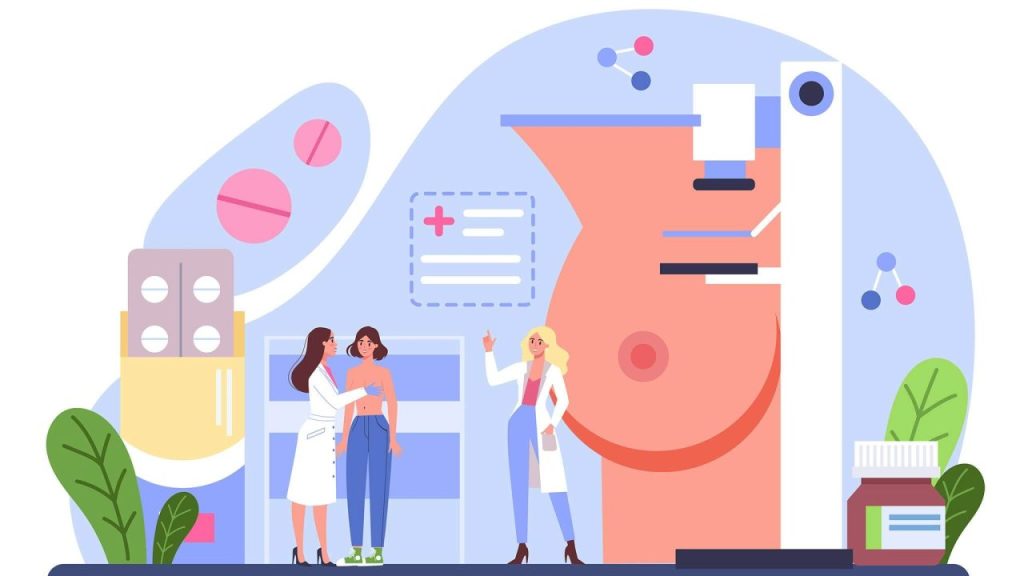
The Benefits of 3D Mammogram
Multiple studies have shown the benefits of a 3D mammogram. Coupling a 3D mammogram with an ultrasound provides comprehensive and thorough examination (especially for dense breasts) and increase the accuracy of screening.
Breast cancer is detectable and curable in the early stages. Take care of your breast friends and do regular screenings today.
1. Greater Clarity
3D mammogram takes multiple images from various angles to create a 3D picture as compared to a 2D mammogram. This makes it easier to identify lesions and increases precision in diagnosis.
2. Fewer False-Positives
With greater clarity and precision in 3D mammogram, there are fewer false alarms as compared to a 2D mammogram; hence reducing the call-back rate for a repeated test by 37%.¹
3. Breast Density
Dense breasts have relatively high amounts of glandular tissue and lower amounts of fatty breast tissue. This creates some detection issues for conventional 2D mammograms. With its greater clarity, a 3D mammogram improves cancer detection.
4. Less Pain, More Comfort
Unlike traditional 2D mammogram, our 3D machines use a flexible compression paddle. This allows the machine to gently fit the natural curve of the breast, allowing the pressure to be dispersed evenly. This means less pain and discomfort, without compromising on effectiveness and accuracy.
5. Improves Cancer Detection
3D mammogram has been proven to improve detection of breast cancer. Up to 30% of cancers are not detected by a 2D mammogram.
Download this infographic guide and share it with your girl friends or loved ones today!
References:
¹Endo. T. et al. (2014) Clinical Evaluation of Dual Mode Tomosynthesis. In: Fuita H., Hara T., Muramatsu C. (eds) Breast Imaging. IWDM 2014. Lecture Notes in Computer Science, vol 8539. Springer, Cham. https://doi.org/10.1007/978-3-319-07887-8_75
²Kolb TM, Lichy J, Newhouse JH. Comparison of the performance of screening mammography, physical examination, and breasts US and evaluation of factors that influence them; an analysis of 27,825 patient evaluations. Radiology. 2002;25(1):165-175. Doi: 10.1148/radiol.225101166
Article contributed and reviewed by Solis Breast Care and Surgery Centre.

Breast Care Nurses: Providing Hope and Light in Times of Need
With breast care nursing, it is a varied role which can range from breast care awareness for people without breast cancer, to assisting those with a breast cancer diagnosis, and helping patients going through surgery and therapy.
We talked to two of our nurses, Sister Kiranjit Kaur and Sister Eleanor Wong to find out more on how they have been going above and beyond to touch lives and transform care in each of their nursing role.
Nurses can be seen as serving on the frontlines of healthcare, they are the ones who spend more time with the patients with their round-the-clock presence and are often the first to notice when a patient’s condition has changed. As caregivers, nurses are responsible for attending to the various needs of patients, including giving medications, assessing different body systems, changing dressings, caring for wounds, providing education to patients, etc. From providing medical care, to tending to the administrative side of things, nurses are often the patient’s first point of contact when it comes to all of these. And because of the amount of time spent with patients, it is often inevitable that nurses also tend to end up performing more emotional labour.
Image Reference: Sister Kiranjit Kaur, Nurse Manager, Operating Theatre is ready to start her busy and fruitful day
Nevertheless, passionate nurses still choose to stand strong in their career decisions, promising to serve the best interests of their patients. One of Solis’s nurses, Sister Kiranjit Kaur, Nurse Manager of the Operating Theatre (OT) at Solis didn’t chose to be a nurse at the beginning of her career. She merely followed in her sister’s footsteps. Now, Sister Kiran doesn’t see herself as anything, but a nurse that choose to dedicate herself to the care of others.
With over 20 years of nursing experience, Sister Kiran shared one of the heart wrenching stories she remembered to date which happened during her student nursing days. It was a 20-years-old patient who was diagnosed with thalassemia major and the team have been looking after her for a month. When she reported to work one day, she was shocked to learn that the patient wasn’t with them anymore. The nurses then chose to perform the last office together signifying a remembrance for the patient.
Being a nurse requires one to have a lot of empathy to care for their patients, yet one also needs to maintain professionalism in order to provide patients with the best end-of-life care. Dealing with death is emotionally difficult, and nurses have to manage their own emotional well-being while also helping the patient’s family deal with the grief. Aside from that, nurses also play an important role in a clinic and/or hospital to ensure a smoother process for the doctors, be it during a patient’s consultation or in a surgical procedure. When a patient is discharged from a facility, there is often some type of care that needs to be done at home. It is the nurse’s responsibility to educate the patient and their family members on proper at-home care, diagnoses or medications. Education helps the patients understand what is happening, why it is happening, and what the patient needs to do in order to heal.
Image Reference: After a busy day, Sister Kiran settles down and checks on next day’s schedule to ensure that everything are well planned out for her team and the breast surgeons
As Sister Kiran says, “You know you’re a nurse when your friends and family start asking you about the medications they would have to be eating!”
Sister Kiran also spends most of her hours ensuring that everyone in the OT coordinates well as a team to provide a safe and conducive environment to the patient and surgeons.
When it comes to breast care, many women have a fear of having their breast health checked out or, if necessary, having to go through a breast surgery advised by their doctor. For Sister Kiran, she would share about her own experience doing a breast mammogram, and how it was a painless and easy process. She believes that early detection is always the best, and hence wants to encourage women not to be afraid of getting a breast health check.
Image Reference: Sister Eleanor Wong, Breast Care Nursing Lead shares that care and empathy are important traits of being a breast care nurse
For Sister Eleanor Wong (Breast Care Nursing Lead), she chose to become a breast post-care nurse after working in a surgical ward during her early career days. Although Sister Wong started as a dental assistant prior to taking up the stint in nursing, she eventually chose the line of becoming a nurse. Sister Wong doesn’t like sitting behind a desk and prefers to be ‘on the ball’ being a hands-on person. She took up a specialized training in oncology nursing, and then took an interest in helping patients diagnosed with breast cancer. As someone who provides post-care services to Solis’s post-treatment patients, she shows her concern and care in assisting them in whatever way she can, through educational information and even to emotional support.
For women who have a fear when they find out that they would have to wear post-op garments or mastectomy bra/wigs post-surgery, Sister Wong would let these breast cancer survivors understand the reason for them. She also encourages and empowers them to give themselves time to digest the knowledge and acceptance of the need.
Image Reference: Sr. Wong is ready to start her busy and fruitful day
Sister Wong’s message to the nurses and their patients is to “Be happy, love, laugh, and relax when you can. The happiest people don’t have the best of everything. They just make the best of everything they have.”
Nursing truly goes beyond just the medical assistance offered, there is also a lot of heart and care that goes into the job. As such, let us not forget to recognise and appreciate the hard work of our nurses this Nurses’ Day. At the same time, let us also not forget to get our breast health checked out for our own wellbeing. As Sister Kiran mentioned, early detection is always the best.
Here’s wishing all nurses a Happy Nurses Day – Thank you for dedicating your life to helping others!
Article contributed and reviewed by Solis Breast Care and Surgery Centre.

Healthy Breasts for Life and the ‘East-Meet-West’ Approach
It is important to detect any abnormalities early as breast cancers are the most common cancer among women, both in Singapore and worldwide. 1 in 13 women in Singapore will get breast cancer in their lifetime. It is also an integral part of women’s health and wellness to take special care of their breast health. Hence, having healthy breasts for life should be an essential commitment that women should pay attention to.
Dr Lim Siew Kuan, our Senior Consultant and Breast Surgeon sheds light on this quick-fire Q&A and tells us why women should take charge of their breast health.
Q: Is there a specific age group who falls under the “extremely important” to have regular check-ups done?
A: Women after the age of 40 should get their breasts checked as the incidence of breast cancer increases after that.
Q: Just like any other cancer, ‘breast cancer’ are two dreadful words. What are the chances of survival and are there any pre-care and prevention tips?
A: Though it is the most frequently diagnosed female cancer, the survival and cure rates are one of the highest amongst the cancers. There is an immense amount of ongoing research, and many recent advances in the field. Generally, more than 80% of breast cancers are curable, and the earlier the diagnosis is made, the higher the cure rates. From the age of 18, women should be breast aware and do regular breast self-examinations on the 7th – 10th day of the menstrual cycle. Women should consider and discuss with their doctor regarding starting mammogram screening from the age of 40. Women above the age of 50 should have mammogram screenings done twice a year.
Q: We would love to know how the amalgamation of western medicines and Traditional Chinese Medicine (TCM) practices like acupuncture help in breast care or breast cancer?
A: In the treatment of breast diseases and breast cancer, Western medicine is certainly still the standard of care. TCM is a useful complement in many ways. Acupuncture can alleviate perimenopausal symptoms which may result from breast cancer treatments, eg. nausea, insomnia, hot flashes, night sweats, as well as chemotherapy induced peripheral neuropathy.
TCM herbs can also be useful in helping patients maintain and/or regain their health and wellbeing. However, it is important to only go to registered TCM practitioners.
Q: There’s a huge mental trauma associated with breast cancer. Are there any ‘remedies’ to alleviate this emotional and physical challenge?
A: It is important to have social support from family, friends, and other breast cancer survivors. Patient and caregivers need to be educated in terms of knowledge about the disease and follow-up care so that they will become empowered to fight the cancer.
From the breast surgery perspective, we want to minimise psychological impact and trauma on the patient by optimizing cosmetic outcomes while removing the tumour. Using oncoplastic techniques, breast conservation rates are increased, even in cases of larger tumours. In the event that mastectomy is required, options of full breast reconstruction are available so that the patients find it easier to resume her previous active lifestyle.
Article contributed and reviewed by Dr Lim Siew Kuan, Senior Consultant and Breast Surgeon at Solis Breast Care & Surgery
Article also published on Rainbow Dairies: https://rainbowdiaries.com/2022/07/breast-care-faqs-with-dr-lim-siew-kuan-of-solis-breast-care-centre.html

Getting to Know Dr Lim Siew Kuan
Get up close with our breast specialists and hear more from them on their philosophy for patient care and interesting personal anecdotes.
“Doing a biopsy on a cancerous breast lump helps in diagnosis and planning of the subsequent treatment, and does not cause the cancer to spread. A biopsy also will not cause a benign lump to change into cancer. This is something important that I wish to address and help more women to understand, and that there is nothing to be fearful of if a biopsy procedure has been advised.”
Dr Lim Siew Kuan is one of our Senior Consultant and Breast Surgeons at Solis. She has a special interest in breast surgery and manages both benign and malignant breast conditions. Prior to joining Solis, Dr Lim was practicing at Mount Elizabeth Novena Specialist Centre, Singapore.
Dr Lim recently received her Graduate Diploma in Acupuncture in 2021 and became a registered acupuncturist with the Traditional Chinese Medicine Practitioners Board. Being schooled in the TCM theory and diagnostics, she is able to see both Western and Eastern perspectives in patient treatment and hopes to use acupuncture as a complement to improve the general well-being of her patients.
Q. Why did you choose to become a breast surgeon?
I like general surgery as a whole. However, breast surgery is a specialty that tugs my heartstrings and makes me feel having the connection with the women community. Majority of women still prefer to see a female breast specialist when they experience any breast health issues. As a woman myself, I can relate and understand a woman’s life better and they play many roles – they are a daughter, a wife and a mother. Modern women now have busy lifestyles and spend more time caring for their loved ones and even their extended family but often neglect their own health (e.g. breast health)
Q. Share with us a patient’s story that left a deep impression on you
Many patients have left deep impressions on me, each with their unique life stories.
But if I were to mention any, it would be a recent middle-aged lady who presented with locally advanced Stage 4 breast cancer. She had noted the breast tumour for several years, but was afraid to undergo treatment. By the time she came to me, she required ICU admission with ventilatory support, and was already in multi-organ failure. Yet, the tumour biopsy showed a breast cancer type that would have responded very well to treatment, had she come in earlier.
It is really sad to see such cases in Singapore. We are a medical hub, with all the advanced cancer treatments readily available in both our private and restructured hospitals. Most breast cancers are curable if detected early. I think more can be done to allay the fear and anxieties of these patients.
Q. What is ONE myth or message that you would like women to know about breast cancer?
Many patients have come up to me with this deep-rooted myth in mind. They have the misconception that doing a biopsy will cause a cancer to spread or cause a benign lump to become ‘more aggressive’ or cancerous.
Doing a biopsy on a cancerous breast lump helps in diagnosis and planning of the subsequent treatment and does not cause the cancer to spread. A biopsy also will not cause a benign lump to change into cancer. This is something important that I wish to address and help more women to understand, and that there is nothing to be fearful of if a biopsy procedure has been advised.
Q. What do you do during your free time?
Other than catching up on the latest developments on breast cancer, I will also take time to read up on TCM since I have a keen interest in this as the “Eastern” alternative medicine. Keeping an open mind has allowed me to see and understand the wisdom that lies in the Chinese culture. I take this reading as sort of a hobby now.
I practise Tai-ji outdoors during the weekend. It helps me relax and unwind my mind. I will also join my friends for golf whenever I need extra dose of fresh air.
Q. What do you think you would be doing if you didn’t become a breast surgeon?
I like working with my hands, so I guess it would still be something that allows me to use my hands skilfully. Who knows, I could otherwise have become a dentist or a potter!
Article contributed and reviewed by Dr Lim Siew Kuan, Senior Consultant and Breast Surgeon at Solis Breast Care & Surgery
#AskMeAnything: Biopsy Disturb Cancer Cells? | Debunk Breast Health Myths | Dr Tang Siau-Wei
Do needle biopsies disturb cancer cells and cause them to spread to other parts of the body? Uncover the truth behind this and other common breast health myths in the second episode of our #AskMeAnything series with Dr Tang Siau-Wei, our Senior Consultant and Breast Surgeon!
Myths Debunked:
Myth 1: My last mammogram was normal, so I don’t need another one
Myth 2: Needle biopsies disturb cancer cells and cause them to spread to other parts of the body
Myth 3: All breast cancers are treated pretty much the same way
Myth 4: There’s nothing I can do to prevent breast cancer
Video reviewed by Dr Tang Siau-Wei , Senior Consultant and Breast Surgeon at Solis Breast Care & Surgery Centre.

From Lumps to Breast Pain, What Should Women in Their 20s Do to Keep Their Breasts Healthy?
While younger women typically aren’t so concerned about breast cancer, they do often worry about painful or lumpy breasts, and sagging. CNA Women asks two doctors for their advice on what to do with these niggling breast issues.
Younger women, such as those in their 20s, are usually less concerned about getting breast cancer, and doctors agree that there is little to be alarmed about. Only 10 per cent of newly diagnosed breast cancer patients are below the age of 40, even though the disease is the most common form of cancer among Singapore women.
What can younger women do then, when it comes to their breast health?
Start by doing regular breast self-examination (BSE), which helps you understand your breasts better and figure out when to worry if you observe something new or different. For example, what does it mean when you feel a lump in your breast?
Lumps aside, women also frequently wonder: Why do my breasts suddenly hurt outside of my period? Should I be concerned if the texture of the skin suddenly looks different?
CNA Women spoke to Dr Lee Wai Peng and Dr Lim Siew Kuan, both senior consultants and breast surgeons from Solis Breast Care and Surgery Centre, about the different things a woman may observe in her breasts, how to tell when something is amiss, and what to do about it.
Breast Pain
Breast pain – a feeling of fullness and soreness over the upper and outer parts of the breasts – is usually associated with hormonal fluctuations during your period. It usually occurs before and during the start of the period.
But what if your breasts hurt outside of your period? Try fixing your posture, said Dr Lim, adding that among her patients, the most common cause of non-cyclical breast pain is musculoskeletal pain, which may be caused by slouching over one’s devices.
A muscle called the pectoralis major sits just behind the breasts. Dr Lim explained that when you slouch, this muscle can be strained and the pain can feel as if it is coming from the breast.
Both Dr Lee and Dr Lim also observed that stress can also cause hormone imbalances, akin to how it affects menstruation, leading to breast pain.
When should you seek help? It is uncommon for breast pain to be a symptom of early breast cancer, said Dr Lim.
However, she added that if the pain persists past menstruation or continues even after you’ve made a shift to a less stressful lifestyle, its likely cause could be a lump – breast lumps that are bigger in size may cause tenderness in the area.
Sometimes, removing the lump through surgery may be the optimal solution to ending the pain, said Dr Lim. In any case, you should visit a general practitioner to get persistent breast pain assessed.
Breast Lumps
The most important thing to know here: “Eighty per cent of breast lumps tend to be benign or non-cancerous, but breast lumps still warrant a check with the doctor to ascertain whether it is benign or malignant,” said Dr Lee.
“Malignant lumps tend to be more firm and less mobile, but it is difficult for a lay person to ascertain this,” Dr Lim added.
She also said that both benign and malignant lumps can happen anywhere that you have breast tissue, even at the armpits. When it comes to malignant lumps, there is no one position or size, so it can be hard to tell its severity just by feeling. They are also random in size, so even a small lump could be cancerous.
Dr Lee added that most breast cancer lumps have no pain.
Pro-tip from Dr Lim: You should also observe whether the lumpiness exists on both sides of the breast. If it does, it may just be the structure of your breasts. But if it is asymmetrical – it does not feel the same on the other side – it could be a sign that the lumpiness is not normal and you should seek medical advice.
“Hormonal levels change throughout the menstrual cycle, and this is the reason why women feel different degrees of lumpiness throughout the month”, said Dr Lim, who recommended that the best time to do breast self-checks is seven to 10 days after your menstruation, as any hormonal-related lumpiness would have subsided by then.
If the lump is persistently present past menstruation, she added, you should see a doctor about it.
A simple visit to a general practitioner can help assess the situation and get you a referral to a breast specialist, who can do a follow-up scan, such as a breast ultrasound, to assess the area. Ultrasounds can show detailed images of the breast tissue, revealing lumps or cysts.
Uneven Breast Shape
Breast development happens in stages, between the ages of 10 to 15. If the breasts remain uneven in shape past puberty, giving them a lopsided appearance, it is unlikely that they will even out naturally, said Dr Lee.
Will eating papaya or soy, or using over-the-counter bust creams help? These have no scientific basis for changing breast structure, Dr Lee said.
According to her, sometimes, poor habits such as slouching can cause one breast to look smaller than the other too.
Uneven Breast Size
Hormonal changes when you’re on your period can account for unevenness in breast size across the month. Said Dr Lee: “Pre-menses, they may feel like a bit of engorgement, a bit of distended breasts. But actually the volume is the same – it’s just the feeling of it being bigger.”
When should you worry about uneven breast size? Dr Lee suggested that if you’re past puberty and observe a sudden asymmetry in your breast, you may have a breast lump; in some cases, breast cancer can also cause the breasts to be asymmetrical.
In both instances, it’s best to visit a breast specialist who can evaluate and conduct imaging scans to confirm the condition.
Sagging Breasts
Sagging breasts are associated with several factors, including age, pregnancy, breastfeeding and massive weight loss, and are unlikely to indicate any signs of an underlying medical problem, said Dr Lim.
Menopause, between the ages of 45 and 50, is also a factor. Dr Lim explained that this stage of a woman’s life leads to a decrease in hormone levels – the breasts become less fibrous and sagging occurs.
Changes to the breast during breastfeeding also contribute to sagging. “To produce milk, the breast tissue is thicker and fuller, so the skin stretches to accommodate the larger breast volume. Once breastfeeding is over, the tissue decreases its volume and size, which could cause it to sag,” Dr Lim explained.
And what about bras? Dr Lee said that contrary to popular belief, bras – whether wired or non-wired, or even, not worn at all – play no role in changing the structure of your breasts, or preventing or hastening sagging.
“All bras out there are to provide comfort. It doesn’t actually prevent sagging because it’s a natural progression,” Dr Lee said.
However, if you have sagging breasts, she advised that wearing a bra can make your breasts feel more supported, reducing the feeling of being “dragged” or weighed down, particularly during rigorous activities such as running.
Here’s what to look out for when it comes to buying a well-fitted bra, the doctors advised:
The band should lie flat around the chest and the back.
The cup should allow the breast to sit comfortably, with the underwire not poking into the skin or your chest.
Bumps on Nipples
Spotted little skin-coloured bumps around the areola? These are natural oil glands known as Montgomery glands and everyone has them, although they may be more prominent in some women than others, said Dr Lim.
“Sometimes they may get infected and look like a pimple. They are usually benign but if it’s very painful or if there’s pus from the infection, then you have to see the doctor,” she added.
Nipple Size and Colour
Different women have different nipple size and colour, and these can change during periods of hormonal fluctuations, for example during puberty, pregnancy or if you’re breastfeeding.
Dr Lim said the changes are “usually bilateral and fairly symmetrical”, meaning that both nipples should exhibit the symptoms.
Nipple Discharge
There should be no nipple discharge for women who are not breastfeeding, Dr Lim said.
Dr Lee suggested that women look out for bloody nipple discharge, persistent ulcers around the nipple and discoloured patches. Although rare, these could be a manifestation of breast cancer that is situated near the nipple, she said.
Bloody nipple discharge can also be due to a small benign growth known as intraductal papilloma, she said. And apart from cancer, ulcers and discoloured patches could sometimes be due to poorly treated eczema.
As many similar symptoms run across both benign and malignant conditions, it’s difficult for a woman to make a self-diagnosis – the doctors recommend that women get a medical check-up once any abnormality is seen in the nipple.
Article reviewed by Dr Lee Wai Peng and Dr Lim Siew Kuan, Senior Consultants and Breast Surgeons at Solis Breast Care & Surgery Centre.
Article first published on Channel News Asia: https://cnalifestyle.channelnewsasia.com/women/young-women-breast-pain-lumps-sagging-nipple-discharge-315016
Taking Care of Your ‘Breast Friends’ from 20s to 50s
Breast cancer remains the most common cancer in women in Singapore and most developed countries in the world. In Singapore, the incidence peaks in women in their 40s to early 50s. The good news is that breast cancer is highly curable when detected in the early stages.
The best strategy for early detection of breast cancer is to have screening regularly.
Types of breast cancer screening include:
Breast self-examination: This should be conducted monthly, preferably when the period is over (for women who are pre-menopausal). Women should check themselves for lumps, skin changes such as redness/swelling/asymmetry/dimpling of skin, nipple discharge/rash/retraction
Clinical breast examination: Getting a healthcare professional such as a doctor or trained nurse to examine the breasts
Radiological examination:
Mammogram is the gold standard for breast cancer screening. Modern techniques such as 3D mammography improves detection rate and reduces discomfort.
Breast ultrasound is a very useful adjunct to mammographic screening. It is particularly useful in young women and women with dense breasts on mammography.
MRI of the breasts can be used in special circumstances. These include women who have a strong family history of breast cancer, personal high risk of breast cancer, and women with implants who prefer to avoid mammographic compression
Recommendations for screening according to age group
In your 20s: Breast self-examination monthly, clinical breast examination every 2 years
In your 30s: Breast self-examination monthly, clinical breast examination every year. Consider breast ultrasound if breasts are very lumpy and difficult to examine, or if the woman has a history of recurrent lumps
In your 40s: Breast self-examination monthly. Mammography screening yearly is recommended from age 40.
In your 50s: After menopause, mammography can be conducted 1-2 yearly depending on individual risk factors. Prior to menopause, mammography should continue yearly
Keeping yourself breast-healthy
While many cancers including breast cancer cannot be prevented, modifications to lifestyle may reduce one’s risk to some degree. American Society of Cancer recommends the following measures that can possibly help reduce a person’s risk of breast cancer.
Regular exercise of moderate intensity 30 minutes for at least 5 times a week, or 150 minutes per week.
Avoid sedentary lifestyle such as sitting, lying down for most of day
Avoid weight gain / obesity especially after menopause
Dietary modifications:
Calorie adjustments to avoid weight gain
Plenty of vegetables and fruits daily – those which are brightly coloured contained high levels of antioxidants which are beneficial
Reduce highly processed foods and refined grains
Limit intake of red meat and processed meats
Avoid sugar sweetened beverages which cause weight gain
Whole grains such as brown rice, wholemeal bread
Limit alcohol intake
Avoid tobacco smoke
The best strategy to combat breast cancer is to lead a healthy lifestyle and try to reduce stress in our daily lives as much as possible. This includes maintaining a positive outlook in life, getting adequate rest and sleep, which will in turn keep our immune system strong. Most importantly, please attend regular screening and it will make all the difference!
Article contributed and reviewed by Dr Tan Yah Yuen, Senior Consultant and Breast Surgeon at Solis Breast Care & Surgery
Article also published on PORTFOLIO: https://www.portfoliomagsg.com/article/journey-to-better-breast-health.html
Getting to Know Dr Chan Ching Wan
Get up close with our breast specialists and hear more from them on their philosophy for patient care and interesting personal anecdotes.
“Breast cancer is NOT painful. It is a lump that is painless most of the time. The number of times I have heard “I felt a lump, but it wasn’t painful so I didn’t think it was dangerous” Please come forward when you feel any lump, whether it is painful and especially if it isn’t painful.”
Dr Chan Ching Wan is our Senior Consultant and Breast Surgeon and has a special interest in the formation of cancer, and how it can be inhibited and treated. Dr Chan is also an Assistant Professor at Yong Loo Lin School of Medicine, NUS, since 2009.
Prior to joining Solis, she was the Cluster Sub-specialty Lead for Breast Services in Singapore’s National University Health System. Dr Chan was also the Tumour Programme Lead for Breast Oncology for National Cancer Institute Singapore.
Q. Why did you choose to become a breast surgeon?
I didn’t really choose to become a breast surgeon – it was almost as though I was guided to eventually take this path. Before I started my advanced training, I was offered the chance to take up a research degree (MSc, which then became a PhD) and the topic was on the growth of breast cancer cells. To cut a long story short, I enjoyed the research which piqued my interest in breast surgery. After I completed my surgical training, oncoplastic surgery was just starting to flourish and my head of service had a good friend who was at the forefront of this new surgical method. I was able to get a job to train with him, and the rest is history
Q. Share with us a patient’s story that left a deep impression on you
There are so many, and people don’t know that I can’t just mention one (laughs).
I remember the mum, and her husband, who had already used up their Medisave accounts to treat their sons’ chronic medical conditions, without avail only to find out that she now had breast cancer. Fortunately, we were able to save her.
Then there is the grandmother who was looking after her three young grandchildren and suffered from bilateral breast cancer. She survived both well, and her grandchildren are all grown up now and looking after her.
There was also this young lady who discovered she had breast cancer just before she got married. She delayed her marriage and underwent treatment, and things looked good for a while, but she relapsed and it started to spread. Just then, when we knew we were unlikely to win, her fiancé who had been with her all the way asked her to marry him, and she did. She passed on shortly after that. There are many more, but I will stop here.
Q. What is ONE myth or message that you would like women to know about breast cancer?
Breast cancer is NOT painful. It is a lump that is painless most of the time. The number of times I have heard “I felt a lump, but it wasn’t painful so I didn’t think it was dangerous”
Please come forward when you feel any lump, whether it is painful and especially if it isn’t painful. Like the common saying – early detection saves lives and have a breast screening done for a peace of mind.
Q. What do you do during your free time?
Whenever I have free time, I will try to keep myself in a relax mode – like “relaxing” my mind and try not to think about work. I will take this time to pick a book and read it, listen to music or watch my favourite TV shows.
Q. What do you think you will be doing if you didn’t become a breast surgeon?
I cannot imagine any other surgery that gives me quite so much satisfaction and is so challenging and yet rewarding to do. I may have considered plastic surgery, but I may have switched career tracks and become an anaesthetist too!
Article contributed and reviewed by Dr Chan Ching Wan, Senior Consultant and Breast Surgeon at Solis Breast Care & Surgery
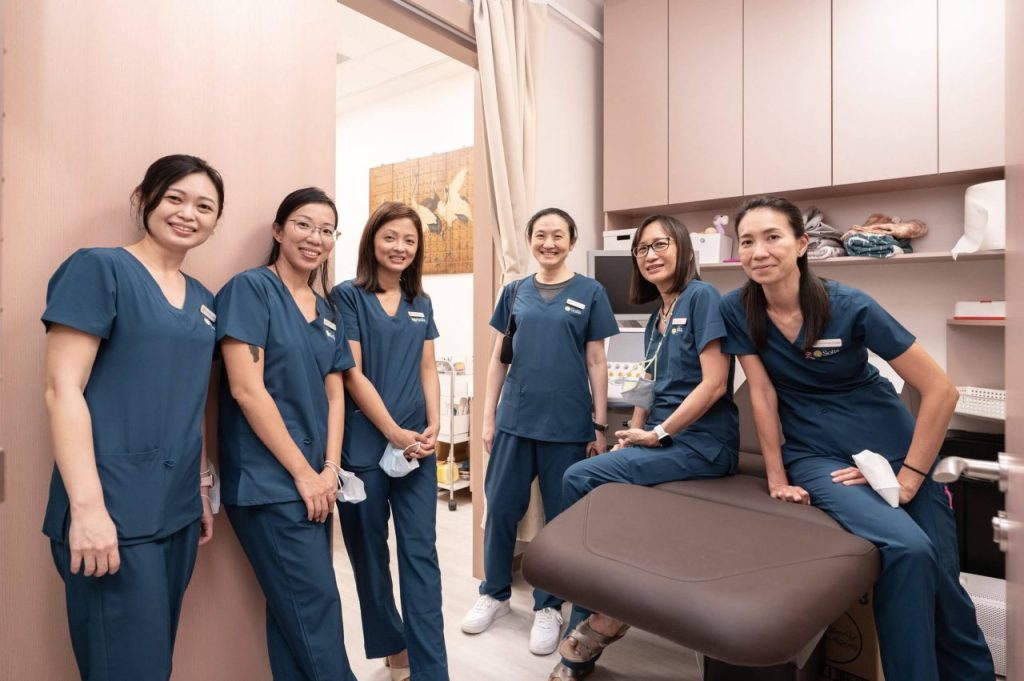
Solis and Luma: Stronger Together as A Source of Hope and Light
Image reference: Solis Breast Care and Surgery Centre’s leading breast surgeons. From left to right: Dr Lim Siew Kuan, Dr Tang Siau-Wei, Dr Lee Wai Peng, Dr Chan Ching Wang, Dr Joy Lee and Dr Esther Chuwa
As our team grows stronger together into the next half of 2022 and continues to provide breast care that every patient deserves, let’s find out what went on during our Media Experiential Day on 25 May!
Invited media and guests had first hand opportunity to find out essentially how Solis and Luma come together as a multidisciplinary approach, providing comprehensive and personalised care from consultation, diagnostics to treatments and after care for our patients.
Stay tuned for more updates on our upcoming events for the rest of 2022.
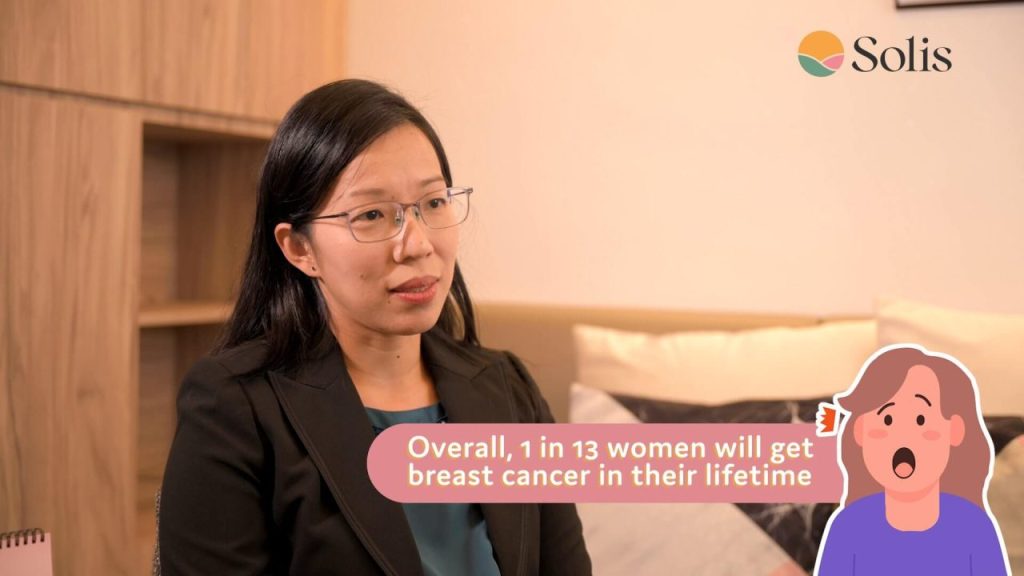
#AskMeAnything: Too Much Sugar Causes Breast Cancer? | Breast Health Myths Debunked
Having a breast lump means I have breast cancer? Breast cancer causes pain in the breast?
There is so much information about breast cancer that many of us may be misinformed. This can lead to unnecessary consequences such as fear or even seeking treatment too late.
Watch our very first #AskMeAnything video where Dr Tang Siau-Wei, Senior Consultant and Breast Surgeon debunked common myths about breast health and breast cancer.
Myths Debunked:
Myth 1: Having a breast lump means I have breast cancer
Myth 2: Breast cancer causes pain in the breast
Myth 3: The older a woman is, the lesser the chance of breast cancer
Myth 4: Consuming too much sugar causes breast cancer
Video reviewed by Dr Tang Siau-Wei, Senior Consultant and Breast Surgeon at Solis Breast Care & Surgery Centre.
Media Experiential Day and the Unveiling of The Art of Hope, A Silent Art Auction
Image reference: Solis Breast Care and Surgery Centre’s seven leading surgeons and Luma Women’s Imaging Centre’s leading radiologists. From left to right: Dr Tan Yah Yuen, Dr Lim Siew Kuan, Dr Lee Wai Peng, Dr Joy Lee, Dr Chan Ching Wan, Dr Esther Chuwa, Dr Tang Siau-Wei, Dr Henry Oscar and Dr Eugene Ong
Solis Breast Care and Surgery Centre (Solis) and Luma Women’s Imaging Centre (Luma) welcomed the media and invited guests on 25 May 2022 for a media experiential day – an exclusive opportunity to find out how Solis and Luma work hand-in-hand together and becoming an integrated breast centre in Singapore, bringing together breast surgeons and breast radiologists to provide personalised breast care that patients deserve.
Image Reference: Dr Tan Yah Yuen sharing about the inception of Solis and how all the surgeons decided to come together as one (Solis) team
Welcome speeches were shared by Dr Tan Yah Yuen, Medical Director, Senior Consultant and Breast Surgeon of Solis Breast Care and Surgery Centre and Dr Eugene Ong, Imaging Director, Consultant, Radiologist, and Co-founder of Luma Women’s Imaging Centre. The media also had an exclusive tour and were introduced to the facilities’ diagnostics equipment (i.e. 3D mammogram, ultrasound, MRI, Operating Theatre and more), to gain insights on how Solis and Luma strive to deliver professional expertise and experience for the patients.
In the pursuit to educate and raise more awareness on breast care and breast health, Solis unveiled The Art of Hope as part of its Corporate Social Responsibility (CSR) efforts.
Image Reference: Guests and media viewing the art pieces at Solis Paragon
The Art of Hope is a silent art auction where part of the sales proceeds raised will be donated to Humanitarian Organisation for Migration Economics (HOME) to offer complimentary consultation, diagnostics, and/or treatments to care for female foreign domestic workers. Miss Ruchita Chheda, representative and Senior Manager from HOME was also invited to share a few words about this meaningful partnership that the NGO is looking forward to helping its beneficiaries.
Image Reference: Media roundtable session exclusively led and moderated by Dr Esther Chuwa (standing)
The media experiential day concluded with a fruitful media roundtable session, exclusively led and moderated by Dr Esther Chuwa, Senior Consultant and Breast Surgeon of Solis Breast Care and Surgery Centre. Many took the opportunity to learn more about breast health care, how CAN-CARE our post-care partner help cancer patients and survivors cope with their lifestyle and emotional needs, and essentially how Solis and Luma come together as a multidisciplinary approach, providing comprehensive and personalised care from consultation, diagnostics to treatments and after care for the patients.
Stay tune for more post-event updates on our social media platforms and upcoming newsletter!
About The Art of Hope: A Silent Art Auction
The Art of Hope showcases a beautiful one-of-a-kind art exhibition for patients, caregivers, and the public. As the theme suggests, the art pieces seek to instil HOPE and bring forth the message that there is HOPE in the fight against breast cancer. Joining Solis on this meaningful initiative are local artists Christina Lau, Christine Lok, Gale Choong, Ieo Gek Ching, Jennifer Soon, and Zhang Kaini.
Artworks by the collaborating artists will be displayed in Solis Paragon from 25 May – 30 September 2022 on a rotational basis.
Interested bidders may check out the artworks physically in the clinic or on the silent art auction page.
Getting To Know Dr Tan Yah Yuen
Get up close with our breast specialists and hear more from them on their philosophy for patient care and interesting personal anecdotes.
“I enjoy doing my work because it is not static – we are always looking at new and better ways at treatment, doing less to achieve more, and ultimately improving patients’ outcomes and quality of life.”
Dr Tan is our Senior Consultant and Breast Surgeon practicing at Solis. She is a key opinion leader in her field and is actively involved in the training of breast surgeons in the region.
Q. Why did you choose to become a breast surgeon?
During my surgical training, I opted to sub-specialise in breast surgery because as a woman, I felt I was able to relate and empathize with the patients better. Breast cancer treatment also involves multiple disciplines, a lot of interaction and discussion with colleagues such as radiologists, medical oncologists, radiation oncologists, pathologists, genetic counsellors and more, and the science behind breast cancer is fascinating and constantly evolving. I enjoy it because it is not static, we are always looking at new and better ways at treatment, doing less to achieve more, and ultimately improving patients’ outcomes and quality of life.
Q. Share with us a patient’s story that left a deep impression on you
There are countless stories of my patients that have become unforgettable memories for me. A handful are sad stories – when the patient comes at a terminally ill stage due to fear of treatment at the beginning. But most memories are wonderful and encouraging stories of courage and faith in battling cancer, and of triumph year after year when they return for reviews in the pink of health and with a zest of life! These patients constantly inspire us to improve cancer care, from screening to diagnosis, to surgical techniques and multi-disciplinary care.
Q. What is ONE myth or message that you would like women to know about breast cancer?
Breast cancer is one of the most treatable cancers and many women continue to lead fulfilling lives after treatment, sometimes even better lives! The key is early diagnosis and treatment. Therefore, women who have worrying symptoms of breast cancer should not fear coming forward to seek treatment. Surgical outcomes are getting better all the time, including breast reconstruction. Chemotherapy is also often not required especially in early stages. Hence, it is important that women consult a doctor early and it may make all the difference!
Q. What do you do during your free time?
I enjoy the outdoors – currently my go-to weekend activity is hiking and my favourite place is MacRitchie Reservoir where I used to jog. I have tried my hands at table tennis, dragon boat racing, kayaking, diving, tennis and marathons during different phases of my life! Regular exercise is important because it reduces the risk of various cancers including breast cancer. When at home, I explore different cooking recipes especially desserts!
Q. What do you think you will be doing if you didn’t become a breast surgeon?
My first ambition as a young child was to be a fireman (or firewoman)! This was after watching a thrilling movie where the fireman saved many people stranded in a burning skyscraper. When I grew older, I realized that I enjoy working with my hands, so if I didn’t become a doctor I would probably try something like woodwork or metal work, although I am not sure if I am artistic enough!
Article contributed and reviewed by Dr Tan Yah Yuen, Senior Consultant and Breast Surgeon at Solis Breast Care & Surgery

Management of Mastitis
Mastitis is an inflammation of the breast tissue that causes swelling and pain in the breasts due to bacteria entering through the crack on the skin surface around it. Occasionally, breast cancer may also appear to resemble mastitis and it is advisable to see a doctor if the symptoms do not resolve with appropriate treatment. Dr Lee Wai Peng, our Senior Consultant and Breast Surgeon sheds light on the causes and treatment of mastitis.
What is Mastitis?
Mastitis refers to the inflammation of the breast tissue, most often caused by an infection.
What causes mastitis?
Lactating women are at risk of developing mastitis. Milk that is retained in the breast is the main cause for mastitis in lactating women. Bacteria from the skin surface of the breast or from the baby mouth may enter the milk duct through a crack in the skin of the nipple or through an opening in the milk duct, giving rise to infection.
Who are at risk of developing mastitis?
Women who are breastfeeding are at risk of developing mastitis. Engorgement and incomplete breast emptying can contribute to the problem and make the symptoms worse. It can happen anytime during lactation, but it is more common in the first three months of lactation. Up to 10% of breastfeeding women may be affected.
Less commonly, women who have poorly controlled diabetes mellitus or are immunocompromised may be at risk of developing mastitis.
In some women, the underlying cause may be unknown. This condition is called idiopathic granulomatous mastitis (IGM). In severe cases of IGM, steroid therapy may be advised if an infection has been excluded.
What are the symptoms of mastitis?
The inflammation causes pain, swelling, warmth, and redness. You may even develop fever and/or chills.
Occasionally, breast cancer may appear to resemble mastitis. Please do see a doctor if your symptoms do not resolve with appropriate treatment.
Can mastitis resolve on its own?
Mastitis may sometimes resolve on its own especially if it is mild. However, a short course of antibiotic treatment is warranted in most instances.
Breast abscess, which is a serious complication of mastitis, may develop. Apart from antibiotics, a surgical drainage procedure may be necessary to treat this condition.
When do I need to consult a doctor?
It is advisable to consult a doctor if you have any of the symptoms and to start treatment early. Treatment comprises pain killers (some of which might be anti-inflammatory) and a short course of antibiotics. If you are lactating, please be reassured that you can continue to breastfeed.
Mastitis does not increase your risk of developing breast cancer but inflammatory breast cancer may occasionally resemble mastitis. Please do see your doctor if your symptoms do not resolve with appropriate treatment.
Apart from taking medications, are there any home remedies or/ lifestyle modification that one can consider?
If you are lactating, please do ensure that you empty your breast at regular intervals. Your breast milk supply may drop during this period of infection but it should increase again once you recover. Applying warm moist compress over your breast regularly or ice pack after breastfeeding may help to improve your symptoms. You may feel tired due to the infection and may have to rest more during this time. A supportive bra (such as a sports bra) may also help to alleviate the discomfort that you are feeling.
Article contributed and reviewed by Dr Lee Wai Peng, Senior Consultant and Breast Surgeon at Solis Breast Care & Surgery Centre.

Getting to Know Dr Lee Wai Peng
Get up close with our breast specialists and hear more from them on their philosophy for patient care and interesting personal anecdotes.
“As a woman playing multiple roles in my life (whether a daughter, a sister, a wife or a mother), I feel that I can better understand and relate, and give them (patients) sound and professional advice.”
Dr Lee Wai Peng is a Senior Consultant and Breast Surgeon and she specialises in treating benign and malignant breast conditions. Prior to joining Solis, she was a Senior Consultant and an Adjunct Assistant Professor at Changi General Hospital (CGH), a position she grew into following the completion of her advanced specialty training in general surgery in 2014. She strives to provide holistic and individualised care with a personal touch for ladies with breast conditions and is a strong advocate for encompassing cosmesis with surgical therapy.
Q. Why did you choose to become a breast surgeon?
My interest in surgery first started when I was in my teens and I had been watching dramas (imagine ER and other local or Hong Kong TVB dramas) of surgeons operating and patients getting better immediately after. This fascination continued during my medical student and internship days where I could see how surgery healed patients, and the immense gratitude that the patients have for their doctors.
Being a woman, I feel that I could relate so much better with other women who were facing breast health issues, and hence, I decided to choose breast surgery. Patients’ symptoms and the reason to seek help and even their choice of treatment are greatly influenced by the people around them – it also depends on the stage of life they are at and problems that they might be facing at that time. As a woman playing multiple roles in my life (whether a daughter, a sister, a wife or a mother), I feel that I can better understand and relate, and give them sound and professional advice.
Q. Share with us a patient’s story that left a deep impression on you
I had a patient who came to me with a breast lump found in one of her breasts which eventually turned out to be breast cancer after further evaluation. During our consultation, she was extremely depressed and was facing many issues at home. She had to support her children, her husband had passed away from a heart attack, and she was estranged from her own family (i.e. her mother and siblings) during such difficult times. She almost didn’t want to have any treatment for her cancer. With encouragement from myself and my team of nurses, she came forward to seek treatment. We even managed to get her family to rally and support her during her treatment period and helped her to take care of her children. Their relationship improved eventually and they have been eternally grateful to us. They called it “blessing in disguise”.
Q. What is ONE myth or message that you would like women to know about breast cancer?
Breast cancer can happen to anyone and any woman. Every woman has a chance of developing breast cancer. You don’t have to be a smoker, drinker or leading an unhealthy lifestyle to get breast cancer. No family history does not mean that there is no chance of getting breast cancer.
Q. What do you do during your free time?
I used to love to do outdoor sports such as running and cycling. I also took up yoga. Travel has always been something I look forward to, especially for that mental break from work. However, with covid (pandemic turning to endemic), I have learnt to treasure my loved ones and now I look forward to spending my time with them. I recently found the interest to do more research work on breast cancer and have been spending quite a bit of time on it.
Q. What do you think you will be doing if you didn’t become a breast surgeon?
If I hadn’t been a breast surgeon, I think I would want to be an educator and work with pre-schoolers. After having two kids of my own, I have seen how innocent their minds can be and how much the world can amaze and “wow” them.
Article contributed and reviewed by Dr Lee Wai Peng, Senior Consultant and Breast Surgeon at Solis Breast Care & Surgery

No Correct Answer About Whether To Remove Breasts Because Of Cancer
For women, this can be the most difficult decision in their cancer journey since femininity and a fundamental sense of identity are tied up in it, says a breast cancer surgeon.
“Will I need to remove my breast?”
As a breast cancer surgeon, I get asked this question all the time.
The diagnosis of breast cancer evokes anxiety in women, not just because it is a cancer, but also because of the possibility of surgical removal of the breast. Breast cancer is the most common cancer among women in Singapore with more than 2,000 women are newly diagnosed every year.
Other than surgery, breast cancer may also require additional treatments such as chemotherapy and endocrine therapy, both of which can result in short- and long-term changes in a woman’s life.
Research has shown that the psychosocial impact of breast cancer occurs not just at diagnosis, but also during treatment and survivorship. Women may experience distress associated with fatigue, mood, sexual and reproductive issues, self-image, spiritual challenges, relationships with others and fears of recurrence.
Yet in clinical practice, how a woman copes with a breast cancer diagnosis may vary widely, depending on her age, family situation, attitude, and life priorities.
WIFE, MOTHER, WOMAN
*Anna was diagnosed with breast cancer five years ago at 41. She could have opted for a smaller surgery to keep the breast. Instead, she chose to have her breast removed.
She also nonchalantly declined breast reconstruction to minimise surgery time and complications.
She told me: “My mother had breast cancer too and I watched her suffer through the treatment. I want to come out of this better and stronger than she did.”
Her priority was no-fuss surgery, swift recovery and quickly moving on to chemotherapy and radiotherapy, minimising long-term relapse risk.
Then there is *Celine who was 77 years old when a breast biopsy confirmed cancer. As the changes were extensive, she required a mastectomy. Despite the risks at her age, she insisted on breast reconstruction.
“Doctor, I won’t feel complete without the breast. Please arrange for me to have reconstruction,” she told me. Fortunately, she was found to be surgically fit for her age and she successfully underwent mastectomy and implant reconstruction.
These two cases show there is no one size fits all approach. Women play many roles in life – as a wife, a mother and a daughter. These roles strongly influence their attitudes towards breast cancer treatment.
Some mothers of young children are driven to treat the breast cancer aggressively, to survive the cancer so they may continue their parenting role. Others fear the treatment will take them away from the family and in contrast may choose less intensive options.
Some opt to relegate their caregiver role completely to other family members. Older women may decline treatment so avoid being a burden to their families.
A SYMBOL OF FEMININITY
The anatomical function of the breast is for lactation, allowing mothers to nurse their babies. Beyond this, the breast also symbolises femininity and is a major part of constituting a woman’s body image.
This is why removal of the breast has a deep impact on a woman’s body image, taking a physical and psychological toll on patients. Ironically, reconstruction may not ease these feelings.
Studies in the early 2000s showed younger women receiving mastectomy and reconstruction for breast cancer reported a more negative body image than those receiving breast conserving surgery, immediately following treatment, but this improved with longer duration from treatment.
Other than surgery, other cancer treatments may also impact body image. Chemotherapy and endocrine treatment often result in hair loss, weight gain and the abrupt onset of menopausal symptoms such as hot flushes, vaginal dryness, decreased libido and reduced sexual functioning.
These changes may cause psychological distress in both the breast cancer patient as well as her partner, potentially impacting on the emotional support that is critical in relationships.
RECONSTRUCTION SURGERY
Breast reconstruction plays a major role in contributing to the acceptance of mastectomy by women diagnosed with breast cancer.
Immediate breast reconstruction is when the reconstruction surgery is performed at the same sitting as the mastectomy, hence the patient wakes up from surgery with minimal perception of losing the breast.
This can be done using breast implants or autologous tissue from the patient’s own body tissue such as tissue from the tummy, thigh or back.
In our Asian culture, women generally favour autologous tissue reconstruction over implant reconstruction, although other factors such as the patient’s physical make up may also come into play.
Breast reconstruction is not without its risks, as the surgery will be longer and often more complex and with slightly higher risk of surgical complications.
However, with proper patient selection and balance of risks and benefits, mastectomy with immediate breast reconstruction has been found to have fairly high levels of satisfaction in quality-of-life scores in the long term.
THE ANGELINA JOLIE EFFECT
I first met *Joan six months ago. She is 42 with a daughter in her early teens who is very attached to her. When she was diagnosed, she was adamant at removing both breasts even though the cancer was only confirmed on one side.
In her own quiet but determined manner she told me: “I want to do everything to reduce my risk in the long run. I want to make sure I will always be there for my daughter.”
In the last 20 years of clinical practice, I have witnessed a paradigm shift in women’s attitudes towards mastectomy. Conventionally, the breast is preserved whenever possible, especially if the cancer is localised.
In recent years, more women are open to undergoing mastectomy even when breast conservation can be safely undertaken. I believe one of the most important reasons is due to the Angelina Jolie effect.
Angelina Jolie was a well-known actress and celebrity, who in 2013 pronounced to the world that she had undergone bilateral mastectomy with implant reconstruction after discovering she possessed a BRCA gene mutation, which placed her at an inordinately high lifetime risk of breast cancer.
It accelerated a movement in the USA where women made proactive decisions to be in control of their own destiny. In the last decade, there has been an increasing trend in women opting for bilateral mastectomy when the cancer is confined to only one breast.
Reasons cited include fear of cancer recurrence, family history of cancer, stress surrounding follow up and improved breast reconstruction outcomes. Ironically, it has been suggested that in these women, bilateral mastectomy may even have psychological benefits.
*Joan eventually did go ahead with bilateral mastectomy and reconstruction. Further laboratory testing subsequently discovered cancer in the other breast as well, which likely would have manifested some years later.
So choosing bilateral mastectomy was the right choice for her and her family.
For most women however, mastectomy can be a difficult decision as it still invokes an image of disfigurement and loss of femininity, despite significant advances in breast reconstruction techniques.
Efforts in multi-disciplinary breast cancer care continue to focus on the psycho-social needs of this group of women.
As a surgeon I hope every woman diagnosed with breast cancer will have access to adequate information and support in making the best decision for themselves, whether it is a mastectomy or breast conservation.
We can’t make breast cancer go away, but we can make the treatment more acceptable and we can empower women to make the best choices suited to them.
*Pseudonyms were used in this commentary.
Article contributed and reviewed by Dr Tan Yah Yuen, Senior Consultant and Breast Surgeon at Solis Breast Care & Surgery Centre.
Article first published on Channel News Asia: https://www.channelnewsasia.com/commentary/breast-cancer-women-health-breast-removal-reconstruction-2405711
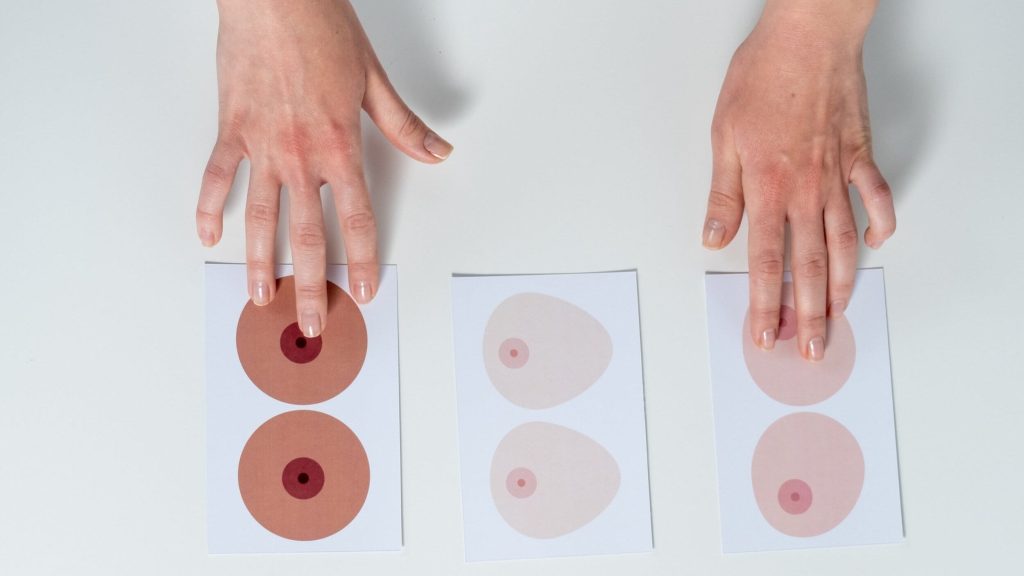
What Do Dense Breasts Have to Do with Breast Cancer?
Upon learning that breast density is linked to an increased risk of breast cancer, many women will be quick to check by touch or appearance if their breasts are dense. Unfortunately, breast density can only be confirmed with an imaging examination. Dr Lim Siew Kuan, our Senior Consultant and Breast Surgeon, shares more about some of the characteristics of dense breasts and how they relate to breast cancer.
What are the Characteristics of Dense Breasts?
A breast contains varying amounts of fibrous, glandular and fatty tissue. To be considered dense, a breast should have less fat and more glandular and fibrous tissue than is expected.
It is also worth noting that dense breasts are more commonly found in young women (premenopausal) as well as older women (postmenopausal) taking hormone therapy to address symptoms of menopause.
The four main categories of breast density include:
Category A: Breast is composed almost entirely of fatty tissue
Category B: Breast has scattered areas of fibroglandular density
Category C: Breast has a mix of fibroglandular and fatty tissue, also known as heterogeneous density
Category D: Breast has extremely dense tissue with little to no fat
Understanding the Link Between Breast Density and Breast Cancer
To this day, the reason for why dense breasts increase the risk of breast cancer is undetermined. However, certain metrics reveal why breast density is cause for concern.
For some context: Oral contraceptives increase breast cancer risks for women 40 – 49 years old by 1.3 times. Heterogeneously dense breasts increase the risk by 1.2 times. Extremely dense breasts increase the risk by 2.1 times. And having a first-degree relative diagnosed with breast cancer before the age of 40 increases the risk by 3.0 times.
Taken as a whole, breast density is a risk factor, but it is certainly not the biggest.A family history of breast cancer, a previous personal history of breast cancer or high-risk breast lesions, as well as hereditary mutations in the Breast Cancer (BRCA) genes are more important risk factors than breast density.
Challenges in Mammogram Diagnosis
Dense breasts pose a significant challenge when looking for traces of cancer. On a mammogram, dense tissue is presented as a white area, but so too is breast cancer.
The challenge for doctors exists in interpreting the mammogram, as cancer may be hidden under the guise of dense breast tissue.
Nonetheless, mammograms are still the ideal choice for women with dense breasts; anecdotal evidence reveals that mammograms are more accurate than other diagnostic tests and can detect most types of breast cancer.
Alternative Diagnostics
A combination of mammography and breast ultrasound is frequently used to increase the detection of breast cancer for women with dense breasts. The addition of ultrasound allows the visualisation of small breast lesions, which may be obscured by dense tissue on mammograms.
Digital breast tomosynthesis (3D mammogram) is now widely available and is preferable to 2D mammography in screening women with dense breasts. It gives improved sensitivity for cancer detection, while decreasing the false-positive rates.
Breast Magnetic Resonance Image (MRI) has also emerged as another excellent imaging modality, and may be used for further assessment when both mammography and ultrasound are non-conclusive. The benefit of using MRI is that, unlike mammograms, dense breast tissue does not affect imaging results. However, the downside is an increased likelihood of false positives.
Due to its high sensitivity, MRI screening is also recommended in women with a high lifetime risk of developing breast cancer.
Recommendations
If tests conclude you have dense breasts, try not to worry too much, a discussion with a breast specialist will reveal what options are available to you based on your medical history and any other relevant factors.
Yearly mammogram screening is advised, but for a more conclusive result, an ultrasound, breast MRI or even genetic testing may be recommended by your doctor.
If you have discovered some signs and symptoms of concern, schedule an appointment with our breast specialists for medical advice on what are the best steps to take.
Article contributed and reviewed by Dr Lim Siew Kuan, Senior Consultant and Breast Surgeon at Solis Breast Care and Surgery Centre.

Restoring Confidence Through Breast Reconstruction
Depending on the degree to which breast cancer has developed, a mastectomy (breast removal surgery) may be necessary to remove all traces of breast cancer. The result, however, is one many women would prefer to avoid. Dr Chan Ching Wan, our Senior Consultant and Breast Surgeon shares how breast reconstruction can help restore the cosmetic appearance of the breast and elaborates on the types of breast reconstruction and what to expect in the short and long term.
Breast reconstruction surgery entails the use of tissue flaps taken from other parts of the body, such as the tummy and thighs, or the use of breast implants to restore the symmetry of the breasts.
Generally, patients who have had a significant amount of tissue removed during breast surgery, are prime candidates for breast reconstruction.
The best cosmetic results are achieved when breast reconstruction is conducted in the same sitting as cancer surgery. When done together with the cancer surgery, much, if not all, of the breast skin, including the nipple-areolar complex can be preserved, which enhances the appearance of the reconstructed breast.
Immediate breast reconstruction is usually possible, however there are certain situations when it is not advisable and then a delayed procedure would have to be planned.
Some patients do require radiotherapy which may cause the reconstructed breast to either lose volume, change colour, texture or appearance. If reconstruction needs to be delayed, it can still be scheduled months to years later.
Types of Breast Reconstruction
Modern advancements have spawned a variety of breast reconstruction techniques. The type employed will depend on personal preferences, the amount of breast tissue removed, and the shape and size of the breast.
There are two main techniques used to reconstruct the breast: implant reconstruction and autologous or ‘flap’ reconstruction.
Implant reconstruction involves the use of a breast implant filled with saline, silicon gel or a combination of the two inserted in the breast.
Meanwhile, flap reconstructions involve the use of tissue taken from other parts of the body, such as the belly or thigh, to create a new breast.
It’s also worth noting that in certain situations, implant and flap reconstruction are used together.
Additionally, with both techniques, it is possible to reconstruct the nipple, especially in situations where immediate reconstruction is not an option. Nipple sparing mastectomy, where the nipple and the skin surrounding it is preserved, is performed only if there is immediate reconstruction.
Depending on your condition, your breast specialist will provide you with all the information necessary to make the best decision.
Breast Reconstruction Risks
As with any surgery, breast reconstruction comes with certain risks. Infection may set in from having a foreign body (implants) introduced into the body. This can be treated with antibiotics; however, if the infection increases in severity, the implant may need to be removed.
Furthermore, there’s always a risk (very small) of implants leaking or causing the surrounding tissues to harden (scarring also known as capsular contracture), making the reconstructed breast hard and/or lumpy to the touch.
Stiffness and tightness around the chest and shoulder is common but can be addressed with early ambulation and physiotherapy.
When reconstruction is done using a flap, the blood supply may sometimes not be sufficient to keep the flap alive resulting in flap failure. A re-operation may be necessary to replace the flap with another flap or implant. Fortunately, this does not happen very often at all.
Oncoplastic Surgery
Oncoplastic surgery differs slightly from breast reconstruction, in that plastic surgical techniques are used to restore the shape of the breast after a lumpectomy (partial breast removal).
The removal of the cancer and the restoration of the breast shape is done in one operation. Occasionally, the unaffected breast will be surgically altered to be more uniform with recently treated breast.
How Reconstructed Breasts Evolve with Time and Age
Most implants can be used for 10 – 15 years before needing replacement. The general shape of the breasts will not change and evolve with time or with weight gain and weight loss as natural breasts would. In addition, there’s always a risk that implants will leak or rupture.
Breasts reconstructed with autologous flaps, however, can change with weight loss, weight gain and ageing, and hence are the better option for longevity.
Road to Recovery
For several days after breast reconstruction surgery, you will experience some soreness and fatigue. You should expect 5 – 7 days in hospital recovering.
In the next 6 – 8 weeks, sports and other similar intensive activities should be avoided. Generally, most patients will resume normal activity after 2 – 3 months.
Bruising and swelling will take up to 8 weeks to go away, and the reconstructed breast will look and feel different from a normal breast. It will feel numb, but that feeling will gradually improve over time (this may take a few years). However, there will always be some loss of sensation for all patients.
Depression and anxiety may happen during recovery. It helps to seek support from your doctor, friends and family, as well as support groups.
It will take 1 – 2 years for the scars to fade and tissues to heal. But fade they will – although not completely – and in time, survivors can and will feel normal and whole again.
With modern surgical techniques, the benefits of plastic surgery can alleviate the negative impact of a mastectomy. Reach out to us to learn what options exist for your present needs, our breast specialists stand ready to be there with you each step of the way.
Article contributed and reviewed by Dr Chan Ching Wan, Senior Consultant and Breast Surgeon at Solis Breast Care & Surgery

Getting To Know Dr Tang Siau-Wei
Get up close with our breast specialists and hear more from them on their philosophy for patient care and interesting personal anecdotes.
“It is very rewarding as a doctor to journey with a patient, helping to treat and ‘cure’ these (breast cancer) patients, whilst getting to know them along the way.”
Dr Tang is our Senior Consultant and Breast Surgeon who specialises in breast surgery. Prior to joining Solis, she was practicing in National University Hospital, where she is well versed in the care of benign and malignant breast conditions and provides comprehensive and holistic care for her patients.
Q. Why did you choose to become a breast surgeon?
I have always wanted to do surgery as I like the procedural aspect of it and being able to ‘work with my hands’. Back in the days whilst I was training in the UK, I had the opportunity to participate in research projects with the breast surgery team there and had the opportunities to learn more about diseases associated with breasts or breast cancer, and I found it interesting.
As I progressed through my training, I was able to work with different specialties, and realised I enjoyed the work in the field of breast surgery the most. I found the diagnosis and treatment of breast cancer interesting, and it usually involves a multidisciplinary team, where you get a chance to work with other doctors. Also, the prognosis of the disease is quite good, where most patients recover from the disease and do well in the long run. Thus, it is very rewarding as a doctor to journey with a patient, helping to treat and ‘cure’ these patients, whilst getting to know them along the way.
Also, with oncoplastic surgery – there is the element of ensuring the patient has a good cosmetic outcome for their body image and quality of life, whilst also ensuring they are treated for their cancer.
Q. Share with us a patient’s story that left a deep impression on you
A patient of mine, who had recently delivered her second baby, noticed swelling and hardening in one area of her breast for four months. Thinking that it was caused by blocked ducts, as she was weaning her infant from breastfeeding, she saw a breast masseuse to clear the blockage. However, the patient’s symptoms progressively worsened despite being administered antibiotics by a GP to treat what was thought to be a breast infection. Her GP subsequently referred her to me, and she was diagnosed with breast cancer. Fortunately, the cancer had not spread to any other organs, and she was treated and remains well now.
Q. What is ONE myth or message that you would like women to know about breast cancer?
A common misconception is that breast pain indicates there is a serious underlying problem in the breast, whilst painless breast lumps are harmless. In fact, it is very rare for breast pain to signify an underlying cancer. Breast pain is more likely caused by hormonal changes or muscle aches on the ribs and chest wall. Whilst painless lumps that are progressively growing may be a sign of an underlying tumour or cancer – we should never brush that aside and schedule for an appointment with a breast surgeon to get ourselves check.
Q. What do you do during your free time?
Outside of work, I mainly spend time with my family – husband and 2 kids. I would love to travel again once the borders are open.
Q. What do you think you will be doing if you didn’t become a breast surgeon?
I probably would have done another surgical specialty within medicine, or maybe be a dentist? As I would like to be within the healthcare field, as I enjoy the procedural work and would like to use these skills to help others.
Article contributed and reviewed by Dr Tang Siau-Wei, Senior Consultant and Breast Surgeon at Solis Breast Care & Surgery Centre.
Hear From A Breast Cancer Survivor: Listen To Your Body
Learn how a breast cancer survivor stayed positive and survived her first health scare with courage, determination, and an effective treatment plan
When Lay Peng felt a lump on her right breast in mid-2019, she brushed it off, thinking that it was due to hormonal changes and would soon go away. However, she became worried when the lump remained after six months.
After completing an ultrasound scan and mammogram at her next annual health screening, she was advised to seek medical attention. “I was concerned about the lump but I did not think it was breast cancer,” Lay Peng related. “I have no family history of cancer and I also have been healthy all along.”
Lay Peng came to know of her breast cancer diagnosis through a biopsy and consultations with a Breast Surgeon. When the news of her breast cancer broke, her mind immediately went blank. “I was worried for my family – my daughters, my husband and my elderly folk,” Lay Peng recalled. “I came to realise the fragility of life.”
Understanding breast cancer and undergoing treatment
Breast cancer is a type of cancer arising from the milk glands of the breast, described Dr Tan Yah Yuen, Breast Surgeon at Solis Breast Care & Surgery Centre. There are a wide variety of symptoms for breast cancer, she explained, with the most common symptom being a painless breast lump. However, some patients manifest no signs nor symptoms at all. Hence, in the very early stages of breast cancer, findings can only be discovered via mammography. Ultrasound scans are also useful in complementing these screenings, while 3D mammography is recommended for a more thorough examination of dense breast tissues.
Dr Wong Chiung Ing, Senior Consultant, Medical Oncologist at Parkway Cancer Centre, observed that the chance of cure is more than 95% for early-stage breast cancers that are confined in the breast. However, breast cancer is generally not curable if there is spread to other organs such as the liver, lungs, bones, or brain. Nonetheless, treatment options such as chemotherapy, radiation therapy, hormonal therapy, targeted therapy, and immunotherapy are available to improve survival rates and the quality of life.
“In determining the treatment regimen for each patient, we perform tests on cancer cells before tailoring the type of treatment,” Dr Wong said, adding that the patient’s general health and condition would also be taken into consideration. The treatment of breast cancer thus involves a multi-disciplinary team of doctors and specialists which includes surgeons, medical oncologists, radiation oncologists, and pathologists. Strong support is also needed from nurses and other health professionals such as physiotherapists, dieticians, and psychologists.
“With so many treatment options available, it is therefore very important for us to come together as a team to derive the most effective treatment plan for patients,” Dr Wong shared.
In Lay Peng’s case, her doctors had advised for her to receive neoadjuvant chemotherapy, or chemotherapy before surgery, as initial treatment for her cancer. The primary objective of neoadjuvant chemotherapy is to downstage the tumour which may allow less extensive surgery on the breast/axilla, and to reduce the risk of distant recurrence.
Despite her initial concerns, Lay Peng mustered the courage and determination to undergo treatment and get well. “I only have one life,” she reflected. “Instead of asking why, I accepted reality and embarked on the recovery journey. While there were tough moments along the way, I think the focus on getting well is important for you to get going.”
Feeling well and cancer-free
Lay Peng and her doctors’ efforts paid off post-surgery in September 2020. The treatment had resulted in a complete pathological response at surgery, meaning that no cancer cells were detected from tissue samples after surgery. Besides surviving breast cancer, Lay Peng was also able to conserve her breast, and did not require mastectomy.
While treatment was manageable on the whole, Lay Peng revealed challenging moments such as hair loss, loss of appetite, nausea, and diarrhoea. Nonetheless, she remained grateful for the time and space to recover, as well as for the strong support from her doctors and nurses in Allied Health, as well as her family, friends and colleagues.
It is never too late to seek medical help, Dr Tan assured, though there is a lower risk of relapse if breast cancer is detected earlier. Today, just slightly more than 50% of women in Singapore undergo regular breast cancer screening. Yearly screenings are recommended for women who are 40 years of age and older, or earlier for women with a family history of breast or ovarian cancers. For postmenopausal women, screenings should be done at one- or two-yearly intervals, depending on their individual risk factors.
Most importantly, women should not put off their breast cancer screenings and should remain alert to bodily changes. “Listen to your body and trust your instincts,” Lay Peng encouraged. “If you sense something wrong, it is best to get it verified.”
Article contributed and reviewed by Dr Tan Yah Yuen, Senior Consultant and Breast Surgeon at Solis Breast Care & Surgery and jointly produced with Parkway Cancer Centre
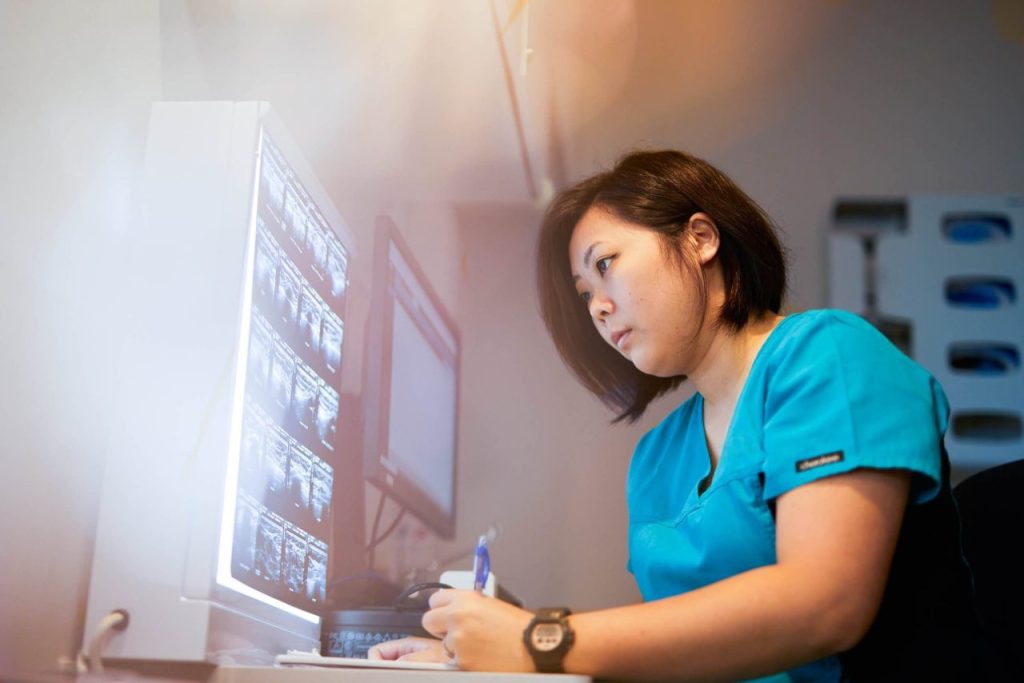
Knowing the Right Mammogram Screening to Choose, Makes A Difference.
Have you ever been asked if you would like a 2D mammogram or a 3D mammogram? Do you know the differences? An annual mammogram screening is proven to be the best way to detect breast cancer but the type of mammogram you choose can be crucial.
In Singapore, breast cancer is the most common form of cancer in women, and the leading cause of cancer mortality in women, contributing about 17% of cancer deaths. The good news is that a yearly mammogram for women aged 40 and above helps to detect breast cancer earlier, leading to less aggressive treatment and a higher rate of survival.
“The threat of breast cancer remains a reality for women from all walks of life. The number of new breast cancer cases has increased exponentially in the last 40 years and this underscores the importance of women taking charge of their breast health. Early detection helps us to achieve higher cure rates for patients with breast cancer,” shared Dr Tan Yah Yuen, Senior Consultant & Breast Surgeon of Solis Breast Care and Surgery Centre.
3D mammogram is extensively used to detect the onset of breast cancer. Each breast is imaged in two different positions. Compared to conventional 2D mammogram where the X-ray tube takes a single picture from each position, the 3D X-ray tube scans the breast in arc in four seconds. In conventional 2D imaging, overlapping structures at various depths within the breast are superimposed and may be difficult to distinguish as separate structures. With 3D imaging, the images slice through the breast at various depths, allowing these structures to be seen clearly and distinctively. Small early cancer growth can be more readily distinguished from the overlapping normal glandular tissues within the breast.
3D mammogram has been clinically proven to increase the early detection of invasive breast cancer by 54%. Up to 30% of cancers are not detected by the standard mammograph, and mammographic sensitivity decreased up to 48% in women with extremely dense breasts. Early detection leads to an almost 100% cure rate and reduces unnecessary call-backs for additional images by 37%. On top of that, it also reduces radiation and it is more cost effective, especially if 2D requires more views.
Luma Imaging Women’s Centre utilizes the latest generation of 3D mammogram that has lower radiation dose, as compared to conventional 2D mammogram. Flexible paddle technology used with these machines reduces discomfort from the compression by allowing the paddle to fit the natural shape and curvature of the breast, thus distributing the pressure evenly across the compressed surface. These state-of-the-art machines also allow the detected lesions to be accurately targeted for biopsy under 3D guidance.
“It is very important for women to understand that breast health is crucial and it shouldn’t be taken for granted. Many women defer going for mammogram screening because of many reasons such as discomfort, pain or fear of exposure to radiation. At Luma, we are focused on breast imaging. Combining technology and expertise, a 3D mammogram is better tolerated than a 2D study. Multiple studies show the benefits of 3D mammogram in finding more cancers and reduces the number of false-positives. Regular screenings will reduce the risks of undetected breast cancer.” – Dr Eugene Ong, Imaging Director, Consultant, Radiologist and Co-Founder of Luma Women’s Imaging Centre.
Early detection of breast cancer can improve treatment outcomes. Modern day breast cancers are complex, and doctors must tailor each treatment based on many considerations such as the cancer’s subtype, stage and risk factors of the patient.
Founded with the belief that patients deserve personalised care, Solis Breast Care and Surgery Centre works intimately with Luma Women’s Imaging Centre where a team of breast surgeons and breast radiologists adopt a multi-disciplinary approach to breast care. They strive to provide a new level of expertise and experience in delivering bespoke and holistic care to their patients.
With seven leading female surgeons who each have their own areas of expertise in breast care and surgery, Solis Breast Care and Surgery Centre brings across the full spectrum of expertise and experience – combining evidence-based approach with empathy and compassion, tailor-made treatment plans that prioritise patients’ well-being and improving their quality of life.
Together with Luma Women’s Imaging Centre, patients can expect a comprehensive diagnostic approach leveraging on cutting-edge technology to provide screening and treatment for breast cancers.
References:
National Registry of Diseases Office. (2021, March 31). Singapore Cancer Registry Annual Report 2018 – NRDO. Singapore Cancer Registry Annual Report 2018. Retrieved March 30, 2022, from https://www.nrdo.gov.sg/docs/librariesprovide3/default-document-library/scr-annual-report-2018.pdf?sfvrsn=bcf56c25_0
National Registry of Diseases Office 28 Jan 2022, https://nrdo.gov.sg/docs/librariesprovider3/default-document-library/scr-2019_annual-report_final.pdf?sfvrsn=fa847590_0
Endo. T. et al. (2014) Clinical Evaluation of Dual Mode Tomosynthesis. In: Fuita H., Hara T., Muramatsu C. (eds) Breast Imaging. IWDM 2014. Lecture Notes in Computer Science, vol 8539. Springer, Cham. https://doi.org/10.1007/978-3-319-07887-8_75
Kolb TM, Lichy J, Newhouse JH. Comparison of the performance of screening mammography, physical examination, and breast US and evaluation of factors that influence them; an analysis of 27,825 patient evaluations. Radiology. 2002;25(1):165-175. Doi: 10.1148/radiol.2251011667
Article contributed and reviewed by Solis Breast Care and Surgery Centre and Luma Women’s Imaging Centre.
Getting To Know Dr Lim Sue Zann
Getting To Know… Dr Lim Sue Zann
Behind every surgeon is a story – a path carved out of passion, resilience and a deep desire to heal. We sit down with Dr Lim Sue Zann, Senior Consultant & Breast Surgeon at Solis, to uncover what drives her in her profession, the patient experiences that continue to inspire her, and how she unwinds when she’s not in the operating theatre. Her words offer a glimpse into the heart and humanity behind the scalpel.
Dr Lim Sue Zann joins the Solis team from the SingHealth Duke-NUS Breast Centre, National Cancer Centre Singapore. She has a special interest in oncoplastic and reconstructive breast surgery, with focus on keyhole mastectomy. With deep experience across the full spectrum of breast surgery, including breast-conserving, reconstructive, and minimally invasive techniques – Dr Lim is committed to restoring both health and confidence to the women she treats.
1. Why did you choose to become a breast surgeon?
Being a surgical oncologist is incredibly fulfilling – it’s a privilege to remove a tumour and help cure someone of cancer. Breast surgery, in particular, is unique because it blends oncological expertise with aesthetic precision. I find joy in not only treating the disease but also restoring, and sometimes even enhancing, my patients’ appearance. Helping women regain their confidence after such a life-altering diagnosis is what keeps me going every day.
2. Share with us a patient’s story that left a deep impression on you.
I’ve had many young breast cancer patients who showed incredible strength raising their young children while battling through breast cancer, which left me with nothing but admiration. But one story stands out. A foreign patient in her 50s came to me with advanced right breast cancer that had grown through the skin. She had been in denial and sought medical attention only because her daughter, only in her 20s and just started work in Singapore – insisted. Despite the financial constraint, the daughter was very decisive and determined to provide her mum with the best treatment. She was her mother’s guiding light, providing support every step of the way. Today, the patient is well and cancer-free, and I often remind her how fortunate she is to have such a brave and lovely daughter.
3. What is ONE myth or message that you would like women to know about breast cancer?
There are many myths about breast cancer, but one particularly harmful myth is that biopsy on a breast lump will cause the cancer to “explode” or spread more rapidly to the other parts of the body. This is absolutely untrue. I would like to emphasise that a biopsy is a vital diagnostic tool – it allows us to understand the nature of the lump and begin appropriate treatment. Delaying care out of fear can lead to worse outcomes, so it’s important to dispel such myths and encourage timely medical attention.
4. How do you spend your free time?
Most of my free time is spent with my children – often reminding them to focus on their studies! As I approach middle age, I’ve come to value learning new skills to keep my mind active, so I’ve started picking up Korean. I also play tennis with my dad weekly – it’s our way of staying active and spending quality time together.
5. What do you think you’d be doing if you weren’t a breast surgeon?
I’d probably be a jewellery or fashion designer. As a child, I used to make pretend jewellery out of beads and stick them onto my ears with scotch tape. I also loved playing with my mother’s clothes – though she wasn’t always pleased – and “altered” them using safety pins so that they fit me. Creativity has always been a part of me, and I think I would’ve loved designing beautiful things.
Article contributed and reviewed by Dr Lim Sue Zann, Senior Consultant and Breast Surgeon at Solis Breast Care & Surgery
Dr Chan Ching Wan: A Leading Expert In Oncoplastic Breast Surgery & Surgical Innovation
The field of surgery is traditionally dominated by men; however more and more women are entering the arena as they bring additional insights and perspectives for their patients, especially in the field of breast cancer. Dr. Chan Ching Wan, Senior Consultant & Breast Surgeon at Solis Breast Care & Surgery Centre, has a deep understanding of breast cancer formation, inhibition, and treatment. With a distinguished career that includes leadership roles in Singapore’s National University Health System and the National Cancer Institute Singapore, Dr. Chan combines her expertise in cancer research and surgical innovation with a commitment to medical education and patient care. Her extensive training and academic contributions have solidified her reputation as a leading figure in breast cancer treatment and research.
In an exclusive interaction with Women Entrepreneur Review, Dr. Chan Ching Wan enlightened us about her professional journey and her leadership traits.
Can you share your educational journey and what motivated you to pursue a career in healthcare, specifically as an oncoplastic surgeon?
My educational path was deeply influenced by my father, a surgeon, who first inspired me to pursue medicine. He took me to the operating theater at a young age, hoping it might deter me, but instead, it solidified my passion for surgery. Initially, I focused on general surgery, but my interest in breast cancer started during my PhD training, leading me towards oncoplastic surgery. At that time, breast surgery was primarily limited to lumpectomies and mastectomies, with little emphasis on aesthetic outcomes. It wasn’t until I met a pioneering breast surgeon in the UK that I was introduced to oncoplastic surgery. Under his mentorship at the Nottingham Breast Institute, I learned how to integrate cancer treatment with cosmetic reconstruction. This approach transformed my perspective, making each surgery a unique challenge to preserve both the patient’s health and the natural appearance of the breast. Today, oncoplastic surgery continues to evolve, offering innovative techniques for more personalized and effective treatments.
What have been some of the most crucial moments in your professional journey so far?
A pivotal moment in my career was discovering my passion for caring for breast cancer patients. While it may seem unusual to find joy in treating cancer, my fulfillment from surgery and patient care affirmed my commitment to this field. It’s the small, meaningful experiences along the way that solidified my decision to dedicate my career to oncoplastic surgery.
A pivotal moment in my career was discovering my passion for caring for breast cancer patients
Can you introduce us to Solis Breast Care and explain the concept behind it and its key areas of expertise?
Solis Breast Care & Surgery Centre, in partnership with Luma Women’s Imaging Centre, brings together a multidisciplinary team of breast surgeons, breast sub-specialised radiologists and pathologist – essential for accurate diagnosis and effective treatment. Our imaging facility, staffed by breast sub-specialised radiographers and sonographers offer ultrasound, mammograms, and MRI scans. With the convenience of an in-house Day Surgery Operating Theatre, we streamline the process of breast cancer screening, diagnosis, and treatment, ensuring timely and compassionate care for all our patients
Share the key areas of expertise you’ve developed as an oncoplastic surgeon. What are your main focus areas when working with patients?
As an oncoplastic surgeon, my expertise lies in performing oncologic surgeries that remove cancer completely while using plastic surgery techniques to reshape or reconstruct the breast, preserving its natural appearance as much as possible. My primary focus with patients is ensuring they fully understand their condition and the necessary steps in their treatment. While the internet provides vast information, it can be overwhelming and misleading. My role is to clarify what is relevant to their case, guiding them through each step of the process. Patient understanding is crucial because it directly impacts their compliance with treatment, which is essential for successful outcomes. I even encourage second opinions if it helps the patient better understand and feel confident in their care.
Highlight the most significant professional milestones in your career. What has been your success mantra over the years?
I’m relatively new to the private healthcare sector, having transitioned into my current role just over two years ago. Before this, I spent many years at the University Hospital, where, apart from clinical work, I was involved with teaching medical students, postgraduate training, and conducting research. I continue to contribute to academia by participating in undergraduate assessments and postgraduate exams, ensuring high standards in surgical education. I was also active on Singapore’s national breast screening steering committee, helping to maintain and update screening protocols. My success mantra has always been to know what you want, enjoy what you do, and pursue it with dedication.
Dr. Chan Ching Wan, Senior Consultant & Breast Surgeon, Solis Breast Care & Surgery Centre
Dr. Chan Ching Wan is a distinguished Senior Consultant and Assistant Professor specializing in breast oncology. Since 2009, she has served as an Assistant Professor at the Yong Loo Lin School of Medicine, NUS. Before joining Solis, Dr. Chan led breast services at Singapore’s National University Health System and spearheaded the Breast Oncology Tumour Programme at the National Cancer Institute Singapore. She holds a medical degree from the University of Edinburgh and completed advanced surgical training at Singapore General Hospital. A Fellow of the Royal College of Surgeons, she also earned a PhD in Neuroendocrinology from the University of Bristol.
Article originally published in Women Entrepreneurs Review.
With Patient Needs at Heart: The Value of Integrated Breast Care
No one wants to hear the words “You have cancer”. Beyond tests and treatments, what actually matters to patients navigating the cancer journey?
1) Support from Doctors, Family and Friends
Cancer is not a journey to be walked alone. Studies show that support from family, friends, neighbours and health providers reduces the stress from breast cancer diagnosis and treatments[1].
When faced with a diagnosis, it is normal for patients to be overwhelmed. Uncertainty, well-meaning advice from loved ones and too much information from different sources makes the reality daunting[2].
In the face of confusion, detailed explanations and outline of next steps by doctors provide clarity which can help patients feel more in control[2].
Emotional support from loved ones could mean listening, being sensitive to how the patient feels, learning about their cancer and recognising that everyone’s journey is different[3].
Practical help can make a world of difference, to allow patients to focus on treatments and get the rest they need. Here are some ways to help[3]:
Preparing meals that can be easily frozen and reheated
Driving patients to and from medical appointments
Picking up medicine or groceries
Helping with cleaning, laundry, or pet care
Peer support from fellow cancer patients can offer a sense of catharsis[4]. By joining support groups, patients can share their difficulties and express their feelings freely amongst those going through similar experiences[4]. Club Solis is a supportive community for Solis patients to connect, share real stories and heal together.
2) Being Respected and Treated Like a Human
Cancer can change how patients see themselves, and physical changes from treatments can impact their self-image[5].
Ultimately, patients want doctors (and those around them) to treat them as individuals—to be valued and understood beyond just their diagnosis[6].
This can include being given assurances, having their feelings and opinions respected, and having their unique needs recognised. Reminding patients that they are more than just their illness helps preserve their sense of dignity[6][7].
The cancer journey encompasses more than just receiving treatment; it impacts all aspects of a patient’s life. A personalised approach that considers patient preferences can make them feel seen and heard, instead of just another number[6][7]. Solis actively partners with dietitians, psychologists, physiotherapists and organisations such as Can-Care Asia to offer bespoke care and post-care that acknowledges every stage of the patient journey. Patients can approach any of Solis’ clinics for more information.
3) Timely Care with Shorter Waits
Waiting for test results or treatments is often physically, mentally and emotionally draining. The longer the wait, the more one’s thoughts can spiral[8].
Research shows that patients worry about waiting times throughout their cancer journey, from pre-diagnosis to treatment[9]. This shows how crucial wait times are for their overall care experience.
Cancer patients want to know how long it will take to get test results, when they can expect them and what those results mean[10]. Having this information reduces anxiety by allowing patients to have a clearer idea of what to expect next.
The Light of Integrated Care
Dealing with cancer is in itself tough. Long wait times, fragmented care and unmet needs can make the journey even harder. Integrated healthcare brings different services together, so patients receive smoother and more coordinated care[11].
Solis Breast Care & Surgery Centre offers an integrated hub for breast care needs, offering surgery, imaging and testing under one roof. In partnership with Luma Women’s Imaging Centre, women can take next steps seamlessly without travelling far, as diagnostic testing is located near to consultation rooms.
This setup makes it easier for women to have screenings and see a doctor on the same day, easing the anxiety that comes with waiting.
The Day Surgery Operating Theatre (DSOT) allows patients to come in for scans and surgeries and go home within a day. If required, an on-site pathologist can assess surgical specimens in real time during procedures. This means patients can receive streamlined care without needing a second surgery.
With an all-female surgical team, Solis offers holistic breast care that prioritises patient worries and emotional well-being. With breast cancer treatment, it is natural to worry about your body, and concerns about fertility or sexuality can complicate treatment decisions. Thanks to advancements in surgical techniques, oncoplastic surgery enables women to preserve the majority of their breast tissue while maintaining its natural shape and size.
Your breast health is essential. Under the personalised and holistic care at Solis, you can be rest assured that your voice will be heard and that you are in the good hands of a multidisciplinary team. If you have concerns about your screening results, schedule an appointment for a second opinion and to discuss the next steps.
References
[1] Breast Cancer: Exploring the Facts and Holistic Needs during and beyond Treatment
[2] The Impact of Patient-Centred Care on Cancer Patients’ QOC, Self-Efficacy, and Trust Towards Doctors: Analysis of a National Survey
[3] Canadian Cancer Society, 5 ways to support a friend with cancer
[4] The Effectiveness of Psychoeducational Support Groups for Women With Breast Cancer and Their Caregivers: A Mixed Methods Study
[5] National Cancer Institute, How Cancer Affects Your Self-Image and Sexuality
[6] The Supportive Care Needs of Cancer Patients: A Systematic Review
[7] Experiences of interaction between people with cancer and their healthcare professionals: A systematic review and meta-synthesis of qualitative studies
[8] Cancer Society New Zealand, Coping with waiting
[9] Cancer patients’ concerns regarding access to cancer care: perceived impact of waiting times along the diagnosis and treatment journey
[10] What information do cancer patients want and how well are their needs being met?
[11] Understanding Integrated Care
How a Sub-specialised Breast Pathologist Helps Patients in their Fight Against Breast Cancer
The role that pathologists play in diagnosing breast cancer is a crucial and emotional one. They are the ones who use their expertise to analyse tissue samples that have been excised from patients and determine if they have breast cancer.
Professor Tan Puay Hoon shares with us on what her sub-specialisation in breast pathology brings to the table of breast cancer diagnoses and the advantages of being a female pathologist.
Ever since she was a student, Professor Tan Puay Hoon has always enjoyed the investigative aspect of making a diagnosis based on the histological appearances of tissue sections evaluated down the microscope. After excelling in pathology during the fourth year of her medical school examination and receiving a medal for the subject, she went on to become a pathologist after her graduate studies.
The role that pathologists play in diagnosing breast cancer is a crucial and emotional one. They are the ones who use their expertise to analyse tissue samples that have been excised from patients and determine if they have breast cancer. As a pathologist, Prof Tan ensures that the surgical specimen excised or resected from the patient by the breast surgeon is carefully inspected at the laboratory. Sampling of the relevant specimen parts are also processed into microscopy slides, which are then evaluated using the microscope.
“We also render comprehensive reports of cancers that will allow the clinicians to be able to decide on treatment. The pathologist confirms that a breast tumour is malignant (cancer), the types and grades of the cancer, determine its prognosis and whether it will respond to certain treatments,” explains Prof Tan. “Without a pathological diagnosis, patients will not be able to receive appropriate treatment, and surgeons will not know which type of operation to offer the patient for the best outcome. Oncologists also depend on pathology input to decide what type of adjuvant therapy is suitable,” she adds.
Pathologists like Prof Tan also advise clinicians on the likely behaviour of cancers (prognostication) and predict if the cancers will respond to specific treatments. “As a woman, I feel privileged to be able to work in a field that impacts women significantly. I empathise deeply with women who are diagnosed with breast cancer, as this disease and its treatment affects their image and so much of the psychosocial aspects of their lives, as mothers, wives, daughters. I want to be able to provide diagnoses that add value to their treatment journey,” says Prof Tan.
Early breast cancer diagnosis leads to a higher chance of cure and hence, Prof Tan also advocates breast cancer awareness among all women, young and old. “Women in the appropriate age group should attend regular breast screening, and all females should seek early medical attention for breast symptoms,” says Prof Tan.
As a pathologist, Prof Tan also provides second opinions on cases that are sent for her review. She recounts a recent case in which a relatively young woman was diagnosed with breast cancer on needle aspiration (a small amount of breast tissue or fluid is removed from a suspicious area with a thin, hollow needle to check for cancer cells) and the patient was scheduled for cancer surgery. “The original needle aspiration slides were sent to me to review, and I thought the appearances were benign and possibly a fibroadenoma (a benign tumour),” Prof Tan explains. A core biopsy was conducted to clarify the discordance between the original diagnosis and Prof Tan’s review, which later confirmed that it was a fibroadenoma. “I was so happy for the patient,” says Prof Tan.
Given that she holds the hope and well-being of countless women in her hands with each slide she examines, how does she perceive her role as a pathologist? “I would like to think of a pathologist as a ‘cell whisperer’ of sorts – the cells in the tissue are giving clues to their nature, and it is up to us as pathologists to put all this information together. Sometimes the cells are really ugly which often reflects an aggressive cancer. Other times, there are beautiful patterns that remind me of things I see in life,” she says.
Since pathology is a very academic discipline, Professor Tan said pathologists need to be at the forefront of all diagnostic development. “Being involved in clinical research is integral to being a pathologist who is current with the developments in the field and also as someone who can offer depth to disease diagnosis,” she adds. Prof Tan also emphasised the important role that pathologists play as educators for the next generation as well as in conveying pathology information to clinical colleagues.
So, what makes Prof Tan feel fulfilled in her job as a pathologist? “I feel fulfilled when I’m able to make an accurate comprehensive diagnosis which allows the clinicians to treat the patients,” she says. Prof Tan also enjoys working with her clinical colleagues who are experts in their fields and collaborating with her pathologist friends and colleagues in the international arena. She feels gratified to be part of the WHO Editorial Board that classifies breast tumours and is also actively involved in international research that can refine and improve the classification of breast tumours for better treatment.
Getting to Know Dr Henry Oscar
Image reference: Dr Henry Oscar
In this edition, we get up-close and personal with Dr Henry Oscar, Consultant Radiologist and Co-founder of Luma Women’s Imaging.
Dr Henry specialises in breast imaging and breast cancer intervention. He performs diagnostic procedures, including breast ultrasound, biopsies, and wire/seed localisation.
As an experienced interventionist, he interprets all breast imaging studies including mammography and tomosynthesis, breast ultrasound, and breast MRI. He also routinely performs stereotactic and ultrasound-guided breast biopsy.
Why did you choose to become a radiologist and why a subspeciality in breast?
Radiologists are specialised medical doctors who use imaging techniques, such as X-rays, ultrasounds, CT scans, and MRI scans, to diagnose and treat medical conditions. We play a critical role in helping other healthcare professionals make accurate diagnoses and develop effective treatment plans. I chose to specialise in breast imaging because breast cancer is a prevalent disease that affects many women worldwide.
Breast imaging is also a rapidly evolving field with new techniques and technologies constantly being developed, which can provide opportunities for research and innovation. Additionally, breast radiologists work closely with breast surgeons, oncologists, and other healthcare professionals to provide comprehensive care for patients with breast cancer.
By specialising in breast imaging, radiologists can develop expertise in interpreting breast imaging studies and identify abnormalities and improve women’s health.
What do you think is the most underrated aspect of radiology?
One aspect of radiology that is often underrated is the significant impact that radiologists can have on patient outcomes through their work in diagnostic accuracy and guiding patient care. Radiologists have a unique perspective on the patient’s overall condition through the images they receive and can provide vital information to clinicians that can lead to improved patient outcomes. We are also critical members of multidisciplinary care teams, and our input can help guide treatment decisions, monitor treatment response, and provide ongoing surveillance for breast disease recurrence.
Radiologists can also play an essential role in improving patient safety by providing guidance on the appropriate use of imaging studies. We play a crucial role in driving progress in healthcare and contributing to increased positive results for patients.
Could you share with us any interesting findings that you have come across in the course of your work?
One recent study published in the JAMA (Journal of American Medical Association) reported that a deep learning model trained on mammography images was able to accurately identify breast cancer in women with no prior mammogram. The study found that ‘it’ was able to achieve a level of diagnostic accuracy comparable to that of experienced radiologists.
In addition, researchers have been investigating the potential use of algorithms to improve the interpretation of breast imaging studies. For example, some studies have explored the use of AI algorithms to assist in the detection of breast lesions and the differentiation of benign from malignant lesions.
While technological advancement is good, the key question remains as to whether machines can completely replace years of human experience and expertise.
What is ONE myth or message that you would like women to know about breast cancer screening?
One myth – that mammograms are always painful and uncomfortable. While mammograms can be uncomfortable for some women, they typically do not cause significant pain. Additionally, advances in mammography technology have led to improvements in patient comfort, with newer machines designed to reduce discomfort and improve image quality especially tomosynthesis where gentle compression is sufficient.
How do you stay up-to-date with new developments in breast radiology?
Staying up-to-date with new developments in breast radiology is essential. Radiology conferences and seminars provide an excellent opportunity to learn about the latest research and advancements in breast imaging.
I also read journals and publications and participate in online learning. People have become more receptive of webinars post covid.
What do you do in your free time?
I have three little girls, and they keep me busy and occupied.
What do you think you will be doing if you did not become a radiologist?
I would have become a video game designer as I loved to play video games when I was younger.
Getting To Know Dr Sonia Lee
Image reference: Dr Sonia Lee
Get up-close and personal with Dr Sonia Lee, our Consultant Radiologist at Luma Women’s Imaging Centre, as she shares with us her work philosophy as well as personal anecdotes.
Previously involved in multidisciplinary care of breast cancer patients, Dr Sonia Lee is well-versed in interpreting all breast imaging studies and experienced in performing ultrasound-guided, stereotactic-guided and MRI-guided breast biopsies and localisations, earning praise for her attentiveness and professionalism.
Prior to joining Luma, Dr Lee was a Consultant Radiologist and Clinical Assistant Professor at Changi General Hospital. She is an accredited BreastScreen Singapore (BSS) radiologist and is thoroughly involved in multidisciplinary care of breast cancer patients.
What does a radiologist actually do?
Radiologists are responsible for interpreting all imaging modalities including x-rays, mammograms, fluoroscopy, ultrasound, CT and MRI studies which are performed for screening and diagnostic purposes. In addition, we are trained to use imaging guidance to accurately perform procedures with diagnostic (i.e., biopsies) and therapeutic (e.g., cancer treatment) aims in mind. After completing specialist training, we can then choose to focus our work in one or two subspecialty fields.
Why did you choose to become a radiologist and why a subspecialty in breast?
I love the detective work of being a radiologist – piecing together the patient’s clinical presentation and various imaging findings to come to a final diagnosis gives me a sense of achievement. I eventually chose to subspecialise in breast imaging as it offers the opportunity to do both diagnostic and interventional radiology. This allows me to contribute significantly to the patient’s diagnostic and therapeutic journey, which is extremely fulfilling.
Could you share with us any interesting findings that you have come across in the course of your work?
In my training years, one of the most interesting parts of our work was searching for foreign objects within the body which were either intentionally ingested or inserted on imaging. This includes pens, staples, blades, toothbrushes and all types and sizes of bottles.
What is ONE myth or message that you would like women to know about breast cancer screening?
Mammograms do not have to be painful! This is one of the biggest barriers to breast screening worldwide. The use of 3D mammographic screening not only reduces the compression force required for accurate breast imaging thereby reducing patient discomfort, it has also been proven to improve overall cancer detection rates. It is my hope that this new technology will bring about greater uptake for breast cancer screening.
What do you do in your free time?
Outside of work, I spend most of my free time with my husband and 3-year-old daughter. Weekends are usually spent quite simply – visiting the library, running errands and enjoying meals with friends and family.
What do you think you will be doing if you did not become a radiologist?
I would very likely have become a family physician. Having spent a lot of my teenage years and early adulthood working part-time in a GP clinic as a clinic assistant, I really liked how the work involved building long-term relationships with the patients and their families in the neighbourhood.
The Role of a Pathologist in Breast Cancer Diagnosis
Early detection and diagnosis of breast cancer can provide patients with more treatment options and a better chance of survival. Pathology and radiology are essential to making a diagnosis of cancer. As such, close clinical-radiologic-pathologic workflow is crucial for the delivery of timely interventions for patients which can result in better clinical outcomes.
When a biopsy is performed on your breast, a sample is taken and studied under a microscope by a pathologist. The pathologist is a medical doctor who makes the diagnosis of the disease by examining the sample.
A pathology report generated will state the findings and diagnosis for each sample taken. This information will be sent to the doctor who will use the information to manage your care and come up with a treatment plan. The role of a pathologist is central to ensuring the correct treatment and prognosis for each patient. Pathology reporting, including for breast cancer and breast diseases, has become increasingly subspecialised, often requiring subspecialty experience for diagnosis. Consistent reporting by a pathologist with subspecialist breast pathology experience helps to support the breast surgical and radiological expertise provided to patients and any abnormalities would be picked up promptly.
We are delighted to welcome Professor Tan Puay Hoon to our team of breast care specialists. As a key opinion leader in breast and urologic pathology, Prof Tan is a pathologist with subspecialist breast pathology experience.
Being a passionate researcher, Prof Tan has published widely with over 500 peer-reviewed scientific papers. She is a Standing Editorial Board Member for the 5th series of the WHO Classification of Tumours, IARC, Lyon, and is also an expert member for the Breast (2019) and Genitourinary (2022) volumes in this latest series. Prof Tan initiated a well-received annual breast pathology course drawing participants from the region and internationally since 2010. She is dedicated to diagnostic, research and educational excellence in breast and urological pathology, and is a strong advocate for building support for academic pursuits in these disciplines that can be translated to improving patient care.
Solis Breast Care and Surgery Centre (Solis), together with Luma, provides dedicated breast care to patients, where a dynamic team of female breast surgeons, breast radiologists and an in-house pathologist, adopt a multidisciplinary approach. The expertise of the team is able to provide integrated, coherent interpretations that would enable better-informed management decisions in a timely manner. Early detection of breast cancer often means that the patient will have more treatment options that are much less aggressive, and maintain positive treatment outcomes.
Ultimately, early detection is always best, and an in-house pathologist at Solis-Luma, contributes diagnostic subspecialty expertise to breast diseases management. Here to bring breast care to another level, Solis-Luma is dedicated to improve breast cancer clinical outcomes, expedite diagnosis and treatment planning, and ensuring that patients receive the utmost care they deserve.
To read more about Prof Tan’s research interests and involvement, click here.
Breast Care Nurses: Providing Hope and Light in Times of Need
With breast care nursing, it is a varied role which can range from breast care awareness for people without breast cancer, to assisting those with a breast cancer diagnosis, and helping patients going through surgery and therapy.
We talked to two of our nurses, Sister Kiranjit Kaur and Sister Eleanor Wong to find out more on how they have been going above and beyond to touch lives and transform care in each of their nursing role.
Nurses can be seen as serving on the frontlines of healthcare, they are the ones who spend more time with the patients with their round-the-clock presence and are often the first to notice when a patient’s condition has changed. As caregivers, nurses are responsible for attending to the various needs of patients, including giving medications, assessing different body systems, changing dressings, caring for wounds, providing education to patients, etc. From providing medical care, to tending to the administrative side of things, nurses are often the patient’s first point of contact when it comes to all of these. And because of the amount of time spent with patients, it is often inevitable that nurses also tend to end up performing more emotional labour.
Image Reference: Sister Kiranjit Kaur, Nurse Manager, Operating Theatre is ready to start her busy and fruitful day
Nevertheless, passionate nurses still choose to stand strong in their career decisions, promising to serve the best interests of their patients. One of Solis’s nurses, Sister Kiranjit Kaur, Nurse Manager of the Operating Theatre (OT) at Solis didn’t chose to be a nurse at the beginning of her career. She merely followed in her sister’s footsteps. Now, Sister Kiran doesn’t see herself as anything, but a nurse that choose to dedicate herself to the care of others.
With over 20 years of nursing experience, Sister Kiran shared one of the heart wrenching stories she remembered to date which happened during her student nursing days. It was a 20-years-old patient who was diagnosed with thalassemia major and the team have been looking after her for a month. When she reported to work one day, she was shocked to learn that the patient wasn’t with them anymore. The nurses then chose to perform the last office together signifying a remembrance for the patient.
Being a nurse requires one to have a lot of empathy to care for their patients, yet one also needs to maintain professionalism in order to provide patients with the best end-of-life care. Dealing with death is emotionally difficult, and nurses have to manage their own emotional well-being while also helping the patient’s family deal with the grief. Aside from that, nurses also play an important role in a clinic and/or hospital to ensure a smoother process for the doctors, be it during a patient’s consultation or in a surgical procedure. When a patient is discharged from a facility, there is often some type of care that needs to be done at home. It is the nurse’s responsibility to educate the patient and their family members on proper at-home care, diagnoses or medications. Education helps the patients understand what is happening, why it is happening, and what the patient needs to do in order to heal.
Image Reference: After a busy day, Sister Kiran settles down and checks on next day’s schedule to ensure that everything are well planned out for her team and the breast surgeons
As Sister Kiran says, “You know you’re a nurse when your friends and family start asking you about the medications they would have to be eating!”
Sister Kiran also spends most of her hours ensuring that everyone in the OT coordinates well as a team to provide a safe and conducive environment to the patient and surgeons.
When it comes to breast care, many women have a fear of having their breast health checked out or, if necessary, having to go through a breast surgery advised by their doctor. For Sister Kiran, she would share about her own experience doing a breast mammogram, and how it was a painless and easy process. She believes that early detection is always the best, and hence wants to encourage women not to be afraid of getting a breast health check.
Image Reference: Sister Eleanor Wong, Breast Care Nursing Lead shares that care and empathy are important traits of being a breast care nurse
For Sister Eleanor Wong (Breast Care Nursing Lead), she chose to become a breast post-care nurse after working in a surgical ward during her early career days. Although Sister Wong started as a dental assistant prior to taking up the stint in nursing, she eventually chose the line of becoming a nurse. Sister Wong doesn’t like sitting behind a desk and prefers to be ‘on the ball’ being a hands-on person. She took up a specialized training in oncology nursing, and then took an interest in helping patients diagnosed with breast cancer. As someone who provides post-care services to Solis’s post-treatment patients, she shows her concern and care in assisting them in whatever way she can, through educational information and even to emotional support.
For women who have a fear when they find out that they would have to wear post-op garments or mastectomy bra/wigs post-surgery, Sister Wong would let these breast cancer survivors understand the reason for them. She also encourages and empowers them to give themselves time to digest the knowledge and acceptance of the need.
Image Reference: Sr. Wong is ready to start her busy and fruitful day
Sister Wong’s message to the nurses and their patients is to “Be happy, love, laugh, and relax when you can. The happiest people don’t have the best of everything. They just make the best of everything they have.”
Nursing truly goes beyond just the medical assistance offered, there is also a lot of heart and care that goes into the job. As such, let us not forget to recognise and appreciate the hard work of our nurses this Nurses’ Day. At the same time, let us also not forget to get our breast health checked out for our own wellbeing. As Sister Kiran mentioned, early detection is always the best.
Here’s wishing all nurses a Happy Nurses Day – Thank you for dedicating your life to helping others!
Article contributed and reviewed by Solis Breast Care and Surgery Centre.
Getting to Know Dr Lim Siew Kuan
Get up close with our breast specialists and hear more from them on their philosophy for patient care and interesting personal anecdotes.
“Doing a biopsy on a cancerous breast lump helps in diagnosis and planning of the subsequent treatment, and does not cause the cancer to spread. A biopsy also will not cause a benign lump to change into cancer. This is something important that I wish to address and help more women to understand, and that there is nothing to be fearful of if a biopsy procedure has been advised.”
Dr Lim Siew Kuan is one of our Senior Consultant and Breast Surgeons at Solis. She has a special interest in breast surgery and manages both benign and malignant breast conditions. Prior to joining Solis, Dr Lim was practicing at Mount Elizabeth Novena Specialist Centre, Singapore.
Dr Lim recently received her Graduate Diploma in Acupuncture in 2021 and became a registered acupuncturist with the Traditional Chinese Medicine Practitioners Board. Being schooled in the TCM theory and diagnostics, she is able to see both Western and Eastern perspectives in patient treatment and hopes to use acupuncture as a complement to improve the general well-being of her patients.
Q. Why did you choose to become a breast surgeon?
I like general surgery as a whole. However, breast surgery is a specialty that tugs my heartstrings and makes me feel having the connection with the women community. Majority of women still prefer to see a female breast specialist when they experience any breast health issues. As a woman myself, I can relate and understand a woman’s life better and they play many roles – they are a daughter, a wife and a mother. Modern women now have busy lifestyles and spend more time caring for their loved ones and even their extended family but often neglect their own health (e.g. breast health)
Q. Share with us a patient’s story that left a deep impression on you
Many patients have left deep impressions on me, each with their unique life stories.
But if I were to mention any, it would be a recent middle-aged lady who presented with locally advanced Stage 4 breast cancer. She had noted the breast tumour for several years, but was afraid to undergo treatment. By the time she came to me, she required ICU admission with ventilatory support, and was already in multi-organ failure. Yet, the tumour biopsy showed a breast cancer type that would have responded very well to treatment, had she come in earlier.
It is really sad to see such cases in Singapore. We are a medical hub, with all the advanced cancer treatments readily available in both our private and restructured hospitals. Most breast cancers are curable if detected early. I think more can be done to allay the fear and anxieties of these patients.
Q. What is ONE myth or message that you would like women to know about breast cancer?
Many patients have come up to me with this deep-rooted myth in mind. They have the misconception that doing a biopsy will cause a cancer to spread or cause a benign lump to become ‘more aggressive’ or cancerous.
Doing a biopsy on a cancerous breast lump helps in diagnosis and planning of the subsequent treatment and does not cause the cancer to spread. A biopsy also will not cause a benign lump to change into cancer. This is something important that I wish to address and help more women to understand, and that there is nothing to be fearful of if a biopsy procedure has been advised.
Q. What do you do during your free time?
Other than catching up on the latest developments on breast cancer, I will also take time to read up on TCM since I have a keen interest in this as the “Eastern” alternative medicine. Keeping an open mind has allowed me to see and understand the wisdom that lies in the Chinese culture. I take this reading as sort of a hobby now.
I practise Tai-ji outdoors during the weekend. It helps me relax and unwind my mind. I will also join my friends for golf whenever I need extra dose of fresh air.
Q. What do you think you would be doing if you didn’t become a breast surgeon?
I like working with my hands, so I guess it would still be something that allows me to use my hands skilfully. Who knows, I could otherwise have become a dentist or a potter!
Article contributed and reviewed by Dr Lim Siew Kuan, Senior Consultant and Breast Surgeon at Solis Breast Care & Surgery
#AskMeAnything: Biopsy Disturb Cancer Cells? | Debunk Breast Health Myths | Dr Tang Siau-Wei
Do needle biopsies disturb cancer cells and cause them to spread to other parts of the body? Uncover the truth behind this and other common breast health myths in the second episode of our #AskMeAnything series with Dr Tang Siau-Wei, our Senior Consultant and Breast Surgeon!
Myths Debunked:
Myth 1: My last mammogram was normal, so I don’t need another one
Myth 2: Needle biopsies disturb cancer cells and cause them to spread to other parts of the body
Myth 3: All breast cancers are treated pretty much the same way
Myth 4: There’s nothing I can do to prevent breast cancer
Video reviewed by Dr Tang Siau-Wei , Senior Consultant and Breast Surgeon at Solis Breast Care & Surgery Centre.
Getting to Know Dr Chan Ching Wan
Get up close with our breast specialists and hear more from them on their philosophy for patient care and interesting personal anecdotes.
“Breast cancer is NOT painful. It is a lump that is painless most of the time. The number of times I have heard “I felt a lump, but it wasn’t painful so I didn’t think it was dangerous” Please come forward when you feel any lump, whether it is painful and especially if it isn’t painful.”
Dr Chan Ching Wan is our Senior Consultant and Breast Surgeon and has a special interest in the formation of cancer, and how it can be inhibited and treated. Dr Chan is also an Assistant Professor at Yong Loo Lin School of Medicine, NUS, since 2009.
Prior to joining Solis, she was the Cluster Sub-specialty Lead for Breast Services in Singapore’s National University Health System. Dr Chan was also the Tumour Programme Lead for Breast Oncology for National Cancer Institute Singapore.
Q. Why did you choose to become a breast surgeon?
I didn’t really choose to become a breast surgeon – it was almost as though I was guided to eventually take this path. Before I started my advanced training, I was offered the chance to take up a research degree (MSc, which then became a PhD) and the topic was on the growth of breast cancer cells. To cut a long story short, I enjoyed the research which piqued my interest in breast surgery. After I completed my surgical training, oncoplastic surgery was just starting to flourish and my head of service had a good friend who was at the forefront of this new surgical method. I was able to get a job to train with him, and the rest is history
Q. Share with us a patient’s story that left a deep impression on you
There are so many, and people don’t know that I can’t just mention one (laughs).
I remember the mum, and her husband, who had already used up their Medisave accounts to treat their sons’ chronic medical conditions, without avail only to find out that she now had breast cancer. Fortunately, we were able to save her.
Then there is the grandmother who was looking after her three young grandchildren and suffered from bilateral breast cancer. She survived both well, and her grandchildren are all grown up now and looking after her.
There was also this young lady who discovered she had breast cancer just before she got married. She delayed her marriage and underwent treatment, and things looked good for a while, but she relapsed and it started to spread. Just then, when we knew we were unlikely to win, her fiancé who had been with her all the way asked her to marry him, and she did. She passed on shortly after that. There are many more, but I will stop here.
Q. What is ONE myth or message that you would like women to know about breast cancer?
Breast cancer is NOT painful. It is a lump that is painless most of the time. The number of times I have heard “I felt a lump, but it wasn’t painful so I didn’t think it was dangerous”
Please come forward when you feel any lump, whether it is painful and especially if it isn’t painful. Like the common saying – early detection saves lives and have a breast screening done for a peace of mind.
Q. What do you do during your free time?
Whenever I have free time, I will try to keep myself in a relax mode – like “relaxing” my mind and try not to think about work. I will take this time to pick a book and read it, listen to music or watch my favourite TV shows.
Q. What do you think you will be doing if you didn’t become a breast surgeon?
I cannot imagine any other surgery that gives me quite so much satisfaction and is so challenging and yet rewarding to do. I may have considered plastic surgery, but I may have switched career tracks and become an anaesthetist too!
Article contributed and reviewed by Dr Chan Ching Wan, Senior Consultant and Breast Surgeon at Solis Breast Care & Surgery
Solis and Luma: Stronger Together as A Source of Hope and Light
Image reference: Solis Breast Care and Surgery Centre’s leading breast surgeons. From left to right: Dr Lim Siew Kuan, Dr Tang Siau-Wei, Dr Lee Wai Peng, Dr Chan Ching Wang, Dr Joy Lee and Dr Esther Chuwa
As our team grows stronger together into the next half of 2022 and continues to provide breast care that every patient deserves, let’s find out what went on during our Media Experiential Day on 25 May!
Invited media and guests had first hand opportunity to find out essentially how Solis and Luma come together as a multidisciplinary approach, providing comprehensive and personalised care from consultation, diagnostics to treatments and after care for our patients.
Stay tuned for more updates on our upcoming events for the rest of 2022.
#AskMeAnything: Too Much Sugar Causes Breast Cancer? | Breast Health Myths Debunked
Having a breast lump means I have breast cancer? Breast cancer causes pain in the breast?
There is so much information about breast cancer that many of us may be misinformed. This can lead to unnecessary consequences such as fear or even seeking treatment too late.
Watch our very first #AskMeAnything video where Dr Tang Siau-Wei, Senior Consultant and Breast Surgeon debunked common myths about breast health and breast cancer.
Myths Debunked:
Myth 1: Having a breast lump means I have breast cancer
Myth 2: Breast cancer causes pain in the breast
Myth 3: The older a woman is, the lesser the chance of breast cancer
Myth 4: Consuming too much sugar causes breast cancer
Video reviewed by Dr Tang Siau-Wei, Senior Consultant and Breast Surgeon at Solis Breast Care & Surgery Centre.
Getting To Know Dr Tan Yah Yuen
Get up close with our breast specialists and hear more from them on their philosophy for patient care and interesting personal anecdotes.
“I enjoy doing my work because it is not static – we are always looking at new and better ways at treatment, doing less to achieve more, and ultimately improving patients’ outcomes and quality of life.”
Dr Tan is our Senior Consultant and Breast Surgeon practicing at Solis. She is a key opinion leader in her field and is actively involved in the training of breast surgeons in the region.
Q. Why did you choose to become a breast surgeon?
During my surgical training, I opted to sub-specialise in breast surgery because as a woman, I felt I was able to relate and empathize with the patients better. Breast cancer treatment also involves multiple disciplines, a lot of interaction and discussion with colleagues such as radiologists, medical oncologists, radiation oncologists, pathologists, genetic counsellors and more, and the science behind breast cancer is fascinating and constantly evolving. I enjoy it because it is not static, we are always looking at new and better ways at treatment, doing less to achieve more, and ultimately improving patients’ outcomes and quality of life.
Q. Share with us a patient’s story that left a deep impression on you
There are countless stories of my patients that have become unforgettable memories for me. A handful are sad stories – when the patient comes at a terminally ill stage due to fear of treatment at the beginning. But most memories are wonderful and encouraging stories of courage and faith in battling cancer, and of triumph year after year when they return for reviews in the pink of health and with a zest of life! These patients constantly inspire us to improve cancer care, from screening to diagnosis, to surgical techniques and multi-disciplinary care.
Q. What is ONE myth or message that you would like women to know about breast cancer?
Breast cancer is one of the most treatable cancers and many women continue to lead fulfilling lives after treatment, sometimes even better lives! The key is early diagnosis and treatment. Therefore, women who have worrying symptoms of breast cancer should not fear coming forward to seek treatment. Surgical outcomes are getting better all the time, including breast reconstruction. Chemotherapy is also often not required especially in early stages. Hence, it is important that women consult a doctor early and it may make all the difference!
Q. What do you do during your free time?
I enjoy the outdoors – currently my go-to weekend activity is hiking and my favourite place is MacRitchie Reservoir where I used to jog. I have tried my hands at table tennis, dragon boat racing, kayaking, diving, tennis and marathons during different phases of my life! Regular exercise is important because it reduces the risk of various cancers including breast cancer. When at home, I explore different cooking recipes especially desserts!
Q. What do you think you will be doing if you didn’t become a breast surgeon?
My first ambition as a young child was to be a fireman (or firewoman)! This was after watching a thrilling movie where the fireman saved many people stranded in a burning skyscraper. When I grew older, I realized that I enjoy working with my hands, so if I didn’t become a doctor I would probably try something like woodwork or metal work, although I am not sure if I am artistic enough!
Article contributed and reviewed by Dr Tan Yah Yuen, Senior Consultant and Breast Surgeon at Solis Breast Care & Surgery
Getting to Know Dr Lee Wai Peng
Get up close with our breast specialists and hear more from them on their philosophy for patient care and interesting personal anecdotes.
“As a woman playing multiple roles in my life (whether a daughter, a sister, a wife or a mother), I feel that I can better understand and relate, and give them (patients) sound and professional advice.”
Dr Lee Wai Peng is a Senior Consultant and Breast Surgeon and she specialises in treating benign and malignant breast conditions. Prior to joining Solis, she was a Senior Consultant and an Adjunct Assistant Professor at Changi General Hospital (CGH), a position she grew into following the completion of her advanced specialty training in general surgery in 2014. She strives to provide holistic and individualised care with a personal touch for ladies with breast conditions and is a strong advocate for encompassing cosmesis with surgical therapy.
Q. Why did you choose to become a breast surgeon?
My interest in surgery first started when I was in my teens and I had been watching dramas (imagine ER and other local or Hong Kong TVB dramas) of surgeons operating and patients getting better immediately after. This fascination continued during my medical student and internship days where I could see how surgery healed patients, and the immense gratitude that the patients have for their doctors.
Being a woman, I feel that I could relate so much better with other women who were facing breast health issues, and hence, I decided to choose breast surgery. Patients’ symptoms and the reason to seek help and even their choice of treatment are greatly influenced by the people around them – it also depends on the stage of life they are at and problems that they might be facing at that time. As a woman playing multiple roles in my life (whether a daughter, a sister, a wife or a mother), I feel that I can better understand and relate, and give them sound and professional advice.
Q. Share with us a patient’s story that left a deep impression on you
I had a patient who came to me with a breast lump found in one of her breasts which eventually turned out to be breast cancer after further evaluation. During our consultation, she was extremely depressed and was facing many issues at home. She had to support her children, her husband had passed away from a heart attack, and she was estranged from her own family (i.e. her mother and siblings) during such difficult times. She almost didn’t want to have any treatment for her cancer. With encouragement from myself and my team of nurses, she came forward to seek treatment. We even managed to get her family to rally and support her during her treatment period and helped her to take care of her children. Their relationship improved eventually and they have been eternally grateful to us. They called it “blessing in disguise”.
Q. What is ONE myth or message that you would like women to know about breast cancer?
Breast cancer can happen to anyone and any woman. Every woman has a chance of developing breast cancer. You don’t have to be a smoker, drinker or leading an unhealthy lifestyle to get breast cancer. No family history does not mean that there is no chance of getting breast cancer.
Q. What do you do during your free time?
I used to love to do outdoor sports such as running and cycling. I also took up yoga. Travel has always been something I look forward to, especially for that mental break from work. However, with covid (pandemic turning to endemic), I have learnt to treasure my loved ones and now I look forward to spending my time with them. I recently found the interest to do more research work on breast cancer and have been spending quite a bit of time on it.
Q. What do you think you will be doing if you didn’t become a breast surgeon?
If I hadn’t been a breast surgeon, I think I would want to be an educator and work with pre-schoolers. After having two kids of my own, I have seen how innocent their minds can be and how much the world can amaze and “wow” them.
Article contributed and reviewed by Dr Lee Wai Peng, Senior Consultant and Breast Surgeon at Solis Breast Care & Surgery
Getting To Know Dr Tang Siau-Wei
Get up close with our breast specialists and hear more from them on their philosophy for patient care and interesting personal anecdotes.
“It is very rewarding as a doctor to journey with a patient, helping to treat and ‘cure’ these (breast cancer) patients, whilst getting to know them along the way.”
Dr Tang is our Senior Consultant and Breast Surgeon who specialises in breast surgery. Prior to joining Solis, she was practicing in National University Hospital, where she is well versed in the care of benign and malignant breast conditions and provides comprehensive and holistic care for her patients.
Q. Why did you choose to become a breast surgeon?
I have always wanted to do surgery as I like the procedural aspect of it and being able to ‘work with my hands’. Back in the days whilst I was training in the UK, I had the opportunity to participate in research projects with the breast surgery team there and had the opportunities to learn more about diseases associated with breasts or breast cancer, and I found it interesting.
As I progressed through my training, I was able to work with different specialties, and realised I enjoyed the work in the field of breast surgery the most. I found the diagnosis and treatment of breast cancer interesting, and it usually involves a multidisciplinary team, where you get a chance to work with other doctors. Also, the prognosis of the disease is quite good, where most patients recover from the disease and do well in the long run. Thus, it is very rewarding as a doctor to journey with a patient, helping to treat and ‘cure’ these patients, whilst getting to know them along the way.
Also, with oncoplastic surgery – there is the element of ensuring the patient has a good cosmetic outcome for their body image and quality of life, whilst also ensuring they are treated for their cancer.
Q. Share with us a patient’s story that left a deep impression on you
A patient of mine, who had recently delivered her second baby, noticed swelling and hardening in one area of her breast for four months. Thinking that it was caused by blocked ducts, as she was weaning her infant from breastfeeding, she saw a breast masseuse to clear the blockage. However, the patient’s symptoms progressively worsened despite being administered antibiotics by a GP to treat what was thought to be a breast infection. Her GP subsequently referred her to me, and she was diagnosed with breast cancer. Fortunately, the cancer had not spread to any other organs, and she was treated and remains well now.
Q. What is ONE myth or message that you would like women to know about breast cancer?
A common misconception is that breast pain indicates there is a serious underlying problem in the breast, whilst painless breast lumps are harmless. In fact, it is very rare for breast pain to signify an underlying cancer. Breast pain is more likely caused by hormonal changes or muscle aches on the ribs and chest wall. Whilst painless lumps that are progressively growing may be a sign of an underlying tumour or cancer – we should never brush that aside and schedule for an appointment with a breast surgeon to get ourselves check.
Q. What do you do during your free time?
Outside of work, I mainly spend time with my family – husband and 2 kids. I would love to travel again once the borders are open.
Q. What do you think you will be doing if you didn’t become a breast surgeon?
I probably would have done another surgical specialty within medicine, or maybe be a dentist? As I would like to be within the healthcare field, as I enjoy the procedural work and would like to use these skills to help others.
Article contributed and reviewed by Dr Tang Siau-Wei, Senior Consultant and Breast Surgeon at Solis Breast Care & Surgery Centre.
Triple-Negative Breast Cancer (TNBC): Symptoms, BRCA Risk, Diagnosis and Latest Treatment Advances
Triple-Negative Breast Cancer (TNBC): Symptoms, BRCA Risk, Diagnosis and
Latest Treatment Advances
Understanding Triple-Negative Breast Cancer (TNBC)
Triple-negative breast cancer (TNBC) is biologically and clinically different from other forms of breast
cancer because it lacks three key biomarkers on the surface of the cancer cells: oestrogen
receptors, progesterone receptors, and the HER2 protein, explains Dr Tan, breast surgeon.
These biomarkers are important because they allow doctors to classify breast cancer into three
broad categories: hormone receptor-positive cancers, HER2-positive cancers, and triple-negative
cancers.
Each category behaves differently and requires different treatment approaches. Hormone receptor-
positive cancers, for example, may respond to hormone-blocking therapies, while HER2-positive
cancers can be treated with HER2-targeted drugs. TNBC, however, doesn’t carry these treatment
targets, making its management clinically different from many other breast cancer subtypes.
Because of this, testing for these biomarkers forms a critical part of breast cancer diagnosis,
helping doctors determine the most appropriate treatment strategy for each patient.
Why TNBC Can Be More Agressive
TNBC is often described as more aggressive because, among the three major categories of breast
cancer, it tends to grow more quickly and spread earlier when left untreated.
At the same time, TNBC is also considered relatively chemosensitive, meaning many tumours
respond fairly well to chemotherapy. This creates a complex clinical picture where some patients
may experience a strong initial response to treatment, while others later develop more challenging
disease patterns.
Although many TNBC tumours can be treated successfully, some unfortunately have a tendency to
recur aggressively in other parts of the body, creating greater treatment challenges than other
breast cancer subtypes.
This can occur even when the tumour initially responds well to treatment. While chemotherapy may
eliminate most cancer cells, it may not eradicate every single one. Some surviving cancer cells can
gradually develop new mutations that make them more resistant to treatment over time.
Eventually, these resistant cells may begin multiplying again and manifest as recurrent disease. This
phenomenon isn’t unique to TNBC and can occur across many cancer types. However, TNBC
relapses tend to occur earlier, often within the first few years after treatment, compared with
hormone receptor-positive breast cancers, where recurrence can sometimes happen many years
or even decades later.
Signs and Symptoms to Watch For
One of the most common early signs of TNBC is a self-detected lump in the breast or underarm,
says Dr Tan. The underarm lump may represent an enlarged lymph node. Unlike what many people
assume, cancerous breast lumps are often painless, and in TNBC, the lump may increase in size
relatively quickly. The absence of pain can sometimes create a false sense of reassurance, causing
some women to delay seeking medical attention.
TNBC can also be more difficult to detect on routine screening mammograms because it often
doesn’t produce the abnormal calcifications commonly seen in other breast cancer subtypes. This
means TNBC may occasionally be missed during its earlier stages, particularly in women with dense
breast tissue. As a result, a recent normal mammogram shouldn’t discourage women from seeking
medical evaluation if they notice a new breast lump or unusual change.
When symptoms persist despite a normal mammogram or initial reassurance, further evaluation may
still be necessary. A physical examination, along with additional tests such as an ultrasound or breast
MRI may be recommended, particularly for younger women with dense breast tissue. If the clinical
or imaging findings raise concern for possible malignancy, a breast biopsy may then be required to
confirm the diagnosis.
Another less common but important presentation is inflammatory breast cancer, which can cause
sudden breast swelling, redness, warmth, or mild tenderness that may initially be mistaken for
an infection or inflammation. While empirical antibiotics may sometimes be prescribed first,
persistent symptoms that don’t improve should be evaluated further by a breast specialist.
Dr Tan adds that TNBC also tends to occur more frequently in younger women, including those
below the age of 40, which is younger than the typical age at which routine breast cancer screening
begins. This makes breast awareness especially important, even among younger women who may
not consider themselves at risk.
The Role of BRCA and Genetic Testing
TNBC is sometimes associated with inherited genetic mutations, particularly BRCA1 and BRCA2,
which are among the most common genetic mutations linked to hereditary breast and ovarian
cancers. TNBC is especially associated with BRCA1 mutations, particularly when breast cancer
develops at a younger age, such as before the age of 50.
The presence of a BRCA mutation can influence both surgical decisions and systemic treatment
strategies. It may also have important implications for the long-term cancer risk of other family
members, making genetic counselling and testing an important consideration in selected patients.
Genetic testing is often recommended for women diagnosed with breast cancer under the age of 50,
including those with TNBC. It may also be considered in women who develop cancer in both breasts,
have a personal history of more than one cancer, or have a strong family history of breast,
ovarian, or certain other cancers.
A positive BRCA result means that even after successful treatment of the initial breast cancer, there
remains an increased risk of developing a new primary cancer in the future due to the underlying
inherited genetic predisposition. It can also influence several aspects of long-term management,
including:
• The use of certain targeted cancer drugs designed for BRCA-associated breast cancers
• Surgical planning, where some patients may consider bilateral mastectomy rather than breast-
conserving surgery
• Long-term surveillance of other high-risk organs, particularly the ovaries
• Discussions around preventive surgery, including removal of the ovaries and fallopian tubes in
selected patients
The implications can also extend to family members, as relatives may potentially carry the same
BRCA mutation. When a patient is found to have a BRCA mutation, family members may also be
advised to undergo genetic testing. Those who are subsequently found to carry the mutation may
include:
• Earlier and more intensive cancer surveillance, including breast screening from a younger
age using mammograms, ultrasound, and/or breast MRI
• Ovarian cancer screening using blood tests and ultrasound
• Consideration of preventive surgeries such as risk-reducing double mastectomy or removal
of the ovaries and fallopian tubes in appropriate clinical settings
Advances in TNBC Treatment
One of the major advances in TNBC treatment has been a shift towards using neoadjuvant
chemotherapy, where chemotherapy is given before surgery rather than after, notes Dr Tan. This
approach allows doctors to assess how well the tumour responds to treatment, which can then help
guide and tailor subsequent treatment decisions after surgery.
Using chemotherapy upfront may also help shrink the tumour, improving the chances of breast-
conserving surgery rather than requiring more extensive surgery. In patients whose TNBC has
spread to the underarm lymph nodes, neoadjuvant chemotherapy can sometimes downstage the
cancer sufficiently so that fewer lymph nodes need to be removed during surgery.
This represents an important change from previous practice, where routine removal of all underarm
lymph nodes was more common and carried a higher long-term risk of complications such as
lymphoedema, a chronic swelling condition that can affect the arm.
Another important advancement is immunotherapy, which works by targeting immune-related
proteins that cancer cells use to evade the body’s immune system. Dr Tan adds that immunotherapy,
when combined with neoadjuvant chemotherapy, has been shown to significantly improve survival
outcomes in selected patients with TNBC.
Patients with higher-risk TNBC are more likely to be considered for immunotherapy. Factors
such as tumour size, lymph node involvement, and other markers suggesting a higher risk of
recurrence are often taken into account when determining suitability for these newer treatments.
With the addition of immunotherapy, studies have shown improved response rates and better overall
survival outcomes in selected patients with TNBC. Several newer drug classes have also shown
promising results in clinical trials and are expected to become part of mainstream TNBC treatment
over time.
Despite the aggressive nature of TNBC, there has been a significant leap in medical treatment over
the past decade, leading to improving clinical outcomes for many patients.
Expert Contributor
Dr Tan Yah Yuen
Senior Consultant & Breast Surgeon
Solis Breast Care & Surgery Centre, Singapore
http://www.solis.sg/
http://www.instagram.com/solisbreastcare
Article reviewed by Dr Tan Yah Yuen
Originally published on Expert-led Health, Fitness & Nutrition Insights. Republished with permission.
Can Healthy Women Get Breast Cancer? Understanding Risk Beyond Lifestyle
It’s a question many women quietly carry. If you exercise regularly, eat well and feel generally healthy, breast cancer can seem distant – unlikely and almost unrelated to the life you’re living. When a diagnosis happens in someone who appears fit and active, it can feel confusing. Some women may find themselves wondering what they […]
From Communication to Connection: Rebuilding Intimacy and Sexual Wellness After Breast Cancer
For many women, intimacy after breast cancer can feel like unfamiliar ground. Your body has changed, emotions have shifted, and the idea of pleasure may feel distant.
Yet intimacy isn’t lost, it’s transformed.
Rebuilding closeness begins with understanding these changes, communicating openly, and learning to define pleasure on your own terms—in new, meaningful ways.
Listening to Your Body’s New Language
Breast cancer surgery may alter the look and feel of your breasts [1]. Treatments like chemotherapy and hormone therapy can cause vaginal dryness, fatigue or reduced desire [1] [2]. These physical shifts can affect how you relate to your body, and how confident you feel about resuming intimacy.
It’s common to wonder:
“Will my partner still find me attractive?”
“Will sex feel the same?” [3] [4]
Partners may also hesitate, afraid of causing pain or not knowing what’s “okay” [4] [5] [6]. Over time, silence and assumptions can create distance—even when love remains strong [7] [8].
Acknowledging these changes—in your body, your sense of self and your relationships—is a vital step in healing.
Your body has carried you through cancer. Listening to it, with kindness instead of judgement, is an act of self-compassion.
Boundaries as Bridges, Not Barriers
Rebuilding intimacy begins with open communication. After treatment, your needs and comfort levels may have changed, and sharing them honestly helps strengthen trust and deepen connection [9].
Boundaries aren’t walls. They’re bridges that help you and your partner meet each other where you are.
Research shows that couples who communicate openly about fears, desires and limitations experience greater satisfaction and less distress [10].
You can also speak with your doctor about symptoms like pain, dryness or loss of sensation [1]. Your care team can suggest ways to manage these and make intimacy more comfortable for you.
It’s normal to feel shy about discussing sexuality. But remember: talking about sex is a natural, healthy part of reclaiming yourself [11]. The first conversation may feel awkward—but it opens the door to healing closeness.
Redefining What Closeness Means
When you think of sexuality, you may first think of intercourse.
But pleasure can be found in small acts of connection—holding hands, gentle touch, laughter or emotional intimacy [1] [7] [9].
Exploring touch gradually and broadening your idea of connection beyond penetrative sex can reduce anxiety and help you rediscover comfort in your body in new ways [7] [9]. Studies show that couples who approach intimacy with openness, flexibility and acceptance rebuild stronger connections [12].
If pain or numbness occurs, try different positions that take the pressure off your chest, or take breaks [7] [13].
Remember: pleasure is about comfort and connection, not performance.
Moving Forward and Finding Your Rhythm Again
Desire may not feel as spontaneous, but closeness is always within reach. Whether through gentle touch, warm conversation or shared laughter, intimacy begins when you feel safe, seen and loved.
Be patient with yourself. Some days, you will crave closeness; others, rest will be what you need most. Both are forms of healing.
At Solis and Luma, we believe that living well after breast cancer means nurturing joy, confidence, and intimacy—in a way that works for you. Every journey is unique. Don’t be discouraged if something that works for others doesn’t feel right for you [14].
Let this new chapter be where you redefine intimacy—not as something lost, but as something newly yours.
Article reviewed by Ms Dian Handayani, Sexologist and Certified Sex Coach at Nambani.
Dian is also a contributing author of The Breast Years of Your Life: Living Well After Cancer. From emotional resilience and fertility to nutrition and exercise, the book offers compassionate, practical guidance for survivors rediscovering wellness and confidence after treatment. To learn more or grab a copy, visit https://www.solis.sg/the-breast-years-of-your-life/
References:
[1] Solis Breast Care & Surgery Centre, The Breast Years of Your Life: Living Well After Cancer
[2] American Cancer Society, Body Image and Sexuality After Breast Cancer
[3] Breastcancer.org, Sexual Health During and After Breast Cancer
[4] Current Opinion in Supportive and Palliative Care, Sexual identity after breast cancer: sexuality, body image, and relationship repercussions
[5] MD Anderson Cancer Center, Sexuality and Cancer: A Guide for Patients and Their Partners
[6] Women’s Health, Care for breast cancer survivors in Asian countries: A review of sexual dysfunction
[7] Breast Cancer Now, Your Body, Intimacy and Sex
[8] Psychooncology, Everyday Protective Buffering Predicts Intimacy and Fear of Cancer Recurrence in Couples Coping with Early-Stage Breast Cancer
[9] BMC Cancer, Constructions of sex and intimacy after cancer: Q methodology study of people with cancer, their partners, and health professionals
[10] European Journal of Oncology Nursing, Factors contributing to sexual dissatisfaction in women with breast cancer: The specific role of conjugal relationship quality
[11] American Cancer Society, How Cancer Can Affect Sex and Intimacy
[12] Frontiers in Psychology, Coping With Changes to Sex and Intimacy After a Diagnosis of Metastatic Breast Cancer: Results From a Qualitative Investigation With Patients and Partners
[13] The Oncologist, From diagnosis to survivorship addressing the sexuality of women during cancer
[14] Psycho-Oncology, Wearing my heart on my chest: dating, new relationships, and the reconfiguration of self-esteem after breast cancer
Good Nutrition for Living with and Beyond Breast Cancer
Breast cancer treatments have become more and more successful, with a huge number of women studied beyond breast cancer, discovering what lifestyle factors may reduce the risk of recurrence.
The current recommendations supported by research are:
Maintain a normal body weight, but if you are overweight, losing just 5%-10% of your weight is beneficial.
Do not drink alcohol. Alcohol is one of the greatest risk factors for breast cancer and there is no safe limit as far as breast cancer is concerned. If you do choose to drink alcohol, limit your intake to no more than 7 units a week. Of note, 1 unit is not the same as 1 drink.
175ml wine 13% ABV is 2.3 units
125ml champagne 12% AVB is 1.5 units
330ml beer 5% ABV is 1.7 units
25ml spirit 40% ABV is 1 unit
Limit saturated fat by avoiding or rarely eating fast food and highly processed convenience foods.
Do eat foods that contain healthy unsaturated fat, and this includes nuts, seeds, nut butter, olives, avocado, oily fish such as salmon, sardines and mackerel and use extra virgin olive oil.
Limit red meat (beef, lamb, pork) to no more than 500g per week, which in practice is about 3 times a week, and avoid or rarely eat processed meat such as bacon, ham and salami. These foods do not directly increase breast cancer risk but do tend to be high in saturated fat and are linked with increased colon cancer risk.
Eat a high fibre diet. Foods high in fibre include beans and lentils, nuts and seeds, fruit and vegetables, wholemeal bread and flour, brown, red and wild rice, barley, spelt, quinoa, freekeh, kamut and other wholegrains. If you are not used to a high fibre diet, you may notice some bloating and more wind than usual, this is nothing to worry about and is a normal process that shows that your gut microbes are active and keeping your gut healthy, but if it’s uncomfortable, gradually increase your fibre intake over a period of a few weeks. Beans and lentils are especially high in fibre, so try to eat meals containing them at least 4 times a week.
Eat dairy and high calcium foods. Dairy foods are often a cause of controversy, and many people mistakenly believe they are linked with increased breast cancer risk, however, research shows the opposite to be true and that women who include dairy and high calcium foods in their diet have a reduced breast cancer risk. If you dislike dairy foods or are intolerant to them, ensure your diet is rich in high calcium non-dairy foods.
Include soy in your diet. As with dairy, this group of foods can be controversial, but research does show that women who eat soy have a reduced breast cancer risk and reduced risk of recurrence compared to women who do not eat soy. This is the same for both hormone receptor negative and positive breast cancer. You may have heard that soy contains a group of compounds called phyto-oestrogens, and this is where much of the fear arises, however, phyto oestrogens are not the same as the oestrogen that your body makes, they have a different chemical structure and attach to different receptors in the body.
You may choose not to eat soy, maybe because you dislike it, are intolerant or don’t feel comfortable eating it, and that is fine, it is still possible to eat a healthy diet that reduces breast cancer risk by following some of the other guidelines included in this article.
Be physically active. Whilst this is not in the realm of healthy eating, being physically active has clearly been shown to reduce breast cancer risk. Aim to be moderately active for a minimum of 150 minutes a week, so approximately 30 minutes a day, or vigorously active for at least 75 minutes a week. Moderate and vigorous will be different for everyone, so be your own guide as far as effort goes.
The final and very important piece of advice is do not fear food. Eating should be enjoyable and free from stress. A healthy diet can look different from one person to the next. Your friend, relative or fellow breast cancer friend may feel great eating one way and eating certain foods, but that doesn’t mean you have to do the same. Make adaptations to your diet gradually and enjoy the process, this is much more likely to lead to sustainable change.
*Article contributed by Jackie Green, Dietitian & Nutritionist at The Family Dietitian
Jackie is also a contributing author of The Breast Years of Your Life: Living Well After Cancer. To learn more about this empowering book for breast cancer survivors, or to get your copy, visit https://www.solis.sg/the-breast-years-of-your-life/
Recipes
https://www.wcrf-uk.org/healthy-eating/recipes/
References and further reading
WCRF: Continuous Update Project 2018: Survivors of breast and other cancers
Messina M et al Neither soy foods nor isoflavones warrant classification as endocrine disruptors: a technical review of the observational and clinical data. Crit Rev Food Sci Nutr. 2022;62(21):5824-5885. doi: 10.1080/10408398.2021.1895054. Epub 2021 Mar 27. PMID: 33775173.
Arafat HM et al The association between breast cancer and consumption of dairy products: a systematic review. Ann Med. 2023 Dec;55(1):2198256. doi: 10.1080/07853890.2023.2198256. PMID: 37078247; PMCID: PMC10120447
Bodai B et al Breast Cancer: Lifestyle, the Human Gut Microbiota/Microbiome, and Survivorship. Perm J. 2020; 24:19.129. doi: 10.7812/TPP/19.129. PMID: 32589577; PMCID: PMC7319098.
Breast Cancer and Work: Navigating Challenges with Self-Compassion
Hearing a breast cancer diagnosis is like throwing a rock into a pond, sending ripples through every part of your life. Amidst doctor consultations and treatment appointments, it can be hard to focus on other life commitments such as work.
Some choose to continue working during treatment, while others take a break to focus on recovery before returning to work. [1].
Work can provide a sense of purpose and control, especially when a cancer journey can leave one feeling lost and uncertain. For some, work can be fulfilling and tied to self-worth [2]. Continuing to work during treatment can offer a sense of normalcy and financial stability [1]. Returning to work after treatment can help restore quality of life [3].
Whether you continue to work or take a break, self-compassion is crucial as you navigate the challenges ahead.
Embracing Your Emotions Without Judgement
A cancer diagnosis can change how you view yourself and your work, bringing up emotions like stress, anger or frustration. Simple tasks may become harder due to treatment-related fatigue, and the way people at work treat you might also change [1] [4].
Bottling up these negative emotions may be tempting, but they are a normal response to your challenges. Acknowledge, accept and allow yourself to feel these emotions fully without judgement [5]. This can create space for healing and help you move forward.
Communicating with Colleagues
“Should I tell my co-workers about my cancer?” How open you are with your co-workers is up to you, as it may depend on your comfort levels and relationship with them.
Telling people at work [6]:
Gives them a chance to support you
Makes it easier to let them know if you need help
Provides opportunities for them to suggest ways to help you cope at work
Can strengthen your connection with them
Connects you with others who may have similar experiences
Ultimately, your well-being is what matters most. It’s okay to take things at your own pace and share only what feels right.
Consider speaking with co-workers in smaller groups to make conversations more manageable [7]. Identify your triggers and topics that make you uncomfortable [8]. For example, if your treatments have changed what your body looks like. This can help you set healthy boundaries.
You may be worried about people’s reactions. Some may be supportive and others may be unsure of how to navigate conversations with you. If a co-worker makes an awkward or insensitive comment, feeling upset and taking it personally is understandable. Acknowledge the comment and try diverting the topic away from your condition [8].
Adapting and Being Kind to Yourself
There are practical steps you can take at work and beyond to make the process more manageable and ensure you treat yourself with kindness.
Firstly, speak with your employer about the possibility of reasonable accommodations, such as flexible hours to work around medical appointments or even workload adjustments [1]. Communicating your needs can help you manage and set realistic expectations at work.
Acknowledge your current limitations—whether it’s physically, mentally, or emotionally. You may need to take more frequent breaks and pace yourself if your energy levels and concentration are affected by treatment [1]. Listen to your body instead of pushing through exhaustion and pain.
Don’t hesitate to ask co-workers for help when needed [9]. Asking for help and being open about your struggles does not mean you are weak. It can be a sign of your inner strength and self-awareness.
Some days will be easier than others. There will be moments when you feel like you’re handling things well and others when the stress and weight of everything feels overwhelming. Celebrate your achievements, no matter how small, and take pride in your progress each day.
Seeking Strength in Connection
Even with support from family, friends and co-workers, fighting breast cancer can feel lonely. Loved ones may have good intentions but might not fully understand what you’re going through.
Connecting with fellow patients and survivors through in-person or online support groups can help you feel less isolated and provide a much-needed sense of community. Studies show that online cancer communities can help meet information needs, provide emotional support and help boost self-esteem [10].
Remember, there’s no right or wrong way to navigate work during your breast cancer journey. Whatever you decide to do, take it one step at a time and practise self-compassion. You are stronger than you realise, and you don’t have to walk the path alone.
Support from others who understand can make all the difference. Club Solis is a support network for Solis patients to share experiences and form meaningful connections.
References
[1] Breast Cancer Now, Work and Breast Cancer.
[2] Recovering or working: women’s experiences of working while coping with cancer: a qualitative study
[3] Supporting Return to Work after Breast Cancer: A Mixed Method Study
[4] Macmillan Cancer Support, Work and Cancer
[5] National Cancer Institute, Emotions and Cancer
[6] Macmillan Cancer Support, Talking about cancer at work
[7] Breastcancer.org, Workplace and Job Issues
[8] American Cancer Society, Telling Others About Your Cancer
[9] Work-related barriers, facilitators, and strategies of breast cancer survivors working during curative treatment
[10] Navigating cancer using online communities: a grounded theory of survivor and family experiences
From Mother to Daughter: Shaping Breast Cancer Awareness for Generations
Mothers are often the heart of the family—steady hands of quiet strength who guide, support and shape the lives of those they love. One of the most powerful ways mothers can care for their daughters is by passing down healthy habits, including those related to breast health.
Why Early Action Matters
When breast cancer is found early, survival rates can exceed 90%.
Breast cancer remains the most common cancer affecting Singaporean women, with cases rising fourfold to around 76 per 100,000 population in 2018-2022 [1] [2]. It’s also the leading cause of cancer-related deaths for women, accounting for 17.1% of female cancer deaths [1].
Being aware of how one’s breasts look and feel and going for regular screenings such as mammograms can make all the difference. Early detection often leads to simpler treatments and better outcomes, including survival rates of over 90% [3][4].
Still, some women are missing these important checks. Participation in breast cancer screening dropped from 37.6% in 2022 to 34.7% in 2023 in Singapore [1].
What’s Stopping Women from Being Breast Aware?
Self-care often takes a backseat to caregiving.
A common reason women may skip screenings is busyness. Between work, caring for their families and managing daily life, it is easy for mothers to put their own needs last [5] [6].
For others, it’s fear. Breasts are deeply tied to identity and femininity [7]. The thought of a diagnosis, or the possibility of losing one’s breasts, can overshadow the importance of regular screenings [6].
And because breast cancer can sometimes develop without noticeable symptoms, this makes early detection difficult [8]. Women who feel healthy might mistakenly believe they do not need a mammogram [5].
Breast Awareness as Self-Care
A mother’s health is not just for her family—it’s for herself too.
Mothers rush loved ones to the clinic at the first sign of illness, yet hesitate when it comes to their own health. Taking time for a screening can feel like stepping away from their caregiving role, sometimes leading to feelings of guilt [9].
Some mothers go for screenings to stay healthy for their families and avoid being a burden [10]. But their well-being should be valued not just for others – it deserves to be prioritised for themselves.
Breast awareness is an act of self-love; a way for mothers to tune into their bodies, and show themselves the compassion they offer so freely to others.
Creating a Legacy of Care
Healthy habits today become healthy generations tomorrow.
While breast cancer is often seen as a disease in older women, data from three Singaporean healthcare centres show that around 10-13% of diagnosed patients are under 40 [11]. That’s why breast health conversations should begin early – even at a younger age.
Talking about breast health can feel awkward or distressing. But creating an open, supportive space within families builds trust and empowers everyone to take proactive steps.
The mother-daughter relationship strongly influences how young women view and care for their bodies [12] [13]. When mothers model positive health behaviours and attitudes, they leave an enduring legacy that daughters often carry into adulthood [12] [13] [14].
Signs to Watch For
Help daughters recognise these potential warning signs [15]:
A lump or swelling in the breast, chest or armpit that doesn’t go away
Skin changes such as dimpling, redness or irritation
Change in breast size or shape
Persistent nipple discharge
Nipple changes such as rashes or inversion
Persistent pain in the breast or armpits
Your Health is Their Future
By normalising breast awareness, mothers pass down a legacy of care and bodily ownership that empowers future generations to own their breast health.
Every choice you make ripples through the generations. This Mother’s Day, let’s celebrate women who lead by example – women who prioritise their breast health, spark important conversations, and empower their daughters to own their well-being.
Schedule your breast health check today.
You’re not just protecting yourself – you’re shaping generations to come.
References:
[1] Ministry of Health Singapore, National Population Health Survey 2023
[2] Singapore Cancer Registry Annual Report 2022
[3] Cancer Research UK, Symptoms of breast cancer
[4] Ministry of Health – Health Promotion Board, Breast Cancer: Learn How Early Detection and Lifestyle Changes Could Help Protect Yourself
[5] Ministry of Health Singapore, National Population Health Survey 2022
[6] Preventive Medicine, Qualitative factors influencing breast and cervical cancer screening in women: A scoping review
[7] BMC Women’s Health, “Voices of Fear and Safety” Women’s ambivalence towards breast cancer and breast health: a qualitative study from Jordan
[8] Cancer Council Australia, Breast Cancer
[9] Journal of Health Psychology, Put MY mask on first: Mothers’ reactions to prioritizing health behaviours as a function of self-compassion and fear of self-compassion
[10] Asian Pacific Journal of Cancer Prevention, Understanding Barriers and Facilitators of Breast and Cervical Cancer Screening among Singapore Women: A Qualitative Approach
[11] The Straits Times, Beating breast cancer: How these women in their 20s, 30s and 40s survived and thrived
[12] International Journal of Environmental Research and Public Health, Helping Mothers and Daughters Talk about Environmental Breast Cancer Risk and Risk-Reducing Lifestyle Behaviors
[13] The Family Journal, The Mother-Daughter Relationship and Daughter’s Positive Body Image: A Systematic Review
[14] Psycho-oncology, Adult daughters’ reports of breast cancer risk reduction and early detection advice received from their mothers: an exploratory study
[15] NHS, Symptoms of breast cancer in women
Do Scars really matter in Breast Cancer Treatment?
For many women undergoing breast cancer treatment, one of the most significant concerns is the impact of surgery on their appearance, particularly when it comes to the visibility of scars. While the primary goal of breast cancer surgery is to effectively remove cancerous tissue, aesthetic considerations cannot be overlooked in a patient’s emotional and psychological recovery. So, do scars really matter for breast cancer patients? The answer is complex and deeply personal, as it encompasses both physical healing and emotional well-being.
The Emotional and Psychological Impact of Scars
The idea of scars can evoke strong emotional responses. For some, they symbolise survival and strength after a life-altering experience, while for others, they may bring feelings of loss, fear, or diminished self-worth. ‘Correspondingly, the first group of patients may be ambivalent about their scars or even embrace them; whereas a second group of patients prioritise reconstruction options that minimise visible reminders’, says Dr Wong Manzhi, Senior Consultant Plastic Surgeon at The Aesthetic & Plastic Surgery Clinic. Physical changes, including scars, can lead to feelings of anxiety, depression, and a reduced quality of life. Many women report that scars on their chest can be a constant reminder of their cancer diagnosis, affecting their self-esteem and sexual identity [1].
Importantly, emotional recovery is just as crucial as physical recovery. For many patients, the ability to feel “whole” again is tied not only to the success of the surgery but also to the way they perceive their bodies after the procedure. Scars, even when minimal, may alter how women feel about their body image and their sense of femininity.
Scar Minimisation: The Role of Surgical Technique
Not all scars are created equal. Advances in surgical techniques, such as nipple-sparing mastectomies (NSM) and keyhole surgeries, aim to reduce the visibility of scars while maintaining effective cancer treatment. Nipple-sparing mastectomies, for instance, have become increasingly popular, as they preserve the nipple-areolar complex (NAC) during surgery, resulting in a more natural post-operative appearance. For many women, the preservation of the NAC is a powerful tool in preserving their body image and reducing the emotional impact of the surgery.
Additionally, keyhole surgeries—also known as minimal access surgeries—are another option that reduces scar size by using smaller incisions and specialised instruments like endoscopes and robotic systems. These procedures are gaining traction in breast cancer treatment, with studies showing that keyhole surgeries leave smaller scars (usually about 4 cm in length compared to 9 cm for traditional mastectomies) and promote faster healing [4].
Beyond these techniques, oncoplastic surgery – which combines cancer removal with reconstructive techniques – also plays a key role in minimising scarring while preserving or even enhancing the breast contour. Skilled oncoplastic surgeons strategically place incisions and use tissue rearrangement methods to achieve better cosmetic outcomes with less visible scarring.
However, it’s important to note that these options aren’t universally applicable. Some patients may not be candidates for nipple-sparing, keyhole, or oncoplastic surgeries due to the size of their tumours or other medical considerations. In these cases, conventional mastectomy may still be the best option for ensuring complete cancer removal.
Aesthetic and Functional Considerations: Why They Matter
When considering mastectomy options, both aesthetic and functional outcomes play a crucial role in the decision-making process. For many patients, immediate breast reconstruction after mastectomy can help restore a sense of normalcy, offering both psychological and physical benefits.
The location and size of surgical scars can play a significant role in the reconstruction process. For instance, a larger incision may provide more flexibility for more complex reconstruction procedures. It is essential to discuss your options with your breast surgeon to determine the best approach for your specific condition.
The Global Perspective: Mastectomy Rates and Cultural Attitudes
Mastectomy rates and cultural attitudes toward breast cancer surgery vary widely around the world. In countries like the United States, mastectomy rates have been rising, especially with the trend of preventive double mastectomies among women with a higher genetic risk, such as those with BRCA mutations. A 2017 study found that mastectomy rates in the U.S. have increased to 31% overall, with some regions seeing rates as high as 49% for double mastectomies [5].
In countries like Singapore, mastectomy rates have remained consistently high. A review conducted over a decade found mastectomy rates ranging from 43% to 59%. These numbers may reflect cultural attitudes toward breast cancer, where mastectomy is seen as a necessary and life-saving procedure. Despite the availability of equivalent alternatives like breast-conserving surgery, many women opt for mastectomies due to the perceived greater oncologic safety and the desire for peace of mind [3].
Looking Ahead: The Future of Scar Minimisation
As technology continues to advance, it’s likely that breast cancer surgeries may become even less invasive, with smaller incisions and better healing outcomes. Robotic surgery, for example, holds the promise of greater precision, leading to even smaller scars and potentially faster recovery times. Additionally, the use of tissue engineering and regenerative medicine may offer new ways to minimise the appearance of scars and even restore lost tissue [2].
Furthermore, psychological support for breast cancer patients is gaining recognition as an integral part of treatment. Many hospitals now provide counselling and support groups specifically focused on body image, helping women navigate the emotional challenges that come with scarring and physical changes. These resources are critical for empowering patients to accept their bodies and find ways to heal emotionally and physically.
Conclusion: Scars and the Journey of Recovery
While scars may be a visible reminder of a challenging chapter in a patient’s life, they also represent survival and the strength it takes to overcome cancer. However, minimising the impact of scars, both physically and emotionally, is an important consideration in breast cancer treatment. With advances in surgical techniques, increased awareness of emotional support, and a growing focus on personalised care, the future looks promising for breast cancer patients seeking to heal not only their bodies but also their spirits.
Ultimately, what matters most is that patients feel empowered to make choices that align with their values, health goals, and sense of self. Scars, though unavoidable in many cases, do not have to define their journey—how they heal and move forward does.
Article reviewed by Dr Esther Chuwa, Senior Consultant and Breast Surgeon at Solis Breast Care & Surgery
References:
[1] Fobair, P., Stewart, S. L., Chang, S., & D’Onofrio, C. N. (2006). Body image and sexual problems in young women with breast cancer. Psycho-Oncology, 15(7), 579-589. https://doi.org/10.1002/pon.1023
[2] Haidar, M., Saeed, H., & Elhassan, F. (2020). Tissue engineering and regenerative medicine for breast reconstruction. Journal of Stem Cells, 25(4), 351-360.
[3] Lee, W. T., Tan, S. K., & Kwek, S. K. (2015). Mastectomy rates and breast cancer treatment trends in Singapore. Singapore Medical Journal, 56(8), 444-448.
[4] Lin, Y., Wang, Y., & Tsai, C. (2020). Keyhole mastectomy: Outcomes and benefits. Breast Cancer Research and Treatment, 182(3), 567-575. https://doi.org/10.1007/s10549-020-05793-z
[5] Veronesi, U., Boyle, P., & Goldhirsch, A. (2017). Mastectomy versus breast-conserving surgery in early breast cancer: Meta-analysis of trials. The Lancet, 373(9680), 569-577. https://doi.org/10.1016/S0140-6736(09)60256-7
Breast Changes in Young Women: What Do They Mean and When to Seek Medical Advice
Breast cancer is often seen as a disease that only affects older women. However, recent statistics from three healthcare centres in Singapore show that approximately 10-13% of diagnosed breast cancer patients are under 40[1].
Not all changes are breast cancer.
Breast self-examinations are a simple yet powerful way for younger women to be breast aware. Whether it’s a lump, breast pain or nipple discharge, what should you do if you notice something that doesn’t look or feel right?
Firstly, do not panic. Many breast changes do not necessarily mean cancer, and can instead be due to natural bodily changes or medication[2]. . Periods can cause breasts to feel swollen or tender due to hormone changes[3]. . This is normal and is usually not a cause for concern.
Other examples of breast changes include:
Breast Lumps
A breast lump can often feel like a solid feeling in or near your breast or under your arm. While they can sometimes be a sign of breast cancer, studies show that about 60-80% of all breast lumps are non-cancerous[4].
Breast Pain
Breast pain by itself is typically not a symptom of cancer. It can be caused by periods, pregnancy, menopause-related hormone changes, conditions like mastitis or medications like birth control pills[5].
Nipple Discharge
This refers to fluid from the nipple that is not breast milk. While nipple changes and discharge can be a sign of breast cancer, it can result from birth control pills, medicine and infections[2].
Benefits of Seeking Medical Advice Earlier
Sometimes, younger women may hesitate to speak to their doctor, assuming cancer to be unlikely at their age[6].
Other reasons people delay investigating symptoms include worrying about foolishly wasting the doctor’s time or fearing what might be found[7][8]. So they opt for the wait-and-see approach, hoping symptoms eventually go away[9].
While your symptoms might not be cancer, listening to your body and seeking clarity from your doctor are important for these reasons:
1. More Options with Early Detection
If your symptoms turn out to be cancer, addressing them early can help reduce the likelihood of needing more intensive treatment in the future. Early detection can be helpful for improving treatment outcomes and survival rates. When caught early (Stages 0 and 1)—before it has spread to other parts of the body, treatment can result in survival rates of over 90%[10].
2. Clarity and Peace of Mind
Your worries are unlikely to go away if you don’t seek help [11]. . Getting advice from an experienced healthcare professional helps take away the guesswork, allowing you to move forward with confidence rather than anxiety over what might be happening.
3. Self-Care
Your body is your partner for life, so treat it with kindness! Being proactive about unusual breast changes is a sign of good health management.
Talking about your breasts may feel uncomfortable or embarrassing[11]. . But remember, your doctor is here to help you. They will do their best to put you at ease during the process.
What Happens During Your Appointment
When you meet with a breast surgeon, they will want to know more about your symptoms to better understand your health. If you’re feeling anxious about forgetting anything, it helps to jot down notes before your appointment, such as[11]. :
When your symptoms started, how often they occur and any patterns you’ve noticed
Anything that makes your symptoms better or worse
Any family history of cancer
Any other concerns or questions you may have
This will help take some of the pressure off remembering everything. You can also bring a loved one to accompany you and help you ask questions or take notes.
You may need to undergo screening such as an ultrasound[11]. . In Singapore, mammograms are generally not recommended for women below 40 years old[10]. . As everyone’s breasts and bodies are different, your doctor will determine what you need based on your personal circumstances and preferences.
Your doctor will walk you through your screening results, answer any questions and advise you on next steps. Feeling scared is completely normal, and the experienced surgeons at Solis Breast Care & Surgery Centre are here to reassure you and give you the gift of clarity. You deserve a space where your concerns are heard and taken seriously.
Breast health should be a priority, no matter the age.
If you pick up any changes in how your breasts look or feel, schedule an appointment with your doctor today. Early evaluation can make all the difference in your peace of mind and overall health and well-being.
References
[1] The Straits Times, Beating breast cancer: How these women in their 20s, 30s and 40s survived and thrived
[2] National Cancer Institute, Understanding Breast Changes and Conditions: A Health Guide
[3] Cancer Council Victoria, Normal Breast Changes
[4] National Breast Cancer Foundation, Breast Lump
[5] NHS, Breast Pain
[6] Diagnostic delays in breast cancer among young women: An emphasis on healthcare providers
[7] Worrying about wasting GP time as a barrier to help-seeking, a community-based, qualitative study
[8] Cancer symptom awareness and barriers to symptomatic presentation in England—are we clear on cancer?
[9] Awareness of symptoms, anticipated barriers and delays to help-seeking among women at higher risk of breast cancer: A UK multicentre study
[10] Ministry of Health Singapore Health Promotion Board, HealthHub, Breast Cancer
[11] Cancer Research UK, Seeing Your GP when you have symptoms of breast cancer
Reassurance in Breast Care: Your Path to Clarity and Confidence
Breast screenings can be anxiety-inducing, and facing breast cancer is life-changing. At Solis and Luma, we prioritise open communication and compassionate care to ensure you feel supported every step of the way.
Called Back After Mammogram: Finding Clarity
Catching breast cancer early can make it easier to treat and improve survival, which is why regular screenings are crucial[1]. While screenings can be stressful enough, receiving a recall—callback for additional tests—can add to that anxiety. You may worry about what a recall might mean. Remember, a recall does not necessarily mean you have breast cancer[2].
1. Specialised Experts
If you are recalled, you will likely have a diagnostic mammogram to examine a suspicious area, and some patients may also have a breast ultrasound[2]. The breast sub-specialised sonographers and radiologists at Luma are skilled at spotting subtle signs of cancer. Using advanced technology such as 3D mammograms, they provide greater clarity and accuracy.
2. Mammogram with Greater Precision
A 3D mammogram (or digital breast tomosynthesis) takes multiple X-ray images of your breasts from different angles, creating a detailed 3D image[3]. Research shows this method increases detection of invasive cancers by almost 54% and reduces callbacks for repeat tests by about 37%[4].
3. Clear Explanations
Feeling a mix of emotions—such as disbelief, anxiety, or fear—after a recall is normal[2]. Studies show that the attitude of clinic staff, quality of information provided and the physical environment can affect one’s satisfaction[5].
Solis’ all-female surgical team is here to reassure you and answer your questions, providing an affirming space where your concerns are heard. Clear explanations of test results can help bring you peace amid uncertainty[5].
Newly-Diagnosed: Now What?
While not every abnormal mammogram result indicates breast cancer, receiving such test results and facing a diagnosis can be overwhelming. You may be full of uncertainty on what to expect next. Patients appreciate clear information throughout their journey, from their disease and treatment options to psychosocial and supportive care[6].
1. Shorter Wait Times
Waiting to start treatment can be stressful. It is common to worry that delays may affect outcomes or that your cancer may spread before treatment begins[7]. That is why Solis partners with Luma to offer seamless care under one roof. This allows you to access all your breast care needs from warm staff and an expert team—all while keeping wait times minimal.
2. Financial Advice
Worries about treatment costs and their impact on family can be a heavy burden for many patients. Understanding your financial options and finding support can help ease some of the stress[6]. Solis offers personalised financial advice tailored to your specific symptoms, treatments and circumstances.
3. Personalised Care Plans
A multidisciplinary approach helps address the complex needs of each patient, ensuring appropriate and effective care[8]. In weekly multidisciplinary tumour board sessions, Solis’ doctors and Luma’s radiologists and pathologist discuss treatment recommendations with partner oncology experts. Each patient receives tailored practice recommendations without the stress of navigating multiple opinions alone.
4. Female Surgical Team
Before surgery, you may worry about changes to your body. Solis’ experienced female surgeons specialise in advanced breast-conserving techniques, such as oncoplastic breast surgery. Combining cancer surgery and plastic surgery techniques, it allows for tumour removal while preserving the breast, thereby improving a patient’s quality of life[9]. It can be done in a single surgery, reducing the need for more operations[10].
5. Same-Day Surgery
At Luma’s Day Surgery Operating Theatre (DSOT), many patients—especially those with early-stage cancers—can often have surgery and return home on the same day. An on-site pathologist can assess surgical specimens for the margins of clearance (healthy tissue surgically removed with the cancer) in real-time during procedures[11]. This ensures complete cancer removal and minimises the chance of needing a second surgery.
Life Beyond Treatment
1. Post-Treatment Care
Battling breast cancer and going through treatment can affect your self-esteem and identity[12]. Partnering with organisations such as Can-Care Asia, Solis offers personalised care that goes beyond just treatment. To help you feel more comfortable and confident, Can-Care offers high-quality post-care products, including breast prostheses, mastectomy bras, wigs, hair care items and more.
2. Strength in Community
Support from counsellors and connecting with other survivors can empower you, relieve anxiety and enhance quality of life[6]. Club Solis is a supportive network for Solis patients to connect and uplift each other. Through engagement events and inspiring stories from fellow pink warriors, you can find reassurance and the courage to take ownership of your journey.
Whether you’re going for screening or require treatment, remember: you are not alone. The expert multidisciplinary team at Solis and Luma is here to make sure you feel informed, supported and cared for at every stage of your breast health journey.
References
[1] Cancer Research UK, Survival for Breast Cancer
[2] American Cancer Society, Getting Called Back After a Mammogram
[3] Breastcancer.org, Mammography Technique and Types
[4] Implementation of Breast Tomosynthesis in a Routine Screening Practice: An Observational Study
[5] Improving screening recall services for women with false-positive mammograms: a comparison of qualitative evidence with UK guidelines
[6] What information do cancer patients want and how well are their needs being met?
[7] Cancer patients’ concerns regarding access to cancer care: perceived impact of waiting times along the diagnosis and treatment journey
[8] The Impact of Tumor Boards on Breast Cancer Care: Evidence from a Systematic Literature Review and Meta-Analysis
[9] Oncoplastic breast surgery
[10] American Cancer Society, Breast Reconstruction After Breast-conserving Surgery
[11] Breastcancer.org, Breast Cancer Surgical Margins
[12] Irish Cancer Society, Body image and self-esteem after breast cancer
Early Breast Cancer Detection: What Keeps Women from Getting Mammograms?
Nobody wants to deal with breast cancer, but detecting it early can make a big difference. Regular mammograms can help spot potential problems before they become serious. Yet, many women skip this very important screening. Why?
1) Overwhelming Fear and Stigma
It is common to think a cancer diagnosis means a death sentence. Fears surrounding a diagnosis or treatment, combined with the stigma attached to cancer, often overshadow the importance of regular mammograms[1][2] .
Many also worry about potential treatment costs, social exclusion and the internalised shame associated with having breast cancer[1][3].There is also the misconception that recovery is impossible[3].
It is important to remember that these feelings and fears are natural, and that everyone’s experience with cancer is different.
2) Perceived Health and Breast Cancer Misconceptions
In the 2022 National Population Health Survey, the leading reason women in Singapore aged 50 to 69 delayed getting mammograms was their belief that being healthy meant there was no need for screening[4]. The challenge however, is that some women diagnosed with breast cancer may not have any symptoms[5].
The misconception that breast cancer only affects older women can cause younger women to neglect their breast health[6].While breast cancer risk does increase with age, it can still occur in younger women. It’s important for women of all ages to be aware of what’s normal for their breasts and to monitor for any changes. 27-year-old Tay Lautner, wife of actor Taylor Lautner, discovered a hard breast lump while showering[7].She took action by seeing a doctor and getting screened for cancer. No matter your age, keeping up with breast health is essential, as breast cancer can affect anyone.
3) Balancing Health and Daily Demands
Another common reason women skip screenings is because they are too busy[1].With work, family and everyday responsibilities, it can be tough to find the time. Even caring for children takes priority over scheduling mammograms.
With these many reasons, some women delay getting their breast lumps checked even after feeling them in their breast. While some breast lumps are not cancerous and may even go away on their own, others worsen over time[8].You never know for sure until you see a doctor.
Benefits of Being Breast Aware
Breast cancer is the most common cancer among Singaporean women, with cases rising more than threefold to 74 cases per 100,000 population[9].Understanding what is normal for your breasts can help you notice changes earlier, allowing you to address issues before they get worse.
Scheduling screenings such as mammograms is key because catching the cancer early—when it is still small and has not spread—can improve treatment outcomes[5].
Early screenings can also improve your chances of survival. Studies show that annual mammogram screenings can reduce breast cancer mortality by approximately 41%[10].
While self-examinations can help you spot changes in your breast or nipples, mammograms should not be overlooked. Mammography can help detect cancer before any symptoms show up, when the cancer is too small to even see or feel[5][11].
How to Make the Most of Your Appointment
Naturally, going to the doctor can be overwhelming and anxiety-inducing, especially if you are there for cancer screening.
Here are some simple steps to help make the experience less daunting and ensure you get the support you need[12].
If you have symptoms, jot them down before your appointment. Note when they started, when they happen and how often they occur.
Let your doctor know if you are worried about cancer or if you have a family history of it.
Do not hesitate to ask your doctor for clarification on anything you find confusing.
Having a friend or family member with you can provide much-needed comfort. They can help you take notes or ask questions too.
Empower Yourself and Embrace Breast Health
Breaking down breast cancer myths and encouraging open conversations can help women feel less hesitant about getting a mammogram. Highlighting the potential for better outcomes with early treatment can shift perceptions and boost breast health awareness.
The Ministry of Health Singapore reports that breast screening rates are around 50% for women with higher education and 28% for women with primary education[13].
Regular breast self-examinations and screenings are crucial for staying on top of breast cancer. It is not just about being aware—it is about taking proactive steps to monitor your breast health effectively.
Show your breast friends you care—book a mammogram appointment and encourage others to do the same. Remember, early detection saves lives.
References
[1] A review of barriers and facilitators to mammography in Asian women
[2] Barriers to early presentation of self-discovered breast cancer in Singapore and Malaysia: a qualitative multicentre study
[3] Determination of the Association between Perceived Stigma and Delay in Help-Seeking Behavior of Women with Breast Cancer
[4] Ministry of Health Singapore, National Population Health Survey 2022
[5] Cancer Research UK, Symptoms of Breast Cancer
[6] National Breast Cancer Foundation Inc., Myth: Breast cancer only affects middle-aged or older women
[7] E News, Taylor Lautner’s Wife Tay Lautner Shares Breast Cancer Scare
[8] National Breast Cancer Foundation Inc., Myth: Finding a lump in your breast means you have breast cancer
[9] Health Promotion Board, Singapore Cancer Registry Annual Report 2021
[10] Outcomes of Breast Cancer Screening Strategies Based on Cancer Intervention Surveillance Modeling Network Estimates
[11] American Cancer Society, Breast Cancer Signs and Symptoms
[12] Cancer Research UK, Seeing your GP when you have symptoms of breast cancer
[13] Ministry of Health Singapore, Screening Rate for Breast Cancer
Diet and Breast Cancer: Navigating your relationship with food during cancer treatment
If you have breast cancer, what should you eat? Is there any food to avoid? Is there something you could do when food becomes unappetising? Patients may experience a changing relationship with food. Here are four tips that may help.
1. Manage Eating Problems
While cancer treatments sometimes make it challenging to eat or drink, you need additional calories and protein for wound healing and recovery after treatments like breast surgery [1].To manage eating difficulties such as appetite loss, nausea, and changes in their sense of taste or smell that make tasty food unpleasant [2] [3], try the following [2] :
Eating smaller amounts more often instead of large meals
Eating foods that are easy on the stomach e.g. bananas and rice
Keeping easy-to-carry snacks for when you feel like eating, e.g. granola bars
Changing the form of foods e.g. turn sliced fruit into smoothies
Sipping only small amounts of liquids during meals, as eating and drinking simultaneously may make you feel bloated
Choose foods that appeal to you and do not force yourself to eat food that makes you feel ill
Eating well can help you regain strength and improve how you feel after completing treatment. Here’s how you can do that [2] [4]. :
Freeze portions of soups, curry, stews and other dishes for times when you do not have the time or energy to cook
Prepare simple, easy-to-make meals that you enjoy. Ideally cook more than you need so that you cook once and eat twice
Eat a wide variety of fruits and vegetables that provide vitamins, minerals and fibre
2. Consult your doctor before making drastic dietary changes
Advice from well-meaning friends and family on what to eat can be overwhelming. While it may be tempting to follow them, it is important to consult your doctor first.
You may be considering fasting or wish to avoid eating certain foods that you have been told may worsen the cancer. These fears are rarely true and limiting your food intake has the potential to slow down recovery from cancer treatment and leave you feeling tired and weak [5]
If you wish to take vitamin or mineral supplements, check with your doctor or dietitian before doing so, as they may affect how your body copes with treatment [5] [6].
Unproven advice to follow special diets to cure or control your disease, such as cutting out a food group or taking high-dose supplements need to be considered with caution [5]. Following unproven diets may do more harm than good.
3. Be Kind to Yourself
You may sometimes feel overwhelmed by friends and family around you who want you to eat more or bring you homecooked favourite meals [7]. Help them to help you by asking them to cook meals you have the appetite to eat.
It is times like this when practising self-compassion is essential. You may have both good and bad days when it comes to what you can stomach [2]. Do not feel pressured to eat food from others, as forcing yourself to eat may make you feel worse.
Share how you feel with your loved ones. You may worry about upsetting them but having them listen to you may help alleviate the anxiety and distress you have about eating [7] .
4. Make Eating Enjoyable Again
For many, eating is a social activity and should be enjoyable [7].Having eating problems and anxiety surrounding what foods you can eat can sour your relationship with food.
Try making mealtimes as pleasant and relaxing for you as possible. Cook and eat together with loved ones, try new recipes, play music or even brighten up your dining table with flowers [2] [8].
Eating your favourite foods when you feel well will allow you to enjoy eating and avoid associating these foods with feeling sick [2]. .
It can be hard to think positively about eating whilst battling cancer, but food should be seen as necessary fuel to nourish and energise the body instead of being a source of stress and worry.
The breast cancer journey is difficult, and worrying about what to eat and how to eat makes things even more burdensome. Give yourself grace during this period and consult your doctor about dietary concerns. If you require further support, Club Solis is a support network for Solis patients to meet, connect and heal together.
References
[1] American Cancer Society, Managing Eating Problems Caused by Cancer Treatments
[2] National Cancer Institute, Eating Hints: Before, During and After Cancer Treatment
[3] Relationship between food perceptions and health-related quality of life in a prospective study with breast cancer patients undergoing chemotherapy
[4] American Cancer Society, Can I Do Anything to Prevent Cancer Recurrence?
[5] Cancer Council NSW, Common Questions About Nutrition and Cancer
[6] Macmillan Cancer Support, Healthy eating and cancer
[7] Cancer Research UK, Your feelings about diet problems
[8] Cancer Society New Zealand, Eating well with cancer
Breastfeeding, Breast Cancer, and Being Breast Aware
Most mothers would agree that breastfeeding is one of the most gratifying yet challenging and sacrificial parts of being a mum. On top of battling latch issues, juggling the delicate balance between oversupply and undersupply, and being chained to a breast pump several times a day, mothers often grapple with breastfeeding complications such as sore/damaged nipples, engorgement, clogged ducts and mastitis. Such complications present as nipple changes and/or discharge and breast lumps; which are identical to symptoms of breast cancer. How can you tell the difference? Let’s tackle the myths associated with breastfeeding and breast cancer.
Does developing a lump during breastfeeding mean breast cancer?
Developing breast lumps during lactation is very common and is often non-cancerous. Lumps typically develop due to clogged ducts or mastitis. Clogged ducts occur from blocked milk ducts, which if not cleared, can lead to mastitis (breast inflammation). Mastitis can also be caused by infection. Occasionally, mastitis can be complicated by breast abscess formation (pus collection).
Benign lumps such as cysts (fluid sacs) and solid nodules which are not related to breastfeeding can also form during this time. Rarely, a breast lump which is discovered during breastfeeding is due to breast cancer.
Can breastfeeding women develop breast cancer?
Breast cancer remains the leading cause of cancer among women in Singapore and one in every 13 women will develop breast cancer in their lifetime. One in 6 women diagnosed with breast cancer are below 40 years of age. Cancer may occur in a lady who is breastfeeding though the incidence is low. While breastfeeding has been suggested to lower a woman’s risk of developing breast cancer, performing self-examination regularly after latching or pumping may allow you to recognise any early changes in your breasts.
Can breastfeeding reduce cancer risk?
Yes, it does! Studies have indicated that for every 12 months of breastfeeding, the relative risk of developing cancer is lowered by 4.3%. This is in addition to the 7.0% reduction in risk observed for every birth [1]. The proposed rationale is the hormonal changes that occur during pregnancy and breastfeeding. With breastfeeding delaying the return of our menstrual cycle, our bodies are less exposed to oestrogen. Oestrogen is an important hormone that is produced by our ovaries that assist in puberty, menstrual cycle, reproduction and bone strength. They are present in our male counterparts in smaller amounts. Prolonged excessive exposure has been linked to a possible higher risk of breast cancer development [2].
Mammograms are safe for breastfeeding mothers.
Can breastfeeding mothers undergo mammograms?
Yes, they can! Breast density increases during lactation due to the presence of milk within the breasts, which can obscure findings in mammograms. Lactating mothers are thus encouraged to empty their breasts via direct nursing or pumping prior to their mammograms to improve image clarity and diagnostic accuracy.
Breastfeeding mothers of screening age (40 and above) are advised to continue mammographic screening at regular intervals. Lactating mothers experiencing symptoms which need further investigation may undergo mammograms and/or ultrasound studies based on your doctor’s evaluation. Consult with your doctor to determine the most appropriate option for you [3].
Conclusion
It is normal for your breasts to change in shape and size after pregnancy and childbirth, whether you breastfeed or not. It is crucial for you to understand and pay attention to your body, as a cancer diagnosis and treatment can affect your life as a mother. If you have any concerns or notice anything unusual, please don’t hesitate to schedule an appointment with us for the sake of yourself and your little one.
*Article contributed and reviewed by Dr Lee Wai Peng, Senior Consultant and Breast Surgeon at Solis Breast Care & Surgery Centre, and Dr Sonia Lee, Consultant Radiologist at Luma Women’s Imaging Centre.
References:
[1] Collaborative Group on Hormonal Factors in Breast Cancer. Breast cancer and breastfeeding: collaborative reanalysis of individual data from 47 epidemiological studies in 30 countries, including 50302 women with breast cancer and 96973 women without the disease. Lancet. 2002 Jul 20;360(9328):187-95. doi: 10.1016/S0140-6736(02)09454-0. PMID: 12133652.
[2] Chen Y, Jiang P, Geng Y. The role of breastfeeding in breast cancer prevention: a literature review. Front Oncol. 2023 Sep 7;13:1257804. doi: 10.3389/fonc.2023.1257804. PMID: 37746260; PMCID: PMC10512942.
[3] Expert Panel on Breast Imaging:; diFlorio-Alexander RM, Slanetz PJ, Moy L, et al. ACR Appropriateness Criteria® Breast Imaging of Pregnant and Lactating Women. J Am Coll Radiol. 2018 Nov;15(11S):S263-S275.
A Mammogram for Mothers: The Gift of Breast Cancer Screening
Even princesses can get cancer. Last month, the world was shaken by Princess of Wales Kate Middleton’s cancer diagnosis. And just before that, actress Olivia Munn’s candid revelation of her battle with breast cancer made headlines. Their stories are a reminder that cancer does not need permission to disrupt lives.
Both young mothers in their early 40s, their high-profile diagnoses have sparked conversations about early detection, as well as the effects a cancer diagnosis can have on motherhood.
Know Your Breasts
While cancer survival rates have improved over the years, cancer remains the highest cause of death in Singapore, accounting for 28.2% of all deaths from 2017-2021 [1]. Breast cancer constitutes 24.6% of all diagnoses, making it the most common cancer among women in Singapore, contributing to 1 in 6 cancer deaths among females in the country [1].
Breast cancer treatments are more effective and less invasive when the cancer is found early. One key to early detection is monthly breast self-examinations. If you are aged 20 years or older, it is important to be familiar with the way your breasts normally look and feel, to stay abreast of any worrying changes.
Regular breast screenings are another key to detecting breast cancer at an early stage, when it is most treatable. According to the National Population Health Survey 2022, despite 9 in 10 women in Singapore aged 50 to 69 being aware of mammograms, only 37.6% of this demographic had undergone one in the last two years. The primary reason cited for this low mammography uptake is the perception that screening is unnecessary when you are healthy [2].
Munn’s cancer would have been detected later had it not been for proactive health measures, which included an annual mammogram. If there had been any further delay, her treatment options would be limited [3]. Some breast cancer symptoms may not be noticeable to the naked eye, therefore regular screenings are essential regardless of symptoms. Waiting until symptoms develop to have a mammogram may result in the cancer being detected at an advanced stage.
Source: Ministry of Health Singapore [4]
How Early Detection Makes a Difference
It is important to act early than react late.
Breast self-examinations complement, but do not replace screenings like mammograms. Mammograms are instrumental in helping to detect lumps before they can be felt by touch and become worse.
Another reason women in Singapore cited for not doing their mammograms is the fear of the outcome [2]. Information about your body through screening tests is key. While anxiety surrounding testing results is understandable, the benefit of early detection for improving one’s chances of survival cannot be stressed enough. Annual mammograms can reduce mortality by approximately 40% [5].
The BB (Boob Bead) keychain and infographic below illustrate the differences between the size of lumps detected through breast self-examination vs regular screening. Each bead on the keychain represents different lump sizes based on the detection method. With regular mammograms and ultrasound, it is possible to detect lumps that are 2-3 mm in size, a vivid reminder of why regular screenings matter.
The boob bead keychains at Solis (left) are made by survivors and volunteers, as part of efforts to educate and encourage women to be breast aware.
Being a Mother and Cancer Patient
Being a cancer patient is mentally draining, as one copes with the shock of the diagnosis and is wrapped up in a whirlwind of testing, treatments and decisions to make. For mothers with young children, this mental load is exacerbated, as they also need to worry about how their children will emotionally cope.
“You realise cancer doesn’t care who you are; it doesn’t care if you have a baby. It comes at you and you have no choice but to face it head-on,” says Munn [6]. The young mother of one notes that one of the hardest things when recovering post-mastectomy was not being able to carry her son (who was only one-year old then) despite his pleas [7].
Studies have highlighted the emotional burden experienced by mothers with cancer. Not only do they need to grapple with the physical, mental and emotional toll of the disease, but they may also struggle with guilt from a perceived failure to meet parenting expectations [8]. Amidst additional stress from other aspects of their lives such as relationships and employment, these mothers demonstrate remarkable resilience in balancing dual roles as parents and patients.
Let us make this Mother’s Day count by honouring the mothers whose strength and love light up the world. Give your mother the gift of clarity by reaching out to us to schedule a mammogram, and help spare her from the anguish of a late diagnosis.
1 Health Promotion Board, “Singapore Cancer Registry Annual Report 2021”
2 Ministry of Health Singapore, National Population Health Survey 2022
3 People, “Olivia Munn, 43, Reveals She Was Diagnosed with Breast Cancer and Had Double Mastectomy”
4 Ministry of Health Singapore, Health Screening Guidelines
5 “Benefits and Risks of Mammography Screening in Women Ages 40 to 49 Years”
6 People, “Olivia Munn’s ‘Terrifying’ Breast Cancer Diagnosis After Baby Joy: 4 Surgeries in 10 Months, and Medically Induced Menopause (Exclusive)”
7 People, “Olivia Munn Says Not Being Able to Pick Up Son After Mastectomy Was ‘One of the Hardest Things’ (Exclusive)”
8 “Mothers with Cancer: An Intersectional Mixed-Methods Study Investigating Role Demands and Perceived Coping Abilities”
4 Easy Ways to Support A Loved One with Breast Cancer
Being diagnosed with breast cancer can be a life-changing experience for many women as the diagnosis can have a significant impact on the patient’s physical, emotional and mental well-being. While medical treatment is essential for recovery, receiving strong support from family, friends and through a cancer support network can play an equally important role in the healing process.
In a large study “Postdiagnosis social networks and breast cancer mortality in the After Breast Cancer Pooling Project” published in the journal Cancer, women diagnosed with breast cancer who had the most social ties, such as spouses, community relationships, friendships, and family members, were less likely to have a breast cancer recurrence and less likely to die from breast cancer than women who were socially isolated.
In this article, we will explore some ways on how family members and close friends can provide support to their loved ones who are battling breast cancer.
Listen & Offer Emotional Support
Discovering that she has breast cancer can be a shocking experience for a woman and that can elicit a range of emotions such as anger, fear, sadness and depression[4]. These feelings can fluctuate and may change throughout the day. One of the best ways to support someone with breast cancer is to simply be present with them and allow them to express their emotions. Try not to be afraid when they shed tears as this may be a helpful way for the patient to express her feelings[1]. Holding hands or giving a hug can also be a meaningful gesture of support.
It is also common for women diagnosed with breast cancer to feel angry about their diagnosis, and they may direct their frustrations towards their loved ones[1]. It’s essential to remember that this is often due to the distress of the cancer diagnosis and is not a personal attack.
At times, women diagnosed with breast cancer might not want to be reminded about their cancer constantly. Having a normal conversation about everyday things and sharing a joke can sometimes be very welcoming. Do not take it personally if they do not want to talk about their cancer and respect their need for privacy or to have some quiet time.
Provide Practical Help
Apart from providing emotional support, it can be useful to offer some practical support too. Check in and ask if there is anything specific that they need help with.
Here are some suggestions[2] on how to offer practical help to someone with breast cancer:
Prepare meals that can be stored in the freezer for them to eat later
Ferry them to and/or from the hospital for blood tests, scans and medical appointments
Assist with cleaning or laundry tasks
Take their pets for a walk or to the vet, if needed
Offer to do grocery shopping on their behalf
Volunteer to take their children to and/or from school
Bring lunch over and stay for a chat
Check in with them before visiting in case they are not feeling well
Research Treatment Options for Breast Cancer
Once a diagnosis of breast cancer has been confirmed through imaging tests and a biopsy, the breast cancer specialist will work with the patient to develop a treatment plan. The treatment options recommended will depend on the specific diagnosis, but may include a combination of the following:
Surgery
Surgery is often the first step in the treatment of breast cancer and this may involve either a lumpectomy (removal of the tumour and some surrounding tissue) or a mastectomy (removal of all breast tissue). The type of surgery will depend on the extent and location of the breast cancer. Breast reconstruction options can also be discussed with a plastic surgeon.
Radiation therapy
Radiation therapy uses high energy X-rays to destroy cancer cells and shrink tumours. Surgery is usually conducted first and radiation therapy may be recommended afterwards to eradicate any remaining cancer cells and lower the risk of recurrence.
Chemotherapy
This involves the use of drugs to kill cancer cells at the original cancer site and any other parts of the body where the cancer may have spread. Depending on the diagnosis, chemotherapy may be given after surgery to lower the risk of cancer recurrence, or before surgery to shrink the tumour. It can also be used to treat metastatic breast cancer that has spread to other parts of the body.
Hormonal therapy
This is recommended for hormone receptor-positive breast cancer as estrogen can make these types of cancers grow. Hormonal therapy medicines lower the risk of estrogen in the body and block its action on breast cancer cells, thus reducing the risk of recurrence after surgery.
Learn More About Post Mastectomy/Surgery Care
Changes In Breast Appearance
Whether a mastectomy or lumpectomy is performed, both types of breast surgery will result in noticeable changes to the appearance of the breast and chest area. With a mastectomy, all breast tissue will be removed, and if reconstructive surgery is not performed, the chest will appear flat, often with a horizontal scar where the breast used to be.
The Can-Care Post-Op Kit which consists of a Post-Op Bra and Post-Op Moulded Breast Form are specially designed for immediate use after surgery to provide a temporary shape replacement without compromising the healing of the wound. A small squeeze ball for hand exercises to reduce stiffness in the patient’s arm and shoulder is also included in the Can-Care Post-Op Kit.
While breast surgery may not impact how some women feel about their bodies, others may struggle to accept the changes. Apart from reconstructive surgery to restore the natural appearance of their breasts, breast prosthesis, which provides an artificial breast form that can be placed in a bra cup is another option. Can-Care offers a variety of breast prostheses in different shapes and sizes as an alternative to reconstructive surgery.
Lifestyle changes
After breast surgery, a woman may have difficulty lying comfortably in bed due to restricted movement. Many women find sleeping on multiple pillows placed on their upper back helpful. Keeping the torso elevated also helps to relieve pressure on the surgery area, and helps to reduce swelling and pain.
The breast cancer specialist may also advise the patient to do some light arm exercises after breast surgery to maintain the mobility in the arm and lower the risk of lymphoedema (swelling of the arm due to fluid retention). Can-Care has specially-engineered compression arm sleeves which exert a consistent pressure on the blood vessels and lymph network. These sleeves will make it easier for the patient to remove the extra lymph fluid which causes the swelling. After surgery, avoid strenuous activity, heavy lifting and vigorous exercise which may aggravate the arm and impair the healing process.
The road to recovery for breast cancer patients can be a long and challenging journey. But with the love and support of family and friends, patients can embark on the healing journey with more ease.
Getting professional support and advice from a breast cancer specialist or professional support network is also important. Can-Care offers a comprehensive range of breast care products, professional counselling services and support programs to strengthen the recovery journey for breast cancer patients after surgery. Reach out to Can-Care, to help support a woman’s non-medical needs during her post-treatment journey.
[1] Can-Care,”What To Expect After Surgery”
[2] Breastcancer.org, “Women With More Social Connections Have Better Survival”
[3] Cancer Research UK, “How To Support Someone With Cancer”
[4] Breastcancer.org, “Caring For Someone”
Other References:
[1] Breast Cancer Now, “How To Support Someone With Breast Cancer”
Dear Mum, It’s Ok To Get A Mammogram
Stigma Around Breast Screening and Breast Cancer Treatment for older women
Breast cancer is one of the most prevalent cancers among women in Singapore, and early detection through screening and treatment are essential to improve outcomes. However, despite the importance of breast cancer screening and treatment, there remains a significant stigma surrounding these topics particularly among older women. This stigma can result in older women avoiding screenings and seeking treatment early, which can negatively impact their health outcomes.
In this article, we will explore the stigma surrounding breast cancer screening for older women and suggest ways to overcome it.
Factors Contributing to Stigma
While breast cancer is the number one cancer among women in Singapore, only two in five women have kept up with their regular screening mammogram, according to the National Population Health Survey 2020.
Some factors for the low screening rate and stigma on breast cancer screening among older women include:
Perceived costs versus the benefits of breast cancer screening
Perceived high breast cancer screening costs versus the benefits of breast cancer screening among women in Singapore was identified as the most common obstacle to breast cancer screening in Singapore.
Fear of breast cancer screening
Another common factor is the fear of the screening procedure itself, such as the potential of pain during a mammogram, or exposure to radiation from mammograms, as well as the fear of potential outcomes arising from the breast cancer screening[1]. These outcomes include the fear of being diagnosed with breast cancer and the resulting financial burden of the treatment, the fear of a diminished quality of life, the fear of treatment side effects and of having to take medication for life.
Personal priorities
Women may not place priority on breast cancer screening as there are many other commitments that are deemed as more important. Common reasons include having “no time” due to personal or professional responsibilities and the “inconvenience”[1] in having to personally attend the screening that may or may not be nearby.
Modesty, embarrassment and distrust of breast cancer screening
Modesty and embarrassment related to cultural beliefs[1] were frequently cited as reasons for women not undergoing breast cancer screening, as seen in several studies. The presence of male staff during the procedure, as well as previous negative screening experiences (either personal or witnessed in others) were identified as significant barriers to breast cancer screening.
Perceived susceptibility to breast cancer
“I’m healthy” was commonly cited as a reason for avoiding breast cancer screening among women who have not undergone a mammogram before. Malay women were found to indicate this more often as a reason to avoid screening[1] compared with their Chinese and Indian counterparts.
Another common reason cited for avoiding breast cancer screening was the perception of not being at risk. Women often cited a lack of family history, feeling healthy, and having undergone a prior mammogram with normal results as reasons for exemption from regular screening. Some women also believed that actively seeking cancer screening would increase their risk of getting breast cancer1 and that getting regular screening meant that something was wrong with them.
Perceived severity of breast cancer
False beliefs, where women believe their health outcomes were beyond their control, were also identified as a significant barrier to breast screening uptake. Women aged 60 years and above were more likely to cite these false beliefs compared to younger women. [1]
Benefits of regular breast cancer screening
Mammography lowers a woman’s risk of dying from breast cancer. It’s recommended for women aged 50 to 69 years old to have mammograms on a regular basis[2]. A meta-analysis that combined the results from six randomised controlled trials[2] found that:
Women aged 50-59 who got mammograms on a regular basis had a 14 percent lower risk of dying from breast cancer than women who didn’t get mammograms.
Women aged 60-69 who got mammograms on a regular basis had a 33 percent lower risk of dying from breast cancer than women who didn’t get mammograms.
For women aged 50 and above, they are encouraged to go for a mammogram screening once every two yearsunless the doctor advises otherwise.
For women aged 40 to 49, a yearly mammogram is recommended. Do consult a doctor on the benefits and limitations of doing a mammogram at this age.
How to address breast cancer screening stigma
Understand the importance of going for a mammogram
It’s important to know that going for regular breast cancer screening is the right thing to do. In Singapore, Breast cancer is the most common cancer among women, accounting for all female cancers between 2015 and 2019. However, the good news is that early detection significantly increases the chances of surviving breast cancer. Mammograms are one of the most reliable screening tools for breast cancer, as they can detect suspicious areas before they can be felt by hand. Mammograms are also particularly effective for women aged between 50 and 70 years old.
Manage the anxiety about going for a mammogram
Be prepared for the breast cancer screening by managing anxiety and obtaining all the necessary information, including what to expect and what to wear etc. The imaging centre will be able to provide a preparation list for you.
Talking to someone who has undergone breast screening previously, or consulting with a doctor[5], or breast cancer specialist, can also help to alleviate any fears or uncertainties that an older woman may have on breast cancer screening. It’s natural to feel some discomfort during the screening procedure as breast compression is required to obtain a clear image. However, the level of pain can vary among individuals. Women can share their pain concerns with the radiographer conducting the screening, who will then make adjustments for better comfort
Go with a friend for the mammogram
Having someone to accompany a woman for her mammogram can help lighten the mood and keep her relaxed. Women can encourage their girlfriends, especially those who have never undergone breast cancer screening before, to get screened together with them. Women can use this opportunity to meet up and help promote good health for everyone.
Stay calm after going for a mammogram
Waiting for the screening results can be agonising for some women but instead of dwelling on the outcome, try to keep calm and keep themselves busy with activities they enjoy.
It’s also helpful to keep in mind the following facts:
No screening test is entirely accurate, and women may be asked to undergo further tests, such as a repeat mammogram or ultrasound scan. In most cases, these additional tests will show that everything is clear.
Only one in 10 breast lumps are cancerous5 so there’s no need to worry too much.
There are various effective breast cancer treatment options available today, and survival rates have significantly improved.
By taking the time to get regular screening, women can catch any potential issues early, which can increase their chances of successful treatment and recovery. Breast cancer screening is a quick and mostly painless process and it could save lives. Women should not let fear keep them from taking care of their health.
This Mother’s Day, women can give the gift of health to their mother by encouraging her to get a mammogram. Show love and appreciation by scheduling a mammogram for mum and joining her for the appointment. Together, let’s make women’s health and well-being a priority.
References
Academy of Medicine Singapore, “Barriers to breast cancer screening in Singapore: A literature review”, https://annals.edu.sg/barriers-to-breast-cancer-screening-in-singapore-a-literature-review/
Susan G.Komen, “Breast Cancer Screening for Women at Average Risk, https://www.komen.org/breast-cancer/screening/when-to-screen/average-risk-women/
Singapore Cancer Society, “Mammogram”, https://www.singaporecancersociety.org.sg/get-screened/breast-cancer/mammogram.html
Health Promotion Board, “Singapore Cancer Registry Annual Report 2019”, https://www.nrdo.gov.sg/docs/librariesprovider3/default-document-library/scr-2019_annual-report_final.pdf
Healthub, “5 Ways to Psych Yourself for a Mammogram”, https://www.healthhub.sg/live-healthy/1839/5-ways-to-psych-yourself-for-a-mammogram
Why Early Detection for Breast Cancer is Important & Ways to Prevent It
Breast cancer is the most common cancer among women in Singapore with over 2,000 women diagnosed each year. According to the Singapore Cancer Registry Annual Report 2018, the incidences of breast cancer are highest in women aged between 40 and 69 years old.
What are some of the symptoms and risk factors, and how can we prevent breast cancer?
The most common type of breast cancer originates from the cells lining the milk ducts and glands[1]. When abnormal cells are detected in the milk ducts and have not spread to other parts of the breast or the rest of the body, this is termed as Ductal Carcinoma In-Situ (DCIS). Patients with DCIS have a greater chance of recovering. Breast cancer may also begin in the glandular tissue called lobules or in other cells or tissue within the breast.
The importance of early detection and regular breast cancer screening
Going for regular breast cancer screening is important because it catches breast changes early before symptoms (such as a lump that can be felt) develop. Breast cancer is most treatable when it is detected and diagnosed at an early stage. Identifying the disease during its initial growth can mean that the required treatments are simpler and more effective. The earlier the breast cancer is detected, the smaller the tumour may be and the less likely it would have spread to other parts of your body or the lymph nodes.
Breast cancer symptoms
Symptoms may vary for different people and some of these symptoms may be related to other conditions that are not due to cancer. It is best to speak to your doctor or breast cancer specialist if you have any of these symptoms.
Some symptoms of breast cancer may include:
Lump in the breast or underarm area
Thickening or swelling of part of the breast
Irritation or dimpling of the skin on the breast
A rash or flaky skin in the nipple area or the breast
Pain or discomfort around the nipple or in the surrounding area; or the nipple being pulled inward
Nipple discharge other than breast milk, including blood
Change in the size or the shape of the breast
Pain or discomfort in the breast
How is breast cancer diagnosed?
Your healthcare professional or breast cancer specialist may conduct one or more of the following test(s) or procedure(s) to diagnose breast cancer:
Physical examination. Your doctor or breast cancer specialist will examine both of your breasts and lymph nodes in your armpit to detect any lumps or other abnormalities.
Breast mammogram. Mammograms, which is an X-ray of the breast are commonly used to screen for breast cancer. Your breast cancer specialist may recommend a diagnostic mammogram to evaluate any abnormality that is detected on a screening mammogram.
Breast ultrasound. Breast ultrasound, which is more commonly used in younger women can be used to determine whether a new breast lump is a solid mass or a fluid-filled cyst.
Breast magnetic resonance imaging (MRI). A breast MRI is a contrast-enhanced machine that uses strong magnets to create cross-sectional images of the breast.
Confirmation of breast cancer
Removing a sample of breast cells for testing (biopsy). A biopsy, where a sample of breast cells is removed for testing, is the definitive way to make a diagnosis of breast cancer. During a biopsy[2], your breast cancer specialist will use a specialised needle device to extract a core tissue from the suspicious area. Biopsy samples will be sent to a laboratory for analysis to determine whether the cells are cancerous. The pathologist will also analyse the biopsy sample to determine the type of cells involved in the breast cancer, the aggressiveness of the cancer, and whether the cancer cells have hormone receptors or other receptors that may influence your treatment options.
Risk factors for Breast Cancer
Leading a sedentary lifestyle or being overweight after menopause can increase your risk of getting breast cancer. Some hormone replacement therapy[3] especially those that include both estrogen and progesterone taken during menopause may also increase the risk for breast cancer if taken for more than five years. Drinking excessive alcohol and having your pregnancy after age 30 may also increase a woman’s risk of breast cancer3.
The risk for breast cancer also increases with age. Most breast cancers are diagnosed after age 40[4]. A woman’s risk for breast cancer is also higher if a first-degree relative or multiple family members on the parents’ side[5] have had breast or ovarian cancer.
How to prevent breast cancer
Apart from regular breast screening, research shows that lifestyle changes can decrease the risk of breast cancer, even among women who are at high risk. Here are some lifestyle strategies that you can use to reduce your risk[6]:
Cut down on your consumption of alcohol as this can reduce your risk of developing breast cancer. The general recommendation is to limit yourself to no more than one drink a day.
Maintain a healthy body weight. Cut down on your daily calorie intake and try to incorporate some daily physical activity such as taking a walk, alighting one stop before your destination, doing housework or climbing the stairs.
Breast-feeding may also play a role in breast cancer prevention. The protective effect is enhanced if you breast feed for a longer period.
Limit postmenopausal hormone therapy. Talk to your doctor about the risks and benefits of hormone therapy as you might be able to manage your symptoms with nonhormonal therapies and medications.
Eating a healthy diet might decrease your risk of some types of cancer including breast cancer. Try to consume more plant-based foods, such as fruits and vegetables, whole grains, legumes, and nuts. Cut down on red meat and choose healthy fats, such as olive oil and eat more oily fish such as tuna, salmon and mackerel.
References:
[1]Singapore Cancer Society, Breast Cancer
[2]American Cancer Society, Breast Cancer Early Detection and Diagnosis
[3]Centre for Disease Control & Prevention, What Are the Risk Factors for Breast Cancer?
[4]Singapore Cancer Registry Annual Report 2020
[5]Centre for Disease Control & Prevention, What Can I Do to Reduce My Risk of Breast Cancer?
[6]Mayo Clinic, Breast cancer prevention: How to reduce your risk
4 Things You Need to Know About Oncoplastic Breast Surgery
Cancer in Singapore has been on the rise, with breast cancer being the most common cancer among women here. It accounted for 29.7% of total female cancer cases from 2016-2020, according to the Singapore Cancer Registry Annual Report 2020.
Most patients with breast cancer will require surgery to remove the cancer cells. The good news is that mastectomy is not the only surgical option.
Breast-conserving surgery such as oncoplastic breast surgery[1] enables patients to preserve their breasts, maintaining their quality of life, with proper removal of the cancer tissue for treatment. Oncoplastic breast surgery is also increasingly being used for large tumours[2]. Many clinical studies have shown that the overall and disease-free survival rates of oncoplastic breast surgery are equivalent to those of mastectomy[3].
How does oncoplastic surgery achieve the above goals? The first step is the removal of the breast cancer from the breast. Following this plastic surgery techniques are performed to either reshape the remaining breast tissue into a smaller but normal breast, or tissue from areas around the breast (below the breast or from the side of the breast) is used to fill the space created by the cancer removal. A trained oncoplastic breast surgeon can do all of that. Occasionally, for more complex cases, a plastic surgeon may be part of the surgical team.
Oncoplastic surgery with radiation equals mastectomy survival rates
According to a Swedish study of 48,986 Swedish women diagnosed with early-stage breast cancer and who had breast cancer surgery from 2008 to 2017, the five-year breast cancer-specific survival rates by surgery group were 98.2% for those who had a lumpectomy with radiation. The research was published online on May 2021 by the journal JAMA Surgery[4].
Improves patients’ quality of life and pleasure
Oncoplastic surgery, also offers several positives when compared to a mastectomy. As the surgical procedure combines cancer resection with plastic surgery techniques to reshape the breast for a final aesthetic outcome, it allows the woman to retain her breast. The retained breast can fit into the patient’s bra, enabling her to move and feel the reconstructed breast as part of her body.
Oncoplastic surgery, used to address both medical and aesthetic concerns has also been shown to significantly improve the long-term wellbeing of women. As it is a less radical form of surgery, surgical trauma and morbidity to breast cancer patients are minimised.
The results of a survey research published in the International Open Access Journal of the American Society of Plastic Surgeons[5] revealed that 89% of participants rated oncoplastic surgery as better than mastectomy. At the same time, the research also reported high outcome scores for breast appearance, physical and emotional wellbeing even after the procedure had been done for 15 years.
Oncoplastic surgery preserves the breast by correcting the lumpectomy defect
In oncoplastic surgery, the oncoplastic breast surgeon pays attention to the shape and appearance of the breast. Patients’ breasts will usually retain sensation as most of their natural breast tissue is preserved after the surgery.
As the breast specialist can also remove more tissue in oncoplastic surgery than with lumpectomy alone, this is more likely to result in cleaner margins[6]. In addition, for larger-breasted women who undergo a breast reduction as part of oncoplastic surgery, having less breast tissue may lower the risk of cancer recurrence and make future breast screenings easier[7].
Similar to a regular lumpectomy, the breast specialist performing oncoplastic surgery will send the removed tumour for pathology testing. The pathologist will make sure that the breast specialist achieves clean margins. Having a clean margins test[8] means that no cancer is present at the edges of the rim of healthy tissue, which was removed along with the tumour, by the surgeon.
Single surgery, single recovery period
With oncoplastic surgery, everything can be done in a single operation/procedure. This includes the removal of the breast cancer, with immediate partial reconstruction using the patient’s remaining breast tissue, or neighbouring tissue. Patients generally take about four to six weeks to recover and strenuous activities should be avoided during this period.
Are you interested to learn more about oncoplastic breast surgery? Our breast specialists at Solis Breast Care and Surgery Centre will guide you every step of the way. Schedule an appointment with us right away by clicking here.
[1] PubMed.gov, Oncoplastic breast surgery: comprehensive review
[2] PubMed.gov, Oncological advantages of oncoplastic breast-conserving surgery in treatment of early breast cancer
[3] National Library of Medicine, Recurrence and survival after standard versus oncoplastic breast-conserving surgery for breast cancer
[4]Breast Cancer.org, Lumpectomy Plus Radiation Offers Better Survival Rates Than Mastectomy for Early-Stage Breast Cancer
[5] National Library of Medicine, Patient-Reported Outcomes Are Better after Oncoplastic Breast Conservation than after Mastectomy and Autologous Reconstruction
[6] Breast Cancer.org, Reconstruction After Lumpectomy
[7] Breast Cancer.org, Reconstruction After Lumpectomy
[8] Breast Cancer.org, Reconstruction After Lumpectomy
Other References:
1) SingHealth Duke-NUS Breast Centre, SingHealth, Oncoplastic breast surgery
2) PubMed.gov, Oncoplastic breast surgery: comprehensive review
What Does My Abnormal Mammogram Result Mean?
Most women would find getting a mammogram uneventful with an estimated 10% of women needing further follow-up tests. Every eight out of 10 women reached out for follow-up tests found no presence of breast cancer. 1 In majority of the cases, the follow-up tests find normal healthy breast tissue or benign non-cancerous breast conditions.
According to Breast Screen Singapore (BSS), for every 1,000 Singaporean women who are screened for breast cancer, about 100 women are reached out for further assessment. Amongst this group of women, about 30 would be required to do a breast biopsy and about five to eight women would find that they have breast cancer.
Thus, if you receive an abnormal mammogram result, it is important for you to see a doctor who can recommend the next course of action required. The doctor may order additional imaging scans to better identify the abnormal findings. These scans can include one or more of the following:
Diagnostic Mammogram
This second mammogram will be more detailed and may take longer than the initial mammogram. If any of the X-ray images of your breast from the first mammogram are not clear enough, the technician will take more X- rays of specific areas of your breasts, especially the areas that are of particular concern. X-rays of specific breast areas will be taken with higher magnification or cone compression views for more detailed images to determine the presence of any breast cancer. A 3D mammogram may be done coupled with an ultrasound. Learn more about the benefits of a 3D mammogram.
Breast Ultrasound
The ultrasound of the breast works by picking up on the echoes produced by the high-frequency sound waves to generate an image of the tissues and the internal structures of the breasts on the computer. A breast ultrasound is a useful test for women with denser breasts.
During the breast ultrasound, the technician will apply a gel on your breasts and then place a small device called a transducer on it to create images of your breast tissues. This is a painless test and it does not expose you to radiation.
Magnetic Resonance Imaging (MRI)
A breast MRI takes detailed images of the tissues and the internal structures of the breast. It is recommended for women who have a high risk of breast cancer, for instance, with a family history of breast cancer or presence of a hereditary breast cancer genome.
After evaluating the results of these tests, your doctor will be able to advise you. Here are the three possible scenarios:
1. The abnormal finding was nothing to worry about. Your doctor may recommend you to return to your regular screening routine.
2. There is nothing to worry about. However, your doctor may advise you to repeat in four to six months’ time for a closer follow-up to monitor any potential changes in the breast tissues over that period of time.
3. Breast cancer is not ruled out. The breast specialist may recommend a breast biopsy.
Breast Biopsy
A breast biopsy is a procedure where a small sample of tissue from your breast is removed and examined for breast cancer cells. This can be done via fine-needle aspiration biopsy, core needle biopsy, stereotactic biopsy or surgical biopsy. After the procedure, the sample tissue will be sent to the pathologist for examination.
If the result returns negative or benign, no breast cancer is detected. Your breast specialist will advise you on when to have your next mammogram and whether you need any follow-up assessments.
If the result returns positive and breast cancer is detected, your breast specialist will discuss treatment options with you.
Received an abnormal mammogram result and not sure what is the right action to take next? Our breast specialists at Solis Breast Care and Surgery Centre will guide you every step of the way. Book an appointment with us now here.
Solis Breast Care and Surgery Centre is a one-stop assessment centre that focuses on breast care and health. Our services include screening, diagnosis, procedures, surgery and post-care. In collaboration with Luma Women’s Imaging Centre, we offer bespoke breast care and women’s imaging.
Solis Breast Care and Surgery Centre partners Luma Women’s Imaging Centre and offers 3D Mammograms as part of its breast screening services.
Article contributed and reviewed by Solis Breast Care and Surgery Centre and Luma Women’s Imaging Centre.
Hold On – Do I Really Need A Biopsy?
Mammograms are used to detect signs of breast cancer, which is the top cancer affecting women in Singapore. Here, most mammograms are conducted in 2D, where two X-ray pictures are taken of each breast from two different angles. Sometimes, these images show breast abnormalities, but they may not be clear enough to distinguish between breast cancer and benign tumours.
In cases like these, to confirm or dismiss the suspicion of breast cancer, doctors may recommend additional scans or conduct a biopsy, which is a procedure to extract a sample of breast tissue for testing.
There are several types of biopsy procedures which the breast surgeon would recommend based on a few considerations such as the size and location of the suspicious area; the number of suspicious areas, and how suspicious it looks on the scan image.
A core needle biopsy uses a larger gauge needle to collect samples about the size of a rice grain, while a vacuum assisted biopsy may be used to remove the abnormal area for assessment. Sometimes, a lymph node biopsy may be required if irregularities are found under the arms. For bigger breast masses, an open surgical biopsy may be required.
Most breast biopsies turn out to be benign, not cancerous.
Biopsy may not be required
A new technology called 3D mammography helps doctors capture multiple x-rays from different angles which are reconstructed by computer into digital images to create a 3D reconstruction of the breast. This provides clearer views of abnormalities within dense breast tissues. Greater clarity from a 3D mammogram reduces the number of false positives thereby decreasing the number of unnecessary biopsies.
Be in control of your health
It is important to see a doctor for further assessment if you received an abnormal mammogram report. It may not necessarily mean it is cancer. Gain clarity from a doctor on the next steps required to protect yourself against breast cancer.
Solis Breast Care & Surgery Centre works with Luma Women’s Imaging to provide holistic and integrated breast care services. To increase the accuracy of the breast scan, ultrasound scans as well as a new diagnostic tool called MastoCheck can be used to help identify early-stage breast cancer. With MastoCheck, a small amount of blood is extracted to test for protein biomarkers that typically signal the presence of the disease.
Solis Breast Care and Surgery Centre partners Luma Women’s Imaging Centre and offers 3D Mammograms as part of its breast screening services.
Article contributed and reviewed by Solis Breast Care and Surgery Centre and Luma Women’s Imaging Centre.
Protecting Yourself Against Breast Cancer
Breast cancer is one of the most common cancers among Singaporean women. More than 25 percent of all cancers diagnosed in women are breast cancers. According to the Singapore Cancer Registry Annual Report 2018, more than 2,000 women are diagnosed with breast cancer, and it accounts for an estimated 400 deaths each year. The chances of a Singaporean woman developing breast cancer in her lifetime is around 5 percent. Read on as we tell you what are the risk factors, signs and symptoms, early detection methods, the benefits of 3D mammograms and ways to prevent breast cancer. Let’s begin!
Risk Factors
Non-modifiable risk factors
Age – Risk of breast cancer increases with age. Majority of women diagnosed with breast cancer are above 40 years of age although there are instances where younger women do get breast cancer
Gender – Breast cancer also occurs in men, but they have a lower risk than women due to the female hormones’ oestrogen and progesterone. Men who do get diagnosed with breast cancer, most of the time only find out when it is at an advanced stage
Hereditary – The two genes that have been identified with breast cancer are BRCA1 and BRCA2. If you have inherited either of these abnormal genes, you are likely to develop breast cancer
Early menarche and late menopause – Early menstruation before the age of 12 and late menopause, after the age of 55, increases risk of breast cancer due to the prolonged hormonal exposure
Having first child after the age of 35
History of previous breast cancer
History of previous ovarian cancer
Modifiable risk factors
Overweight and obesity – This is caused by high calorie and fat intake, coupled with a sedentary lifestyle. It ultimately results in higher levels of oestrogen in the body
Excessive alcohol consumption
Smoking
Hormonal supplements – Oestrogen and progesterone supplements can increase risk of developing breast cancer. Post-menopausal women who use Hormone Replacement Therapy (HRT) increases their risk of breast cancer by 30%
Signs and Symptoms
Breast cancer is typically painless. When the cancer is first developing, you may not notice any symptoms. If you see any of these signs and symptoms, even if your recent mammogram showed normal findings, seek advice from a breast specialist immediately to get better clarity.
The signs and symptoms include:
● A lump or thickened skin in the breast
● A change in size or shape of the breast
● Changes to the skin over the breast such as red, dimpled or puckered skin
● Persistent rash around the nipple
● Blood discharges from the nipple
● Abnormal discharges from the nipple
● Retracted or inverted nipple (pulled inwards)
The Singapore Cancer Society states that around 8 out of 10 lumps in the breast are benign or non-cancerous. The severity of the breast lumps can be categorised based on a woman’s age.
Women 20 to 29 years of age – The breast lump is most of the time a fibroadenoma, non-cancerous in nature
Women 30 to 39 years of age – The breast lump is mostly fibroadenoma or fibrocystic disease, non-cancerous. The outer area of the breast feels hard and is painful to touch
Women aged 40 and above – Breast lumps in older women are mostly either breast cyst or breast cancer. The breast cyst is a fluid-filled lump which can be drained to remove the accumulated fluid
Early Detection
Self-examination
If you are a woman aged 20 and older, it is recommended for you to perform a self-examination of your breasts for any signs of breast cancer once a month
Raise your arms and as you lower them, press them firmly against your hips
Inspect your skin, nipples and breasts for any abnormal changes
Lie down and feel your breast and armpits for any lumps. Use the pads of your 3 middle fingers and move them in circular motions
Gently squeeze your nipples for any bleeding or abnormal discharges
You can do this when you are lying on the bed, in the shower or in front of a mirror.
● 3D Mammogram
A mammogram is an X-ray of the breast to detect breast cancer early.
If you are 40 years old and above, it is recommended for you to get a mammogram screening. It is the most reliable tool that is currently available to detect cancerous lumps before they can even be felt by hand.
If you are aged 40-49, an annual screening is recommended. If you are aged 50 and above, it is recommended for you to get screened once in every two years. It is not advised for women below the age of 40.
● Mammogram Ultrasound or Breast Ultrasound
A breast ultrasound is more accurate in women aged 45 and younger. This imaging method of diagnosing breast cancer uses high frequency sound waves to generate an image of the tissues and internal structures of the breasts to find cancerous lumps.
Consult your doctor on the benefits and limitations of going for a mammogram at this age.
Note: Age recommendations are only guidelines and may differ for those with a family history of breast cancer or those who have other risk factors. Supplementary ultrasound may be ordered to increase accuracy of screening.
Benefits of 3D Mammogram
Accurate detection – 3D mammogram provides an estimated 300 images to create a 3D inner structure of the breast tissues. This helps to detect tumors easily. Even in dense or thick breast tissue, 3D mammography provides many angles to detect any lumps. In the conventional 2D mammogram, the thick breast tissue can cause shadows and hide the tumors from view
Faster diagnosis of smaller cancers
Lesser tests and anxiety – Since 3D mammogram is efficient in diagnosing breast cancer, this means that patients undergo lesser tests and experience less anxiety
Safe and effective – Although getting a 3D mammogram exposes you a small amount of radiation, it has been determined that it imposes no additional risk. Researchers studying this radiation issue have found that the benefits of 3D mammograms outweigh far more than the risk associated with it.
Prevention
If you have a family history of breast cancer, it is recommended for you to start screening for breast cancer 10 years before the age, for example, your mother was when she was diagnosed with it
Stay physically active and exercise regularly to suppress the secretion of oestrogen and reduce risk of breast cancer. This is also effective for young girls below 11 years to delay the onset of menstruation and exposure to oestrogen hormone
Breastfeeding for more than a year helps to lower oestrogen levels in the body and reduce risk of breast cancer
Eat a healthy diet
Maintain a healthy weight
Avoid alcohol
Reference:
https://www.singaporecancersociety.org.sg/learn-about-cancer/types-of-cancer/breast-cancer.html#overview
https://www.singaporecancersociety.org.sg/get-screened/breast-cancer/mammogram.html#are-mammograms-painful
https://www.singhealth.com.sg/patient-care/conditions-treatments/breast-cancer
https://www.singhealth.com.sg/patient-care/conditions-treatments/breast-screening-self-exam-mammogram
https://www.healthhub.sg/a-z/diseases-and-conditions/20/breastcancer
https://www.ncis.com.sg/Cancer-Information/About-Cancer/Pages/Breast-Cancer.aspx
Article contributed and reviewed by Solis Breast Care and Surgery Centre and Luma Women’s Imaging Centre.
Early Signs of Breast Cancer and When Should I Go For Breast Screening?
Knowing how your breasts normally look and feel is a vital part of your breast health. Therefore, it is important to keep a watchful eye and be aware of changes that could be early signs of breast cancer.
Breast cancer symptoms vary widely, from skin changes to lumps to even swelling, and many breast cancers have no obvious symptoms at all.
The key to survival is early diagnosis and treatment before the cancer has spread beyond the breast.
Dr Lee Wai Peng, our Senior Consultant and Breast Surgeon tells us what are the early signs of breast cancer and the recommended screening guidelines.
Download these infographic guides and share it with your girl friends or loved ones today!
Article contributed and reviewed by Dr Lee Wai Peng, Senior Consultant and Breast Surgeon at Solis Breast Care & Surgery Centre
#BreastTruths: Underarm Antiperspirant Causes Breast Cancer? | Dr Esther Chuwa & Dr Chan Ching Wan
What if we tell you that using antiperspirant will not cause breast cancer and having smaller breasts doesn’t mean you have lower chances of getting breast cancer? Watch #BreastTruths as our Senior Consultants and Breast Surgeons, Dr Esther Chuwa and Dr Chan Ching Wan debunk more breast myths to demystify your fear.
Breast cancer is detectable and curable in the early stages. Take care of your breast friends and do regular screenings today!
Myths Debunked:
Myth 1: If I don’t have a family history of breast cancer, I will not get it
Myth 2: Breast cancer always caused a lump that you can feel in your breasts
Myth 3: Using antiperspirant can cause breast cancer
Myth 4: Smaller breasts means having smaller or lesser risk of getting breast cancer
Video reviewed by Dr Esther Chuwa and Dr Chan Ching Wan, Senior Consultants and Breast Surgeons at Solis Breast Care & Surgery Centre.
Why You Should Prioritise Your Breast Health
Everyone has 24 hours in a day but most of us would say “there’s never enough time for me”. Life is busy as you are focused on your family, your career, and perhaps being a caregiver to your loved ones. It can be a real challenge to make self-care a priority as you work through your daily task list. Yet, it is important to spend time on yourself and focus on your health and wellbeing, including your breast health. There are so many reasons to make screening mammograms a part of your annual routine.
Good breast health awareness and annual screening mammograms can help detect breast cancer early on when it is the most treatable.
Read on to find out more from, Mrs C*, a 63-year-old homemaker on why she advocates and believes that it is essential to make breast health a priority at every age.
Q1. What makes you step forward to schedule for a mammogram?
I was given two choices as options by my breast specialist for my due mammogram date and I asked what is different and good with 3D mammogram compared to the one (i.e. 2D mammogram) I had been recommended all these years. My breast specialist told me it’s better and clearer, and thus strongly recommended.
So, I thought to myself, why not? Thus, I agreed to try it if my health matters a great deal to me.
Q2. Can you share with us your experience while going through your 3D mammogram scan?
I walked into the room ready for the procedure with some ‘drag’ as I remembered it was long, uncomfortable, and painful though bearable.
The sonographer assisting me was very professional, so it somehow psychologically put me at ease. I positioned and did what I was instructed by her and within 20 minutes, everything was done! I do not even feel the slightest stress, discomfort, and pain like all these previous years of mammogram done. It was done so fast without much fuss compared to my previous mammogram experience. I felt like the machine ‘mould’ to my comfort.
I remember once doing mammogram few years ago, the sonographer had some issues with the clarity of the results, so she was instructed to get me to do it a second time – with the dreadful thought of having my breasts being pulled, stretched and clamp again certainly was not my ideal morning to being with.
Q3. Based on your personal experience, what would you like to share with other women out there on the importance of breast care and breast check?
I believe breast cancer or cancer itself of any kind is an ongoing fear and battle for many in this world. Today, we are all very blessed with new and high technology to expand and help with various research, studies, and discoveries as treatment etc. But we women all need to do our part to do self-check at home, go for mammogram and ultrasound checks as advised by our doctors or healthcare.
I would say if we had to be ‘greedy, it’s better to be double ‘greedy’ for our health.
I used to do an ultrasound check once every six months for few years but now, I am feeling very assured by my doctor that all is good, and I do not need ultrasound every six months, but it is all still up to me if I would like to continue with this routine twice a year.
We have all heard of many cases where during a mammogram or ultrasound check, and no breast tumour or cancer was detected then cancer just suddenly hit and was detected in a late stage.
I believe continuous stress, anger, unforgiveness, resentments and all negative emotions or attitudes has much to do with some cases of sickness and illness. Science can only tell us so much.
We should always take charge of our own health, be in pink of health – and so to spend time fruitfully with our friends and family.
*Patient’s name has been changed
Article contributed and reviewed by patient Mrs C* and Solis Breast Care and Surgery Centre.
The Benefits of 3D Mammogram
Multiple studies have shown the benefits of a 3D mammogram. Coupling a 3D mammogram with an ultrasound provides comprehensive and thorough examination (especially for dense breasts) and increase the accuracy of screening.
Breast cancer is detectable and curable in the early stages. Take care of your breast friends and do regular screenings today.
1. Greater Clarity
3D mammogram takes multiple images from various angles to create a 3D picture as compared to a 2D mammogram. This makes it easier to identify lesions and increases precision in diagnosis.
2. Fewer False-Positives
With greater clarity and precision in 3D mammogram, there are fewer false alarms as compared to a 2D mammogram; hence reducing the call-back rate for a repeated test by 37%.¹
3. Breast Density
Dense breasts have relatively high amounts of glandular tissue and lower amounts of fatty breast tissue. This creates some detection issues for conventional 2D mammograms. With its greater clarity, a 3D mammogram improves cancer detection.
4. Less Pain, More Comfort
Unlike traditional 2D mammogram, our 3D machines use a flexible compression paddle. This allows the machine to gently fit the natural curve of the breast, allowing the pressure to be dispersed evenly. This means less pain and discomfort, without compromising on effectiveness and accuracy.
5. Improves Cancer Detection
3D mammogram has been proven to improve detection of breast cancer. Up to 30% of cancers are not detected by a 2D mammogram.
Download this infographic guide and share it with your girl friends or loved ones today!
References:
¹Endo. T. et al. (2014) Clinical Evaluation of Dual Mode Tomosynthesis. In: Fuita H., Hara T., Muramatsu C. (eds) Breast Imaging. IWDM 2014. Lecture Notes in Computer Science, vol 8539. Springer, Cham. https://doi.org/10.1007/978-3-319-07887-8_75
²Kolb TM, Lichy J, Newhouse JH. Comparison of the performance of screening mammography, physical examination, and breasts US and evaluation of factors that influence them; an analysis of 27,825 patient evaluations. Radiology. 2002;25(1):165-175. Doi: 10.1148/radiol.225101166
Article contributed and reviewed by Solis Breast Care and Surgery Centre.
From Lumps to Breast Pain, What Should Women in Their 20s Do to Keep Their Breasts Healthy?
While younger women typically aren’t so concerned about breast cancer, they do often worry about painful or lumpy breasts, and sagging. CNA Women asks two doctors for their advice on what to do with these niggling breast issues.
Younger women, such as those in their 20s, are usually less concerned about getting breast cancer, and doctors agree that there is little to be alarmed about. Only 10 per cent of newly diagnosed breast cancer patients are below the age of 40, even though the disease is the most common form of cancer among Singapore women.
What can younger women do then, when it comes to their breast health?
Start by doing regular breast self-examination (BSE), which helps you understand your breasts better and figure out when to worry if you observe something new or different. For example, what does it mean when you feel a lump in your breast?
Lumps aside, women also frequently wonder: Why do my breasts suddenly hurt outside of my period? Should I be concerned if the texture of the skin suddenly looks different?
CNA Women spoke to Dr Lee Wai Peng and Dr Lim Siew Kuan, both senior consultants and breast surgeons from Solis Breast Care and Surgery Centre, about the different things a woman may observe in her breasts, how to tell when something is amiss, and what to do about it.
Breast Pain
Breast pain – a feeling of fullness and soreness over the upper and outer parts of the breasts – is usually associated with hormonal fluctuations during your period. It usually occurs before and during the start of the period.
But what if your breasts hurt outside of your period? Try fixing your posture, said Dr Lim, adding that among her patients, the most common cause of non-cyclical breast pain is musculoskeletal pain, which may be caused by slouching over one’s devices.
A muscle called the pectoralis major sits just behind the breasts. Dr Lim explained that when you slouch, this muscle can be strained and the pain can feel as if it is coming from the breast.
Both Dr Lee and Dr Lim also observed that stress can also cause hormone imbalances, akin to how it affects menstruation, leading to breast pain.
When should you seek help? It is uncommon for breast pain to be a symptom of early breast cancer, said Dr Lim.
However, she added that if the pain persists past menstruation or continues even after you’ve made a shift to a less stressful lifestyle, its likely cause could be a lump – breast lumps that are bigger in size may cause tenderness in the area.
Sometimes, removing the lump through surgery may be the optimal solution to ending the pain, said Dr Lim. In any case, you should visit a general practitioner to get persistent breast pain assessed.
Breast Lumps
The most important thing to know here: “Eighty per cent of breast lumps tend to be benign or non-cancerous, but breast lumps still warrant a check with the doctor to ascertain whether it is benign or malignant,” said Dr Lee.
“Malignant lumps tend to be more firm and less mobile, but it is difficult for a lay person to ascertain this,” Dr Lim added.
She also said that both benign and malignant lumps can happen anywhere that you have breast tissue, even at the armpits. When it comes to malignant lumps, there is no one position or size, so it can be hard to tell its severity just by feeling. They are also random in size, so even a small lump could be cancerous.
Dr Lee added that most breast cancer lumps have no pain.
Pro-tip from Dr Lim: You should also observe whether the lumpiness exists on both sides of the breast. If it does, it may just be the structure of your breasts. But if it is asymmetrical – it does not feel the same on the other side – it could be a sign that the lumpiness is not normal and you should seek medical advice.
“Hormonal levels change throughout the menstrual cycle, and this is the reason why women feel different degrees of lumpiness throughout the month”, said Dr Lim, who recommended that the best time to do breast self-checks is seven to 10 days after your menstruation, as any hormonal-related lumpiness would have subsided by then.
If the lump is persistently present past menstruation, she added, you should see a doctor about it.
A simple visit to a general practitioner can help assess the situation and get you a referral to a breast specialist, who can do a follow-up scan, such as a breast ultrasound, to assess the area. Ultrasounds can show detailed images of the breast tissue, revealing lumps or cysts.
Uneven Breast Shape
Breast development happens in stages, between the ages of 10 to 15. If the breasts remain uneven in shape past puberty, giving them a lopsided appearance, it is unlikely that they will even out naturally, said Dr Lee.
Will eating papaya or soy, or using over-the-counter bust creams help? These have no scientific basis for changing breast structure, Dr Lee said.
According to her, sometimes, poor habits such as slouching can cause one breast to look smaller than the other too.
Uneven Breast Size
Hormonal changes when you’re on your period can account for unevenness in breast size across the month. Said Dr Lee: “Pre-menses, they may feel like a bit of engorgement, a bit of distended breasts. But actually the volume is the same – it’s just the feeling of it being bigger.”
When should you worry about uneven breast size? Dr Lee suggested that if you’re past puberty and observe a sudden asymmetry in your breast, you may have a breast lump; in some cases, breast cancer can also cause the breasts to be asymmetrical.
In both instances, it’s best to visit a breast specialist who can evaluate and conduct imaging scans to confirm the condition.
Sagging Breasts
Sagging breasts are associated with several factors, including age, pregnancy, breastfeeding and massive weight loss, and are unlikely to indicate any signs of an underlying medical problem, said Dr Lim.
Menopause, between the ages of 45 and 50, is also a factor. Dr Lim explained that this stage of a woman’s life leads to a decrease in hormone levels – the breasts become less fibrous and sagging occurs.
Changes to the breast during breastfeeding also contribute to sagging. “To produce milk, the breast tissue is thicker and fuller, so the skin stretches to accommodate the larger breast volume. Once breastfeeding is over, the tissue decreases its volume and size, which could cause it to sag,” Dr Lim explained.
And what about bras? Dr Lee said that contrary to popular belief, bras – whether wired or non-wired, or even, not worn at all – play no role in changing the structure of your breasts, or preventing or hastening sagging.
“All bras out there are to provide comfort. It doesn’t actually prevent sagging because it’s a natural progression,” Dr Lee said.
However, if you have sagging breasts, she advised that wearing a bra can make your breasts feel more supported, reducing the feeling of being “dragged” or weighed down, particularly during rigorous activities such as running.
Here’s what to look out for when it comes to buying a well-fitted bra, the doctors advised:
The band should lie flat around the chest and the back.
The cup should allow the breast to sit comfortably, with the underwire not poking into the skin or your chest.
Bumps on Nipples
Spotted little skin-coloured bumps around the areola? These are natural oil glands known as Montgomery glands and everyone has them, although they may be more prominent in some women than others, said Dr Lim.
“Sometimes they may get infected and look like a pimple. They are usually benign but if it’s very painful or if there’s pus from the infection, then you have to see the doctor,” she added.
Nipple Size and Colour
Different women have different nipple size and colour, and these can change during periods of hormonal fluctuations, for example during puberty, pregnancy or if you’re breastfeeding.
Dr Lim said the changes are “usually bilateral and fairly symmetrical”, meaning that both nipples should exhibit the symptoms.
Nipple Discharge
There should be no nipple discharge for women who are not breastfeeding, Dr Lim said.
Dr Lee suggested that women look out for bloody nipple discharge, persistent ulcers around the nipple and discoloured patches. Although rare, these could be a manifestation of breast cancer that is situated near the nipple, she said.
Bloody nipple discharge can also be due to a small benign growth known as intraductal papilloma, she said. And apart from cancer, ulcers and discoloured patches could sometimes be due to poorly treated eczema.
As many similar symptoms run across both benign and malignant conditions, it’s difficult for a woman to make a self-diagnosis – the doctors recommend that women get a medical check-up once any abnormality is seen in the nipple.
Article reviewed by Dr Lee Wai Peng and Dr Lim Siew Kuan, Senior Consultants and Breast Surgeons at Solis Breast Care & Surgery Centre.
Article first published on Channel News Asia: https://cnalifestyle.channelnewsasia.com/women/young-women-breast-pain-lumps-sagging-nipple-discharge-315016
Taking Care of Your ‘Breast Friends’ from 20s to 50s
Breast cancer remains the most common cancer in women in Singapore and most developed countries in the world. In Singapore, the incidence peaks in women in their 40s to early 50s. The good news is that breast cancer is highly curable when detected in the early stages.
The best strategy for early detection of breast cancer is to have screening regularly.
Types of breast cancer screening include:
Breast self-examination: This should be conducted monthly, preferably when the period is over (for women who are pre-menopausal). Women should check themselves for lumps, skin changes such as redness/swelling/asymmetry/dimpling of skin, nipple discharge/rash/retraction
Clinical breast examination: Getting a healthcare professional such as a doctor or trained nurse to examine the breasts
Radiological examination:
Mammogram is the gold standard for breast cancer screening. Modern techniques such as 3D mammography improves detection rate and reduces discomfort.
Breast ultrasound is a very useful adjunct to mammographic screening. It is particularly useful in young women and women with dense breasts on mammography.
MRI of the breasts can be used in special circumstances. These include women who have a strong family history of breast cancer, personal high risk of breast cancer, and women with implants who prefer to avoid mammographic compression
Recommendations for screening according to age group
In your 20s: Breast self-examination monthly, clinical breast examination every 2 years
In your 30s: Breast self-examination monthly, clinical breast examination every year. Consider breast ultrasound if breasts are very lumpy and difficult to examine, or if the woman has a history of recurrent lumps
In your 40s: Breast self-examination monthly. Mammography screening yearly is recommended from age 40.
In your 50s: After menopause, mammography can be conducted 1-2 yearly depending on individual risk factors. Prior to menopause, mammography should continue yearly
Keeping yourself breast-healthy
While many cancers including breast cancer cannot be prevented, modifications to lifestyle may reduce one’s risk to some degree. American Society of Cancer recommends the following measures that can possibly help reduce a person’s risk of breast cancer.
Regular exercise of moderate intensity 30 minutes for at least 5 times a week, or 150 minutes per week.
Avoid sedentary lifestyle such as sitting, lying down for most of day
Avoid weight gain / obesity especially after menopause
Dietary modifications:
Calorie adjustments to avoid weight gain
Plenty of vegetables and fruits daily – those which are brightly coloured contained high levels of antioxidants which are beneficial
Reduce highly processed foods and refined grains
Limit intake of red meat and processed meats
Avoid sugar sweetened beverages which cause weight gain
Whole grains such as brown rice, wholemeal bread
Limit alcohol intake
Avoid tobacco smoke
The best strategy to combat breast cancer is to lead a healthy lifestyle and try to reduce stress in our daily lives as much as possible. This includes maintaining a positive outlook in life, getting adequate rest and sleep, which will in turn keep our immune system strong. Most importantly, please attend regular screening and it will make all the difference!
Article contributed and reviewed by Dr Tan Yah Yuen, Senior Consultant and Breast Surgeon at Solis Breast Care & Surgery
Article also published on PORTFOLIO: https://www.portfoliomagsg.com/article/journey-to-better-breast-health.html
Management of Mastitis
Mastitis is an inflammation of the breast tissue that causes swelling and pain in the breasts due to bacteria entering through the crack on the skin surface around it. Occasionally, breast cancer may also appear to resemble mastitis and it is advisable to see a doctor if the symptoms do not resolve with appropriate treatment. Dr Lee Wai Peng, our Senior Consultant and Breast Surgeon sheds light on the causes and treatment of mastitis.
What is Mastitis?
Mastitis refers to the inflammation of the breast tissue, most often caused by an infection.
What causes mastitis?
Lactating women are at risk of developing mastitis. Milk that is retained in the breast is the main cause for mastitis in lactating women. Bacteria from the skin surface of the breast or from the baby mouth may enter the milk duct through a crack in the skin of the nipple or through an opening in the milk duct, giving rise to infection.
Who are at risk of developing mastitis?
Women who are breastfeeding are at risk of developing mastitis. Engorgement and incomplete breast emptying can contribute to the problem and make the symptoms worse. It can happen anytime during lactation, but it is more common in the first three months of lactation. Up to 10% of breastfeeding women may be affected.
Less commonly, women who have poorly controlled diabetes mellitus or are immunocompromised may be at risk of developing mastitis.
In some women, the underlying cause may be unknown. This condition is called idiopathic granulomatous mastitis (IGM). In severe cases of IGM, steroid therapy may be advised if an infection has been excluded.
What are the symptoms of mastitis?
The inflammation causes pain, swelling, warmth, and redness. You may even develop fever and/or chills.
Occasionally, breast cancer may appear to resemble mastitis. Please do see a doctor if your symptoms do not resolve with appropriate treatment.
Can mastitis resolve on its own?
Mastitis may sometimes resolve on its own especially if it is mild. However, a short course of antibiotic treatment is warranted in most instances.
Breast abscess, which is a serious complication of mastitis, may develop. Apart from antibiotics, a surgical drainage procedure may be necessary to treat this condition.
When do I need to consult a doctor?
It is advisable to consult a doctor if you have any of the symptoms and to start treatment early. Treatment comprises pain killers (some of which might be anti-inflammatory) and a short course of antibiotics. If you are lactating, please be reassured that you can continue to breastfeed.
Mastitis does not increase your risk of developing breast cancer but inflammatory breast cancer may occasionally resemble mastitis. Please do see your doctor if your symptoms do not resolve with appropriate treatment.
Apart from taking medications, are there any home remedies or/ lifestyle modification that one can consider?
If you are lactating, please do ensure that you empty your breast at regular intervals. Your breast milk supply may drop during this period of infection but it should increase again once you recover. Applying warm moist compress over your breast regularly or ice pack after breastfeeding may help to improve your symptoms. You may feel tired due to the infection and may have to rest more during this time. A supportive bra (such as a sports bra) may also help to alleviate the discomfort that you are feeling.
Article contributed and reviewed by Dr Lee Wai Peng, Senior Consultant and Breast Surgeon at Solis Breast Care & Surgery Centre.
What Do Dense Breasts Have to Do with Breast Cancer?
Upon learning that breast density is linked to an increased risk of breast cancer, many women will be quick to check by touch or appearance if their breasts are dense. Unfortunately, breast density can only be confirmed with an imaging examination. Dr Lim Siew Kuan, our Senior Consultant and Breast Surgeon, shares more about some of the characteristics of dense breasts and how they relate to breast cancer.
What are the Characteristics of Dense Breasts?
A breast contains varying amounts of fibrous, glandular and fatty tissue. To be considered dense, a breast should have less fat and more glandular and fibrous tissue than is expected.
It is also worth noting that dense breasts are more commonly found in young women (premenopausal) as well as older women (postmenopausal) taking hormone therapy to address symptoms of menopause.
The four main categories of breast density include:
Category A: Breast is composed almost entirely of fatty tissue
Category B: Breast has scattered areas of fibroglandular density
Category C: Breast has a mix of fibroglandular and fatty tissue, also known as heterogeneous density
Category D: Breast has extremely dense tissue with little to no fat
Understanding the Link Between Breast Density and Breast Cancer
To this day, the reason for why dense breasts increase the risk of breast cancer is undetermined. However, certain metrics reveal why breast density is cause for concern.
For some context: Oral contraceptives increase breast cancer risks for women 40 – 49 years old by 1.3 times. Heterogeneously dense breasts increase the risk by 1.2 times. Extremely dense breasts increase the risk by 2.1 times. And having a first-degree relative diagnosed with breast cancer before the age of 40 increases the risk by 3.0 times.
Taken as a whole, breast density is a risk factor, but it is certainly not the biggest.A family history of breast cancer, a previous personal history of breast cancer or high-risk breast lesions, as well as hereditary mutations in the Breast Cancer (BRCA) genes are more important risk factors than breast density.
Challenges in Mammogram Diagnosis
Dense breasts pose a significant challenge when looking for traces of cancer. On a mammogram, dense tissue is presented as a white area, but so too is breast cancer.
The challenge for doctors exists in interpreting the mammogram, as cancer may be hidden under the guise of dense breast tissue.
Nonetheless, mammograms are still the ideal choice for women with dense breasts; anecdotal evidence reveals that mammograms are more accurate than other diagnostic tests and can detect most types of breast cancer.
Alternative Diagnostics
A combination of mammography and breast ultrasound is frequently used to increase the detection of breast cancer for women with dense breasts. The addition of ultrasound allows the visualisation of small breast lesions, which may be obscured by dense tissue on mammograms.
Digital breast tomosynthesis (3D mammogram) is now widely available and is preferable to 2D mammography in screening women with dense breasts. It gives improved sensitivity for cancer detection, while decreasing the false-positive rates.
Breast Magnetic Resonance Image (MRI) has also emerged as another excellent imaging modality, and may be used for further assessment when both mammography and ultrasound are non-conclusive. The benefit of using MRI is that, unlike mammograms, dense breast tissue does not affect imaging results. However, the downside is an increased likelihood of false positives.
Due to its high sensitivity, MRI screening is also recommended in women with a high lifetime risk of developing breast cancer.
Recommendations
If tests conclude you have dense breasts, try not to worry too much, a discussion with a breast specialist will reveal what options are available to you based on your medical history and any other relevant factors.
Yearly mammogram screening is advised, but for a more conclusive result, an ultrasound, breast MRI or even genetic testing may be recommended by your doctor.
If you have discovered some signs and symptoms of concern, schedule an appointment with our breast specialists for medical advice on what are the best steps to take.
Article contributed and reviewed by Dr Lim Siew Kuan, Senior Consultant and Breast Surgeon at Solis Breast Care and Surgery Centre.
DCIS: Early-Stage Breast Cancer (Stage 0), Diagnosis & Treatment
What is DCIS? DCIS (Ductal Carcinoma In Situ) is an early, non-invasive breast lesion in which abnormal cells are found within the breast milk ducts but have not spread into the surrounding breast tissue. It is often referred to as Stage 0 breast cancer because the abnormal cells remain confined within the ducts and […]
Principles of Treatment for Advanced Breast Cancer
A Practical Guide for Primary Care & Co-Managing Clinicians
Advanced breast cancer is not treated with a single approach; it is managed through personalised therapy tailored to each patient who receives long-term systemic therapy that changes over time. General practitioners play a key role in ongoing care, early detection of complications, and patient support. Advanced breast cancer includes: Locally advanced breast cancer, stage III […]
Principles of Treatment for Early Breast Cancer
An Educational Guide for Primary Care & Co-Managing Clinicians
1. Overview of Treatment Principles Management of breast cancer requires a multidisciplinary approach, incorporating breast and plastic surgeons, medical oncologists, radiation oncologists, radiologists and pathologists, including genetic counsellors, physiotherapists, psychological counsellors and advanced practice breast nurses if available. Invasive breast cancers can be staged as: Early breast cancer (stage I and II): confined to the […]
Should You Get a Second Opinion for Breast Cancer? Making Treatment Decisions with Confidence
Should You Get a Second Opinion for Breast Cancer? Making Treatment Decisions with Confidence
A breast cancer diagnosis can bring with it a whirlwind of emotions, appointments and information. In what can feel like the blink of an eye, you may find yourself discussing surgery, medications or treatment plans that could have ripple effects on your health,daily life and future plans
Many women expect that once a diagnosis is confirmed, there will be one clear path forward. Instead, they are sometimes presented with choices, and with those choices comes an unexpected question: “How do I know I’m making the right decision?”
If you’ve ever felt overwhelmed or worried about choosing the “wrong” treatment, know that you are not alone. Women facing breast cancer treatment decisions commonly experience uncertainty, anxiety and ongoing worry as they try to balance medical information with what feels right for them and their families [1][2][3].
Many women arrive at this stage after a period of uncertainty, additional investigations or follow-up appointments. If that’s where you are now, our article on what to do when rest results aren’t clear explains what often happens before treatment decisions are discussed.
Should You Get a Second Opinion for Breast Cancer?
One of the most common questions women ask after a breast cancer diagnosis is whether they should seek a second opinion.
There is no universal rule that every patient needs one. However, many women choose to seek a second opinion when they want additional reassurance, when several treatment options are available, or when they are unsure they fully understand their diagnosis or treatment recommendations.
Importantly, seeking a second opinion does not mean you distrust your doctor. Rather, it is a recognised part of breast cancer care that can help patients better understand their situation and feel more confident about the decisions ahead [4][5].
In many cases, the second opinion confirms the original diagnosis or treatment plan. While this may not change the treatment itself, it often changes how patients feel about moving forward. Knowing that two specialists have independently arrived at similar conclusions can provide valuable reassurance during a time of uncertainty [4][6].
Occasionally, a second opinion may also identify additional treatment options or alternative approaches that are equally supported by current evidence [5][6][7].
Ultimately, the goal is not necessarily to find a different answer. It is to ensure you fully understand your diagnosis and feel confident about your next step.
When Breast Cancer Treatment Decisions Feel Overwhelming
Treatment decisions are rarely just about treating the cancer. They are also about understanding how different options may affect the life you hope to return to afterwards.
You may find yourself thinking about your recovery, your independence, your family responsibilities, your work, or how treatment could affect your body and quality of life [2]. Surgery, chemotherapy, radiotherapy and other treatments each come with their own benefits, considerations and potential side effects, and these may matter differently from one person to another [3].
At the same time, you are often trying to process unfamiliar medical terms and a large amount of information within a short consultation. It’s therefore perfectly normal to leave an appointment only to think of new questions once you’re home. This isn’t a sign that you weren’t listening. Rather, it reflects how emotional stress can affect the way we absorb and process information.
Evidence indicates that patients who are not given adequate time to process information and participate in treatment decisions are more likely to experience uncertainty and feel less involved in their care [1][8][9].
Why Breast Cancer Treatment Plans May Not Be the Same for Everyone
Many people assume there is only one “correct” treatment for breast cancer. In reality, there may be more than one appropriate option depending on factors such as the type and stage of breast cancer, tumour biology, your overall health, and your personal priorities [10].
For example, some women may be suitable candidates for either breast-conserving surgery or a mastectomy. Both may be medically appropriate, but each comes with different considerations that extend beyond cancer treatment alone, including recovery, body image, future treatment needs and personal preferences [3].
This is where shared decision-making becomes important. Rather than choosing a treatment based solely on clinical evidence, doctors also work with patients to understand what matters most to them. For some women, preserving the breast may feel important. For others, reducing the likelihood of another surgery may bring greater peace of mind.
The goal is not simply to identify a medically appropriate treatment, but one that also aligns with your individual circumstances, priorities and values.
Can You Get a Second Opinion for Breast Cancer in Singapore?
Patients in Singapore are free to seek a second opinion if they would like further clarification about their diagnosis or treatment options.
This typically involves another breast specialist reviewing existing medical records, imaging studies, pathology reports and treatment recommendations before providing an independent assessment.
Many patients seek a second opinion not because they wish to change doctors, but because they want greater clarity about their options before making important treatment decisions.
Whether the second opinion confirms the original recommendation or presents additional considerations, the process can help patients feel more informed and reassured about the path they ultimately choose.
Questions Many Women Wish They Had Asked Sooner
As the initial shock settles and you’ve had time to reflect, new concerns often come to mind. This highlights the importance of having enough time to process information before moving forward [9][11].
If you’re preparing for another appointment or considering a second opinion, you may find it helpful to ask questions such as: [6]
Can you explain my diagnosis in simpler terms?
Why is this treatment being recommended for me?
Are there other treatment options that may also be suitable?
What are the benefits, risks and possible side effects of each option?
How might treatment affect my daily life, work or family responsibilities?
Is there enough time for me to consider my options or seek a second opinion?
Are there any additional tests that would help guide this decision?
No question is too small. Understanding the reasons behind a recommendation can often bring greater clarity and reassurance than simply hearing the recommendation itself.
What Does Decision Confidence Mean
Decision confidence does not mean feeling completely certain or never experiencing fear. Few people feel that way after a breast cancer diagnosis.
Instead, confidence comes from knowing that you have been given the opportunity to understand your options, ask the questions that matter to you and make a decision that reflects both sound medical advice and your own priorities.
Research has found that patients who are involved in decisions to the extent they wish to be are often more satisfied with their care and less likely to experience regret about their treatment choices later on [3][8].
Why Seeking More Information Is Not the Same as Delaying Care
Many patients worry that taking more time to ask questions or seek a second opinion will slow down their treatment.
While every situation is unique, there is often an appropriate window to better understand your diagnosis before moving forward with treatment. Taking the time to understand your options should never be mistaken for avoiding treatment. Rather, it is about ensuring that when you move forward, you do so with confidence instead of uncertainty.
Breast cancer treatment decisions rarely feel easy. However, confidence does not come from having all the answers immediately. It comes from having the opportunity to understand your options, ask questions, seek clarification when needed and make decisions that align with both medical evidence and your personal priorities.
Whether you are considering a second opinion or simply looking for more clarity about your treatment options, our breast specialists at Solis Breast Care & Surgery Centre in Singapore are here to support you with the information, time and guidance needed to help you move forward with confidence.
References
[1] Rivers, A. S., & Sanford, K. (2021). A special kind of stress: Assessing feelings of decisional distress for breast cancer treatment decisions. Patient Education and Counseling. https://doi.org/10.1016/j.pec.2021.04.020
[2] Reyna, V. F., Nelson, W. L., Han, P. K., & Pignone, M. P. (2015). Decision Making and Cancer. The American Psychologist, 70(2), 105–118. https://doi.org/10.1037/a0036834
[3] Cheng, Q., Jiang, Q., Chen, X., Hu, X., Xia, M., & Jiao, Y. (2025). Early decision regret and its relationship with decision participation among breast cancer patients undergoing surgery. The Breast, 84, 104585. https://doi.org/10.1016/j.breast.2025.104585
[4] Beer, M., Allison, H., Fisher, C., & Fan, B. (2022). Second Opinions in Breast Cancer Surgery: What Have We Learned? Cureus. https://doi.org/10.7759/cureus.30180
[5] National Cancer Institute – NCI Dictionary of Cancer Terms. (2025). Second Opinion. https://www.cancer.gov/publications/dictionaries/cancer-terms/def/second-opinion
[6] Cleveland Clinic. (2025, April 2). What To Know About Getting a Breast Cancer Second Opinion. https://health.clevelandclinic.org/breast-cancer-second-opinion
[7] Varman, P. M., Conner, A., Bennett, W. C., Taft, D., Chichura, A. M., Wu, V., Escobar, P., Woo, K. P., Cech, A., Rosenberg, C., & Zahraa Al-Hilli. (2025). Impact of Second Opinions on Time to Treatment of Breast Cancer. Annals of Surgical Oncology, 32(11), 8286–8294. https://doi.org/10.1245/s10434-025-17934-1
[8] Stacey, D., Paquet, L., & Samant, R. (2010). Exploring Cancer Treatment Decision-Making by Patients: A Descriptive Study. Current Oncology, 17(4). https://doi.org/10.3747/co.v17i4.527
[9] Herrmann, A., Sanson-Fisher, R., & Hall, A. (2019). Not having adequate time to make a treatment decision can impact on cancer patients’ care experience: Results of a cross-sectional study. Patient Education and Counseling, 102(11), 1957–1960. https://doi.org/10.1016/j.pec.2019.06.011
[10] Mayo Clinic. (2025, January 10). Breast Cancer – Diagnosis and Treatment. https://www.mayoclinic.org/diseases-conditions/breast-cancer/diagnosis-treatment/drc-20352475
[11] Huijgens, F. L., Hillen, M. A., Huisinga, M. J., Vis, A. N., Tillier, C. N., Oldenburg, H. S. A., Diepenhorst, G. M. P., & Henselmans, I. (2025). Cancer Patients’ Experiences of Burden when Involved in Treatment Decision Making. Medical Decision Making, 45(5), 533-544. https://doi.org/10.1177/0272989×251334979
Triple-Negative Breast Cancer (TNBC): Symptoms, BRCA Risk, Diagnosis and Latest Treatment Advances
Triple-Negative Breast Cancer (TNBC): Symptoms, BRCA Risk, Diagnosis and
Latest Treatment Advances
Understanding Triple-Negative Breast Cancer (TNBC)
Triple-negative breast cancer (TNBC) is biologically and clinically different from other forms of breast
cancer because it lacks three key biomarkers on the surface of the cancer cells: oestrogen
receptors, progesterone receptors, and the HER2 protein, explains Dr Tan, breast surgeon.
These biomarkers are important because they allow doctors to classify breast cancer into three
broad categories: hormone receptor-positive cancers, HER2-positive cancers, and triple-negative
cancers.
Each category behaves differently and requires different treatment approaches. Hormone receptor-
positive cancers, for example, may respond to hormone-blocking therapies, while HER2-positive
cancers can be treated with HER2-targeted drugs. TNBC, however, doesn’t carry these treatment
targets, making its management clinically different from many other breast cancer subtypes.
Because of this, testing for these biomarkers forms a critical part of breast cancer diagnosis,
helping doctors determine the most appropriate treatment strategy for each patient.
Why TNBC Can Be More Agressive
TNBC is often described as more aggressive because, among the three major categories of breast
cancer, it tends to grow more quickly and spread earlier when left untreated.
At the same time, TNBC is also considered relatively chemosensitive, meaning many tumours
respond fairly well to chemotherapy. This creates a complex clinical picture where some patients
may experience a strong initial response to treatment, while others later develop more challenging
disease patterns.
Although many TNBC tumours can be treated successfully, some unfortunately have a tendency to
recur aggressively in other parts of the body, creating greater treatment challenges than other
breast cancer subtypes.
This can occur even when the tumour initially responds well to treatment. While chemotherapy may
eliminate most cancer cells, it may not eradicate every single one. Some surviving cancer cells can
gradually develop new mutations that make them more resistant to treatment over time.
Eventually, these resistant cells may begin multiplying again and manifest as recurrent disease. This
phenomenon isn’t unique to TNBC and can occur across many cancer types. However, TNBC
relapses tend to occur earlier, often within the first few years after treatment, compared with
hormone receptor-positive breast cancers, where recurrence can sometimes happen many years
or even decades later.
Signs and Symptoms to Watch For
One of the most common early signs of TNBC is a self-detected lump in the breast or underarm,
says Dr Tan. The underarm lump may represent an enlarged lymph node. Unlike what many people
assume, cancerous breast lumps are often painless, and in TNBC, the lump may increase in size
relatively quickly. The absence of pain can sometimes create a false sense of reassurance, causing
some women to delay seeking medical attention.
TNBC can also be more difficult to detect on routine screening mammograms because it often
doesn’t produce the abnormal calcifications commonly seen in other breast cancer subtypes. This
means TNBC may occasionally be missed during its earlier stages, particularly in women with dense
breast tissue. As a result, a recent normal mammogram shouldn’t discourage women from seeking
medical evaluation if they notice a new breast lump or unusual change.
When symptoms persist despite a normal mammogram or initial reassurance, further evaluation may
still be necessary. A physical examination, along with additional tests such as an ultrasound or breast
MRI may be recommended, particularly for younger women with dense breast tissue. If the clinical
or imaging findings raise concern for possible malignancy, a breast biopsy may then be required to
confirm the diagnosis.
Another less common but important presentation is inflammatory breast cancer, which can cause
sudden breast swelling, redness, warmth, or mild tenderness that may initially be mistaken for
an infection or inflammation. While empirical antibiotics may sometimes be prescribed first,
persistent symptoms that don’t improve should be evaluated further by a breast specialist.
Dr Tan adds that TNBC also tends to occur more frequently in younger women, including those
below the age of 40, which is younger than the typical age at which routine breast cancer screening
begins. This makes breast awareness especially important, even among younger women who may
not consider themselves at risk.
The Role of BRCA and Genetic Testing
TNBC is sometimes associated with inherited genetic mutations, particularly BRCA1 and BRCA2,
which are among the most common genetic mutations linked to hereditary breast and ovarian
cancers. TNBC is especially associated with BRCA1 mutations, particularly when breast cancer
develops at a younger age, such as before the age of 50.
The presence of a BRCA mutation can influence both surgical decisions and systemic treatment
strategies. It may also have important implications for the long-term cancer risk of other family
members, making genetic counselling and testing an important consideration in selected patients.
Genetic testing is often recommended for women diagnosed with breast cancer under the age of 50,
including those with TNBC. It may also be considered in women who develop cancer in both breasts,
have a personal history of more than one cancer, or have a strong family history of breast,
ovarian, or certain other cancers.
A positive BRCA result means that even after successful treatment of the initial breast cancer, there
remains an increased risk of developing a new primary cancer in the future due to the underlying
inherited genetic predisposition. It can also influence several aspects of long-term management,
including:
• The use of certain targeted cancer drugs designed for BRCA-associated breast cancers
• Surgical planning, where some patients may consider bilateral mastectomy rather than breast-
conserving surgery
• Long-term surveillance of other high-risk organs, particularly the ovaries
• Discussions around preventive surgery, including removal of the ovaries and fallopian tubes in
selected patients
The implications can also extend to family members, as relatives may potentially carry the same
BRCA mutation. When a patient is found to have a BRCA mutation, family members may also be
advised to undergo genetic testing. Those who are subsequently found to carry the mutation may
include:
• Earlier and more intensive cancer surveillance, including breast screening from a younger
age using mammograms, ultrasound, and/or breast MRI
• Ovarian cancer screening using blood tests and ultrasound
• Consideration of preventive surgeries such as risk-reducing double mastectomy or removal
of the ovaries and fallopian tubes in appropriate clinical settings
Advances in TNBC Treatment
One of the major advances in TNBC treatment has been a shift towards using neoadjuvant
chemotherapy, where chemotherapy is given before surgery rather than after, notes Dr Tan. This
approach allows doctors to assess how well the tumour responds to treatment, which can then help
guide and tailor subsequent treatment decisions after surgery.
Using chemotherapy upfront may also help shrink the tumour, improving the chances of breast-
conserving surgery rather than requiring more extensive surgery. In patients whose TNBC has
spread to the underarm lymph nodes, neoadjuvant chemotherapy can sometimes downstage the
cancer sufficiently so that fewer lymph nodes need to be removed during surgery.
This represents an important change from previous practice, where routine removal of all underarm
lymph nodes was more common and carried a higher long-term risk of complications such as
lymphoedema, a chronic swelling condition that can affect the arm.
Another important advancement is immunotherapy, which works by targeting immune-related
proteins that cancer cells use to evade the body’s immune system. Dr Tan adds that immunotherapy,
when combined with neoadjuvant chemotherapy, has been shown to significantly improve survival
outcomes in selected patients with TNBC.
Patients with higher-risk TNBC are more likely to be considered for immunotherapy. Factors
such as tumour size, lymph node involvement, and other markers suggesting a higher risk of
recurrence are often taken into account when determining suitability for these newer treatments.
With the addition of immunotherapy, studies have shown improved response rates and better overall
survival outcomes in selected patients with TNBC. Several newer drug classes have also shown
promising results in clinical trials and are expected to become part of mainstream TNBC treatment
over time.
Despite the aggressive nature of TNBC, there has been a significant leap in medical treatment over
the past decade, leading to improving clinical outcomes for many patients.
Expert Contributor
Dr Tan Yah Yuen
Senior Consultant & Breast Surgeon
Solis Breast Care & Surgery Centre, Singapore
http://www.solis.sg/
http://www.instagram.com/solisbreastcare
Article reviewed by Dr Tan Yah Yuen
Originally published on Expert-led Health, Fitness & Nutrition Insights. Republished with permission.
From Overwhelmed to Empowered: Making Sense of Your Breast Cancer Diagnosis
Hearing the words “You have breast cancer” can stop you in your tracks. Suddenly, your world is flooded with uncertainty and fear – and a thousand questions.
What does this mean? What happens next?
Why Understanding Matters
A breast cancer diagnosis can bring on feelings of doubt, disbelief, hopelessness, anger, fear, worry and grief [1]. On top of this emotional weight, you are faced with a maze of unfamiliar terms: stage, hormone receptor status, HER2, subtype and more.
It can feel overwhelming, but understanding your diagnosis is an important first step.
Each detail of your diagnosis helps your doctor create a treatment plan tailored just for you. The more you understand, the more grounded, involved and in control you may feel [2].
Research shows that patients who understand their illness are able to care for themselves better and are more engaged in their own healthcare and treatment [3].
What Does “Stage” Really Mean?
After diagnosis, there may be further tests to find out the stage of the cancer—the size of the cancer and whether it has spread. Generally, the lower the number, the less it has spread. A higher number like Stage IV means the cancer has spread beyond the breast to other organs [4].
You might also hear the word ‘grade’. While stage describes how far the cancer has spread, grade describes how fast it may grow, based on how the cancer cells look under a microscope [6].
Understanding the Different Types of Breast Cancer
When people hear the word “cancer”, chemotherapy often comes to mind. But not all breast cancers are treated the same way.
There are different subtypes of breast cancer, determined by the presence or absence of certain receptors, such as oestrogen receptor (ER), progesterone receptor (PR) and human epidermal growth factor receptor 2 (HER2) [7]. This can affect how the cancer behaves and how it needs to be treated [7].
The three most common subtypes are:
Hormone Receptor Positive Breast Cancer
This is the most common subtype, with about 70% of breast cancers testing positive for progesterone or oestrogen, or both [8]. Endocrine therapy (specifically anti-hormonal therapy) is usually offered as part of treatment [9].
HER2 Positive Breast Cancer
This subtype makes up around 15% to 25% of breast cancers [10]. These cancers have too much HER2 protein, which helps them grow [11]. Targeted therapies that specifically aim to block HER2 protein are used to stop the growth of these cancer cells [11].
Triple Negative Breast Cancer (TNBC)
Triple negative breast cancer accounts for around 10% to 15% of breast cancers [12]. This subtype does not have PR or ER receptors and also does not produce much HER2 protein [12]. It tends to be more aggressive, growing and spreading faster [11].
While it can be harder to treat, recent advancements, especially in immunotherapy, are offering new hope [13,14].
You’re Not Alone: Taking an Active Role in Your Care
Understanding these terms can be helpful—but it’s just as important that the information is explained in a way that feels manageable and supportive.
Everyone absorbs information differently. What helps one patient feel in control might feel overwhelming to another. Studies show that both information overload and a lack of clarity can negatively affect treatment decisions and increase anxiety and distress [3].
It’s okay to have to ask for clarification or ask repeat questions. You deserve to feel heard and supported.
Not sure what to ask? Here are some questions you could use as a starting point [16]:
What type of breast cancer do I have?
How big is the cancer? Has it spread to other organs?
What is the stage or grade of my cancer? What does this mean?
Will I need more tests before deciding on treatment?
Will I need to see other doctors or health professionals?
What are the hormone receptor status and HER2 status of my cancer?
How will my cancer type affect my treatment options, long-term outlook and survival?
Should I consider genetic testing?
Can I have a copy of my pathology report?
If I’m worried about costs and insurance coverage, who can help me?
You might not remember or understand everything your doctor says right away—and that’s okay.
Each small piece of knowledge adds to your strength and clarity. Just by showing up to appointments and asking questions, you’re already taking brave steps forward and building the confidence to face what comes next.
You may not have chosen this chapter, but you can shape the story. And you are never alone on the journey.
Click here to access essential, informative guides to support your breast cancer journey.
Article contributed and reviewed by Dr Chan Ching Wan, Senior Consultant and Breast Surgeon at Solis Breast Care & Surgery
References:
[1] Psychosocial impact at diagnosis and coping strategies among women with breast cancer-A qualitative study
[2] American Cancer Society, After Diagnosis: A Guide for People with Cancer and Their Loved Ones
[3] How to know what to know: Information challenges for women in the diagnostic phase of breast cancer
[4] American Cancer Society, Breast Cancer Stages
[5] Solis Breast Care & Surgery Centre, Luma Women’s Imaging Centre, My Breast Health Guide
[6] National Cancer Institute, Tumour Grade
[7] Solis Breast Care & Surgery Centre, Luma Women’s Imaging Centre, Strength in Strides
[8] Advances in Therapy for Hormone Receptor (HR)-Positive, Human Epidermal Growth Factor Receptor 2 (HER2)-Negative Advanced Breast Cancer Patients Who Have Experienced Progression After Treatment with CDK4/6 Inhibitors
[9] American Cancer Society, Hormone Therapy for Breast Cancer
[10] Subtypes of Breast Cancer
[11] National Breast Cancer Foundation, HER2 positive breast cancer
[12] American Cancer Society, Triple-negative breast cancer
[13] Hope and Hype around Immunotherapy in Triple-Negative Breast Cancer
[14] Advances in immunotherapy for triple-negative breast cancer
[15] Irish Cancer Society, Getting the most from your doctor’s appointments
[16] American Cancer Society, Questions to Ask Your Doctor About Breast Cancer
Jessie J’s Breast Cancer Diagnosis: A Wake-Up Call for Early Detection
When singer-songwriter Jessie J recently revealed her early-stage breast cancer diagnosis, the news sent ripples of shock and support across the globe. At just 37, the pop star’s vulnerability and strength in going public with her diagnosis have struck a chord with many—especially women who may not yet prioritise their breast health.
At Solis Breast Care & Surgery Centre (Solis) & Luma Women’s Imaging Centre (Luma), we stand with Jessie J and every woman navigating breast cancer. Her story is a powerful reminder that breast cancer doesn’t wait for the “right age”—and paying attention to changes in your body, no matter how small, is essential.
Breast Cancer in Singapore: A Growing Concern
In Singapore, breast cancer is the most common cancer among women, accounting for approximately 29.7% of all female cancer cases. About 1 in 13 women will be diagnosed with breast cancer in their lifetime [1]. While breast cancer is more common in women aged 50 and above, it can and does affect younger women—often when they least expect it. These facts make it clear: awareness and timely diagnosis are key.
What Is Early Breast Cancer?
Early breast cancer refers to cancer that is confined to the breast and possibly nearby lymph nodes, but has not spread to distant organs. It includes Stage 0 (Ductal Carcinoma In Situ or DCIS) and Stages I and II of breast cancer [2].
Often, early breast cancer does not cause pain or obvious symptoms, which is why many women are caught off guard. The good news? When detected early, breast cancer is highly treatable, with 5-year survival rates exceeding 90% [3].
Treatment may include surgery, radiation, and sometimes hormonal therapy or chemotherapy—depending on the cancer’s type and biology. But early diagnosis opens the door to more treatment options and better outcomes.
Your Partners in Diagnosis and Care
At Solis & Luma, we specialise in the diagnosis and management of breast conditions, offering trusted expertise when something feels off or when further investigation is needed. If you’ve been referred for additional imaging, found a lump, or received unclear results elsewhere, we’re here to help with clarity, compassion, and confidence.
Our services include:
Breast ultrasounds and 3D tomosynthesis for detailed, accurate imaging
Multidisciplinary care with surgeons, sub-specialised breast radiologists and acclaimed pathologist all under one roof
Biopsies and further investigations when clinically indicated, all within the same day
Day Surgery Operating Theatre with Frozen Section Laboratory for rapid results for cleared cancer margins of breast samples taken during surgery. This enables timely and well-informed management decisions.
If You’ve Been Diagnosed, You’re Not Alone
A breast cancer diagnosis can feel overwhelming—but you don’t have to face it alone. At Solis & Luma, we provide comprehensive care from diagnosis through to treatment planning. Our multi-disciplinary team—including breast radiologists, breast surgeons, pathologist and patient care coordinators—works closely with you to explain the findings, explore your options, and guide your next steps with compassion and clarity. We collaborate with trusted oncology partners to ensure you’re connected to the right care, quickly and seamlessly.
You Deserve Certainty—and Support
Jessie J’s story is a powerful call to action: don’t ignore what your body is telling you. If you notice a change, feel a lump, or have concerns about your breast health, reach out. We’re here to support you with specialist care and timely answers.
📍 Convenient central location, discreet and welcoming environment
🧑⚕️ Female-led team with decades of specialised experience
📞 Appointments available without long waits
Let Jessie J’s story be the reason you take action—not just for yourself, but for the people who love you.
Solis & Luma – Where clarity meets care.
References
[1] Singapore Cancer Registry Annual Report
[2] American Cancer Society
[3] Singapore Cancer Society
Do Scars really matter in Breast Cancer Treatment?
For many women undergoing breast cancer treatment, one of the most significant concerns is the impact of surgery on their appearance, particularly when it comes to the visibility of scars. While the primary goal of breast cancer surgery is to effectively remove cancerous tissue, aesthetic considerations cannot be overlooked in a patient’s emotional and psychological recovery. So, do scars really matter for breast cancer patients? The answer is complex and deeply personal, as it encompasses both physical healing and emotional well-being.
The Emotional and Psychological Impact of Scars
The idea of scars can evoke strong emotional responses. For some, they symbolise survival and strength after a life-altering experience, while for others, they may bring feelings of loss, fear, or diminished self-worth. ‘Correspondingly, the first group of patients may be ambivalent about their scars or even embrace them; whereas a second group of patients prioritise reconstruction options that minimise visible reminders’, says Dr Wong Manzhi, Senior Consultant Plastic Surgeon at The Aesthetic & Plastic Surgery Clinic. Physical changes, including scars, can lead to feelings of anxiety, depression, and a reduced quality of life. Many women report that scars on their chest can be a constant reminder of their cancer diagnosis, affecting their self-esteem and sexual identity [1].
Importantly, emotional recovery is just as crucial as physical recovery. For many patients, the ability to feel “whole” again is tied not only to the success of the surgery but also to the way they perceive their bodies after the procedure. Scars, even when minimal, may alter how women feel about their body image and their sense of femininity.
Scar Minimisation: The Role of Surgical Technique
Not all scars are created equal. Advances in surgical techniques, such as nipple-sparing mastectomies (NSM) and keyhole surgeries, aim to reduce the visibility of scars while maintaining effective cancer treatment. Nipple-sparing mastectomies, for instance, have become increasingly popular, as they preserve the nipple-areolar complex (NAC) during surgery, resulting in a more natural post-operative appearance. For many women, the preservation of the NAC is a powerful tool in preserving their body image and reducing the emotional impact of the surgery.
Additionally, keyhole surgeries—also known as minimal access surgeries—are another option that reduces scar size by using smaller incisions and specialised instruments like endoscopes and robotic systems. These procedures are gaining traction in breast cancer treatment, with studies showing that keyhole surgeries leave smaller scars (usually about 4 cm in length compared to 9 cm for traditional mastectomies) and promote faster healing [4].
Beyond these techniques, oncoplastic surgery – which combines cancer removal with reconstructive techniques – also plays a key role in minimising scarring while preserving or even enhancing the breast contour. Skilled oncoplastic surgeons strategically place incisions and use tissue rearrangement methods to achieve better cosmetic outcomes with less visible scarring.
However, it’s important to note that these options aren’t universally applicable. Some patients may not be candidates for nipple-sparing, keyhole, or oncoplastic surgeries due to the size of their tumours or other medical considerations. In these cases, conventional mastectomy may still be the best option for ensuring complete cancer removal.
Aesthetic and Functional Considerations: Why They Matter
When considering mastectomy options, both aesthetic and functional outcomes play a crucial role in the decision-making process. For many patients, immediate breast reconstruction after mastectomy can help restore a sense of normalcy, offering both psychological and physical benefits.
The location and size of surgical scars can play a significant role in the reconstruction process. For instance, a larger incision may provide more flexibility for more complex reconstruction procedures. It is essential to discuss your options with your breast surgeon to determine the best approach for your specific condition.
The Global Perspective: Mastectomy Rates and Cultural Attitudes
Mastectomy rates and cultural attitudes toward breast cancer surgery vary widely around the world. In countries like the United States, mastectomy rates have been rising, especially with the trend of preventive double mastectomies among women with a higher genetic risk, such as those with BRCA mutations. A 2017 study found that mastectomy rates in the U.S. have increased to 31% overall, with some regions seeing rates as high as 49% for double mastectomies [5].
In countries like Singapore, mastectomy rates have remained consistently high. A review conducted over a decade found mastectomy rates ranging from 43% to 59%. These numbers may reflect cultural attitudes toward breast cancer, where mastectomy is seen as a necessary and life-saving procedure. Despite the availability of equivalent alternatives like breast-conserving surgery, many women opt for mastectomies due to the perceived greater oncologic safety and the desire for peace of mind [3].
Looking Ahead: The Future of Scar Minimisation
As technology continues to advance, it’s likely that breast cancer surgeries may become even less invasive, with smaller incisions and better healing outcomes. Robotic surgery, for example, holds the promise of greater precision, leading to even smaller scars and potentially faster recovery times. Additionally, the use of tissue engineering and regenerative medicine may offer new ways to minimise the appearance of scars and even restore lost tissue [2].
Furthermore, psychological support for breast cancer patients is gaining recognition as an integral part of treatment. Many hospitals now provide counselling and support groups specifically focused on body image, helping women navigate the emotional challenges that come with scarring and physical changes. These resources are critical for empowering patients to accept their bodies and find ways to heal emotionally and physically.
Conclusion: Scars and the Journey of Recovery
While scars may be a visible reminder of a challenging chapter in a patient’s life, they also represent survival and the strength it takes to overcome cancer. However, minimising the impact of scars, both physically and emotionally, is an important consideration in breast cancer treatment. With advances in surgical techniques, increased awareness of emotional support, and a growing focus on personalised care, the future looks promising for breast cancer patients seeking to heal not only their bodies but also their spirits.
Ultimately, what matters most is that patients feel empowered to make choices that align with their values, health goals, and sense of self. Scars, though unavoidable in many cases, do not have to define their journey—how they heal and move forward does.
Article reviewed by Dr Esther Chuwa, Senior Consultant and Breast Surgeon at Solis Breast Care & Surgery
References:
[1] Fobair, P., Stewart, S. L., Chang, S., & D’Onofrio, C. N. (2006). Body image and sexual problems in young women with breast cancer. Psycho-Oncology, 15(7), 579-589. https://doi.org/10.1002/pon.1023
[2] Haidar, M., Saeed, H., & Elhassan, F. (2020). Tissue engineering and regenerative medicine for breast reconstruction. Journal of Stem Cells, 25(4), 351-360.
[3] Lee, W. T., Tan, S. K., & Kwek, S. K. (2015). Mastectomy rates and breast cancer treatment trends in Singapore. Singapore Medical Journal, 56(8), 444-448.
[4] Lin, Y., Wang, Y., & Tsai, C. (2020). Keyhole mastectomy: Outcomes and benefits. Breast Cancer Research and Treatment, 182(3), 567-575. https://doi.org/10.1007/s10549-020-05793-z
[5] Veronesi, U., Boyle, P., & Goldhirsch, A. (2017). Mastectomy versus breast-conserving surgery in early breast cancer: Meta-analysis of trials. The Lancet, 373(9680), 569-577. https://doi.org/10.1016/S0140-6736(09)60256-7
Breast Cancer Screening Guidelines: A Guide for General Practitioners in Singapore
Breast cancer is the most common cancer among women in Singapore, with one in 13 women expected to be diagnosed in their lifetime. As general practitioners (GPs) play a vital role in early detection, it is crucial to understand the national screening guidelines and the rationale behind them.
Our consultant radiologist, Dr Eugene Ong, provides an overview of breast cancer screening recommendations, including why screening starts at 40, the role of ultrasound, the differing screening intervals for various age groups, and key imaging concepts such as BI-RADS and indeterminate lesions.
Screening and Diagnosis
Early Detection through regular screening can significantly increase the chances of successful treatment and survival. By detecting breast cancer at an early stage, treatment options are usually less invasive, and the prognosis is generally more favourable.
Note: Age recommendations are only guidelines and may differ for those with a family history of breast cancer or those who have other risk factors. Supplementary ultrasound may be ordered to increase the accuracy of screening.
1. Why Screen at 40 Years Old vs. 50 Years Old?
Early Detection: Screening from age 40 allows earlier detection of breast cancer, which is crucial as breast cancer can develop before 50. Studies have shown that Asian women, including Singaporean women, tend to develop breast cancer at a younger age compared to Western populations.
Higher Incidence in Younger Women: In Singapore, a not-insignificant proportion of breast cancer cases occur in women in their 40s. Screening from 40 helps detect cancers earlier when they are more treatable.
Survival Benefit: Early detection through screening in women aged 40–49 has been associated with improved survival rates and reduced mortality.
Government Guidelines: The Ministry of Health (MOH) and the Singapore Cancer Society recommend mammogram screening starting at 40, with different screening intervals depending on age (see point 3).
2. Why Screen with Ultrasound – Why Isn’t Ultrasound in the MOH Guidelines, Only Mammograms?
Mammograms are the Gold Standard: Mammography is the only breast screening method with proven mortality reduction in large-scale population screening. It effectively detects microcalcifications, which can be an early sign of breast cancer.
Ultrasound as a Supplemental Tool: Ultrasound is useful in women with dense breasts (common in younger women and Asian populations) as mammograms may miss some cancers in dense breast tissue. However, ultrasound alone is not a primary screening tool because it is operator-dependent and can lead to higher false positives.
MOH Guidelines Prioritize Evidence-Based Screening: Since large-scale randomized trials have not proven ultrasound as an effective stand-alone screening tool, it is not included in national guidelines. However, in clinical practice, ultrasound is often recommended as an adjunct to mammography, especially for women with dense breasts.
3. Why Do We Do Increasing Intervals for Mammogram Screening (Annually for 40-49 Years, Every 2 Years for 50+)?
Changes in Breast Tissue Composition: Glandular tissue appears white on mammograms, while fatty tissue appears black. As women age, glandular tissue involutes and is replaced by fatty tissue.
Challenges in Detecting Cancer in Younger Women: Since breast cancers also appear white on mammograms, they can be more easily obscured by dense glandular tissue in younger women. More frequent mammograms (annually from 40-49 years) help improve detection.
Improved Visibility in Older Women: As women age, their breasts contain more fatty tissue, providing better contrast for detecting white cancerous lesions against the black fatty tissue background. Hence, mammograms can be performed less frequently (every two years from 50 onwards).
4. What is an Indeterminate Lesion?
Definition: An indeterminate lesion is a breast abnormality detected on imaging that cannot be definitively classified as benign or malignant. It requires further evaluation, which may include additional imaging (e.g., ultrasound, MRI) or biopsy.
Examples: Small solid masses, complex cysts, or lesions with ambiguous features on mammography or ultrasound.
Follow-up: Some indeterminate lesions will require further evaluation by breast specialists, while others may need biopsy to confirm the diagnosis.
5. What is BI-RADS?
When you undergo a mammogram, ultrasound or MRI, our radiologists categorise the findings to communicate the recommended follow up actions.
Your report will likely include a BI-RADS score, which is a standardised system used to classify findings and guide recommendations. BI-RADS (Breast Imaging- Reporting and Data System) is a standardised system developed by the American College of Radiology (ACR) to categorise breast imaging findings and their level of suspicion for malignancy ranging from 0 to 6.
At times, it may be difficult to classify findings into BI-RADS 0-6, so some centres use descriptive terms instead- such as benign, probably benign, indeterminate, or suspicious. This helps guide the breast surgeon on the next steps. [Ref: American College of Radiology]
3D Mammogram vs 2D Mammogram
Mammograms are X-ray images of the breast used to detect tumours or abnormalities, and are the most common screening tool for breast cancer. During a mammogram, your breasts are compressed between two plates to capture clear images. While this may be uncomfortable, mammograms are quick and generally painless.
This article has been reviewed by Dr Eugene Ong, Consultant Radiologist at Luma Women’s Imaging Centre
Staying Aware, Staying Strong: Why Early Breast Cancer Detection Matters for Women
Awareness of your body is vital, as it empowers you to notice any changes or abnormalities early on. We spoke with Joanna Dong, singer and actress, about her breast cancer journey. Her vigilance in observing changes and taking quick action to address her concerns led to a less invasive treatment path.
What kind of breast health issue did you face?
I was diagnosed with stage 1 hormone sensitive breast cancer.
How did you discover it?
I went to see my breast specialist because I noticed some discharge from my right breast. MRI revealed blood pooling in breast ducts on both breasts, and my surgeon suspected DCIS (stage 0 breast cancer) at first, but the biopsy revealed that whilst I did not have cancer in my ducts, there was an incidental finding of a 7mm cancer tumour in the excised tissue adjacent to my right breast ducts.
What was your biggest revelation after you were diagnosed?
I realised that medical science has come a long way in breast cancer surgery, reconstruction, and treatments in the last two decades. I have a few friends who’ve lost their mothers to breast cancer when they were little, but today the survival rate is so much higher, especially when you discover it early like I did.
What is one thing you wish you knew before you started treatment?
The internet is a double-edged sword. It helped me learn more about my condition, but sometimes too much information without proper context and expertise can also be overwhelming. There were definitely moments when I had read something online and went on an unnecessary anxiety spiral, before meeting with my doctors who calmly and patiently addressed my concerns.
What has the journey of dealing with or managing this issue been like for you?
I was very fortunate that my surgery was minimally invasive, and that I did not have to undergo chemotherapy (only 8 sessions of radiation therapy). It was very manageable, and I honestly experienced relatively little physical discomfort throughout the whole process. Most of the challenge was in dealing with the psychological and emotional stress, and that’s where I am proud of the efforts I had made over the years in strengthening my mental health, and building strong relationships with my husband, family, and friends who have been amazing in supporting me.
Before this happened, what was your attitude toward breast health?
I do believe the public health campaigns have paid off, and I was already pretty well-informed about the importance of mammograms and self-checks. I am really grateful, because thanks to this awareness, I was observant of changes to my breasts, and caught the cancer early.
Did this journey change that attitude?
If anything, I think my personal experience with breast cancer has prompted me to be more vocal about breast health issues, in the hopes that more women will benefit from early detection like I did.
What do you think women in general feel about breast health?
It really depends on which generation of women you are speaking with. I think younger generations are much more comfortable discussing breast health, but for older generations, breasts are still somewhat taboo to talk about, and that’s totally understandable because the cultural norms were different for them. As an entertainer, I have a lot of older fans, so I felt compelled to speak more openly, in the hopes of de-stigmatising the topic for them.
What are your thoughts when it comes to general awareness/education in this area?
I think in general we understand much more about breast health now than before, but there are still many misconceptions regarding the specific treatments and procedures. For example, I didn’t realise that not every patient with cancer needs to go through chemotherapy, or that breast reconstruction techniques are so varied now. However, I am not sure it is necessary for the general public to know too many details either, because the treatments are constantly evolving and improving as well, and by the time the public learns about it, the information might already be irrelevant. What is essential and urgent for everyone to know, is that early detection saves lives.
What advice would you give women about breast health?
It is not our breasts but our resilience that truly define us as strong and beautiful women. Let’s take charge of our own health!
Staying breast aware and keeping up with regular screenings can provide peace of mind.
Remember, not all abnormalities indicate cancer. Let Solis & Luma provide the reassurance you need. Schedule your mammogram today.
A Mammogram for Mothers: The Gift of Breast Cancer Screening
Even princesses can get cancer. Last month, the world was shaken by Princess of Wales Kate Middleton’s cancer diagnosis. And just before that, actress Olivia Munn’s candid revelation of her battle with breast cancer made headlines. Their stories are a reminder that cancer does not need permission to disrupt lives.
Both young mothers in their early 40s, their high-profile diagnoses have sparked conversations about early detection, as well as the effects a cancer diagnosis can have on motherhood.
Know Your Breasts
While cancer survival rates have improved over the years, cancer remains the highest cause of death in Singapore, accounting for 28.2% of all deaths from 2017-2021 [1]. Breast cancer constitutes 24.6% of all diagnoses, making it the most common cancer among women in Singapore, contributing to 1 in 6 cancer deaths among females in the country [1].
Breast cancer treatments are more effective and less invasive when the cancer is found early. One key to early detection is monthly breast self-examinations. If you are aged 20 years or older, it is important to be familiar with the way your breasts normally look and feel, to stay abreast of any worrying changes.
Regular breast screenings are another key to detecting breast cancer at an early stage, when it is most treatable. According to the National Population Health Survey 2022, despite 9 in 10 women in Singapore aged 50 to 69 being aware of mammograms, only 37.6% of this demographic had undergone one in the last two years. The primary reason cited for this low mammography uptake is the perception that screening is unnecessary when you are healthy [2].
Munn’s cancer would have been detected later had it not been for proactive health measures, which included an annual mammogram. If there had been any further delay, her treatment options would be limited [3]. Some breast cancer symptoms may not be noticeable to the naked eye, therefore regular screenings are essential regardless of symptoms. Waiting until symptoms develop to have a mammogram may result in the cancer being detected at an advanced stage.
Source: Ministry of Health Singapore [4]
How Early Detection Makes a Difference
It is important to act early than react late.
Breast self-examinations complement, but do not replace screenings like mammograms. Mammograms are instrumental in helping to detect lumps before they can be felt by touch and become worse.
Another reason women in Singapore cited for not doing their mammograms is the fear of the outcome [2]. Information about your body through screening tests is key. While anxiety surrounding testing results is understandable, the benefit of early detection for improving one’s chances of survival cannot be stressed enough. Annual mammograms can reduce mortality by approximately 40% [5].
The BB (Boob Bead) keychain and infographic below illustrate the differences between the size of lumps detected through breast self-examination vs regular screening. Each bead on the keychain represents different lump sizes based on the detection method. With regular mammograms and ultrasound, it is possible to detect lumps that are 2-3 mm in size, a vivid reminder of why regular screenings matter.
The boob bead keychains at Solis (left) are made by survivors and volunteers, as part of efforts to educate and encourage women to be breast aware.
Being a Mother and Cancer Patient
Being a cancer patient is mentally draining, as one copes with the shock of the diagnosis and is wrapped up in a whirlwind of testing, treatments and decisions to make. For mothers with young children, this mental load is exacerbated, as they also need to worry about how their children will emotionally cope.
“You realise cancer doesn’t care who you are; it doesn’t care if you have a baby. It comes at you and you have no choice but to face it head-on,” says Munn [6]. The young mother of one notes that one of the hardest things when recovering post-mastectomy was not being able to carry her son (who was only one-year old then) despite his pleas [7].
Studies have highlighted the emotional burden experienced by mothers with cancer. Not only do they need to grapple with the physical, mental and emotional toll of the disease, but they may also struggle with guilt from a perceived failure to meet parenting expectations [8]. Amidst additional stress from other aspects of their lives such as relationships and employment, these mothers demonstrate remarkable resilience in balancing dual roles as parents and patients.
Let us make this Mother’s Day count by honouring the mothers whose strength and love light up the world. Give your mother the gift of clarity by reaching out to us to schedule a mammogram, and help spare her from the anguish of a late diagnosis.
1 Health Promotion Board, “Singapore Cancer Registry Annual Report 2021”
2 Ministry of Health Singapore, National Population Health Survey 2022
3 People, “Olivia Munn, 43, Reveals She Was Diagnosed with Breast Cancer and Had Double Mastectomy”
4 Ministry of Health Singapore, Health Screening Guidelines
5 “Benefits and Risks of Mammography Screening in Women Ages 40 to 49 Years”
6 People, “Olivia Munn’s ‘Terrifying’ Breast Cancer Diagnosis After Baby Joy: 4 Surgeries in 10 Months, and Medically Induced Menopause (Exclusive)”
7 People, “Olivia Munn Says Not Being Able to Pick Up Son After Mastectomy Was ‘One of the Hardest Things’ (Exclusive)”
8 “Mothers with Cancer: An Intersectional Mixed-Methods Study Investigating Role Demands and Perceived Coping Abilities”
How Self Love can Change Your Life – Say No to Breast Cancer
It is important to conscientiously practice breast self-examinations so that we are aware of any changes/abnormalities and seek medical attention early. Early medical intervention increases one’s chance of recovery.
In this edition of Best Advice from Women, for Women, we speak with breast cancer survivor Jill Koh, who helps us quell some of the misconceptions that many women have about breast cancer.
Questions
What kind of breast health issue did you face?
I was diagnosed with invasive lobular carcinoma (stage 3 as it had spread to the lymph nodes in my right arm) in January 2021.
How did you discover it?
I was in Bangkok on personal business and as I was lying sideways in bed, I found a lump in my right breast as I did my own routine check-up. I went to a local hospital the next day. The doctor did an ultrasound and mammogram for me and told me it was highly likely breast cancer but as my flight home was in three days, she said to continue with the treatment in Singapore. After I served my two-week quarantine, I went to see a breast specialist where we did a biopsy and the cancer was confirmed.
What was your biggest revelation after you were diagnosed?
Two years prior in 2019, I had a lump removed in the same breast after the initial sample biopsy showed presence of cells that could turn cancerous. However, the lump and its surrounding tissues were benign and no traces of the earlier cells were found in the final biopsy. My doctor and I agreed to check regularly to be safe but I think that had already prepared me mentally that I could be at risk. So when I was really diagnosed with cancer in 2021 , I was quite prepared to accept it and move on immediately to treatment. Not much emotional upheaval involved.
What is one thing you wish you knew before you started treatment?
Breast cancer is not just “one type of breast cancer” but there are many variations and most of them can be controlled as long as we receive treatment soonest. I was undergoing treatment at the same time as a friend and while my cancer was hormone receptive, hers wasn’t and our treatment was thus different. Our experiences with chemotherapy and radiation were somewhat the same in general (baldness and occasional fatigue), yet it was also vastly different as it depended on the type of chemotherapy treatment administered, our own physical limits, resilience and outlook as well as family/friends’ support.
Hence, we can’t just believe what we watch on TV that hair drops once you start chemo (takes about a fortnight actually) and you would get sickly and weak – this is true for some but not all! It really depends a lot on various factors starting with what type of breast cancer we have, what stage we are at and treatment options. My skin was absolutely glowing during treatment as I drank so much fluid to flush the chemotherapy medication out after each treatment!
What has the journey of dealing with or managing this issue been like for you?
I am generally an optimist and fairly active person. Not sporty, just a fidgety type of active. I can’t really sit still, and I am always on a project or another. So I tried not to worry too much about the entire process from start to end and I definitely did not try to google and self-diagnose every side effect etc. It is good to be informed but it is unnecessary to be a cyberchondria.
I placed full trust in my doctors to provide me with the best medical options and care. My family and friends who knew of my condition were also supportive and nobody treated me “differently”. My husband would insist I get out there almost daily for short walks, fresh air and we would continue to gallivant after dropping my daughter off school in search of good food. I continued with housework and cooking (although I had to delegate the taste test to the kids as the treatment affected my sense of taste somewhat) and we worked to maintain as normal a routine as possible.
I felt blessed that I found my lump (which was supposedly fairly buried under the areola) by chance and managed to get treatment quickly, that I had good doctors and I responded quite positively throughout the treatment with mild side effects. So I cannot be upset about or blame anything really. Just be positive and look towards the end of treatment.
Before this cropped up, what was your attitude toward breast health?
My step grandmother had a mastectomy and I remembered as a kid how she had a sponge pad for her bra. My aunt had stage zero breast cancer and my mom has had a few scares. I had a lump removed in 2019 too. So I have been exposed to the topic of breast cancer for a long time. And I used to head up the Pinktober project in my child’s school (when we were based overseas) to fundraise and provide the school’s contract staff with regular medical, breast and PAP smear check-ups. We would also have nurses come into the school annually to educate all local staff on the importance of breast check ups. So breast health has always been important to me even before my diagnosis.
Did this journey change that attitude?
I think it further reinforced the message that women have to take responsibility for their breasts and health. In fact, 5 months before my diagnosis I had a full check-up as part of my insurance package (for ladies). It was a manual check by the doctor and she did not notice any anomaly then. When I was diagnosed and I shared the news with my family and friends, it triggered a wave of check-ups among them as many were indeed procrastinating and until it happened to someone close, I guess it felt like “oh, it won’t happen to me” to many. And that push factor was a positive as since then 2 more friends had been diagnosed early during their check-ups.
What do you think women in general feel about breast health?
I can’t comment on the general attitude in Singapore, but among family and friends, I know they are educated and aware of breast health. However, many have prioritised themselves last, putting the needs of their children, families and work ahead, and procrastinating on the check-ups or not scheduling them at all.
Based on my experience with the lower income local staff in my child’s previous school overseas, their concerns were different. They would rather be ignorant so that they can continue to work, have an income to support the family and not worry/think about medical costs for treatment as many did not have proper insurance coverage.
What are your thoughts when it comes to general awareness/education in this area?
Perhaps because I am a breast cancer survivor, I am more aware of all the advertisements, events and activities that are organised by Breast Cancer Foundation, and various medical bodies and support groups to promote breast health. They pop up on my Facebook feeds, in support group Whatsapp chats and the intensity ups in October during Breast Cancer Awareness Month.
However, for others who have not had the opportunity or time to think about it, they may not consciously sight or notice these efforts to educate. And what they learn through watching dramatic soap operas about breast cancer might just give them the wrong impression – that everyone MUST have chemotherapy, radiation, then go bald, sit and look withered in a wheelchair, or that breast cancer makes one less of a “woman” if she had to undergo mastectomy. It could be refreshing for a TV soap series to for once portray a positive case!
What advice would you give women about breast health?
I don’t drink, smoke and I keep an active lifestyle. I try to eat healthy and breast-fed both kids for 18 months each from birth. Even when I was diagnosed, I had no obvious textbook symptoms like orange peel skin, pus, pain, fatigue, loss of appetite etc. Cancer does not choose its victims because “it is their lifestyle that caused it”. It happens, so always dedicate some time to care for yourself, do your annual check-up head to toe. Don’t hesitate to seek treatment. Also, if you can afford it, invest in a good insurance package. Since diagnosis my treatment has probably cost $200,000 plus minus and most of it has been covered by my insurers thankfully, so that really helps as it is one less thing to worry about – finances.
Practice good breast health habits, and stay positive!
If you have any questions on breast health but were too afraid to ask your doctor, let our Solis doctors help you.
Benign lumps – how common are they and should I worry?
Not all lumps that are discovered during routine breast self-examination or screenings are cancerous. Often, many lumps are not.
Dr Lim Siew Kuan, Senior Breast Consultant & Surgeon at Solis answers some questions on benign breast lumps, including the types, diagnoses and treatments.
Q.What are breast lumps, and how common are they?
Breast lumps refer to an area of swelling or firmness in the breast that feels different from the rest of the breast. They are the second most common breast symptom that patients present to GP clinics with breast pain being the first. Most lumps are benign (80%) and benign breast conditions affect around 8% of women.
Q.What are some common types of benign breast lumps among Singapore women?
Fibrocystic change: this is the most common type of benign breast lump. Many women feel that their breasts are generally lumpy and rubbery. This is due to a benign condition consisting of fibrous and cystic changes in the breasts.
Breast cysts: Breast cysts are fluid-filled sacs and are not harmful. They tend to change in size, position and numbers according to a woman’s monthly hormonal cycles. However, attention should be paid whenever there is a solid component observed within the cysts. Histological correlation may be required as these solid-cystic lesions have a 10% risk of cancer.
Fibroadenomas: A fibroadenoma is a mobile and smooth lump with a rubbery feel. It is termed a ‘breast mouse’ as it slips away easily from the fingers during palpation. Fibroadenoma breast lumps are formed by fibrous and glandular tissue and do not give any cancer risk.
Q.Why do some women get benign breast lumps?
As the breasts go through monthly hormonal cycles, the tissues change in response. Some women may be prone to ‘overgrowth’ of benign tissue, giving rise to the above-mentioned conditions.
Q.Which groups of women tend to be more prone to getting such benign breast lumps? Why?
In premenopausal women, their breasts go through cyclical hormonal changes. Breast lumps also tend to be familial and you may be more prone if your sister or mother has (had) the same condition.
Q.How are breast lumps diagnosed?
The diagnosis of breast lumps are done during clinical examination and imaging (ultrasound, with mammogram if > 40 years of age). If both clinical examination and imaging show any indeterminate features, a biopsy will be required for histological correlation.
Q.What are the treatment options for breast lumps? Can they be treated non-surgically or is surgery always needed?
Most benign breast lumps do not require any treatment. Treatment is required when the breast lumps cause pain or if the nature of the lump is uncertain (e.g. lump increasing in size or if it has concerning features on imaging).
Q.Can breast lumps recur after treatment? When might they recur?
Yes, as long as the cyclical hormonal changes are still happening, benign breast lumps can recur, either in same or different sites.
Q.Some questions on breast self-examination:
Is it advisable to do breast self-examinations, and why? Yes, conducting self-examination encourages awareness of one’s own breasts, so that any new findings can be flagged up earlier by the woman.
How frequently should this be done? Once a month
When is it a good time to do a self-examination? Breast self-examination should be conducted on day 7-10 of your menstrual cycle, when the breasts are least lumpy and sensitive
What to look out for during the self-examination? Keep a look out for new lumps/firm areas, breast asymmetry, skin changes, nipple discharge
Article contributed and reviewed by Dr Lim Siew Kuan, Senior Consultant and Breast Surgeon at Solis Breast Care & Surgery
All You Need to Know about Breast Cancer Screening: Breast Mammogram and Ultrasound
Mammograms are the globally recommended standard in breast cancer screening for women aged 40 and above. However, many women avoid talking about, or going for regular breast screening because of several concerns:
I’ve heard from family/friends that mammograms are painful and uncomfortable
There is no radiation exposure for mammograms, which is dangerous and can cause cancer
My previous mammograms have resulted in false positive results, so I do not want to deal with the hassle and anxiety
I feel healthy so I do not need any screening – I already do my own breast self-examination regularly
In this educational video, Dr Sonia Lee, Consultant Radiologist from Luma Women’s Imaging Centre addresses these concerns, and more. By walking you through the process of what to expect during a mammogram, Dr Lee will address your concerns, alleviate fear and provide reassurance and information on breast screening and assessment. Please be mindful that while some breast conditions may be asymptomatic, most abnormal breast conditions are not cancerous.
The team at Solis Breast Care & Surgery Centre and Luma Women’s Imaging Centre believe in the importance of breast health education. By equipping you with the knowledge, we want to encourage women to make breast screening a priority.
Share this video with your loved ones too – sharing is caring! The content is intended for general information only and does not replace the need for personal advice from a qualified health professional.
Video reviewed by Dr Sonia Lee, Consultant Radiologist from Luma Women’s Imaging Centre
The Types of Breast Cancer Surgery: Lumpectomy, Mastectomy and More
Breast cancer is a significant health concern in Singapore, as it is the most commonly diagnosed cancer among women. According to the Singapore Cancer Registry Annual Report 2020, breast cancer accounted for about 30% of all newly diagnosed cancer cases in women between 2016 to 2020.
The rise in breast cancer cases emphasises the importance of early detection and effective management strategies to fight the disease. Breast surgery plays a crucial role in breast cancer management as it aims to remove the tumour and prevent its spread to other parts of the body. While combining two or more types of treatments – such as surgery, radiotherapy and chemotherapy – may be more effective than a single therapy alone, breast surgery remains the first treatment step in most early-stage breast cancer.
There are different types of surgery for breast cancer. Your doctor will discuss the most suitable option for your treatment based on the size of the tumour and its location, your breast size, and your personal wishes and feelings.
What is a Lumpectomy?
Lumpectomy is a breast-conserving surgery that is typically recommended for small, localised and early-stage cancer (stage 0, 1 and 2)[1]. This approach allows for breast preservation while effectively treating the cancer.
During a lumpectomy, the breast surgeon will remove the breast tumour and a margin of healthy breast tissue surrounding it. In addition, a sentinel lymph node biopsy is often performed, involving the removal of a few lymph nodes from the underarm area. If cancer cells are detected in the sentinel nodes, further lymph nodes may be removed through a procedure called axillary node dissection1.
After a lumpectomy, your doctor may recommend radiation therapy to remove any cancer cells that might remain and reduce cancer recurrence in the preserved breast.
What is a simple (or total) mastectomy?
During a simple (or total) mastectomy, your surgeon removes the entire breast, including the nipple and areola. In the case of a modified radical mastectomy, lymph nodes in the underarm region are also removed1.
Mastectomy is typically recommended when1:
the cancer is present in more than one area of the breast,
the tumour is relatively large in relation to the size of the breast,
the patient is not suitable for radiotherapy due to other medical conditions, or she does not want to undergo radiation therapy after surgery
Mastectomy serves as an effective treatment option in cases where breast conservation is not feasible. This surgery technique ensures the comprehensive removal of the cancerous tissue.
Breast reconstruction surgery after mastectomy
Some women may worry about how their breasts will look after a mastectomy. In most cases, breast reconstruction surgery can be done to resolve this. The surgery rebuilds the breast so it is similar in size and shape to your other breast2. Many women have breast reconstruction done at the same time as a mastectomy. Some wait and have it done as a second surgery later.
You can talk to a breast cancer specialist about reconstructive surgery options. Other options after a mastectomy include wearing a breast form (breast prosthesis) or a special mastectomy bra.
What is oncoplastic breast surgery?
Oncoplastic breast surgery is an emerging discipline that combines plastic surgical techniques with breast-conserving surgery. In oncoplastic surgery, the cancer and a rim of surrounding normal breast tissue are removed, and the remaining breast is then reshaped3. The patient then receives radiation therapy to the remaining part of the breast.
Oncoplastic breast surgery has several advantages over mastectomy, as it enables women to preserve their natural breasts. Women can then retain a breast that is warm, soft and sensate. The breast will also fit comfortably into her bra, allowing her to move naturally in her daily life. Oncoplastic surgery also helps to reduce surgical trauma and minimise associated complications. This approach prioritises the preservation of the breast and the patient’s overall well-being and quality of life.
However, oncoplastic breast surgery may not be suitable for certain types of breast cancer, such as inflammatory breast cancer or cancers that have extensively spread5. The procedure may not be possible in cases where there are multiple tumours throughout the breast unless the breast is quite huge5.
Importance of discussing surgery options with healthcare providers
Essentially, the specific surgical procedure recommended for patients depends on factors such as the size and location of the breast cancer and what is most suitable for the patient. Our experienced doctors at Solis will guide women through available options and recommend the most appropriate approach tailored to the patient’s needs.
Our team of dedicated breast surgeons collaborates closely with Luma Women’s Imaging Centre and Luma Medical Centre. This collaborative approach involves a multi-disciplinary approach, where our team of breast radiologists and in-house pathologists work together to provide comprehensive breast care. As Singapore’s first private integrated breast care centre, we are committed to combining expertise and advanced technology to provide holistic breast care for our patients.
1 HealthXchange, “Breast Cancer Treatment: An Overview”
2 John Hopkins Medicine, “Mastectomy”
3 HealthXchange, “Breast Surgery: Fresh Hope in Oncoplastic Surgery”
5 BreastCancer.org, “What is Oncoplastic Lumpectomy Surgery?”
Dear Mum, It’s Ok To Get A Mammogram
Stigma Around Breast Screening and Breast Cancer Treatment for older women
Breast cancer is one of the most prevalent cancers among women in Singapore, and early detection through screening and treatment are essential to improve outcomes. However, despite the importance of breast cancer screening and treatment, there remains a significant stigma surrounding these topics particularly among older women. This stigma can result in older women avoiding screenings and seeking treatment early, which can negatively impact their health outcomes.
In this article, we will explore the stigma surrounding breast cancer screening for older women and suggest ways to overcome it.
Factors Contributing to Stigma
While breast cancer is the number one cancer among women in Singapore, only two in five women have kept up with their regular screening mammogram, according to the National Population Health Survey 2020.
Some factors for the low screening rate and stigma on breast cancer screening among older women include:
Perceived costs versus the benefits of breast cancer screening
Perceived high breast cancer screening costs versus the benefits of breast cancer screening among women in Singapore was identified as the most common obstacle to breast cancer screening in Singapore.
Fear of breast cancer screening
Another common factor is the fear of the screening procedure itself, such as the potential of pain during a mammogram, or exposure to radiation from mammograms, as well as the fear of potential outcomes arising from the breast cancer screening[1]. These outcomes include the fear of being diagnosed with breast cancer and the resulting financial burden of the treatment, the fear of a diminished quality of life, the fear of treatment side effects and of having to take medication for life.
Personal priorities
Women may not place priority on breast cancer screening as there are many other commitments that are deemed as more important. Common reasons include having “no time” due to personal or professional responsibilities and the “inconvenience”[1] in having to personally attend the screening that may or may not be nearby.
Modesty, embarrassment and distrust of breast cancer screening
Modesty and embarrassment related to cultural beliefs[1] were frequently cited as reasons for women not undergoing breast cancer screening, as seen in several studies. The presence of male staff during the procedure, as well as previous negative screening experiences (either personal or witnessed in others) were identified as significant barriers to breast cancer screening.
Perceived susceptibility to breast cancer
“I’m healthy” was commonly cited as a reason for avoiding breast cancer screening among women who have not undergone a mammogram before. Malay women were found to indicate this more often as a reason to avoid screening[1] compared with their Chinese and Indian counterparts.
Another common reason cited for avoiding breast cancer screening was the perception of not being at risk. Women often cited a lack of family history, feeling healthy, and having undergone a prior mammogram with normal results as reasons for exemption from regular screening. Some women also believed that actively seeking cancer screening would increase their risk of getting breast cancer1 and that getting regular screening meant that something was wrong with them.
Perceived severity of breast cancer
False beliefs, where women believe their health outcomes were beyond their control, were also identified as a significant barrier to breast screening uptake. Women aged 60 years and above were more likely to cite these false beliefs compared to younger women. [1]
Benefits of regular breast cancer screening
Mammography lowers a woman’s risk of dying from breast cancer. It’s recommended for women aged 50 to 69 years old to have mammograms on a regular basis[2]. A meta-analysis that combined the results from six randomised controlled trials[2] found that:
Women aged 50-59 who got mammograms on a regular basis had a 14 percent lower risk of dying from breast cancer than women who didn’t get mammograms.
Women aged 60-69 who got mammograms on a regular basis had a 33 percent lower risk of dying from breast cancer than women who didn’t get mammograms.
For women aged 50 and above, they are encouraged to go for a mammogram screening once every two yearsunless the doctor advises otherwise.
For women aged 40 to 49, a yearly mammogram is recommended. Do consult a doctor on the benefits and limitations of doing a mammogram at this age.
How to address breast cancer screening stigma
Understand the importance of going for a mammogram
It’s important to know that going for regular breast cancer screening is the right thing to do. In Singapore, Breast cancer is the most common cancer among women, accounting for all female cancers between 2015 and 2019. However, the good news is that early detection significantly increases the chances of surviving breast cancer. Mammograms are one of the most reliable screening tools for breast cancer, as they can detect suspicious areas before they can be felt by hand. Mammograms are also particularly effective for women aged between 50 and 70 years old.
Manage the anxiety about going for a mammogram
Be prepared for the breast cancer screening by managing anxiety and obtaining all the necessary information, including what to expect and what to wear etc. The imaging centre will be able to provide a preparation list for you.
Talking to someone who has undergone breast screening previously, or consulting with a doctor[5], or breast cancer specialist, can also help to alleviate any fears or uncertainties that an older woman may have on breast cancer screening. It’s natural to feel some discomfort during the screening procedure as breast compression is required to obtain a clear image. However, the level of pain can vary among individuals. Women can share their pain concerns with the radiographer conducting the screening, who will then make adjustments for better comfort
Go with a friend for the mammogram
Having someone to accompany a woman for her mammogram can help lighten the mood and keep her relaxed. Women can encourage their girlfriends, especially those who have never undergone breast cancer screening before, to get screened together with them. Women can use this opportunity to meet up and help promote good health for everyone.
Stay calm after going for a mammogram
Waiting for the screening results can be agonising for some women but instead of dwelling on the outcome, try to keep calm and keep themselves busy with activities they enjoy.
It’s also helpful to keep in mind the following facts:
No screening test is entirely accurate, and women may be asked to undergo further tests, such as a repeat mammogram or ultrasound scan. In most cases, these additional tests will show that everything is clear.
Only one in 10 breast lumps are cancerous5 so there’s no need to worry too much.
There are various effective breast cancer treatment options available today, and survival rates have significantly improved.
By taking the time to get regular screening, women can catch any potential issues early, which can increase their chances of successful treatment and recovery. Breast cancer screening is a quick and mostly painless process and it could save lives. Women should not let fear keep them from taking care of their health.
This Mother’s Day, women can give the gift of health to their mother by encouraging her to get a mammogram. Show love and appreciation by scheduling a mammogram for mum and joining her for the appointment. Together, let’s make women’s health and well-being a priority.
References
Academy of Medicine Singapore, “Barriers to breast cancer screening in Singapore: A literature review”, https://annals.edu.sg/barriers-to-breast-cancer-screening-in-singapore-a-literature-review/
Susan G.Komen, “Breast Cancer Screening for Women at Average Risk, https://www.komen.org/breast-cancer/screening/when-to-screen/average-risk-women/
Singapore Cancer Society, “Mammogram”, https://www.singaporecancersociety.org.sg/get-screened/breast-cancer/mammogram.html
Health Promotion Board, “Singapore Cancer Registry Annual Report 2019”, https://www.nrdo.gov.sg/docs/librariesprovider3/default-document-library/scr-2019_annual-report_final.pdf
Healthub, “5 Ways to Psych Yourself for a Mammogram”, https://www.healthhub.sg/live-healthy/1839/5-ways-to-psych-yourself-for-a-mammogram
An Early Diagnosis of Cancer Leads to a Higher Chance of Treatment Success
In our new series, Best Advice from Women, for Women, Ms Jayde Simpson, an expatriate from the United Kingdom shares with us on finding out about her breast cancer diagnosis, coupled with the discovery of a high-risk gene.
What kind of breast health issue did you face?
I was diagnosed with Stage 2 Breast Cancer, which was ER+ PR- and HER2.
How did you discover it?
I felt a lump whilst on vacation that didn’t go away. Upon my return I scheduled an appointment with a breast specialist who performed an ultrasound. Within the week I had a mammogram, MRI and a PET scan which confirmed the suspicion. However, it wasn’t until a biopsy was conducted that it was confirmed as breast cancer.
What was your biggest revelation after you were diagnosed?
I did a gene test and discovered that I have a gene that makes my risk of breast cancer higher than the general population, although only a small number of cancers are hereditary. Lifestyle and other factors influence an individual’s risk profile.
What is one thing you wish you knew before you started treatment?
Understanding the type of breast cancer (ER/PR/HER2 positive or negative) can lead to different recommendations on the type of treatment you should get. I was upset when I had to get chemotherapy, believing what I had seen in the movies about the side effects from it. However, I sailed through this. A friend had recommended doing something nice around chemo and for me what stood out during my treatment was celebrating the end of each chemo with a lunch with a friend. My chemo duration had plenty of nice lunches and different friends supporting me throughout.
What has the journey of dealing with or managing this issue been like for you?
The absolute worst part was receiving the diagnosis as I did not truly believe this would happen to me and that all the tests would show this was a false alarm. The biopsy I received confirmed this was not the case. After that I did everything that I could to take a holistic integrative approach.
I had a great breast surgeon and oncologist who partnered to give me the best medical treatment and tailored my treatment specific to me, e.g. my oncologist added a chemo that is shown to have more effect for people with the gene that I had, while my breast surgeon helped to add regular ultrasounds so we could measure the impact the chemo was having on reducing the tumour. This helped alleviate any anxiety on whether the treatment was working or not. I focused on ensuring that I did everything at home that I could to help – diet, exercise and I worked with a naturopath to identify supplements that would help me through the treatment.
After the chemo I had a double mastectomy with immediate reconstruction and whilst this was a challenging decision, I did everything I could to minimise any future risk. I believe all of these things helped me to achieve a ‘pathological complete response’.
The cancer diagnosis gave me the discipline I needed to prioritise me and ensure that I focused on a diet and exercise regime to best support my treatment. Despite the numerous rounds of chemo, I never once felt ill and felt stronger and fitter throughout. I had the odd tired day and some other limited symptoms. However, the treatment was nowhere near as bad as I expected.
Before this cropped up, what was your attitude toward breast health?
Sadly, I had a close friend who passed away from Breast Cancer and so I was very much aware of the need to do regular self-exams. The earlier you identify an issue, the more likely you have the chance of successfully dealing with it. I was aware of how my breasts would change during my regular cycle and so managed to self-identify the lump early enough to have a very successful outcome.
Did this journey change that attitude?
It only strengthened it. I am more in tune and aware of my body and if anything doesn’t feel right. I take care to watch stress levels and not overreact and am focused on ensuring that I have balance in my life with adequate sleep, exercise, supplements and focusing on what I eat (80% of the time).
What do you think women in general feel about breast health?
Whilst I was aware of the importance, I think I still thought of myself as being invincible and that something would not happen to me. I think women in general put other family members first and neglect to prioritise themselves. These two things together can mean that they neglect breast health. I also think sometimes people can feel embarrassed about seeking help or not wanting to expose themselves, or think “it’s probably nothing, I don’t want to bother anyone”.
What are your thoughts when it comes to general awareness/education in this area?
I hear of friends who tell me they don’t really know how to do a self-exam, or they skipped the last mammogram because they had to do something else and forgot to reschedule. I think they are missing the 2 most important factors here: 1. prevention is always better than cure (focusing on healthy lifestyle can reduce your risk) 2. the earlier you catch these things, the better your outcome. Whilst it’s rare, the tumour I had was not present on a mammogram but could be seen on the ultrasound, MRI and PET scan. My advice would be to listen to your body and if something doesn’t feel right, advocate for yourself and seek a referral to a breast specialist who can help allay any fears or help ensure you get treatment early.
What advice would you give women about breast health?
The risk is too high so early identification will give you more chance of success. Previously I did not prioritise myself, making excuses that I needed to attend to work, husband, children and that I had limited time. I now consider that prioritising my health means I will be around longer to enjoy time with my family. Ensuring I take steps to monitor my health and raising any concerns to my doctor means I’m around longer to enjoy my family. The earlier you detect something the more chance of success you have. Everyone I met throughout my journey was empathetic, caring, listened to me and addressed any concerns; the only downside is not acting early.
Why Early Detection for Breast Cancer is Important & Ways to Prevent It
Breast cancer is the most common cancer among women in Singapore with over 2,000 women diagnosed each year. According to the Singapore Cancer Registry Annual Report 2018, the incidences of breast cancer are highest in women aged between 40 and 69 years old.
What are some of the symptoms and risk factors, and how can we prevent breast cancer?
The most common type of breast cancer originates from the cells lining the milk ducts and glands[1]. When abnormal cells are detected in the milk ducts and have not spread to other parts of the breast or the rest of the body, this is termed as Ductal Carcinoma In-Situ (DCIS). Patients with DCIS have a greater chance of recovering. Breast cancer may also begin in the glandular tissue called lobules or in other cells or tissue within the breast.
The importance of early detection and regular breast cancer screening
Going for regular breast cancer screening is important because it catches breast changes early before symptoms (such as a lump that can be felt) develop. Breast cancer is most treatable when it is detected and diagnosed at an early stage. Identifying the disease during its initial growth can mean that the required treatments are simpler and more effective. The earlier the breast cancer is detected, the smaller the tumour may be and the less likely it would have spread to other parts of your body or the lymph nodes.
Breast cancer symptoms
Symptoms may vary for different people and some of these symptoms may be related to other conditions that are not due to cancer. It is best to speak to your doctor or breast cancer specialist if you have any of these symptoms.
Some symptoms of breast cancer may include:
Lump in the breast or underarm area
Thickening or swelling of part of the breast
Irritation or dimpling of the skin on the breast
A rash or flaky skin in the nipple area or the breast
Pain or discomfort around the nipple or in the surrounding area; or the nipple being pulled inward
Nipple discharge other than breast milk, including blood
Change in the size or the shape of the breast
Pain or discomfort in the breast
How is breast cancer diagnosed?
Your healthcare professional or breast cancer specialist may conduct one or more of the following test(s) or procedure(s) to diagnose breast cancer:
Physical examination. Your doctor or breast cancer specialist will examine both of your breasts and lymph nodes in your armpit to detect any lumps or other abnormalities.
Breast mammogram. Mammograms, which is an X-ray of the breast are commonly used to screen for breast cancer. Your breast cancer specialist may recommend a diagnostic mammogram to evaluate any abnormality that is detected on a screening mammogram.
Breast ultrasound. Breast ultrasound, which is more commonly used in younger women can be used to determine whether a new breast lump is a solid mass or a fluid-filled cyst.
Breast magnetic resonance imaging (MRI). A breast MRI is a contrast-enhanced machine that uses strong magnets to create cross-sectional images of the breast.
Confirmation of breast cancer
Removing a sample of breast cells for testing (biopsy). A biopsy, where a sample of breast cells is removed for testing, is the definitive way to make a diagnosis of breast cancer. During a biopsy[2], your breast cancer specialist will use a specialised needle device to extract a core tissue from the suspicious area. Biopsy samples will be sent to a laboratory for analysis to determine whether the cells are cancerous. The pathologist will also analyse the biopsy sample to determine the type of cells involved in the breast cancer, the aggressiveness of the cancer, and whether the cancer cells have hormone receptors or other receptors that may influence your treatment options.
Risk factors for Breast Cancer
Leading a sedentary lifestyle or being overweight after menopause can increase your risk of getting breast cancer. Some hormone replacement therapy[3] especially those that include both estrogen and progesterone taken during menopause may also increase the risk for breast cancer if taken for more than five years. Drinking excessive alcohol and having your pregnancy after age 30 may also increase a woman’s risk of breast cancer3.
The risk for breast cancer also increases with age. Most breast cancers are diagnosed after age 40[4]. A woman’s risk for breast cancer is also higher if a first-degree relative or multiple family members on the parents’ side[5] have had breast or ovarian cancer.
How to prevent breast cancer
Apart from regular breast screening, research shows that lifestyle changes can decrease the risk of breast cancer, even among women who are at high risk. Here are some lifestyle strategies that you can use to reduce your risk[6]:
Cut down on your consumption of alcohol as this can reduce your risk of developing breast cancer. The general recommendation is to limit yourself to no more than one drink a day.
Maintain a healthy body weight. Cut down on your daily calorie intake and try to incorporate some daily physical activity such as taking a walk, alighting one stop before your destination, doing housework or climbing the stairs.
Breast-feeding may also play a role in breast cancer prevention. The protective effect is enhanced if you breast feed for a longer period.
Limit postmenopausal hormone therapy. Talk to your doctor about the risks and benefits of hormone therapy as you might be able to manage your symptoms with nonhormonal therapies and medications.
Eating a healthy diet might decrease your risk of some types of cancer including breast cancer. Try to consume more plant-based foods, such as fruits and vegetables, whole grains, legumes, and nuts. Cut down on red meat and choose healthy fats, such as olive oil and eat more oily fish such as tuna, salmon and mackerel.
References:
[1]Singapore Cancer Society, Breast Cancer
[2]American Cancer Society, Breast Cancer Early Detection and Diagnosis
[3]Centre for Disease Control & Prevention, What Are the Risk Factors for Breast Cancer?
[4]Singapore Cancer Registry Annual Report 2020
[5]Centre for Disease Control & Prevention, What Can I Do to Reduce My Risk of Breast Cancer?
[6]Mayo Clinic, Breast cancer prevention: How to reduce your risk
What Does My Abnormal Mammogram Result Mean?
Most women would find getting a mammogram uneventful with an estimated 10% of women needing further follow-up tests. Every eight out of 10 women reached out for follow-up tests found no presence of breast cancer. 1 In majority of the cases, the follow-up tests find normal healthy breast tissue or benign non-cancerous breast conditions.
According to Breast Screen Singapore (BSS), for every 1,000 Singaporean women who are screened for breast cancer, about 100 women are reached out for further assessment. Amongst this group of women, about 30 would be required to do a breast biopsy and about five to eight women would find that they have breast cancer.
Thus, if you receive an abnormal mammogram result, it is important for you to see a doctor who can recommend the next course of action required. The doctor may order additional imaging scans to better identify the abnormal findings. These scans can include one or more of the following:
Diagnostic Mammogram
This second mammogram will be more detailed and may take longer than the initial mammogram. If any of the X-ray images of your breast from the first mammogram are not clear enough, the technician will take more X- rays of specific areas of your breasts, especially the areas that are of particular concern. X-rays of specific breast areas will be taken with higher magnification or cone compression views for more detailed images to determine the presence of any breast cancer. A 3D mammogram may be done coupled with an ultrasound. Learn more about the benefits of a 3D mammogram.
Breast Ultrasound
The ultrasound of the breast works by picking up on the echoes produced by the high-frequency sound waves to generate an image of the tissues and the internal structures of the breasts on the computer. A breast ultrasound is a useful test for women with denser breasts.
During the breast ultrasound, the technician will apply a gel on your breasts and then place a small device called a transducer on it to create images of your breast tissues. This is a painless test and it does not expose you to radiation.
Magnetic Resonance Imaging (MRI)
A breast MRI takes detailed images of the tissues and the internal structures of the breast. It is recommended for women who have a high risk of breast cancer, for instance, with a family history of breast cancer or presence of a hereditary breast cancer genome.
After evaluating the results of these tests, your doctor will be able to advise you. Here are the three possible scenarios:
1. The abnormal finding was nothing to worry about. Your doctor may recommend you to return to your regular screening routine.
2. There is nothing to worry about. However, your doctor may advise you to repeat in four to six months’ time for a closer follow-up to monitor any potential changes in the breast tissues over that period of time.
3. Breast cancer is not ruled out. The breast specialist may recommend a breast biopsy.
Breast Biopsy
A breast biopsy is a procedure where a small sample of tissue from your breast is removed and examined for breast cancer cells. This can be done via fine-needle aspiration biopsy, core needle biopsy, stereotactic biopsy or surgical biopsy. After the procedure, the sample tissue will be sent to the pathologist for examination.
If the result returns negative or benign, no breast cancer is detected. Your breast specialist will advise you on when to have your next mammogram and whether you need any follow-up assessments.
If the result returns positive and breast cancer is detected, your breast specialist will discuss treatment options with you.
Received an abnormal mammogram result and not sure what is the right action to take next? Our breast specialists at Solis Breast Care and Surgery Centre will guide you every step of the way. Book an appointment with us now here.
Solis Breast Care and Surgery Centre is a one-stop assessment centre that focuses on breast care and health. Our services include screening, diagnosis, procedures, surgery and post-care. In collaboration with Luma Women’s Imaging Centre, we offer bespoke breast care and women’s imaging.
Solis Breast Care and Surgery Centre partners Luma Women’s Imaging Centre and offers 3D Mammograms as part of its breast screening services.
Article contributed and reviewed by Solis Breast Care and Surgery Centre and Luma Women’s Imaging Centre.
Hold On – Do I Really Need A Biopsy?
Mammograms are used to detect signs of breast cancer, which is the top cancer affecting women in Singapore. Here, most mammograms are conducted in 2D, where two X-ray pictures are taken of each breast from two different angles. Sometimes, these images show breast abnormalities, but they may not be clear enough to distinguish between breast cancer and benign tumours.
In cases like these, to confirm or dismiss the suspicion of breast cancer, doctors may recommend additional scans or conduct a biopsy, which is a procedure to extract a sample of breast tissue for testing.
There are several types of biopsy procedures which the breast surgeon would recommend based on a few considerations such as the size and location of the suspicious area; the number of suspicious areas, and how suspicious it looks on the scan image.
A core needle biopsy uses a larger gauge needle to collect samples about the size of a rice grain, while a vacuum assisted biopsy may be used to remove the abnormal area for assessment. Sometimes, a lymph node biopsy may be required if irregularities are found under the arms. For bigger breast masses, an open surgical biopsy may be required.
Most breast biopsies turn out to be benign, not cancerous.
Biopsy may not be required
A new technology called 3D mammography helps doctors capture multiple x-rays from different angles which are reconstructed by computer into digital images to create a 3D reconstruction of the breast. This provides clearer views of abnormalities within dense breast tissues. Greater clarity from a 3D mammogram reduces the number of false positives thereby decreasing the number of unnecessary biopsies.
Be in control of your health
It is important to see a doctor for further assessment if you received an abnormal mammogram report. It may not necessarily mean it is cancer. Gain clarity from a doctor on the next steps required to protect yourself against breast cancer.
Solis Breast Care & Surgery Centre works with Luma Women’s Imaging to provide holistic and integrated breast care services. To increase the accuracy of the breast scan, ultrasound scans as well as a new diagnostic tool called MastoCheck can be used to help identify early-stage breast cancer. With MastoCheck, a small amount of blood is extracted to test for protein biomarkers that typically signal the presence of the disease.
Solis Breast Care and Surgery Centre partners Luma Women’s Imaging Centre and offers 3D Mammograms as part of its breast screening services.
Article contributed and reviewed by Solis Breast Care and Surgery Centre and Luma Women’s Imaging Centre.
DCIS: Early-Stage Breast Cancer (Stage 0), Diagnosis & Treatment
What is DCIS? DCIS (Ductal Carcinoma In Situ) is an early, non-invasive breast lesion in which abnormal cells are found within the breast milk ducts but have not spread into the surrounding breast tissue. It is often referred to as Stage 0 breast cancer because the abnormal cells remain confined within the ducts and […]
Principles of Treatment for Advanced Breast Cancer
A Practical Guide for Primary Care & Co-Managing Clinicians
Advanced breast cancer is not treated with a single approach; it is managed through personalised therapy tailored to each patient who receives long-term systemic therapy that changes over time. General practitioners play a key role in ongoing care, early detection of complications, and patient support. Advanced breast cancer includes: Locally advanced breast cancer, stage III […]
Principles of Treatment for Early Breast Cancer
An Educational Guide for Primary Care & Co-Managing Clinicians
1. Overview of Treatment Principles Management of breast cancer requires a multidisciplinary approach, incorporating breast and plastic surgeons, medical oncologists, radiation oncologists, radiologists and pathologists, including genetic counsellors, physiotherapists, psychological counsellors and advanced practice breast nurses if available. Invasive breast cancers can be staged as: Early breast cancer (stage I and II): confined to the […]
Should You Get a Second Opinion for Breast Cancer? Making Treatment Decisions with Confidence
Should You Get a Second Opinion for Breast Cancer? Making Treatment Decisions with Confidence
A breast cancer diagnosis can bring with it a whirlwind of emotions, appointments and information. In what can feel like the blink of an eye, you may find yourself discussing surgery, medications or treatment plans that could have ripple effects on your health,daily life and future plans
Many women expect that once a diagnosis is confirmed, there will be one clear path forward. Instead, they are sometimes presented with choices, and with those choices comes an unexpected question: “How do I know I’m making the right decision?”
If you’ve ever felt overwhelmed or worried about choosing the “wrong” treatment, know that you are not alone. Women facing breast cancer treatment decisions commonly experience uncertainty, anxiety and ongoing worry as they try to balance medical information with what feels right for them and their families [1][2][3].
Many women arrive at this stage after a period of uncertainty, additional investigations or follow-up appointments. If that’s where you are now, our article on what to do when rest results aren’t clear explains what often happens before treatment decisions are discussed.
Should You Get a Second Opinion for Breast Cancer?
One of the most common questions women ask after a breast cancer diagnosis is whether they should seek a second opinion.
There is no universal rule that every patient needs one. However, many women choose to seek a second opinion when they want additional reassurance, when several treatment options are available, or when they are unsure they fully understand their diagnosis or treatment recommendations.
Importantly, seeking a second opinion does not mean you distrust your doctor. Rather, it is a recognised part of breast cancer care that can help patients better understand their situation and feel more confident about the decisions ahead [4][5].
In many cases, the second opinion confirms the original diagnosis or treatment plan. While this may not change the treatment itself, it often changes how patients feel about moving forward. Knowing that two specialists have independently arrived at similar conclusions can provide valuable reassurance during a time of uncertainty [4][6].
Occasionally, a second opinion may also identify additional treatment options or alternative approaches that are equally supported by current evidence [5][6][7].
Ultimately, the goal is not necessarily to find a different answer. It is to ensure you fully understand your diagnosis and feel confident about your next step.
When Breast Cancer Treatment Decisions Feel Overwhelming
Treatment decisions are rarely just about treating the cancer. They are also about understanding how different options may affect the life you hope to return to afterwards.
You may find yourself thinking about your recovery, your independence, your family responsibilities, your work, or how treatment could affect your body and quality of life [2]. Surgery, chemotherapy, radiotherapy and other treatments each come with their own benefits, considerations and potential side effects, and these may matter differently from one person to another [3].
At the same time, you are often trying to process unfamiliar medical terms and a large amount of information within a short consultation. It’s therefore perfectly normal to leave an appointment only to think of new questions once you’re home. This isn’t a sign that you weren’t listening. Rather, it reflects how emotional stress can affect the way we absorb and process information.
Evidence indicates that patients who are not given adequate time to process information and participate in treatment decisions are more likely to experience uncertainty and feel less involved in their care [1][8][9].
Why Breast Cancer Treatment Plans May Not Be the Same for Everyone
Many people assume there is only one “correct” treatment for breast cancer. In reality, there may be more than one appropriate option depending on factors such as the type and stage of breast cancer, tumour biology, your overall health, and your personal priorities [10].
For example, some women may be suitable candidates for either breast-conserving surgery or a mastectomy. Both may be medically appropriate, but each comes with different considerations that extend beyond cancer treatment alone, including recovery, body image, future treatment needs and personal preferences [3].
This is where shared decision-making becomes important. Rather than choosing a treatment based solely on clinical evidence, doctors also work with patients to understand what matters most to them. For some women, preserving the breast may feel important. For others, reducing the likelihood of another surgery may bring greater peace of mind.
The goal is not simply to identify a medically appropriate treatment, but one that also aligns with your individual circumstances, priorities and values.
Can You Get a Second Opinion for Breast Cancer in Singapore?
Patients in Singapore are free to seek a second opinion if they would like further clarification about their diagnosis or treatment options.
This typically involves another breast specialist reviewing existing medical records, imaging studies, pathology reports and treatment recommendations before providing an independent assessment.
Many patients seek a second opinion not because they wish to change doctors, but because they want greater clarity about their options before making important treatment decisions.
Whether the second opinion confirms the original recommendation or presents additional considerations, the process can help patients feel more informed and reassured about the path they ultimately choose.
Questions Many Women Wish They Had Asked Sooner
As the initial shock settles and you’ve had time to reflect, new concerns often come to mind. This highlights the importance of having enough time to process information before moving forward [9][11].
If you’re preparing for another appointment or considering a second opinion, you may find it helpful to ask questions such as: [6]
Can you explain my diagnosis in simpler terms?
Why is this treatment being recommended for me?
Are there other treatment options that may also be suitable?
What are the benefits, risks and possible side effects of each option?
How might treatment affect my daily life, work or family responsibilities?
Is there enough time for me to consider my options or seek a second opinion?
Are there any additional tests that would help guide this decision?
No question is too small. Understanding the reasons behind a recommendation can often bring greater clarity and reassurance than simply hearing the recommendation itself.
What Does Decision Confidence Mean
Decision confidence does not mean feeling completely certain or never experiencing fear. Few people feel that way after a breast cancer diagnosis.
Instead, confidence comes from knowing that you have been given the opportunity to understand your options, ask the questions that matter to you and make a decision that reflects both sound medical advice and your own priorities.
Research has found that patients who are involved in decisions to the extent they wish to be are often more satisfied with their care and less likely to experience regret about their treatment choices later on [3][8].
Why Seeking More Information Is Not the Same as Delaying Care
Many patients worry that taking more time to ask questions or seek a second opinion will slow down their treatment.
While every situation is unique, there is often an appropriate window to better understand your diagnosis before moving forward with treatment. Taking the time to understand your options should never be mistaken for avoiding treatment. Rather, it is about ensuring that when you move forward, you do so with confidence instead of uncertainty.
Breast cancer treatment decisions rarely feel easy. However, confidence does not come from having all the answers immediately. It comes from having the opportunity to understand your options, ask questions, seek clarification when needed and make decisions that align with both medical evidence and your personal priorities.
Whether you are considering a second opinion or simply looking for more clarity about your treatment options, our breast specialists at Solis Breast Care & Surgery Centre in Singapore are here to support you with the information, time and guidance needed to help you move forward with confidence.
References
[1] Rivers, A. S., & Sanford, K. (2021). A special kind of stress: Assessing feelings of decisional distress for breast cancer treatment decisions. Patient Education and Counseling. https://doi.org/10.1016/j.pec.2021.04.020
[2] Reyna, V. F., Nelson, W. L., Han, P. K., & Pignone, M. P. (2015). Decision Making and Cancer. The American Psychologist, 70(2), 105–118. https://doi.org/10.1037/a0036834
[3] Cheng, Q., Jiang, Q., Chen, X., Hu, X., Xia, M., & Jiao, Y. (2025). Early decision regret and its relationship with decision participation among breast cancer patients undergoing surgery. The Breast, 84, 104585. https://doi.org/10.1016/j.breast.2025.104585
[4] Beer, M., Allison, H., Fisher, C., & Fan, B. (2022). Second Opinions in Breast Cancer Surgery: What Have We Learned? Cureus. https://doi.org/10.7759/cureus.30180
[5] National Cancer Institute – NCI Dictionary of Cancer Terms. (2025). Second Opinion. https://www.cancer.gov/publications/dictionaries/cancer-terms/def/second-opinion
[6] Cleveland Clinic. (2025, April 2). What To Know About Getting a Breast Cancer Second Opinion. https://health.clevelandclinic.org/breast-cancer-second-opinion
[7] Varman, P. M., Conner, A., Bennett, W. C., Taft, D., Chichura, A. M., Wu, V., Escobar, P., Woo, K. P., Cech, A., Rosenberg, C., & Zahraa Al-Hilli. (2025). Impact of Second Opinions on Time to Treatment of Breast Cancer. Annals of Surgical Oncology, 32(11), 8286–8294. https://doi.org/10.1245/s10434-025-17934-1
[8] Stacey, D., Paquet, L., & Samant, R. (2010). Exploring Cancer Treatment Decision-Making by Patients: A Descriptive Study. Current Oncology, 17(4). https://doi.org/10.3747/co.v17i4.527
[9] Herrmann, A., Sanson-Fisher, R., & Hall, A. (2019). Not having adequate time to make a treatment decision can impact on cancer patients’ care experience: Results of a cross-sectional study. Patient Education and Counseling, 102(11), 1957–1960. https://doi.org/10.1016/j.pec.2019.06.011
[10] Mayo Clinic. (2025, January 10). Breast Cancer – Diagnosis and Treatment. https://www.mayoclinic.org/diseases-conditions/breast-cancer/diagnosis-treatment/drc-20352475
[11] Huijgens, F. L., Hillen, M. A., Huisinga, M. J., Vis, A. N., Tillier, C. N., Oldenburg, H. S. A., Diepenhorst, G. M. P., & Henselmans, I. (2025). Cancer Patients’ Experiences of Burden when Involved in Treatment Decision Making. Medical Decision Making, 45(5), 533-544. https://doi.org/10.1177/0272989×251334979
Triple-Negative Breast Cancer (TNBC): Symptoms, BRCA Risk, Diagnosis and Latest Treatment Advances
Triple-Negative Breast Cancer (TNBC): Symptoms, BRCA Risk, Diagnosis and
Latest Treatment Advances
Understanding Triple-Negative Breast Cancer (TNBC)
Triple-negative breast cancer (TNBC) is biologically and clinically different from other forms of breast
cancer because it lacks three key biomarkers on the surface of the cancer cells: oestrogen
receptors, progesterone receptors, and the HER2 protein, explains Dr Tan, breast surgeon.
These biomarkers are important because they allow doctors to classify breast cancer into three
broad categories: hormone receptor-positive cancers, HER2-positive cancers, and triple-negative
cancers.
Each category behaves differently and requires different treatment approaches. Hormone receptor-
positive cancers, for example, may respond to hormone-blocking therapies, while HER2-positive
cancers can be treated with HER2-targeted drugs. TNBC, however, doesn’t carry these treatment
targets, making its management clinically different from many other breast cancer subtypes.
Because of this, testing for these biomarkers forms a critical part of breast cancer diagnosis,
helping doctors determine the most appropriate treatment strategy for each patient.
Why TNBC Can Be More Agressive
TNBC is often described as more aggressive because, among the three major categories of breast
cancer, it tends to grow more quickly and spread earlier when left untreated.
At the same time, TNBC is also considered relatively chemosensitive, meaning many tumours
respond fairly well to chemotherapy. This creates a complex clinical picture where some patients
may experience a strong initial response to treatment, while others later develop more challenging
disease patterns.
Although many TNBC tumours can be treated successfully, some unfortunately have a tendency to
recur aggressively in other parts of the body, creating greater treatment challenges than other
breast cancer subtypes.
This can occur even when the tumour initially responds well to treatment. While chemotherapy may
eliminate most cancer cells, it may not eradicate every single one. Some surviving cancer cells can
gradually develop new mutations that make them more resistant to treatment over time.
Eventually, these resistant cells may begin multiplying again and manifest as recurrent disease. This
phenomenon isn’t unique to TNBC and can occur across many cancer types. However, TNBC
relapses tend to occur earlier, often within the first few years after treatment, compared with
hormone receptor-positive breast cancers, where recurrence can sometimes happen many years
or even decades later.
Signs and Symptoms to Watch For
One of the most common early signs of TNBC is a self-detected lump in the breast or underarm,
says Dr Tan. The underarm lump may represent an enlarged lymph node. Unlike what many people
assume, cancerous breast lumps are often painless, and in TNBC, the lump may increase in size
relatively quickly. The absence of pain can sometimes create a false sense of reassurance, causing
some women to delay seeking medical attention.
TNBC can also be more difficult to detect on routine screening mammograms because it often
doesn’t produce the abnormal calcifications commonly seen in other breast cancer subtypes. This
means TNBC may occasionally be missed during its earlier stages, particularly in women with dense
breast tissue. As a result, a recent normal mammogram shouldn’t discourage women from seeking
medical evaluation if they notice a new breast lump or unusual change.
When symptoms persist despite a normal mammogram or initial reassurance, further evaluation may
still be necessary. A physical examination, along with additional tests such as an ultrasound or breast
MRI may be recommended, particularly for younger women with dense breast tissue. If the clinical
or imaging findings raise concern for possible malignancy, a breast biopsy may then be required to
confirm the diagnosis.
Another less common but important presentation is inflammatory breast cancer, which can cause
sudden breast swelling, redness, warmth, or mild tenderness that may initially be mistaken for
an infection or inflammation. While empirical antibiotics may sometimes be prescribed first,
persistent symptoms that don’t improve should be evaluated further by a breast specialist.
Dr Tan adds that TNBC also tends to occur more frequently in younger women, including those
below the age of 40, which is younger than the typical age at which routine breast cancer screening
begins. This makes breast awareness especially important, even among younger women who may
not consider themselves at risk.
The Role of BRCA and Genetic Testing
TNBC is sometimes associated with inherited genetic mutations, particularly BRCA1 and BRCA2,
which are among the most common genetic mutations linked to hereditary breast and ovarian
cancers. TNBC is especially associated with BRCA1 mutations, particularly when breast cancer
develops at a younger age, such as before the age of 50.
The presence of a BRCA mutation can influence both surgical decisions and systemic treatment
strategies. It may also have important implications for the long-term cancer risk of other family
members, making genetic counselling and testing an important consideration in selected patients.
Genetic testing is often recommended for women diagnosed with breast cancer under the age of 50,
including those with TNBC. It may also be considered in women who develop cancer in both breasts,
have a personal history of more than one cancer, or have a strong family history of breast,
ovarian, or certain other cancers.
A positive BRCA result means that even after successful treatment of the initial breast cancer, there
remains an increased risk of developing a new primary cancer in the future due to the underlying
inherited genetic predisposition. It can also influence several aspects of long-term management,
including:
• The use of certain targeted cancer drugs designed for BRCA-associated breast cancers
• Surgical planning, where some patients may consider bilateral mastectomy rather than breast-
conserving surgery
• Long-term surveillance of other high-risk organs, particularly the ovaries
• Discussions around preventive surgery, including removal of the ovaries and fallopian tubes in
selected patients
The implications can also extend to family members, as relatives may potentially carry the same
BRCA mutation. When a patient is found to have a BRCA mutation, family members may also be
advised to undergo genetic testing. Those who are subsequently found to carry the mutation may
include:
• Earlier and more intensive cancer surveillance, including breast screening from a younger
age using mammograms, ultrasound, and/or breast MRI
• Ovarian cancer screening using blood tests and ultrasound
• Consideration of preventive surgeries such as risk-reducing double mastectomy or removal
of the ovaries and fallopian tubes in appropriate clinical settings
Advances in TNBC Treatment
One of the major advances in TNBC treatment has been a shift towards using neoadjuvant
chemotherapy, where chemotherapy is given before surgery rather than after, notes Dr Tan. This
approach allows doctors to assess how well the tumour responds to treatment, which can then help
guide and tailor subsequent treatment decisions after surgery.
Using chemotherapy upfront may also help shrink the tumour, improving the chances of breast-
conserving surgery rather than requiring more extensive surgery. In patients whose TNBC has
spread to the underarm lymph nodes, neoadjuvant chemotherapy can sometimes downstage the
cancer sufficiently so that fewer lymph nodes need to be removed during surgery.
This represents an important change from previous practice, where routine removal of all underarm
lymph nodes was more common and carried a higher long-term risk of complications such as
lymphoedema, a chronic swelling condition that can affect the arm.
Another important advancement is immunotherapy, which works by targeting immune-related
proteins that cancer cells use to evade the body’s immune system. Dr Tan adds that immunotherapy,
when combined with neoadjuvant chemotherapy, has been shown to significantly improve survival
outcomes in selected patients with TNBC.
Patients with higher-risk TNBC are more likely to be considered for immunotherapy. Factors
such as tumour size, lymph node involvement, and other markers suggesting a higher risk of
recurrence are often taken into account when determining suitability for these newer treatments.
With the addition of immunotherapy, studies have shown improved response rates and better overall
survival outcomes in selected patients with TNBC. Several newer drug classes have also shown
promising results in clinical trials and are expected to become part of mainstream TNBC treatment
over time.
Despite the aggressive nature of TNBC, there has been a significant leap in medical treatment over
the past decade, leading to improving clinical outcomes for many patients.
Expert Contributor
Dr Tan Yah Yuen
Senior Consultant & Breast Surgeon
Solis Breast Care & Surgery Centre, Singapore
http://www.solis.sg/
http://www.instagram.com/solisbreastcare
Article reviewed by Dr Tan Yah Yuen
Originally published on Expert-led Health, Fitness & Nutrition Insights. Republished with permission.
Heart Health and Breast Cancer: Why It Matters
Breast cancer is the most commonly diagnosed cancer in women, while cardiovascular disease remains the leading cause of death among women in Singapore. Together, they account for a large proportion of morbidity and mortality. The important thing to note is that they are connected in many ways, especially for breast cancer patients and survivors.
The strong link between heart health and cancer has led to the growth of cardio-oncology – a multidisciplinary approach dedicated to protecting the heart throughout the cancer journey and improving long-term survival for cancer survivors at higher risk of heart disease.¹
Why Breast Cancer Survivors Are at Higher Heart Risk
Treatment-related cardiac effects of cancer therapy play a major role. Some common breast cancer treatments can affect heart health:
Anthracycline chemotherapy (e.g. doxorubicin) is linked to heart damage.² Risk increases with higher cumulative doses and in patients with pre-existing cardiovascular risk factors.
Trastuzumab (Herceptin) can affect cardiac function, especially when combined with other agents that affect the heart.² Unlike anthracyclines, trastuzumab-related heart dysfunction is often reversible when detected early.
Radiotherapy, especially to the left side of the chest, can unintentionally affect the heart.² Modern techniques have reduced but not eliminated this risk.
These effects may not appear immediately; slow, cumulative damage can develop years after treatment.²
Heart-Healthy Strategies
A. Stay Active
Physical activity is one of the most powerful ways to reduce cardiovascular risk after breast cancer³:
Survivors who are physically active have a significantly lower risk of cardiovascular death and all-cause mortality.³
Even adding ~2,500 extra steps per day or moderate exercise can reduce risk.³
Guideline recommendation:
According to the Health Promotion Board (HPB) and World Health Organisation, aim for at least 150-300 minutes of moderate-intensity aerobic physical activity per week, or 75 minutes of vigorous activity, plus strength training on 2 days/week.³
B. Eat a Heart-Healthy Diet
Nutrition plays a key role in cardiovascular health:
Diets similar to DASH (Dietary Approaches to Stop Hypertension) or Mediterranean patterns are associated with lower risk of heart disease in breast cancer survivors.⁴
Focus on fruits, vegetables, whole grains, lean proteins, and healthy fats, while minimising processed foods, added sugars, and excessive salt.⁴ This supports healthy blood pressure and overall heart function.
C. Monitor Key Risk Factors
Regular monitoring of cardiovascular risk factors is essential:
Blood pressure
Blood cholesterol
Blood sugar
Weight
Physical inactivity
Smoking status
These factors contribute to cancer-related heart risk and can often be improved through lifestyle changes or medication.²
D. Work with Your Healthcare Team
Collaborating with oncology and cardiology teams improves outcomes¹,²:
Tailored cardiovascular risk assessments before, during, and after treatment – including heart imaging (such as echocardiograms) and functional evaluations when appropriate – help detect issues early.²
Shared-care models that involve oncologists, cardiologists, primary care, and rehabilitation professionals achieve the best long-term results.¹
E. Consider Structured Rehabilitation
Some programmes, called Cardio-Oncology Rehabilitation (CORE), integrate cardiovascular and cancer survivorship care¹,³:
Exercise training
Nutritional counselling
Psychological support
Education on risk factors
Smoking cessation support
These programmes are similar to traditional cardiac rehabilitation programmes but adapted for cancer survivors, and can reduce long-term heart risk and support overall health.
Summary
Breast cancer survivors face elevated long-term risk for cardiovascular disease due to treatment effects and shared risk factors.1,2 The good news is that this risk can be managed and reduced through:
Regular physical activity³
Heart-healthy eating⁴
Routine monitoring of cardiovascular risk factors²
Close collaboration with healthcare providers¹
Many cancer centres and breast surgeons in Singapore now work closely with cardiologists to monitor heart health during and after treatment. With proactive care, breast cancer survivors can improve long-term heart health and overall quality of life.
Article reviewed by Dr Benji Lim, Interventional Cardiologist at Novena Heart Centre.
References
Mehta LS, Watson KE, Barac A, Beckie TM, Bittner V, Cruz-Flores S, et al. Cardiovascular disease and breast cancer: where these entities intersect: a scientific statement from the American Heart Association. Circulation. 2018;137(8):e30-e66. doi:10.1161/CIR.0000000000000556. Epub 2018 Feb 1. PMID: 29437116. https://pubmed.ncbi.nlm.nih.gov/29437116/
Bostany G, Chen Y, Francisco L, et al. Cardiac dysfunction among breast cancer survivors: role of cardiotoxic therapy and cardiovascular risk factors. J Clin Oncol. 2025;43(1):32-45. PMID: 38833638. https://pubmed.ncbi.nlm.nih.gov/38833638/
Wilson OWA, Wojcik KM, Cohen CM, Kamil D, Butera G, Matthews CE , Dieli-Conwright CM , Jayasekera J, et al. Exercise and cardiovascular health among breast cancer survivors: a scoping review. Cardio-Oncology. 2025;11:24. PMID: 40012001. https://pubmed.ncbi.nlm.nih.gov/40012001/
Vo JB, Ramin C, Veiga LHS, Brandt C, Curtis RE, Bodelon C, Barac A, Roger VL, Feigelson HS, Buist DSM, Bowles EJA, Gierach GL, González ABE, et al. Dietary patterns and cardiovascular risk in breast cancer survivors. J Natl Cancer Inst. 2024;[Epub ahead of print]. PMID: 38718210. https://pubmed.ncbi.nlm.nih.gov/38718210/
Demystifying the QT Scan: Comfort Can’t Replace Confidence
The Quantitative Transmission (QT) Ultrasound scan is often promoted as the next frontier in breast imaging – automated, radiation-free, and compression-free. For patients, the appeal is clear: no discomfort, no X-rays, and a sleek sense of innovation.
But for clinicians, comfort isn’t the benchmark – performance is. And here, QT scanning still has much to prove. While it may one day complement established tools, current evidence does not support replacing mammography or standard ultrasound in breast cancer screening.
What is the QT Scan?
Unlike conventional ultrasound, QT Ultrasound transmits sound waves through the breast to measure how tissue absorbs and refracts them, creating detailed 3D maps of internal structure [1]. The procedure takes about 10–20 minutes, involves no radiation or compression, and is fully automated [2].
It’s a patient-friendly innovation – but comfort alone doesn’t equal clinical validation.
How Does it Compare to Standard Screening Tools?
Mammography remains the only imaging method proven to reduce breast cancer deaths in large population studies [3] [4]. Conventional ultrasound is an established adjunct, particularly in women with dense breasts [5].
QT scanning offers theoretical advantages — no radiation, greater comfort, and possible benefits in dense tissue [2] [6] [7]. However, these claims remain preliminary. No current evidence shows improved cancer detection, mortality reduction, or cost effectiveness compared with established tools.
Why We Remain Cautious
Unproven clinical outcomes: No studies yet show QT scanning improves survival or early detection [8].
False positives: High-resolution data can increase over-diagnosis and unnecessary biopsies [9].
Limited validation: Most studies are small or early-phase [1] [2].
No guideline endorsement: Major societies, including the NCCN and American Cancer Society, have not added QT scanning to screening recommendations [4] [5].
Access barriers: Availability, reimbursement, and standardization remain challenges [2].
Comfort Can’t Replace Confidence
Improving comfort and reducing radiation are worthy goals, but accuracy must come first. A test that feels better but misses cancers – or triggers false alarms – risks harming the very patients it aims to help.
Until QT scanning demonstrates outcomes equal to or better than mammography and ultrasound, it should remain an adjunct tool, used selectively and backed by ongoing clinical trials [10].
For now, mammography remains the gold standard, supported by decades of evidence and proven mortality reduction. Innovation is vital – but in medicine, innovation must be validated.
References
[1] Medical Physics, Quantitative Transmission Ultrasound Tomography: Imaging and Performance Characteristics
[2] Academic Radiology, Comparing Transmission Ultrasound to Mammography on Recall and Detection Rates for Breast Cancer Lesions
[3] New England Journal of Medicine, Effect of Screening and Adjuvant Therapy on Mortality from Breast Cancer
[4] JAMA (Journal of the American Medical Association), Breast Cancer Screening for Women at Average Risk: 2015 Guideline Update from the American Cancer Society
[5] JNCCN (Journal of the National Comprehensive Cancer Network), NCCN Guidelines Insights: Breast Cancer Screening and Diagnosis, Version 1.2023
[6] Patient-Related Outcome Measures, Ultra-Low Frequency Transmitted Ultrasound Breast Imaging vs. Digital Breast Tomosynthesis: A Patient-Reported Outcome Study
[7] Academic Radiology, Noninferiority of Quantitative Transmission (QT) Ultrasound to Digital Breast Tomosynthesis
[8] Radiologic Clinics of North America, Emerging Technologies in Breast Cancer Screening
[9] American College of Radiology (ACR), Practice Parameter for the Performance of Screening and Diagnostic Breast Ultrasound
[10] ClinicalTrials.gov, Quantitative Transmission Imaging Evaluation With MRI as Supplemental Screening to Mammography (QTI-E)
From Burden to Confidence: Combining Breast Cancer Surgery with a Breast Reduction or Breast Lift
For women with excessively large or heavy breasts (macromastia), symptoms like back, neck and shoulder pain can be a daily reality. It’s not just uncomfortable—it can cause skin irritation, strain posture, and lead to self-consciousness or even embarrassment [1].
If they’re diagnosed with breast cancer and need surgery, some women choose to have a breast reduction or lift at the same time. This can help reduce discomfort and improve how their breasts look and feel.
While a breast cancer diagnosis can be overwhelming, surgery can also be a chance not just to treat the disease, but to improve their overall comfort, confidence, and quality of life.
What Affects Your Surgical Options?
Each woman’s relationship with her body – and her journey through cancer – is deeply personal. That’s why there’s no one-size-fits-all approach – only what feels right for you.
Studies show that fears of cancer returning and concerns about body image and sexuality can also play a big role in these decisions [4] [5]. Many women worry about losing their breasts or how their body may change, which can bring feelings of grief, shame, embarrassment and low self-esteem [6].
The decisions you make should support both your medical needs and emotional well-being. Ultimately, the goal of breast cancer surgery is to remove the tumour while maintaining a satisfying post-operative appearance.
Combining Cancer Surgery with Macromastia Relief
Fortunately, for women living with large or sagging (ptotic) breasts, procedures like breast reduction (reduction mammoplasty) or breast lift (mastopexy) can be safely combined with cancer surgery [1] [7] – offering both medical treatment and meaningful relief. Do note that this is subject to eligibility and surgeon recommendation.
Reduction mammoplasty removes excess breast tissue, fat and skin, creating a breast appearance that’s more balanced with the rest of the body [1]. Mastopexy lifts, reshapes and tightens the breasts for a more youthful appearance [8].
While these may seem like cosmetic procedures on the surface, they can carry deeper meaning. For many women, addressing both breast cancer and macromastia in a single session can bring lasting physical relief and emotional healing, with positive outcomes well into recovery [1] [9].
Breast reduction can improve physical function, alleviate pain, reduce skin complications and enhance their body image and mental health [1]. The breast lift can help restore confidence, offer a renewed sense of control and help women feel whole again [7].
For women navigating breast cancer alongside macromastia, combining surgery can be a powerful way to reclaim comfort, health and self-confidence – all in one procedure.
“But no matter what treatment path you take, always remember:
You are brave. You are bold. You are beautiful.
And you are making the choices that are right for you.”
Care That Sees the Whole You
At Solis, care doesn’t end in the operating theatre. The experienced and dedicated breast surgeons understand that healing is both physical and emotional, supporting each woman through her unique journey.
Specialising in advanced surgical techniques such as oncoplastic surgery – a method that combines cancer removal with plastic surgery techniques to reshape the breast – they collaborate closely with Luma Women’s Medical Centre, where an in-house pathologist examines surgical specimens in real time to ensure complete cancer removal and reduce the need for a second surgery.
This integrated approach allows for compassionate and reassuring breast care that respects your body, your choices and your well-being every step of the way.
If you’re exploring your options, we’re here to help. Contact us to schedule a consultation or speak with our team about how we can support your journey.
Article contributed and reviewed by Dr Lim Sue Zann, Senior Consultant & Breast Surgeon at Solis Breast Care & Surgery Centre.
References:
[1] National Library of Medicine, Breast Reduction
[2] Decision-Making in the Surgical Treatment of Breast Cancer: Factors Influencing Women’s Choices for Mastectomy and Breast Conserving Surgery
[3] Cancer Research UK, Types of Breast Cancer Surgery
[4] The Emotional Status, Attitudes in Decision-Making Process, and Their Impact on Surgical Choices in Korean Breast Cancer Patients
[5] Factors influencing surgical treatment decisions for breast cancer: a qualitative exploration of surgeon and patient perspectives
[6] Decision-making process for breast-conserving therapy from the perspective of women with breast cancer: A grounded theory study
[7] Mayo Clinic, Breast Lift
[8] Aesthetic breast surgery: putting in context—a narrative review
[9] Oncoplastic reduction mammoplasty for breast cancer in women with macromastia: long term aesthetic, functional and satisfaction outcomes
Endoscopic Mastectomy: Cost and Insurance Coverage in Singapore
Endoscopic mastectomy, also known as minimal access or keyhole mastectomy, is a surgical technique gaining attention for potential benefits including smaller incisions and better cosmetic outcomes compared to traditional mastectomy approaches. However, many patients wonder about the cost of this novel procedure and whether it is covered by insurance in Singapore.
What is Endoscopic Mastectomy?
Endoscopic mastectomy is a minimally invasive surgical technique that removes breast tissue through small “keyhole” incisions using specialised long thin instruments. The procedure aims to minimise scarring and promote quicker recovery time, while maintaining effective treatment outcomes.
Despite these benefits, endoscopic mastectomy remains a relatively new and evolving approach in breast cancer surgery, with availability varying across hospitals and clinics. One of the biggest considerations for patients is whether insurance will cover the cost.
Cost of Endoscopic Mastectomy in Singapore
Endoscopic mastectomy is generally more expensive than traditional mastectomy due to the specialised equipment and expertise required. Costs can vary based on the hospital, surgeon, and complexity of the case.
Is Endoscopic Mastectomy Covered by Insurance?
Insurance coverage for endoscopic mastectomy is not always guaranteed, as it may be deemed as a “non-standard” procedure. In such cases, patients may need to cover the difference out-of-pocket or seek additional financial support.
In Singapore, medical costs are typically covered through a combination of government-subsidised systems, employer health benefits, and private insurance. Coverage for endoscopic mastectomy depends on several factors:
1. Type of Scheme
Medical financing schemes in Singapore generally fall into three main categories:
2. Medical Necessity and Approval
A key factor in insurance approval is whether endoscopic mastectomy is considered “medically necessary” by the insurer. Mastectomy is a common procedure for breast cancer treatment, and while traditional mastectomy is often straightforward in terms of insurance coverage, the endoscopic approach may require additional justification.
Insurance companies may request supporting documents from the treating surgeon to confirm that this method is the best option based on:
3. Hospital and Surgeon Choice
Another factor affecting insurance coverage is the choice of hospital and surgeon. As endoscopic mastectomy is a specialised procedure, not all hospitals and surgeons in Singapore may offer it. Some insurers may have preferred hospital networks or surgeons, and the specific hospital or surgeon performing the surgery may impact the level of coverage.
If the procedure is performed at a private hospital or by a surgeon outside of the insurer’s preferred network, patients may face higher out-of-pocket costs or no coverage.
How to Navigate Insurance Coverage for Endoscopic Mastectomy
If you are considering endoscopic mastectomy, it’s crucial to be proactive in understanding your insurance coverage. Here are some steps you can take to navigate the insurance process:
Conclusion: Is Endoscopic Mastectomy Worth the Cost?
Endoscopic mastectomy offers significant advantages in terms of cosmetic outcomes, reduced scarring, and potentially faster recovery times. However, these benefits come at a higher cost, and insurance coverage is not always guaranteed in Singapore.
For patients prioritising aesthetics and a quicker recovery, and who can afford potential out-of-pocket expenses, endoscopic mastectomy may be a worthwhile choice. However, for those whose primary concern is cost or who lack comprehensive insurance coverage, traditional mastectomy remains a more accessible and equally effective option for cancer treatment.
Ultimately, the decision depends in your medical needs, financial situation and personal preferences. Consult your healthcare providers and insurers to make an informed choice that best suits your needs.
Article reviewed by Dr Esther Chuwa, Senior Consultant and Breast Surgeon at Solis Breast Care & Surgery
References:
[1] Lee, W. T., Tan, S. K., & Kwek, S. K. (2015). Mastectomy rates and breast cancer treatment trends in Singapore. Singapore Medical Journal, 56(8), 444-448.
[2] Ministry of Health, Singapore. (2020). MediShield Life and Integrated Shield Plans. Retrieved from https://www.moh.gov.sg/costs-financing/health-insurance/mediShield-life
[3] Central Provident Fund Board, Singapore. https://www.cpf.gov.sg/member/healthcare-financing/using-your-medisave-savings/using-medisave-for-hospitalisation
[4] Tan, W. C., & Teo, C. H. (2018). An overview of keyhole surgeries in oncology. Annals of Breast Surgery, 24(2), 87-92.
Tan, S., & Lee, W. (2021). Health insurance in Singapore: A guide for expats and citizens. Singapore Press Holdings.
Supporting Your Partner Through Breast Cancer: Navigating Fertility & Sexual Health
A breast cancer diagnosis can shake a young woman’s world. Suddenly there’s an overwhelming flood of information to process, decisions to make, and treatments to face.
For younger women with breast cancer, fertility is often a major concern [1]. Some may worry about how their concerns could upset their partner, while others fear being rejected when forming new relationships [2]. In contrast, older breast cancer patients may be less concerned about fertility if they’ve already had children or decided not to have any before their diagnosis [3].
Emotional Support Makes All the Difference
Watching someone you love go through a cancer diagnosis is tough, and it’s normal to feel uncertain about how to be there for them.
An important way to support them is to be present, listen without judgement, and create a safe space where they can freely express emotions and voice out concerns [4]. Support from loved ones and health providers can help reduce the stress of a cancer diagnosis [5].
Your loved one might feel frustration or anger at their diagnosis, and may sometimes direct these feelings at you. This can hurt, but it’s important to remember that your partner is upset at their condition, not with you [4]. Your presence and patience matter, even when you feel lost.
Navigating Fertility Concerns Together
In addition to emotional support, addressing practical concerns about fertility can help your partner feel supported. If having children is important to both you and your partner, it’s crucial to speak to the doctor before starting treatment.
Here are some common questions you might have as a partner:
Will breast cancer treatment affect my partner’s ability to become pregnant in the future?
Every patient’s cancer is different, so treatment plans are personalised based on individual needs and preferences. While procedures like surgery may not affect fertility, treatments like chemotherapy may affect ovarian function and hence fertility [6].
Can fertility be preserved during treatment?
Fertility preservation may be possible. This process saves or protects your loved one’s embryos, eggs or ovarian tissue so they can be used to have children in the future [7]. Options may include [8]:
Embryo freezing and In vitro fertilisation: Eggs are removed and fertilised with sperm in a lab, creating an embryo that is frozen and stored for later use.
Egg freezing: Eggs are collected and frozen. This method may be used if a woman does not have a male partner and is not keen on using donor sperm.
Ovarian tissue freezing: Ovarian tissue is surgically removed and frozen in a process called cryopreservation. The tissue is reimplanted after treatment. If the tissue begins working normally again, the ovaries may produce eggs, allowing you and your partner to naturally try for a baby.
As a couple, it’s important to remember that while these options offer opportunities to try for children post-treatment, they may not always result in pregnancy.
Should we be on birth control during her treatment?
Women are advised to avoid getting pregnant during breast cancer treatment, as it can complicate treatment and risks abnormalities to the unborn baby. Discuss with your loved one’s doctor about suitable birth control options and explore what’s best for your situation. In principle, since breast cancer is often related to hormonal activity in the body, hormone-based contraception such as birth control pills will not be advisable. Instead, barrier contraception such as a condom or cap is preferred. [9] [10].
After her treatment, how soon can we try for pregnancy?
In general, doctors may advise waiting at least two years after completing treatment to get pregnant, due to worries about cancer recurrence [11] [12]. The wait time can vary depending on the type of cancer and stage, the treatment received and age [13].
Some hormones that increase during pregnancy can potentially cause breast cancer cells to grow, and undergoing cancer treatment during pregnancy can be complex [13].
Are there risks to the baby if my partner becomes pregnant post-treatment?
A history of breast cancer has been linked to complications such as low birth-weight, early birth and the need for a caesarean section. However, research has not found that a woman’s past breast cancer has direct effects on the baby, such as birth defects or long-term health concerns [14] [15]. However, medications such as Tamoxifen (which has to be taken for several years), can cause harm to the developing foetus. Hence, precautions to avoid pregnancy should be taken when receiving Tamoxifen treatment.
Will a future pregnancy put my partner at risk of breast cancer recurrence?
Since breast cancer is a hormone-driven disease, and pregnancy increases hormone levels, it’s understandable to worry about cancer coming back, particularly those with hormone-positive breast cancer [16].
However, studies have not shown that pregnancy increases the risk of cancer returning. In most cases, pregnancies are generally considered safe for the mother [15] [16]. A recent large study suggested interrupting hormone therapy for pregnancy did not worsen the outcome of breast cancer [17]. However, as individual cancer risk varies, this will have to be discussed with the oncologist.
Open conversations and gathering as much information as possible can offer you and your partner clarity and reassurance. With something as life-altering as breast cancer, making informed decisions will help you move forward together with confidence.
Sexual Health and Intimacy: Braving New Challenges
While addressing your partner’s fertility concerns is important, it’s also vital to consider the emotional and physical changes that can affect intimacy and sexual well-being. Sexual health concerns are also common and distressing for women after a breast cancer diagnosis [18].
Physical changes, particularly after surgeries like a mastectomy, can affect how some women feel about their bodies. Treatments that affect hormone levels like chemotherapy and hormone therapy may impact your partner’s sexual interest [19]. Mental strain and fatigue from treatment can also make intimacy challenging.
As their partner, you can help by being sensitive to these changes and communicating openly to avoid misunderstanding. If you’re worried about causing hurt or discomfort, let them know. Ask how your partner feels and respect their boundaries. Intimacy does not always have to be sexual, it can be small gestures like hugging or simply being close to each other [4].
While navigating these changes can be challenging, it can also present new ways to stay connected and grow as a couple.
Navigating breast cancer and its impact on fertility and sexual health can be challenging for any couple. It’s normal to feel overwhelmed by the uncertainty, but speaking with health professionals and leaning on loved ones can make the journey less daunting. Remember, you and your partner are not alone, and with patience and understanding, you can both face it and emerge stronger together.
Article reviewed by Dr Tan Yah Yuen, Senior Consultant and Breast Surgeon at Solis Breast Care & Surgery.
References
[1] Prevalence and impact of fertility concerns in young women with breast cancer.
[2] Talking but not always understanding: couple communication about infertility concerns after cancer
[3] Prospective Study of Fertility Concerns and Preservation Strategies in Young Women With Breast Cancer
[4] Breast Cancer Now, My partner has breast cancer
[5] Breast Cancer: Exploring the Facts and Holistic Needs during and beyond Treatment
[6] National Breast Cancer Foundation Inc., Does Breast Cancer Treatment Affect Fertility?
[7] American Cancer Society, Preserving Your Fertility When You Have Cancer (Women)
[8] Cancer Research UK, Preserving Fertility and Breast Cancer
[9] Cancer Council Australia, Cancer Fertility Preservation
[10] NHS, Contraception and pregnancy during cancer treatment: Information for patients
[11] Breastcancer.org, Fertility and Pregnancy After Breast Cancer
[12] Breast Cancer Now, Planning pregnancy after breast cancer treatment
[13] American Cancer Society, Having a Baby After Cancer: Pregnancy
[14] American Cancer Society, Pregnancy After Breast Cancer
[15] Breastcancer.org, Pregnancy Is Safe After a Breast Cancer Diagnosis, Study Shows
[16] Safety of pregnancy after breast cancer in young women with hormone receptor-positive disease: a systematic review and meta-analysis
[17] Interrupting Endocrine Therapy to Attempt Pregnancy after Breast Cancer
[18] Women’s insights on sexual health after breast cancer (WISH-BREAST)
[19] American Cancer Society, Body Image and Sexuality After Breast Cancer
Keyhole Mastectomy : the Key to the Future?
A recent study compared two types of mastectomies: the conventional nipple-sparing mastectomy (NSM) and keyhole methods (using endoscopic or robotic approaches) [1] Conducted across five tertiary hospitals in Taiwan, the study involved 73 conventional NSM cases and 160 keyhole NSM of which 84 cases used endoscopic approach and 76 cases with robotic assistance. Here’s what it revealed about the pros and cons of these methods.
What Are Keyhole Surgeries?
Keyhole surgeries, also known as minimal access surgeries, involve making small incisions and using specialised long thin instruments e.g. a wand-like camera to assist with the procedures. These methods are common in abdominal and pelvic keyhole surgeries, where they have revolutionised care by reducing post-operative pain, recovery times and complications[2]. In breast surgery, however, keyhole approaches are still evolving and has not replaced the conventional NSM as the standard of care.
Study Findings: How Do These Approaches Compare?
The study revealed several key points[1]:
Surgery Time and Recovery: All approaches had similar operating times and recovery periods. In skilled hands, keyhole methods could be faster.
Wound Healing: Smaller scars (4 cm vs. 9 cm) and better healing were observed in keyhole surgeries, with fewer cases of delayed healing.
Complications: All approaches had low complication rates, and overall safety was similar.
Patient Satisfaction: Patients in all groups reported high satisfaction with their results, including psychosocial and physical well-being, for instance skin sensation, arm function and minimal or no chronic pain.
Costs: Robotic surgeries were more expensive than conventional and endoscopic methods.
To date, conventional mastectomy remains the standard of care due to the following reasons:
Easier Accessibility and Surgeon Expertise: Conventional mastectomy is widely accessible because it does not require specialised equipment like robotic and endoscopic systems, making it suitable for hospitals with limited resources. Most surgeons are already familiar and experienced in the conventional approach: ensuring reliable and consistent results.
Comprehensive Cancer Removal for Complex Cases: The conventional approach offers direct access, visualisation and tactile appreciation of the surgical site, enhancing the surgeon’s ability to ensure complete cancer removal. This makes it particularly effective for complex cases, such as advanced or multifocal cancers, where extensive tissue removal is necessary to ensure oncologic safety.
Simplified Reconstruction Options: The larger incision in conventional NSM allows easier access for various immediate breast reconstruction options, providing more surgical flexibility in terms of reconstructive options
Proven Long-Term Outcomes: With a long-established track record, conventional mastectomy has demonstrated consistent effectiveness and safety in breast cancer treatment.
Cost-Effectiveness and Lower Maintenance Costs: Conventional NSM costs less than robotic or endoscopic surgeries, as it avoids the additional and often high costs of advanced equipment. Hospitals also benefit from reduced maintenance expenses, further enhancing its cost-effectiveness.
Versatility Across Patient Profiles: Conventional NSM is highly adaptable, making it suitable for a wide range of patients, including larger advanced cancers involving skin, the patient’s physical habitus or unique anatomical considerations. Unlike minimal access approaches, it has fewer technical constraints, ensuring broader eligibility.
Mastectomy Rates Around the World and in Singapore
Globally, mastectomy rates vary widely due to differences in healthcare practices, cultural attitudes, access to reconstructive surgery and alternative treatments like breast-conserving surgery (BCS) and radiotherapy.
For average-risk women in USA, overall mastectomy rates are 31% with a rising trend of double mastectomies of up to 49% in certain states[3][4]. Such a trend was not observed in Europe, as reported by an Italian study where mastectomy rates have remained stable at 34% with no increase in women opting for double mastectomies[5]. In Singapore – mastectomy rates have remained consistently high over the past two decades. A review over a 10-year period in a single institution from 2001 to 2010 reported mastectomy rates remained high throughout the period, varying between 43% and 59%[6]. Separately another review from another local institution reported 70% of patients treated during the same period underwent mastectomy with a low rate (1.25%) of double mastectomies[7].
Who Needs a Mastectomy?
Mastectomy is often necessary for women with large tumours or widespread cancer within the breast. However, advances in cancer screening and treatment have reduced the need for mastectomy in many cases. In Singapore, most breast cancers diagnosed today are small (under 2 cm)[8], making breast-conserving surgery (removing the tumour while preserving the breast) a welcoming option for most patients.
For larger cancers, modern therapies like pre-surgery treatments (neoadjuvant therapy) can shrink tumours, allowing many women to avoid mastectomy altogether[9][10]. On the other hand, genetic testing has led to greater awareness and a trend of more healthy but at-risk women considering double mastectomies as a preventive strategy to lower their cancer risk[11].
Special considerations for Scar Concealment in Conventional Mastectomies
Increasingly, surgeons have focused on concealing scars wherever possible during conventional mastectomies. Dr. Esther Chuwa from Solis Breast Care & Surgery emphasises, “Surgical scars are a necessity with any surgery: most patient are able to accept that. But by placing incisions in well-hidden areas like the skin folds beneath the breast, we can minimise its visibility while ensuring that oncologic safety is maintained. This approach contributes immensely to patients feeling more confident and hopeful during their recovery as visually, they are not constantly reminded of their diagnosis”
This approach ensures that oncologic principles, including adequate tumour removal, are not compromised while simultaneously addressing the patient’s aesthetic and emotional concerns. Considering these factors plays a significant role in enhancing the emotional well-being and overall recovery of breast cancer patients.
Looking Ahead
While keyhole surgeries offer smaller scars and potentially better wound healing, conventional mastectomy remains a trusted and effective choice for breast cancer surgery. As technology advances, keyhole approaches may gain momentum in replacing the conventional approach as the standard of care, but for now, the conventional approach continues to deliver excellent outcomes for most patients.
The future of breast surgery is bright, with ongoing research exploring new tools and techniques to improve care. Whether through minimal access or conventional methods, the goal remains the same: safe, effective, and personalised treatment for every patient.
Article contributed and reviewed by Dr Esther Chuwa, Senior Consultant and Breast Surgeon at Solis Breast Care & Surgery
References:
[1] Lai HW et al. Robotic Versus Conventional or Endoscopic-assisted Nipple-sparing Mastectomy and Immediate Prosthesis Breast Reconstruction in the Management of Breast Cancer: A Prospectively Designed Multicenter Trial Comparing Clinical Outcomes, Medical Cost, and Patient-reported Outcomes (RCENSM-P). Ann Surg. 2024 Jan 1;279(1):138-146.
[2] Velanovich V. Laparoscopic vs open surgery: A preliminary comparison of quality-of-life outcomes. Surg Endosc. 2000;14:16–21.
[3] Kummerow KL, Du LP, Penson DF, Shyr Y, Hooks MA Nationwide trends in mastectomy for early stage breast cancer. JAMA Surg. 2015;150(1):9-16.
[4] Steiner, C.A., Weiss, A.J., Barrett, M.L., Fingar, K.R. and Davis, P.H. (2016) Trends in Bilateral and Unilateral Mastectomies in Hospital Inpatient and Ambulatory Settings, 2005-2013. HCUP Statistical Brief #201. Agency for Healthcare Research and Quality.
[5] Fancellu A et al. Mastectomy patterns, but not rates, are changing in the treatment of early breast cancer. Experience of a single European institution on 2315 consecutive patients. Breast. 2018 Jun;39:1-7.
[6] Chan PM et al. Mastectomy rates remain high in Singapore and are not associated with poorer survival after adjusting for age. SpringerPlus 2015 Nov 10;4:685.
[7] Sim YR et al. Contralateral prophylactic mastectomy in an Asian population: a single institution review. Breast. 2014;23(1):56–62.
[8] Singapore Cancer Registry Annual Report 2022
[9] Golshan M et al. Impact of neoadjuvant therapy on eligibility for and frequency of breast conservation in stage II-III HER2-positive breast cancer: surgical results of CALGB 40601 (Alliance). Breast Cancer Res Treat 2016;160:297-304
[10] Golshan M et al. Impact of neoadjuvant chemotherapy in stage II-III triple negative breast cancer on eligibility for breast-conserving surgery and breast conservation rates: surgical results from CALGB 40603 (Alliance). Ann Surg 2015;262:434-9
[11] Wong, Stephanie M. MD et al. Growing Use of Contralateral Prophylactic Mastectomy Despite no Improvement in Long-term Survival for Invasive Breast Cancer. Annals of Surgery 265(3):p 581-589, March 2017
All You Need to Know about Breast Cancer Screening: Breast Mammogram and Ultrasound
Mammograms are the globally recommended standard in breast cancer screening for women aged 40 and above. However, many women avoid talking about, or going for regular breast screening because of several concerns:
I’ve heard from family/friends that mammograms are painful and uncomfortable
There is no radiation exposure for mammograms, which is dangerous and can cause cancer
My previous mammograms have resulted in false positive results, so I do not want to deal with the hassle and anxiety
I feel healthy so I do not need any screening – I already do my own breast self-examination regularly
In this educational video, Dr Sonia Lee, Consultant Radiologist from Luma Women’s Imaging Centre addresses these concerns, and more. By walking you through the process of what to expect during a mammogram, Dr Lee will address your concerns, alleviate fear and provide reassurance and information on breast screening and assessment. Please be mindful that while some breast conditions may be asymptomatic, most abnormal breast conditions are not cancerous.
The team at Solis Breast Care & Surgery Centre and Luma Women’s Imaging Centre believe in the importance of breast health education. By equipping you with the knowledge, we want to encourage women to make breast screening a priority.
Share this video with your loved ones too – sharing is caring! The content is intended for general information only and does not replace the need for personal advice from a qualified health professional.
Video reviewed by Dr Sonia Lee, Consultant Radiologist from Luma Women’s Imaging Centre
How Mammogram & Ultrasound Provide Peace of Mind
Providing peace of mind: Breast screening for early cancer detection
One in 13 women in Singapore will develop breast cancer in their lifetime [1]. It is very likely that you know someone who is living with or caring for a breast cancer patient. Regular breast screening with mammograms and/or ultrasounds is key to identifying subtle abnormalities on imaging before they manifest into advanced symptoms. Treatment of breast cancer in the early stages are associated with better outcomes with reduced morbidity and mortality rates.
Mammograms for Early Detection of Breast Cancer
Mammographic screening is the most reliable and cost-effective modality for detecting early breast cancer. It involves taking low dose x-rays of the breast tissues. Screening mammograms are done for women with no symptoms to look for early signs of breast cancer. On the other hand, diagnostic mammograms are performed to assess women with symptoms such as breast lumps, nipple discharge and/or skin changes.
Regular mammographic screening has been proven to be instrumental in reducing the risk of mortality associated with breast cancer. Mammographic screening should be performed every year for women aged between 40 and 49, and every two years for women aged 50 and above [1].
What is a 3D Mammogram?
3D mammograms (also known as digital breast tomosynthesis) involves using low-dose x-rays shot through a continuous arc to obtain multiple slices of images through the breast. These are then reconstructed into a scrollable image stack for evaluation.
3D Mammograms are More Comfortable
There are multiple advantages of 3D mammograms over standard 2D mammograms, which is why we advocate for its use in screening at Luma Women’s Imaging Centre.
Compared to 2D mammograms, 3D mammograms offer greater diagnostic accuracy resulting in increased cancer detection. This is especially significant for women with dense breasts, which are very common in the Asian population.
Due to our ability to scroll through a stack of layered images to differentiate between normal breast tissue and true abnormalities, 3D mammogram reduces the need to recall patients for additional imaging.
With our Luma 3D mammogram machines, there is overall reduced radiation exposure in contrast to 2D mammogram.
Reduced compression force is required to produce 3D mammogram images; therefore, patients experience improved comfort during the imaging process.
Ultrasound: Process and its Benefits
Breast ultrasound is an imaging technique that uses sound waves to examine the breast’s internal structures. It demonstrates high sensitivity in identifying breast abnormalities such as cysts, solid masses, abscesses and lymph nodes. Breast ultrasound is often used to supplement a mammogram in evaluation of mammographic abnormalities and/or for assessment of breast symptoms [2].
Breast Ultrasound vs Mammogram
Breast ultrasounds and mammograms are two different imaging modalities with different functions, and one does not replace the other.
Mammogram remains the gold standard in detecting early breast cancers, which commonly present as calcifications. Breast ultrasound has high sensitivity for identifying small lumps and aids in evaluation of mammographic abnormalities, but is unable to as reliably pick up calcifications.
Supplemental breast ultrasound may be considered in the following settings:
Women with dense breasts, which are common in the Asian population. Dense breast tissues are difficult to penetrate even with x-rays and are difficult to evaluate with mammograms alone.
Pregnant women. Ultrasound does not use ionising radiation like in mammograms, thus making it safer for the developing foetus.
Women who are younger than age 40 with strong risk factors for breast cancer [3]. requiring an enhanced breast screening regime.
Regular Breast Screening Provides for Peace of Mind
Mammograms and breast ultrasounds play a vital role in the early detection of breast cancer and provide peace of mind for women who undergo regular screening. By combining these screening methods, women are empowered to take a proactive approach towards their breast health, ensuring that any subtle abnormalities are being appropriately investigated.
By raising awareness, promoting breast care education, and prioritising early detection and prevention efforts, we can work towards a future where breast cancers are diagnosed at an early and most treatable stage. This in turn saves lives and improves the overall well-being of women and our community.
1. Singapore Cancer Society, “Breast Cancer”
2 John Hopkins Medicine, “Breast Ultrasound”
3 Breast Cancer Detection : 3D Mammogram Better Than 2D Scan, Study Finds
How a Sub-specialised Breast Pathologist Helps Patients in their Fight Against Breast Cancer
The role that pathologists play in diagnosing breast cancer is a crucial and emotional one. They are the ones who use their expertise to analyse tissue samples that have been excised from patients and determine if they have breast cancer.
Professor Tan Puay Hoon shares with us on what her sub-specialisation in breast pathology brings to the table of breast cancer diagnoses and the advantages of being a female pathologist.
Ever since she was a student, Professor Tan Puay Hoon has always enjoyed the investigative aspect of making a diagnosis based on the histological appearances of tissue sections evaluated down the microscope. After excelling in pathology during the fourth year of her medical school examination and receiving a medal for the subject, she went on to become a pathologist after her graduate studies.
The role that pathologists play in diagnosing breast cancer is a crucial and emotional one. They are the ones who use their expertise to analyse tissue samples that have been excised from patients and determine if they have breast cancer. As a pathologist, Prof Tan ensures that the surgical specimen excised or resected from the patient by the breast surgeon is carefully inspected at the laboratory. Sampling of the relevant specimen parts are also processed into microscopy slides, which are then evaluated using the microscope.
“We also render comprehensive reports of cancers that will allow the clinicians to be able to decide on treatment. The pathologist confirms that a breast tumour is malignant (cancer), the types and grades of the cancer, determine its prognosis and whether it will respond to certain treatments,” explains Prof Tan. “Without a pathological diagnosis, patients will not be able to receive appropriate treatment, and surgeons will not know which type of operation to offer the patient for the best outcome. Oncologists also depend on pathology input to decide what type of adjuvant therapy is suitable,” she adds.
Pathologists like Prof Tan also advise clinicians on the likely behaviour of cancers (prognostication) and predict if the cancers will respond to specific treatments. “As a woman, I feel privileged to be able to work in a field that impacts women significantly. I empathise deeply with women who are diagnosed with breast cancer, as this disease and its treatment affects their image and so much of the psychosocial aspects of their lives, as mothers, wives, daughters. I want to be able to provide diagnoses that add value to their treatment journey,” says Prof Tan.
Early breast cancer diagnosis leads to a higher chance of cure and hence, Prof Tan also advocates breast cancer awareness among all women, young and old. “Women in the appropriate age group should attend regular breast screening, and all females should seek early medical attention for breast symptoms,” says Prof Tan.
As a pathologist, Prof Tan also provides second opinions on cases that are sent for her review. She recounts a recent case in which a relatively young woman was diagnosed with breast cancer on needle aspiration (a small amount of breast tissue or fluid is removed from a suspicious area with a thin, hollow needle to check for cancer cells) and the patient was scheduled for cancer surgery. “The original needle aspiration slides were sent to me to review, and I thought the appearances were benign and possibly a fibroadenoma (a benign tumour),” Prof Tan explains. A core biopsy was conducted to clarify the discordance between the original diagnosis and Prof Tan’s review, which later confirmed that it was a fibroadenoma. “I was so happy for the patient,” says Prof Tan.
Given that she holds the hope and well-being of countless women in her hands with each slide she examines, how does she perceive her role as a pathologist? “I would like to think of a pathologist as a ‘cell whisperer’ of sorts – the cells in the tissue are giving clues to their nature, and it is up to us as pathologists to put all this information together. Sometimes the cells are really ugly which often reflects an aggressive cancer. Other times, there are beautiful patterns that remind me of things I see in life,” she says.
Since pathology is a very academic discipline, Professor Tan said pathologists need to be at the forefront of all diagnostic development. “Being involved in clinical research is integral to being a pathologist who is current with the developments in the field and also as someone who can offer depth to disease diagnosis,” she adds. Prof Tan also emphasised the important role that pathologists play as educators for the next generation as well as in conveying pathology information to clinical colleagues.
So, what makes Prof Tan feel fulfilled in her job as a pathologist? “I feel fulfilled when I’m able to make an accurate comprehensive diagnosis which allows the clinicians to treat the patients,” she says. Prof Tan also enjoys working with her clinical colleagues who are experts in their fields and collaborating with her pathologist friends and colleagues in the international arena. She feels gratified to be part of the WHO Editorial Board that classifies breast tumours and is also actively involved in international research that can refine and improve the classification of breast tumours for better treatment.
What is Preventive Mastectomy and Who Should Consider It?
Does a family history of breast cancer put you at a higher risk of getting the disease?
We speak with Dr Tan Yah Yuen, Senior Consultant and Breast Surgeon about preventive mastectomy for individuals with elevated risk of breast cancer.
What is preventive mastectomy and can I remove a single breast?
Preventive mastectomy (or risk-reducing mastectomy) is surgery that is done to remove one or both breasts to reduce the risk of developing breast cancer. All of the breast tissue is removed, maintaining the skin overlying the breast, and may include maintaining the nipple and areola. This is followed by an immediate breast reconstruction.
By definition, a mastectomy means the removal of the entire breast. A partial removal of the breast will not be suitable if the aim is to reduce the long-term risk of cancer, which can occur in any part of the breast.
For risk-reducing mastectomy, the nipple and original skin of the breast can be conserved, together with immediate reconstruction. This will restore the appearance of the breasts to as near normal as possible.
Who should consider risk-reducing mastectomy?
Women who are at significantly elevated risk of breast cancer may consider preventive or risk-reducing mastectomy.
These include:
Women with BRCA 1 or 2 genetic mutations where the life time risk of breast cancer can be as high as 70- 85%.
Women with biopsy-proven breast abnormalities that place them at a significantly higher life time risk of breast cancer e.g. lobular carcinoma in situ, atypical ductal hyperplasia, atypical lobular hyperplasia etc. The risk of breast cancer in this group varies from 20-50%, generally not as high as BRCA gene mutations.
For women with a strong family history of breast cancer but without BRCA gene mutations, it is debatable whether they should consider risk-reducing mastectomy. It is best for these women to have a discussion with their breast specialist about their individual risk and circumstances.
Are there many women who consider risk-reducing mastectomy? How old are they?
A majority of the patients who consider risk-reducing mastectomy are fairly young, with ages ranging from mid 30s-50s.
Is risk-reducing mastectomy considered a last-resort measure?
Rather than a looking at risk reducing mastectomy as a last resort, risk-reducing mastectomy should be seen as a pro-active, self-empowered decision on the woman’s part to reduce her life time risk of breast cancer. This frees her from the constant psychological burden of elevated breast cancer risk, and the desire to be in control of their own fate outweighs their fear or anxiety of the surgery.
How does risk-reducing mastectomy help women with elevated risks of breast cancer?
A risk-reducing mastectomy will reduce a woman’s risk of breast cancer by at least 90%. Hence, if a woman with a BRCA1 gene mutation who has a 70% lifetime risk of breast cancer undergoes bilateral risk-reducing mastectomy, her risk of breast cancer will be reduced to 7%. This is a very significant reduction.
The reduction in risk cannot be 100% because there is usually a very small amount of residual breast tissue in the nipple, under the skin or peripheral chest wall that cannot be completely removed. Hence the term “risk-reducing” is preferred over “preventive”.
It is important to note that for women who choose double mastectomy when a breast cancer has already been diagnosed, the surgery does not eliminate or reduce the risk of distant organ relapse of the original breast cancer.
Aside from risk-reducing mastectomy, what other options are there for women with high-risk factors/family history?
A non-surgical option to reduce one’s risk is chemoprevention, which is the use of oral medication to prevent cancer. The risk of breast cancer is estimated to be halved with chemoprevention. However, the medication is associated with side effects and as such, is not a popular option among women.
A woman may also opt for high-risk surveillance. This allows for early detection but technically does not reduce one’s risk. High-risk surveillance includes a yearly MRI of the breasts, in addition to mammogram and ultrasound.
Leading a healthy lifestyle may modify one’s risk – this includes a healthy diet comprising plenty of fresh fruits and vegetables, reducing consumption of processed and red meats and reducing alcohol intake. Regular exercise and avoiding weight gain can also modify a woman’s risk of breast cancer.
When can reconstructive surgery take place? Can it be done during the mastectomy itself? Are there different types of reconstruction surgeries available?
Reconstruction of the breasts is preferably done at the same time as the mastectomy. This will achieve the most favourable aesthetic outcome.
Reconstruction for double mastectomy is ideally performed with silicone implants, which will result in a symmetrical appearance of the reconstructed breasts.
Alternatively, women may opt for reconstruction using their own body tissue (autologous) such as tummy fat, or back muscle. For women with small-volume breasts, sometimes fat transfer using liposuction alone may even be sufficient for reconstruction.
How has reconstructive surgery helped your patients in their daily lives?
Reconstruction is definitely very helpful for women to move on after a single or double mastectomy. It restores her body image and allows her to dress and carry out her daily activities including sports without worrying about appearance.
Because of improved reconstruction techniques in recent years, this has made risk-reducing mastectomy more acceptable.
Do you have any advice to give to women who are scared or too busy to take charge of their breast health?
Women should not be scared to, or say they are too busy to take charge of their breast health. After all, health is most important thing in our lives.
Breast cancer is a very curable disease and the key is early detection and treatment. Hence, breast cancer screening is very important and I advise women to be pro-active in taking charge of their breast health. Screening will really make all the difference.
Article contributed and reviewed by Dr Tan Yah Yuen, Senior Consultant and Breast Surgeon at Solis Breast Care & Surgery
4 Things You Need to Know About Oncoplastic Breast Surgery
Cancer in Singapore has been on the rise, with breast cancer being the most common cancer among women here. It accounted for 29.7% of total female cancer cases from 2016-2020, according to the Singapore Cancer Registry Annual Report 2020.
Most patients with breast cancer will require surgery to remove the cancer cells. The good news is that mastectomy is not the only surgical option.
Breast-conserving surgery such as oncoplastic breast surgery[1] enables patients to preserve their breasts, maintaining their quality of life, with proper removal of the cancer tissue for treatment. Oncoplastic breast surgery is also increasingly being used for large tumours[2]. Many clinical studies have shown that the overall and disease-free survival rates of oncoplastic breast surgery are equivalent to those of mastectomy[3].
How does oncoplastic surgery achieve the above goals? The first step is the removal of the breast cancer from the breast. Following this plastic surgery techniques are performed to either reshape the remaining breast tissue into a smaller but normal breast, or tissue from areas around the breast (below the breast or from the side of the breast) is used to fill the space created by the cancer removal. A trained oncoplastic breast surgeon can do all of that. Occasionally, for more complex cases, a plastic surgeon may be part of the surgical team.
Oncoplastic surgery with radiation equals mastectomy survival rates
According to a Swedish study of 48,986 Swedish women diagnosed with early-stage breast cancer and who had breast cancer surgery from 2008 to 2017, the five-year breast cancer-specific survival rates by surgery group were 98.2% for those who had a lumpectomy with radiation. The research was published online on May 2021 by the journal JAMA Surgery[4].
Improves patients’ quality of life and pleasure
Oncoplastic surgery, also offers several positives when compared to a mastectomy. As the surgical procedure combines cancer resection with plastic surgery techniques to reshape the breast for a final aesthetic outcome, it allows the woman to retain her breast. The retained breast can fit into the patient’s bra, enabling her to move and feel the reconstructed breast as part of her body.
Oncoplastic surgery, used to address both medical and aesthetic concerns has also been shown to significantly improve the long-term wellbeing of women. As it is a less radical form of surgery, surgical trauma and morbidity to breast cancer patients are minimised.
The results of a survey research published in the International Open Access Journal of the American Society of Plastic Surgeons[5] revealed that 89% of participants rated oncoplastic surgery as better than mastectomy. At the same time, the research also reported high outcome scores for breast appearance, physical and emotional wellbeing even after the procedure had been done for 15 years.
Oncoplastic surgery preserves the breast by correcting the lumpectomy defect
In oncoplastic surgery, the oncoplastic breast surgeon pays attention to the shape and appearance of the breast. Patients’ breasts will usually retain sensation as most of their natural breast tissue is preserved after the surgery.
As the breast specialist can also remove more tissue in oncoplastic surgery than with lumpectomy alone, this is more likely to result in cleaner margins[6]. In addition, for larger-breasted women who undergo a breast reduction as part of oncoplastic surgery, having less breast tissue may lower the risk of cancer recurrence and make future breast screenings easier[7].
Similar to a regular lumpectomy, the breast specialist performing oncoplastic surgery will send the removed tumour for pathology testing. The pathologist will make sure that the breast specialist achieves clean margins. Having a clean margins test[8] means that no cancer is present at the edges of the rim of healthy tissue, which was removed along with the tumour, by the surgeon.
Single surgery, single recovery period
With oncoplastic surgery, everything can be done in a single operation/procedure. This includes the removal of the breast cancer, with immediate partial reconstruction using the patient’s remaining breast tissue, or neighbouring tissue. Patients generally take about four to six weeks to recover and strenuous activities should be avoided during this period.
Are you interested to learn more about oncoplastic breast surgery? Our breast specialists at Solis Breast Care and Surgery Centre will guide you every step of the way. Schedule an appointment with us right away by clicking here.
[1] PubMed.gov, Oncoplastic breast surgery: comprehensive review
[2] PubMed.gov, Oncological advantages of oncoplastic breast-conserving surgery in treatment of early breast cancer
[3] National Library of Medicine, Recurrence and survival after standard versus oncoplastic breast-conserving surgery for breast cancer
[4]Breast Cancer.org, Lumpectomy Plus Radiation Offers Better Survival Rates Than Mastectomy for Early-Stage Breast Cancer
[5] National Library of Medicine, Patient-Reported Outcomes Are Better after Oncoplastic Breast Conservation than after Mastectomy and Autologous Reconstruction
[6] Breast Cancer.org, Reconstruction After Lumpectomy
[7] Breast Cancer.org, Reconstruction After Lumpectomy
[8] Breast Cancer.org, Reconstruction After Lumpectomy
Other References:
1) SingHealth Duke-NUS Breast Centre, SingHealth, Oncoplastic breast surgery
2) PubMed.gov, Oncoplastic breast surgery: comprehensive review
Detecting Breast Lumps Earlier with 3D Scans
Breast scans in 3D – New technology offers more accurate detection of breast cancer
Mammograms help women detect breast cancer early, often when a tumour is too tiny to feel. In Singapore, most standard mammograms are in 2D, where two X-ray pictures are taken of each breast from two different angles.
Now, new technology offers a three-dimensional view of each breast, allowing doctors to pinpoint problems more accurately.
3D mammography is an advanced form of breast screening where x-rays along a continuous arc are captured and reconstructed by computer into digital images. It is similar to CT scans in which a series of thin photographic ‘slices’ are assembled together to create a 3D reconstruction of the breast.
This new technology is expected to help in the earlier detection of breast tumours that may not be clear on conventional mammograms. This is because 3D imaging provides clearer slices abnormalities at different depths within the breast tissue which appear as overlapping structures on 2D imaging.
“Breasts are made up of milk ducts, glands and supportive breast tissue as well as fatty tissue. Dense breasts consist of more glandular tissue than fatty tissue,” explained Consultant Radiologist Dr Eugene Ong, Director of Luma Women’s Imaging Centre, “Dense tissue and tumours both appear white on a traditional mammogram. Tumours may be camouflaged when projected over the white background of overlapping glandular tissue and may not be detected on 2D imaging as a result. 3D mammography allows doctors to see through the dense areas. Many scientific papers show definite benefit in breast cancer detection over standard 2D mammograms.”
– Dr Eugene Ong
The screening process is also different. During a 2D mammogram, a technician will compress each breast between two transparent plates to spread out the breast tissue and make it as uniform as possible. Many women find the breast compression uncomfortable and even painful.
In a 3D screening, less pressure is needed. Patients who have experienced 2D mammography in the past now report less discomfort during 3D imaging. An imaging arm moves in an arc over the breast, continuously taking many x-rays from different angles.
Risks from the procedure are minimal. All mammograms emit radiation but the doses are very low and well within safety guidelines. Some of the newer 3D machines even use less radiation than the older 2D machines.
With breast cancer accounting for almost 30% of all female cancers in Singapore, the Health Promotion Board recommends that women over the age of 40 should schedule annual mammograms after consulting a doctor on the benefits and limitations of mammogram at this age. Women above 50 years old should have a mammogram once every two years. It is advisable for women with a family history of ovarian and breast cancer to consult a doctor to discuss their risk factors and earlier screening if required. Early detection and treatment of breast cancer provide better outcomes for beating the disease.
Other than going for breast imaging as part of a breast cancer screening program, new ways of screening for breast cancer are being developed. With the advancement of science, breast cancer can now be identified through a blood test, MastoCheck. It is a test that identifies specific proteins that indicate the probability of early breast cancer in the body. MastoCheck coupled with breast imaging increases the sensitivity and accuracy of early breast cancer detection.
Article contributed and reviewed by Solis Breast Care and Surgery Centre and Luma Women’s Imaging Centre.
No Correct Answer About Whether To Remove Breasts Because Of Cancer
For women, this can be the most difficult decision in their cancer journey since femininity and a fundamental sense of identity are tied up in it, says a breast cancer surgeon.
“Will I need to remove my breast?”
As a breast cancer surgeon, I get asked this question all the time.
The diagnosis of breast cancer evokes anxiety in women, not just because it is a cancer, but also because of the possibility of surgical removal of the breast. Breast cancer is the most common cancer among women in Singapore with more than 2,000 women are newly diagnosed every year.
Other than surgery, breast cancer may also require additional treatments such as chemotherapy and endocrine therapy, both of which can result in short- and long-term changes in a woman’s life.
Research has shown that the psychosocial impact of breast cancer occurs not just at diagnosis, but also during treatment and survivorship. Women may experience distress associated with fatigue, mood, sexual and reproductive issues, self-image, spiritual challenges, relationships with others and fears of recurrence.
Yet in clinical practice, how a woman copes with a breast cancer diagnosis may vary widely, depending on her age, family situation, attitude, and life priorities.
WIFE, MOTHER, WOMAN
*Anna was diagnosed with breast cancer five years ago at 41. She could have opted for a smaller surgery to keep the breast. Instead, she chose to have her breast removed.
She also nonchalantly declined breast reconstruction to minimise surgery time and complications.
She told me: “My mother had breast cancer too and I watched her suffer through the treatment. I want to come out of this better and stronger than she did.”
Her priority was no-fuss surgery, swift recovery and quickly moving on to chemotherapy and radiotherapy, minimising long-term relapse risk.
Then there is *Celine who was 77 years old when a breast biopsy confirmed cancer. As the changes were extensive, she required a mastectomy. Despite the risks at her age, she insisted on breast reconstruction.
“Doctor, I won’t feel complete without the breast. Please arrange for me to have reconstruction,” she told me. Fortunately, she was found to be surgically fit for her age and she successfully underwent mastectomy and implant reconstruction.
These two cases show there is no one size fits all approach. Women play many roles in life – as a wife, a mother and a daughter. These roles strongly influence their attitudes towards breast cancer treatment.
Some mothers of young children are driven to treat the breast cancer aggressively, to survive the cancer so they may continue their parenting role. Others fear the treatment will take them away from the family and in contrast may choose less intensive options.
Some opt to relegate their caregiver role completely to other family members. Older women may decline treatment so avoid being a burden to their families.
A SYMBOL OF FEMININITY
The anatomical function of the breast is for lactation, allowing mothers to nurse their babies. Beyond this, the breast also symbolises femininity and is a major part of constituting a woman’s body image.
This is why removal of the breast has a deep impact on a woman’s body image, taking a physical and psychological toll on patients. Ironically, reconstruction may not ease these feelings.
Studies in the early 2000s showed younger women receiving mastectomy and reconstruction for breast cancer reported a more negative body image than those receiving breast conserving surgery, immediately following treatment, but this improved with longer duration from treatment.
Other than surgery, other cancer treatments may also impact body image. Chemotherapy and endocrine treatment often result in hair loss, weight gain and the abrupt onset of menopausal symptoms such as hot flushes, vaginal dryness, decreased libido and reduced sexual functioning.
These changes may cause psychological distress in both the breast cancer patient as well as her partner, potentially impacting on the emotional support that is critical in relationships.
RECONSTRUCTION SURGERY
Breast reconstruction plays a major role in contributing to the acceptance of mastectomy by women diagnosed with breast cancer.
Immediate breast reconstruction is when the reconstruction surgery is performed at the same sitting as the mastectomy, hence the patient wakes up from surgery with minimal perception of losing the breast.
This can be done using breast implants or autologous tissue from the patient’s own body tissue such as tissue from the tummy, thigh or back.
In our Asian culture, women generally favour autologous tissue reconstruction over implant reconstruction, although other factors such as the patient’s physical make up may also come into play.
Breast reconstruction is not without its risks, as the surgery will be longer and often more complex and with slightly higher risk of surgical complications.
However, with proper patient selection and balance of risks and benefits, mastectomy with immediate breast reconstruction has been found to have fairly high levels of satisfaction in quality-of-life scores in the long term.
THE ANGELINA JOLIE EFFECT
I first met *Joan six months ago. She is 42 with a daughter in her early teens who is very attached to her. When she was diagnosed, she was adamant at removing both breasts even though the cancer was only confirmed on one side.
In her own quiet but determined manner she told me: “I want to do everything to reduce my risk in the long run. I want to make sure I will always be there for my daughter.”
In the last 20 years of clinical practice, I have witnessed a paradigm shift in women’s attitudes towards mastectomy. Conventionally, the breast is preserved whenever possible, especially if the cancer is localised.
In recent years, more women are open to undergoing mastectomy even when breast conservation can be safely undertaken. I believe one of the most important reasons is due to the Angelina Jolie effect.
Angelina Jolie was a well-known actress and celebrity, who in 2013 pronounced to the world that she had undergone bilateral mastectomy with implant reconstruction after discovering she possessed a BRCA gene mutation, which placed her at an inordinately high lifetime risk of breast cancer.
It accelerated a movement in the USA where women made proactive decisions to be in control of their own destiny. In the last decade, there has been an increasing trend in women opting for bilateral mastectomy when the cancer is confined to only one breast.
Reasons cited include fear of cancer recurrence, family history of cancer, stress surrounding follow up and improved breast reconstruction outcomes. Ironically, it has been suggested that in these women, bilateral mastectomy may even have psychological benefits.
*Joan eventually did go ahead with bilateral mastectomy and reconstruction. Further laboratory testing subsequently discovered cancer in the other breast as well, which likely would have manifested some years later.
So choosing bilateral mastectomy was the right choice for her and her family.
For most women however, mastectomy can be a difficult decision as it still invokes an image of disfigurement and loss of femininity, despite significant advances in breast reconstruction techniques.
Efforts in multi-disciplinary breast cancer care continue to focus on the psycho-social needs of this group of women.
As a surgeon I hope every woman diagnosed with breast cancer will have access to adequate information and support in making the best decision for themselves, whether it is a mastectomy or breast conservation.
We can’t make breast cancer go away, but we can make the treatment more acceptable and we can empower women to make the best choices suited to them.
*Pseudonyms were used in this commentary.
Article contributed and reviewed by Dr Tan Yah Yuen, Senior Consultant and Breast Surgeon at Solis Breast Care & Surgery Centre.
Article first published on Channel News Asia: https://www.channelnewsasia.com/commentary/breast-cancer-women-health-breast-removal-reconstruction-2405711
How Cancer Language Shapes Patient Experience and Emotional Well-being
“Keep fighting.”
“You’re so strong.”
“She lost her battle with breast cancer.”
These are phrases many women hear the moment cancer enters their lives.
They are usually said with care – words meant to comfort, encourage and give hope. Yet over time, these words do more than describe cancer. They shape how cancer is understood, how people are expected to respond and even how patients see themselves within the experience.
The language used to describe cancer – words like “fight”, “battle”, “survivor” and “journey” – can influence how patients experience illness, recovery and identity. While these phrases are often intended to empower, research suggests they may also create emotional pressure, especially for women living with breast cancer or metastatic disease.
How ”Battle” Language Shapes the Cancer Experience
War and violence metaphors are among the most commonly used ways of describing cancer [1]. Patients are often said to “fight”, “battle” or “defeat” the disease, while cancer is framed as an enemy that must be overcome.
At first glance, this language offers clarity. It gives structure to something deeply uncertain. In some cases, it has been shown to help patients feel a sense of agency and control during treatment [1]. For some patients, it offers a way to make sense of an experience that feels otherwise overwhelming.
However, research shows that this framing also carries unintended weight. When cancer is framed as a fight, it may unintentionally suggest that recovery is linked not only to medicine, but also to mindset, positivity or personal strength [2] [3].
This can leave some women feeling pressured to stay hopeful all the time, even during moments of fear, grief or exhaustion [3]. Over time, this may make it more difficult to express more complex or fluctuating emotions.
One study involving women with metastatic breast cancer found that some participants disliked phrases such as “lost the battle”, because it implied that people who had passed had somehow not fought hard enough [2] [3]. In reality, cancer progression is shaped by complex biological factors, not personal failure.
The Emotional Complexity of Cancer Survivorship
The language used to frame the cancer experience is often rooted in positive intent. Yet it can sometimes oversimplify the realities of what each person goes through.
The word “survivor” is widely used in cancer care and advocacy, often as a symbol of strength and endurance. Public narratives around cancer survivorship frequently position it as a conclusion – a final stage where one crosses the finish line, where the story is expected to end. For some women, this is meaningful and affirming, like reaching light at the end of a long tunnel.
Others may feel differently.
Some women embrace the “survivor” label immediately after treatment but feel less connected to it over time [4]. Others may not relate to it at all, because it continually reminds them of what they have been through.
For many women, life after breast cancer is not a clear “after”, but an ongoing process of adjusting – to a changed body, lingering side effects, uncertainty and to a new sense of normal [5].
For those living with metastatic breast cancer, the language of “survivorship” can feel even more distant [2]. Rather than a finish line, cancer remains part of ongoing life. In this context, words that imply closure or completion may not fully reflect lived reality and can make empowering words like “survivor” feel alien.
Why Cancer Patients Experience Language Differently
Beyond “fighter” or “survivor”, gentler language such as “journey” may also not be universally experienced in the same way.
Journey metaphors are used to soften the intensity of cancer language. They suggest movement, progress and continuity rather than a battle to be won. In some cases, this can help patients make sense of a long and uncertain process by encouraging them to take things one step at a time [6].
However, research shows that the idea of a “journey” can sometimes feel too linear, or even overly positive, especially when a patient’s experience involves ongoing treatment, setbacks or disruption to daily life [7].
Others may feel they did not choose the journey they are on, making the metaphor feel distant from reality.
What feels empowering to one person may feel exhausting, alienating or inaccurate to another, and that difference matters.
Patient-Centred Communication in Cancer Care
Cancer language becomes most meaningful when it allows room for individual interpretation, rather than assigning a fixed identity or expectation.
What many women consistently express is not a rejection of hope or strength, but a need for language that does not add pressure to an already complex experience.
For some, what matters more is simply being understood without needing to perform strength, optimism or resilience all the time.
Because for many people, living with cancer is not about fitting neatly into a narrative of victory or endurance. It is about gently navigating an experience that is deeply personal, often unpredictable and still unfolding in different ways over time.
And sometimes, the most compassionate language is the kind that leaves space for that complexity to exist.
Finding Support in Your Own Way
Sometimes, reassurance begins with a conversation.
Whether you are navigating a new diagnosis, seeking a second opinion or trying to make sense of your breast cancer experience, having the right support can make a difference.
At Solis Breast Care & Surgery Centre, our breast specialists provide compassionate and personalised breast care in Singapore – at your own pace, and on your own terms.
References
[1] Liu, Y., Semino, E., Rietjens, J. & Payne, S. (2024). Cancer experience in metaphors: patients, carers, professionals, students – a scoping review. BMJ supportive & palliative care, 14(e3), e2366–e2376. https://doi.org/10.1136/spcare-2024-004927
[2] Hulse, S. B., Balogun, Z., Rosenzweig, M. Q., Marsland, A. L., & Palmer, V. M. (2024). I’m still me, I’m still a person: war metaphor use and meaning making in women with metastatic breast cancer. Supportive care in cancer : official journal of the Multinational Association of Supportive Care in Cancer, 32(2), 108. https://doi.org/10.1007/s00520-024-08309-5
[3] Prado, G. F., & Gonçalves, T. A. (2025). Why we should rethink military metaphors in cancer. Jornal brasileiro de pneumologia : publicacao oficial da Sociedade Brasileira de Pneumologia e Tisilogia, 51(2), e20250109. https://doi.org/10.36416/1806-3756/e20250109
[4] Tsiakiri, A., Tzanas, K., Chrisostomidou, D., Plakias, S., Christidi, F., Frantzidis, C., Aggelousis, N., Lavdaniti, M., & Bista, E. (2026). Person-First or Disease-First? Language Choices in Cancer Communication. Nursing Reports, 16(4), 143. https://doi.org/10.3390/nursrep16040143
[5] Guité-Verret, A., & Vachon, M. (2024). The Traces of Cancer: A Metaphorical Understanding of the Experiences of Women Living Beyond Breast Cancer. Qualitative Health Research. https://doi.org/10.1177/10497323241242054
[6] Semino, E., Demjén, Z., Demmen, J., Koller, V., Payne, S., Hardie, A., & Rayson, P. (2015). The online use of Violence and Journey metaphors by patients with cancer, as compared with health professionals: a mixed methods study. BMJ Supportive & Palliative Care, 7(1), 60–66. https://doi.org/10.1136/bmjspcare-2014-000785
[7] Appleton, L., & Flynn, M. (2014). Searching for the new normal: Exploring the role of language and metaphors in becoming a cancer survivor. European Journal of Oncology Nursing, 18(4), 378–384. https://doi.org/10.1016/j.ejon.2014.03.012
Finding Love After Breast Cancer: A Gentle Guide for Single Survivors
Breast cancer can strike unexpectedly, often without warning. For Tracy*, a 53-year-old mother of four and passionate hobbyist potter, a routine MRI changed everything. What began as curiosity about advanced screening became a journey of discovery, courage, and empowerment – showing that knowledge, vigilance, and support can make all the difference in living well after cancer.
Please share your name, age, and a little about yourself.
My name is Tracy, I’m 53 years old, a mother of four boys, and a hobbyist potter.
Can you tell us about your journey with breast cancer — how you first discovered it and what went through your mind at diagnosis?
I had no physical symptoms and no family history of breast cancer. Living abroad, I had been told during regular mammogram screenings that my dense breast tissue was common and “nothing to worry about,” though I was advised to continue six-monthly mammograms.
These frequent screenings were inconvenient, so when I read that MRI was considered the “gold standard” for dense breasts, I decided to try it while visiting Singapore. I expected a clear MRI that would allow me to reduce the frequency of mammograms.
My doctor at Solis was curious why I wanted an MRI, as my mammogram and ultrasound showed nothing concerning, but she agreed to order it. To my surprise, the MRI revealed a suspicious non-mass enhancement in my right breast, visible only on MRI. A biopsy followed, initially showing atypical ductal hyperplasia (ADH), which surgery later upgraded to Ductal Carcinoma In Situ (DCIS).
Within two weeks, I went from reassurance to shock. I questioned why this had happened to me despite having no risk factors or symptoms. I berated myself for assuming the MRI would be clear and panicked over how much time I might have left with my children and husband. Why me?
What was your biggest concern or worry at that time, and how did you go about finding information or support?
My foremost concern was to remove all the traces of cancer from my body. I followed my doctor’s advice and underwent radiotherapy and endocrine therapy. I read every report, learned every medical term, asked informed questions, and explored ways to reduce the risk of recurrence. Knowledge became my way of regaining control.
What helped you find strength during your treatment and recovery?
I was mostly alone in Singapore with one of my sons who was serving National Service, while my husband and other sons remained abroad. But my extended family and friends came out in full force for me. They jostled to accompany me to doctor visits and radiotherapy sessions, waited for me before and after surgery, surrounded me with prayers, nourished me with food, and gave me space to cry and ruminate — always making sure I knew I was not alone.
What does “survivorship” mean to you, and how do you define “living well” after cancer?
Survivorship means living intentionally. It has been just over a year since my diagnosis, and I take comfort in knowing the cancer was localised and treated accordingly.This experience has taught me to live more purposefully – to see each encounter and interaction as a meaningful step toward the next chapter of my life. Each year of living cancer-free is a blessing and an accomplishment.I’ve also become more conscious of my lifestyle. I now eat less red meat and focus on more vegetables, fruits, legumes, and soy. Taking ownership of my health feels empowering.
How has this experience changed your outlook on life, family, or work?
I’ve learned to let go of control and trust that life is molded through challenges, much like clay on my pottery wheel. Every experience shapes us. I now focus on what truly matters: meaningful relationships, gratitude and moments of joy.
What advice would you give to other women going through a similar journey – or to young women about breast health and screening?
Many Asian women have dense breast tissue, which can make cancer hard to detect. Family history and lack of symptoms do not guarantee safety. Be proactive, ask questions, and ensure your screening is thorough. Trust the expertise of your surgeons, radiologists interpreting your scans, and pathologists – and trust your instincts.
What mantra or lesson do you carry with you today?
Know and trust your gut instinct. If something seems off or keeps bothering you, ask questions until you find peace of mind.
From diagnosis through treatment and into survivorship, Tracy’s story reminds us that life after cancer is not just about recovery – it’s about reclaiming control, finding purpose, and living fully. With determination, knowledge, and the support of loved ones, survivors can face uncertainty with confidence and grace.
Her journey is a testament to resilience and the power of trusting oneself – inspiring others to prioritise their health, seek understanding, and define their own path to living well.
*Name has been changed to protect the individual’s privacy.
When Care Sounds Like Criticism: Understanding Body Talk in Asian Families
“Look at her, why is she dressed like that?”
“You look fat.”
“That colour doesn’t suit you.”
Sometimes, the people who hurt you most are the ones you love.
Why Are Bodies All We Talk About
In Asian families, love is rarely spoken outright. It shows up through reminders to eat, questions about your future or even a plate of sliced fruit after dinner.
Asking about your weight and commenting on how you look becomes a way to express concern [1]. Many women grow up learning that this is how ‘care’ sounds [2]. Blunt words are softened with teasing, and contradictory messages — being told to eat more, then criticised for gaining weight — are absorbed almost automatically [2] [3].
Outside the home, the noise grows louder. Media and social platforms amplify narrow beauty ideals, signalling what women “should” look like [4]. In Singapore, adults at risk of body-related anxiety spend over three hours a day online, where they continue to be exposed to harmful messaging [5].
These pressures affect women of all ages. Over 60% of women over 50 think about their weight daily [6]. About one in four Singaporeans — typically young women — report worries about their body shape [5].
When external pressures echo what you hear at home, it becomes harder to separate care from criticism.
When Weight Talk Hits Harder at Home
Respect for elders and family harmony run deep in Asian cultures [7] [8]. Questioning parents or older relatives can feel disrespectful, especially when their approval still carries weight well into adulthood [3]. Many older relatives grew up hearing the same comments and internalised them as normal, often without realising the harm [9].
Children swallow emotions and avoid these conversations to keep the peace [7]. While this may prevent immediate conflict, it quietly widens emotional distance between you and your family, as well as you and your body.
You may notice how you shrink when a relative comments on your legs, the way you smile and nod while tensing inside. That discomfort isn’t just embarrassment; it’s a habit your body has learned over years of critiques.
Of course, not every family operates this way. Some create spaces where feelings and boundaries are respected. But for many women, navigating body talk remains a delicate balancing act.
Reclaiming Your Body Without Burning Bridges
Owning your body doesn’t have to start with confrontation. It begins with a simple truth: your body belongs to you, and only you decide its value.
Setting boundaries can mean gently redirecting conversations or calmly saying that certain comments are hurtful without arguing [7].
In cultures where relationships matter deeply and conflict ripples, reclaiming your body often takes quieter forms:
These small steps add up, helping rebuild your trust with your body over time.
Learning a New Language of Care
Family dynamics are complex. Unlearning years of conditioning takes patience, and not every conversation will go the way you hope. Some relatives may be reluctant to change.
But reclaiming your body starts with you — how you speak to yourself, the clothes you wear and recognising that most remarks are ingrained habits, not truths about you. This understanding weakens their hold and restores your confidence.
Care doesn’t have to sound like criticism, and love doesn’t have to sting. You’re allowed to take up space, fully and unapologetically.
Caring for Your Body Beyond Appearance
When conversations about your body focus only on how it looks, it’s easy to forget what your body does for you. Your breasts, like the rest of your body, are not defined by appearance — they are part of your health.
Reclaiming your body also means caring for it proactively – through regular screenings, noticing changes, and seeking medical support when needed. Health is not about diminishing yourself. It’s about knowing yourself.
References
[1] International Journal of Cross-Disciplinary Subjects in Education, Reconsidering Intercultural Communication Competence Development in Different Social Patterns – Starting from the Study of Greetings
[2] Asian American Journal of Psychology, “I’m not White, I have to be pretty and skinny”: A qualitative exploration of body image and eating disorders among Asian American women
[3] Public Library of Science (PLOS) Mental Health, Parental teasing and body dissatisfaction in White and South Asian females: An exploratory cross-sectional analysis using moderated mediation
[4] Frontiers in Psychiatry, Gender-based analysis of body dissatisfaction among youths in Singapore: findings from the National Youth Mental Health Study
[5] The Straits Times, Adults here at risk of body image anxiety more likely to spend 3 hours or more daily on TikTok, Instagram: Study
[6] Advances in Eating Disorders, Body Image in Adult Women: Moving Beyond the Younger Years
[7] Applied Family Therapy Journal, Cultural Silence and Emotional Suppression in Asian-American Families: A Phenomenological Exploration
[8] Journal of Cross-Cultural Psychology, Autonomy in Family Decision Making for Chinese Adolescents: Disentangling the Dual Meaning of Autonomy
[9] Journal of Obesity & Metabolic Syndrome, Weightism in Asia: A Narrative Review and Implications for Practice
[10] Frontiers in Psychology, Culture and body image: subcultural variations in coping strategies and their associations with psychological distress among European Canadians and East Asian Canadians
Out with the Old: Let Go of These 5 Breast Cancer Survivorship Myths in 2026
Out with the Old: Let Go of These 5 Breast Cancer Survivorship Myths in 2026
As we step into a new year, it’s time to leave behind outdated myths and move forward with hope, courage, and fresh perspectives.
Life after cancer can feel like a blank canvas, inviting you to write your next chapter in your own way. Survivorship is deeply personal, and others may not always understand the physical and emotional journey you’re carrying.
This article highlights common myths about survivorship, offering clarity, support, and encouragement for those navigating life beyond cancer.
Myth 1: “Survivorship is only for those who are cancer-free.”
Many people see survivorship as life after treatment – a shift from active care to maintaining health and watching for signs of cancer returning [1].
In reality, it also includes those living with metastatic (Stage IV) breast cancer, even if some do not identify as “survivors” in the strictest sense [2]. For women needing ongoing treatment, survivorship means managing symptoms, embracing the present moment and planning for the future [1] [2].
Every journey is valid. Survivorship isn’t defined solely by the absence of cancer; it’s about living with, through and beyond a diagnosis.
Myth 2: “Once treatment ends, I no longer need to see my doctor.”
Completing cancer treatment can feel like crossing a finish line, a milestone worth celebrating. However, follow-up care remains a vital compass guiding your long-term health.
Regular check-ins help your care team monitor your recovery, manage lingering side effects and address concerns promptly [3]. Your follow-up plan depends on your overall health, the cancer type, and the treatment received [4].
Even if you feel anxious before appointments, showing up is an act of quiet courage [5]. Staying connected with your doctor helps you maintain control and provides reassurance as you move forward.
Myth 3: “Surviving cancer means I should ‘bounce back’ quickly and be the same as before.”
It’s natural to long for life before diagnosis. Loved ones may expect you to “return to normal” and not understand why cancer still casts a shadow, leaving you feeling alone [6] [7].
Beyond bodily changes and lingering side effects, many survivors live with the fear of recurrence, where minor aches can trigger deep worry [6]. You may also grieve the person you once were or the life you imagined [8].
Yet life after cancer, while complex, holds space for new strength and growth. Healing means honouring your feelings and granting yourself grace, and embracing each day as a gradual step toward new beginnings.
Myth 4: “If I have difficult days, it means I’m not coping well.”
There’s no right or wrong way to cope with life after cancer. Everyone’s journey is unique, and comparing yourself to others only adds pressure [4].
Feeling anxious, low or overwhelmed doesn’t mean you are failing. These feelings are simply part of the healing journey.
It’s okay to not feel positive all the time [8]. Allowing yourself to experience difficult emotions, such as sadness or fear, is a healthy way to process what you’ve been through.
Crying isn’t weakness – it’s a gentle release that eases emotional burden and improves mood [9]. If sharing your feelings feels hard, writing them down can be a helpful alternative [4]. Instead of locking away your emotions, be honest with yourself and let them out in ways that feel right for you [5].
On tough days, pause and reflect on how far you’ve come and celebrate the strength and resilience you’ve shown [5].
Myth 5: “I’m unable to lead an active or vibrant life as a survivor.”
For those who’ve finished treatment, reconnecting with yourself and your purpose takes time. The physical changes and emotional weight of the cancer journey can make living meaningfully feel more challenging [10].
Yet a cancer diagnosis can spark reflection and encourage you to reassess what matters most [1] [10].
Whether you’re post-treatment or living with advanced cancer, cherishing small moments, rediscovering old interests or exploring new ones at your own pace can fill everyday life with meaning and joy [4] [6]. There’s no need to rush or do everything all at once [5]. Living fully doesn’t mean living exactly as before – it means discovering what brings warmth to your heart right now.
Creating Space for Compassion
At Solis and Luma, we believe survivorship is about creating a safe space for healing – where survivors feel understood, respected and empowered to move forward on their own terms.
As we enter 2026, let’s leave behind limiting myths and make room for compassion, nuance and hope. Survivorship isn’t a journey walked alone. It’s shaped by those around us – the assumptions we make, the words we use, and the spaces we create.
By challenging misconceptions, we become more empathetic listeners, friends and family members. We can help survivors feel seen, believed and supported – free from the pressure to explain or the rush to heal.
The Breast Years of Your Life: Living Well After Cancer is a compassionate companion for those navigating life beyond cancer. From nutrition and exercise to sexual intimacy, each chapter is a gentle guide through the journey. Learn more and grab your copy here: https://www.solis.sg/the-breast-years-of-your-life/
References
[1] Journal of Surgical Oncology, Breast cancer survivorship
[2] ASCO Educational Book, Survivorship Care for People Affected by Advanced or Metastatic Cancer: Building on the Recent Multinational Association of Supportive Care in Cancer-ASCO Standards and Practice Recommendations
[3] American Cancer Society, Follow-up Care After Breast Cancer Treatment
[4] National Cancer Institute, Facing Forward: Life After Cancer Treatment
[5] Mayo Clinic, Cancer Survivors: Managing Your Emotions After Cancer Treatment
[6] European Society for Medical Oncology, The Guide for Patients on Survivorship
[7] Annals of Palliative Medicine, Is cancer back?—psychological issues faced by survivors of breast cancer
[8] Cancer Council, Living Well After Cancer
[9] International Journal of Environmental Research and Public Health, Crying Therapy Intervention for Breast Cancer Survivors: Development and Effects
[10] Journal of Cancer Survivorship, Psychosocial experiences of breast cancer survivors: a meta-review
The Gentle Power of Gratitude: How Saying Thanks Can Brighten the Journey Ahead
As the year draws to a close, it’s natural to pause, look back on what you’ve overcome, and look ahead to what’s to come.
Between juggling family commitments, catching up with friends, and trying to carve out quiet spaces for yourself, your days may have felt full and fast. Amidst the busyness and the emotional ups and downs, it’s easy to overlook the small stitches that quietly hold your story together and carry you forward.
This festive season, let’s explore how cultivating gratitude can be a gentle gift to yourself.
Why Giving Space for Gratitude Matters
For those navigating the rocky waves of the breast cancer journey, feeling thankful can sometimes feel out of reach. Whether you’re managing lingering treatment side effects or adjusting to your new normal beyond cancer, you’re coping with challenges that extend beyond everyday stressors.
In moments when uncertainty looms, carving out space for self-reflection can feel especially difficult.
Yet research shows that practising gratitude can support emotional well-being and quality of life—improving mood and reducing symptoms of depression and anxiety [1] [2] [3]. Gratitude doesn’t erase hardship, but it can become a quiet strength woven through your healing process.
Finding Light in Small Moments
Gratitude isn’t about pretending things are easy or forcing positivity. Instead it’s a grounding tool–a meaningful companion you can lean on during overwhelming days.
It’s the gentle act of refocusing your perspective and noticing the small things that made the year feel a little softer: warm conversations, friendships that held you up, milestones like completing a follow-up appointment, or even the comfort of a favourite meal [4].
Gratitude doesn’t need to be saved for special occasions or big breakthroughs [4]. You can weave it into daily life, little by little, reminding yourself that even in difficult seasons, life still holds pockets of goodness.
Simple Ways to Practise Gratitude
Expressing and internalising gratitude may feel unfamiliar at first. But like any habit, it gets easier with gentle repetition.
Setting aside even a minute or two each day can help you build the practice slowly–like knitting a sweater, one careful stitch at a time.
Here are four ways to invite gratitude into your everyday moments:
Start a Gratitude Journal
Write down a few things you’re thankful for, no matter how small. Some days, even the simple act of waking up and getting dressed for the day is worth acknowledging.
Whether on paper or digitally, this practice encourages mindful reflection and can help lower stress and depressive symptoms over time [3].
What you write becomes a comforting reference–something you can return to on tougher days when you need a reminder of how far you’ve come [4].
Express Thanks Out Loud
Taking a moment to thank someone–your care team, a family member, a friend, or even the friendly hawker stall aunty–can brighten your day and theirs.
Intentionally showing appreciation helps strengthen meaningful connections and fosters a sense of emotional support [4] [5].
Write a Letter or Thank-You Note
If expressing gratitude verbally seems daunting, writing it down can be a gentle alternative [1]. Think of someone who has supported you in your journey, and write why you’re grateful for them.
This can be a message to someone dear–or even a letter to yourself, reflecting on your own strength, resilience, and growth.
Take a Gratitude Walk
Step outside and notice simple joys: the warmth of sunshine, flowers in bloom, or children laughing in the playground.
Changing your surroundings can offer a calming pause and help you engage in grateful contemplation, making room for fresh perspectives when cancer feels ever-present and everyday stressors feel heavy [5] [6].
These gentle practices aren’t about doing more–they’re about noticing more and appreciating the things that often go unseen.
Everyone’s relationship with gratitude is deeply personal. For some it can be a helpful tool; for others, it may feel difficult or uneven at times. There’s no “right” way to be grateful. What matters most is finding what supports you on your unique path.
A Closing Note
At Solis and Luma, we believe survivorship isn’t a destination but a journey woven from many moments. Some are bright, some are challenging–but each one is a part of your story. It’s in these moments, stitched together by courage, hope and gratitude, that healing takes shape.
As we turn the page to a new year, may you find comfort in the small things that carried you through 2025, and strength in the ones still to come.
In your patchwork tapestry of healing, it’s these gentle threads of gratitude that strengthen every stitch, every patch, every seam.
References
[1] International Journal of Women’s Health, A Grateful Disposition Promotes the Well-Being of Women with Breast Cancer Through Adaptive Coping
[2] Frontiers in Psychology, Using a Gratitude Intervention to Improve the Lives of Women With Breast Cancer: A Daily Diary Study
[3] Current Oncology, Effects of Gratitude Journaling on Patients with Breast Cancer: A Randomized Controlled Trial
[4] Cleveland Clinic, 7 Ways To Boost Your Health by Practicing Gratitude
[5] Journal of Happiness Studies, The Role of Gratitude in Breast Cancer: Its Relationships with Post-traumatic Growth, Psychological Well-Being and Distress
[6] International journal of environmental research and public health, Wondering Awe Is the Mediator of the Link Between Experience of Nature and Psychological Wellbeing—Relevance for Public Health
Living Well with Metastatic Breast Cancer: A Practical Guide to Facing Each Day with Strength
Most survivorship articles focus on finishing treatment and learning to ease into the new norm. But for women living with metastatic (stage IV) breast cancer, the journey looks different. Treatment continues, emotions shift, and “normal” evolves into a new routine with its own challenges.
This article is written specifically for those living with ongoing Stage IV disease, where cancer remains a part of daily life – not as a setback, but as a reality that requires strength, adaptability, and purpose.
Understanding Advanced Breast Cancer
“What does it mean to be Stage IV?”
Advanced breast cancer, also known as metastatic breast cancer or Stage IV breast cancer, is cancer that has spread beyond the breast to other parts of the body like bones, lung, liver, brain, or other organs [1] [2]. Sometimes it may be found at first diagnosis, or it can develop as a recurrence [2].
While it is not curable, advancements in treatments have made it possible to relieve symptoms, slow cancer progression and improve quality of life.
Receiving this diagnosis can feel like the ground has shifted beneath you. You may experience disbelief, anger, fear, sadness or helplessness. Even small physical sensations can suddenly carry more weight, leading to heightened vigilance and worry [3].
These feelings are normal. Give yourself compassion and time to process everything before looking ahead.
When Survivorship Takes a Different Shape
“What does ongoing treatment mean for my life ahead?”
For early-stage breast cancer, survivorship often means transitioning from active treatment to surveillance and the gradual rebuilding of daily life . There can be pressure, both spoken and unspoken, to “bounce back”, return to routine, and leave cancer behind.
However, metastatic breast cancer brings a different kind of survivorship:
Treatment is ongoing, not completed
You may navigate cycles of stability and progression
Discussions may include symptom management, palliative or supportive care and long-term planning [4][5]
Living meaningfully “right now” becomes just as important as preparing for the future
You may not always consider yourself a “survivor” in the traditional sense, but you are – in the way you adapt, carry on, and remain present every day.
Finding Your Voice and Embracing Support
“How can I learn to let others in?”
Honest communication with your care team can help you understand what lies ahead and manage common side effects such as fatigue, neuropathy, pain, hair loss, insomnia and vaginal dryness [2].Viewing this condition as a chronic but not life-limiting illness may may also help [6]. Asking about sensitive topics, including end-of-life concerns, can help reduce uncertainty and help you make confident, informed decisions.
Without this clarity, you may feel anxious and turn to less reliable sources on social media or experience a flood of well-meaning but overwhelming advice from loved ones, which can worsen distress [2].
Support from loved ones can make a world of a difference. Family and friends may not always understand your experience or know how to help. This can make you feel drained and you may feel tempted to withdraw. But, isolation can magnify your symptoms and emotions.
It’s common to hesitate asking for help, worrying about being a burden or feeling pressured to stay positive. However, needing support doesn’t mean showing weakness, and asking for help is a form of strength.
Loved ones can support you by:
Driving you to appointments and sitting in with you
Helping to research questions about the disease and management to clarify with your healthcare providers
Assisting with daily household tasks or errands
Helping with child care, pet care or care of elderly dependents
Offering quiet companionship and a listening ear or positive encouragement
Support groups and peer communities can be especially meaningful [7]. Many women find comfort in speaking with others who truly understand the journey of uncertainty, emotional complexity and resilience required to live with metastatic disease.
Quality-of-life concerns including physical and emotional distress, body image struggles, disruption of daily routine, and an awareness of life’s brevity can cause distress and open communication with loved ones can improve psychological adjustment [3][8]. You may need to take the lead in expressing your needs, but remember that advocating for yourself doesn’t mean you’re responsible for others’ emotions.
Living for Yourself in the Face of Metastatic Cancer
“Each day holds moments to cherish, even with cancer as part of my story.”
Cancer can disrupt routines and create instability. Rebuilding pockets of predictability in your life can help you feel grounded and in control.
Here are some strategies that many women find helpful :
Keep Yourself Engaged
Continuing work, hobbies or daily routine – when you are able – can bring stability and reduce the focus on cancer.
Set Attainable Goals
Small goals, such as short walks or trying a new recipe, and long-term goals, like completing a course or project, can bring purpose and help you celebrate wins as they come.
Engage in Hobbies and Practise Mindfulness
Diving into new passions such as art, journaling, music, yoga, or meditation, or rekindling joy in existing ones can help reduce stress, ease anxiety and strengthen emotional resilience.
Honour Your Energy
Some days will be better than others. Adjust your expectations and routines based on how you feel. What matters is not productivity – it’s honouring your needs.
Consider Long-Term Planning as Empowerment
For many, long-term planning can bring comfort and peace of mind. This may include:
Setting practical arrangements
Discussing future goals with loved ones
Clarifying preferences around medical care
Identifying meaningful “life projects”, such as photo albums, letters or personal legacy work
Long-term planning is not about giving up – it is a way to create stability and ensure that your voice remains central in all decisions.
A lifelong illness can sharpen your appreciation for meaningful moments: shared laughter, a nice meal, or time with loved ones. These moments matter. They are not small–they are anchors.
Hope isn’t Gone, it Persists
“I’ll take things one step at a time.”
Hope for women with metastatic breast cancer often shifts away from cure and toward living fully and meaningfully, despite the uncertainty.
It can be difficult when others see only “the cancer patient” instead of the whole person. Staying connected with your identity – your interests, values, quirks, dreams – can help you reclaim the space cancer often tries to occupy.
You remain a whole and beautiful person.
You deserve care, dignity and joy – not because of your diagnosis, but because of who you are.
You Are Not Alone
At Solis and Luma, we recognise that every woman’s journey is uniquely hers. Survivorship is defined by the quiet strength it takes to live each day with intention, no matter your stage.
*Article reviewed by Dr Tan Sing Huang, Senior Medical Oncologist at OncoCare Cancer Centre.
Dr Tan Sing Huang is also a contributing author of The Breast Years of Your Life: Living Well After Cancer, a compassionate guide on healing emotionally, navigating advanced breast cancer, and living with purpose.
Learn more or get your copy at: https://www.solis.sg/the-breast-years-of-your-life/
References
[1] Cleveland Clinic, Metastatic Breast Cancer
[2] Solis Breast Care & Surgery Centre, The Breast Years of Your Life: Living Well After Cancer
[3] The Breast Journal, Living with Metastatic Breast Cancer: A Qualitative Analysis of Physical, Psychological, and Social Sequelae
[4] Journal of Surgical Oncology, Breast cancer survivorship
[5] ASCO Educational Book, Survivorship Care for People Affected by Advanced or Metastatic Cancer: Building on the Recent Multinational Association of Supportive Care in Cancer-ASCO Standards and Practice Recommendations
[6] PLOS One, Exploring the experiences of women living with metastatic breast cancer [MBC]: A systematic review of qualitative evidence
[7] European Society for Medical Oncology, The Guide for Patients on Survivorship
[8] National Library of Medicine, Metastatic breast cancer: Learn More – Living with metastatic breast cancer
From Communication to Connection: Rebuilding Intimacy and Sexual Wellness After Breast Cancer
For many women, intimacy after breast cancer can feel like unfamiliar ground. Your body has changed, emotions have shifted, and the idea of pleasure may feel distant.
Yet intimacy isn’t lost, it’s transformed.
Rebuilding closeness begins with understanding these changes, communicating openly, and learning to define pleasure on your own terms—in new, meaningful ways.
Listening to Your Body’s New Language
Breast cancer surgery may alter the look and feel of your breasts [1]. Treatments like chemotherapy and hormone therapy can cause vaginal dryness, fatigue or reduced desire [1] [2]. These physical shifts can affect how you relate to your body, and how confident you feel about resuming intimacy.
It’s common to wonder:
“Will my partner still find me attractive?”
“Will sex feel the same?” [3] [4]
Partners may also hesitate, afraid of causing pain or not knowing what’s “okay” [4] [5] [6]. Over time, silence and assumptions can create distance—even when love remains strong [7] [8].
Acknowledging these changes—in your body, your sense of self and your relationships—is a vital step in healing.
Your body has carried you through cancer. Listening to it, with kindness instead of judgement, is an act of self-compassion.
Boundaries as Bridges, Not Barriers
Rebuilding intimacy begins with open communication. After treatment, your needs and comfort levels may have changed, and sharing them honestly helps strengthen trust and deepen connection [9].
Boundaries aren’t walls. They’re bridges that help you and your partner meet each other where you are.
Research shows that couples who communicate openly about fears, desires and limitations experience greater satisfaction and less distress [10].
You can also speak with your doctor about symptoms like pain, dryness or loss of sensation [1]. Your care team can suggest ways to manage these and make intimacy more comfortable for you.
It’s normal to feel shy about discussing sexuality. But remember: talking about sex is a natural, healthy part of reclaiming yourself [11]. The first conversation may feel awkward—but it opens the door to healing closeness.
Redefining What Closeness Means
When you think of sexuality, you may first think of intercourse.
But pleasure can be found in small acts of connection—holding hands, gentle touch, laughter or emotional intimacy [1] [7] [9].
Exploring touch gradually and broadening your idea of connection beyond penetrative sex can reduce anxiety and help you rediscover comfort in your body in new ways [7] [9]. Studies show that couples who approach intimacy with openness, flexibility and acceptance rebuild stronger connections [12].
If pain or numbness occurs, try different positions that take the pressure off your chest, or take breaks [7] [13].
Remember: pleasure is about comfort and connection, not performance.
Moving Forward and Finding Your Rhythm Again
Desire may not feel as spontaneous, but closeness is always within reach. Whether through gentle touch, warm conversation or shared laughter, intimacy begins when you feel safe, seen and loved.
Be patient with yourself. Some days, you will crave closeness; others, rest will be what you need most. Both are forms of healing.
At Solis and Luma, we believe that living well after breast cancer means nurturing joy, confidence, and intimacy—in a way that works for you. Every journey is unique. Don’t be discouraged if something that works for others doesn’t feel right for you [14].
Let this new chapter be where you redefine intimacy—not as something lost, but as something newly yours.
Article reviewed by Ms Dian Handayani, Sexologist and Certified Sex Coach at Nambani.
Dian is also a contributing author of The Breast Years of Your Life: Living Well After Cancer. From emotional resilience and fertility to nutrition and exercise, the book offers compassionate, practical guidance for survivors rediscovering wellness and confidence after treatment. To learn more or grab a copy, visit https://www.solis.sg/the-breast-years-of-your-life/
References:
[1] Solis Breast Care & Surgery Centre, The Breast Years of Your Life: Living Well After Cancer
[2] American Cancer Society, Body Image and Sexuality After Breast Cancer
[3] Breastcancer.org, Sexual Health During and After Breast Cancer
[4] Current Opinion in Supportive and Palliative Care, Sexual identity after breast cancer: sexuality, body image, and relationship repercussions
[5] MD Anderson Cancer Center, Sexuality and Cancer: A Guide for Patients and Their Partners
[6] Women’s Health, Care for breast cancer survivors in Asian countries: A review of sexual dysfunction
[7] Breast Cancer Now, Your Body, Intimacy and Sex
[8] Psychooncology, Everyday Protective Buffering Predicts Intimacy and Fear of Cancer Recurrence in Couples Coping with Early-Stage Breast Cancer
[9] BMC Cancer, Constructions of sex and intimacy after cancer: Q methodology study of people with cancer, their partners, and health professionals
[10] European Journal of Oncology Nursing, Factors contributing to sexual dissatisfaction in women with breast cancer: The specific role of conjugal relationship quality
[11] American Cancer Society, How Cancer Can Affect Sex and Intimacy
[12] Frontiers in Psychology, Coping With Changes to Sex and Intimacy After a Diagnosis of Metastatic Breast Cancer: Results From a Qualitative Investigation With Patients and Partners
[13] The Oncologist, From diagnosis to survivorship addressing the sexuality of women during cancer
[14] Psycho-Oncology, Wearing my heart on my chest: dating, new relationships, and the reconfiguration of self-esteem after breast cancer
Good Nutrition for Living with and Beyond Breast Cancer
Breast cancer treatments have become more and more successful, with a huge number of women studied beyond breast cancer, discovering what lifestyle factors may reduce the risk of recurrence.
The current recommendations supported by research are:
Maintain a normal body weight, but if you are overweight, losing just 5%-10% of your weight is beneficial.
Do not drink alcohol. Alcohol is one of the greatest risk factors for breast cancer and there is no safe limit as far as breast cancer is concerned. If you do choose to drink alcohol, limit your intake to no more than 7 units a week. Of note, 1 unit is not the same as 1 drink.
175ml wine 13% ABV is 2.3 units
125ml champagne 12% AVB is 1.5 units
330ml beer 5% ABV is 1.7 units
25ml spirit 40% ABV is 1 unit
Limit saturated fat by avoiding or rarely eating fast food and highly processed convenience foods.
Do eat foods that contain healthy unsaturated fat, and this includes nuts, seeds, nut butter, olives, avocado, oily fish such as salmon, sardines and mackerel and use extra virgin olive oil.
Limit red meat (beef, lamb, pork) to no more than 500g per week, which in practice is about 3 times a week, and avoid or rarely eat processed meat such as bacon, ham and salami. These foods do not directly increase breast cancer risk but do tend to be high in saturated fat and are linked with increased colon cancer risk.
Eat a high fibre diet. Foods high in fibre include beans and lentils, nuts and seeds, fruit and vegetables, wholemeal bread and flour, brown, red and wild rice, barley, spelt, quinoa, freekeh, kamut and other wholegrains. If you are not used to a high fibre diet, you may notice some bloating and more wind than usual, this is nothing to worry about and is a normal process that shows that your gut microbes are active and keeping your gut healthy, but if it’s uncomfortable, gradually increase your fibre intake over a period of a few weeks. Beans and lentils are especially high in fibre, so try to eat meals containing them at least 4 times a week.
Eat dairy and high calcium foods. Dairy foods are often a cause of controversy, and many people mistakenly believe they are linked with increased breast cancer risk, however, research shows the opposite to be true and that women who include dairy and high calcium foods in their diet have a reduced breast cancer risk. If you dislike dairy foods or are intolerant to them, ensure your diet is rich in high calcium non-dairy foods.
Include soy in your diet. As with dairy, this group of foods can be controversial, but research does show that women who eat soy have a reduced breast cancer risk and reduced risk of recurrence compared to women who do not eat soy. This is the same for both hormone receptor negative and positive breast cancer. You may have heard that soy contains a group of compounds called phyto-oestrogens, and this is where much of the fear arises, however, phyto oestrogens are not the same as the oestrogen that your body makes, they have a different chemical structure and attach to different receptors in the body.
You may choose not to eat soy, maybe because you dislike it, are intolerant or don’t feel comfortable eating it, and that is fine, it is still possible to eat a healthy diet that reduces breast cancer risk by following some of the other guidelines included in this article.
Be physically active. Whilst this is not in the realm of healthy eating, being physically active has clearly been shown to reduce breast cancer risk. Aim to be moderately active for a minimum of 150 minutes a week, so approximately 30 minutes a day, or vigorously active for at least 75 minutes a week. Moderate and vigorous will be different for everyone, so be your own guide as far as effort goes.
The final and very important piece of advice is do not fear food. Eating should be enjoyable and free from stress. A healthy diet can look different from one person to the next. Your friend, relative or fellow breast cancer friend may feel great eating one way and eating certain foods, but that doesn’t mean you have to do the same. Make adaptations to your diet gradually and enjoy the process, this is much more likely to lead to sustainable change.
*Article contributed by Jackie Green, Dietitian & Nutritionist at The Family Dietitian
Jackie is also a contributing author of The Breast Years of Your Life: Living Well After Cancer. To learn more about this empowering book for breast cancer survivors, or to get your copy, visit https://www.solis.sg/the-breast-years-of-your-life/
Recipes
https://www.wcrf-uk.org/healthy-eating/recipes/
References and further reading
WCRF: Continuous Update Project 2018: Survivors of breast and other cancers
Messina M et al Neither soy foods nor isoflavones warrant classification as endocrine disruptors: a technical review of the observational and clinical data. Crit Rev Food Sci Nutr. 2022;62(21):5824-5885. doi: 10.1080/10408398.2021.1895054. Epub 2021 Mar 27. PMID: 33775173.
Arafat HM et al The association between breast cancer and consumption of dairy products: a systematic review. Ann Med. 2023 Dec;55(1):2198256. doi: 10.1080/07853890.2023.2198256. PMID: 37078247; PMCID: PMC10120447
Bodai B et al Breast Cancer: Lifestyle, the Human Gut Microbiota/Microbiome, and Survivorship. Perm J. 2020; 24:19.129. doi: 10.7812/TPP/19.129. PMID: 32589577; PMCID: PMC7319098.
Not an End, But a New Beginning: Empowering Yourself as a Breast Cancer Survivor
For many women, the last day of breast cancer treatment is one filled with relief and hope. Yet it can also feel unexpectedly unsettling. Survivorship isn’t the end of a story, but the beginning of a new chapter—balancing ongoing medical care with healthy habits, emotional honesty, and resilience [1].
Survivorship is not about going back to who you were before. It’s about reclaiming the control that cancer disrupted and moving forward into the person you are becoming [2].
Taking Steps Towards Health and Healing
“I want to take charge of my health.”
After treatment, your healthcare team may recommend follow-up visits to monitor for recurrence or secondary cancers [2] [3]. These appointments can stir up anxiety, but they are also opportunities to ask questions, share symptoms, and feel more in control. [1] [4] [5]. Tip: Write down three questions before each follow-up visit. This can help you focus on what matters most and ease uncertainty.
Beyond check-ups, daily habits play a powerful role in recovery. Physical activity has been shown to lower anxiety and depression, boost well-being and help reduce the recurrence risk [5] [6] [7]. Nourishing your body with a fibre-rich foods, fruits, vegetables and whole grains supports long-term health [5].
Empowerment isn’t about forcing positivity. It’s about acknowledging when you’re struggling, giving yourself compassion, and still choosing steps that nurture your healing [8].
Adjusting to Your New Normal
“Life feels different now, and that’s okay.”
Many survivors long to “get back to normal,” but life after cancer rarely looks the same [9]. Physical changes like surgical scars, early menopause or fatigue may leave you feeling disconnected from your body [9]. Emotionally, the fear of recurrence or grief for pre-cancer self can weigh heavily [1] [9].
These shifts can ripple into relationships too. Loved ones may expect you to bounce back quickly, which can feel isolating [1] [2].
The first step in navigating these changes is permission—permission to acknowledge these challenges honestly. Healing isn’t linear; it’s more like the tide, flowing in and out. With time, small steps toward your own “new normal” can help you feel more grounded [10].
Redefining Yourself and Finding Confidence
“I’m not who I was before.”
For many, survivorship becomes a chance to rewrite their story. Cancer may reshape body image, sexuality, routines and even career paths, but it also sparks new perspectives [11] [12].
This period is often described as rediscovery—finding strength you didn’t know you had, deepening relationships, and noticing meaning in everyday moments [1] [2] [4].
Not everyone feels comfortable with the label “survivor”, and that’s okay[1] [2]. Identity after cancer isn’t about erasing what happened. It’s about weaving those experiences into your new narrative—one that reflects both the scars you carry and the confidence you are building.
Finding Strength Through Community and Support
“I can’t do this alone, and I don’t have to.”
Healing is strongest when shared. Social support, whether from family, friends, survivor groups or your care team, can ease stress, strengthen emotional adjustment and improve well-being [2] [6] [13].
Many women find comfort in survivor groups where others truly understand their journey. These conversations can bring hope, practical coping strategies, and a sense of belonging [2]. At the same time, leaning on close relationships can help rebuild trust and connection, even if cancer has shaken old support systems [13].
Empowerment doesn’t mean facing everything alone. It also means knowing when to lean on others. Survivorship is both individual and collective, and walking this path together can make each step feel lighter.
Moving Forward with Intention
Every small step—whether speaking up about side effects, starting a new health habit, or reaching out for support—is part of reclaiming your strength.
While it’s natural to grieve the life you had before, remember this: you are more than the scars cancer has left behind.
At Solis and Luma, we believe the end of treatment is not the end of the cancer journey. Survivors deserve continued care, compassion, and tools to live fully and earnestly after cancer. The Breast Years of Your Life: Living Well After Cancer offers practical guidance and heartfelt support – from rebuilding trust with your body to embracing new beginnings -so you can continue to live meaningfully beyond cancer.
References
[1] Cancer Council, Living Well After Cancer
[2] European Society for Medical Oncology, The Guide for Patients on Survivorship
[3] Cleveland Clinic, Cancer Survivorship
[4] Mayo Clinic, Cancer survivors: Managing your emotions after cancer treatment
[5] Solis Breast Care & Surgery Centre, The Breast Years of Your Life: Living Well After Cancer
[6] BMC Women’s Health, “Resilience and renewal: the personal impact of physical activity in breast cancer survivors”
[7] American Cancer Society, Physical Activity and the Person with Cancer
[8] American Cancer Society, Life After Cancer
[9] Journal of Cancer Survivorship, “Psychosocial experiences of breast cancer survivors: a meta-review”
[10] Asia-Pacific Journal of Oncology Nursing, “Perceived New Normal and Inner Strength on Quality of Life in Breast Cancer Patients Receiving Adjuvant Endocrine Therapy”
[11] National Cancer Institute, Life After Cancer Treatment
[12] Latin American Journal of Palliative Care, “The (re)construction of female identity among women cancer survivors”
[13] Asia Pacific Journal of Cancer Prevention, “Importance of Social Support in Cancer Patients”
Early Menopause After Breast Cancer: Navigating Sudden Changes with Care
For many women, menopause is a natural life stage that usually happens in their 40s or 50s [1]. But for women with breast cancer, menopause can come much earlier, sometimes suddenly, and bring a unique set of challenges
When Menopause Comes Early
Menopause occurs when your periods stop permanently [1]. Some breast cancer treatments, such as chemotherapy or hormone therapy, can trigger it sooner than expected [2].
Early menopause is more than a hormonal change, it’s a deeply personal transition that can reshape how you feel about your body, your relationships and your future [3] [4]. While some women may feel relief at no longer having periods, others may grieve the body they had before cancer.
Common menopausal symptoms include [5]:
Unlike natural menopause, which often happens gradually, early menopause can come abruptly and feel more intense [6] [7]. The suddenness can come as a shock, and the emotional and physical changes overwhelming.
Living with Emotional and Physical Shifts
Menopausal symptoms affect more than just your body—they ripple into your daily life. They can affect intimacy, self-image, work performance and overall well-being, sometimes leading to depression or anxiety [8] [9].
For instance, vaginal dryness or reduced sex drive may make intimacy uncomfortable, straining relationships and self-perception [4] [10]. Hot flushes and difficulty concentrating can affect work, creating frustration or embarrassment [11].
For younger women, early menopause adds another emotional layer [10]. Fertility concerns and disruptions to sexual life during peak reproductive years can intensify feelings of loss. [7] [11].
Experiencing menopause when most peers have not yet entered this stage can feel isolating and impact self-identity [11].
Finding Ways to Cope and Reconnect
Managing menopausal changes is an important part of follow-up care for breast cancer survivors [12]. Treatment decisions and coping strategies depend on symptom severity and potential side effects [13]. Certain lifestyle changes can help make things more manageable. Discuss your options with your doctor to find what’s most suitable for you.
Practical tips for managing hot flushes and vaginal dryness [13] [14]:
Seeking support, from your doctor, a therapist or fellow breast cancer survivors, can help you process the changes and remind you that you are not alone.
Reconnecting with Your Body
Menopause management isn’t only about easing symptoms. It’s about rebuilding a connection with your body. Research shows that body image concerns often persist after cancer, and survivors may feel disconnected or perceive their bodies as changed or damaged [15].
Surgical scars, early menopause and other physical changes can make self-acceptance difficult. Yet acknowledging these feelings, practicing patience, and slowly cultivating a kinder relationship with your body are vital steps in recovery.
Your body has endured treatment, adapted, and continues to carry you through life. It deserves care, respect and compassion.
With the right support, you can adjust, rediscover balance and move forward with strength. Survivorship isn’t only about overcoming cancer, it’s about embracing a new chapter with confidence and resilience.
Learn More
Early menopause after breast cancer can feel overwhelming, but you don’t have to navigate it alone.
The Breast Years of Your Life: Living Well After Breast Cancer offers practical guidance and heartfelt support to help you manage symptoms, reconnect with your body, and embrace this new chapter with confidence.
Explore this compassionate guide and take steps toward living well after breast cancer.
References
[1] Mayo Clinic, Menopause
[2] Cancer Research UK, Menopausal symptoms and cancer treatment
[3] Current Opinion in Supportive and Palliative Care, Sexual identity after breast cancer sexuality, body image, and relationship repercussions
[4] Women & Therapy, Chemically-Induced Menopause and the Sexual Functioning of Breast Cancer Survivors
[5] Cleveland Clinic, Premature and Early Menopause
[6] Annals of Oncology, Menopausal symptoms in women undergoing chemotherapy-induced and natural menopause: a prospective controlled study
[7] The Cancer Journal, Concerns About Sexuality After Breast Cancer
[8] Journal of Transcultural Nursing, Effects of Menopausal Symptoms and Depression on the Quality of Life of Premenopausal Women With Breast Cancer in Korea
[9] Cancer Research, Statistics and Treatment, Body image disturbances among breast cancer survivors A narrative review of prevalence and correlates
[10] Journal of Thoracic Disease, Premature menopause in young breast cancer: effects on quality of life and treatment interventions
[11] European Journal of Cancer Care, Younger and older women’s concerns about menopause after breast cancer
[12] The American Journal of Medicine, “Breast cancer, menopause, and long-term survivorship: critical issues for the 21st century”
[13] Breast Cancer Now, Menopausal Symptoms and Breast Cancer
[14] Cleveland Clinic, Vaginal Dryness
[15] The Breast, Body image in breast cancer survivors: Age-moderated effects of treatment-induced menopause and fertility concerns
Will My Breast Cancer Come Back? Coping with the Fear of Recurrence
Reaching the end of breast cancer treatment can feel like crossing a finishing line—a sense of relief along with a tender reminder of your strength. Yet even in that moment, it’s natural to wonder: Will my cancer come back?
Living with Uncertainty
“I finished treatment, so why does it still feel like my journey isn’t over?”
As you transition into life after treatment, you may wish to regain your sense of normalcy you had before cancer life [1]. Your friends and family may expect things to “go back to normal” [2], not realising that recovery is more than physical scars—it’s a longer, emotional journey.
Navigating your new identity as a survivor often brings a mix of emotions: fear, sadness, even anger [3]. At the core of these feelings is often the fear of recurrence, the worry that cancer may return or progress [1].
This ongoing uncertainty can lead to anxiety and depression [4], impacting your quality of life and making it harder to stay in the present or plan for the future [1] [5] [6].
A fear of recurrence can be triggered by [3] [7]:
Why Cancer Recurrence happens
“If treatment was successful, why does cancer still return?”
It’s common to worry that cancer recurrence means that your treatment has failed or that you did something wrong— but that isn’t true [8].
During surgery, all the cancer that can be seen or felt has been removed. However, a small number of cancer cells may still remain and go undetected, even after chemotherapy or radiotherapy [8] [9]. Over time, these cells may grow into tumours [9].
The risk of cancer recurrence is usually highest in the first few years after treatment and tends to decrease over time [10][11]. However, recurrence can still occur many years later, which is why ongoing body awareness and regular follow-up care remain important [12].
There are three main types of recurrence [12]:
Your risk is influenced by factors such as the cancer size, type, grade and specific biological characteristics of the cancer, and whether your lymph nodes were affected [13]. Your medical team can help you understand what your specific situation means.
How to Cope with the Fear
“Can I still live my life when the fear is always there?”
It’s completely normal to worry about cancer coming back.
Although this fear can help you to stay more alert to changes in your body after treatment, for some, the uncertainty can feel paralysing and become an ever-present emotional burden. A new ache or pain can trigger anxiety, and it can be challenging to distinguish between normal and possible signs of recurrence [1].
Shifting your focus to what you can control — such as keeping up with follow-up medical appointments and adopting healthy lifestyle habits. Below are some strategies to manage your fear [14]:
Stay Informed
Discuss your risk of recurrence with your treatment team and ask how you can manage it, including what symptoms to be aware of.
Manage Lingering Side Effects
If post-treatment side effects are impacting your daily life, talk to your doctor about ways to manage them. The side effects can sometimes make it more difficult to heal emotionally and move forward.
Manage Stress and Anxiety Healthily
If you’re feeling overwhelmed, consider going for a walk, yoga, meditation or taking slow, deep breaths to help calm yourself.
Talk to a Professional
If fear becomes too much to handle, seeking help from a counsellor or psychologist can make a meaningful difference. Talking to a professional helps you put your fears and worries into words, making them clearer and easier to understand. This process creates distance from your anxieties, reducing their power over you and helping you find practical ways to cope.
Find a Community
Join a support group to connect with fellow patients and survivors who understand your journey in ways even loved ones may not.
Express Yourself
Engaging in creative activities like drawing, painting or writing can help you process and release difficult emotions. Acknowledging your fear is an important and valid part of healing. These creative outlets provide a safe way to express feelings, which can reduce anxiety by helping you understand and manage your emotions more effectively.
Everyone copes in their own way. Whether it is leaning on friends, seeking help from professionals, connecting with fellow survivors or expressing yourself through creativity, what matters most is finding what brings you comfort and peace. With kindness and patience for yourself, your unique journey can lead to healing and growth.
As a survivor, you may feel the need to be strong or keep your struggles to yourself. Remember, healing takes time, and it’s completely natural to experience moments of vulnerability as you find your way to a new normal.
The road ahead may not always be easy, but remember you are not alone. Many women like you, have walked this path with quiet strength and open hearts. Their stories can guide you through the tough moments, reminding you that strength, resilience, and hope are possible — even when the road feels uncertain.
Article reviewed by Ms Frances Yeo, Clinical Director & Principal Psychologist at Frances Yeo Psychology Practice.
References
[1] Psychosocial experiences of breast cancer survivors: a meta-review
[2] Breast Cancer Now, Moving Forward: For people living with and beyond a diagnosis of breast cancer
[3] Irish Cancer Society, Fear of cancer coming back (recurrence)
[4] Fear of cancer recurrence among cancer survivors in Singapore
[5] Fear of Cancer Recurrence or Progression: What Is It and What Can We Do About It?
[6] Cancer Council Australia, Living Well After Cancer
[7] Assessing and managing patient fear of cancer recurrence
[8] National Cancer Institute, Recurrent Cancer: When Cancer Comes Back
[9] Cancer Research UK, Why some cancers come back
[10] Hazard of Recurrence among Women after Primary Breast Cancer Treatment — A 10-Year Follow-up Using Data from SEER-Medicare
[11] Johns Hopkins Medicine, Breast Cancer Recurrence
[12] Cleveland Clinic, Breast Cancer Recurrence
[13] Mayo Clinic, Recurrent Breast Cancer
[14] Cancer Council NSW, Managing the fear of recurrence
Should You Get a Second Opinion for Breast Cancer? Making Treatment Decisions with Confidence
Should You Get a Second Opinion for Breast Cancer? Making Treatment Decisions with Confidence
A breast cancer diagnosis can bring with it a whirlwind of emotions, appointments and information. In what can feel like the blink of an eye, you may find yourself discussing surgery, medications or treatment plans that could have ripple effects on your health,daily life and future plans
Many women expect that once a diagnosis is confirmed, there will be one clear path forward. Instead, they are sometimes presented with choices, and with those choices comes an unexpected question: “How do I know I’m making the right decision?”
If you’ve ever felt overwhelmed or worried about choosing the “wrong” treatment, know that you are not alone. Women facing breast cancer treatment decisions commonly experience uncertainty, anxiety and ongoing worry as they try to balance medical information with what feels right for them and their families [1][2][3].
Many women arrive at this stage after a period of uncertainty, additional investigations or follow-up appointments. If that’s where you are now, our article on what to do when rest results aren’t clear explains what often happens before treatment decisions are discussed.
Should You Get a Second Opinion for Breast Cancer?
One of the most common questions women ask after a breast cancer diagnosis is whether they should seek a second opinion.
There is no universal rule that every patient needs one. However, many women choose to seek a second opinion when they want additional reassurance, when several treatment options are available, or when they are unsure they fully understand their diagnosis or treatment recommendations.
Importantly, seeking a second opinion does not mean you distrust your doctor. Rather, it is a recognised part of breast cancer care that can help patients better understand their situation and feel more confident about the decisions ahead [4][5].
In many cases, the second opinion confirms the original diagnosis or treatment plan. While this may not change the treatment itself, it often changes how patients feel about moving forward. Knowing that two specialists have independently arrived at similar conclusions can provide valuable reassurance during a time of uncertainty [4][6].
Occasionally, a second opinion may also identify additional treatment options or alternative approaches that are equally supported by current evidence [5][6][7].
Ultimately, the goal is not necessarily to find a different answer. It is to ensure you fully understand your diagnosis and feel confident about your next step.
When Breast Cancer Treatment Decisions Feel Overwhelming
Treatment decisions are rarely just about treating the cancer. They are also about understanding how different options may affect the life you hope to return to afterwards.
You may find yourself thinking about your recovery, your independence, your family responsibilities, your work, or how treatment could affect your body and quality of life [2]. Surgery, chemotherapy, radiotherapy and other treatments each come with their own benefits, considerations and potential side effects, and these may matter differently from one person to another [3].
At the same time, you are often trying to process unfamiliar medical terms and a large amount of information within a short consultation. It’s therefore perfectly normal to leave an appointment only to think of new questions once you’re home. This isn’t a sign that you weren’t listening. Rather, it reflects how emotional stress can affect the way we absorb and process information.
Evidence indicates that patients who are not given adequate time to process information and participate in treatment decisions are more likely to experience uncertainty and feel less involved in their care [1][8][9].
Why Breast Cancer Treatment Plans May Not Be the Same for Everyone
Many people assume there is only one “correct” treatment for breast cancer. In reality, there may be more than one appropriate option depending on factors such as the type and stage of breast cancer, tumour biology, your overall health, and your personal priorities [10].
For example, some women may be suitable candidates for either breast-conserving surgery or a mastectomy. Both may be medically appropriate, but each comes with different considerations that extend beyond cancer treatment alone, including recovery, body image, future treatment needs and personal preferences [3].
This is where shared decision-making becomes important. Rather than choosing a treatment based solely on clinical evidence, doctors also work with patients to understand what matters most to them. For some women, preserving the breast may feel important. For others, reducing the likelihood of another surgery may bring greater peace of mind.
The goal is not simply to identify a medically appropriate treatment, but one that also aligns with your individual circumstances, priorities and values.
Can You Get a Second Opinion for Breast Cancer in Singapore?
Patients in Singapore are free to seek a second opinion if they would like further clarification about their diagnosis or treatment options.
This typically involves another breast specialist reviewing existing medical records, imaging studies, pathology reports and treatment recommendations before providing an independent assessment.
Many patients seek a second opinion not because they wish to change doctors, but because they want greater clarity about their options before making important treatment decisions.
Whether the second opinion confirms the original recommendation or presents additional considerations, the process can help patients feel more informed and reassured about the path they ultimately choose.
Questions Many Women Wish They Had Asked Sooner
As the initial shock settles and you’ve had time to reflect, new concerns often come to mind. This highlights the importance of having enough time to process information before moving forward [9][11].
If you’re preparing for another appointment or considering a second opinion, you may find it helpful to ask questions such as: [6]
Can you explain my diagnosis in simpler terms?
Why is this treatment being recommended for me?
Are there other treatment options that may also be suitable?
What are the benefits, risks and possible side effects of each option?
How might treatment affect my daily life, work or family responsibilities?
Is there enough time for me to consider my options or seek a second opinion?
Are there any additional tests that would help guide this decision?
No question is too small. Understanding the reasons behind a recommendation can often bring greater clarity and reassurance than simply hearing the recommendation itself.
What Does Decision Confidence Mean
Decision confidence does not mean feeling completely certain or never experiencing fear. Few people feel that way after a breast cancer diagnosis.
Instead, confidence comes from knowing that you have been given the opportunity to understand your options, ask the questions that matter to you and make a decision that reflects both sound medical advice and your own priorities.
Research has found that patients who are involved in decisions to the extent they wish to be are often more satisfied with their care and less likely to experience regret about their treatment choices later on [3][8].
Why Seeking More Information Is Not the Same as Delaying Care
Many patients worry that taking more time to ask questions or seek a second opinion will slow down their treatment.
While every situation is unique, there is often an appropriate window to better understand your diagnosis before moving forward with treatment. Taking the time to understand your options should never be mistaken for avoiding treatment. Rather, it is about ensuring that when you move forward, you do so with confidence instead of uncertainty.
Breast cancer treatment decisions rarely feel easy. However, confidence does not come from having all the answers immediately. It comes from having the opportunity to understand your options, ask questions, seek clarification when needed and make decisions that align with both medical evidence and your personal priorities.
Whether you are considering a second opinion or simply looking for more clarity about your treatment options, our breast specialists at Solis Breast Care & Surgery Centre in Singapore are here to support you with the information, time and guidance needed to help you move forward with confidence.
References
[1] Rivers, A. S., & Sanford, K. (2021). A special kind of stress: Assessing feelings of decisional distress for breast cancer treatment decisions. Patient Education and Counseling. https://doi.org/10.1016/j.pec.2021.04.020
[2] Reyna, V. F., Nelson, W. L., Han, P. K., & Pignone, M. P. (2015). Decision Making and Cancer. The American Psychologist, 70(2), 105–118. https://doi.org/10.1037/a0036834
[3] Cheng, Q., Jiang, Q., Chen, X., Hu, X., Xia, M., & Jiao, Y. (2025). Early decision regret and its relationship with decision participation among breast cancer patients undergoing surgery. The Breast, 84, 104585. https://doi.org/10.1016/j.breast.2025.104585
[4] Beer, M., Allison, H., Fisher, C., & Fan, B. (2022). Second Opinions in Breast Cancer Surgery: What Have We Learned? Cureus. https://doi.org/10.7759/cureus.30180
[5] National Cancer Institute – NCI Dictionary of Cancer Terms. (2025). Second Opinion. https://www.cancer.gov/publications/dictionaries/cancer-terms/def/second-opinion
[6] Cleveland Clinic. (2025, April 2). What To Know About Getting a Breast Cancer Second Opinion. https://health.clevelandclinic.org/breast-cancer-second-opinion
[7] Varman, P. M., Conner, A., Bennett, W. C., Taft, D., Chichura, A. M., Wu, V., Escobar, P., Woo, K. P., Cech, A., Rosenberg, C., & Zahraa Al-Hilli. (2025). Impact of Second Opinions on Time to Treatment of Breast Cancer. Annals of Surgical Oncology, 32(11), 8286–8294. https://doi.org/10.1245/s10434-025-17934-1
[8] Stacey, D., Paquet, L., & Samant, R. (2010). Exploring Cancer Treatment Decision-Making by Patients: A Descriptive Study. Current Oncology, 17(4). https://doi.org/10.3747/co.v17i4.527
[9] Herrmann, A., Sanson-Fisher, R., & Hall, A. (2019). Not having adequate time to make a treatment decision can impact on cancer patients’ care experience: Results of a cross-sectional study. Patient Education and Counseling, 102(11), 1957–1960. https://doi.org/10.1016/j.pec.2019.06.011
[10] Mayo Clinic. (2025, January 10). Breast Cancer – Diagnosis and Treatment. https://www.mayoclinic.org/diseases-conditions/breast-cancer/diagnosis-treatment/drc-20352475
[11] Huijgens, F. L., Hillen, M. A., Huisinga, M. J., Vis, A. N., Tillier, C. N., Oldenburg, H. S. A., Diepenhorst, G. M. P., & Henselmans, I. (2025). Cancer Patients’ Experiences of Burden when Involved in Treatment Decision Making. Medical Decision Making, 45(5), 533-544. https://doi.org/10.1177/0272989×251334979
How Cancer Language Shapes Patient Experience and Emotional Well-being
“Keep fighting.”
“You’re so strong.”
“She lost her battle with breast cancer.”
These are phrases many women hear the moment cancer enters their lives.
They are usually said with care – words meant to comfort, encourage and give hope. Yet over time, these words do more than describe cancer. They shape how cancer is understood, how people are expected to respond and even how patients see themselves within the experience.
The language used to describe cancer – words like “fight”, “battle”, “survivor” and “journey” – can influence how patients experience illness, recovery and identity. While these phrases are often intended to empower, research suggests they may also create emotional pressure, especially for women living with breast cancer or metastatic disease.
How ”Battle” Language Shapes the Cancer Experience
War and violence metaphors are among the most commonly used ways of describing cancer [1]. Patients are often said to “fight”, “battle” or “defeat” the disease, while cancer is framed as an enemy that must be overcome.
At first glance, this language offers clarity. It gives structure to something deeply uncertain. In some cases, it has been shown to help patients feel a sense of agency and control during treatment [1]. For some patients, it offers a way to make sense of an experience that feels otherwise overwhelming.
However, research shows that this framing also carries unintended weight. When cancer is framed as a fight, it may unintentionally suggest that recovery is linked not only to medicine, but also to mindset, positivity or personal strength [2] [3].
This can leave some women feeling pressured to stay hopeful all the time, even during moments of fear, grief or exhaustion [3]. Over time, this may make it more difficult to express more complex or fluctuating emotions.
One study involving women with metastatic breast cancer found that some participants disliked phrases such as “lost the battle”, because it implied that people who had passed had somehow not fought hard enough [2] [3]. In reality, cancer progression is shaped by complex biological factors, not personal failure.
The Emotional Complexity of Cancer Survivorship
The language used to frame the cancer experience is often rooted in positive intent. Yet it can sometimes oversimplify the realities of what each person goes through.
The word “survivor” is widely used in cancer care and advocacy, often as a symbol of strength and endurance. Public narratives around cancer survivorship frequently position it as a conclusion – a final stage where one crosses the finish line, where the story is expected to end. For some women, this is meaningful and affirming, like reaching light at the end of a long tunnel.
Others may feel differently.
Some women embrace the “survivor” label immediately after treatment but feel less connected to it over time [4]. Others may not relate to it at all, because it continually reminds them of what they have been through.
For many women, life after breast cancer is not a clear “after”, but an ongoing process of adjusting – to a changed body, lingering side effects, uncertainty and to a new sense of normal [5].
For those living with metastatic breast cancer, the language of “survivorship” can feel even more distant [2]. Rather than a finish line, cancer remains part of ongoing life. In this context, words that imply closure or completion may not fully reflect lived reality and can make empowering words like “survivor” feel alien.
Why Cancer Patients Experience Language Differently
Beyond “fighter” or “survivor”, gentler language such as “journey” may also not be universally experienced in the same way.
Journey metaphors are used to soften the intensity of cancer language. They suggest movement, progress and continuity rather than a battle to be won. In some cases, this can help patients make sense of a long and uncertain process by encouraging them to take things one step at a time [6].
However, research shows that the idea of a “journey” can sometimes feel too linear, or even overly positive, especially when a patient’s experience involves ongoing treatment, setbacks or disruption to daily life [7].
Others may feel they did not choose the journey they are on, making the metaphor feel distant from reality.
What feels empowering to one person may feel exhausting, alienating or inaccurate to another, and that difference matters.
Patient-Centred Communication in Cancer Care
Cancer language becomes most meaningful when it allows room for individual interpretation, rather than assigning a fixed identity or expectation.
What many women consistently express is not a rejection of hope or strength, but a need for language that does not add pressure to an already complex experience.
For some, what matters more is simply being understood without needing to perform strength, optimism or resilience all the time.
Because for many people, living with cancer is not about fitting neatly into a narrative of victory or endurance. It is about gently navigating an experience that is deeply personal, often unpredictable and still unfolding in different ways over time.
And sometimes, the most compassionate language is the kind that leaves space for that complexity to exist.
Finding Support in Your Own Way
Sometimes, reassurance begins with a conversation.
Whether you are navigating a new diagnosis, seeking a second opinion or trying to make sense of your breast cancer experience, having the right support can make a difference.
At Solis Breast Care & Surgery Centre, our breast specialists provide compassionate and personalised breast care in Singapore – at your own pace, and on your own terms.
References
[1] Liu, Y., Semino, E., Rietjens, J. & Payne, S. (2024). Cancer experience in metaphors: patients, carers, professionals, students – a scoping review. BMJ supportive & palliative care, 14(e3), e2366–e2376. https://doi.org/10.1136/spcare-2024-004927
[2] Hulse, S. B., Balogun, Z., Rosenzweig, M. Q., Marsland, A. L., & Palmer, V. M. (2024). I’m still me, I’m still a person: war metaphor use and meaning making in women with metastatic breast cancer. Supportive care in cancer : official journal of the Multinational Association of Supportive Care in Cancer, 32(2), 108. https://doi.org/10.1007/s00520-024-08309-5
[3] Prado, G. F., & Gonçalves, T. A. (2025). Why we should rethink military metaphors in cancer. Jornal brasileiro de pneumologia : publicacao oficial da Sociedade Brasileira de Pneumologia e Tisilogia, 51(2), e20250109. https://doi.org/10.36416/1806-3756/e20250109
[4] Tsiakiri, A., Tzanas, K., Chrisostomidou, D., Plakias, S., Christidi, F., Frantzidis, C., Aggelousis, N., Lavdaniti, M., & Bista, E. (2026). Person-First or Disease-First? Language Choices in Cancer Communication. Nursing Reports, 16(4), 143. https://doi.org/10.3390/nursrep16040143
[5] Guité-Verret, A., & Vachon, M. (2024). The Traces of Cancer: A Metaphorical Understanding of the Experiences of Women Living Beyond Breast Cancer. Qualitative Health Research. https://doi.org/10.1177/10497323241242054
[6] Semino, E., Demjén, Z., Demmen, J., Koller, V., Payne, S., Hardie, A., & Rayson, P. (2015). The online use of Violence and Journey metaphors by patients with cancer, as compared with health professionals: a mixed methods study. BMJ Supportive & Palliative Care, 7(1), 60–66. https://doi.org/10.1136/bmjspcare-2014-000785
[7] Appleton, L., & Flynn, M. (2014). Searching for the new normal: Exploring the role of language and metaphors in becoming a cancer survivor. European Journal of Oncology Nursing, 18(4), 378–384. https://doi.org/10.1016/j.ejon.2014.03.012
Private Day Surgery in Singapore – What Patients Should Know About ISP Rider Changes from April 2026
Planning a day surgery procedure in a private centre? From 1 April 2026, Integrated Shield Plan
(ISP) riders in Singapore will have updated coverage that may affect out-of-pocket costs. This
guide helps patients understand private day surgery costs in Singapore, ISP rider changes, and
how to plan for a smoother and more manageable surgical experience.
At our day surgery centre, we help patients navigate these changes while providing efficient,
safe, and cost-efficient care.
Who Is Affected by ISP Rider Changes in Singapore?
The April 2026 ISP rider updates apply if you:
• Purchased an Integrated Shield Plan rider between 27 November 2025 and 31 March
2026 – your rider will transition to the new terms at your next renewal.
• Purchase an ISP rider on or after 1 April 2026 – the new rider terms apply automatically.
• Riders purchased on or before 26 November 2025 remain under existing coverage,
including those that cover deductibles fully. Your insurer will notify you if any future changes
apply.
Key Coverage Updates for Private Day Surgery Patients
Feature (per policy year) Before April 2026 From April 2026
Deductible Usually covered by rider
up to 90-100%
Typically $2,000–$3,500
Co-payment 5-10%, capped at
$3,000
5-10%, capped at $6,000
Out-of-pocket costs Lower out-of-pocket
costs (can usually be
fully covered by
MediSave)
Higher out-of-pocket costs
(can be partially covered by
MediSave)
Tip: Understanding your deductible, co-payment, and available coverage options helps keep
costs more manageable and transparent.
Why Choose a Private Day Surgery Centre in Singapore?
Our private day surgery centre focuses on efficiency and patient comfort. Key benefits include:
• Multi-Disciplinary Care under One Roof: Our integrated centre combines surgical
procedures with radiology and pathology expertise. Procedures requiring imaging modalities
(e.g. ultrasound, mammogram & MRI), wire-localisation, specimen X-rays, and frozen
section analysis are performed efficiently within the same setting.
• Shorter Time Under Anaesthesia: Efficient radiology & pathology coordination can reduce
overall operation time and time spent under general anaesthesia, supporting better patient
outcomes.
• Shorter Admission Time: Our streamlined workflow – from registration to discharge –
minimises delays. Patients are typically discharged on the same day, allowing recovery at
home while reducing infection risks.
• Dedicated Care Teams: Our nurses and radiographers are specially trained in breast
speciality care, supporting better patient education and comfort. Patients experience
continuity of care from diagnosis biopsy to therapeutic surgery.
• Clear Financial Counselling: Financial counselling is provided before admission, and pre-
authorisations is strongly encouraged for greater peace of mind. Our Business Office team
can assist with questions related to your Integrated Shield Plan and rider coverage.
Integrated day surgery models make private care efficient, cost-effective, and patient-
focused, complementing the updated insurance landscape.
How Patients Can Navigate Day Surgery Costs
At our centre, we understand that insurance and out-of-pocket costs can feel complex. Our
dedicated Business Office team supports patients in navigating coverage and claims, helping
make day surgery costs more manageable and transparent.
• Corporate Insurance (if applicable): May include hospitalisation benefits. Patients should
provide their corporate insurance details so that our team can assist with pre-authorisation.
• Integrated Shield Plans (ISP): Provide broad coverage for private hospital care. A common
misconception is that overnight stay is required – day surgery procedures can also be
claimable. With panel doctors, policies may allow claims for pre- and post-hospitalisation
expenses (typically up to 13 months, depending on insurer terms).
• ISP Rider Plans: Designed to supplement ISPs. Previously, riders often covered deductibles
(typically $2,000-$3,500 per policy year). With changes from April 2026, the new rider plans
will not cover deductibles but can cap co-payment costs to $6,000 per policy year.
• CPF MediSave: Can be used to partially cover the remaining out-of-pocket costs.
Withdrawal limits apply and vary depending on the type of procedure performed.
Planning Tips for Patients with Upcoming Admission
• Confirm your current ISP and rider coverage.
• Check what costs are covered and any applicable limits.
• Combine corporate and personal coverage where available.
• Seek pre-authorisation before your procedure to avoid unexpected costs.
If you have been recommended for surgery and have questions about your coverage or
expected costs, contact our team for guidance and support.
Disclaimer: This article is for general informational purposes only. It does not constitute
financial or insurance advice. Coverage and benefits vary by policy. Always consult your insurer
or a licensed financial advisor for advice specific to your situation.
Finding Love After Breast Cancer: A Gentle Guide for Single Survivors
Breast cancer can strike unexpectedly, often without warning. For Tracy*, a 53-year-old mother of four and passionate hobbyist potter, a routine MRI changed everything. What began as curiosity about advanced screening became a journey of discovery, courage, and empowerment – showing that knowledge, vigilance, and support can make all the difference in living well after cancer.
Please share your name, age, and a little about yourself.
My name is Tracy, I’m 53 years old, a mother of four boys, and a hobbyist potter.
Can you tell us about your journey with breast cancer — how you first discovered it and what went through your mind at diagnosis?
I had no physical symptoms and no family history of breast cancer. Living abroad, I had been told during regular mammogram screenings that my dense breast tissue was common and “nothing to worry about,” though I was advised to continue six-monthly mammograms.
These frequent screenings were inconvenient, so when I read that MRI was considered the “gold standard” for dense breasts, I decided to try it while visiting Singapore. I expected a clear MRI that would allow me to reduce the frequency of mammograms.
My doctor at Solis was curious why I wanted an MRI, as my mammogram and ultrasound showed nothing concerning, but she agreed to order it. To my surprise, the MRI revealed a suspicious non-mass enhancement in my right breast, visible only on MRI. A biopsy followed, initially showing atypical ductal hyperplasia (ADH), which surgery later upgraded to Ductal Carcinoma In Situ (DCIS).
Within two weeks, I went from reassurance to shock. I questioned why this had happened to me despite having no risk factors or symptoms. I berated myself for assuming the MRI would be clear and panicked over how much time I might have left with my children and husband. Why me?
What was your biggest concern or worry at that time, and how did you go about finding information or support?
My foremost concern was to remove all the traces of cancer from my body. I followed my doctor’s advice and underwent radiotherapy and endocrine therapy. I read every report, learned every medical term, asked informed questions, and explored ways to reduce the risk of recurrence. Knowledge became my way of regaining control.
What helped you find strength during your treatment and recovery?
I was mostly alone in Singapore with one of my sons who was serving National Service, while my husband and other sons remained abroad. But my extended family and friends came out in full force for me. They jostled to accompany me to doctor visits and radiotherapy sessions, waited for me before and after surgery, surrounded me with prayers, nourished me with food, and gave me space to cry and ruminate — always making sure I knew I was not alone.
What does “survivorship” mean to you, and how do you define “living well” after cancer?
Survivorship means living intentionally. It has been just over a year since my diagnosis, and I take comfort in knowing the cancer was localised and treated accordingly.This experience has taught me to live more purposefully – to see each encounter and interaction as a meaningful step toward the next chapter of my life. Each year of living cancer-free is a blessing and an accomplishment.I’ve also become more conscious of my lifestyle. I now eat less red meat and focus on more vegetables, fruits, legumes, and soy. Taking ownership of my health feels empowering.
How has this experience changed your outlook on life, family, or work?
I’ve learned to let go of control and trust that life is molded through challenges, much like clay on my pottery wheel. Every experience shapes us. I now focus on what truly matters: meaningful relationships, gratitude and moments of joy.
What advice would you give to other women going through a similar journey – or to young women about breast health and screening?
Many Asian women have dense breast tissue, which can make cancer hard to detect. Family history and lack of symptoms do not guarantee safety. Be proactive, ask questions, and ensure your screening is thorough. Trust the expertise of your surgeons, radiologists interpreting your scans, and pathologists – and trust your instincts.
What mantra or lesson do you carry with you today?
Know and trust your gut instinct. If something seems off or keeps bothering you, ask questions until you find peace of mind.
From diagnosis through treatment and into survivorship, Tracy’s story reminds us that life after cancer is not just about recovery – it’s about reclaiming control, finding purpose, and living fully. With determination, knowledge, and the support of loved ones, survivors can face uncertainty with confidence and grace.
Her journey is a testament to resilience and the power of trusting oneself – inspiring others to prioritise their health, seek understanding, and define their own path to living well.
*Name has been changed to protect the individual’s privacy.
Heart Health and Breast Cancer: Why It Matters
Breast cancer is the most commonly diagnosed cancer in women, while cardiovascular disease remains the leading cause of death among women in Singapore. Together, they account for a large proportion of morbidity and mortality. The important thing to note is that they are connected in many ways, especially for breast cancer patients and survivors.
The strong link between heart health and cancer has led to the growth of cardio-oncology – a multidisciplinary approach dedicated to protecting the heart throughout the cancer journey and improving long-term survival for cancer survivors at higher risk of heart disease.¹
Why Breast Cancer Survivors Are at Higher Heart Risk
Treatment-related cardiac effects of cancer therapy play a major role. Some common breast cancer treatments can affect heart health:
Anthracycline chemotherapy (e.g. doxorubicin) is linked to heart damage.² Risk increases with higher cumulative doses and in patients with pre-existing cardiovascular risk factors.
Trastuzumab (Herceptin) can affect cardiac function, especially when combined with other agents that affect the heart.² Unlike anthracyclines, trastuzumab-related heart dysfunction is often reversible when detected early.
Radiotherapy, especially to the left side of the chest, can unintentionally affect the heart.² Modern techniques have reduced but not eliminated this risk.
These effects may not appear immediately; slow, cumulative damage can develop years after treatment.²
Heart-Healthy Strategies
A. Stay Active
Physical activity is one of the most powerful ways to reduce cardiovascular risk after breast cancer³:
Survivors who are physically active have a significantly lower risk of cardiovascular death and all-cause mortality.³
Even adding ~2,500 extra steps per day or moderate exercise can reduce risk.³
Guideline recommendation:
According to the Health Promotion Board (HPB) and World Health Organisation, aim for at least 150-300 minutes of moderate-intensity aerobic physical activity per week, or 75 minutes of vigorous activity, plus strength training on 2 days/week.³
B. Eat a Heart-Healthy Diet
Nutrition plays a key role in cardiovascular health:
Diets similar to DASH (Dietary Approaches to Stop Hypertension) or Mediterranean patterns are associated with lower risk of heart disease in breast cancer survivors.⁴
Focus on fruits, vegetables, whole grains, lean proteins, and healthy fats, while minimising processed foods, added sugars, and excessive salt.⁴ This supports healthy blood pressure and overall heart function.
C. Monitor Key Risk Factors
Regular monitoring of cardiovascular risk factors is essential:
Blood pressure
Blood cholesterol
Blood sugar
Weight
Physical inactivity
Smoking status
These factors contribute to cancer-related heart risk and can often be improved through lifestyle changes or medication.²
D. Work with Your Healthcare Team
Collaborating with oncology and cardiology teams improves outcomes¹,²:
Tailored cardiovascular risk assessments before, during, and after treatment – including heart imaging (such as echocardiograms) and functional evaluations when appropriate – help detect issues early.²
Shared-care models that involve oncologists, cardiologists, primary care, and rehabilitation professionals achieve the best long-term results.¹
E. Consider Structured Rehabilitation
Some programmes, called Cardio-Oncology Rehabilitation (CORE), integrate cardiovascular and cancer survivorship care¹,³:
Exercise training
Nutritional counselling
Psychological support
Education on risk factors
Smoking cessation support
These programmes are similar to traditional cardiac rehabilitation programmes but adapted for cancer survivors, and can reduce long-term heart risk and support overall health.
Summary
Breast cancer survivors face elevated long-term risk for cardiovascular disease due to treatment effects and shared risk factors.1,2 The good news is that this risk can be managed and reduced through:
Regular physical activity³
Heart-healthy eating⁴
Routine monitoring of cardiovascular risk factors²
Close collaboration with healthcare providers¹
Many cancer centres and breast surgeons in Singapore now work closely with cardiologists to monitor heart health during and after treatment. With proactive care, breast cancer survivors can improve long-term heart health and overall quality of life.
Article reviewed by Dr Benji Lim, Interventional Cardiologist at Novena Heart Centre.
References
Mehta LS, Watson KE, Barac A, Beckie TM, Bittner V, Cruz-Flores S, et al. Cardiovascular disease and breast cancer: where these entities intersect: a scientific statement from the American Heart Association. Circulation. 2018;137(8):e30-e66. doi:10.1161/CIR.0000000000000556. Epub 2018 Feb 1. PMID: 29437116. https://pubmed.ncbi.nlm.nih.gov/29437116/
Bostany G, Chen Y, Francisco L, et al. Cardiac dysfunction among breast cancer survivors: role of cardiotoxic therapy and cardiovascular risk factors. J Clin Oncol. 2025;43(1):32-45. PMID: 38833638. https://pubmed.ncbi.nlm.nih.gov/38833638/
Wilson OWA, Wojcik KM, Cohen CM, Kamil D, Butera G, Matthews CE , Dieli-Conwright CM , Jayasekera J, et al. Exercise and cardiovascular health among breast cancer survivors: a scoping review. Cardio-Oncology. 2025;11:24. PMID: 40012001. https://pubmed.ncbi.nlm.nih.gov/40012001/
Vo JB, Ramin C, Veiga LHS, Brandt C, Curtis RE, Bodelon C, Barac A, Roger VL, Feigelson HS, Buist DSM, Bowles EJA, Gierach GL, González ABE, et al. Dietary patterns and cardiovascular risk in breast cancer survivors. J Natl Cancer Inst. 2024;[Epub ahead of print]. PMID: 38718210. https://pubmed.ncbi.nlm.nih.gov/38718210/
The Gentle Power of Gratitude: How Saying Thanks Can Brighten the Journey Ahead
As the year draws to a close, it’s natural to pause, look back on what you’ve overcome, and look ahead to what’s to come.
Between juggling family commitments, catching up with friends, and trying to carve out quiet spaces for yourself, your days may have felt full and fast. Amidst the busyness and the emotional ups and downs, it’s easy to overlook the small stitches that quietly hold your story together and carry you forward.
This festive season, let’s explore how cultivating gratitude can be a gentle gift to yourself.
Why Giving Space for Gratitude Matters
For those navigating the rocky waves of the breast cancer journey, feeling thankful can sometimes feel out of reach. Whether you’re managing lingering treatment side effects or adjusting to your new normal beyond cancer, you’re coping with challenges that extend beyond everyday stressors.
In moments when uncertainty looms, carving out space for self-reflection can feel especially difficult.
Yet research shows that practising gratitude can support emotional well-being and quality of life—improving mood and reducing symptoms of depression and anxiety [1] [2] [3]. Gratitude doesn’t erase hardship, but it can become a quiet strength woven through your healing process.
Finding Light in Small Moments
Gratitude isn’t about pretending things are easy or forcing positivity. Instead it’s a grounding tool–a meaningful companion you can lean on during overwhelming days.
It’s the gentle act of refocusing your perspective and noticing the small things that made the year feel a little softer: warm conversations, friendships that held you up, milestones like completing a follow-up appointment, or even the comfort of a favourite meal [4].
Gratitude doesn’t need to be saved for special occasions or big breakthroughs [4]. You can weave it into daily life, little by little, reminding yourself that even in difficult seasons, life still holds pockets of goodness.
Simple Ways to Practise Gratitude
Expressing and internalising gratitude may feel unfamiliar at first. But like any habit, it gets easier with gentle repetition.
Setting aside even a minute or two each day can help you build the practice slowly–like knitting a sweater, one careful stitch at a time.
Here are four ways to invite gratitude into your everyday moments:
Start a Gratitude Journal
Write down a few things you’re thankful for, no matter how small. Some days, even the simple act of waking up and getting dressed for the day is worth acknowledging.
Whether on paper or digitally, this practice encourages mindful reflection and can help lower stress and depressive symptoms over time [3].
What you write becomes a comforting reference–something you can return to on tougher days when you need a reminder of how far you’ve come [4].
Express Thanks Out Loud
Taking a moment to thank someone–your care team, a family member, a friend, or even the friendly hawker stall aunty–can brighten your day and theirs.
Intentionally showing appreciation helps strengthen meaningful connections and fosters a sense of emotional support [4] [5].
Write a Letter or Thank-You Note
If expressing gratitude verbally seems daunting, writing it down can be a gentle alternative [1]. Think of someone who has supported you in your journey, and write why you’re grateful for them.
This can be a message to someone dear–or even a letter to yourself, reflecting on your own strength, resilience, and growth.
Take a Gratitude Walk
Step outside and notice simple joys: the warmth of sunshine, flowers in bloom, or children laughing in the playground.
Changing your surroundings can offer a calming pause and help you engage in grateful contemplation, making room for fresh perspectives when cancer feels ever-present and everyday stressors feel heavy [5] [6].
These gentle practices aren’t about doing more–they’re about noticing more and appreciating the things that often go unseen.
Everyone’s relationship with gratitude is deeply personal. For some it can be a helpful tool; for others, it may feel difficult or uneven at times. There’s no “right” way to be grateful. What matters most is finding what supports you on your unique path.
A Closing Note
At Solis and Luma, we believe survivorship isn’t a destination but a journey woven from many moments. Some are bright, some are challenging–but each one is a part of your story. It’s in these moments, stitched together by courage, hope and gratitude, that healing takes shape.
As we turn the page to a new year, may you find comfort in the small things that carried you through 2025, and strength in the ones still to come.
In your patchwork tapestry of healing, it’s these gentle threads of gratitude that strengthen every stitch, every patch, every seam.
References
[1] International Journal of Women’s Health, A Grateful Disposition Promotes the Well-Being of Women with Breast Cancer Through Adaptive Coping
[2] Frontiers in Psychology, Using a Gratitude Intervention to Improve the Lives of Women With Breast Cancer: A Daily Diary Study
[3] Current Oncology, Effects of Gratitude Journaling on Patients with Breast Cancer: A Randomized Controlled Trial
[4] Cleveland Clinic, 7 Ways To Boost Your Health by Practicing Gratitude
[5] Journal of Happiness Studies, The Role of Gratitude in Breast Cancer: Its Relationships with Post-traumatic Growth, Psychological Well-Being and Distress
[6] International journal of environmental research and public health, Wondering Awe Is the Mediator of the Link Between Experience of Nature and Psychological Wellbeing—Relevance for Public Health
Living Well with Metastatic Breast Cancer: A Practical Guide to Facing Each Day with Strength
Most survivorship articles focus on finishing treatment and learning to ease into the new norm. But for women living with metastatic (stage IV) breast cancer, the journey looks different. Treatment continues, emotions shift, and “normal” evolves into a new routine with its own challenges.
This article is written specifically for those living with ongoing Stage IV disease, where cancer remains a part of daily life – not as a setback, but as a reality that requires strength, adaptability, and purpose.
Understanding Advanced Breast Cancer
“What does it mean to be Stage IV?”
Advanced breast cancer, also known as metastatic breast cancer or Stage IV breast cancer, is cancer that has spread beyond the breast to other parts of the body like bones, lung, liver, brain, or other organs [1] [2]. Sometimes it may be found at first diagnosis, or it can develop as a recurrence [2].
While it is not curable, advancements in treatments have made it possible to relieve symptoms, slow cancer progression and improve quality of life.
Receiving this diagnosis can feel like the ground has shifted beneath you. You may experience disbelief, anger, fear, sadness or helplessness. Even small physical sensations can suddenly carry more weight, leading to heightened vigilance and worry [3].
These feelings are normal. Give yourself compassion and time to process everything before looking ahead.
When Survivorship Takes a Different Shape
“What does ongoing treatment mean for my life ahead?”
For early-stage breast cancer, survivorship often means transitioning from active treatment to surveillance and the gradual rebuilding of daily life . There can be pressure, both spoken and unspoken, to “bounce back”, return to routine, and leave cancer behind.
However, metastatic breast cancer brings a different kind of survivorship:
Treatment is ongoing, not completed
You may navigate cycles of stability and progression
Discussions may include symptom management, palliative or supportive care and long-term planning [4][5]
Living meaningfully “right now” becomes just as important as preparing for the future
You may not always consider yourself a “survivor” in the traditional sense, but you are – in the way you adapt, carry on, and remain present every day.
Finding Your Voice and Embracing Support
“How can I learn to let others in?”
Honest communication with your care team can help you understand what lies ahead and manage common side effects such as fatigue, neuropathy, pain, hair loss, insomnia and vaginal dryness [2].Viewing this condition as a chronic but not life-limiting illness may may also help [6]. Asking about sensitive topics, including end-of-life concerns, can help reduce uncertainty and help you make confident, informed decisions.
Without this clarity, you may feel anxious and turn to less reliable sources on social media or experience a flood of well-meaning but overwhelming advice from loved ones, which can worsen distress [2].
Support from loved ones can make a world of a difference. Family and friends may not always understand your experience or know how to help. This can make you feel drained and you may feel tempted to withdraw. But, isolation can magnify your symptoms and emotions.
It’s common to hesitate asking for help, worrying about being a burden or feeling pressured to stay positive. However, needing support doesn’t mean showing weakness, and asking for help is a form of strength.
Loved ones can support you by:
Driving you to appointments and sitting in with you
Helping to research questions about the disease and management to clarify with your healthcare providers
Assisting with daily household tasks or errands
Helping with child care, pet care or care of elderly dependents
Offering quiet companionship and a listening ear or positive encouragement
Support groups and peer communities can be especially meaningful [7]. Many women find comfort in speaking with others who truly understand the journey of uncertainty, emotional complexity and resilience required to live with metastatic disease.
Quality-of-life concerns including physical and emotional distress, body image struggles, disruption of daily routine, and an awareness of life’s brevity can cause distress and open communication with loved ones can improve psychological adjustment [3][8]. You may need to take the lead in expressing your needs, but remember that advocating for yourself doesn’t mean you’re responsible for others’ emotions.
Living for Yourself in the Face of Metastatic Cancer
“Each day holds moments to cherish, even with cancer as part of my story.”
Cancer can disrupt routines and create instability. Rebuilding pockets of predictability in your life can help you feel grounded and in control.
Here are some strategies that many women find helpful :
Keep Yourself Engaged
Continuing work, hobbies or daily routine – when you are able – can bring stability and reduce the focus on cancer.
Set Attainable Goals
Small goals, such as short walks or trying a new recipe, and long-term goals, like completing a course or project, can bring purpose and help you celebrate wins as they come.
Engage in Hobbies and Practise Mindfulness
Diving into new passions such as art, journaling, music, yoga, or meditation, or rekindling joy in existing ones can help reduce stress, ease anxiety and strengthen emotional resilience.
Honour Your Energy
Some days will be better than others. Adjust your expectations and routines based on how you feel. What matters is not productivity – it’s honouring your needs.
Consider Long-Term Planning as Empowerment
For many, long-term planning can bring comfort and peace of mind. This may include:
Setting practical arrangements
Discussing future goals with loved ones
Clarifying preferences around medical care
Identifying meaningful “life projects”, such as photo albums, letters or personal legacy work
Long-term planning is not about giving up – it is a way to create stability and ensure that your voice remains central in all decisions.
A lifelong illness can sharpen your appreciation for meaningful moments: shared laughter, a nice meal, or time with loved ones. These moments matter. They are not small–they are anchors.
Hope isn’t Gone, it Persists
“I’ll take things one step at a time.”
Hope for women with metastatic breast cancer often shifts away from cure and toward living fully and meaningfully, despite the uncertainty.
It can be difficult when others see only “the cancer patient” instead of the whole person. Staying connected with your identity – your interests, values, quirks, dreams – can help you reclaim the space cancer often tries to occupy.
You remain a whole and beautiful person.
You deserve care, dignity and joy – not because of your diagnosis, but because of who you are.
You Are Not Alone
At Solis and Luma, we recognise that every woman’s journey is uniquely hers. Survivorship is defined by the quiet strength it takes to live each day with intention, no matter your stage.
*Article reviewed by Dr Tan Sing Huang, Senior Medical Oncologist at OncoCare Cancer Centre.
Dr Tan Sing Huang is also a contributing author of The Breast Years of Your Life: Living Well After Cancer, a compassionate guide on healing emotionally, navigating advanced breast cancer, and living with purpose.
Learn more or get your copy at: https://www.solis.sg/the-breast-years-of-your-life/
References
[1] Cleveland Clinic, Metastatic Breast Cancer
[2] Solis Breast Care & Surgery Centre, The Breast Years of Your Life: Living Well After Cancer
[3] The Breast Journal, Living with Metastatic Breast Cancer: A Qualitative Analysis of Physical, Psychological, and Social Sequelae
[4] Journal of Surgical Oncology, Breast cancer survivorship
[5] ASCO Educational Book, Survivorship Care for People Affected by Advanced or Metastatic Cancer: Building on the Recent Multinational Association of Supportive Care in Cancer-ASCO Standards and Practice Recommendations
[6] PLOS One, Exploring the experiences of women living with metastatic breast cancer [MBC]: A systematic review of qualitative evidence
[7] European Society for Medical Oncology, The Guide for Patients on Survivorship
[8] National Library of Medicine, Metastatic breast cancer: Learn More – Living with metastatic breast cancer
From Communication to Connection: Rebuilding Intimacy and Sexual Wellness After Breast Cancer
For many women, intimacy after breast cancer can feel like unfamiliar ground. Your body has changed, emotions have shifted, and the idea of pleasure may feel distant.
Yet intimacy isn’t lost, it’s transformed.
Rebuilding closeness begins with understanding these changes, communicating openly, and learning to define pleasure on your own terms—in new, meaningful ways.
Listening to Your Body’s New Language
Breast cancer surgery may alter the look and feel of your breasts [1]. Treatments like chemotherapy and hormone therapy can cause vaginal dryness, fatigue or reduced desire [1] [2]. These physical shifts can affect how you relate to your body, and how confident you feel about resuming intimacy.
It’s common to wonder:
“Will my partner still find me attractive?”
“Will sex feel the same?” [3] [4]
Partners may also hesitate, afraid of causing pain or not knowing what’s “okay” [4] [5] [6]. Over time, silence and assumptions can create distance—even when love remains strong [7] [8].
Acknowledging these changes—in your body, your sense of self and your relationships—is a vital step in healing.
Your body has carried you through cancer. Listening to it, with kindness instead of judgement, is an act of self-compassion.
Boundaries as Bridges, Not Barriers
Rebuilding intimacy begins with open communication. After treatment, your needs and comfort levels may have changed, and sharing them honestly helps strengthen trust and deepen connection [9].
Boundaries aren’t walls. They’re bridges that help you and your partner meet each other where you are.
Research shows that couples who communicate openly about fears, desires and limitations experience greater satisfaction and less distress [10].
You can also speak with your doctor about symptoms like pain, dryness or loss of sensation [1]. Your care team can suggest ways to manage these and make intimacy more comfortable for you.
It’s normal to feel shy about discussing sexuality. But remember: talking about sex is a natural, healthy part of reclaiming yourself [11]. The first conversation may feel awkward—but it opens the door to healing closeness.
Redefining What Closeness Means
When you think of sexuality, you may first think of intercourse.
But pleasure can be found in small acts of connection—holding hands, gentle touch, laughter or emotional intimacy [1] [7] [9].
Exploring touch gradually and broadening your idea of connection beyond penetrative sex can reduce anxiety and help you rediscover comfort in your body in new ways [7] [9]. Studies show that couples who approach intimacy with openness, flexibility and acceptance rebuild stronger connections [12].
If pain or numbness occurs, try different positions that take the pressure off your chest, or take breaks [7] [13].
Remember: pleasure is about comfort and connection, not performance.
Moving Forward and Finding Your Rhythm Again
Desire may not feel as spontaneous, but closeness is always within reach. Whether through gentle touch, warm conversation or shared laughter, intimacy begins when you feel safe, seen and loved.
Be patient with yourself. Some days, you will crave closeness; others, rest will be what you need most. Both are forms of healing.
At Solis and Luma, we believe that living well after breast cancer means nurturing joy, confidence, and intimacy—in a way that works for you. Every journey is unique. Don’t be discouraged if something that works for others doesn’t feel right for you [14].
Let this new chapter be where you redefine intimacy—not as something lost, but as something newly yours.
Article reviewed by Ms Dian Handayani, Sexologist and Certified Sex Coach at Nambani.
Dian is also a contributing author of The Breast Years of Your Life: Living Well After Cancer. From emotional resilience and fertility to nutrition and exercise, the book offers compassionate, practical guidance for survivors rediscovering wellness and confidence after treatment. To learn more or grab a copy, visit https://www.solis.sg/the-breast-years-of-your-life/
References:
[1] Solis Breast Care & Surgery Centre, The Breast Years of Your Life: Living Well After Cancer
[2] American Cancer Society, Body Image and Sexuality After Breast Cancer
[3] Breastcancer.org, Sexual Health During and After Breast Cancer
[4] Current Opinion in Supportive and Palliative Care, Sexual identity after breast cancer: sexuality, body image, and relationship repercussions
[5] MD Anderson Cancer Center, Sexuality and Cancer: A Guide for Patients and Their Partners
[6] Women’s Health, Care for breast cancer survivors in Asian countries: A review of sexual dysfunction
[7] Breast Cancer Now, Your Body, Intimacy and Sex
[8] Psychooncology, Everyday Protective Buffering Predicts Intimacy and Fear of Cancer Recurrence in Couples Coping with Early-Stage Breast Cancer
[9] BMC Cancer, Constructions of sex and intimacy after cancer: Q methodology study of people with cancer, their partners, and health professionals
[10] European Journal of Oncology Nursing, Factors contributing to sexual dissatisfaction in women with breast cancer: The specific role of conjugal relationship quality
[11] American Cancer Society, How Cancer Can Affect Sex and Intimacy
[12] Frontiers in Psychology, Coping With Changes to Sex and Intimacy After a Diagnosis of Metastatic Breast Cancer: Results From a Qualitative Investigation With Patients and Partners
[13] The Oncologist, From diagnosis to survivorship addressing the sexuality of women during cancer
[14] Psycho-Oncology, Wearing my heart on my chest: dating, new relationships, and the reconfiguration of self-esteem after breast cancer
From Screening to Strength: Courage in the Face of the Unexpected
Breast cancer can strike unexpectedly, often without warning. For Tracy*, a 53-year-old mother of four and passionate hobbyist potter, a routine MRI changed everything. What began as curiosity about advanced screening became a journey of discovery, courage, and empowerment – showing that knowledge, vigilance, and support can make all the difference in living well after cancer.
Please share your name, age, and a little about yourself.
My name is Tracy, I’m 53 years old, a mother of four boys, and a hobbyist potter.
Can you tell us about your journey with breast cancer — how you first discovered it and what went through your mind at diagnosis?
I had no physical symptoms and no family history of breast cancer. Living abroad, I had been told during regular mammogram screenings that my dense breast tissue was common and “nothing to worry about,” though I was advised to continue six-monthly mammograms.
These frequent screenings were inconvenient, so when I read that MRI was considered the “gold standard” for dense breasts, I decided to try it while visiting Singapore. I expected a clear MRI that would allow me to reduce the frequency of mammograms.
My doctor at Solis was curious why I wanted an MRI, as my mammogram and ultrasound showed nothing concerning, but she agreed to order it. To my surprise, the MRI revealed a suspicious non-mass enhancement in my right breast, visible only on MRI. A biopsy followed, initially showing atypical ductal hyperplasia (ADH), which surgery later upgraded to Ductal Carcinoma In Situ (DCIS).
Within two weeks, I went from reassurance to shock. I questioned why this had happened to me despite having no risk factors or symptoms. I berated myself for assuming the MRI would be clear and panicked over how much time I might have left with my children and husband. Why me?
What was your biggest concern or worry at that time, and how did you go about finding information or support?
My foremost concern was to remove all the traces of cancer from my body. I followed my doctor’s advice and underwent radiotherapy and endocrine therapy. I read every report, learned every medical term, asked informed questions, and explored ways to reduce the risk of recurrence. Knowledge became my way of regaining control.
What helped you find strength during your treatment and recovery?
I was mostly alone in Singapore with one of my sons who was serving National Service, while my husband and other sons remained abroad. But my extended family and friends came out in full force for me. They jostled to accompany me to doctor visits and radiotherapy sessions, waited for me before and after surgery, surrounded me with prayers, nourished me with food, and gave me space to cry and ruminate — always making sure I knew I was not alone.
What does “survivorship” mean to you, and how do you define “living well” after cancer?
Survivorship means living intentionally. It has been just over a year since my diagnosis, and I take comfort in knowing the cancer was localised and treated accordingly.This experience has taught me to live more purposefully – to see each encounter and interaction as a meaningful step toward the next chapter of my life. Each year of living cancer-free is a blessing and an accomplishment.I’ve also become more conscious of my lifestyle. I now eat less red meat and focus on more vegetables, fruits, legumes, and soy. Taking ownership of my health feels empowering.
How has this experience changed your outlook on life, family, or work?
I’ve learned to let go of control and trust that life is molded through challenges, much like clay on my pottery wheel. Every experience shapes us. I now focus on what truly matters: meaningful relationships, gratitude and moments of joy.
What advice would you give to other women going through a similar journey – or to young women about breast health and screening?
Many Asian women have dense breast tissue, which can make cancer hard to detect. Family history and lack of symptoms do not guarantee safety. Be proactive, ask questions, and ensure your screening is thorough. Trust the expertise of your surgeons, radiologists interpreting your scans, and pathologists – and trust your instincts.
What mantra or lesson do you carry with you today?
Know and trust your gut instinct. If something seems off or keeps bothering you, ask questions until you find peace of mind.
From diagnosis through treatment and into survivorship, Tracy’s story reminds us that life after cancer is not just about recovery – it’s about reclaiming control, finding purpose, and living fully. With determination, knowledge, and the support of loved ones, survivors can face uncertainty with confidence and grace.
Her journey is a testament to resilience and the power of trusting oneself – inspiring others to prioritise their health, seek understanding, and define their own path to living well.
*Name has been changed to protect the individual’s privacy.
Good Nutrition for Living with and Beyond Breast Cancer
Breast cancer treatments have become more and more successful, with a huge number of women studied beyond breast cancer, discovering what lifestyle factors may reduce the risk of recurrence.
The current recommendations supported by research are:
Maintain a normal body weight, but if you are overweight, losing just 5%-10% of your weight is beneficial.
Do not drink alcohol. Alcohol is one of the greatest risk factors for breast cancer and there is no safe limit as far as breast cancer is concerned. If you do choose to drink alcohol, limit your intake to no more than 7 units a week. Of note, 1 unit is not the same as 1 drink.
175ml wine 13% ABV is 2.3 units
125ml champagne 12% AVB is 1.5 units
330ml beer 5% ABV is 1.7 units
25ml spirit 40% ABV is 1 unit
Limit saturated fat by avoiding or rarely eating fast food and highly processed convenience foods.
Do eat foods that contain healthy unsaturated fat, and this includes nuts, seeds, nut butter, olives, avocado, oily fish such as salmon, sardines and mackerel and use extra virgin olive oil.
Limit red meat (beef, lamb, pork) to no more than 500g per week, which in practice is about 3 times a week, and avoid or rarely eat processed meat such as bacon, ham and salami. These foods do not directly increase breast cancer risk but do tend to be high in saturated fat and are linked with increased colon cancer risk.
Eat a high fibre diet. Foods high in fibre include beans and lentils, nuts and seeds, fruit and vegetables, wholemeal bread and flour, brown, red and wild rice, barley, spelt, quinoa, freekeh, kamut and other wholegrains. If you are not used to a high fibre diet, you may notice some bloating and more wind than usual, this is nothing to worry about and is a normal process that shows that your gut microbes are active and keeping your gut healthy, but if it’s uncomfortable, gradually increase your fibre intake over a period of a few weeks. Beans and lentils are especially high in fibre, so try to eat meals containing them at least 4 times a week.
Eat dairy and high calcium foods. Dairy foods are often a cause of controversy, and many people mistakenly believe they are linked with increased breast cancer risk, however, research shows the opposite to be true and that women who include dairy and high calcium foods in their diet have a reduced breast cancer risk. If you dislike dairy foods or are intolerant to them, ensure your diet is rich in high calcium non-dairy foods.
Include soy in your diet. As with dairy, this group of foods can be controversial, but research does show that women who eat soy have a reduced breast cancer risk and reduced risk of recurrence compared to women who do not eat soy. This is the same for both hormone receptor negative and positive breast cancer. You may have heard that soy contains a group of compounds called phyto-oestrogens, and this is where much of the fear arises, however, phyto oestrogens are not the same as the oestrogen that your body makes, they have a different chemical structure and attach to different receptors in the body.
You may choose not to eat soy, maybe because you dislike it, are intolerant or don’t feel comfortable eating it, and that is fine, it is still possible to eat a healthy diet that reduces breast cancer risk by following some of the other guidelines included in this article.
Be physically active. Whilst this is not in the realm of healthy eating, being physically active has clearly been shown to reduce breast cancer risk. Aim to be moderately active for a minimum of 150 minutes a week, so approximately 30 minutes a day, or vigorously active for at least 75 minutes a week. Moderate and vigorous will be different for everyone, so be your own guide as far as effort goes.
The final and very important piece of advice is do not fear food. Eating should be enjoyable and free from stress. A healthy diet can look different from one person to the next. Your friend, relative or fellow breast cancer friend may feel great eating one way and eating certain foods, but that doesn’t mean you have to do the same. Make adaptations to your diet gradually and enjoy the process, this is much more likely to lead to sustainable change.
*Article contributed by Jackie Green, Dietitian & Nutritionist at The Family Dietitian
Jackie is also a contributing author of The Breast Years of Your Life: Living Well After Cancer. To learn more about this empowering book for breast cancer survivors, or to get your copy, visit https://www.solis.sg/the-breast-years-of-your-life/
Recipes
https://www.wcrf-uk.org/healthy-eating/recipes/
References and further reading
WCRF: Continuous Update Project 2018: Survivors of breast and other cancers
Messina M et al Neither soy foods nor isoflavones warrant classification as endocrine disruptors: a technical review of the observational and clinical data. Crit Rev Food Sci Nutr. 2022;62(21):5824-5885. doi: 10.1080/10408398.2021.1895054. Epub 2021 Mar 27. PMID: 33775173.
Arafat HM et al The association between breast cancer and consumption of dairy products: a systematic review. Ann Med. 2023 Dec;55(1):2198256. doi: 10.1080/07853890.2023.2198256. PMID: 37078247; PMCID: PMC10120447
Bodai B et al Breast Cancer: Lifestyle, the Human Gut Microbiota/Microbiome, and Survivorship. Perm J. 2020; 24:19.129. doi: 10.7812/TPP/19.129. PMID: 32589577; PMCID: PMC7319098.
Not an End, But a New Beginning: Empowering Yourself as a Breast Cancer Survivor
For many women, the last day of breast cancer treatment is one filled with relief and hope. Yet it can also feel unexpectedly unsettling. Survivorship isn’t the end of a story, but the beginning of a new chapter—balancing ongoing medical care with healthy habits, emotional honesty, and resilience [1].
Survivorship is not about going back to who you were before. It’s about reclaiming the control that cancer disrupted and moving forward into the person you are becoming [2].
Taking Steps Towards Health and Healing
“I want to take charge of my health.”
After treatment, your healthcare team may recommend follow-up visits to monitor for recurrence or secondary cancers [2] [3]. These appointments can stir up anxiety, but they are also opportunities to ask questions, share symptoms, and feel more in control. [1] [4] [5]. Tip: Write down three questions before each follow-up visit. This can help you focus on what matters most and ease uncertainty.
Beyond check-ups, daily habits play a powerful role in recovery. Physical activity has been shown to lower anxiety and depression, boost well-being and help reduce the recurrence risk [5] [6] [7]. Nourishing your body with a fibre-rich foods, fruits, vegetables and whole grains supports long-term health [5].
Empowerment isn’t about forcing positivity. It’s about acknowledging when you’re struggling, giving yourself compassion, and still choosing steps that nurture your healing [8].
Adjusting to Your New Normal
“Life feels different now, and that’s okay.”
Many survivors long to “get back to normal,” but life after cancer rarely looks the same [9]. Physical changes like surgical scars, early menopause or fatigue may leave you feeling disconnected from your body [9]. Emotionally, the fear of recurrence or grief for pre-cancer self can weigh heavily [1] [9].
These shifts can ripple into relationships too. Loved ones may expect you to bounce back quickly, which can feel isolating [1] [2].
The first step in navigating these changes is permission—permission to acknowledge these challenges honestly. Healing isn’t linear; it’s more like the tide, flowing in and out. With time, small steps toward your own “new normal” can help you feel more grounded [10].
Redefining Yourself and Finding Confidence
“I’m not who I was before.”
For many, survivorship becomes a chance to rewrite their story. Cancer may reshape body image, sexuality, routines and even career paths, but it also sparks new perspectives [11] [12].
This period is often described as rediscovery—finding strength you didn’t know you had, deepening relationships, and noticing meaning in everyday moments [1] [2] [4].
Not everyone feels comfortable with the label “survivor”, and that’s okay[1] [2]. Identity after cancer isn’t about erasing what happened. It’s about weaving those experiences into your new narrative—one that reflects both the scars you carry and the confidence you are building.
Finding Strength Through Community and Support
“I can’t do this alone, and I don’t have to.”
Healing is strongest when shared. Social support, whether from family, friends, survivor groups or your care team, can ease stress, strengthen emotional adjustment and improve well-being [2] [6] [13].
Many women find comfort in survivor groups where others truly understand their journey. These conversations can bring hope, practical coping strategies, and a sense of belonging [2]. At the same time, leaning on close relationships can help rebuild trust and connection, even if cancer has shaken old support systems [13].
Empowerment doesn’t mean facing everything alone. It also means knowing when to lean on others. Survivorship is both individual and collective, and walking this path together can make each step feel lighter.
Moving Forward with Intention
Every small step—whether speaking up about side effects, starting a new health habit, or reaching out for support—is part of reclaiming your strength.
While it’s natural to grieve the life you had before, remember this: you are more than the scars cancer has left behind.
At Solis and Luma, we believe the end of treatment is not the end of the cancer journey. Survivors deserve continued care, compassion, and tools to live fully and earnestly after cancer. The Breast Years of Your Life: Living Well After Cancer offers practical guidance and heartfelt support – from rebuilding trust with your body to embracing new beginnings -so you can continue to live meaningfully beyond cancer.
References
[1] Cancer Council, Living Well After Cancer
[2] European Society for Medical Oncology, The Guide for Patients on Survivorship
[3] Cleveland Clinic, Cancer Survivorship
[4] Mayo Clinic, Cancer survivors: Managing your emotions after cancer treatment
[5] Solis Breast Care & Surgery Centre, The Breast Years of Your Life: Living Well After Cancer
[6] BMC Women’s Health, “Resilience and renewal: the personal impact of physical activity in breast cancer survivors”
[7] American Cancer Society, Physical Activity and the Person with Cancer
[8] American Cancer Society, Life After Cancer
[9] Journal of Cancer Survivorship, “Psychosocial experiences of breast cancer survivors: a meta-review”
[10] Asia-Pacific Journal of Oncology Nursing, “Perceived New Normal and Inner Strength on Quality of Life in Breast Cancer Patients Receiving Adjuvant Endocrine Therapy”
[11] National Cancer Institute, Life After Cancer Treatment
[12] Latin American Journal of Palliative Care, “The (re)construction of female identity among women cancer survivors”
[13] Asia Pacific Journal of Cancer Prevention, “Importance of Social Support in Cancer Patients”
Finding Strength Within and Rising Above: Empower Yourself in the Breast Cancer Journey
At 74, Sara embodies resilience, independence, and joy. A proud mother and grandmother, she has built a full and meaningful life surrounded by family and friends. But in 2017, her world shifted when she discovered a lump in her breast. What followed was a journey of courage and healing — one that taught her the power of self-motivation, strength, and hope.
Please tell us a little bit about yourself
My full name is Muthusamy Saraswathi, my Indian name — but I go by Sara. I turned 74 this June.
I’m a very independent person who lives alone. I became a single mother at 39, after filing for divorce, and raised my two children — a son who is now 52 and a daughter who is 46. Both are married with their own families. My daughter lives in the US, while my son lives here in Singapore. I have four wonderful grandchildren — two boys and two girls.
I’m happily single, living in a condo by myself, surrounded by many friends. I enjoy going out for breakfast, traveling, and spending time with people who bring me joy.
Can you tell us about your journey with breast cancer — how you first discovered it, and what went through your mind?
It was in 2017. I had delayed my routine check-up, telling myself I’d go “later.” Then, three days after Deepavali, I woke up at 3am and felt some something under my right breast. When I touched it, I found a lump.
I panicked. At 3am, I drove to my son’s house and sat in their basement bathroom for an hour, not knowing what to do, before driving back home, still in shock. The next day, I told two close friends — one of them a nurse — and they encouraged me to get checked immediately.
My daughter-in-law also helped by contacting her brother, who worked in healthcare. Things moved very quickly: I went for a mammogram that very evening, and it was confirmed to be cancer. Through her brother, I was referred to my breast surgeon.
My doctor performed a lumpectomy. From the start, she was more than a doctor to me. Whenever I was feeling down, she would sit with me, hold my hand, and take the time to talk. I felt blessed to be in such caring hands. For the past eight years, I’ve continued to see both my breast surgeon and oncologist, and I am deeply grateful for their care and compassion.
What was your biggest concern or worry at that time, and how did you go about finding information or support?
My biggest worry was: what will happen to me?
At first, I didn’t even tell my children — I didn’t want to burden them.
But I was also fortunate to have strong support from my family, for instance my daughter-in-law and her family, who helped me get immediate access to doctors. That gave me great comfort — knowing I wasn’t alone and that I had trusted professionals guiding me through.
What helped you find strength during your treatment and recovery?
A few things gave me strength.
First of all, I learned to motivate myself. I didn’t want to depend on others for everything. I would go out, meet my friends, treat myself to a nice meal, or simply enjoy Singapore — a beautiful country where we are blessed with excellent healthcare.
Faith also played a role. Turning to my faith gave me peace, and writing in a journal helped me process my feelings. These became my secret mantras for strength.
And of course, my family supported me — especially my twin granddaughters, who always lifted my spirits. My daughter-in-law’s mother also cooked nourishing soups for me, which I deeply appreciated.
What does “survivorship” mean to you, and how do you define “living well” after cancer?
To me, survivorship means self-motivation. You must be your own source of strength. Don’t stay at home and wallow in self-pity. Go out, meet friends, move your body, eat well, and find joy in small things.
Living well after cancer means being at peace with yourself. If you’re religious, turn to your faith. If you’re struggling, write your thoughts in a journal — it helps to unburden yourself. And if you need help, don’t be afraid to ask, but don’t cling to others. Learn to support yourself emotionally first.
What is one piece of advice you would give to other women going through a similar journey?
One piece of advice I would give is to learn how to motivate yourself and not rely on others for everything. It’s natural to feel down at times, but try not to fall into self-pity. Instead, remind yourself that you are stronger than you think.
Always treat yourself kindly and do something that brings you joy — step out, take a walk, or enjoy a meal. These small acts of self-care remind you that you are capable, and they give you the courage to keep moving forward.
What is a mantra, philosophy, or lesson you carry with you today?
“Help yourself first, unburden your heart, and remind yourself: I can do this. Motivate yourself with kindness, know that not all is lost, and keep moving forward — always remembering, I can do this for myself.”
Sara’s story reminds us that while cancer can be life-changing, it does not define who you are. Her journey reflects the strength of choosing self-motivation over self-pity, faith over fear, and joy over despair. Today, she lives fully — travelling, sharing meals with friends, and cherishing her family — while holding on to her mantra.
If you notice any lumps, bumps, or other abnormal changes in your breasts, don’t let fear deter you — consult a breast surgeon. Early detection saves lives, and survivors like Sara show that life after cancer can still be vibrant and fulfilling.
Early Menopause After Breast Cancer: Navigating Sudden Changes with Care
For many women, menopause is a natural life stage that usually happens in their 40s or 50s [1]. But for women with breast cancer, menopause can come much earlier, sometimes suddenly, and bring a unique set of challenges
When Menopause Comes Early
Menopause occurs when your periods stop permanently [1]. Some breast cancer treatments, such as chemotherapy or hormone therapy, can trigger it sooner than expected [2].
Early menopause is more than a hormonal change, it’s a deeply personal transition that can reshape how you feel about your body, your relationships and your future [3] [4]. While some women may feel relief at no longer having periods, others may grieve the body they had before cancer.
Common menopausal symptoms include [5]:
Unlike natural menopause, which often happens gradually, early menopause can come abruptly and feel more intense [6] [7]. The suddenness can come as a shock, and the emotional and physical changes overwhelming.
Living with Emotional and Physical Shifts
Menopausal symptoms affect more than just your body—they ripple into your daily life. They can affect intimacy, self-image, work performance and overall well-being, sometimes leading to depression or anxiety [8] [9].
For instance, vaginal dryness or reduced sex drive may make intimacy uncomfortable, straining relationships and self-perception [4] [10]. Hot flushes and difficulty concentrating can affect work, creating frustration or embarrassment [11].
For younger women, early menopause adds another emotional layer [10]. Fertility concerns and disruptions to sexual life during peak reproductive years can intensify feelings of loss. [7] [11].
Experiencing menopause when most peers have not yet entered this stage can feel isolating and impact self-identity [11].
Finding Ways to Cope and Reconnect
Managing menopausal changes is an important part of follow-up care for breast cancer survivors [12]. Treatment decisions and coping strategies depend on symptom severity and potential side effects [13]. Certain lifestyle changes can help make things more manageable. Discuss your options with your doctor to find what’s most suitable for you.
Practical tips for managing hot flushes and vaginal dryness [13] [14]:
Seeking support, from your doctor, a therapist or fellow breast cancer survivors, can help you process the changes and remind you that you are not alone.
Reconnecting with Your Body
Menopause management isn’t only about easing symptoms. It’s about rebuilding a connection with your body. Research shows that body image concerns often persist after cancer, and survivors may feel disconnected or perceive their bodies as changed or damaged [15].
Surgical scars, early menopause and other physical changes can make self-acceptance difficult. Yet acknowledging these feelings, practicing patience, and slowly cultivating a kinder relationship with your body are vital steps in recovery.
Your body has endured treatment, adapted, and continues to carry you through life. It deserves care, respect and compassion.
With the right support, you can adjust, rediscover balance and move forward with strength. Survivorship isn’t only about overcoming cancer, it’s about embracing a new chapter with confidence and resilience.
Learn More
Early menopause after breast cancer can feel overwhelming, but you don’t have to navigate it alone.
The Breast Years of Your Life: Living Well After Breast Cancer offers practical guidance and heartfelt support to help you manage symptoms, reconnect with your body, and embrace this new chapter with confidence.
Explore this compassionate guide and take steps toward living well after breast cancer.
References
[1] Mayo Clinic, Menopause
[2] Cancer Research UK, Menopausal symptoms and cancer treatment
[3] Current Opinion in Supportive and Palliative Care, Sexual identity after breast cancer sexuality, body image, and relationship repercussions
[4] Women & Therapy, Chemically-Induced Menopause and the Sexual Functioning of Breast Cancer Survivors
[5] Cleveland Clinic, Premature and Early Menopause
[6] Annals of Oncology, Menopausal symptoms in women undergoing chemotherapy-induced and natural menopause: a prospective controlled study
[7] The Cancer Journal, Concerns About Sexuality After Breast Cancer
[8] Journal of Transcultural Nursing, Effects of Menopausal Symptoms and Depression on the Quality of Life of Premenopausal Women With Breast Cancer in Korea
[9] Cancer Research, Statistics and Treatment, Body image disturbances among breast cancer survivors A narrative review of prevalence and correlates
[10] Journal of Thoracic Disease, Premature menopause in young breast cancer: effects on quality of life and treatment interventions
[11] European Journal of Cancer Care, Younger and older women’s concerns about menopause after breast cancer
[12] The American Journal of Medicine, “Breast cancer, menopause, and long-term survivorship: critical issues for the 21st century”
[13] Breast Cancer Now, Menopausal Symptoms and Breast Cancer
[14] Cleveland Clinic, Vaginal Dryness
[15] The Breast, Body image in breast cancer survivors: Age-moderated effects of treatment-induced menopause and fertility concerns
Dancing Through Adversity: How One Survivor Reclaimed Life After Breast Cancer
As a teacher, Parames is more than just an educator – she is a pillar of strength and a role model to the many students she inspires. But her resilience was truly put to the test when she was diagnosed with breast cancer. From being the one others leaned on, she suddenly had to rely on her own support system. Today, she shares her journey of strength, vulnerability, and recovery.
Can you share a bit more about your journey with breast cancer? How did you first discover it?
I went for my second mammogram in 2016, during which I was diagnosed with Stage 2 ER+ breast cancer. Just two weeks later, I began my first round of chemotherapy – four cycles to start, followed by a mastectomy, and then another four cycles of chemo to complete my treatment.
How has having breast cancer changed your outlook on life?
It was truly life-changing. The experience forced me to reassess my priorities and appreciate the little things more deeply. It brought a renewed focus on health, relationships, self-care and the things that truly matter.
What is the one mantra, quote, or philosophy that you live by?
“The oak fought the wind and was broken, the willow bent when it must and survived.” – Robert Jordan.
This quote speaks to the importance of adaptability and inner strength. My will to survive was deeply rooted in love—for life, for my family, and for the strength to rise above the challenges I faced.
Who are some of the role models and why?
My greatest role model is my late mother. She passed away in 2021 after a 13-year battle with corticobasal ganglionic degeneration (CBDG), a rare form of Parkinsonism. Despite many difficult years, she fought with immense courage and grace. Her resilience taught me invaluable life lessons, which I leaned on during my own cancer journey.
Tell us something about yourself that most people might not know
I am very passionate about dancing. It’s a powerful form of expression that connects me deeply to my emotions and allows me to communicate in ways words cannot. I began learning Bharatanatyam at the age of six, thanks to my mother. Although I took a ten-year break after having my first child, I resumed lessons just before my diagnosis. After recovery, dance became a vital part of my healing – both physically and emotionally. It helped me gently rebuild strength, improve flexibility and balance, and most importantly, regain confidence in my body. It made me feel more in control, more grounded, and capable.
What are some of the biggest lessons you’ve learnt on this journey?
Resilience became my anchor. Cancer pushed me to discover a depth of strength I didn’t know I had. It also taught me the value of the present moment – to cherish time with loved ones, to embrace joy, and to find meaning in the little things.
What advice would you give to other women going through the same journey?
Lean on your support system: You don’t have to face this alone. Let people in.
Take it one day at a time: Focus on the present, and celebrate small victories—whether it’s feeling better after a treatment or just getting through a difficult day.
Find your comfort: Whether it’s music, nature, or hobbies – do what lifts you. These moments of joy are important.
Stay informed: Knowledge empowers, but it’s okay to take things in slowly. Ask questions. Trust your instincts.
What message would you give to young women about breast cancer screening?
Your health is your responsibility. Regular screenings and early detection can save lives. Be proactive. Get informed. You are your best advocate – be bold, be informed, and never hesitate to take charge of your well-being.
What are your hopes for the future of breast cancer research?
There is so much hope on the horizon. Advances in personalised medicine are promising more targeted, effective treatments with fewer side effects. I believe we are moving toward a future where a breast cancer diagnosis won’t be as frightening – and maybe one day, won’t be frightening at all.
You participated in the “Catwalk for Courage” event earlier this year. Can you share your thoughts about it?
Participating in Catwalk for Courage was powerful. It was more than just an event – it was a statement of solidarity, empowerment and hope. We walked for awareness, for research, and to honour every person affected by breast cancer. It reminded me that our collective strength can make a real difference. Every step taken was a step toward visibility, support and healing.
What were some of the biggest challenges you’ve had to overcome?
I faced extreme fatigue, total hair loss, sensitive skin, and discoloured nails. “Chemo brain” – with its memory lapses and focus issues – was especially tough since I was always an effective multitasker. I coped by:
Keeping a routine – Using my phone’s calendar and notes app to stay organised.
Staying Healthy – Eating well, staying hydrated, and working out three times a week to boost brain function.
Emotionally, it was overwhelming. With no family history of cancer, I was in shock. I worried how it would affect my loved ones. I was anxious about my treatment, the side effects, and the future. But I drew strength from my mother’s example, and my husband was my unwavering rock – his quiet support and optimism gave me clarity and helped carry me through.
What do you consider your biggest achievement so far?
Surviving breast cancer and reclaiming my life is my greatest achievement and a monumental victory. It gave me a new sense of purpose – to advocate for awareness, support others, and be a voice fo early detection. Every day, I live with passion, and the drive to make a difference.
How did your breast cancer journey affect your family?
It brought us closer than ever. My children, who were just 6 and 9 at the time, initially struggled with fear and uncertainty. So, I involved them in the journey – they witnessed my treatments, my strength, and my healing. It gave them resilience and empathy. My husband, always by my side, provided emotional strength and practical help. We got through it as a team, one day at a time.
How did breast cancer change your professional life?
It made me re-evaluate everything. Health and well-being became my top priorities, prompting me to transition to part-time work so that I could focus more on life outside the classroom. The experience gave me a new lens on what truly matters and taught me to approach both my career and life with greater clarity, purpose, and balance. It also strengthened my ability to navigate challenges with confidence.
Whether you are going through a similar journey, or supporting someone who is – know that you’re not alone. At Solis, Club Solis, a support group specially for breast cancer patients and survivors, offers a safe space for sharing and support. If you are unsure about any abnormal breast symptoms, don’t be afraid to seek help. Our surgeons are here to support you, every step of the way.
Supporting Your Partner Through Breast Cancer: Navigating Fertility & Sexual Health
A breast cancer diagnosis can shake a young woman’s world. Suddenly there’s an overwhelming flood of information to process, decisions to make, and treatments to face.
For younger women with breast cancer, fertility is often a major concern [1]. Some may worry about how their concerns could upset their partner, while others fear being rejected when forming new relationships [2]. In contrast, older breast cancer patients may be less concerned about fertility if they’ve already had children or decided not to have any before their diagnosis [3].
Emotional Support Makes All the Difference
Watching someone you love go through a cancer diagnosis is tough, and it’s normal to feel uncertain about how to be there for them.
An important way to support them is to be present, listen without judgement, and create a safe space where they can freely express emotions and voice out concerns [4]. Support from loved ones and health providers can help reduce the stress of a cancer diagnosis [5].
Your loved one might feel frustration or anger at their diagnosis, and may sometimes direct these feelings at you. This can hurt, but it’s important to remember that your partner is upset at their condition, not with you [4]. Your presence and patience matter, even when you feel lost.
Navigating Fertility Concerns Together
In addition to emotional support, addressing practical concerns about fertility can help your partner feel supported. If having children is important to both you and your partner, it’s crucial to speak to the doctor before starting treatment.
Here are some common questions you might have as a partner:
Will breast cancer treatment affect my partner’s ability to become pregnant in the future?
Every patient’s cancer is different, so treatment plans are personalised based on individual needs and preferences. While procedures like surgery may not affect fertility, treatments like chemotherapy may affect ovarian function and hence fertility [6].
Can fertility be preserved during treatment?
Fertility preservation may be possible. This process saves or protects your loved one’s embryos, eggs or ovarian tissue so they can be used to have children in the future [7]. Options may include [8]:
Embryo freezing and In vitro fertilisation: Eggs are removed and fertilised with sperm in a lab, creating an embryo that is frozen and stored for later use.
Egg freezing: Eggs are collected and frozen. This method may be used if a woman does not have a male partner and is not keen on using donor sperm.
Ovarian tissue freezing: Ovarian tissue is surgically removed and frozen in a process called cryopreservation. The tissue is reimplanted after treatment. If the tissue begins working normally again, the ovaries may produce eggs, allowing you and your partner to naturally try for a baby.
As a couple, it’s important to remember that while these options offer opportunities to try for children post-treatment, they may not always result in pregnancy.
Should we be on birth control during her treatment?
Women are advised to avoid getting pregnant during breast cancer treatment, as it can complicate treatment and risks abnormalities to the unborn baby. Discuss with your loved one’s doctor about suitable birth control options and explore what’s best for your situation. In principle, since breast cancer is often related to hormonal activity in the body, hormone-based contraception such as birth control pills will not be advisable. Instead, barrier contraception such as a condom or cap is preferred. [9] [10].
After her treatment, how soon can we try for pregnancy?
In general, doctors may advise waiting at least two years after completing treatment to get pregnant, due to worries about cancer recurrence [11] [12]. The wait time can vary depending on the type of cancer and stage, the treatment received and age [13].
Some hormones that increase during pregnancy can potentially cause breast cancer cells to grow, and undergoing cancer treatment during pregnancy can be complex [13].
Are there risks to the baby if my partner becomes pregnant post-treatment?
A history of breast cancer has been linked to complications such as low birth-weight, early birth and the need for a caesarean section. However, research has not found that a woman’s past breast cancer has direct effects on the baby, such as birth defects or long-term health concerns [14] [15]. However, medications such as Tamoxifen (which has to be taken for several years), can cause harm to the developing foetus. Hence, precautions to avoid pregnancy should be taken when receiving Tamoxifen treatment.
Will a future pregnancy put my partner at risk of breast cancer recurrence?
Since breast cancer is a hormone-driven disease, and pregnancy increases hormone levels, it’s understandable to worry about cancer coming back, particularly those with hormone-positive breast cancer [16].
However, studies have not shown that pregnancy increases the risk of cancer returning. In most cases, pregnancies are generally considered safe for the mother [15] [16]. A recent large study suggested interrupting hormone therapy for pregnancy did not worsen the outcome of breast cancer [17]. However, as individual cancer risk varies, this will have to be discussed with the oncologist.
Open conversations and gathering as much information as possible can offer you and your partner clarity and reassurance. With something as life-altering as breast cancer, making informed decisions will help you move forward together with confidence.
Sexual Health and Intimacy: Braving New Challenges
While addressing your partner’s fertility concerns is important, it’s also vital to consider the emotional and physical changes that can affect intimacy and sexual well-being. Sexual health concerns are also common and distressing for women after a breast cancer diagnosis [18].
Physical changes, particularly after surgeries like a mastectomy, can affect how some women feel about their bodies. Treatments that affect hormone levels like chemotherapy and hormone therapy may impact your partner’s sexual interest [19]. Mental strain and fatigue from treatment can also make intimacy challenging.
As their partner, you can help by being sensitive to these changes and communicating openly to avoid misunderstanding. If you’re worried about causing hurt or discomfort, let them know. Ask how your partner feels and respect their boundaries. Intimacy does not always have to be sexual, it can be small gestures like hugging or simply being close to each other [4].
While navigating these changes can be challenging, it can also present new ways to stay connected and grow as a couple.
Navigating breast cancer and its impact on fertility and sexual health can be challenging for any couple. It’s normal to feel overwhelmed by the uncertainty, but speaking with health professionals and leaning on loved ones can make the journey less daunting. Remember, you and your partner are not alone, and with patience and understanding, you can both face it and emerge stronger together.
Article reviewed by Dr Tan Yah Yuen, Senior Consultant and Breast Surgeon at Solis Breast Care & Surgery.
References
[1] Prevalence and impact of fertility concerns in young women with breast cancer.
[2] Talking but not always understanding: couple communication about infertility concerns after cancer
[3] Prospective Study of Fertility Concerns and Preservation Strategies in Young Women With Breast Cancer
[4] Breast Cancer Now, My partner has breast cancer
[5] Breast Cancer: Exploring the Facts and Holistic Needs during and beyond Treatment
[6] National Breast Cancer Foundation Inc., Does Breast Cancer Treatment Affect Fertility?
[7] American Cancer Society, Preserving Your Fertility When You Have Cancer (Women)
[8] Cancer Research UK, Preserving Fertility and Breast Cancer
[9] Cancer Council Australia, Cancer Fertility Preservation
[10] NHS, Contraception and pregnancy during cancer treatment: Information for patients
[11] Breastcancer.org, Fertility and Pregnancy After Breast Cancer
[12] Breast Cancer Now, Planning pregnancy after breast cancer treatment
[13] American Cancer Society, Having a Baby After Cancer: Pregnancy
[14] American Cancer Society, Pregnancy After Breast Cancer
[15] Breastcancer.org, Pregnancy Is Safe After a Breast Cancer Diagnosis, Study Shows
[16] Safety of pregnancy after breast cancer in young women with hormone receptor-positive disease: a systematic review and meta-analysis
[17] Interrupting Endocrine Therapy to Attempt Pregnancy after Breast Cancer
[18] Women’s insights on sexual health after breast cancer (WISH-BREAST)
[19] American Cancer Society, Body Image and Sexuality After Breast Cancer
Staying Aware, Staying Strong: Why Early Breast Cancer Detection Matters for Women
Awareness of your body is vital, as it empowers you to notice any changes or abnormalities early on. We spoke with Joanna Dong, singer and actress, about her breast cancer journey. Her vigilance in observing changes and taking quick action to address her concerns led to a less invasive treatment path.
What kind of breast health issue did you face?
I was diagnosed with stage 1 hormone sensitive breast cancer.
How did you discover it?
I went to see my breast specialist because I noticed some discharge from my right breast. MRI revealed blood pooling in breast ducts on both breasts, and my surgeon suspected DCIS (stage 0 breast cancer) at first, but the biopsy revealed that whilst I did not have cancer in my ducts, there was an incidental finding of a 7mm cancer tumour in the excised tissue adjacent to my right breast ducts.
What was your biggest revelation after you were diagnosed?
I realised that medical science has come a long way in breast cancer surgery, reconstruction, and treatments in the last two decades. I have a few friends who’ve lost their mothers to breast cancer when they were little, but today the survival rate is so much higher, especially when you discover it early like I did.
What is one thing you wish you knew before you started treatment?
The internet is a double-edged sword. It helped me learn more about my condition, but sometimes too much information without proper context and expertise can also be overwhelming. There were definitely moments when I had read something online and went on an unnecessary anxiety spiral, before meeting with my doctors who calmly and patiently addressed my concerns.
What has the journey of dealing with or managing this issue been like for you?
I was very fortunate that my surgery was minimally invasive, and that I did not have to undergo chemotherapy (only 8 sessions of radiation therapy). It was very manageable, and I honestly experienced relatively little physical discomfort throughout the whole process. Most of the challenge was in dealing with the psychological and emotional stress, and that’s where I am proud of the efforts I had made over the years in strengthening my mental health, and building strong relationships with my husband, family, and friends who have been amazing in supporting me.
Before this happened, what was your attitude toward breast health?
I do believe the public health campaigns have paid off, and I was already pretty well-informed about the importance of mammograms and self-checks. I am really grateful, because thanks to this awareness, I was observant of changes to my breasts, and caught the cancer early.
Did this journey change that attitude?
If anything, I think my personal experience with breast cancer has prompted me to be more vocal about breast health issues, in the hopes that more women will benefit from early detection like I did.
What do you think women in general feel about breast health?
It really depends on which generation of women you are speaking with. I think younger generations are much more comfortable discussing breast health, but for older generations, breasts are still somewhat taboo to talk about, and that’s totally understandable because the cultural norms were different for them. As an entertainer, I have a lot of older fans, so I felt compelled to speak more openly, in the hopes of de-stigmatising the topic for them.
What are your thoughts when it comes to general awareness/education in this area?
I think in general we understand much more about breast health now than before, but there are still many misconceptions regarding the specific treatments and procedures. For example, I didn’t realise that not every patient with cancer needs to go through chemotherapy, or that breast reconstruction techniques are so varied now. However, I am not sure it is necessary for the general public to know too many details either, because the treatments are constantly evolving and improving as well, and by the time the public learns about it, the information might already be irrelevant. What is essential and urgent for everyone to know, is that early detection saves lives.
What advice would you give women about breast health?
It is not our breasts but our resilience that truly define us as strong and beautiful women. Let’s take charge of our own health!
Staying breast aware and keeping up with regular screenings can provide peace of mind.
Remember, not all abnormalities indicate cancer. Let Solis & Luma provide the reassurance you need. Schedule your mammogram today.
From Preparedness to Reality: A Survivor’s Perspective on Breast Cancer
There are two types of people: (a) those who meticulously plan every detail of their lives,
and (b) those who plan only what is necessary and handle the rest as it comes.
As someone who understands the importance of breast health, Carmen Loh conscientiously practices breast self-examination (BSE) and maintains her yearly scans. The nature of her job also meant she was financially prepared for any future eventualities.
However, nothing could prepare her for the moment she received her breast cancer diagnosis. In this issue of Best Advice from women, for women, Carmen shares with us the importance of planning for contingencies, especially when you are healthy and symptom-free.
What kind of breast health issue did you face?
I was diagnosed with Stage 3 Inflammatory Breast Cancer in October 2022.
How did you discover it?
I started noticing some rashes on my left breast in September 2022, which I initially thought would disappear with some rash cream. However, the rash persisted and within the next 2-3 weeks, my left breast began to harden, reminding me of the time when I last breastfed my two daughters. Feeling uneasiness about these symptoms, I decided to schedule an appointment with a breast surgeon to clarify my doubts.
What was your biggest revelation after you were diagnosed?
The biggest revelation was realising that, despite yearly checks, having no family history of cancer, breastfeeding my two daughters and maintaining a healthy lifestyle with BMI 18, I actually knew nothing about breast cancer. Breast cancer was the last thing I ever thought would happen to me.
What is one thing you wish you knew before you started treatment?
I wished that I had been exposed to more real-life stories and journeys of cancer survivors, similar to mine, as it would have equipped me with more mental preparedness. Nevertheless, I’m grateful for the unwavering support from my doctors and team, who demonstrated remarkable patience, expertise and kindness throughout my journey.
What has the journey of dealing with or managing this issue been like for you?
Prior to receiving the results on 14 October 2022, I thought I was mentally prepared. However, when my doctor announced the results straight to my face, I was totally taken aback and overwhelmed with mixed emotions. The first thought that crossed my mind was “am I going to die soon, or how much more time do I have?” as my two girls were then 3 and 5 years old. I was absolutely clueless on what was coming next due to the fear of uncertainties that lay ahead of me. The journey has been a roller coaster due to the side effects of chemotherapy. However, I am managing well mentally and emotionally with the support from my loved ones, family and friends.
Before this happened, what was your attitude toward breast health?
I understood the importance of not taking breast health or overall health for granted.
Did this journey change that attitude?
No, it did not. This journey has reaffirmed what is still important e.g. to have regular breast checks, and also to have both medical and critical illness insurances so you can be well covered for medical bills in times of need. My financial burden was eased because I had such plans.
What do you think women in general feel about breast health?
I think there are a lot of myths and perceptions about breast health that women in general have. They do not really know enough to have themselves well-equipped with the knowledge of pre- and post-cancer situations e.g. family history risks, eating too much red meat, alcohol & smoking etc.
What are your thoughts when it comes to general awareness/education in this area?
I think we can do a lot more to educate and to help support more women so that they are more empowered if cancer happens to them, or to someone close to them. A lot more should be done in helping women emotionally and financially before cancer strikes, as there is very little that can be done after.
What advice would you give women about breast health?
All women should go for yearly checks, especially mammogram (choose 3D as less painful vs 2D) and constantly monitor themselves. Do not delay treatment if you have any symptoms and be mentally prepared, in case cancer happens, whether at an early or late stage. Always ensure you and your loved ones are well-covered financially by planning with a trusted financial consultant while you are still healthy and without any pre-existing conditions.
Coincidentally, I am both an insurance agent and a breast cancer survivor. When diagnosed, reality can hit so badly that you wished you could live differently if given a second chance in life. People often say YOLO, You Only Live Once, but the truth is YODO, You Only Die Once, and you live every day! This applies to cancer as well; since it is a critical illness, you can only claim from insurance once upon diagnosis. As I am no longer eligible to buy such plans, I am on a mission to share my journey and help others while they still have the chance.
Life is full of surprises and while there are many things beyond our control, we can still take the effort to equip ourselves with the knowledge and understanding of our own body and its changes. Consult a breast surgeon if you are unsure about any breast lumps, bumps or pain, or feel anything abnormal.
How Self Love can Change Your Life – Say No to Breast Cancer
It is important to conscientiously practice breast self-examinations so that we are aware of any changes/abnormalities and seek medical attention early. Early medical intervention increases one’s chance of recovery.
In this edition of Best Advice from Women, for Women, we speak with breast cancer survivor Jill Koh, who helps us quell some of the misconceptions that many women have about breast cancer.
Questions
What kind of breast health issue did you face?
I was diagnosed with invasive lobular carcinoma (stage 3 as it had spread to the lymph nodes in my right arm) in January 2021.
How did you discover it?
I was in Bangkok on personal business and as I was lying sideways in bed, I found a lump in my right breast as I did my own routine check-up. I went to a local hospital the next day. The doctor did an ultrasound and mammogram for me and told me it was highly likely breast cancer but as my flight home was in three days, she said to continue with the treatment in Singapore. After I served my two-week quarantine, I went to see a breast specialist where we did a biopsy and the cancer was confirmed.
What was your biggest revelation after you were diagnosed?
Two years prior in 2019, I had a lump removed in the same breast after the initial sample biopsy showed presence of cells that could turn cancerous. However, the lump and its surrounding tissues were benign and no traces of the earlier cells were found in the final biopsy. My doctor and I agreed to check regularly to be safe but I think that had already prepared me mentally that I could be at risk. So when I was really diagnosed with cancer in 2021 , I was quite prepared to accept it and move on immediately to treatment. Not much emotional upheaval involved.
What is one thing you wish you knew before you started treatment?
Breast cancer is not just “one type of breast cancer” but there are many variations and most of them can be controlled as long as we receive treatment soonest. I was undergoing treatment at the same time as a friend and while my cancer was hormone receptive, hers wasn’t and our treatment was thus different. Our experiences with chemotherapy and radiation were somewhat the same in general (baldness and occasional fatigue), yet it was also vastly different as it depended on the type of chemotherapy treatment administered, our own physical limits, resilience and outlook as well as family/friends’ support.
Hence, we can’t just believe what we watch on TV that hair drops once you start chemo (takes about a fortnight actually) and you would get sickly and weak – this is true for some but not all! It really depends a lot on various factors starting with what type of breast cancer we have, what stage we are at and treatment options. My skin was absolutely glowing during treatment as I drank so much fluid to flush the chemotherapy medication out after each treatment!
What has the journey of dealing with or managing this issue been like for you?
I am generally an optimist and fairly active person. Not sporty, just a fidgety type of active. I can’t really sit still, and I am always on a project or another. So I tried not to worry too much about the entire process from start to end and I definitely did not try to google and self-diagnose every side effect etc. It is good to be informed but it is unnecessary to be a cyberchondria.
I placed full trust in my doctors to provide me with the best medical options and care. My family and friends who knew of my condition were also supportive and nobody treated me “differently”. My husband would insist I get out there almost daily for short walks, fresh air and we would continue to gallivant after dropping my daughter off school in search of good food. I continued with housework and cooking (although I had to delegate the taste test to the kids as the treatment affected my sense of taste somewhat) and we worked to maintain as normal a routine as possible.
I felt blessed that I found my lump (which was supposedly fairly buried under the areola) by chance and managed to get treatment quickly, that I had good doctors and I responded quite positively throughout the treatment with mild side effects. So I cannot be upset about or blame anything really. Just be positive and look towards the end of treatment.
Before this cropped up, what was your attitude toward breast health?
My step grandmother had a mastectomy and I remembered as a kid how she had a sponge pad for her bra. My aunt had stage zero breast cancer and my mom has had a few scares. I had a lump removed in 2019 too. So I have been exposed to the topic of breast cancer for a long time. And I used to head up the Pinktober project in my child’s school (when we were based overseas) to fundraise and provide the school’s contract staff with regular medical, breast and PAP smear check-ups. We would also have nurses come into the school annually to educate all local staff on the importance of breast check ups. So breast health has always been important to me even before my diagnosis.
Did this journey change that attitude?
I think it further reinforced the message that women have to take responsibility for their breasts and health. In fact, 5 months before my diagnosis I had a full check-up as part of my insurance package (for ladies). It was a manual check by the doctor and she did not notice any anomaly then. When I was diagnosed and I shared the news with my family and friends, it triggered a wave of check-ups among them as many were indeed procrastinating and until it happened to someone close, I guess it felt like “oh, it won’t happen to me” to many. And that push factor was a positive as since then 2 more friends had been diagnosed early during their check-ups.
What do you think women in general feel about breast health?
I can’t comment on the general attitude in Singapore, but among family and friends, I know they are educated and aware of breast health. However, many have prioritised themselves last, putting the needs of their children, families and work ahead, and procrastinating on the check-ups or not scheduling them at all.
Based on my experience with the lower income local staff in my child’s previous school overseas, their concerns were different. They would rather be ignorant so that they can continue to work, have an income to support the family and not worry/think about medical costs for treatment as many did not have proper insurance coverage.
What are your thoughts when it comes to general awareness/education in this area?
Perhaps because I am a breast cancer survivor, I am more aware of all the advertisements, events and activities that are organised by Breast Cancer Foundation, and various medical bodies and support groups to promote breast health. They pop up on my Facebook feeds, in support group Whatsapp chats and the intensity ups in October during Breast Cancer Awareness Month.
However, for others who have not had the opportunity or time to think about it, they may not consciously sight or notice these efforts to educate. And what they learn through watching dramatic soap operas about breast cancer might just give them the wrong impression – that everyone MUST have chemotherapy, radiation, then go bald, sit and look withered in a wheelchair, or that breast cancer makes one less of a “woman” if she had to undergo mastectomy. It could be refreshing for a TV soap series to for once portray a positive case!
What advice would you give women about breast health?
I don’t drink, smoke and I keep an active lifestyle. I try to eat healthy and breast-fed both kids for 18 months each from birth. Even when I was diagnosed, I had no obvious textbook symptoms like orange peel skin, pus, pain, fatigue, loss of appetite etc. Cancer does not choose its victims because “it is their lifestyle that caused it”. It happens, so always dedicate some time to care for yourself, do your annual check-up head to toe. Don’t hesitate to seek treatment. Also, if you can afford it, invest in a good insurance package. Since diagnosis my treatment has probably cost $200,000 plus minus and most of it has been covered by my insurers thankfully, so that really helps as it is one less thing to worry about – finances.
Practice good breast health habits, and stay positive!
If you have any questions on breast health but were too afraid to ask your doctor, let our Solis doctors help you.
Coming Back Like a Phoenix: One Woman’s Breast Cancer Journey
Breast cancer is the most commonly diagnosed cancer in women in Singapore. While there are certain risk factors/symptoms that may cause one to be more aware, no one can tell if, or when, breast cancer (or cancer in general) may occur.
When something life impacting like breast cancer is confirmed, most people are left feeling despondent and may take some time to overcome and accept the condition.
We speak with Nahoko Kodama on her breast cancer diagnosis and what has helped her greatly in her journey to “come back like a phoenix”.
What kind of breast health issue did you face?
I was diagnosed with triple positive stage 2 plus breast cancer.
How did you discover it?
I felt a lump in the right upper chest and I was feeling a little pain for a few months as well.
What was your biggest revelation after you were diagnosed?
There were no major surprises, as the doctors told me very calmly. It was like I knew it.
What is one thing you wish you knew before you started treatment?
I [wished I knew] more about the type of cancer I had, its progression, treatment options, duration of treatment and side effects.
What has the journey of dealing with or managing this issue been like for you?
It was a tough journey, of course, but I accepted the fact that it was important to keep the energy to carry out the chemotherapy until the end of treatment. To achieve this, I decided to continue exercising (yoga) to maintain my fitness and also to continue with ballroom dance lessons, which I had been taking for a long time. After my treatment, I was determined that I would definitely take part in a dance competition, and my dance teacher in Russia supported me with messages every two weeks. I feel that his encouragement, combined with my enthusiasm for dance, was a major factor in my overcoming the chemotherapy.
Before this cropped up, what was your attitude toward breast health?
There was recognition that breast cancer can be self-checked and that early detection is very important.
Did this journey change that attitude?
This idea has not changed. I have a check-up with a specialist every six months, as I am currently on medication. And I have become more careful with my food than before. Vegetables are basically organic; I take more protein and I regularly take Chinese herbal supplements to keep my blood healthy.
What do you think women in general feel about breast health?
In general, I think that almost half of women feel that breast cancer screening is necessary, but they are too busy or something and don’t get regular check-ups. Basically, I think it is also common to think that you don’t get cancer.
What are your thoughts when it comes to general awareness/education in this area?
Unless you or someone around you has cancer, you will not understand the difficulty and the seriousness of cancer treatment. At times, it may be avoided as a topic you don’t want to see or hear about. It is necessary to make sure that people are aware of the fact that early detection means a shorter treatment period and a smaller burden.
What advice would you give women about breast health?
First, make it a daily routine to check your breasts for any abnormalities by self-checking every day. Although there is an overlap, regular breast cancer screening should always be carried out. If you are found to have breast cancer, accept the facts unhesitatingly and submit yourself to treatment by trusted doctors. Decide what you want to do first when your treatment is over and your health is restored, so that you can be motivated to complete your treatment. Encourage yourself to say, “I will come back like a phoenix.” The breast is a woman’s most beautiful organ. Tell yourself that you must cherish that treasure for the rest of your life.
It is never too late to start taking care of your #breasthealth.
Find out how you can reduce your risk of developing breast cancer here.
An Early Diagnosis of Cancer Leads to a Higher Chance of Treatment Success
In our new series, Best Advice from Women, for Women, Ms Jayde Simpson, an expatriate from the United Kingdom shares with us on finding out about her breast cancer diagnosis, coupled with the discovery of a high-risk gene.
What kind of breast health issue did you face?
I was diagnosed with Stage 2 Breast Cancer, which was ER+ PR- and HER2.
How did you discover it?
I felt a lump whilst on vacation that didn’t go away. Upon my return I scheduled an appointment with a breast specialist who performed an ultrasound. Within the week I had a mammogram, MRI and a PET scan which confirmed the suspicion. However, it wasn’t until a biopsy was conducted that it was confirmed as breast cancer.
What was your biggest revelation after you were diagnosed?
I did a gene test and discovered that I have a gene that makes my risk of breast cancer higher than the general population, although only a small number of cancers are hereditary. Lifestyle and other factors influence an individual’s risk profile.
What is one thing you wish you knew before you started treatment?
Understanding the type of breast cancer (ER/PR/HER2 positive or negative) can lead to different recommendations on the type of treatment you should get. I was upset when I had to get chemotherapy, believing what I had seen in the movies about the side effects from it. However, I sailed through this. A friend had recommended doing something nice around chemo and for me what stood out during my treatment was celebrating the end of each chemo with a lunch with a friend. My chemo duration had plenty of nice lunches and different friends supporting me throughout.
What has the journey of dealing with or managing this issue been like for you?
The absolute worst part was receiving the diagnosis as I did not truly believe this would happen to me and that all the tests would show this was a false alarm. The biopsy I received confirmed this was not the case. After that I did everything that I could to take a holistic integrative approach.
I had a great breast surgeon and oncologist who partnered to give me the best medical treatment and tailored my treatment specific to me, e.g. my oncologist added a chemo that is shown to have more effect for people with the gene that I had, while my breast surgeon helped to add regular ultrasounds so we could measure the impact the chemo was having on reducing the tumour. This helped alleviate any anxiety on whether the treatment was working or not. I focused on ensuring that I did everything at home that I could to help – diet, exercise and I worked with a naturopath to identify supplements that would help me through the treatment.
After the chemo I had a double mastectomy with immediate reconstruction and whilst this was a challenging decision, I did everything I could to minimise any future risk. I believe all of these things helped me to achieve a ‘pathological complete response’.
The cancer diagnosis gave me the discipline I needed to prioritise me and ensure that I focused on a diet and exercise regime to best support my treatment. Despite the numerous rounds of chemo, I never once felt ill and felt stronger and fitter throughout. I had the odd tired day and some other limited symptoms. However, the treatment was nowhere near as bad as I expected.
Before this cropped up, what was your attitude toward breast health?
Sadly, I had a close friend who passed away from Breast Cancer and so I was very much aware of the need to do regular self-exams. The earlier you identify an issue, the more likely you have the chance of successfully dealing with it. I was aware of how my breasts would change during my regular cycle and so managed to self-identify the lump early enough to have a very successful outcome.
Did this journey change that attitude?
It only strengthened it. I am more in tune and aware of my body and if anything doesn’t feel right. I take care to watch stress levels and not overreact and am focused on ensuring that I have balance in my life with adequate sleep, exercise, supplements and focusing on what I eat (80% of the time).
What do you think women in general feel about breast health?
Whilst I was aware of the importance, I think I still thought of myself as being invincible and that something would not happen to me. I think women in general put other family members first and neglect to prioritise themselves. These two things together can mean that they neglect breast health. I also think sometimes people can feel embarrassed about seeking help or not wanting to expose themselves, or think “it’s probably nothing, I don’t want to bother anyone”.
What are your thoughts when it comes to general awareness/education in this area?
I hear of friends who tell me they don’t really know how to do a self-exam, or they skipped the last mammogram because they had to do something else and forgot to reschedule. I think they are missing the 2 most important factors here: 1. prevention is always better than cure (focusing on healthy lifestyle can reduce your risk) 2. the earlier you catch these things, the better your outcome. Whilst it’s rare, the tumour I had was not present on a mammogram but could be seen on the ultrasound, MRI and PET scan. My advice would be to listen to your body and if something doesn’t feel right, advocate for yourself and seek a referral to a breast specialist who can help allay any fears or help ensure you get treatment early.
What advice would you give women about breast health?
The risk is too high so early identification will give you more chance of success. Previously I did not prioritise myself, making excuses that I needed to attend to work, husband, children and that I had limited time. I now consider that prioritising my health means I will be around longer to enjoy time with my family. Ensuring I take steps to monitor my health and raising any concerns to my doctor means I’m around longer to enjoy my family. The earlier you detect something the more chance of success you have. Everyone I met throughout my journey was empathetic, caring, listened to me and addressed any concerns; the only downside is not acting early.
Hear From A Breast Cancer Survivor: Listen To Your Body
Learn how a breast cancer survivor stayed positive and survived her first health scare with courage, determination, and an effective treatment plan
When Lay Peng felt a lump on her right breast in mid-2019, she brushed it off, thinking that it was due to hormonal changes and would soon go away. However, she became worried when the lump remained after six months.
After completing an ultrasound scan and mammogram at her next annual health screening, she was advised to seek medical attention. “I was concerned about the lump but I did not think it was breast cancer,” Lay Peng related. “I have no family history of cancer and I also have been healthy all along.”
Lay Peng came to know of her breast cancer diagnosis through a biopsy and consultations with a Breast Surgeon. When the news of her breast cancer broke, her mind immediately went blank. “I was worried for my family – my daughters, my husband and my elderly folk,” Lay Peng recalled. “I came to realise the fragility of life.”
Understanding breast cancer and undergoing treatment
Breast cancer is a type of cancer arising from the milk glands of the breast, described Dr Tan Yah Yuen, Breast Surgeon at Solis Breast Care & Surgery Centre. There are a wide variety of symptoms for breast cancer, she explained, with the most common symptom being a painless breast lump. However, some patients manifest no signs nor symptoms at all. Hence, in the very early stages of breast cancer, findings can only be discovered via mammography. Ultrasound scans are also useful in complementing these screenings, while 3D mammography is recommended for a more thorough examination of dense breast tissues.
Dr Wong Chiung Ing, Senior Consultant, Medical Oncologist at Parkway Cancer Centre, observed that the chance of cure is more than 95% for early-stage breast cancers that are confined in the breast. However, breast cancer is generally not curable if there is spread to other organs such as the liver, lungs, bones, or brain. Nonetheless, treatment options such as chemotherapy, radiation therapy, hormonal therapy, targeted therapy, and immunotherapy are available to improve survival rates and the quality of life.
“In determining the treatment regimen for each patient, we perform tests on cancer cells before tailoring the type of treatment,” Dr Wong said, adding that the patient’s general health and condition would also be taken into consideration. The treatment of breast cancer thus involves a multi-disciplinary team of doctors and specialists which includes surgeons, medical oncologists, radiation oncologists, and pathologists. Strong support is also needed from nurses and other health professionals such as physiotherapists, dieticians, and psychologists.
“With so many treatment options available, it is therefore very important for us to come together as a team to derive the most effective treatment plan for patients,” Dr Wong shared.
In Lay Peng’s case, her doctors had advised for her to receive neoadjuvant chemotherapy, or chemotherapy before surgery, as initial treatment for her cancer. The primary objective of neoadjuvant chemotherapy is to downstage the tumour which may allow less extensive surgery on the breast/axilla, and to reduce the risk of distant recurrence.
Despite her initial concerns, Lay Peng mustered the courage and determination to undergo treatment and get well. “I only have one life,” she reflected. “Instead of asking why, I accepted reality and embarked on the recovery journey. While there were tough moments along the way, I think the focus on getting well is important for you to get going.”
Feeling well and cancer-free
Lay Peng and her doctors’ efforts paid off post-surgery in September 2020. The treatment had resulted in a complete pathological response at surgery, meaning that no cancer cells were detected from tissue samples after surgery. Besides surviving breast cancer, Lay Peng was also able to conserve her breast, and did not require mastectomy.
While treatment was manageable on the whole, Lay Peng revealed challenging moments such as hair loss, loss of appetite, nausea, and diarrhoea. Nonetheless, she remained grateful for the time and space to recover, as well as for the strong support from her doctors and nurses in Allied Health, as well as her family, friends and colleagues.
It is never too late to seek medical help, Dr Tan assured, though there is a lower risk of relapse if breast cancer is detected earlier. Today, just slightly more than 50% of women in Singapore undergo regular breast cancer screening. Yearly screenings are recommended for women who are 40 years of age and older, or earlier for women with a family history of breast or ovarian cancers. For postmenopausal women, screenings should be done at one- or two-yearly intervals, depending on their individual risk factors.
Most importantly, women should not put off their breast cancer screenings and should remain alert to bodily changes. “Listen to your body and trust your instincts,” Lay Peng encouraged. “If you sense something wrong, it is best to get it verified.”
Article contributed and reviewed by Dr Tan Yah Yuen, Senior Consultant and Breast Surgeon at Solis Breast Care & Surgery and jointly produced with Parkway Cancer Centre
Knowing the Right Mammogram Screening to Choose, Makes A Difference.
Have you ever been asked if you would like a 2D mammogram or a 3D mammogram? Do you know the differences? An annual mammogram screening is proven to be the best way to detect breast cancer but the type of mammogram you choose can be crucial.
In Singapore, breast cancer is the most common form of cancer in women, and the leading cause of cancer mortality in women, contributing about 17% of cancer deaths. The good news is that a yearly mammogram for women aged 40 and above helps to detect breast cancer earlier, leading to less aggressive treatment and a higher rate of survival.
“The threat of breast cancer remains a reality for women from all walks of life. The number of new breast cancer cases has increased exponentially in the last 40 years and this underscores the importance of women taking charge of their breast health. Early detection helps us to achieve higher cure rates for patients with breast cancer,” shared Dr Tan Yah Yuen, Senior Consultant & Breast Surgeon of Solis Breast Care and Surgery Centre.
3D mammogram is extensively used to detect the onset of breast cancer. Each breast is imaged in two different positions. Compared to conventional 2D mammogram where the X-ray tube takes a single picture from each position, the 3D X-ray tube scans the breast in arc in four seconds. In conventional 2D imaging, overlapping structures at various depths within the breast are superimposed and may be difficult to distinguish as separate structures. With 3D imaging, the images slice through the breast at various depths, allowing these structures to be seen clearly and distinctively. Small early cancer growth can be more readily distinguished from the overlapping normal glandular tissues within the breast.
3D mammogram has been clinically proven to increase the early detection of invasive breast cancer by 54%. Up to 30% of cancers are not detected by the standard mammograph, and mammographic sensitivity decreased up to 48% in women with extremely dense breasts. Early detection leads to an almost 100% cure rate and reduces unnecessary call-backs for additional images by 37%. On top of that, it also reduces radiation and it is more cost effective, especially if 2D requires more views.
Luma Imaging Women’s Centre utilizes the latest generation of 3D mammogram that has lower radiation dose, as compared to conventional 2D mammogram. Flexible paddle technology used with these machines reduces discomfort from the compression by allowing the paddle to fit the natural shape and curvature of the breast, thus distributing the pressure evenly across the compressed surface. These state-of-the-art machines also allow the detected lesions to be accurately targeted for biopsy under 3D guidance.
“It is very important for women to understand that breast health is crucial and it shouldn’t be taken for granted. Many women defer going for mammogram screening because of many reasons such as discomfort, pain or fear of exposure to radiation. At Luma, we are focused on breast imaging. Combining technology and expertise, a 3D mammogram is better tolerated than a 2D study. Multiple studies show the benefits of 3D mammogram in finding more cancers and reduces the number of false-positives. Regular screenings will reduce the risks of undetected breast cancer.” – Dr Eugene Ong, Imaging Director, Consultant, Radiologist and Co-Founder of Luma Women’s Imaging Centre.
Early detection of breast cancer can improve treatment outcomes. Modern day breast cancers are complex, and doctors must tailor each treatment based on many considerations such as the cancer’s subtype, stage and risk factors of the patient.
Founded with the belief that patients deserve personalised care, Solis Breast Care and Surgery Centre works intimately with Luma Women’s Imaging Centre where a team of breast surgeons and breast radiologists adopt a multi-disciplinary approach to breast care. They strive to provide a new level of expertise and experience in delivering bespoke and holistic care to their patients.
With seven leading female surgeons who each have their own areas of expertise in breast care and surgery, Solis Breast Care and Surgery Centre brings across the full spectrum of expertise and experience – combining evidence-based approach with empathy and compassion, tailor-made treatment plans that prioritise patients’ well-being and improving their quality of life.
Together with Luma Women’s Imaging Centre, patients can expect a comprehensive diagnostic approach leveraging on cutting-edge technology to provide screening and treatment for breast cancers.
References:
National Registry of Diseases Office. (2021, March 31). Singapore Cancer Registry Annual Report 2018 – NRDO. Singapore Cancer Registry Annual Report 2018. Retrieved March 30, 2022, from https://www.nrdo.gov.sg/docs/librariesprovide3/default-document-library/scr-annual-report-2018.pdf?sfvrsn=bcf56c25_0
National Registry of Diseases Office 28 Jan 2022, https://nrdo.gov.sg/docs/librariesprovider3/default-document-library/scr-2019_annual-report_final.pdf?sfvrsn=fa847590_0
Endo. T. et al. (2014) Clinical Evaluation of Dual Mode Tomosynthesis. In: Fuita H., Hara T., Muramatsu C. (eds) Breast Imaging. IWDM 2014. Lecture Notes in Computer Science, vol 8539. Springer, Cham. https://doi.org/10.1007/978-3-319-07887-8_75
Kolb TM, Lichy J, Newhouse JH. Comparison of the performance of screening mammography, physical examination, and breast US and evaluation of factors that influence them; an analysis of 27,825 patient evaluations. Radiology. 2002;25(1):165-175. Doi: 10.1148/radiol.2251011667
Article contributed and reviewed by Solis Breast Care and Surgery Centre and Luma Women’s Imaging Centre.
From Burden to Confidence: Combining Breast Cancer Surgery with a Breast Reduction or Breast Lift
For women with excessively large or heavy breasts (macromastia), symptoms like back, neck and shoulder pain can be a daily reality. It’s not just uncomfortable—it can cause skin irritation, strain posture, and lead to self-consciousness or even embarrassment [1].
If they’re diagnosed with breast cancer and need surgery, some women choose to have a breast reduction or lift at the same time. This can help reduce discomfort and improve how their breasts look and feel.
While a breast cancer diagnosis can be overwhelming, surgery can also be a chance not just to treat the disease, but to improve their overall comfort, confidence, and quality of life.
What Affects Your Surgical Options?
Each woman’s relationship with her body – and her journey through cancer – is deeply personal. That’s why there’s no one-size-fits-all approach – only what feels right for you.
Studies show that fears of cancer returning and concerns about body image and sexuality can also play a big role in these decisions [4] [5]. Many women worry about losing their breasts or how their body may change, which can bring feelings of grief, shame, embarrassment and low self-esteem [6].
The decisions you make should support both your medical needs and emotional well-being. Ultimately, the goal of breast cancer surgery is to remove the tumour while maintaining a satisfying post-operative appearance.
Combining Cancer Surgery with Macromastia Relief
Fortunately, for women living with large or sagging (ptotic) breasts, procedures like breast reduction (reduction mammoplasty) or breast lift (mastopexy) can be safely combined with cancer surgery [1] [7] – offering both medical treatment and meaningful relief. Do note that this is subject to eligibility and surgeon recommendation.
Reduction mammoplasty removes excess breast tissue, fat and skin, creating a breast appearance that’s more balanced with the rest of the body [1]. Mastopexy lifts, reshapes and tightens the breasts for a more youthful appearance [8].
While these may seem like cosmetic procedures on the surface, they can carry deeper meaning. For many women, addressing both breast cancer and macromastia in a single session can bring lasting physical relief and emotional healing, with positive outcomes well into recovery [1] [9].
Breast reduction can improve physical function, alleviate pain, reduce skin complications and enhance their body image and mental health [1]. The breast lift can help restore confidence, offer a renewed sense of control and help women feel whole again [7].
For women navigating breast cancer alongside macromastia, combining surgery can be a powerful way to reclaim comfort, health and self-confidence – all in one procedure.
“But no matter what treatment path you take, always remember:
You are brave. You are bold. You are beautiful.
And you are making the choices that are right for you.”
Care That Sees the Whole You
At Solis, care doesn’t end in the operating theatre. The experienced and dedicated breast surgeons understand that healing is both physical and emotional, supporting each woman through her unique journey.
Specialising in advanced surgical techniques such as oncoplastic surgery – a method that combines cancer removal with plastic surgery techniques to reshape the breast – they collaborate closely with Luma Women’s Medical Centre, where an in-house pathologist examines surgical specimens in real time to ensure complete cancer removal and reduce the need for a second surgery.
This integrated approach allows for compassionate and reassuring breast care that respects your body, your choices and your well-being every step of the way.
If you’re exploring your options, we’re here to help. Contact us to schedule a consultation or speak with our team about how we can support your journey.
Article contributed and reviewed by Dr Lim Sue Zann, Senior Consultant & Breast Surgeon at Solis Breast Care & Surgery Centre.
References:
[1] National Library of Medicine, Breast Reduction
[2] Decision-Making in the Surgical Treatment of Breast Cancer: Factors Influencing Women’s Choices for Mastectomy and Breast Conserving Surgery
[3] Cancer Research UK, Types of Breast Cancer Surgery
[4] The Emotional Status, Attitudes in Decision-Making Process, and Their Impact on Surgical Choices in Korean Breast Cancer Patients
[5] Factors influencing surgical treatment decisions for breast cancer: a qualitative exploration of surgeon and patient perspectives
[6] Decision-making process for breast-conserving therapy from the perspective of women with breast cancer: A grounded theory study
[7] Mayo Clinic, Breast Lift
[8] Aesthetic breast surgery: putting in context—a narrative review
[9] Oncoplastic reduction mammoplasty for breast cancer in women with macromastia: long term aesthetic, functional and satisfaction outcomes
Benign lumps – how common are they and should I worry?
Not all lumps that are discovered during routine breast self-examination or screenings are cancerous. Often, many lumps are not.
Dr Lim Siew Kuan, Senior Breast Consultant & Surgeon at Solis answers some questions on benign breast lumps, including the types, diagnoses and treatments.
Q.What are breast lumps, and how common are they?
Breast lumps refer to an area of swelling or firmness in the breast that feels different from the rest of the breast. They are the second most common breast symptom that patients present to GP clinics with breast pain being the first. Most lumps are benign (80%) and benign breast conditions affect around 8% of women.
Q.What are some common types of benign breast lumps among Singapore women?
Fibrocystic change: this is the most common type of benign breast lump. Many women feel that their breasts are generally lumpy and rubbery. This is due to a benign condition consisting of fibrous and cystic changes in the breasts.
Breast cysts: Breast cysts are fluid-filled sacs and are not harmful. They tend to change in size, position and numbers according to a woman’s monthly hormonal cycles. However, attention should be paid whenever there is a solid component observed within the cysts. Histological correlation may be required as these solid-cystic lesions have a 10% risk of cancer.
Fibroadenomas: A fibroadenoma is a mobile and smooth lump with a rubbery feel. It is termed a ‘breast mouse’ as it slips away easily from the fingers during palpation. Fibroadenoma breast lumps are formed by fibrous and glandular tissue and do not give any cancer risk.
Q.Why do some women get benign breast lumps?
As the breasts go through monthly hormonal cycles, the tissues change in response. Some women may be prone to ‘overgrowth’ of benign tissue, giving rise to the above-mentioned conditions.
Q.Which groups of women tend to be more prone to getting such benign breast lumps? Why?
In premenopausal women, their breasts go through cyclical hormonal changes. Breast lumps also tend to be familial and you may be more prone if your sister or mother has (had) the same condition.
Q.How are breast lumps diagnosed?
The diagnosis of breast lumps are done during clinical examination and imaging (ultrasound, with mammogram if > 40 years of age). If both clinical examination and imaging show any indeterminate features, a biopsy will be required for histological correlation.
Q.What are the treatment options for breast lumps? Can they be treated non-surgically or is surgery always needed?
Most benign breast lumps do not require any treatment. Treatment is required when the breast lumps cause pain or if the nature of the lump is uncertain (e.g. lump increasing in size or if it has concerning features on imaging).
Q.Can breast lumps recur after treatment? When might they recur?
Yes, as long as the cyclical hormonal changes are still happening, benign breast lumps can recur, either in same or different sites.
Q.Some questions on breast self-examination:
Is it advisable to do breast self-examinations, and why? Yes, conducting self-examination encourages awareness of one’s own breasts, so that any new findings can be flagged up earlier by the woman.
How frequently should this be done? Once a month
When is it a good time to do a self-examination? Breast self-examination should be conducted on day 7-10 of your menstrual cycle, when the breasts are least lumpy and sensitive
What to look out for during the self-examination? Keep a look out for new lumps/firm areas, breast asymmetry, skin changes, nipple discharge
Article contributed and reviewed by Dr Lim Siew Kuan, Senior Consultant and Breast Surgeon at Solis Breast Care & Surgery
Management of Mastitis
Mastitis is an inflammation of the breast tissue that causes swelling and pain in the breasts due to bacteria entering through the crack on the skin surface around it. Occasionally, breast cancer may also appear to resemble mastitis and it is advisable to see a doctor if the symptoms do not resolve with appropriate treatment. Dr Lee Wai Peng, our Senior Consultant and Breast Surgeon sheds light on the causes and treatment of mastitis.
What is Mastitis?
Mastitis refers to the inflammation of the breast tissue, most often caused by an infection.
What causes mastitis?
Lactating women are at risk of developing mastitis. Milk that is retained in the breast is the main cause for mastitis in lactating women. Bacteria from the skin surface of the breast or from the baby mouth may enter the milk duct through a crack in the skin of the nipple or through an opening in the milk duct, giving rise to infection.
Who are at risk of developing mastitis?
Women who are breastfeeding are at risk of developing mastitis. Engorgement and incomplete breast emptying can contribute to the problem and make the symptoms worse. It can happen anytime during lactation, but it is more common in the first three months of lactation. Up to 10% of breastfeeding women may be affected.
Less commonly, women who have poorly controlled diabetes mellitus or are immunocompromised may be at risk of developing mastitis.
In some women, the underlying cause may be unknown. This condition is called idiopathic granulomatous mastitis (IGM). In severe cases of IGM, steroid therapy may be advised if an infection has been excluded.
What are the symptoms of mastitis?
The inflammation causes pain, swelling, warmth, and redness. You may even develop fever and/or chills.
Occasionally, breast cancer may appear to resemble mastitis. Please do see a doctor if your symptoms do not resolve with appropriate treatment.
Can mastitis resolve on its own?
Mastitis may sometimes resolve on its own especially if it is mild. However, a short course of antibiotic treatment is warranted in most instances.
Breast abscess, which is a serious complication of mastitis, may develop. Apart from antibiotics, a surgical drainage procedure may be necessary to treat this condition.
When do I need to consult a doctor?
It is advisable to consult a doctor if you have any of the symptoms and to start treatment early. Treatment comprises pain killers (some of which might be anti-inflammatory) and a short course of antibiotics. If you are lactating, please be reassured that you can continue to breastfeed.
Mastitis does not increase your risk of developing breast cancer but inflammatory breast cancer may occasionally resemble mastitis. Please do see your doctor if your symptoms do not resolve with appropriate treatment.
Apart from taking medications, are there any home remedies or/ lifestyle modification that one can consider?
If you are lactating, please do ensure that you empty your breast at regular intervals. Your breast milk supply may drop during this period of infection but it should increase again once you recover. Applying warm moist compress over your breast regularly or ice pack after breastfeeding may help to improve your symptoms. You may feel tired due to the infection and may have to rest more during this time. A supportive bra (such as a sports bra) may also help to alleviate the discomfort that you are feeling.
Article contributed and reviewed by Dr Lee Wai Peng, Senior Consultant and Breast Surgeon at Solis Breast Care & Surgery Centre.