


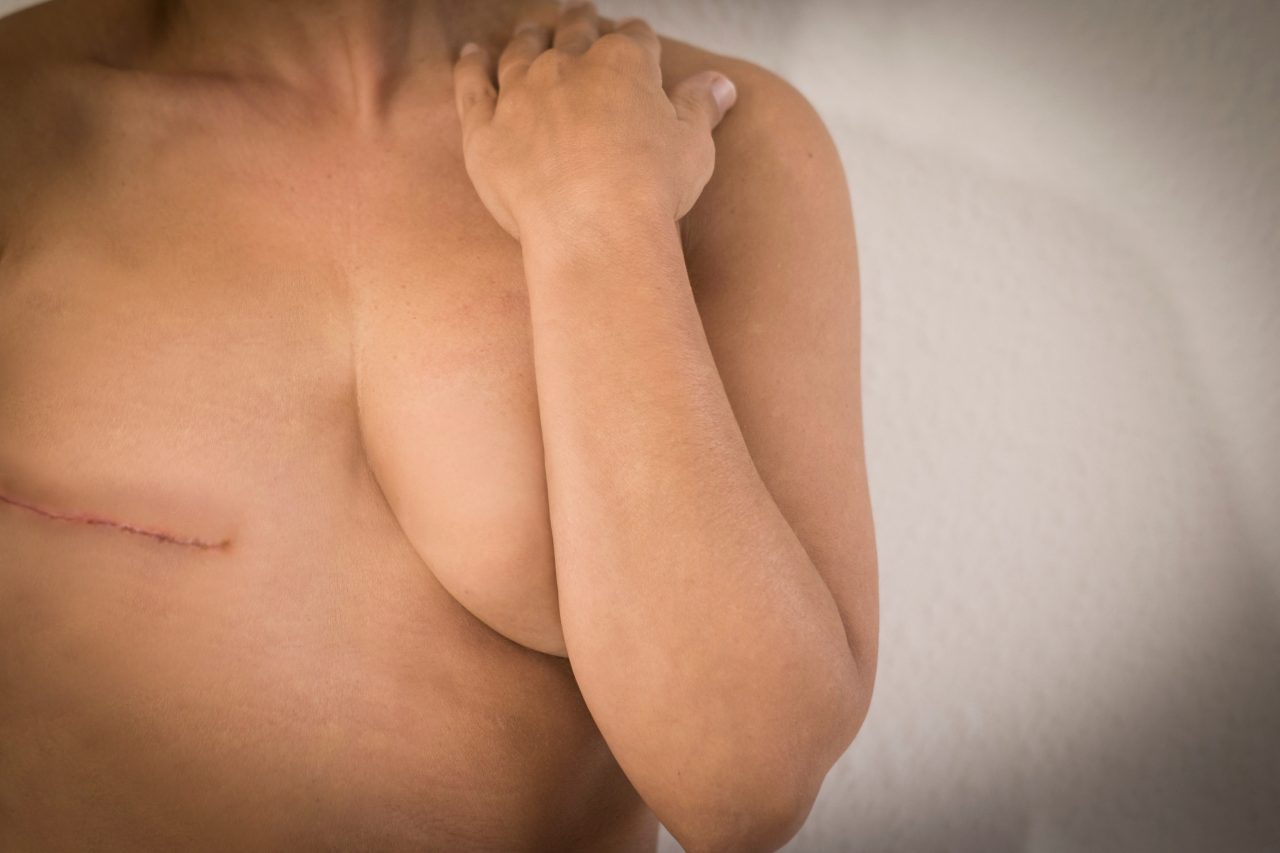
What is Preventive Mastectomy and Who Should Consider It?

Does a family history of breast cancer put you at a higher risk of getting the disease?We speak with Dr Tan Yah Yuen, Senior Consultant and Breast Surgeon about preventive mastectomy for individuals with elevated risk of breast cancer.What is preventive mastectomy and can I remove a single breast?Preventive mastectomy (or risk-reducing mastectomy) is surgery that is done to remove one or both breasts to reduce the risk of developing breast cancer. All of the breast tissue is removed, maintaining the skin overlying the breast, and may include maintaining the nipple and areola. This is followed by an immediate breast reconstruction.By definition, a mastectomy means the removal of the entire breast. A partial removal of the breast will not be suitable if the aim is to reduce the long-term risk of cancer, which can occur in any part of the breast.For risk-reducing mastectomy, the nipple and original skin of the breast can be conserved, together with immediate reconstruction. This will restore the appearance of the breasts to as near normal as possible.Who should consider risk-reducing mastectomy?Women who are at significantly elevated risk of breast cancer may consider preventive or risk-reducing mastectomy.These include:Women with BRCA 1 or 2 genetic mutations where the life time risk of breast cancer can be as high as 70- 85%. Women with biopsy-proven breast abnormalities that place them at a significantly higher life time risk of breast cancer e.g. lobular carcinoma in situ, atypical ductal hyperplasia, atypical lobular hyperplasia etc. The risk of breast cancer in this group varies from 20-50%, generally not as high as BRCA gene mutations. For women with a strong family history of breast cancer but without BRCA gene mutations, it is debatable whether they should consider risk-reducing mastectomy. It is best for these women to have a discussion with their breast specialist about their individual risk and circumstances.Are there many women who consider risk-reducing mastectomy? How old are they?A majority of the patients who consider risk-reducing mastectomy are fairly young, with ages ranging from mid 30s-50s.Is risk-reducing mastectomy considered a last-resort measure?Rather than a looking at risk reducing mastectomy as a last resort, risk-reducing mastectomy should be seen as a pro-active, self-empowered decision on the woman’s part to reduce her life time risk of breast cancer.  This frees her from the constant psychological burden of elevated breast cancer risk, and the desire to be in control of their own fate outweighs their fear or anxiety of the surgery.How does risk-reducing mastectomy help women with elevated risks of breast cancer?A risk-reducing mastectomy will reduce a woman’s risk of breast cancer by at least 90%.  Hence, if a woman with a BRCA1 gene mutation who has a 70% lifetime risk of breast cancer undergoes bilateral risk-reducing mastectomy, her risk of breast cancer will be reduced to 7%.  This is a very significant reduction.The reduction in risk cannot be 100% because there is usually a very small amount of residual breast tissue in the nipple, under the skin or peripheral chest wall that cannot be completely removed. Hence the term “risk-reducing” is preferred over “preventive”.It is important to note that for women who choose double mastectomy when a breast cancer has already been diagnosed, the surgery does not eliminate or reduce the risk of distant organ relapse of the original breast cancer.Aside from risk-reducing mastectomy, what other options are there for women with high-risk factors/family history?A non-surgical option to reduce one’s risk is chemoprevention, which is the use of oral medication to prevent cancer. The risk of breast cancer is estimated to be halved with chemoprevention.  However, the medication is associated with side effects and as such, is not a popular option among women.A woman may also opt for high-risk surveillance. This allows for early detection but technically does not reduce one’s risk.  High-risk surveillance includes a yearly MRI of the breasts, in addition to mammogram and ultrasound.Leading a healthy lifestyle may modify one’s risk – this includes a healthy diet comprising plenty of fresh fruits and vegetables, reducing consumption of processed and red meats and reducing alcohol intake. Regular exercise and avoiding weight gain can also modify a woman’s risk of breast cancer.When can reconstructive surgery take place? Can it be done during the mastectomy itself? Are there different types of reconstruction surgeries available? Reconstruction of the breasts is preferably done at the same time as the mastectomy. This will achieve the most favourable aesthetic outcome.Reconstruction for double mastectomy is ideally performed with silicone implants, which will result in a symmetrical appearance of the reconstructed breasts.Alternatively, women may opt for reconstruction using their own body tissue (autologous) such as tummy fat, or back muscle.  For women with small-volume breasts, sometimes fat transfer using liposuction alone may even be sufficient for reconstruction.How has reconstructive surgery helped your patients in their daily lives? Reconstruction is definitely very helpful for women to move on after a single or double mastectomy.  It restores her body image and allows her to dress and carry out her daily activities including sports without worrying about appearance.Because of improved reconstruction techniques in recent years, this has made risk-reducing mastectomy more acceptable.Do you have any advice to give to women who are scared or too busy to take charge of their breast health? Women should not be scared to, or say they are too busy to take charge of their breast health.  After all, health is most important thing in our lives.Breast cancer is a very curable disease and the key is early detection and treatment. Hence, breast cancer screening is very important and I advise women to be pro-active in taking charge of their breast health. Screening will really make all the difference.Article contributed and reviewed by Dr Tan Yah Yuen, Senior Consultant and Breast Surgeon at Solis Breast Care & Surgery 

Read more

Why Early Detection for Breast Cancer is Important & Ways to Prevent It

Breast cancer is the most common cancer among women in Singapore with over 2,000 women diagnosed each year. According to the Singapore Cancer Registry Annual Report 2018, the incidences of breast cancer are highest in women aged between 40 and 69 years old. What are some of the symptoms and risk factors, and how can we prevent breast cancer?The most common type of breast cancer originates from the cells lining the milk ducts and glands[1]. When abnormal cells are detected in the milk ducts and have not spread to other parts of the breast or the rest of the body, this is termed as Ductal Carcinoma In-Situ (DCIS). Patients with DCIS have a greater chance of recovering. Breast cancer may also begin in the glandular tissue called lobules or in other cells or tissue within the breast.The importance of early detection and regular breast cancer screeningGoing for regular breast cancer screening is important because it catches breast changes early before symptoms (such as a lump that can be felt) develop. Breast cancer is most treatable when it is detected and diagnosed at an early stage. Identifying the disease during its initial growth can mean that the required treatments are simpler and more effective. The earlier the breast cancer is detected, the smaller the tumour may be and the less likely it would have spread to other parts of your body or the lymph nodes.Breast cancer symptomsSymptoms may vary for different people and some of these symptoms may be related to other conditions that are not due to cancer. It is best to speak to your doctor or breast cancer specialist if you have any of these symptoms.Some symptoms of breast cancer may include:Lump in the breast or underarm area Thickening or swelling of part of the breast Irritation or dimpling of the skin on the breast A rash or flaky skin in the nipple area or the breast Pain or discomfort around the nipple or in the surrounding area; or the nipple being pulled inward Nipple discharge other than breast milk, including blood Change in the size or the shape of the breast Pain or discomfort in the breastHow is breast cancer diagnosed?Your healthcare professional or breast cancer specialist may conduct one or more of the following test(s) or procedure(s) to diagnose breast cancer:Physical examination. Your doctor or breast cancer specialist will examine both of your breasts and lymph nodes in your armpit to detect any lumps or other abnormalities. Breast mammogram. Mammograms, which is an X-ray of the breast are commonly used to screen for breast cancer. Your breast cancer specialist may recommend a diagnostic mammogram to evaluate any abnormality that is detected on a screening mammogram. Breast ultrasound. Breast ultrasound, which is more commonly used in younger women can be used to determine whether a new breast lump is a solid mass or a fluid-filled cyst. Breast magnetic resonance imaging (MRI). A breast MRI is a contrast-enhanced machine that uses strong magnets to create cross-sectional images of the breast.Confirmation of breast cancerRemoving a sample of breast cells for testing (biopsy). A biopsy, where a sample of breast cells is removed for testing, is the definitive way to make a diagnosis of breast cancer. During a biopsy[2], your breast cancer specialist will use a specialised needle device to extract a core tissue from the suspicious area. Biopsy samples will be sent to a laboratory for analysis to determine whether the cells are cancerous. The pathologist will also analyse the biopsy sample to determine the type of cells involved in the breast cancer, the aggressiveness of the cancer, and whether the cancer cells have hormone receptors or other receptors that may influence your treatment options.Risk factors for Breast CancerLeading a sedentary lifestyle or being overweight after menopause can increase your risk of getting breast cancer. Some hormone replacement therapy[3] especially those that include both estrogen and progesterone taken during menopause may also increase the risk for breast cancer if taken for more than five years. Drinking excessive alcohol and having your pregnancy after age 30 may also increase a woman’s risk of breast cancer3.The risk for breast cancer also increases with age. Most breast cancers are diagnosed after age 40[4]. A woman’s risk for breast cancer is also higher if a first-degree relative or multiple family members on the parents’ side[5] have had breast or ovarian cancer.How to prevent breast cancerApart from regular breast screening, research shows that lifestyle changes can decrease the risk of breast cancer, even among women who are at high risk. Here are some lifestyle strategies that you can use to reduce your risk[6]:Cut down on your consumption of alcohol as this can reduce your risk of developing breast cancer. The general recommendation is to limit yourself to no more than one drink a day. Maintain a healthy body weight. Cut down on your daily calorie intake and try to incorporate some daily physical activity such as taking a walk, alighting one stop before your destination, doing housework or climbing the stairs. Breast-feeding may also play a role in breast cancer prevention. The protective effect is enhanced if you breast feed for a longer period. Limit postmenopausal hormone therapy.  Talk to your doctor about the risks and benefits of hormone therapy as you might be able to manage your symptoms with nonhormonal therapies and medications. Eating a healthy diet might decrease your risk of some types of cancer including breast cancer. Try to consume more plant-based foods, such as fruits and vegetables, whole grains, legumes, and nuts. Cut down on red meat and choose healthy fats, such as olive oil and eat more oily fish such as tuna, salmon and mackerel.References:[1]Singapore Cancer Society, Breast Cancer[2]American Cancer Society, Breast Cancer Early Detection and Diagnosis[3]Centre for Disease Control & Prevention, What Are the Risk Factors for Breast Cancer?[4]Singapore Cancer Registry Annual Report 2020[5]Centre for Disease Control & Prevention, What Can I Do to Reduce My Risk of Breast Cancer?[6]Mayo Clinic, Breast cancer prevention: How to reduce your risk
Read more

4 Things You Need to Know About Oncoplastic Breast Surgery

Cancer in Singapore has been on the rise, with breast cancer being the most common cancer among women here. It accounted for 29.7% of total female cancer cases from 2016-2020, according to the Singapore Cancer Registry Annual Report 2020. Most patients with breast cancer will require surgery to remove the cancer cells. The good news is that mastectomy is not the only surgical option.Breast-conserving surgery such as oncoplastic breast surgery[1] enables patients to preserve their breasts, maintaining their quality of life, with proper removal of the cancer tissue for treatment. Oncoplastic breast surgery is also increasingly being used for large tumours[2]. Many clinical studies have shown that the overall and disease-free survival rates of oncoplastic breast surgery are equivalent to those of mastectomy[3].How does oncoplastic surgery achieve the above goals? The first step is the removal of the breast cancer from the breast. Following this plastic surgery techniques are performed to either reshape the remaining breast tissue into a smaller but normal breast, or tissue from areas around the breast (below the breast or from the side of the breast) is used to fill the space created by the cancer removal. A trained oncoplastic breast surgeon can do all of that. Occasionally, for more complex cases, a plastic surgeon may be part of the surgical team.Oncoplastic surgery with radiation equals mastectomy survival ratesAccording to a Swedish study of 48,986 Swedish women diagnosed with early-stage breast cancer and who had breast cancer surgery from 2008 to 2017, the five-year breast cancer-specific survival rates by surgery group were 98.2% for those who had a lumpectomy with radiation. The research was published online on May 2021 by the journal JAMA Surgery[4].Improves patients’ quality of life and pleasureOncoplastic surgery, also offers several positives when compared to a mastectomy. As the surgical procedure combines cancer resection with plastic surgery techniques to reshape the breast for a final aesthetic outcome, it allows the woman to retain her breast. The retained breast can fit into the patient’s bra, enabling her to move and feel the reconstructed breast as part of her body.Oncoplastic surgery, used to address both medical and aesthetic concerns has also been shown to significantly improve the long-term wellbeing of women. As it is a less radical form of surgery, surgical trauma and morbidity to breast cancer patients are minimised.The results of a survey research published in the International Open Access Journal of the American Society of Plastic Surgeons[5] revealed that 89% of participants rated oncoplastic surgery as better than mastectomy. At the same time, the research also reported high outcome scores for breast appearance, physical and emotional wellbeing even after the procedure had been done for 15 years.Oncoplastic surgery preserves the breast by correcting the lumpectomy defectIn oncoplastic surgery, the oncoplastic breast surgeon pays attention to the shape and appearance of the breast. Patients’ breasts will usually retain sensation as most of their natural breast tissue is preserved after the surgery.As the breast specialist can also remove more tissue in oncoplastic surgery than with lumpectomy alone, this is more likely to result in cleaner margins[6]. In addition, for larger-breasted women who undergo a breast reduction as part of oncoplastic surgery, having less breast tissue may lower the risk of cancer recurrence and make future breast screenings easier[7].Similar to a regular lumpectomy, the breast specialist performing oncoplastic surgery will send the removed tumour for pathology testing. The pathologist will make sure that the breast specialist achieves clean margins. Having a clean margins test[8] means that no cancer is present at the edges of the rim of healthy tissue, which was removed along with the tumour, by the surgeon.Single surgery, single recovery periodWith oncoplastic surgery, everything can be done in a single operation/procedure. This includes the removal of the breast cancer, with immediate partial reconstruction using the patient’s remaining breast tissue, or neighbouring tissue. Patients generally take about four to six weeks to recover and strenuous activities should be avoided during this period.Are you interested to learn more about oncoplastic breast surgery? Our breast specialists at Solis Breast Care and Surgery Centre will guide you every step of the way. Schedule an appointment with us right away by clicking here.[1] PubMed.gov, Oncoplastic breast surgery: comprehensive review[2] PubMed.gov, Oncological advantages of oncoplastic breast-conserving surgery in treatment of early breast cancer[3] National Library of Medicine, Recurrence and survival after standard versus oncoplastic breast-conserving surgery for breast cancer[4]Breast Cancer.org, Lumpectomy Plus Radiation Offers Better Survival Rates Than Mastectomy for Early-Stage Breast Cancer[5] National Library of Medicine, Patient-Reported Outcomes Are Better after Oncoplastic Breast Conservation than after Mastectomy and Autologous Reconstruction[6] Breast Cancer.org, Reconstruction After Lumpectomy[7] Breast Cancer.org, Reconstruction After Lumpectomy[8] Breast Cancer.org, Reconstruction After LumpectomyOther References:1)    SingHealth Duke-NUS Breast Centre, SingHealth, Oncoplastic breast surgery2)    PubMed.gov, Oncoplastic breast surgery: comprehensive review
Read more