


The Role of a Pathologist in Breast Cancer Diagnosis
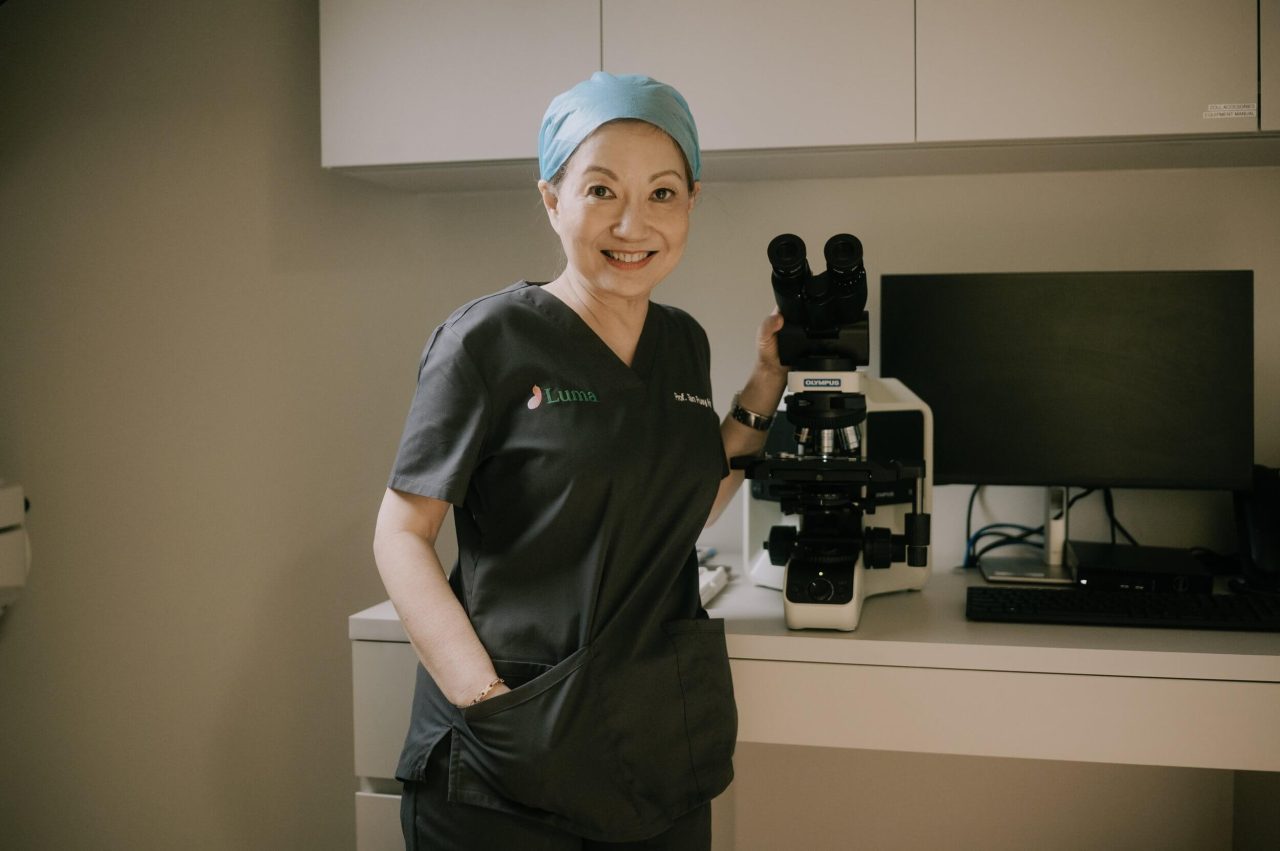
Early detection and diagnosis of breast cancer can provide patients with more treatment options and a better chance of survival. Pathology and radiology are essential to making a diagnosis of cancer. As such, close clinical-radiologic-pathologic workflow is crucial for the delivery of timely interventions for patients which can result in better clinical outcomes.When a biopsy is performed on your breast, a sample is taken and studied under a microscope by a pathologist. The pathologist is a medical doctor who makes the diagnosis of the disease by examining the sample.A pathology report generated will state the findings and diagnosis for each sample taken. This information will be sent to the doctor who will use the information to manage your care and come up with a treatment plan. The role of a pathologist is central to ensuring the correct treatment and prognosis for each patient. Pathology reporting, including for breast cancer and breast diseases, has become increasingly subspecialised, often requiring subspecialty experience for diagnosis. Consistent reporting by a pathologist with subspecialist breast pathology experience helps to support the breast surgical and radiological expertise provided to patients and any abnormalities would be picked up promptly.We are delighted to welcome Professor Tan Puay Hoon to our team of breast care specialists. As a key opinion leader in breast and urologic pathology, Prof Tan is a pathologist with subspecialist breast pathology experience.Being a passionate researcher, Prof Tan has published widely with over 500 peer-reviewed scientific papers. She is a Standing Editorial Board Member for the 5th series of the WHO Classification of Tumours, IARC, Lyon, and is also an expert member for the Breast (2019) and Genitourinary (2022) volumes in this latest series. Prof Tan initiated a well-received annual breast pathology course drawing participants from the region and internationally since 2010. She is dedicated to diagnostic, research and educational excellence in breast and urological pathology, and is a strong advocate for building support for academic pursuits in these disciplines that can be translated to improving patient care.Solis Breast Care and Surgery Centre (Solis), together with Luma, provides dedicated breast care to patients, where a dynamic team of female breast surgeons, breast radiologists and an in-house pathologist, adopt a multidisciplinary approach. The expertise of the team is able to provide integrated, coherent interpretations that would enable better-informed management decisions in a timely manner. Early detection of breast cancer often means that the patient will have more treatment options that are much less aggressive, and maintain positive treatment outcomes.Ultimately, early detection is always best, and an in-house pathologist at Solis-Luma, contributes diagnostic subspecialty expertise to breast diseases management. Here to bring breast care to another level, Solis-Luma is dedicated to improve breast cancer clinical outcomes, expedite diagnosis and treatment planning, and ensuring that patients receive the utmost care they deserve.To read more about Prof Tan’s research interests and involvement, click here.