

Media Experiential Day and the Unveiling of The Art of Hope, A Silent Art Auction

Image reference: Solis Breast Care and Surgery Centre’s seven leading surgeons and Luma Women’s Imaging Centre’s leading radiologists. From left to right: Dr Tan Yah Yuen, Dr Lim Siew Kuan, Dr Lee Wai Peng, Dr Joy Lee, Dr Chan Ching Wan, Dr Esther Chuwa, Dr Tang Siau-Wei, Dr Henry Oscar and Dr Eugene Ong Solis Breast Care and Surgery Centre (Solis) and Luma Women’s Imaging Centre (Luma) welcomed the media and invited guests on 25 May 2022 for a media experiential day – an exclusive opportunity to find out how Solis and Luma work hand-in-hand together and becoming an integrated breast centre in Singapore, bringing together breast surgeons and breast radiologists to provide personalised breast care that patients deserve. Image Reference: Dr Tan Yah Yuen sharing about the inception of Solis and how all the surgeons decided to come together as one (Solis) team Welcome speeches were shared by Dr Tan Yah Yuen, Medical Director, Senior Consultant and Breast Surgeon of Solis Breast Care and Surgery Centre and Dr Eugene Ong, Imaging Director, Consultant, Radiologist, and Co-founder of Luma Women’s Imaging Centre. The media also had an exclusive tour and were introduced to the facilities’ diagnostics equipment (i.e. 3D mammogram, ultrasound, MRI, Operating Theatre and more), to gain insights on how Solis and Luma strive to deliver professional expertise and experience for the patients. In the pursuit to educate and raise more awareness on breast care and breast health, Solis unveiled The Art of Hope as part of its Corporate Social Responsibility (CSR) efforts. Image Reference: Guests and media viewing the art pieces at Solis Paragon The Art of Hope is a silent art auction where part of the sales proceeds raised will be donated to Humanitarian Organisation for Migration Economics (HOME) to offer complimentary consultation, diagnostics, and/or treatments to care for female foreign domestic workers. Miss Ruchita Chheda, representative and Senior Manager from HOME was also invited to share a few words about this meaningful partnership that the NGO is looking forward to helping its beneficiaries. Image Reference: Media roundtable session exclusively led and moderated by Dr Esther Chuwa (standing) The media experiential day concluded with a fruitful media roundtable session, exclusively led and moderated by Dr Esther Chuwa, Senior Consultant and Breast Surgeon of Solis Breast Care and Surgery Centre. Many took the opportunity to learn more about breast health care, how CAN-CARE our post-care partner help cancer patients and survivors cope with their lifestyle and emotional needs, and essentially how Solis and Luma come together as a multidisciplinary approach, providing comprehensive and personalised care from consultation, diagnostics to treatments and after care for the patients. Stay tune for more post-event updates on our social media platforms and upcoming newsletter! About The Art of Hope: A Silent Art Auction The Art of Hope showcases a beautiful one-of-a-kind art exhibition for patients, caregivers, and the public. As the theme suggests, the art pieces seek to instil HOPE and bring forth the message that there is HOPE in the fight against breast cancer. Joining Solis on this meaningful initiative are local artists Christina Lau, Christine Lok, Gale Choong, Ieo Gek Ching, Jennifer Soon, and Zhang Kaini. Artworks by the collaborating artists will be displayed in Solis Paragon from 25 May – 30 September 2022 on a rotational basis. Interested bidders may check out the artworks physically in the clinic or on the silent art auction page.
Read more

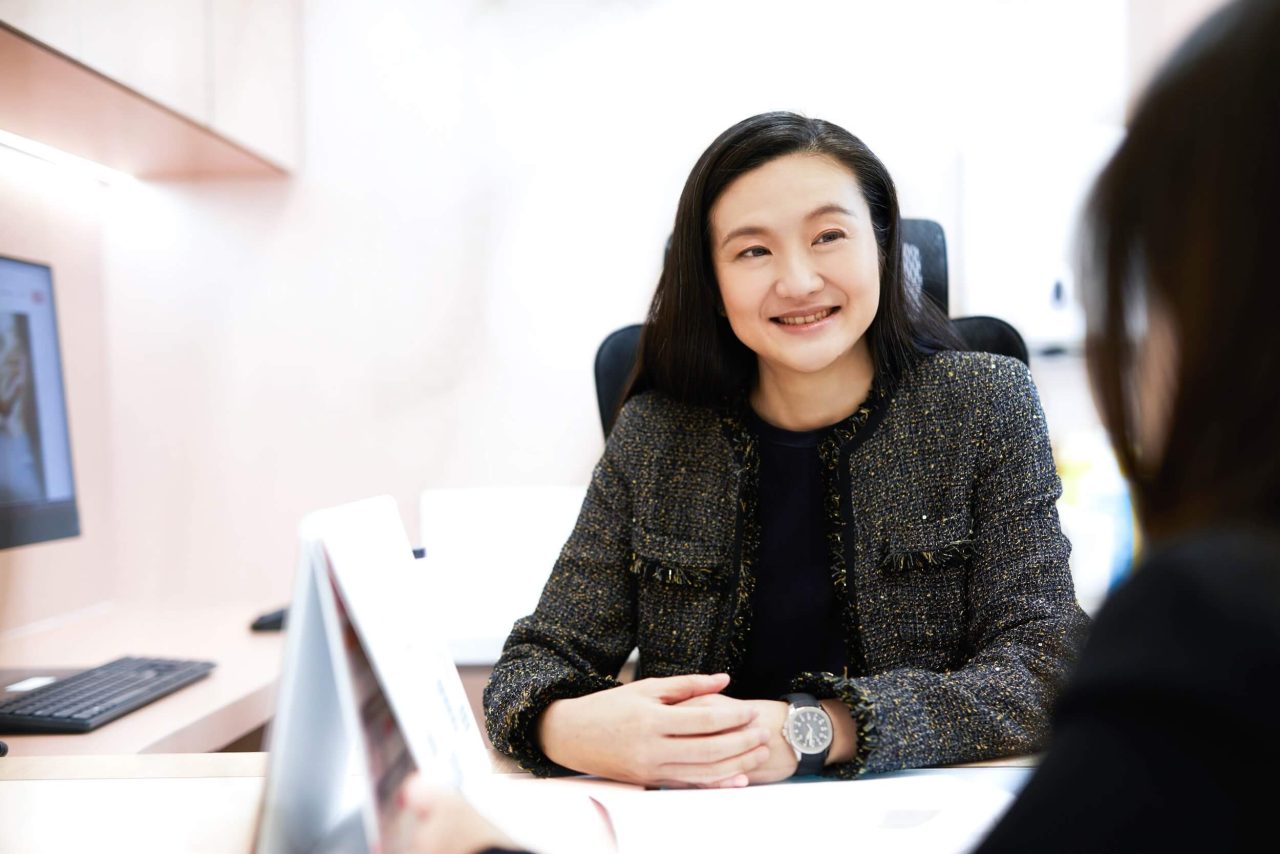
Getting To Know Dr Tan Yah Yuen

Get up close with our breast specialists and hear more from them on their philosophy for patient care and interesting personal anecdotes. “I enjoy doing my work because it is not static – we are always looking at new and better ways at treatment, doing less to achieve more, and ultimately improving patients’ outcomes and quality of life.” Dr Tan is our Senior Consultant and Breast Surgeon practicing at Solis. She is a key opinion leader in her field and is actively involved in the training of breast surgeons in the region. Q. Why did you choose to become a breast surgeon? During my surgical training, I opted to sub-specialise in breast surgery because as a woman, I felt I was able to relate and empathize with the patients better. Breast cancer treatment also involves multiple disciplines, a lot of interaction and discussion with colleagues such as radiologists, medical oncologists, radiation oncologists, pathologists, genetic counsellors and more, and the science behind breast cancer is fascinating and constantly evolving. I enjoy it because it is not static, we are always looking at new and better ways at treatment, doing less to achieve more, and ultimately improving patients’ outcomes and quality of life. Q. Share with us a patient’s story that left a deep impression on you There are countless stories of my patients that have become unforgettable memories for me. A handful are sad stories – when the patient comes at a terminally ill stage due to fear of treatment at the beginning. But most memories are wonderful and encouraging stories of courage and faith in battling cancer, and of triumph year after year when they return for reviews in the pink of health and with a zest of life! These patients constantly inspire us to improve cancer care, from screening to diagnosis, to surgical techniques and multi-disciplinary care. Q. What is ONE myth or message that you would like women to know about breast cancer? Breast cancer is one of the most treatable cancers and many women continue to lead fulfilling lives after treatment, sometimes even better lives! The key is early diagnosis and treatment. Therefore, women who have worrying symptoms of breast cancer should not fear coming forward to seek treatment. Surgical outcomes are getting better all the time, including breast reconstruction. Chemotherapy is also often not required especially in early stages. Hence, it is important that women consult a doctor early and it may make all the difference! Q. What do you do during your free time? I enjoy the outdoors – currently my go-to weekend activity is hiking and my favourite place is MacRitchie Reservoir where I used to jog. I have tried my hands at table tennis, dragon boat racing, kayaking, diving, tennis and marathons during different phases of my life! Regular exercise is important because it reduces the risk of various cancers including breast cancer. When at home, I explore different cooking recipes especially desserts! Q. What do you think you will be doing if you didn’t become a breast surgeon? My first ambition as a young child was to be a fireman (or firewoman)! This was after watching a thrilling movie where the fireman saved many people stranded in a burning skyscraper. When I grew older, I realized that I enjoy working with my hands, so if I didn’t become a doctor I would probably try something like woodwork or metal work, although I am not sure if I am artistic enough! Article contributed and reviewed by Dr Tan Yah Yuen, Senior Consultant and Breast Surgeon at Solis Breast Care & Surgery
Read more

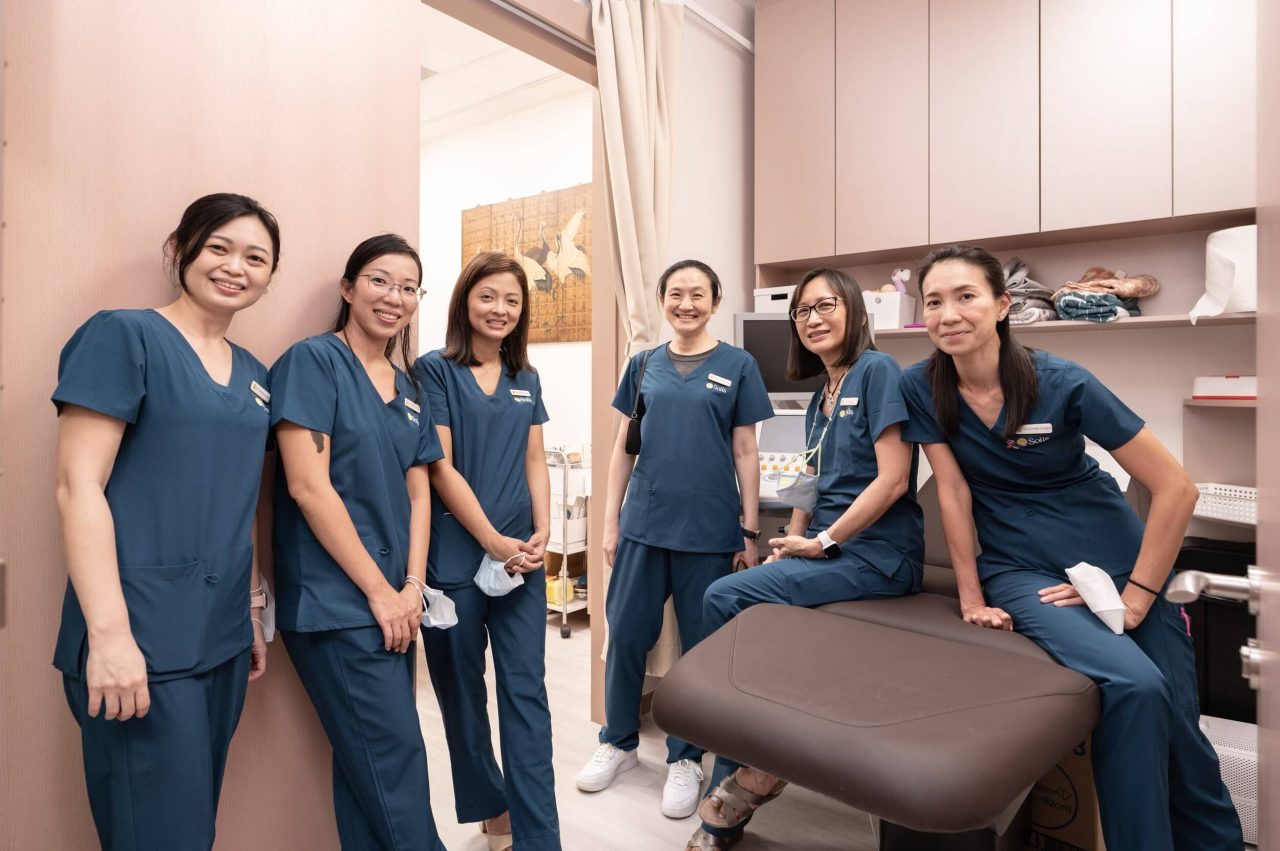
Management of Mastitis

Mastitis is an inflammation of the breast tissue that causes swelling and pain in the breasts due to bacteria entering through the crack on the skin surface around it. Occasionally, breast cancer may also appear to resemble mastitis and it is advisable to see a doctor if the symptoms do not resolve with appropriate treatment. Dr Lee Wai Peng, our Senior Consultant and Breast Surgeon sheds light on the causes and treatment of mastitis. What is Mastitis? Mastitis refers to the inflammation of the breast tissue, most often caused by an infection. What causes mastitis? Lactating women are at risk of developing mastitis. Milk that is retained in the breast is the main cause for mastitis in lactating women. Bacteria from the skin surface of the breast or from the baby mouth may enter the milk duct through a crack in the skin of the nipple or through an opening in the milk duct, giving rise to infection. Who are at risk of developing mastitis? Women who are breastfeeding are at risk of developing mastitis. Engorgement and incomplete breast emptying can contribute to the problem and make the symptoms worse. It can happen anytime during lactation, but it is more common in the first three months of lactation. Up to 10% of breastfeeding women may be affected. Less commonly, women who have poorly controlled diabetes mellitus or are immunocompromised may be at risk of developing mastitis. In some women, the underlying cause may be unknown. This condition is called idiopathic granulomatous mastitis (IGM). In severe cases of IGM, steroid therapy may be advised if an infection has been excluded. What are the symptoms of mastitis? The inflammation causes pain, swelling, warmth, and redness. You may even develop fever and/or chills. Occasionally, breast cancer may appear to resemble mastitis. Please do see a doctor if your symptoms do not resolve with appropriate treatment. Can mastitis resolve on its own? Mastitis may sometimes resolve on its own especially if it is mild. However, a short course of antibiotic treatment is warranted in most instances. Breast abscess, which is a serious complication of mastitis, may develop. Apart from antibiotics, a surgical drainage procedure may be necessary to treat this condition. When do I need to consult a doctor? It is advisable to consult a doctor if you have any of the symptoms and to start treatment early. Treatment comprises pain killers (some of which might be anti-inflammatory) and a short course of antibiotics. If you are lactating, please be reassured that you can continue to breastfeed. Mastitis does not increase your risk of developing breast cancer but inflammatory breast cancer may occasionally resemble mastitis. Please do see your doctor if your symptoms do not resolve with appropriate treatment. Apart from taking medications, are there any home remedies or/ lifestyle modification that one can consider? If you are lactating, please do ensure that you empty your breast at regular intervals. Your breast milk supply may drop during this period of infection but it should increase again once you recover. Applying warm moist compress over your breast regularly or ice pack after breastfeeding may help to improve your symptoms. You may feel tired due to the infection and may have to rest more during this time. A supportive bra (such as a sports bra) may also help to alleviate the discomfort that you are feeling. Article contributed and reviewed by Dr Lee Wai Peng, Senior Consultant and Breast Surgeon at Solis Breast Care & Surgery Centre.

Read more