
Not an End, But a New Beginning: Empowering Yourself as a Breast Cancer Survivor

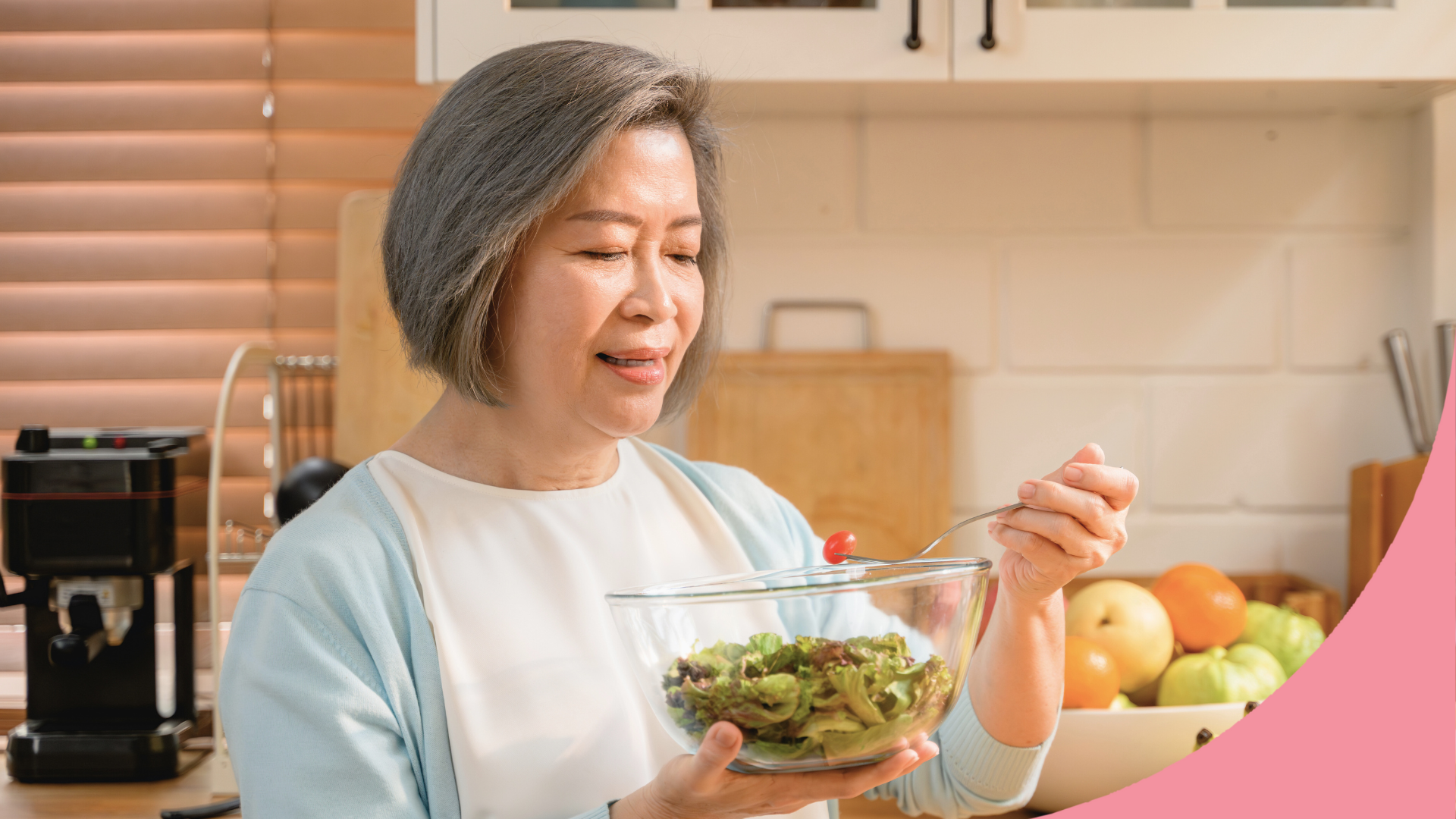
For many women, the last day of breast cancer treatment is one filled with relief and hope. Yet it can also feel unexpectedly unsettling. Survivorship isn’t the end of a story, but the beginning of a new chapter—balancing ongoing medical care with healthy habits, emotional honesty, and resilience [1]. Survivorship is not about going back to who you were before. It’s about reclaiming the control that cancer disrupted and moving forward into the person you are becoming [2].  Taking Steps Towards Health and Healing “I want to take charge of my health.” After treatment, your healthcare team may recommend follow-up visits to monitor for recurrence or secondary cancers [2] [3]. These appointments can stir up anxiety, but they are also  opportunities to ask questions, share symptoms, and feel more in control. [1] [4] [5]. Tip: Write down three questions before each follow-up visit. This can help you focus on what matters most and ease uncertainty. Beyond check-ups, daily habits play a powerful role in recovery. Physical activity has been shown to  lower anxiety and depression, boost well-being and help reduce the recurrence risk [5] [6] [7]. Nourishing your body with a fibre-rich foods,  fruits, vegetables and whole grains supports long-term health [5]. Empowerment isn’t about forcing positivity. It’s about acknowledging when you’re struggling, giving yourself compassion, and still choosing steps that nurture your healing [8]. Adjusting to Your New Normal “Life feels different now, and that’s okay.” Many survivors long to “get back to normal,” but life after cancer rarely looks the same [9]. Physical changes like surgical scars, early menopause or fatigue may leave you feeling disconnected from your body [9]. Emotionally, the fear of recurrence or grief for pre-cancer self can weigh heavily [1] [9].  These shifts can ripple into relationships too. Loved ones may expect you to bounce back quickly, which can feel isolating [1] [2].  The first step in navigating these changes is permission—permission to acknowledge these challenges honestly. Healing isn’t linear; it’s more like the tide, flowing in and out. With time, small steps toward your own “new normal” can help you feel more grounded [10]. Redefining Yourself and Finding Confidence “I’m not who I was before.” For many, survivorship becomes a chance to rewrite their story. Cancer may reshape body image, sexuality, routines and even career paths, but it also sparks new perspectives [11] [12].  This period is often described as  rediscovery—finding strength you didn’t know you had, deepening  relationships, and noticing meaning in everyday moments [1] [2] [4].  Not everyone feels comfortable with the label “survivor”, and that’s okay[1] [2]. Identity after cancer isn’t about erasing what happened. It’s about weaving those experiences into your new narrative—one that reflects both the scars you carry and the confidence you are building.  Finding Strength Through Community and Support “I can’t do this alone, and I don’t have to.” Healing is strongest when shared. Social support, whether from family, friends, survivor groups or your care team, can ease stress, strengthen emotional adjustment and improve well-being [2] [6] [13].  Many women find comfort in survivor groups where others truly understand their journey. These conversations can bring hope, practical coping strategies, and a sense of belonging [2]. At the same time, leaning on close relationships can help rebuild trust and connection, even if cancer has shaken old support systems [13]. Empowerment doesn’t mean facing everything alone. It also means knowing  when to lean on others. Survivorship is both individual and collective, and walking this path together can make each step feel lighter. Moving Forward with Intention Every small step—whether speaking up about side effects, starting a new health habit, or reaching out for support—is part of reclaiming your strength. While it’s natural to grieve the life you had before, remember this: you are more than the scars cancer has left behind.  At Solis and Luma, we believe the end of treatment is not the end of the cancer journey. Survivors deserve continued care, compassion, and tools to live fully and earnestly after cancer. The Breast Years of Your Life: Living Well After Cancer offers practical guidance and heartfelt support - from rebuilding trust with your body to embracing new beginnings -so you can continue to live meaningfully beyond cancer.  References [1] Cancer Council, Living Well After Cancer  [2] European Society for Medical Oncology, The Guide for Patients on Survivorship  [3] Cleveland Clinic, Cancer Survivorship  [4] Mayo Clinic, Cancer survivors: Managing your emotions after cancer treatment  [5] Solis Breast Care & Surgery Centre, The Breast Years of Your Life: Living Well After Cancer  [6] BMC Women's Health, "Resilience and renewal: the personal impact of physical activity in breast cancer survivors"  [7] American Cancer Society, Physical Activity and the Person with Cancer  [8] American Cancer Society, Life After Cancer  [9] Journal of Cancer Survivorship, "Psychosocial experiences of breast cancer survivors: a meta-review"  [10] Asia-Pacific Journal of Oncology Nursing, "Perceived New Normal and Inner Strength on Quality of Life in Breast Cancer Patients Receiving Adjuvant Endocrine Therapy"  [11] National Cancer Institute, Life After Cancer Treatment  [12] Latin American Journal of Palliative Care, "The (re)construction of female identity among women cancer survivors"  [13] Asia Pacific Journal of Cancer Prevention, "Importance of Social Support in Cancer Patients" 
Read more

Early Menopause After Breast Cancer: Navigating Sudden Changes with Care

For many women, menopause is a natural life stage that usually happens in their 40s or 50s [1]. But for women with breast cancer, menopause can come much earlier, sometimes suddenly, and bring a unique set of challenges When Menopause Comes Early Menopause occurs when your periods stop permanently [1]. Some breast cancer treatments, such as chemotherapy or hormone therapy, can trigger it sooner than expected [2].  Early menopause is more than a hormonal change, it’s a deeply personal transition that can reshape how you feel about your body, your relationships and your future [3] [4]. While some women may feel relief at no longer having periods, others may grieve the body they had before cancer.  Common menopausal symptoms include [5]: Unlike natural menopause, which often happens gradually, early menopause can come abruptly and feel more intense [6] [7]. The suddenness can come as a shock, and the emotional and physical changes overwhelming.  Living with Emotional and Physical Shifts Menopausal symptoms affect more than just your body—they ripple into your daily life. They can affect intimacy, self-image, work performance and overall well-being, sometimes leading to depression or anxiety [8] [9].  For instance, vaginal dryness or reduced sex drive may make intimacy uncomfortable, straining relationships and self-perception [4] [10]. Hot flushes and difficulty concentrating can affect work, creating frustration or embarrassment [11].  For younger women, early menopause adds another emotional layer [10]. Fertility concerns and disruptions to sexual life during peak reproductive years can intensify feelings of loss. [7] [11].  Experiencing menopause when most peers have not yet entered this stage can feel isolating and impact self-identity [11].  Finding Ways to Cope and Reconnect Managing menopausal changes is an important part of follow-up care for breast cancer survivors [12]. Treatment decisions and coping strategies depend on symptom severity and potential side effects [13]. Certain lifestyle changes can help make things more manageable. Discuss your options with your doctor to find what’s most suitable for you.  Practical tips for managing hot flushes and vaginal dryness [13] [14]: Seeking support, from your doctor, a therapist or fellow breast cancer survivors, can help you process the changes and remind you that you are not alone.  Reconnecting with Your Body Menopause management isn’t only about easing symptoms. It’s about rebuilding a connection with your body. Research shows that body image concerns often persist after cancer, and survivors may feel disconnected or perceive their bodies as changed or damaged [15].  Surgical scars, early menopause and other physical changes can make self-acceptance difficult. Yet acknowledging  these feelings, practicing patience, and slowly cultivating a kinder relationship with your body are vital steps in recovery.  Your body has endured treatment, adapted, and continues to carry you through life. It deserves care, respect and compassion. With the right support, you can adjust, rediscover balance and move forward with strength.  Survivorship isn’t only about overcoming cancer, it’s about embracing a new chapter with confidence and resilience. Learn More Early menopause after breast cancer can feel overwhelming, but you don’t have to navigate it alone. The Breast Years of Your Life: Living Well After Breast Cancer offers practical guidance and heartfelt support to help you manage symptoms, reconnect with your body, and embrace this new chapter with confidence. Explore this compassionate guide and take steps toward living well after breast cancer. References [1] Mayo Clinic, Menopause  [2] Cancer Research UK, Menopausal symptoms and cancer treatment [3] Current Opinion in Supportive and Palliative Care, Sexual identity after breast cancer sexuality, body image, and relationship repercussions [4] Women & Therapy, Chemically-Induced Menopause and the Sexual Functioning of Breast Cancer Survivors [5]  Cleveland Clinic, Premature and Early Menopause  [6] Annals of Oncology, Menopausal symptoms in women undergoing chemotherapy-induced and natural menopause: a prospective controlled study [7] The Cancer Journal, Concerns About Sexuality After Breast Cancer [8] Journal of Transcultural Nursing, Effects of Menopausal Symptoms and Depression on the Quality of Life of Premenopausal Women With Breast Cancer in Korea [9] Cancer Research, Statistics and Treatment, Body image disturbances among breast cancer survivors A narrative review of prevalence and correlates [10] Journal of Thoracic Disease, Premature menopause in young breast cancer: effects on quality of life and treatment interventions [11] European Journal of Cancer Care, Younger and older women's concerns about menopause after breast cancer [12] The American Journal of Medicine, "Breast cancer, menopause, and long-term survivorship: critical issues for the 21st century" [13] Breast Cancer Now, Menopausal Symptoms and Breast Cancer [14] Cleveland Clinic, Vaginal Dryness  [15] The Breast, Body image in breast cancer survivors: Age-moderated effects of treatment-induced menopause and fertility concerns
Read more

Will My Breast Cancer Come Back? Coping with the Fear of Recurrence

Reaching the end of breast cancer treatment can feel like crossing a finishing line—a sense of relief along with a tender reminder of your strength. Yet even in that moment, it’s natural to wonder: Will my cancer come back?  Living with Uncertainty “I finished treatment, so why does it still feel like my journey isn’t over?” As you transition into life after treatment, you may wish to regain your sense of normalcy you had before cancer life [1]. Your friends and family may expect things to “go back to normal” [2], not realising that recovery is more than physical scars—it’s a longer, emotional journey.  Navigating your new identity as a survivor often brings a mix of emotions: fear, sadness, even anger [3]. At the core of these feelings is often the fear of recurrence, the worry that cancer may return or progress [1].  This ongoing uncertainty can lead to anxiety and depression [4], impacting your quality of life and making it harder to stay in the present or plan for the future [1] [5] [6].  A fear of recurrence can be triggered by [3] [7]: Why Cancer Recurrence happens “If treatment was successful, why does cancer still return?” It’s common to worry that cancer recurrence means that your treatment has failed or that you did something wrong— but that isn’t true [8]. During surgery, all the cancer that can be seen or felt has been removed. However, a small number of cancer cells may still remain and go undetected, even after chemotherapy or radiotherapy [8] [9]. Over time, these cells may grow into tumours [9]. The risk of cancer recurrence is usually highest in the first few years after treatment and tends to decrease over time [10][11]. However, recurrence can still occur many years later, which is why ongoing body awareness and regular follow-up care remain important [12]. There are three main types of recurrence [12]: Your risk is influenced by factors such as the cancer size, type, grade and specific biological characteristics of the cancer, and whether your lymph nodes were affected [13]. Your medical team can help you understand what your specific situation means.  How to Cope with the Fear “Can I still live my life when the fear is always there?” It’s completely normal to worry about cancer coming back.  Although this fear can help you to stay more alert to changes in your body after treatment, for some, the uncertainty can feel paralysing and become an ever-present emotional burden. A new ache or pain can trigger anxiety, and it can be challenging to distinguish between normal and possible signs of recurrence [1]. Shifting your focus to what you can control — such as keeping up with follow-up medical appointments and adopting healthy lifestyle habits. Below are some strategies to manage your fear [14]: Stay Informed Discuss your risk of recurrence with your treatment team and ask how you can manage it, including what symptoms to be aware of. Manage Lingering Side Effects If post-treatment side effects are impacting your daily life, talk to your doctor about ways to manage them. The side effects can sometimes make it more difficult to heal emotionally and move forward. Manage Stress and Anxiety Healthily If you’re feeling overwhelmed, consider going for a walk, yoga, meditation or taking slow, deep breaths to help calm yourself. Talk to a Professional If fear becomes too much to handle, seeking help from a counsellor or psychologist can make a meaningful difference. Talking to a professional helps you put your fears and worries into words, making them clearer and easier to understand. This process creates distance from your anxieties, reducing their power over you and helping you find practical ways to cope. Find a Community Join a support group to connect with fellow patients and survivors who understand your journey in ways even loved ones may not.  Express Yourself Engaging in creative activities like drawing, painting or writing can help you process and release difficult emotions. Acknowledging your fear is an important and valid part of healing. These creative outlets provide a safe way to express feelings, which can reduce anxiety by helping you understand and manage your emotions more effectively. Everyone copes in their own way. Whether it is leaning on friends, seeking help from professionals, connecting with fellow survivors or expressing yourself through creativity, what matters most is finding what brings you comfort and peace. With kindness and patience for yourself, your unique journey can lead to healing and growth. As a survivor, you may feel the need to be strong or keep your struggles to yourself. Remember, healing takes time, and it’s completely natural to experience moments of vulnerability as you find your way to a new normal. The road ahead may not always be easy, but remember you are not alone. Many women like you, have walked this path with quiet strength and open hearts. Their stories can guide you through the tough moments, reminding you that strength, resilience, and hope are possible — even when the road feels uncertain. Article reviewed by Ms Frances Yeo, Clinical Director & Principal Psychologist at Frances Yeo Psychology Practice. References [1] Psychosocial experiences of breast cancer survivors: a meta-review  [2] Breast Cancer Now, Moving Forward: For people living with and beyond a diagnosis of breast cancer  [3] Irish Cancer Society, Fear of cancer coming back (recurrence)  [4] Fear of cancer recurrence among cancer survivors in Singapore  [5] Fear of Cancer Recurrence or Progression: What Is It and What Can We Do About It?  [6] Cancer Council Australia, Living Well After Cancer [7] Assessing and managing patient fear of cancer recurrence [8] National Cancer Institute, Recurrent Cancer: When Cancer Comes Back [9] Cancer Research UK, Why some cancers come back [10] Hazard of Recurrence among Women after Primary Breast Cancer Treatment — A 10-Year  Follow-up Using Data from SEER-Medicare [11] Johns Hopkins Medicine, Breast Cancer Recurrence [12] Cleveland Clinic, Breast Cancer Recurrence [13] Mayo Clinic, Recurrent Breast Cancer [14] Cancer Council NSW, Managing the fear of recurrence
Read more