

From Lumps to Breast Pain, What Should Women in Their 20s Do to Keep Their Breasts Healthy?
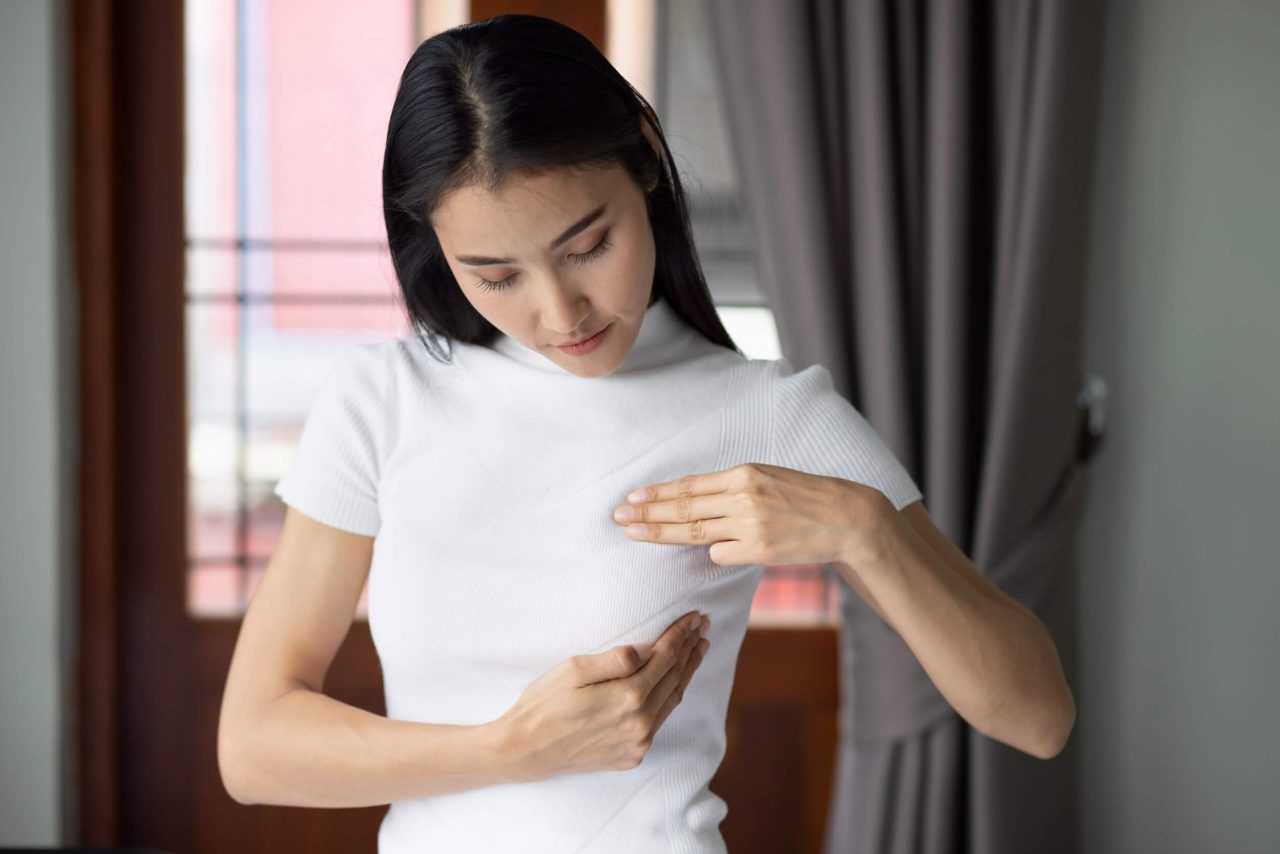
While younger women typically aren’t so concerned about breast cancer, they do often worry about painful or lumpy breasts, and sagging. CNA Women asks two doctors for their advice on what to do with these niggling breast issues.Younger women, such as those in their 20s, are usually less concerned about getting breast cancer, and doctors agree that there is little to be alarmed about. Only 10 per cent of newly diagnosed breast cancer patients are below the age of 40, even though the disease is the most common form of cancer among Singapore women.What can younger women do then, when it comes to their breast health?Start by doing regular breast self-examination (BSE), which helps you understand your breasts better and figure out when to worry if you observe something new or different. For example, what does it mean when you feel a lump in your breast?Lumps aside, women also frequently wonder: Why do my breasts suddenly hurt outside of my period? Should I be concerned if the texture of the skin suddenly looks different?CNA Women spoke to Dr Lee Wai Peng and Dr Lim Siew Kuan, both senior consultants and breast surgeons from Solis Breast Care and Surgery Centre, about the different things a woman may observe in her breasts, how to tell when something is amiss, and what to do about it.Breast PainBreast pain – a feeling of fullness and soreness over the upper and outer parts of the breasts – is usually associated with hormonal fluctuations during your period. It usually occurs before and during the start of the period.But what if your breasts hurt outside of your period? Try fixing your posture, said Dr Lim, adding that among her patients, the most common cause of non-cyclical breast pain is musculoskeletal pain, which may be caused by slouching over one’s devices.A muscle called the pectoralis major sits just behind the breasts. Dr Lim explained that when you slouch, this muscle can be strained and the pain can feel as if it is coming from the breast.Both Dr Lee and Dr Lim also observed that stress can also cause hormone imbalances, akin to how it affects menstruation, leading to breast pain.When should you seek help? It is uncommon for breast pain to be a symptom of early breast cancer, said Dr Lim.However, she added that if the pain persists past menstruation or continues even after you’ve made a shift to a less stressful lifestyle, its likely cause could be a lump – breast lumps that are bigger in size may cause tenderness in the area.Sometimes, removing the lump through surgery may be the optimal solution to ending the pain, said Dr Lim. In any case, you should visit a general practitioner to get persistent breast pain assessed.Breast LumpsThe most important thing to know here: “Eighty per cent of breast lumps tend to be benign or non-cancerous, but breast lumps still warrant a check with the doctor to ascertain whether it is benign or malignant,” said Dr Lee.“Malignant lumps tend to be more firm and less mobile, but it is difficult for a lay person to ascertain this,” Dr Lim added.She also said that both benign and malignant lumps can happen anywhere that you have breast tissue, even at the armpits. When it comes to malignant lumps, there is no one position or size, so it can be hard to tell its severity just by feeling. They are also random in size, so even a small lump could be cancerous.Dr Lee added that most breast cancer lumps have no pain.Pro-tip from Dr Lim: You should also observe whether the lumpiness exists on both sides of the breast. If it does, it may just be the structure of your breasts. But if it is asymmetrical – it does not feel the same on the other side – it could be a sign that the lumpiness is not normal and you should seek medical advice.“Hormonal levels change throughout the menstrual cycle, and this is the reason why women feel different degrees of lumpiness throughout the month”, said Dr Lim, who recommended that the best time to do breast self-checks is seven to 10 days after your menstruation, as any hormonal-related lumpiness would have subsided by then.If the lump is persistently present past menstruation, she added, you should see a doctor about it.A simple visit to a general practitioner can help assess the situation and get you a referral to a breast specialist, who can do a follow-up scan, such as a breast ultrasound, to assess the area. Ultrasounds can show detailed images of the breast tissue, revealing lumps or cysts.Uneven Breast ShapeBreast development happens in stages, between the ages of 10 to 15. If the breasts remain uneven in shape past puberty, giving them a lopsided appearance, it is unlikely that they will even out naturally, said Dr Lee.Will eating papaya or soy, or using over-the-counter bust creams help? These have no scientific basis for changing breast structure, Dr Lee said.According to her, sometimes, poor habits such as slouching can cause one breast to look smaller than the other too.Uneven Breast SizeHormonal changes when you’re on your period can account for unevenness in breast size across the month. Said Dr Lee: “Pre-menses, they may feel like a bit of engorgement, a bit of distended breasts. But actually the volume is the same – it’s just the feeling of it being bigger.”When should you worry about uneven breast size? Dr Lee suggested that if you’re past puberty and observe a sudden asymmetry in your breast, you may have a breast lump; in some cases, breast cancer can also cause the breasts to be asymmetrical.In both instances, it’s best to visit a breast specialist who can evaluate and conduct imaging scans to confirm the condition.Sagging BreastsSagging breasts are associated with several factors, including age, pregnancy, breastfeeding and massive weight loss, and are unlikely to indicate any signs of an underlying medical problem, said Dr Lim.Menopause, between the ages of 45 and 50, is also a factor. Dr Lim explained that this stage of a woman’s life leads to a decrease in hormone levels – the breasts become less fibrous and sagging occurs.Changes to the breast during breastfeeding also contribute to sagging. “To produce milk, the breast tissue is thicker and fuller, so the skin stretches to accommodate the larger breast volume. Once breastfeeding is over, the tissue decreases its volume and size, which could cause it to sag,” Dr Lim explained.And what about bras? Dr Lee said that contrary to popular belief, bras – whether wired or non-wired, or even, not worn at all – play no role in changing the structure of your breasts, or preventing or hastening sagging.“All bras out there are to provide comfort. It doesn’t actually prevent sagging because it’s a natural progression,” Dr Lee said.However, if you have sagging breasts, she advised that wearing a bra can make your breasts feel more supported, reducing the feeling of being “dragged” or weighed down, particularly during rigorous activities such as running.Here’s what to look out for when it comes to buying a well-fitted bra, the doctors advised:The band should lie flat around the chest and the back.
The cup should allow the breast to sit comfortably, with the underwire not poking into the skin or your chest.
Bumps on NipplesSpotted little skin-coloured bumps around the areola? These are natural oil glands known as Montgomery glands and everyone has them, although they may be more prominent in some women than others, said Dr Lim.“Sometimes they may get infected and look like a pimple. They are usually benign but if it’s very painful or if there’s pus from the infection, then you have to see the doctor,” she added.Nipple Size and ColourDifferent women have different nipple size and colour, and these can change during periods of hormonal fluctuations, for example during puberty, pregnancy or if you’re breastfeeding.Dr Lim said the changes are “usually bilateral and fairly symmetrical”, meaning that both nipples should exhibit the symptoms.Nipple DischargeThere should be no nipple discharge for women who are not breastfeeding, Dr Lim said.Dr Lee suggested that women look out for bloody nipple discharge, persistent ulcers around the nipple and discoloured patches. Although rare, these could be a manifestation of breast cancer that is situated near the nipple, she said.Bloody nipple discharge can also be due to a small benign growth known as intraductal papilloma, she said. And apart from cancer, ulcers and discoloured patches could sometimes be due to poorly treated eczema.As many similar symptoms run across both benign and malignant conditions, it’s difficult for a woman to make a self-diagnosis – the doctors recommend that women get a medical check-up once any abnormality is seen in the nipple.Article reviewed by Dr Lee Wai Peng and Dr Lim Siew Kuan, Senior Consultants and Breast Surgeons at Solis Breast Care & Surgery Centre.Article first published on Channel News Asia: https://cnalifestyle.channelnewsasia.com/women/young-women-breast-pain-lumps-sagging-nipple-discharge-315016