
Good Nutrition for Living with and Beyond Breast Cancer

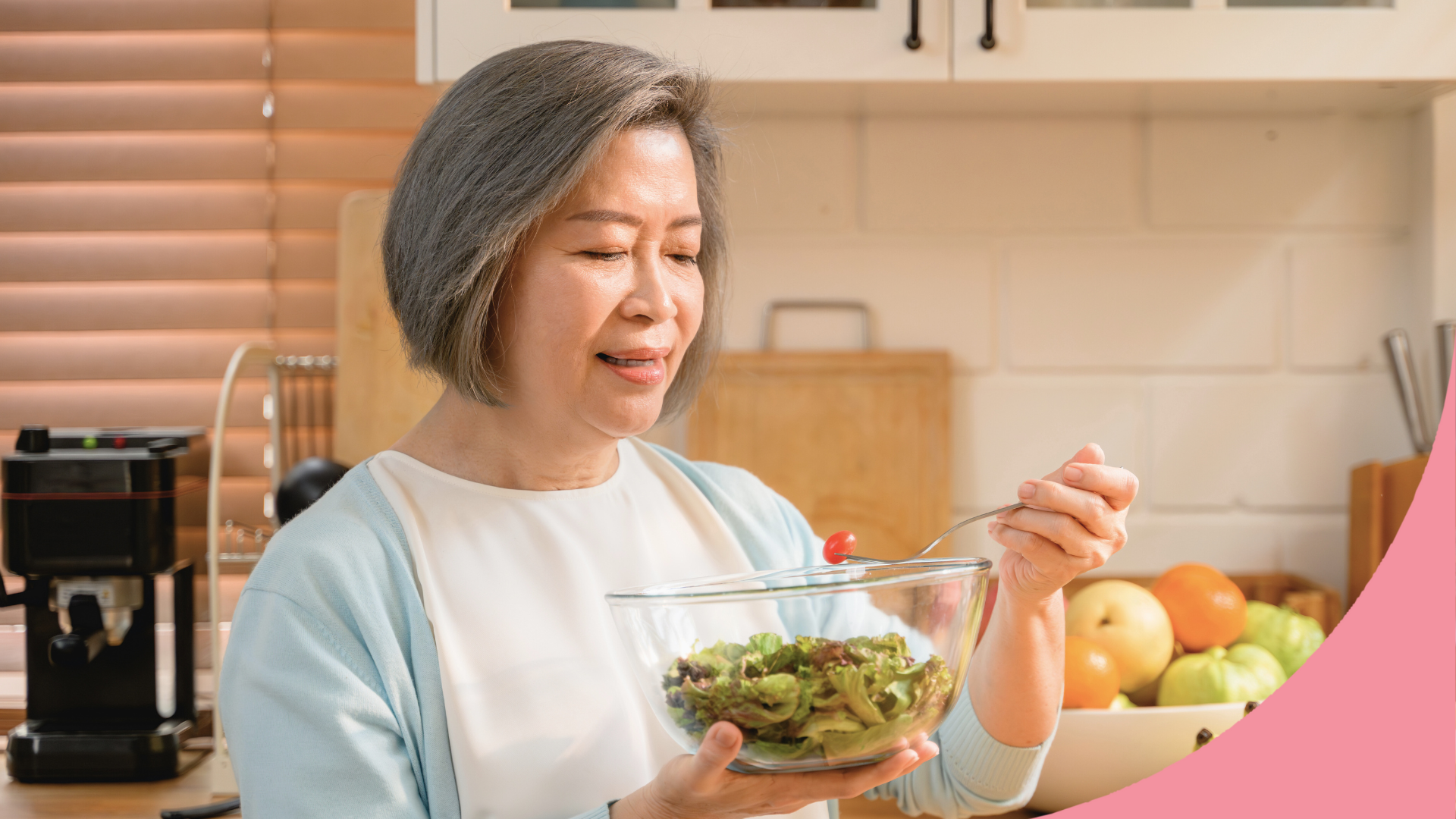
Breast cancer treatments have become more and more successful, with a huge number of women studied beyond breast cancer, discovering what lifestyle factors may reduce the risk of recurrence.  The current recommendations supported by research are: Maintain a normal body weight, but if you are overweight, losing just 5%-10% of your weight is beneficial. Do not drink alcohol. Alcohol is one of the greatest risk factors for breast cancer and there is no safe limit as far as breast cancer is concerned. If you do choose to drink alcohol, limit your intake to no more than 7 units a week. Of note, 1 unit is not the same as 1 drink.  175ml wine 13% ABV is 2.3 units  125ml champagne 12% AVB is 1.5 units  330ml beer 5% ABV is 1.7 units  25ml spirit 40% ABV is 1 unit Limit saturated fat by avoiding or rarely eating fast food and highly processed convenience foods.  Do eat foods that contain healthy unsaturated fat, and this includes nuts, seeds, nut butter, olives, avocado, oily fish such as salmon, sardines and mackerel and use extra virgin olive oil.  Limit red meat (beef, lamb, pork) to no more than 500g per week, which in practice is about 3  times a week, and avoid or rarely eat processed meat such as bacon, ham and salami. These  foods do not directly increase breast cancer risk but do tend to be high in saturated fat and are linked with increased colon cancer risk. Eat a high fibre diet. Foods high in fibre include beans and lentils, nuts and seeds, fruit and vegetables, wholemeal bread and flour, brown, red and wild rice, barley, spelt, quinoa, freekeh, kamut and other wholegrains. If you are not used to a high fibre diet, you may notice some bloating and more wind than usual, this is nothing to worry about and is a normal process that shows that your gut microbes are active and keeping your gut healthy, but if it’s uncomfortable, gradually increase your fibre intake over a period of a few weeks. Beans and lentils are especially high in fibre, so try to eat meals containing them at least 4 times a week.Eat dairy and high calcium foods. Dairy foods are often a cause of controversy, and many people mistakenly believe they are linked with increased breast cancer risk, however, research  shows the opposite to be true and that women who include dairy and high calcium foods in their diet have a reduced breast cancer risk. If you dislike dairy foods or are intolerant to them, ensure  your diet is rich in high calcium non-dairy foods. Include soy in your diet. As with dairy, this group of foods can be controversial, but research does show that women who eat soy have a reduced breast cancer risk and reduced risk of recurrence compared to women who do not eat soy. This is the same for both hormone receptor negative and positive breast cancer. You may have heard that soy contains a group of  compounds called phyto-oestrogens, and this is where much of the fear arises, however, phyto oestrogens are not the same as the oestrogen that your body makes, they have a different chemical structure and attach to different receptors in the body.  You may choose not to eat soy, maybe because you dislike it, are intolerant or don’t feel comfortable eating it, and that is fine, it is still possible to eat a healthy diet that reduces breast cancer risk by following some of the other guidelines included in this article. Be physically active. Whilst this is not in the realm of healthy eating, being physically active has clearly been shown to reduce breast cancer risk. Aim to be moderately active for a minimum of 150 minutes a week, so approximately 30 minutes a day, or vigorously active for at least 75 minutes a week. Moderate and vigorous will be different for everyone, so be your own guide as far as effort goes.  The final and very important piece of advice is do not fear food. Eating should be enjoyable and free from stress. A healthy diet can look different from one person to the next. Your friend, relative or fellow breast cancer friend may feel great eating one way and eating certain foods, but that doesn’t mean you have to do the same. Make adaptations to your diet gradually and enjoy the process, this is much more likely to lead to sustainable change. *Article contributed by Jackie Green, Dietitian & Nutritionist at The Family Dietitian  Jackie is also a contributing author of The Breast Years of Your Life: Living Well After Cancer. To  learn more about this empowering book for breast cancer survivors, or to get your copy, visit https://www.solis.sg/the-breast-years-of-your-life/Recipeshttps://www.wcrf-uk.org/healthy-eating/recipes/ References and further readingWCRF: Continuous Update Project 2018: Survivors of breast and other cancers Messina M et al Neither soy foods nor isoflavones warrant classification as endocrine disruptors:  a technical review of the observational and clinical data. Crit Rev Food Sci Nutr. 2022;62(21):5824-5885. doi: 10.1080/10408398.2021.1895054. Epub 2021 Mar 27. PMID:  33775173. Arafat HM et al The association between breast cancer and consumption of dairy products: a  systematic review. Ann Med. 2023 Dec;55(1):2198256. doi: 10.1080/07853890.2023.2198256. PMID: 37078247; PMCID: PMC10120447 Bodai B et al Breast Cancer: Lifestyle, the Human Gut Microbiota/Microbiome, and Survivorship. Perm J. 2020; 24:19.129. doi: 10.7812/TPP/19.129. PMID: 32589577; PMCID: PMC7319098. 

Read more

Breast Cancer and Work: Navigating Challenges with Self-Compassion

Hearing a breast cancer diagnosis is like throwing a rock into a pond, sending ripples through every part of your life. Amidst doctor consultations and treatment appointments, it can be hard to focus on other life commitments such as work. Some choose to continue working during treatment, while others take a break to focus on recovery before returning to work. [1].Work can provide a sense of purpose and control, especially when a cancer journey can leave one feeling lost and uncertain. For some, work can be fulfilling and tied to self-worth [2]. Continuing to work during treatment can offer a sense of normalcy and financial stability [1]. Returning to work after treatment can help restore quality of life [3].Whether you continue to work or take a break, self-compassion is crucial as you navigate the challenges ahead. Embracing Your Emotions Without JudgementA cancer diagnosis can change how you view yourself and your work, bringing up emotions like stress, anger or frustration. Simple tasks may become harder due to treatment-related fatigue, and the way people at work treat you might also change [1] [4].Bottling up these negative emotions may be tempting, but they are a normal response to your challenges. Acknowledge, accept and allow yourself to feel these emotions fully without judgement [5]. This can create space for healing and help you move forward. Communicating with Colleagues“Should I tell my co-workers about my cancer?” How open you are with your co-workers is up to you, as it may depend on your comfort levels and relationship with them. Telling people at work [6]:Gives them a chance to support you Makes it easier to let them know if you need help Provides opportunities for them to suggest ways to help you cope at work Can strengthen your connection with them  Connects you with others who may have similar experiencesUltimately, your well-being is what matters most. It’s okay to take things at your own pace and share only what feels right. Consider speaking with co-workers in smaller groups to make conversations more manageable [7]. Identify your triggers and topics that make you uncomfortable  [8]. For example, if your treatments have changed what your body looks like. This can help you set healthy boundaries. You may be worried about people’s reactions. Some may be supportive and others may be unsure of how to navigate conversations with you. If a co-worker makes an awkward or insensitive comment, feeling upset and taking it personally is understandable. Acknowledge the comment and try diverting the topic away from your condition [8]. Adapting and Being Kind to YourselfThere are practical steps you can take at work and beyond to make the process more manageable and ensure you treat yourself with kindness. Firstly, speak with your employer about the possibility of reasonable accommodations, such as flexible hours to work around medical appointments or even workload adjustments [1]. Communicating your needs can help you manage and set realistic expectations at work.Acknowledge your current limitations—whether it’s physically, mentally, or emotionally. You may need to take more frequent breaks and pace yourself if your energy levels and concentration are affected by treatment [1]. Listen to your body instead of pushing through exhaustion and pain. Don’t hesitate to ask co-workers for help when needed [9]. Asking for help and being open about your struggles does not mean you are weak. It can be a sign of your inner strength and self-awareness. Some days will be easier than others. There will be moments when you feel like you’re handling things well and others when the stress and weight of everything feels overwhelming. Celebrate your achievements, no matter how small, and take pride in your progress each day. Seeking Strength in ConnectionEven with support from family, friends and co-workers, fighting breast cancer can feel lonely. Loved ones may have good intentions but might not fully understand what you’re going through. Connecting with fellow patients and survivors through in-person or online support groups can help you feel less isolated and provide a much-needed sense of community. Studies show that online cancer communities can help meet information needs, provide emotional support and help boost self-esteem [10]. Remember, there’s no right or wrong way to navigate work during your breast cancer journey. Whatever you decide to do, take it one step at a time and practise self-compassion. You are stronger than you realise, and you don’t have to walk the path alone. Support from others who understand can make all the difference. Club Solis is a support network for Solis patients to share experiences and form meaningful connections.References[1] Breast Cancer Now, Work and Breast Cancer. [2] Recovering or working: women’s experiences of working while coping with cancer: a qualitative study [3] Supporting Return to Work after Breast Cancer: A Mixed Method Study  [4] Macmillan Cancer Support, Work and Cancer [5] National Cancer Institute, Emotions and Cancer [6] Macmillan Cancer Support, Talking about cancer at work[7] Breastcancer.org, Workplace and Job Issues[8] American Cancer Society, Telling Others About Your Cancer[9] Work-related barriers, facilitators, and strategies of breast cancer survivors working during curative treatment [10] Navigating cancer using online communities: a grounded theory of survivor and family experiences 
Read more

From Mother to Daughter: Shaping Breast Cancer Awareness for Generations

Mothers are often the heart of the family—steady hands of quiet strength who guide, support and shape the lives of those they love. One of the most powerful ways mothers can care for their daughters is by passing down healthy habits, including those related to breast health.Why Early Action MattersWhen breast cancer is found early, survival rates can exceed 90%.Breast cancer remains the most common cancer affecting Singaporean women, with cases rising fourfold to around 76 per 100,000 population in 2018-2022 [1] [2]. It’s also the leading cause of cancer-related deaths for women, accounting for 17.1% of female cancer deaths [1]. Being aware of how one’s breasts look and feel and going for regular screenings such as mammograms can make all the difference. Early detection often leads to simpler treatments and better outcomes, including survival rates of over 90% [3][4]. Still, some women are missing these important checks. Participation in breast cancer screening dropped from 37.6% in 2022 to 34.7% in 2023 in Singapore [1].What’s Stopping Women from Being Breast Aware?Self-care often takes a backseat to caregiving.A common reason women may skip screenings is busyness. Between work, caring for their families and managing daily life, it is easy for mothers to put their own needs last [5] [6]. For others, it’s fear. Breasts are deeply tied to identity and femininity [7]. The thought of a diagnosis, or the possibility of losing one’s breasts, can overshadow the importance of regular screenings [6]. And because breast cancer can sometimes develop without noticeable symptoms, this makes early detection difficult [8]. Women who feel healthy might mistakenly believe they do not need a mammogram [5]. Breast Awareness as Self-CareA mother's health is not just for her family—it's for herself too.Mothers rush loved ones to the clinic at the first sign of illness, yet hesitate when it comes to their own health. Taking time for a screening can feel like stepping away from their caregiving role, sometimes leading to feelings of guilt [9]. Some mothers go for screenings to stay healthy for their families and avoid being a burden [10]. But their well-being should be valued not just for others – it deserves to be prioritised for themselves.  Breast awareness is an act of self-love; a way for mothers to tune into their bodies, and show themselves the compassion they offer so freely to others. Creating a Legacy of CareHealthy habits today become healthy generations tomorrow.While breast cancer is often seen as a disease in older women, data from three Singaporean healthcare centres show that around 10-13% of diagnosed patients are under 40 [11]. That’s why breast health conversations should begin early - even at a younger age. Talking about breast health can feel awkward or distressing. But creating an open, supportive space within families builds trust and empowers everyone to take proactive steps.  The mother-daughter relationship strongly influences how young women view and care for their bodies [12] [13]. When mothers model positive health behaviours and attitudes, they leave an enduring legacy that daughters often carry into adulthood [12] [13] [14]. Signs to Watch ForHelp daughters recognise these potential warning signs [15]:A lump or swelling in the breast, chest or armpit that doesn’t go away Skin changes such as dimpling, redness or irritation Change in breast size or shape Persistent nipple discharge Nipple changes such as rashes or inversion Persistent pain in the breast or armpitsYour Health is Their FutureBy normalising breast awareness, mothers pass down a legacy of care and bodily ownership that empowers future generations to own their breast health. Every choice you make ripples through the generations. This Mother’s Day, let’s celebrate women who lead by example – women who prioritise their breast health, spark important conversations, and empower their daughters to own their well-being. Schedule your breast health check today. You’re not just protecting yourself – you’re shaping generations to come.References:[1] Ministry of Health Singapore, National Population Health Survey 2023[2] Singapore Cancer Registry Annual Report 2022[3] Cancer Research UK, Symptoms of breast cancer[4] Ministry of Health – Health Promotion Board, Breast Cancer: Learn How Early Detection and Lifestyle Changes Could Help Protect Yourself[5] Ministry of Health Singapore, National Population Health Survey 2022[6] Preventive Medicine, Qualitative factors influencing breast and cervical cancer screening in women: A scoping review[7] BMC Women's Health, “Voices of Fear and Safety” Women’s ambivalence towards breast cancer and breast health: a qualitative study from Jordan[8] Cancer Council Australia, Breast Cancer[9] Journal of Health Psychology, Put MY mask on first: Mothers’ reactions to prioritizing health behaviours as a function of self-compassion and fear of self-compassion[10] Asian Pacific Journal of Cancer Prevention, Understanding Barriers and Facilitators of Breast and Cervical Cancer Screening among Singapore Women: A Qualitative Approach[11] The Straits Times, Beating breast cancer: How these women in their 20s, 30s and 40s survived and thrived[12] International Journal of Environmental Research and Public Health, Helping Mothers and Daughters Talk about Environmental Breast Cancer Risk and Risk-Reducing Lifestyle Behaviors[13] The Family Journal, The Mother-Daughter Relationship and Daughter’s Positive Body Image: A Systematic Review[14] Psycho-oncology, Adult daughters’ reports of breast cancer risk reduction and early detection advice received from their mothers: an exploratory study[15] NHS, Symptoms of breast cancer in women
Read more