


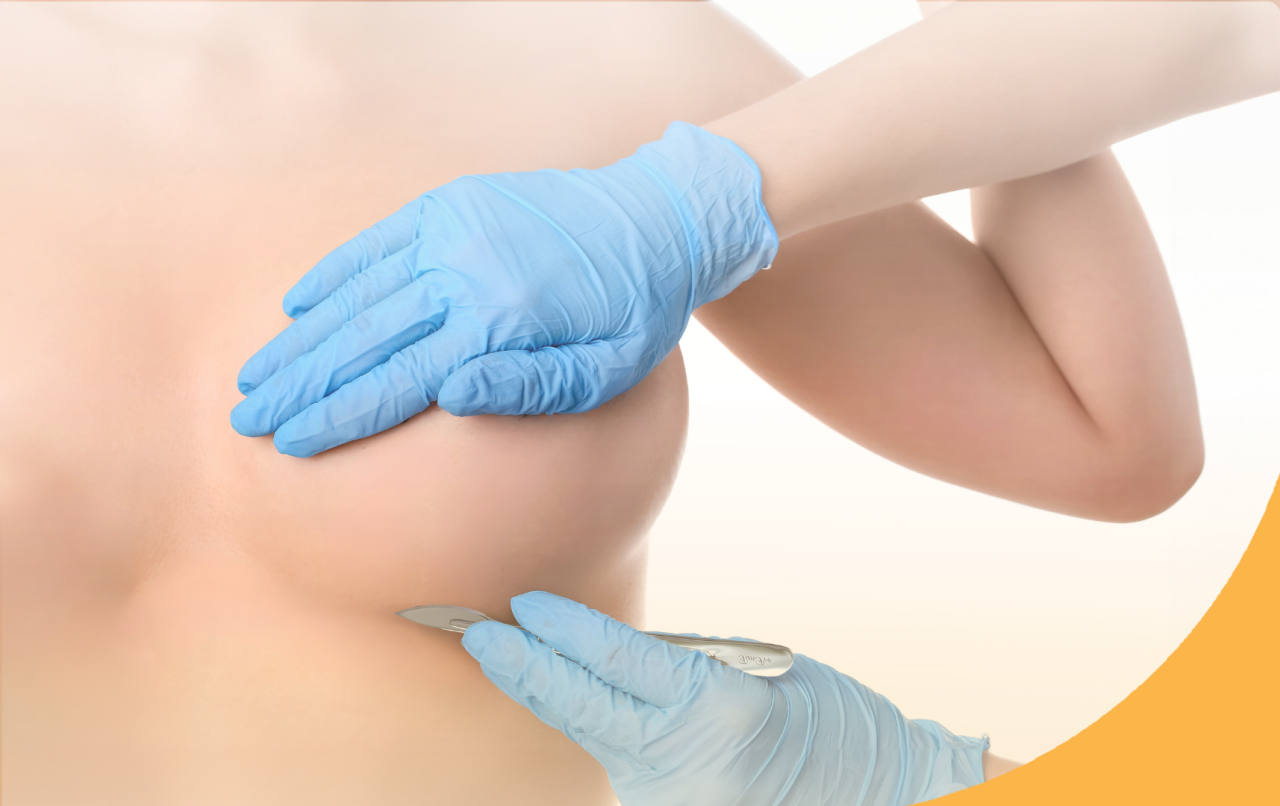
Do Scars really matter in Breast Cancer Treatment?

For many women undergoing breast cancer treatment, one of the most significant concerns is the impact of surgery on their appearance, particularly when it comes to the visibility of scars. While the primary goal of breast cancer surgery is to effectively remove cancerous tissue, aesthetic considerations cannot be overlooked in a patient’s emotional and psychological recovery. So, do scars really matter for breast cancer patients? The answer is complex and deeply personal, as it encompasses both physical healing and emotional well-being.The Emotional and Psychological Impact of ScarsThe idea of scars can evoke strong emotional responses. For some, they symbolise survival and strength after a life-altering experience, while for others, they may bring feelings of loss, fear, or diminished self-worth. ‘Correspondingly, the first group of patients may be ambivalent about their scars or even embrace them; whereas a second group of patients prioritise reconstruction options that minimise visible reminders’, says Dr Wong Manzhi, Senior Consultant Plastic Surgeon at The Aesthetic & Plastic Surgery Clinic. Physical changes, including scars, can lead to feelings of anxiety, depression, and a reduced quality of life. Many women report that scars on their chest can be a constant reminder of their cancer diagnosis, affecting their self-esteem and sexual identity [1].Importantly, emotional recovery is just as crucial as physical recovery. For many patients, the ability to feel “whole” again is tied not only to the success of the surgery but also to the way they perceive their bodies after the procedure. Scars, even when minimal, may alter how women feel about their body image and their sense of femininity.Scar Minimisation: The Role of Surgical TechniqueNot all scars are created equal. Advances in surgical techniques, such as nipple-sparing mastectomies (NSM) and keyhole surgeries, aim to reduce the visibility of scars while maintaining effective cancer treatment. Nipple-sparing mastectomies, for instance, have become increasingly popular, as they preserve the nipple-areolar complex (NAC) during surgery, resulting in a more natural post-operative appearance. For many women, the preservation of the NAC is a powerful tool in preserving their body image and reducing the emotional impact of the surgery.Additionally, keyhole surgeries—also known as minimal access surgeries—are another option that reduces scar size by using smaller incisions and specialised instruments like endoscopes and robotic systems. These procedures are gaining traction in breast cancer treatment, with studies showing that keyhole surgeries leave smaller scars (usually about 4 cm in length compared to 9 cm for traditional mastectomies) and promote faster healing [4].Beyond these techniques, oncoplastic surgery – which combines cancer removal with reconstructive techniques – also plays a key role in minimising scarring while preserving or even enhancing the breast contour. Skilled oncoplastic surgeons strategically place incisions and use tissue rearrangement methods to achieve better cosmetic outcomes with less visible scarring.However, it’s important to note that these options aren’t universally applicable. Some patients may not be candidates for nipple-sparing, keyhole, or oncoplastic surgeries due to the size of their tumours or other medical considerations. In these cases, conventional mastectomy may still be the best option for ensuring complete cancer removal.Aesthetic and Functional Considerations: Why They MatterWhen considering mastectomy options, both aesthetic and functional outcomes play a crucial role in the decision-making process. For many patients, immediate breast reconstruction after mastectomy can help restore a sense of normalcy, offering both psychological and physical benefits.The location and size of surgical scars can play a significant role in the reconstruction process. For instance, a larger incision may provide more flexibility for more complex reconstruction procedures. It is essential to discuss your options with your breast surgeon to determine the best approach for your specific condition.The Global Perspective: Mastectomy Rates and Cultural AttitudesMastectomy rates and cultural attitudes toward breast cancer surgery vary widely around the world. In countries like the United States, mastectomy rates have been rising, especially with the trend of preventive double mastectomies among women with a higher genetic risk, such as those with BRCA mutations. A 2017 study found that mastectomy rates in the U.S. have increased to 31% overall, with some regions seeing rates as high as 49% for double mastectomies [5].In countries like Singapore, mastectomy rates have remained consistently high. A review conducted over a decade found mastectomy rates ranging from 43% to 59%. These numbers may reflect cultural attitudes toward breast cancer, where mastectomy is seen as a necessary and life-saving procedure. Despite the availability of equivalent alternatives like breast-conserving surgery, many women opt for mastectomies due to the perceived greater oncologic safety and the desire for peace of mind [3].Looking Ahead: The Future of Scar MinimisationAs technology continues to advance, it’s likely that breast cancer surgeries may become even less invasive, with smaller incisions and better healing outcomes. Robotic surgery, for example, holds the promise of greater precision, leading to even smaller scars and potentially faster recovery times. Additionally, the use of tissue engineering and regenerative medicine may offer new ways to minimise the appearance of scars and even restore lost tissue [2].Furthermore, psychological support for breast cancer patients is gaining recognition as an integral part of treatment. Many hospitals now provide counselling and support groups specifically focused on body image, helping women navigate the emotional challenges that come with scarring and physical changes. These resources are critical for empowering patients to accept their bodies and find ways to heal emotionally and physically.Conclusion: Scars and the Journey of RecoveryWhile scars may be a visible reminder of a challenging chapter in a patient’s life, they also represent survival and the strength it takes to overcome cancer. However, minimising the impact of scars, both physically and emotionally, is an important consideration in breast cancer treatment. With advances in surgical techniques, increased awareness of emotional support, and a growing focus on personalised care, the future looks promising for breast cancer patients seeking to heal not only their bodies but also their spirits.Ultimately, what matters most is that patients feel empowered to make choices that align with their values, health goals, and sense of self. Scars, though unavoidable in many cases, do not have to define their journey—how they heal and move forward does.Article reviewed by Dr Esther Chuwa, Senior Consultant and Breast Surgeon at Solis Breast Care & SurgeryReferences:[1] Fobair, P., Stewart, S. L., Chang, S., & D’Onofrio, C. N. (2006). Body image and sexual problems in young women with breast cancer. Psycho-Oncology, 15(7), 579-589. https://doi.org/10.1002/pon.1023[2] Haidar, M., Saeed, H., & Elhassan, F. (2020). Tissue engineering and regenerative medicine for breast reconstruction. Journal of Stem Cells, 25(4), 351-360.[3] Lee, W. T., Tan, S. K., & Kwek, S. K. (2015). Mastectomy rates and breast cancer treatment trends in Singapore. Singapore Medical Journal, 56(8), 444-448.[4] Lin, Y., Wang, Y., & Tsai, C. (2020). Keyhole mastectomy: Outcomes and benefits. Breast Cancer Research and Treatment, 182(3), 567-575. https://doi.org/10.1007/s10549-020-05793-z[5] Veronesi, U., Boyle, P., & Goldhirsch, A. (2017). Mastectomy versus breast-conserving surgery in early breast cancer: Meta-analysis of trials. The Lancet, 373(9680), 569-577. https://doi.org/10.1016/S0140-6736(09)60256-7

Read more

Breast Changes in Young Women: What Do They Mean and When to Seek Medical Advice

Breast cancer is often seen as a disease that only affects older women. However, recent statistics from three healthcare centres in Singapore show that approximately 10-13% of diagnosed breast cancer patients are under 40[1].Not all changes are breast cancer.Breast self-examinations are a simple yet powerful way for younger women to be breast aware. Whether it’s a lump, breast pain or nipple discharge, what should you do if you notice something that doesn’t look or feel right?Firstly, do not panic. Many breast changes do not necessarily mean cancer, and can instead be due to natural bodily changes or medication[2]. . Periods can cause breasts to feel swollen or tender due to hormone changes[3]. . This is normal and is usually not a cause for concern.Other examples of breast changes include:Breast LumpsA breast lump can often feel like a solid feeling in or near your breast or under your arm. While they can sometimes be a sign of breast cancer, studies show that about 60-80% of all breast lumps are non-cancerous[4].Breast PainBreast pain by itself is typically not a symptom of cancer. It can be caused by periods, pregnancy, menopause-related hormone changes, conditions like mastitis or medications like birth control pills[5].Nipple DischargeThis refers to fluid from the nipple that is not breast milk. While nipple changes and discharge can be a sign of breast cancer, it can result from birth control pills, medicine and infections[2].Benefits of Seeking Medical Advice EarlierSometimes, younger women may hesitate to speak to their doctor, assuming cancer to be unlikely at their age[6].Other reasons people delay investigating symptoms include worrying about foolishly wasting the doctor’s time or fearing what might be found[7][8].  So they opt for the wait-and-see approach, hoping symptoms eventually go away[9].While your symptoms might not be cancer, listening to your body and seeking clarity from your doctor are important for these reasons:1. More Options with Early DetectionIf your symptoms turn out to be cancer, addressing them early can help reduce the likelihood of needing more intensive treatment in the future. Early detection can be helpful for improving treatment outcomes and survival rates. When caught early (Stages 0 and 1)—before it has spread to other parts of the body, treatment can result in survival rates of over 90%[10].2. Clarity and Peace of MindYour worries are unlikely to go away if you don’t seek help [11]. . Getting advice from an experienced healthcare professional helps take away the guesswork, allowing you to move forward with confidence rather than anxiety over what might be happening.3. Self-CareYour body is your partner for life, so treat it with kindness! Being proactive about unusual breast changes is a sign of good health management.Talking about your breasts may feel uncomfortable or embarrassing[11]. . But remember, your doctor is here to help you. They will do their best to put you at ease during the process.What Happens During Your AppointmentWhen you meet with a breast surgeon, they will want to know more about your symptoms to better understand your health. If you’re feeling anxious about forgetting anything, it helps to jot down notes before your appointment, such as[11]. :When your symptoms started, how often they occur and any patterns you’ve noticed Anything that makes your symptoms better or worse Any family history of cancer Any other concerns or questions you may haveThis will help take some of the pressure off remembering everything. You can also bring a loved one to accompany you and help you ask questions or take notes.You may need to undergo screening such as an ultrasound[11]. . In Singapore, mammograms are generally not recommended for women below 40 years old[10]. . As everyone’s breasts and bodies are different, your doctor will determine what you need based on your personal circumstances and preferences.Your doctor will walk you through your screening results, answer any questions and advise you on next steps. Feeling scared is completely normal, and the experienced surgeons at Solis Breast Care & Surgery Centre are here to reassure you and give you the gift of clarity. You deserve a space where your concerns are heard and taken seriously.Breast health should be a priority, no matter the age. If you pick up any changes in how your breasts look or feel, schedule an appointment with your doctor today. Early evaluation can make all the difference in your peace of mind and overall health and well-being.References[1] The Straits Times, Beating breast cancer: How these women in their 20s, 30s and 40s survived and thrived[2] National Cancer Institute, Understanding Breast Changes and Conditions: A Health Guide[3] Cancer Council Victoria, Normal Breast Changes [4] National Breast Cancer Foundation, Breast Lump[5] NHS, Breast Pain [6] Diagnostic delays in breast cancer among young women: An emphasis on healthcare providers[7] Worrying about wasting GP time as a barrier to help-seeking, a community-based, qualitative study[8] Cancer symptom awareness and barriers to symptomatic presentation in England—are we clear on cancer?[9] Awareness of symptoms, anticipated barriers and delays to help-seeking among women at higher risk of breast cancer: A UK multicentre study[10] Ministry of Health Singapore Health Promotion Board, HealthHub, Breast Cancer[11] Cancer Research UK, Seeing Your GP when you have symptoms of breast cancer
Read more

Reassurance in Breast Care: Your Path to Clarity and Confidence

Breast screenings can be anxiety-inducing, and facing breast cancer is life-changing. At Solis and Luma, we prioritise open communication and compassionate care to ensure you feel supported every step of the way.Called Back After Mammogram: Finding ClarityCatching breast cancer early can make it easier to treat and improve survival, which is why regular screenings are crucial[1].  While screenings can be stressful enough, receiving a recall—callback for additional tests—can add to that anxiety. You may worry about what a recall might mean. Remember, a recall does not necessarily mean you have breast cancer[2].1. Specialised ExpertsIf you are recalled, you will likely have a diagnostic mammogram to examine a suspicious area, and some patients may also have a breast ultrasound[2]. The breast sub-specialised sonographers and radiologists at Luma are skilled at spotting subtle signs of cancer. Using advanced technology such as 3D mammograms, they provide greater clarity and accuracy.2. Mammogram with Greater PrecisionA 3D mammogram (or digital breast tomosynthesis) takes multiple X-ray images of your breasts from different angles, creating a detailed 3D image[3]. Research shows this method increases detection of invasive cancers by almost 54% and reduces callbacks for repeat tests by about 37%[4].3. Clear ExplanationsFeeling a mix of emotions—such as disbelief, anxiety, or fear—after a recall is normal[2]. Studies show that the attitude of clinic staff, quality of information provided and the physical environment can affect one’s satisfaction[5].Solis’ all-female surgical team is here to reassure you and answer your questions, providing an affirming space where your concerns are heard. Clear explanations of test results can help bring you peace amid uncertainty[5].Newly-Diagnosed: Now What?While not every abnormal mammogram result indicates breast cancer, receiving such test results and facing a diagnosis can be overwhelming. You may be full of uncertainty on what to expect next. Patients appreciate clear information throughout their journey, from their disease and treatment options to psychosocial and supportive care[6].1. Shorter Wait TimesWaiting to start treatment can be stressful. It is common to worry that delays may affect outcomes or that your cancer may spread before treatment begins[7]. That is why Solis partners with Luma to offer seamless care under one roof. This allows you to access all your breast care needs from warm staff and an expert team—all while keeping wait times minimal.2. Financial AdviceWorries about treatment costs and their impact on family can be a heavy burden for many patients. Understanding your financial options and finding support can help ease some of the stress[6]. Solis offers personalised financial advice tailored to your specific symptoms, treatments and circumstances.3. Personalised Care PlansA multidisciplinary approach helps address the complex needs of each patient, ensuring appropriate and effective care[8]. In weekly multidisciplinary tumour board sessions, Solis’ doctors and Luma’s radiologists and pathologist discuss treatment recommendations with partner oncology experts. Each patient receives tailored practice recommendations without the stress of navigating multiple opinions alone.4. Female Surgical TeamBefore surgery, you may worry about changes to your body. Solis’ experienced female surgeons specialise in advanced breast-conserving techniques, such as oncoplastic breast surgery. Combining cancer surgery and plastic surgery techniques, it allows for tumour removal while preserving the breast, thereby improving a patient’s quality of life[9]. It can be done in a single surgery, reducing the need for more operations[10].5. Same-Day Surgery At Luma’s Day Surgery Operating Theatre (DSOT), many patients—especially those with early-stage cancers—can often have surgery and return home on the same day. An on-site pathologist can assess surgical specimens for the margins of clearance (healthy tissue surgically removed with the cancer) in real-time during procedures[11]. This ensures complete cancer removal and minimises the chance of needing a second surgery.Life Beyond Treatment1. Post-Treatment CareBattling breast cancer and going through treatment can affect your self-esteem and identity[12]. Partnering with organisations such as Can-Care Asia, Solis offers personalised care that goes beyond just treatment. To help you feel more comfortable and confident, Can-Care offers high-quality post-care products, including breast prostheses, mastectomy bras, wigs, hair care items and more.2. Strength in CommunitySupport from counsellors and connecting with other survivors can empower you, relieve anxiety and enhance quality of life[6]. Club Solis is a supportive network for Solis patients to connect and uplift each other. Through engagement events and inspiring stories from fellow pink warriors, you can find reassurance and the courage to take ownership of your journey.Whether you’re going for screening or require treatment, remember: you are not alone. The expert multidisciplinary team at Solis and Luma is here to make sure you feel informed, supported and cared for at every stage of your breast health journey.References[1] Cancer Research UK, Survival for Breast Cancer [2] American Cancer Society, Getting Called Back After a Mammogram [3] Breastcancer.org, Mammography Technique and Types[4] Implementation of Breast Tomosynthesis in a Routine Screening Practice: An Observational Study[5] Improving screening recall services for women with false-positive mammograms: a comparison of qualitative evidence with UK guidelines [6] What information do cancer patients want and how well are their needs being met? [7] Cancer patients’ concerns regarding access to cancer care: perceived impact of waiting times along the diagnosis and treatment journey [8] The Impact of Tumor Boards on Breast Cancer Care: Evidence from a Systematic Literature Review and Meta-Analysis [9] Oncoplastic breast surgery [10] American Cancer Society, Breast Reconstruction After Breast-conserving Surgery [11] Breastcancer.org, Breast Cancer Surgical Margins [12] Irish Cancer Society, Body image and self-esteem after breast cancer
Read more