

Early Breast Cancer Detection: What Keeps Women from Getting Mammograms?

Nobody wants to deal with breast cancer, but detecting it early can make a big difference. Regular mammograms can help spot potential problems before they become serious. Yet, many women skip this very important screening. Why?1) Overwhelming Fear and StigmaIt is common to think a cancer diagnosis means a death sentence. Fears surrounding a diagnosis or treatment, combined with the stigma attached to cancer, often overshadow the importance of regular mammograms[1][2]  .Many also worry about potential treatment costs, social exclusion and the internalised shame associated with having breast cancer[1][3].There is also the misconception that recovery is impossible[3].It is important to remember that these feelings and fears are natural, and that everyone’s experience with cancer is different.2) Perceived Health and Breast Cancer MisconceptionsIn the 2022 National Population Health Survey, the leading reason women in Singapore aged 50 to 69 delayed getting mammograms was their belief that being healthy meant there was no need for screening[4]. The challenge however, is that some women diagnosed with breast cancer may not have any symptoms[5].The misconception that breast cancer only affects older women can cause younger women to neglect their breast health[6].While breast cancer risk does increase with age, it can still occur in younger women. It’s important for women of all ages to be aware of what’s normal for their breasts and to monitor for any changes. 27-year-old Tay Lautner, wife of actor Taylor Lautner, discovered a hard breast lump while showering[7].She took action by seeing a doctor and getting screened for cancer. No matter your age, keeping up with breast health is essential, as breast cancer can affect anyone.3) Balancing Health and Daily DemandsAnother common reason women skip screenings is because they are too busy[1].With work, family and everyday responsibilities, it can be tough to find the time. Even caring for children takes priority over scheduling mammograms.With these many reasons, some women delay getting their breast lumps checked even after feeling them in their breast. While some breast lumps are not cancerous and may even go away on their own, others worsen over time[8].You never know for sure until you see a doctor.Benefits of Being Breast AwareBreast cancer is the most common cancer among Singaporean women, with cases rising more than threefold to 74 cases per 100,000 population[9].Understanding what is normal for your breasts can help you notice changes earlier, allowing you to address issues before they get worse.Scheduling screenings such as mammograms is key because catching the cancer early—when it is still small and has not spread—can improve treatment outcomes[5].Early screenings can also improve your chances of survival. Studies show that annual mammogram screenings can reduce breast cancer mortality by approximately 41%[10].While self-examinations can help you spot changes in your breast or nipples, mammograms should not be overlooked. Mammography can help detect cancer before any symptoms show up, when the cancer is too small to even see or feel[5][11].How to Make the Most of Your AppointmentNaturally, going to the doctor can be overwhelming and anxiety-inducing, especially if you are there for cancer screening.Here are some simple steps to help make the experience less daunting and ensure you get the support you need[12].If you have symptoms, jot them down before your appointment. Note when they started, when they happen and how often they occur. Let your doctor know if you are worried about cancer or if you have a family history of it. Do not hesitate to ask your doctor for clarification on anything you find confusing. Having a friend or family member with you can provide much-needed comfort.  They can help you take notes or ask questions too. Empower Yourself and Embrace Breast HealthBreaking down breast cancer myths and encouraging open conversations can help women feel less hesitant about getting a mammogram. Highlighting the potential for better outcomes with early treatment can shift perceptions and boost breast health awareness.The Ministry of Health Singapore reports that breast screening rates are around 50% for women with higher education and 28% for women with primary education[13].Regular breast self-examinations and screenings are crucial for staying on top of breast cancer. It is not just about being aware—it is about taking proactive steps to monitor your breast health effectively.Show your breast friends you care—book a mammogram appointment and encourage others to do the same. Remember, early detection saves lives.References[1] A review of barriers and facilitators to mammography in Asian women[2] Barriers to early presentation of self-discovered breast cancer in Singapore and Malaysia: a qualitative multicentre study[3] Determination of the Association between Perceived Stigma and Delay in Help-Seeking Behavior of Women with Breast Cancer[4] Ministry of Health Singapore, National Population Health Survey 2022[5] Cancer Research UK, Symptoms of Breast Cancer[6] National Breast Cancer Foundation Inc., Myth: Breast cancer only affects middle-aged or older women[7] E News, Taylor Lautner’s Wife Tay Lautner Shares Breast Cancer Scare[8] National Breast Cancer Foundation Inc., Myth: Finding a lump in your breast means you have breast cancer[9] Health Promotion Board, Singapore Cancer Registry Annual Report 2021[10] Outcomes of Breast Cancer Screening Strategies Based on Cancer Intervention Surveillance Modeling Network Estimates[11] American Cancer Society, Breast Cancer Signs and Symptoms [12] Cancer Research UK, Seeing your GP when you have symptoms of breast cancer[13] Ministry of Health Singapore, Screening Rate for Breast Cancer
Read more

Diet and Breast Cancer: Navigating your relationship with food during cancer treatment

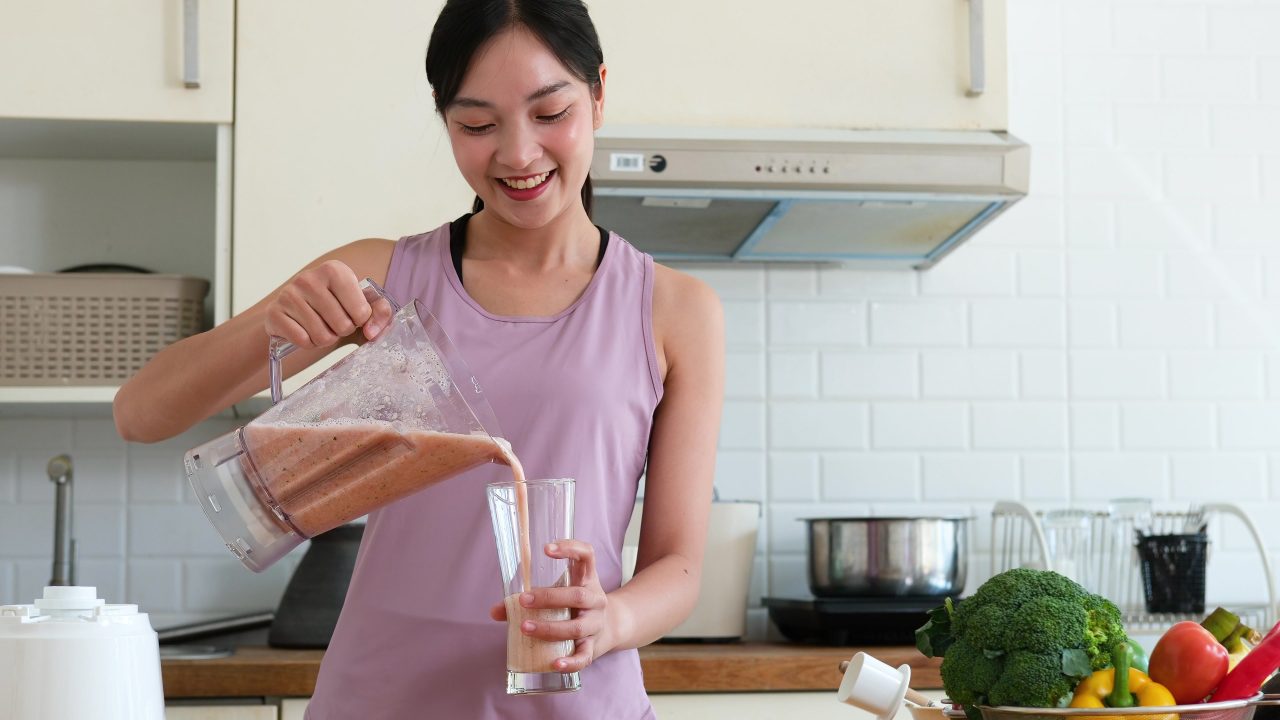
If you have breast cancer, what should you eat? Is there any food to avoid? Is there something you could do when food becomes unappetising? Patients may experience a changing relationship with food. Here are four tips that may help.1. Manage Eating ProblemsWhile cancer treatments sometimes make it challenging to eat or drink, you need additional calories and protein for wound healing and recovery after treatments like breast surgery [1].To manage eating difficulties such as appetite loss, nausea, and changes in their sense of taste or smell that make tasty food unpleasant [2] [3], try the following [2] :Eating smaller amounts more often instead of large meals Eating foods that are easy on the stomach e.g. bananas and rice Keeping easy-to-carry snacks for when you feel like eating, e.g. granola bars Changing the form of foods e.g. turn sliced fruit into smoothies Sipping only small amounts of liquids during meals, as eating and drinking simultaneously may make you feel bloated Choose foods that appeal to you and do not force yourself to eat food that makes you feel illEating well can help you regain strength and improve how you feel after completing treatment. Here’s how you can do that [2]  [4]. :Freeze portions of soups, curry, stews and other dishes for times when you do not have the time or energy to cook Prepare simple, easy-to-make meals that you enjoy. Ideally cook more than you need so that you cook once and eat twice Eat a wide variety of fruits and vegetables that provide vitamins, minerals and fibre2. Consult your doctor before making drastic dietary changesAdvice from well-meaning friends and family on what to eat can be overwhelming. While it may be tempting to follow them, it is important to consult your doctor first.You may be considering fasting or wish to avoid eating certain foods that you have been told may worsen the cancer. These fears are rarely true and limiting your food intake has the potential to slow down recovery from cancer treatment and leave you feeling tired and weak [5]If you wish to take vitamin or mineral supplements, check with your doctor or dietitian before doing so, as they may affect how your body copes with treatment [5] [6].Unproven advice to follow special diets to cure or control your disease, such as cutting out a food group or taking high-dose supplements need to be considered with caution [5]. Following unproven diets may do more harm than good.3. Be Kind to YourselfYou may sometimes feel overwhelmed by friends and family around you who want you to eat more or bring you homecooked favourite meals [7]. Help them to help you by asking them to cook meals you have the appetite to eat.It is times like this when practising self-compassion is essential. You may have both good and bad days when it comes to what you can stomach [2]. Do not feel pressured to eat food from others, as forcing yourself to eat may make you feel worse.Share how you feel with your loved ones. You may worry about upsetting them but having them listen to you may help alleviate the anxiety and distress you have about eating [7] .4. Make Eating Enjoyable AgainFor many, eating is a social activity and should be enjoyable [7].Having eating problems and anxiety surrounding what foods you can eat can sour your relationship with food.Try making mealtimes as pleasant and relaxing for you as possible. Cook and eat together with loved ones, try new recipes, play music or even brighten up your dining table with flowers [2] [8].Eating your favourite foods when you feel well will allow you to enjoy eating and avoid associating these foods with feeling sick [2]. .It can be hard to think positively about eating whilst battling cancer, but food should be seen as necessary fuel to nourish and energise the body instead of being a source of stress and worry.The breast cancer journey is difficult, and worrying about what to eat and how to eat makes things even more burdensome. Give yourself grace during this period and consult your doctor about dietary concerns. If you require further support, Club Solis is a support network for Solis patients to meet, connect and heal together.References[1] American Cancer Society, Managing Eating Problems Caused by Cancer Treatments[2] National Cancer Institute, Eating Hints: Before, During and After Cancer Treatment[3] Relationship between food perceptions and health-related quality of life in a prospective study with breast cancer patients undergoing chemotherapy[4] American Cancer Society, Can I Do Anything to Prevent Cancer Recurrence?[5] Cancer Council NSW, Common Questions About Nutrition and Cancer[6] Macmillan Cancer Support, Healthy eating and cancer[7] Cancer Research UK, Your feelings about diet problems[8] Cancer Society New Zealand, Eating well with cancer
Read more

Breastfeeding, Breast Cancer, and Being Breast Aware

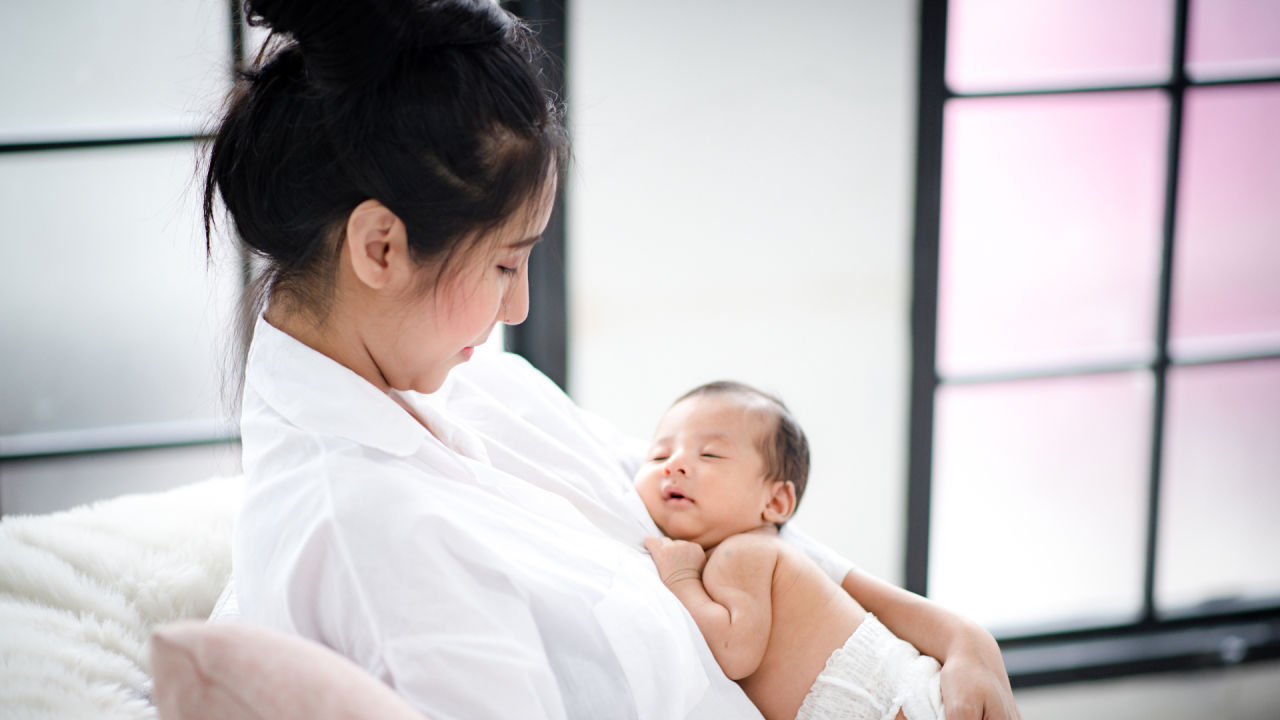
Most mothers would agree that breastfeeding is one of the most gratifying yet challenging and sacrificial parts of being a mum. On top of battling latch issues, juggling the delicate balance between oversupply and undersupply, and being chained to a breast pump several times a day, mothers often grapple with breastfeeding complications such as sore/damaged nipples, engorgement, clogged ducts and mastitis. Such complications present as nipple changes and/or discharge and breast lumps; which are identical to symptoms of breast cancer. How can you tell the difference? Let’s tackle the myths associated with breastfeeding and breast cancer.Does developing a lump during breastfeeding mean breast cancer?Developing breast lumps during lactation is very common and is often non-cancerous. Lumps typically develop due to clogged ducts or mastitis. Clogged ducts occur from blocked milk ducts, which if not cleared, can lead to mastitis (breast inflammation). Mastitis can also be caused by infection. Occasionally, mastitis can be complicated by breast abscess formation (pus collection).Benign lumps such as cysts (fluid sacs) and solid nodules which are not related to breastfeeding can also form during this time. Rarely, a breast lump which is discovered during breastfeeding is due to breast cancer.Can breastfeeding women develop breast cancer? Breast cancer remains the leading cause of cancer among women in Singapore and one in every 13 women will develop breast cancer in their lifetime.  One in 6 women diagnosed with breast cancer are below 40 years of age.  Cancer may occur in a lady who is breastfeeding though the incidence is low.  While breastfeeding has been suggested to lower a woman’s risk of developing breast cancer, performing self-examination regularly after latching or pumping may allow you to recognise any early changes in your breasts.Can breastfeeding reduce cancer risk? Yes, it does! Studies have indicated that for every 12 months of breastfeeding, the relative risk of developing cancer is lowered by 4.3%.  This is in addition to the 7.0% reduction in risk observed for every birth [1].  The proposed rationale is the hormonal changes that occur during pregnancy and breastfeeding.  With breastfeeding delaying the return of our menstrual cycle, our bodies are less exposed to oestrogen.  Oestrogen is an important hormone that is produced by our ovaries that assist in puberty, menstrual cycle, reproduction and bone strength.  They are present in our male counterparts in smaller amounts.  Prolonged excessive exposure has been linked to a possible higher risk of breast cancer development [2].Mammograms are safe for breastfeeding mothers.Can breastfeeding mothers undergo mammograms?Yes, they can! Breast density increases during lactation due to the presence of milk within the breasts, which can obscure findings in mammograms. Lactating mothers are thus encouraged to empty their breasts via direct nursing or pumping prior to their mammograms to improve image clarity and diagnostic accuracy.Breastfeeding mothers of screening age (40 and above) are advised to continue mammographic screening at regular intervals. Lactating mothers experiencing symptoms which need further investigation may undergo mammograms and/or ultrasound studies based on your doctor’s evaluation. Consult with your doctor to determine the most appropriate option for you [3]. ConclusionIt is normal for your breasts to change in shape and size after pregnancy and childbirth, whether you breastfeed or not. It is crucial for you to understand and pay attention to your body, as a cancer diagnosis and treatment can affect your life as a mother. If you have any concerns or notice anything unusual, please don’t hesitate to schedule an appointment with us for the sake of yourself and your little one.*Article contributed and reviewed by Dr Lee Wai Peng, Senior Consultant and Breast Surgeon at Solis Breast Care & Surgery Centre, and Dr Sonia Lee, Consultant Radiologist at Luma Women’s Imaging Centre.References:[1] Collaborative Group on Hormonal Factors in Breast Cancer. Breast cancer and breastfeeding: collaborative reanalysis of individual data from 47 epidemiological studies in 30 countries, including 50302 women with breast cancer and 96973 women without the disease. Lancet. 2002 Jul 20;360(9328):187-95. doi: 10.1016/S0140-6736(02)09454-0. PMID: 12133652.[2]  Chen Y, Jiang P, Geng Y. The role of breastfeeding in breast cancer prevention: a literature review. Front Oncol. 2023 Sep 7;13:1257804. doi: 10.3389/fonc.2023.1257804. PMID: 37746260; PMCID: PMC10512942.[3] Expert Panel on Breast Imaging:; diFlorio-Alexander RM, Slanetz PJ, Moy L, et al. ACR Appropriateness Criteria® Breast Imaging of Pregnant and Lactating Women. J Am Coll Radiol. 2018 Nov;15(11S):S263-S275.
Read more